Recent Features:
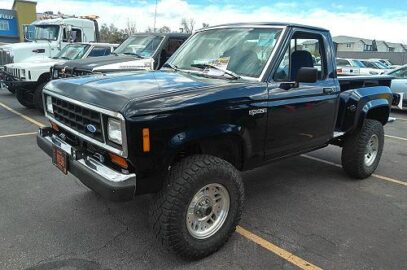
Shran’s 1987 Ford Ranger STX 4×4 Stepside – April 2024 Truck of The Month
Sometimes we see a truck and never realize the work that went into it. Shran’s 1987 Ford Ranger STX 4×4 Stepside is a good example of that. In fact our forum members liked... READ MORE
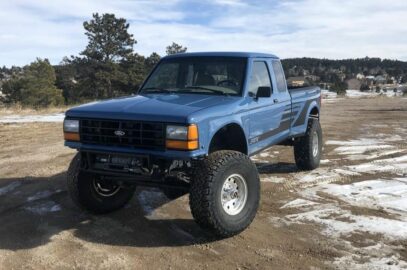
Kirby N – March Truck of The Month
UPDATE: Kirby N’s 1991 Ford Ranger STX 4×4 has been voted the March 2024 Truck of The Month. Forum member ‘Kirby N.’ always wanted to build a 1989-1992 Ford Ranger and spent considerable... READ MORE
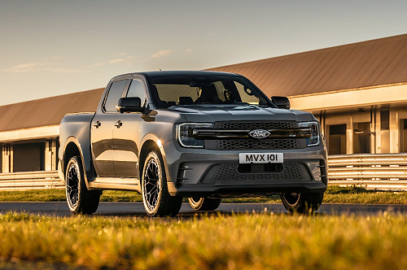
2024 Ford Ranger MS-RT
Ford Ranger MS-RT is the ultimate street truck, with unmatched on-road presence delivered by muscular bodywork, lowered suspension, and 21-inch alloy wheels DUNTON, UK, Feb. 13, 2024 – Ford Pro has today announced a... READ MORE
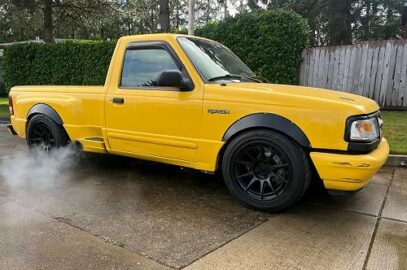
Yotaismygame – February 2024 Truck Of the Month
Forum member ‘Yotaismygame’ set out to turn this Yellow 1995 Ford Ranger Splash that he calls ‘Big Bird’ into a truck that could handle a Pro Tour / Autocross track and move down... READ MORE
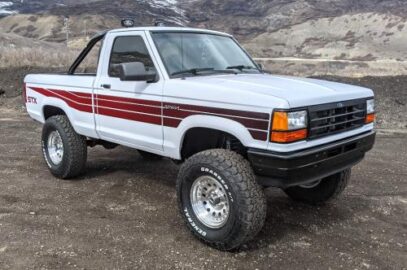
BlackBII – January 2024 Truck of The Month
Congratulations to forum member BlackBII and his 1989 Ford Ranger STX 4×4 for winning the January 2024 Truck of The Month. BlackBII completely redid this truck and did all of the work himself.... READ MORE
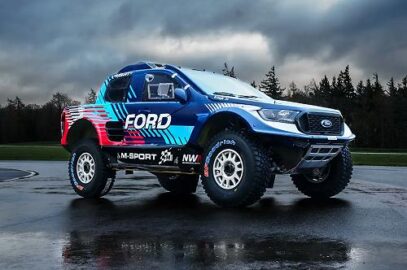
Ford M-Sport Ranger in Dakar Rally Livery
The journey to the 2024 Dakar Rally starts here as the Ford Performance and M-Sport Ranger departs on the long journey to the starting line in January. The team is excited to get... READ MORE
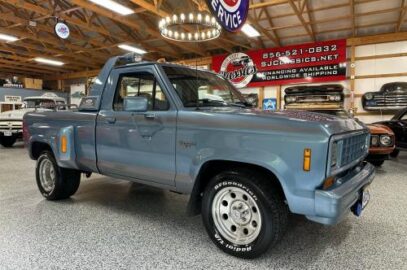
1987 Ford Ranger XLT Zimmer
We’ve shared some extended cab Ford Rangers with the Zimmer package before. Here’s a standard cab conversion. Zimmer was an American automaker based in Syracuse, New York. The original company was founded in... READ MORE
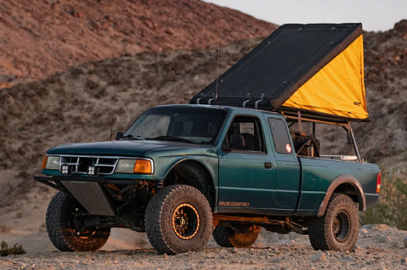
1994 Ford Ranger Prelander
What do you get when you cross a Ford Ranger built for pre-running with a Ford Ranger built for overlanding? A Prelander. This 1994 Ford Ranger Prelander serves as a shining example that... READ MORE
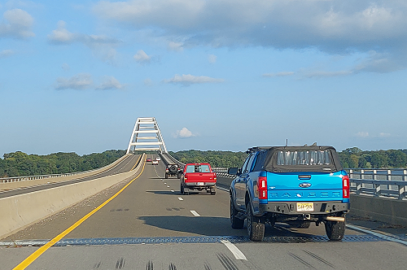
2023 Fall Adventure – Land Between The Lakes
During the past few years, The Ranger Station has held its fall gathering at the Badlands Offroad Park in Attica, Indiana. For 2023 we decided to change things up and host a ‘Fall... READ MORE
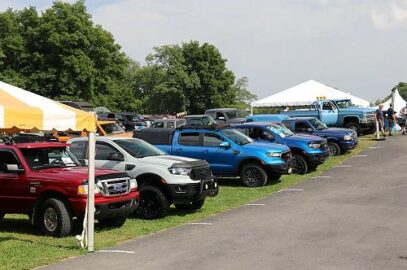
Carlisle Truck Nationals 2023
From August 4th-6th 2023 the Carlisle Fairgrounds (Carlisle, Pennsylvania) was the home of the Carlisle Truck Nationals. The Truck Nationals is a truck show open to everything from mini trucks to big rigs... READ MORE
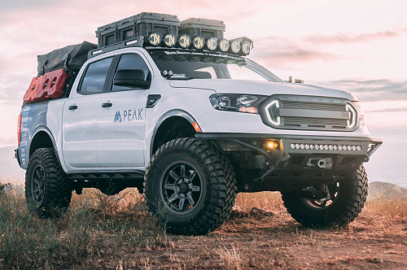
Peak Suspension 2019 Ford Ranger
Peak’ Suspension president and founder, Nick Psomas, has owned several Ford Rangers in his lifetime, so the announcement that the Ford Ranger was returning to the US Market in 2019 caused quite a... READ MORE
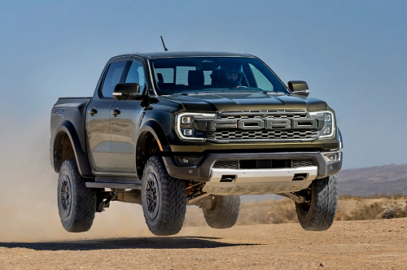
2024 Ford Ranger Raptor
The all-new 2024 Ford Ranger Raptor®, the most powerful and high-performance, off-road capable Ranger ever, is designed and engineered by Ford Performance to take off-road capability to the next level among midsize trucks... READ MORE
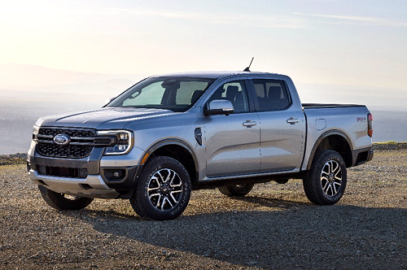
The All New 2024 Ford Ranger
Ford raises the bar again for midsize truck customers seeking adventure with a fully redesigned 2024 Ford Ranger® engineered Built Ford Tough®, with a standard 2.3-liter EcoBoost® engine and more powerful available 2.7-liter... READ MORE
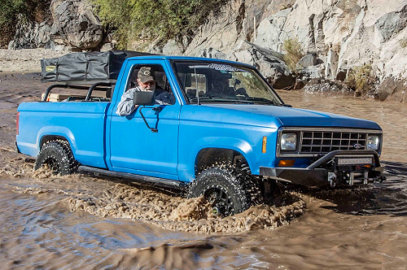
Blake Brown’s Overland 1985 Ford Ranger
Blake Brown purchased this truck for $900 and rebuilt the 2.8L V6 to its original specifications. The original 4-speed manual transmission was replaced with a M5OD 5-speed transmission using a 4.0L flywheel and... READ MORE
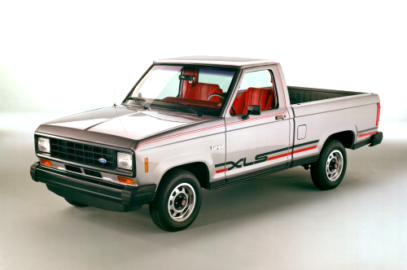
Celebrating 40-Years of The Ford Ranger
This year (2023) marks the 40th anniversary of the Ford Ranger. The first Ranger rolled off the assembly line in 1982 as a 1983 model year. The new compact truck looked like a... READ MORE
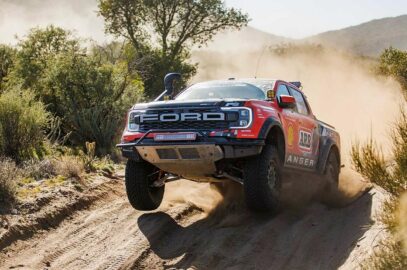
2023 Ford Ranger Raptor At Baja 1000
The next-generation, race-prepped, stock next-gen Ranger Raptor finished the SCORE-International Baja 1000 atop the stock classes, then drove on public roads back to its base in Riverside, California after the race. The nearly... READ MORE
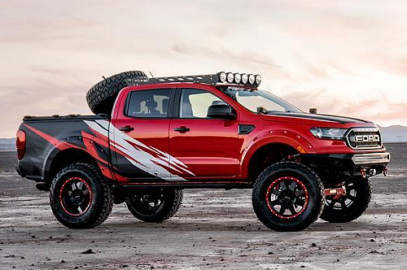
Skyjacker’s 2021 Ford Ranger
When it came to suspension systems for the 1983-1997 Ford Ranger 4×4 trucks, nobody made a better bolt on suspension system than Skyjacker Suspension. These heavy duty Skyjacker kits didn’t just add lift,... READ MORE
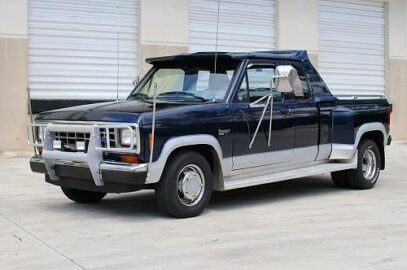
1988 Ford Ranger Dually
The Ford Ranger dually. Unlike the 1987 Zimmer Ford Ranger featured in August that looked like a dually but just had a wider rear tire, this Ford Ranger is actually a true dually.... READ MORE
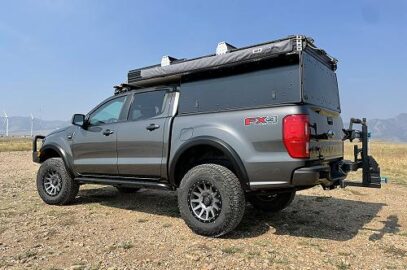
2019 Ford Ranger Overlander With Wedge Camper
The 2019 and newer Ford Ranger equipped with the FX4 package is a great platform to build an overlanding adventure vehicle from. Especially with its electric rear locker, terrain management, trail control, and... READ MORE
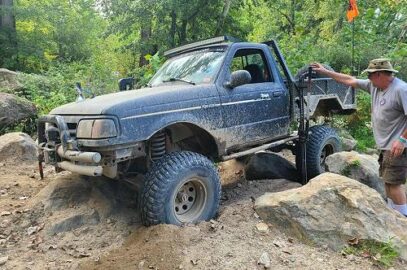
2022 Fall Off-Road Round-Up Attica Indiana
On Thursday September 8th I set out on the 868 mile journey to the Badlands Offroad Park in Attica, Indiana to host the TRS 2022 Fall Off-Road Round-Up. I have to leave on... READ MORE