
Introduction
This Suspension Tech Library is a centralized resource for Ford Ranger suspension design, modification, repair, and tuning. It brings together in-depth technical articles, installation guides, factory specifications, calculators, and real-world build examples covering everything from stock suspension maintenance to advanced off-road and fabrication-based upgrades.
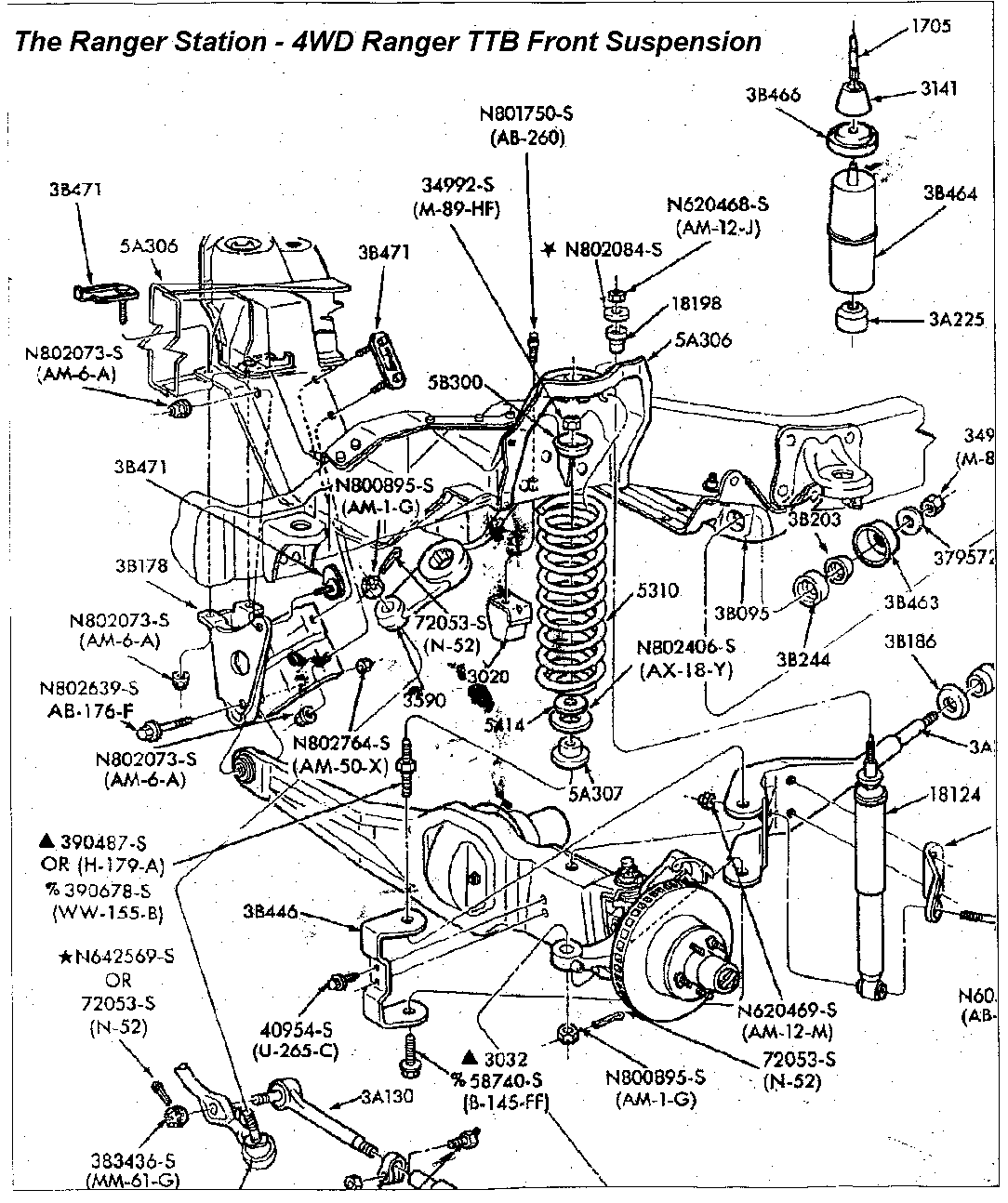
The content on this page applies primarily to 1983–2011 Ford Rangers, including 2WD and 4×4 models with TTB (Twin Traction Beam), IFS, and leaf-spring rear suspensions. You’ll also find relevant information for Bronco II and Explorer-based suspension swaps commonly used on Rangers.
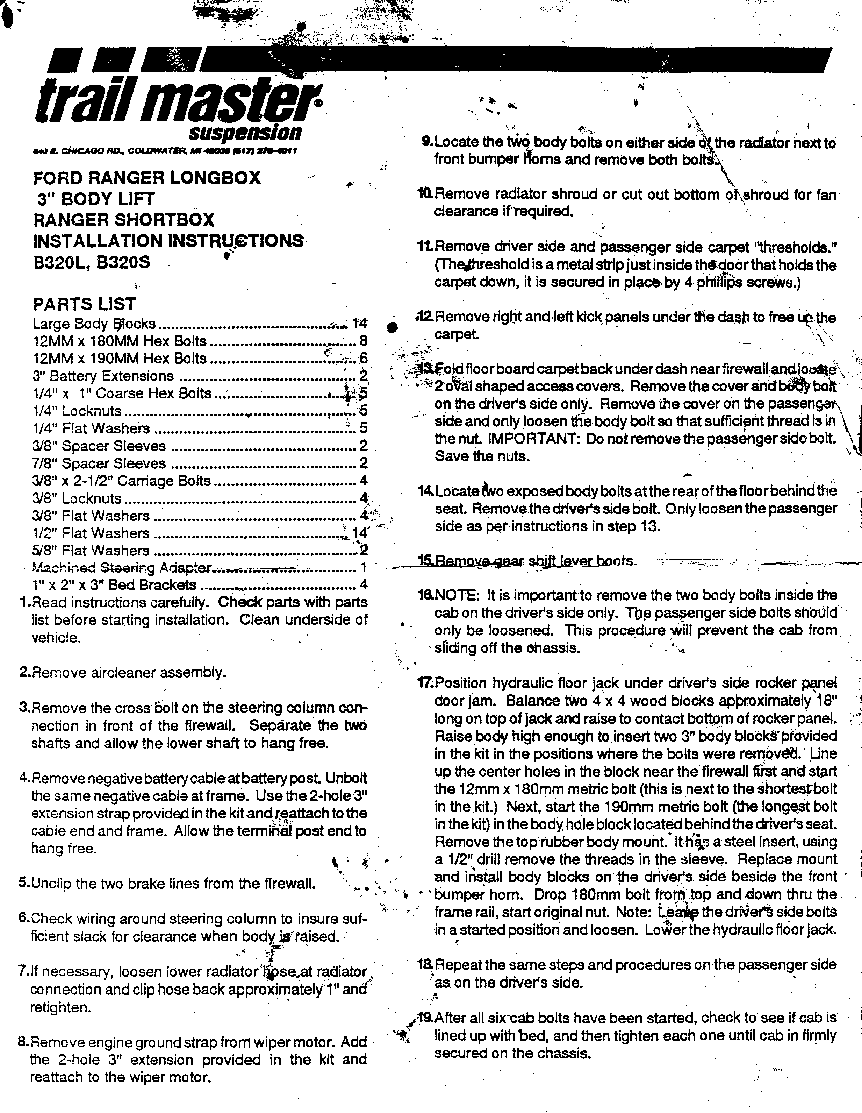
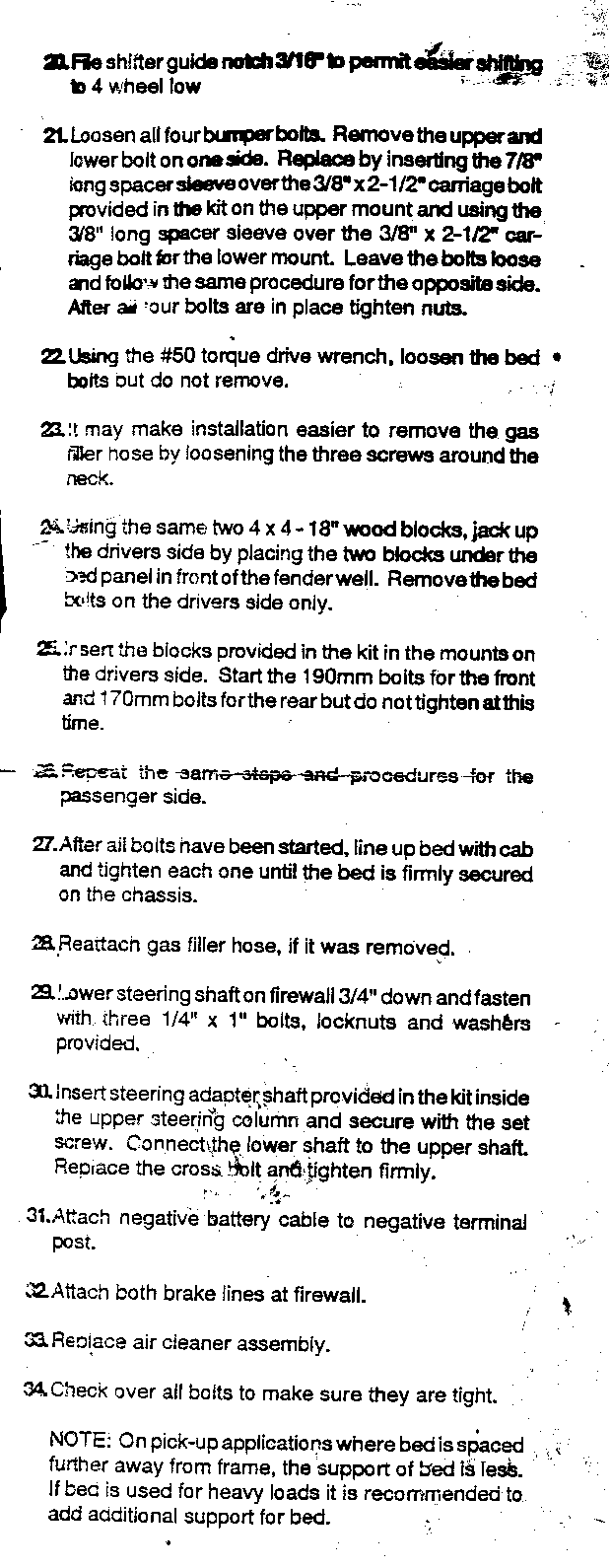
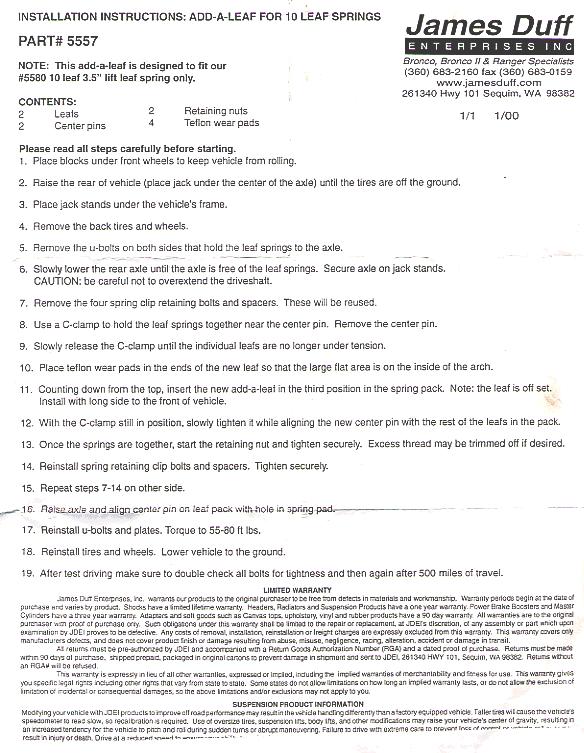
Whether you are leveling your truck, installing a lift kit, increasing wheel travel, tuning spring rates, or designing custom suspension components, this library is designed to help you understand how the Ranger suspension works—and how to modify it correctly.
Use the sections below to navigate suspension guides by generation, drivetrain, component type, and modification style.
Disclaimer: Information provided for reference only. Vehicle modifications may be hazardous. Read full legal notice.
2019-Present Ford Ranger Tech:
If you’re looking for tech specific to the 2019-present Ford Ranger, click HERE.
Other Information
- Stock Specifications
- 1983-2011 Ford Ranger Builders Guide
- How To Build A Ford Ranger For Overlanding
- Ford Ranger Off-Road Product Guide
- Ford Ranger Owners Manuals
Lift Laws
Solid Front Axle Swaps (SAS)
NOTE: Dana 44 front axle swaps / Solid Axle Swap (SAS) are in the Axles Section.
About The Author

Jim Oaks is the founder of TheRangerStation.com, the longest-running Ford Ranger resource online since 1999. With over 25 years of hands-on experience building and modifying Ford Rangers — including magazine-featured builds like Project Transformer — Jim has become one of the most trusted authorities in the Ford Ranger off-road and enthusiast space.
Since launching TheRangerStation.com, Jim has documented thousands of real-world Ranger builds, technical repairs, drivetrain swaps, suspension modifications, and off-road adventures contributed by owners worldwide. TheRangerStation.com has been referenced in print, video and online by enthusiasts, mechanics, and off-road builders looking for practical, and experience-based information.