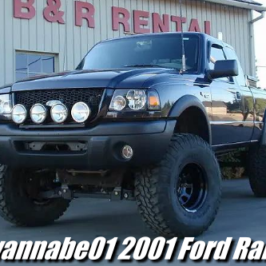
Quasi242’s 2000 Ford Ranger 4×4 Long Travel Build
From RCD Suspension Lift to Dixon Brothers Racing Long Travel
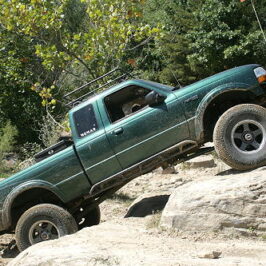
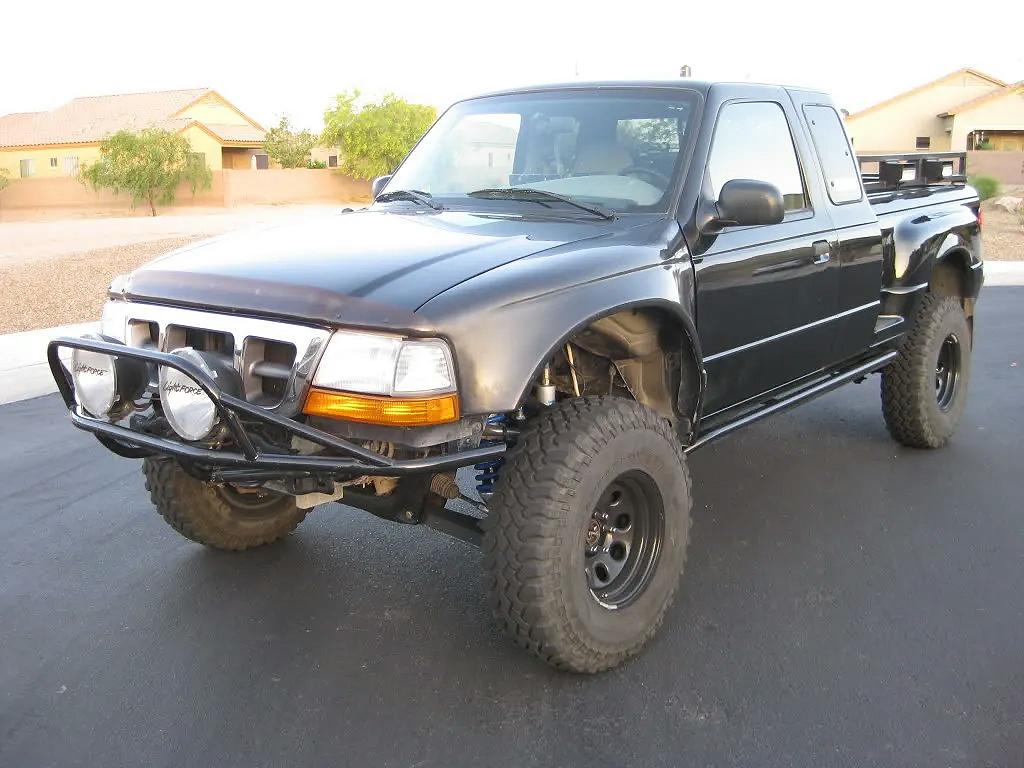
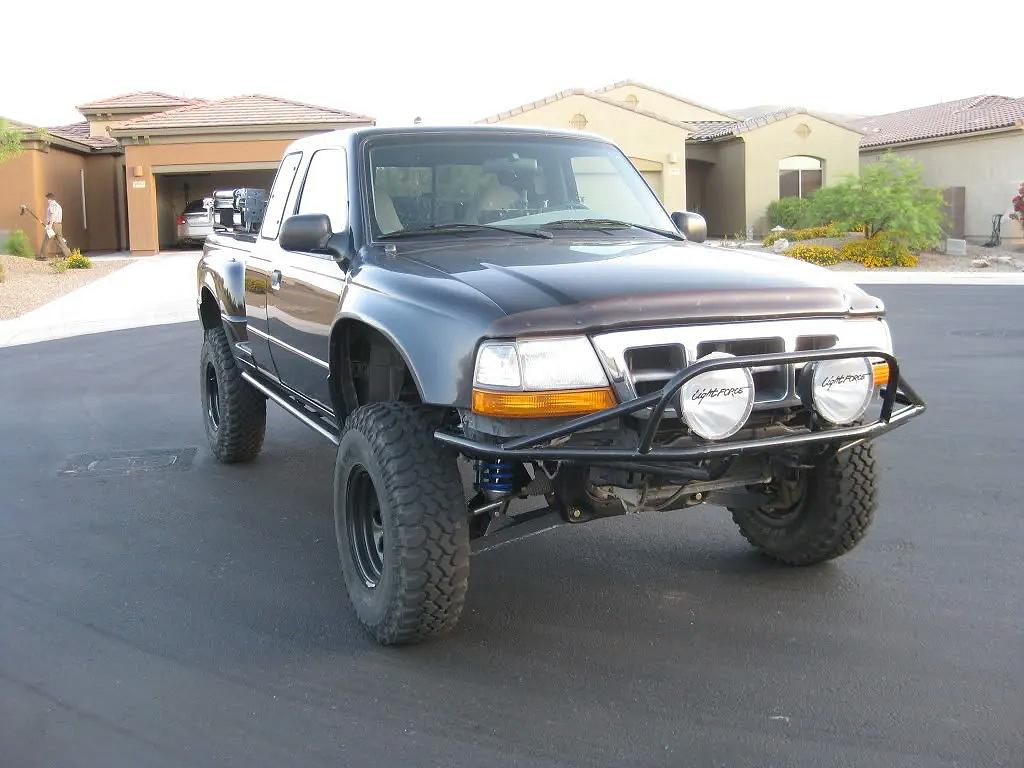
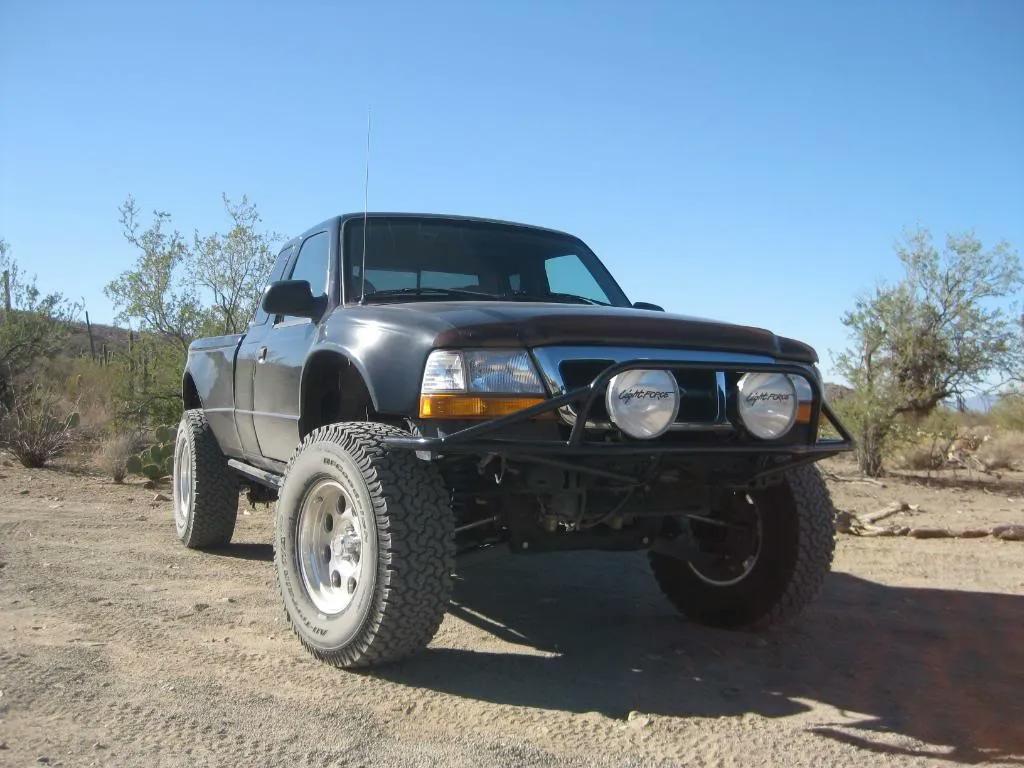
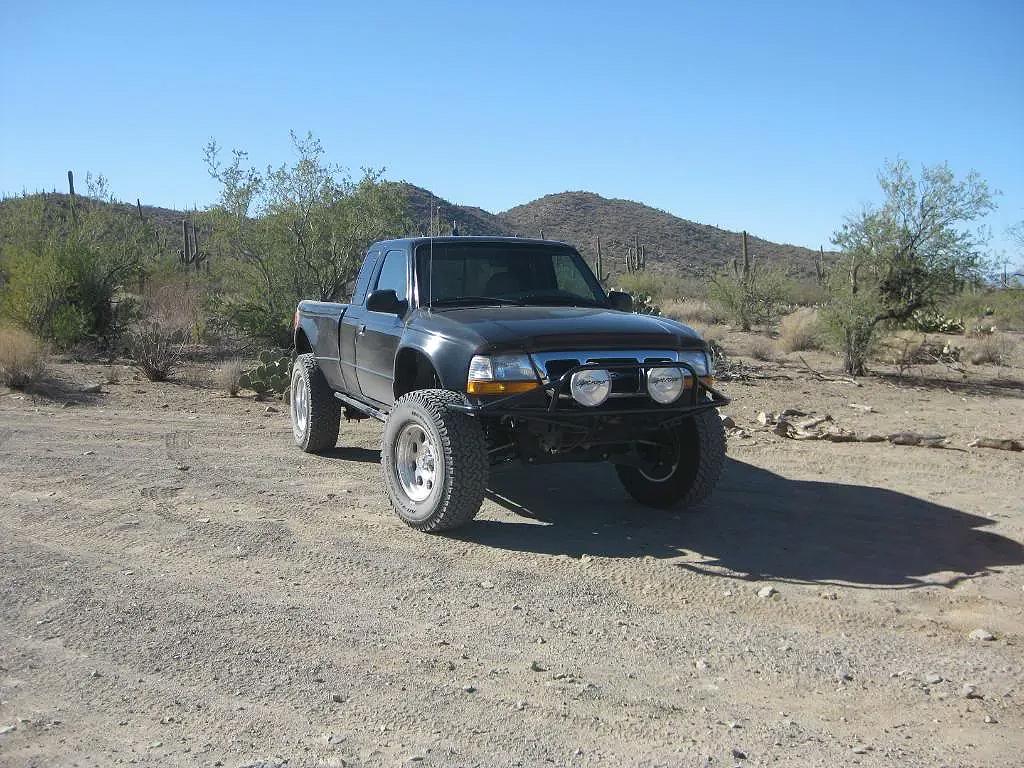
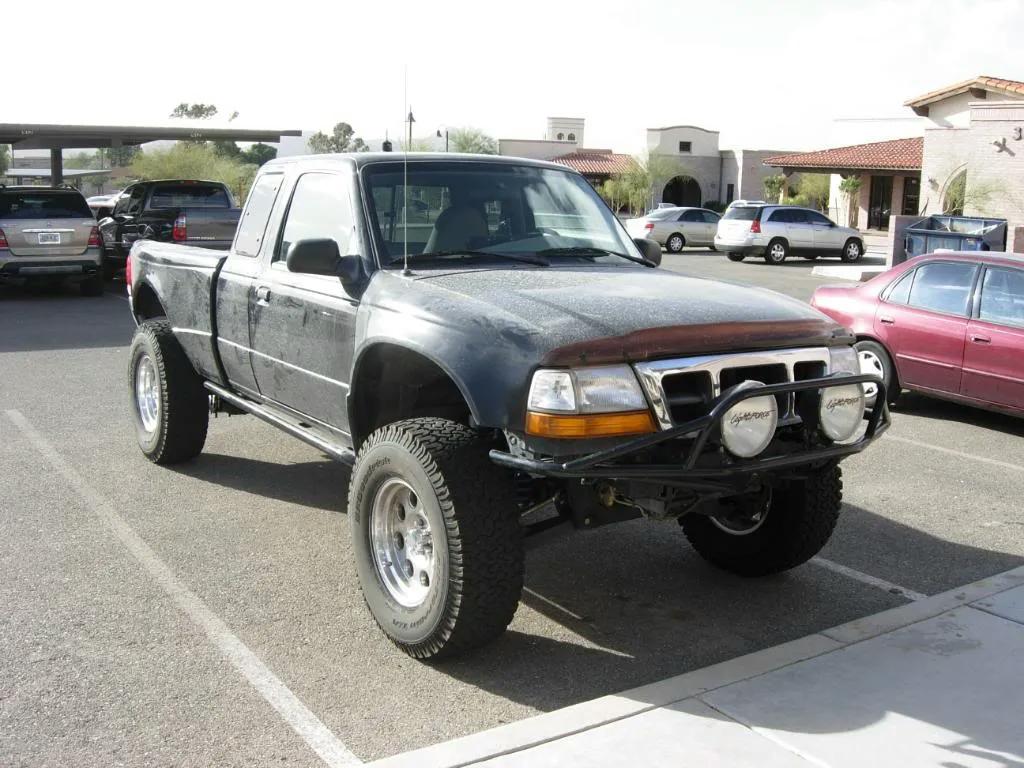
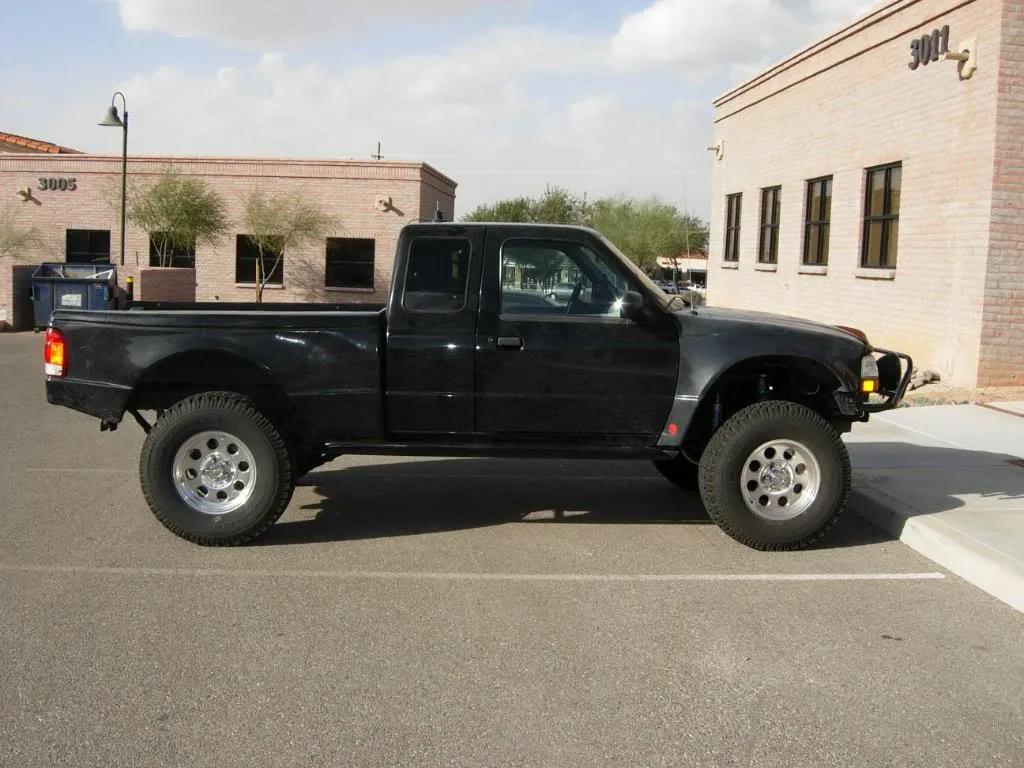
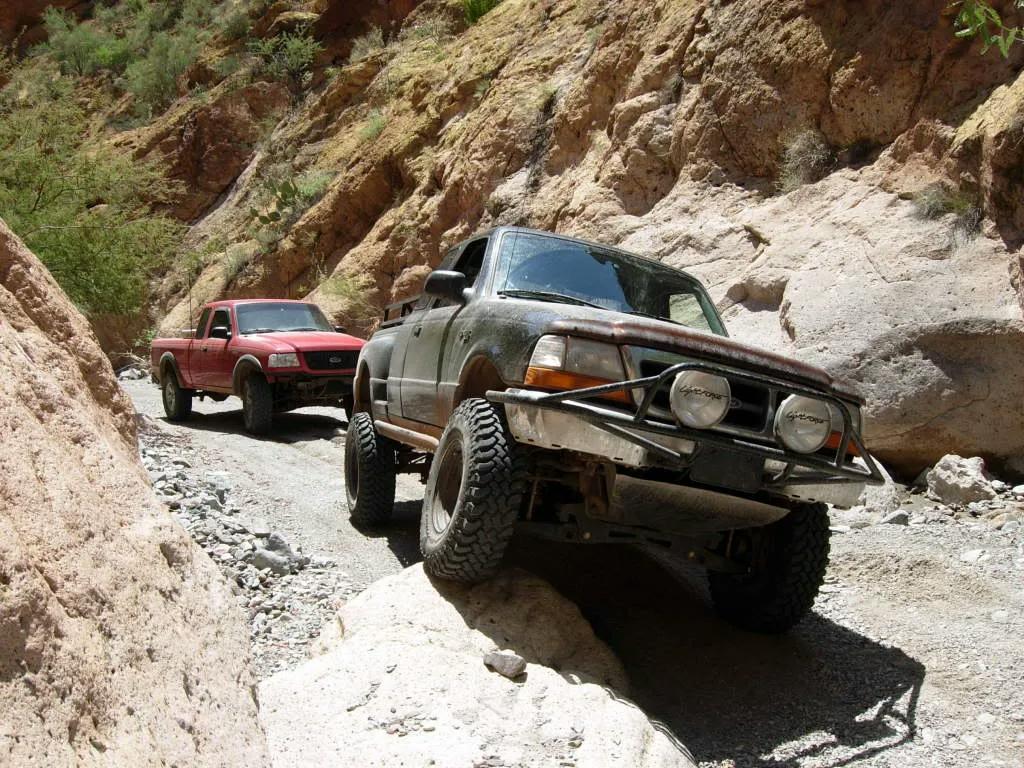
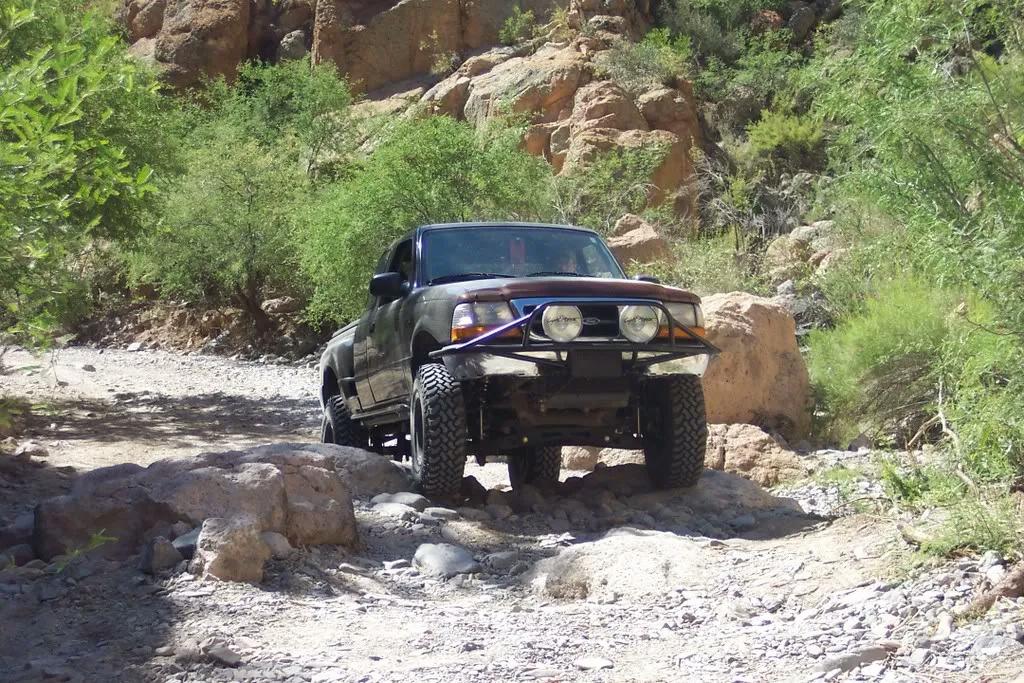
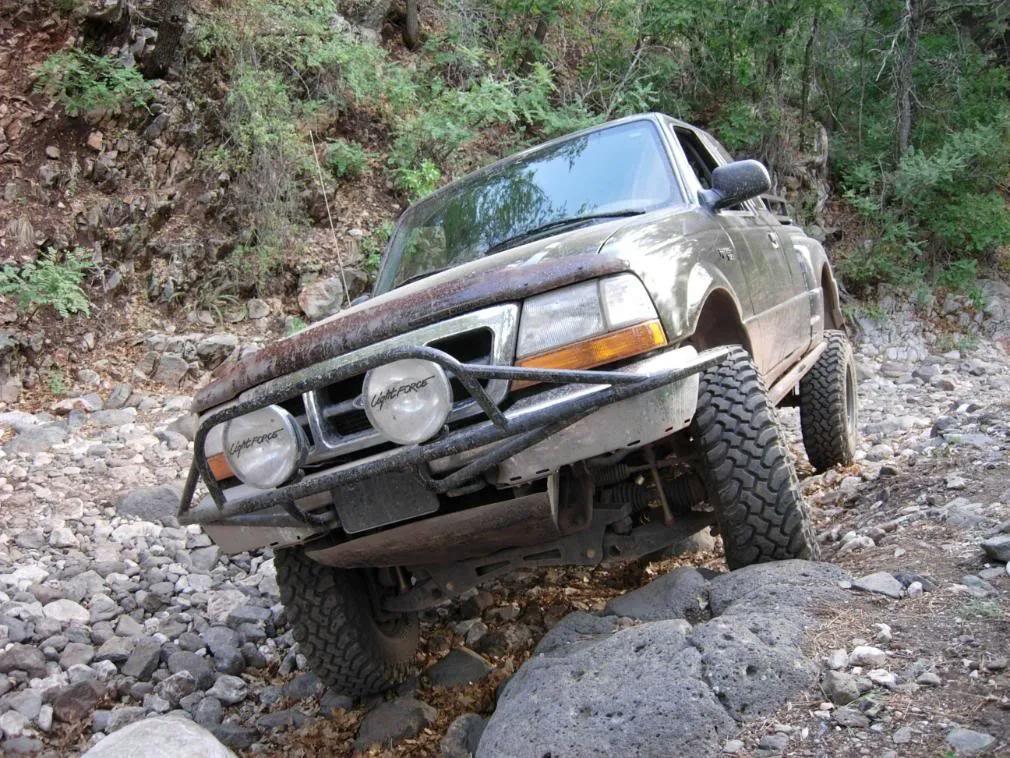
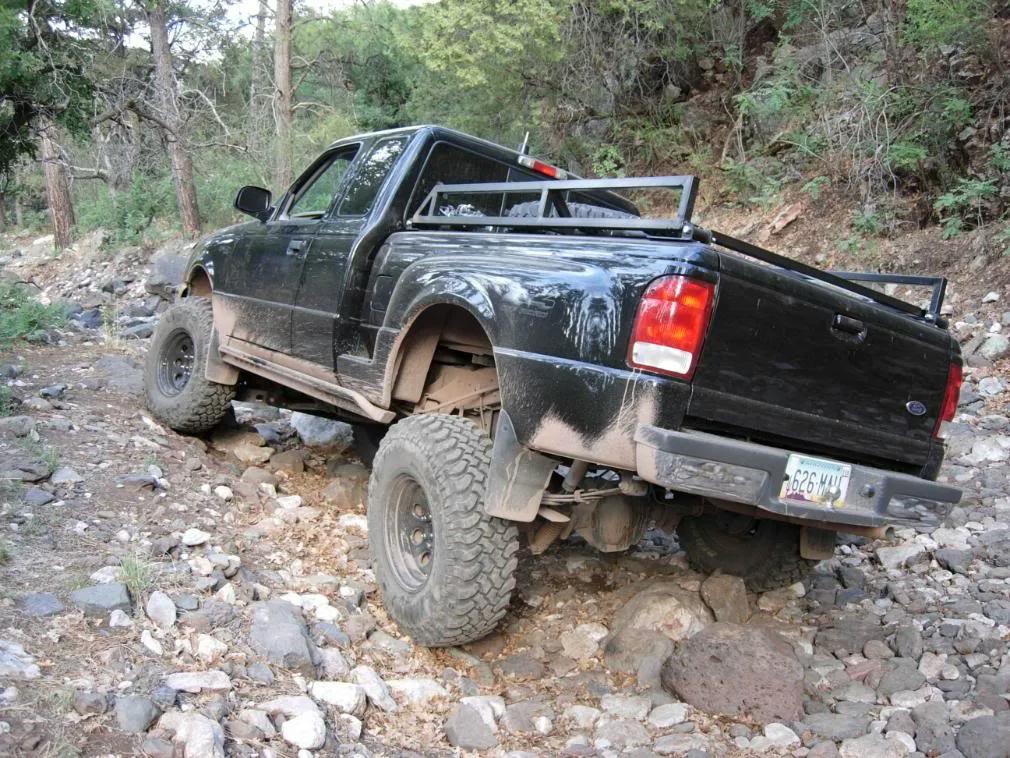
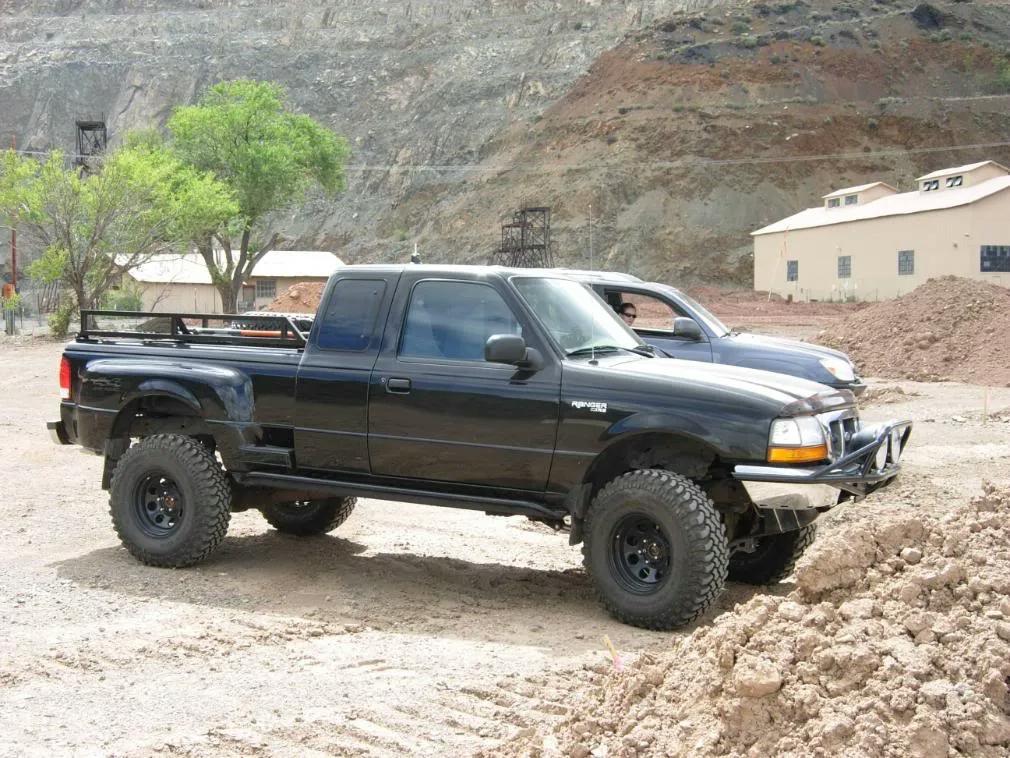
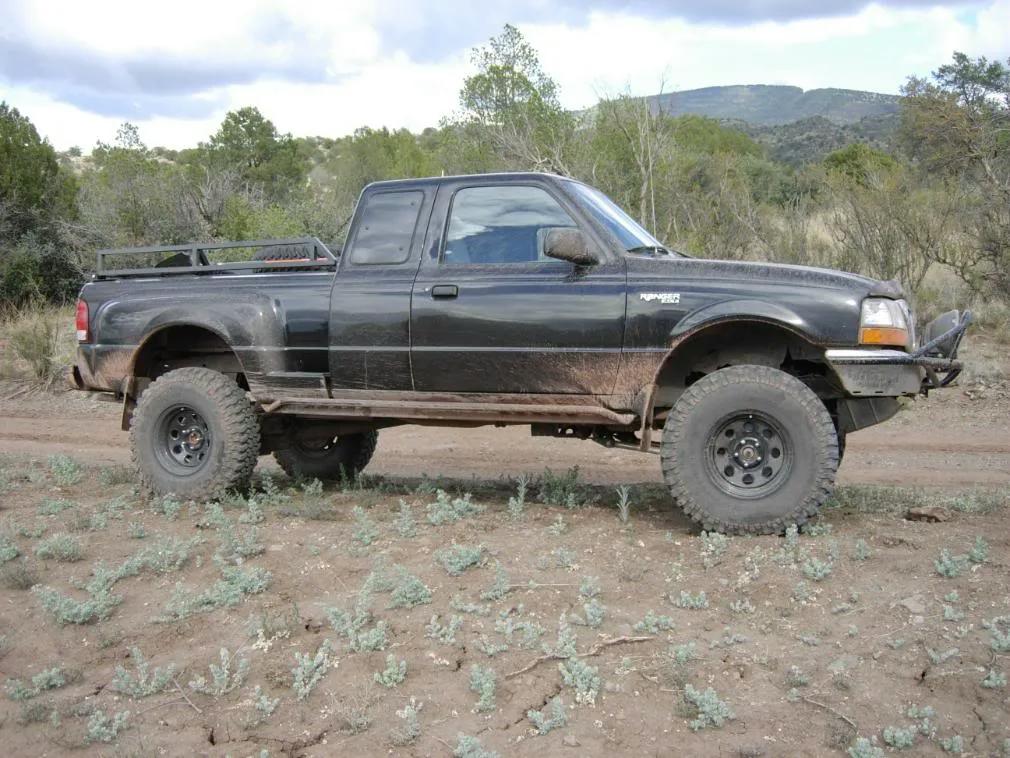
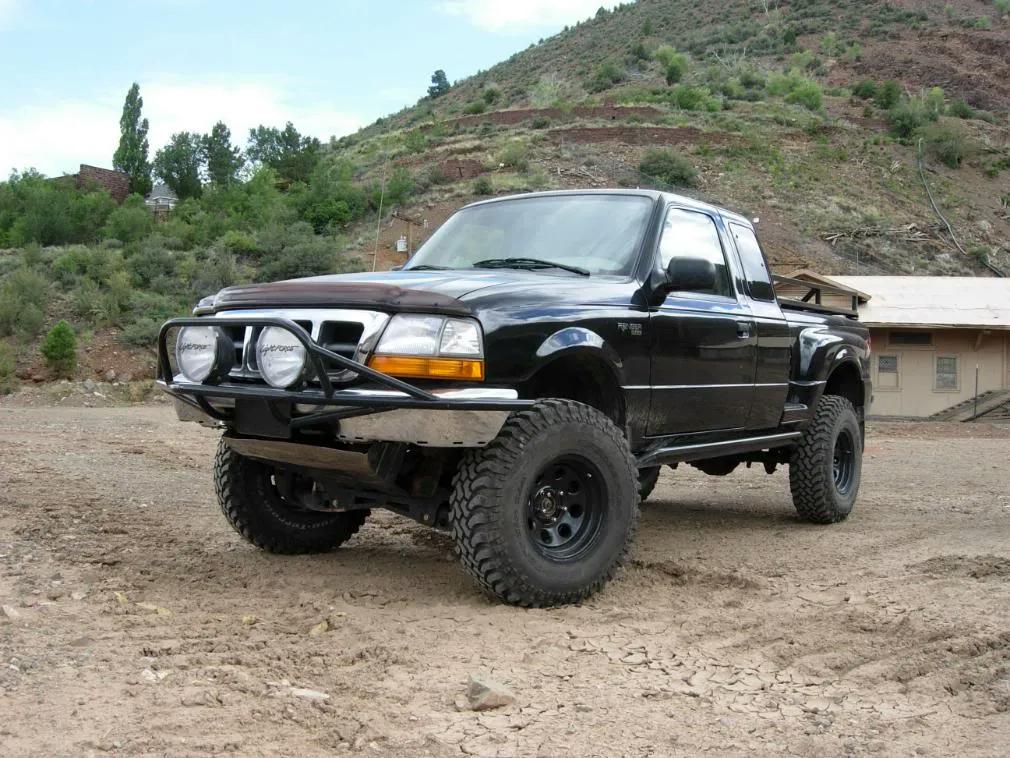
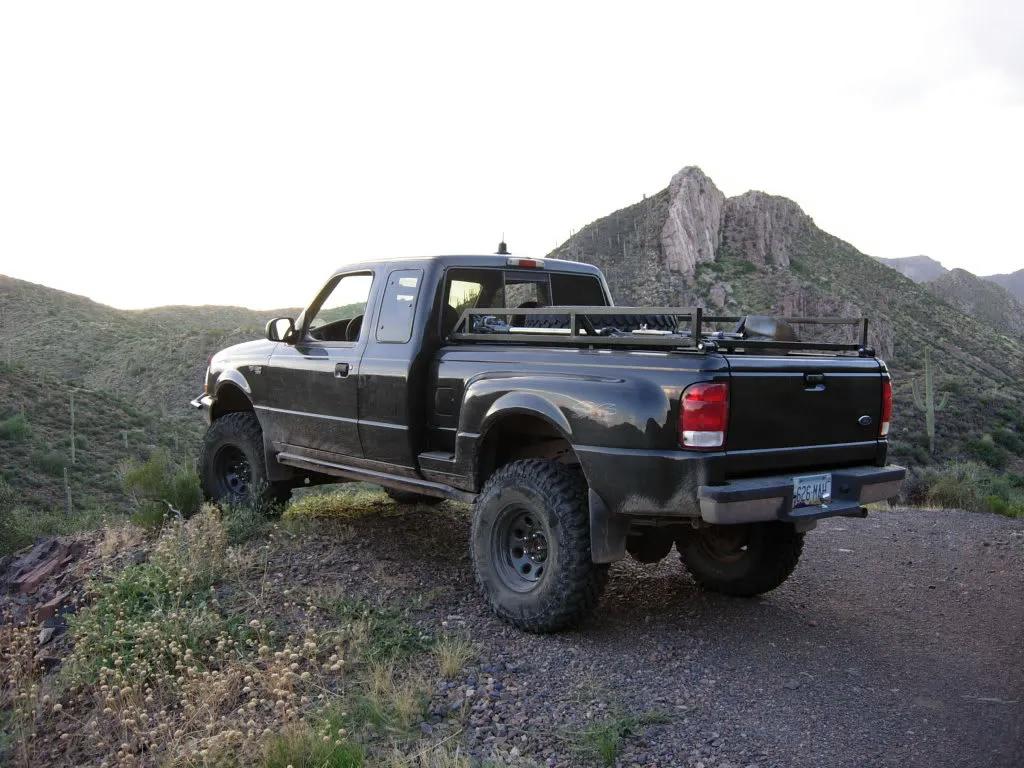
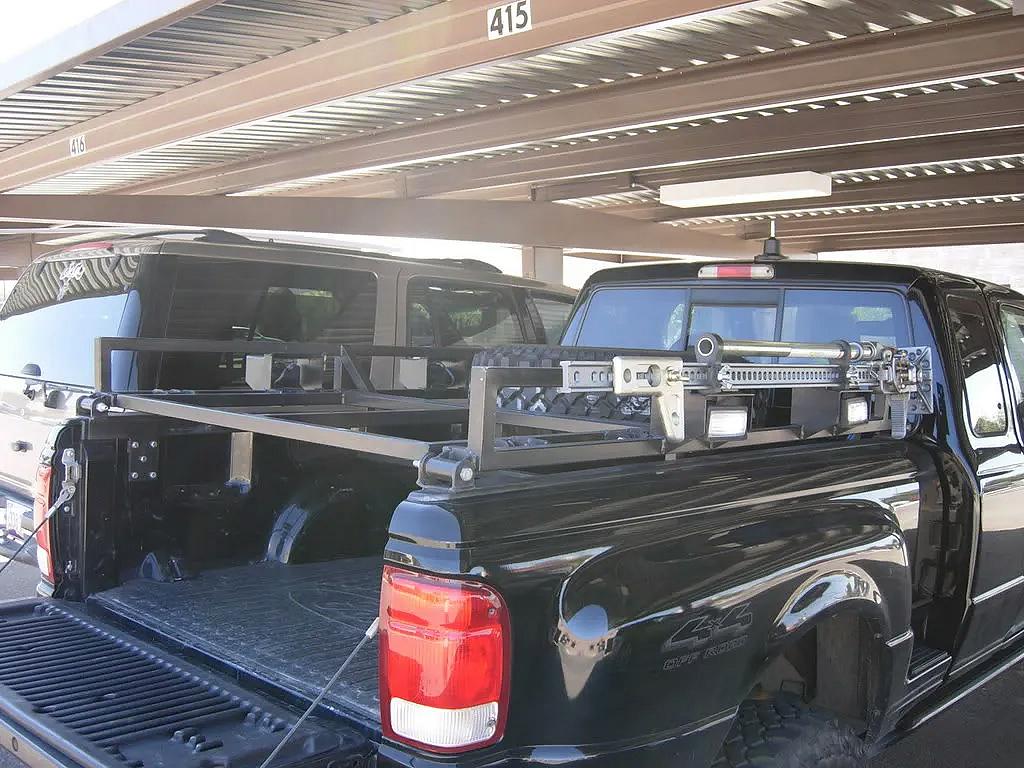
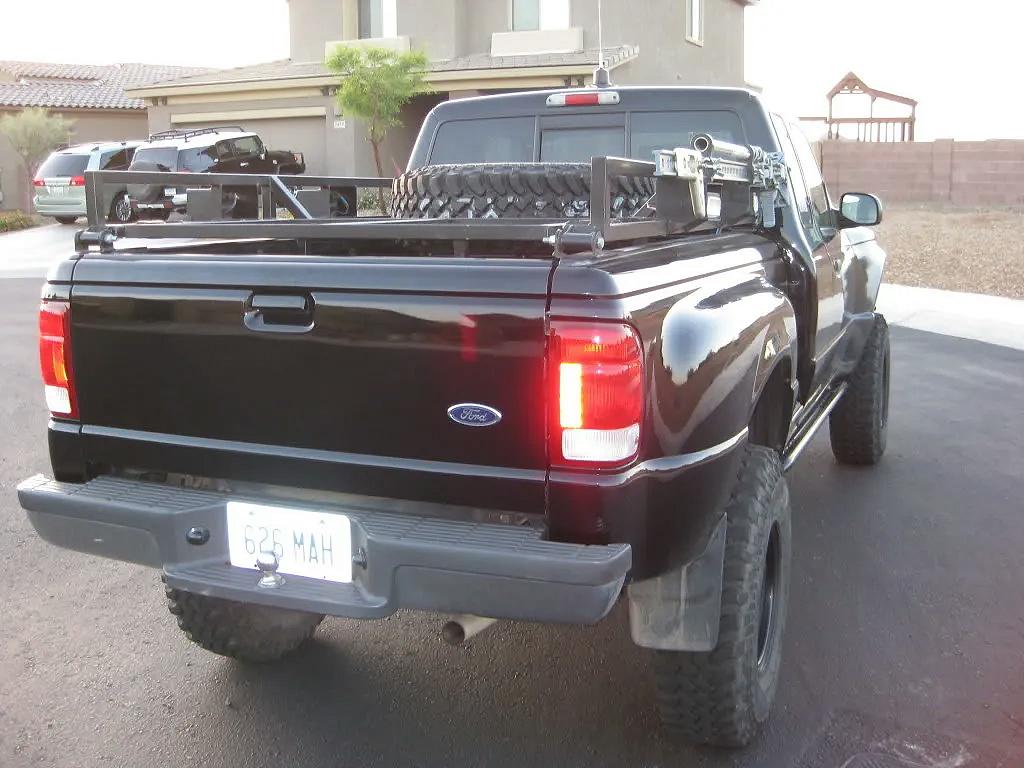
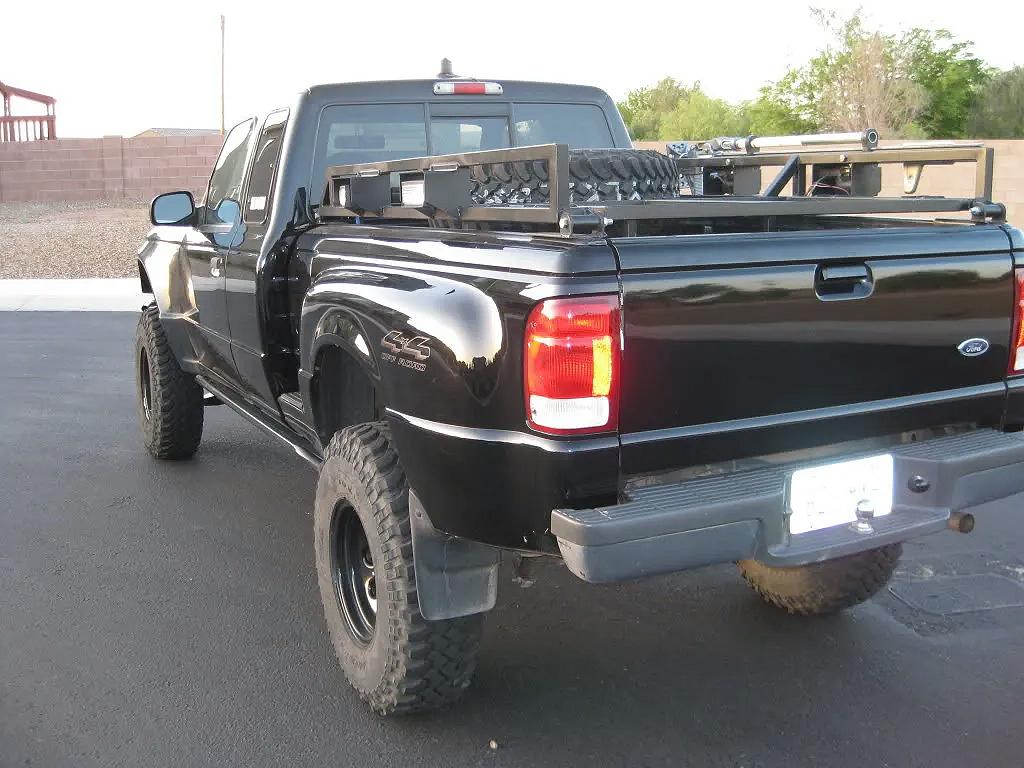
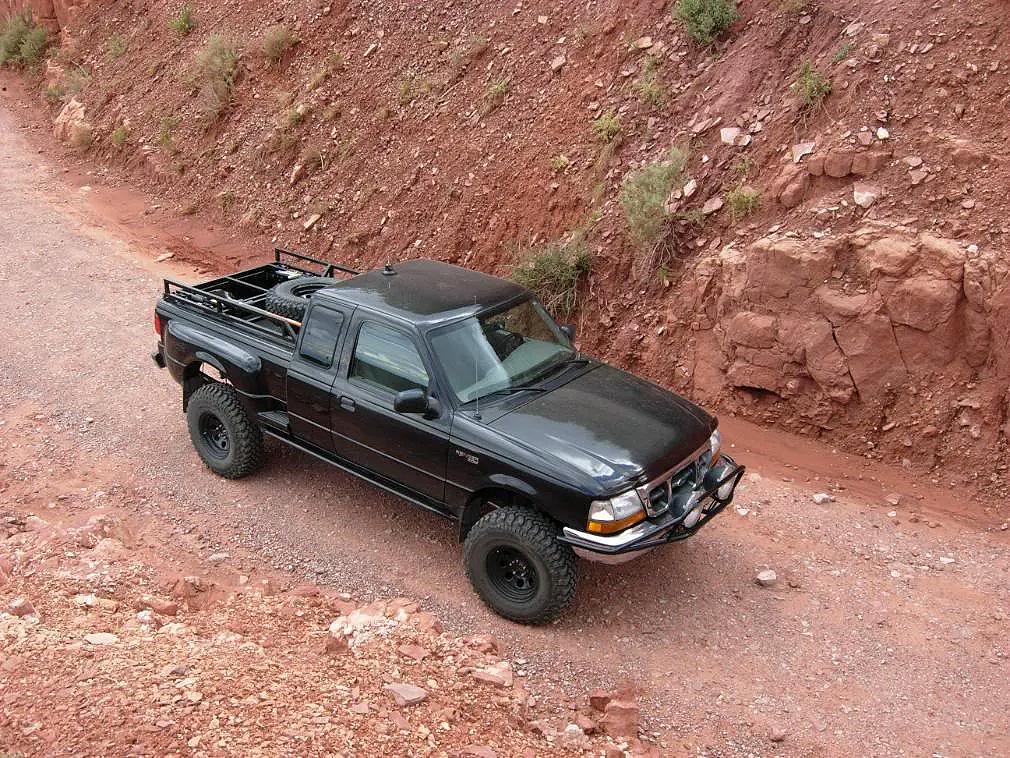
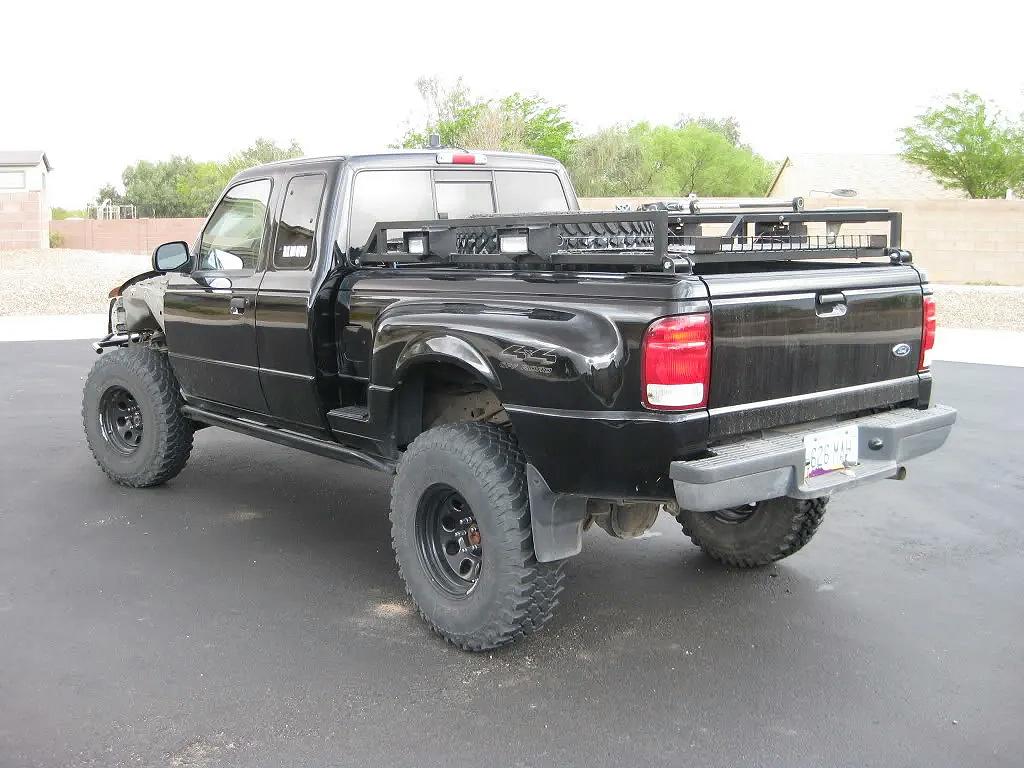
When Matt Cawley’s Ford Ranger appeared in the April 2009 issue of 4 Wheel Drive & Sport Utility magazine, it was already a well-equipped trail rig. The 2000 Ranger SuperCab Flareside had an RCD suspension lift, 33-inch BFGoodrich Mud-Terrain tires, custom rock sliders, auxiliary lighting and a fabricated bed rack. It was built to remain street legal and useful as a daily driver while exploring the rocky trails around Tucson, Arizona.
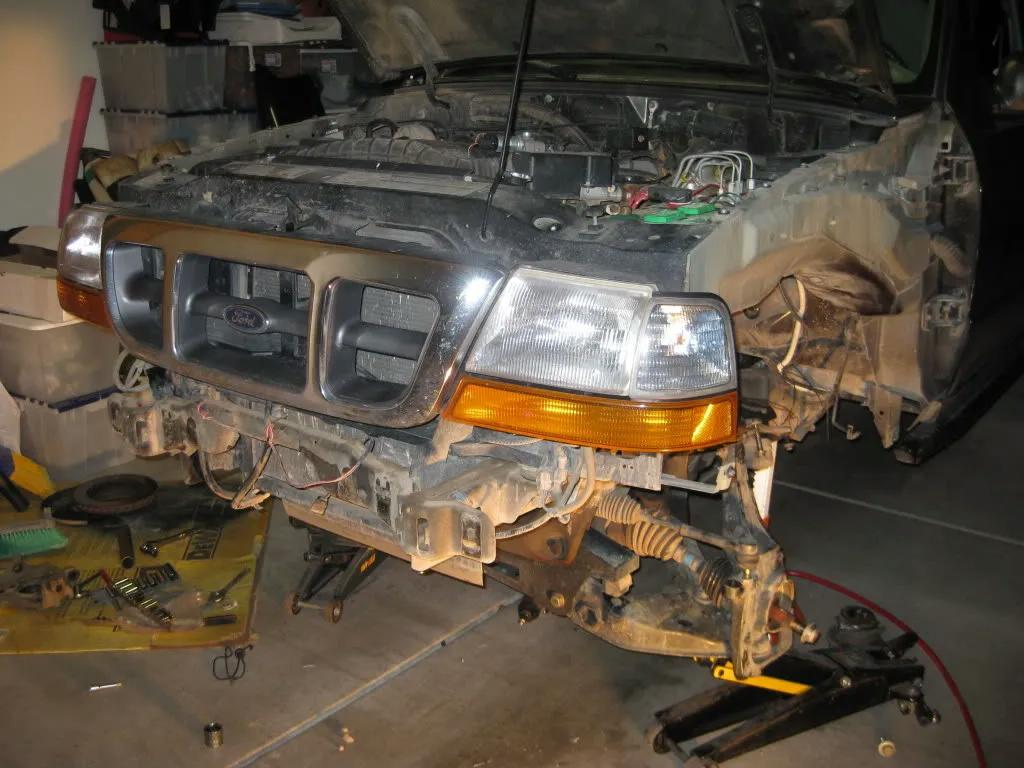
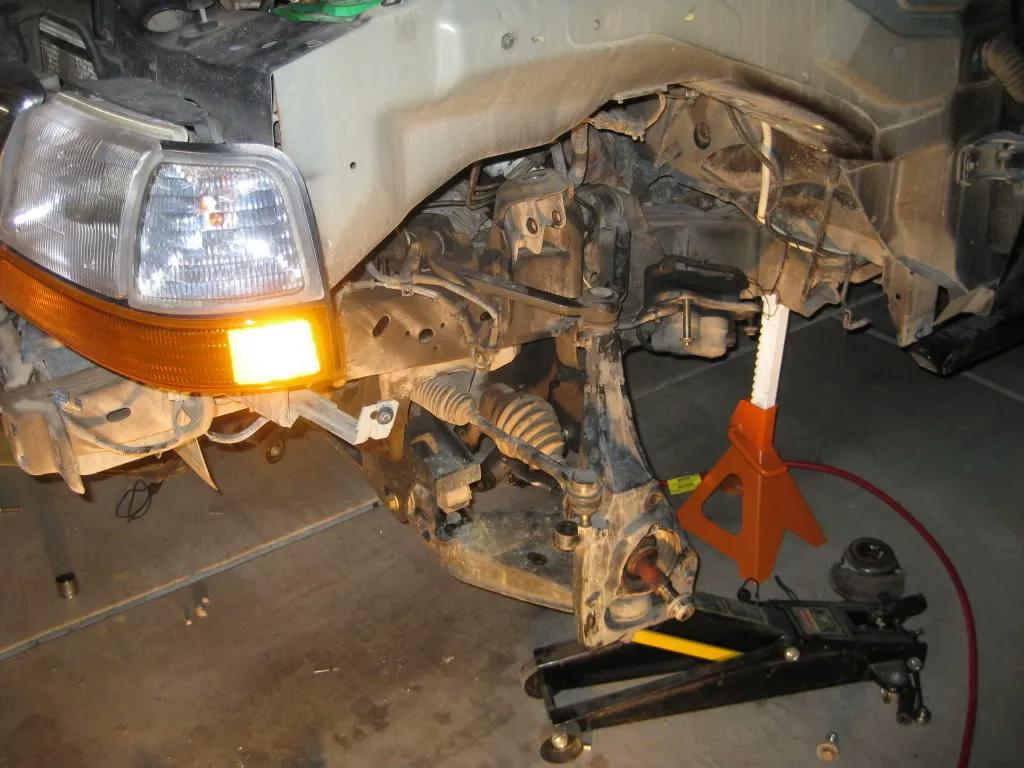
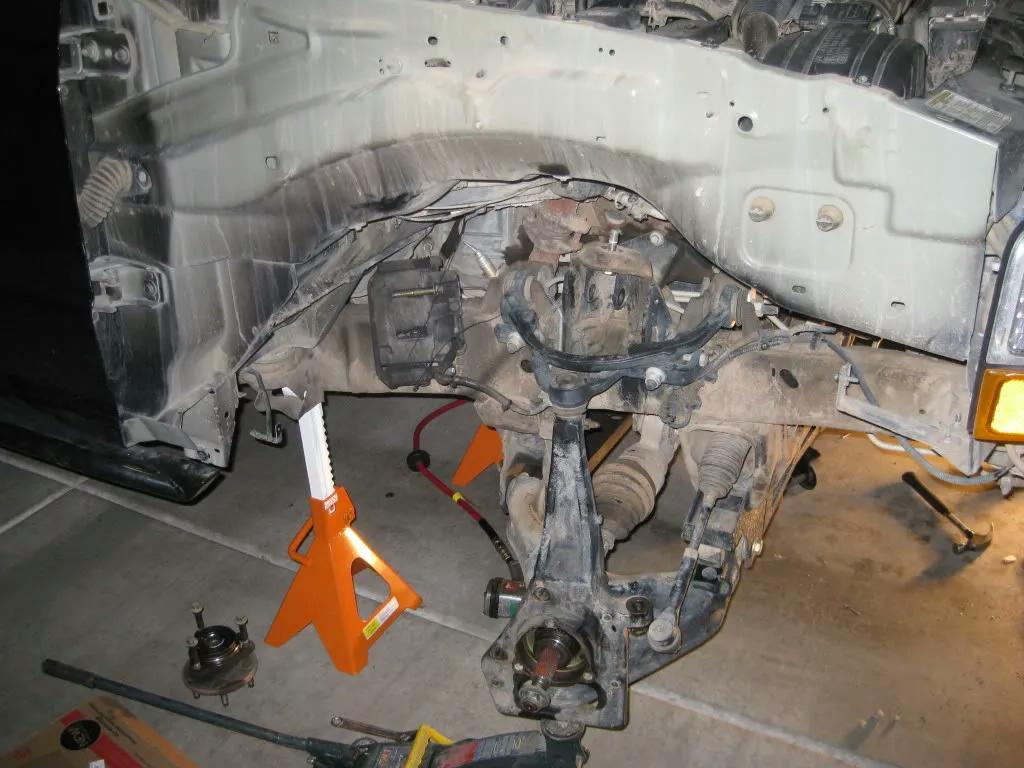
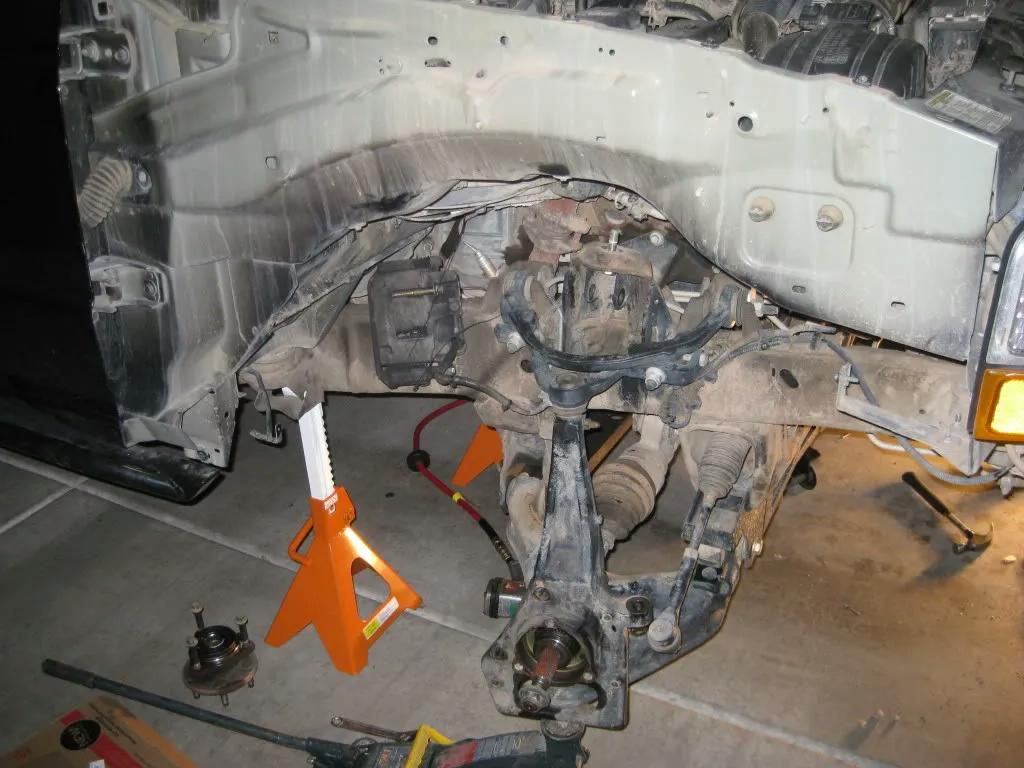
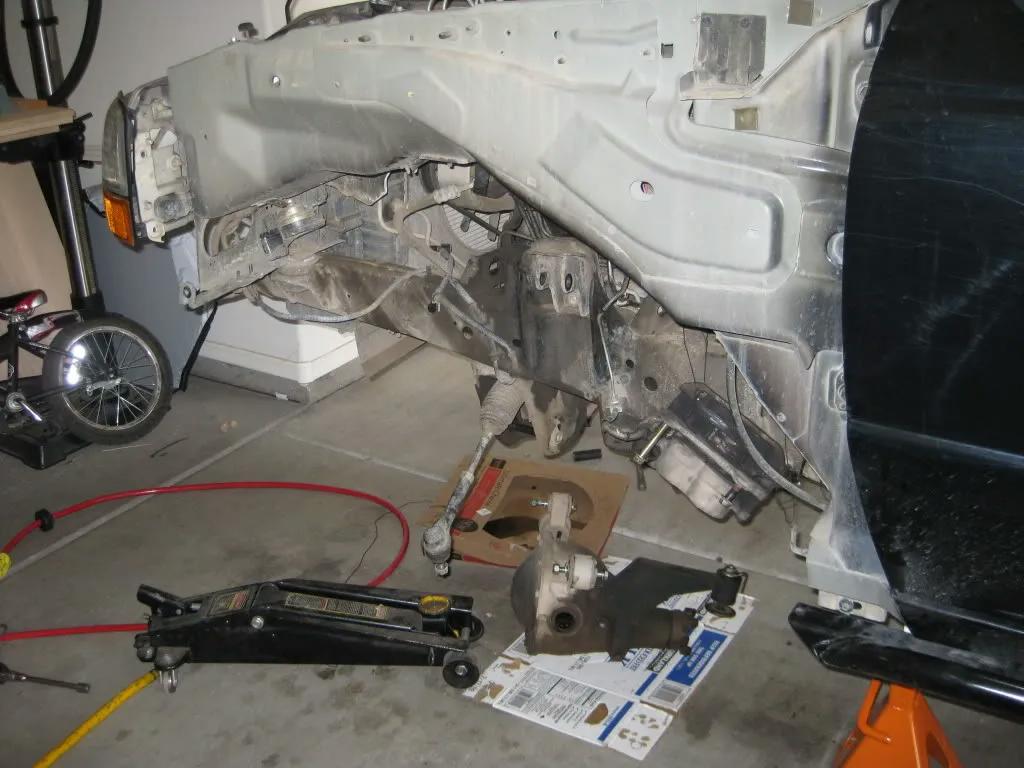
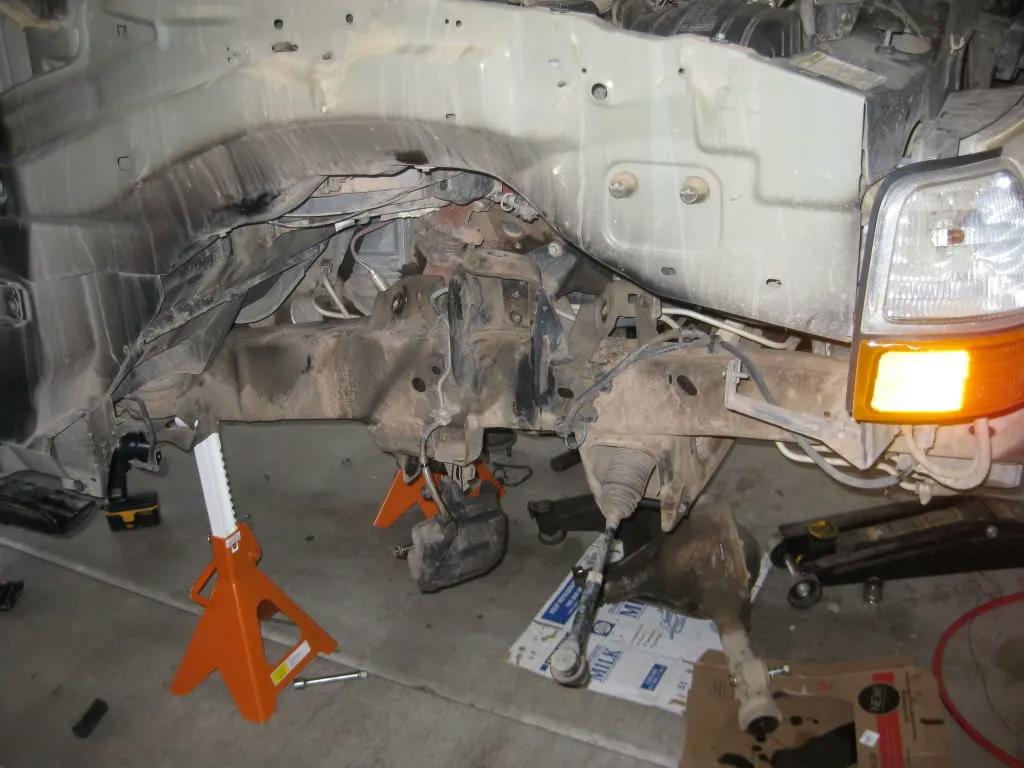
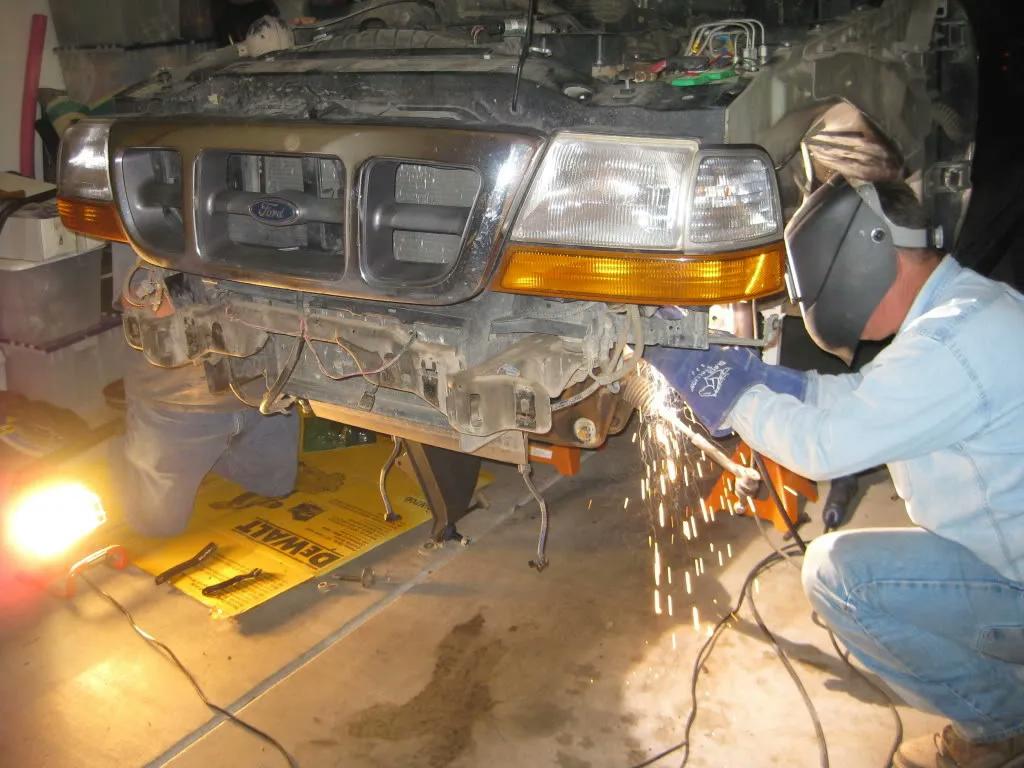
But the truck’s story didn’t end with that magazine feature. Cawley, who documented the Ranger’s evolution on The Ranger Station forums under the username Quasi242, had decided it was time to take the suspension to another level. In April 2009, he began documenting the removal of the RCD front suspension and installation of a Dixon Brothers Racing (DBR) long-travel system.
What followed was an evolving build that included wider fiberglass fenders, 35-inch tires, a wider rear axle, long-travel leaf springs and custom fabrication. Quasi242 wanted a truck that could handle general desert exploring but also had the suspension capability for faster off-road driving, without sacrificing everything that made a pickup useful.
Quasi242’s Ranger was named The Ranger Station’s January 2010 Off-Road Truck Of The Month, recognizing the build and the work that went into developing the truck. The award came during its transition from an RCD-lifted trail rig to a more specialized long-travel 4×4.

The Ranger’s Early Years
Quasi242 purchased the Ranger in 2003 from an older gentleman in Sun City, Arizona. The truck was immaculate and had only 31,000 miles on the odometer. It was a four-wheel-drive model with an open 8.8-inch rear axle and 4.10:1 gears.
The previous owner had already added several accessories, including a bug deflector, body-color fiberglass steps, a black locking tonneau cover, a rubber bed mat and sheepskin seat covers. Initially, Quasi242 was happy with the truck as it was. His first changes were modest: removing the seat covers and installing an Alpine head unit with iPod compatibility.
His plans began changing after a camping trip in 2004. Heavy overnight rain had left the access road to the campsite covered in deep puddles and soft clay. While crossing a pair of large puddles, the suspension extended and then compressed hard as the truck crossed the hump between them. One of the fiberglass steps folded in half, although it protected the rocker panel from damage.
After removing both steps, Quasi242 decided he liked the Ranger’s appearance better without them. The incident also gave him an early lesson in the importance of protecting the truck’s body when traveling rough roads.
From Camping Trips to More Technical Trails
In 2006, Quasi242 and his family moved from Phoenix to Tucson. He soon met a friend who was serious about off-roading, and their trips into the surrounding backcountry introduced him to more challenging terrain than the maintained forest roads and campground access routes he had previously traveled.
The first addition for these outings was a Cobra CB radio, installed in the dash below the Alpine stereo so the two vehicles could communicate. The factory headlights, however, were inadequate for the technical night runs that became a regular part of their adventures.
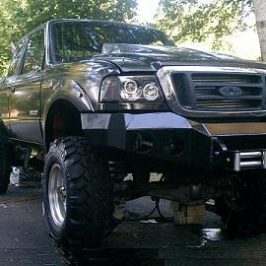
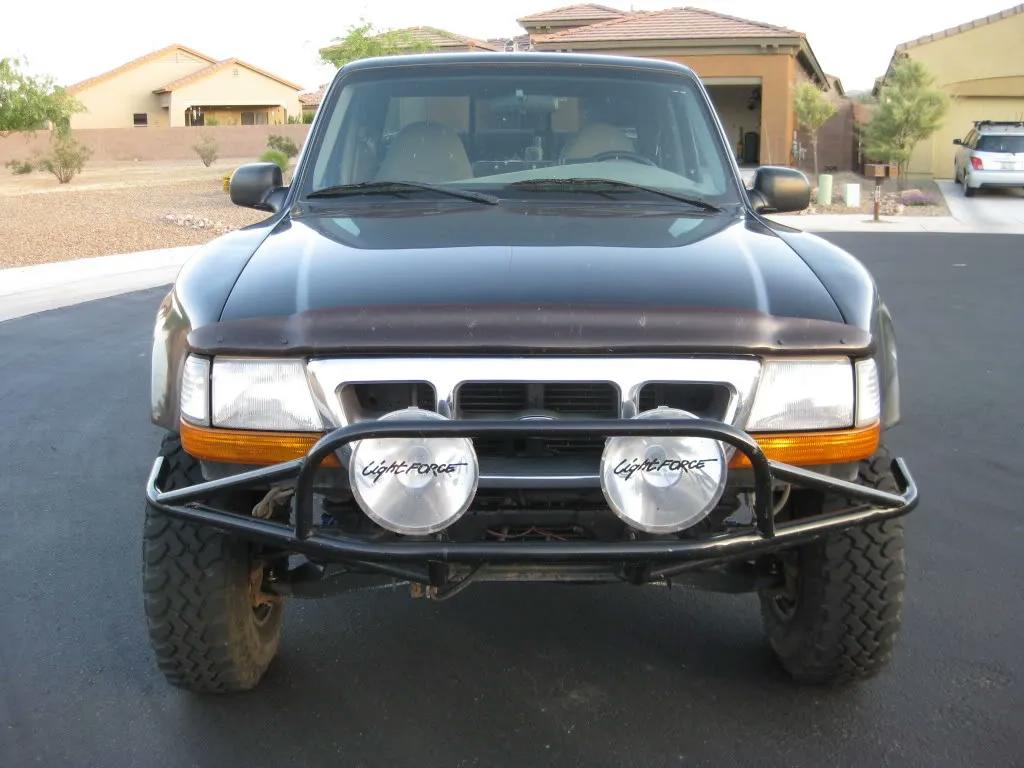
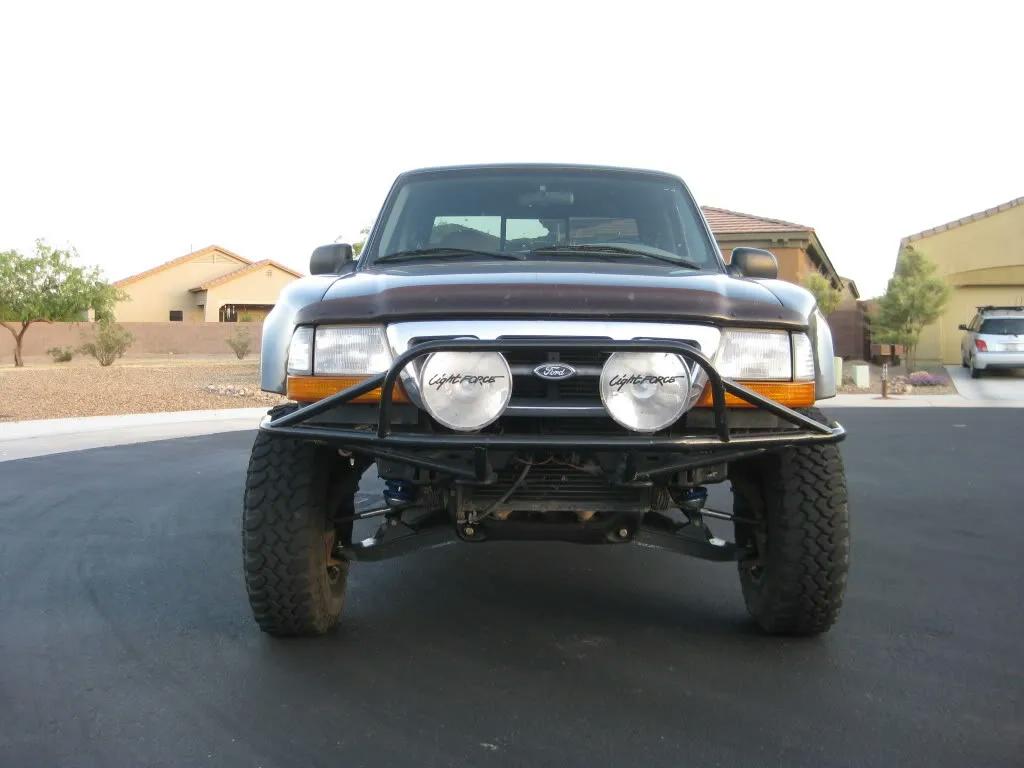
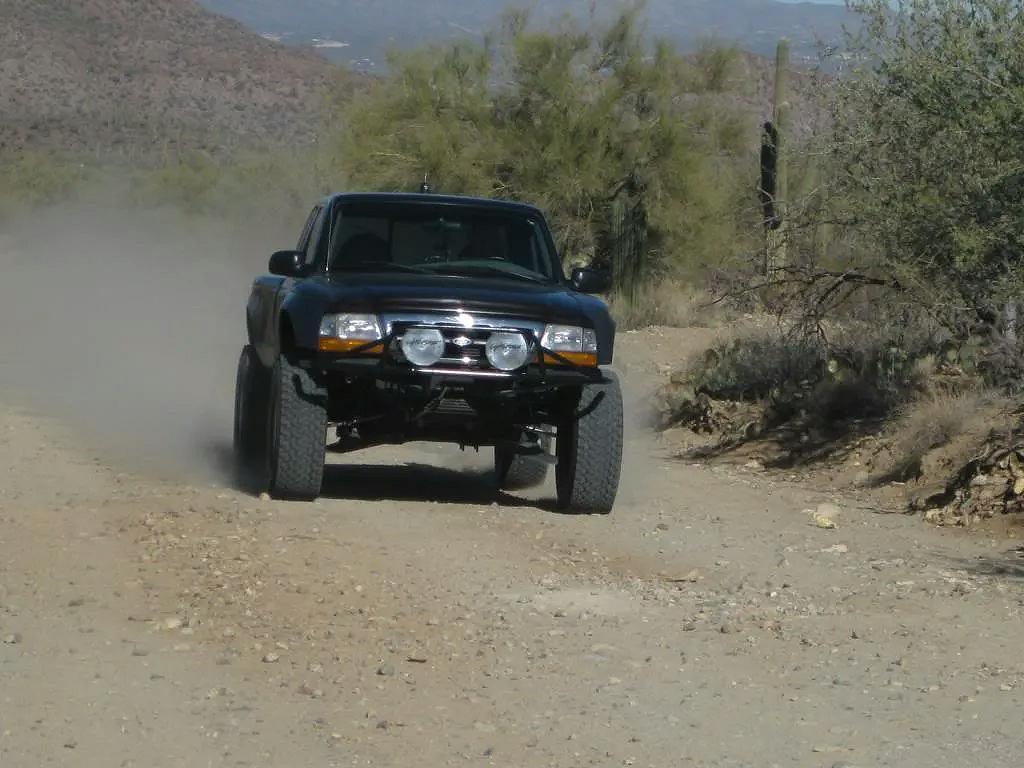
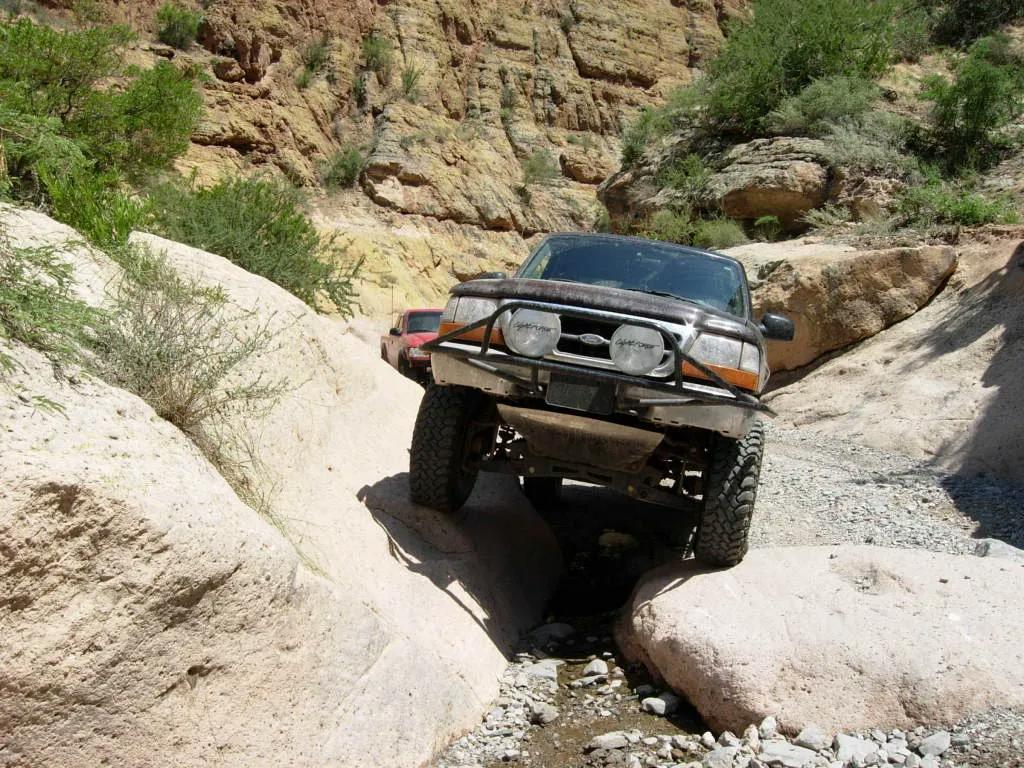
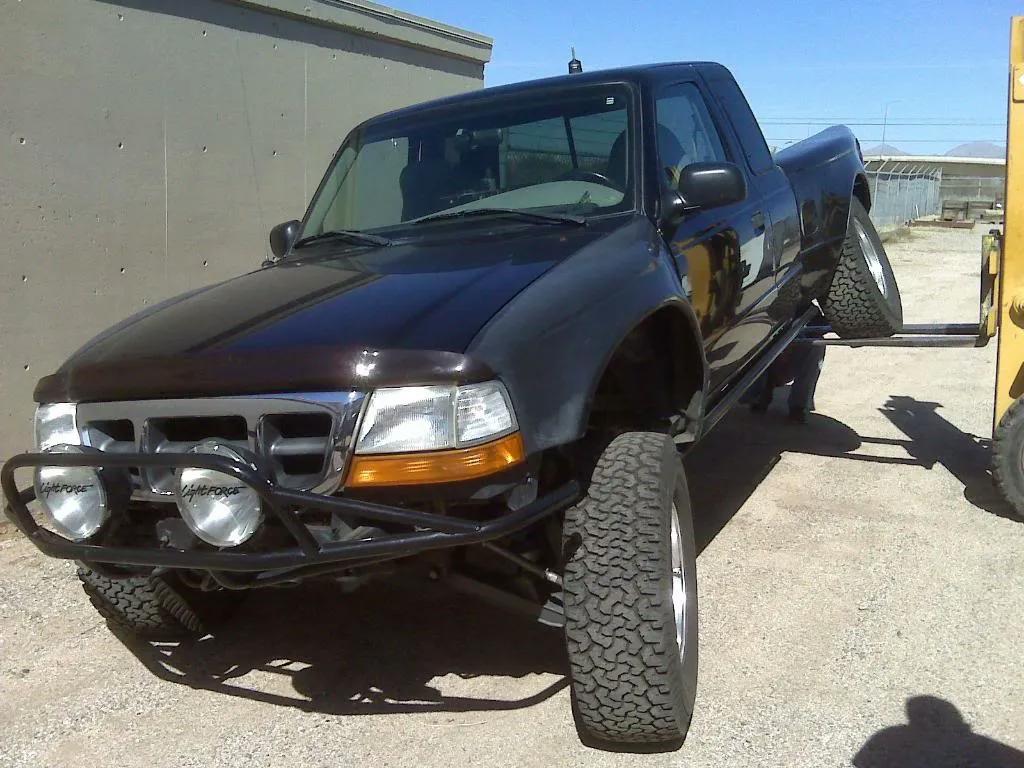
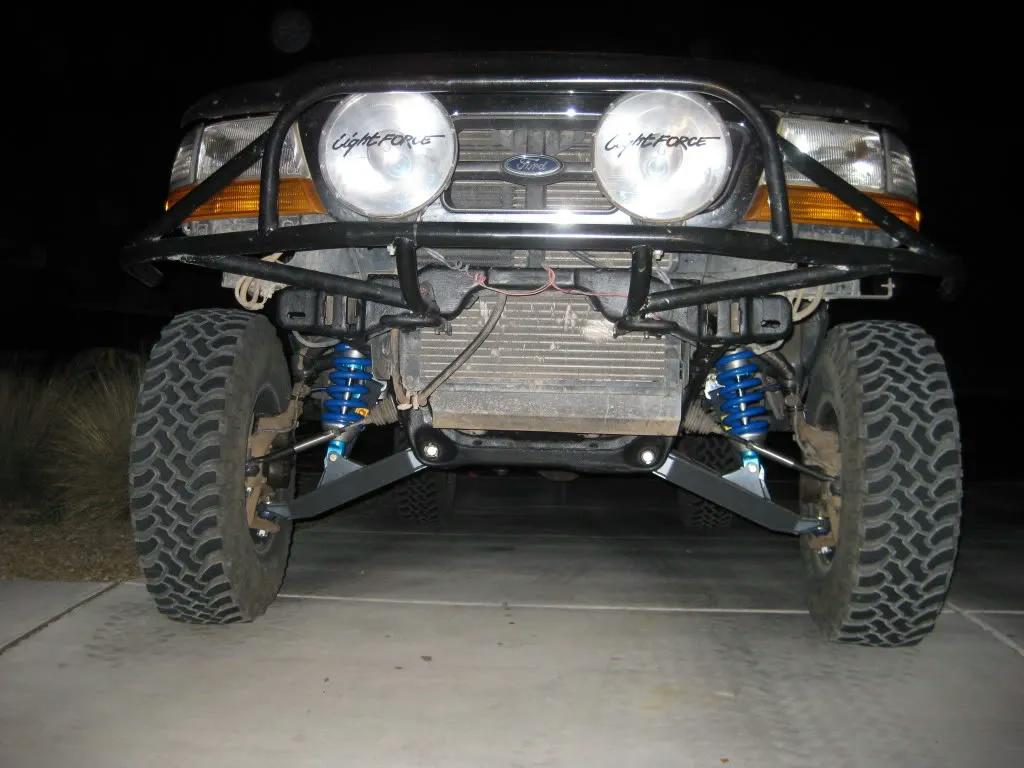
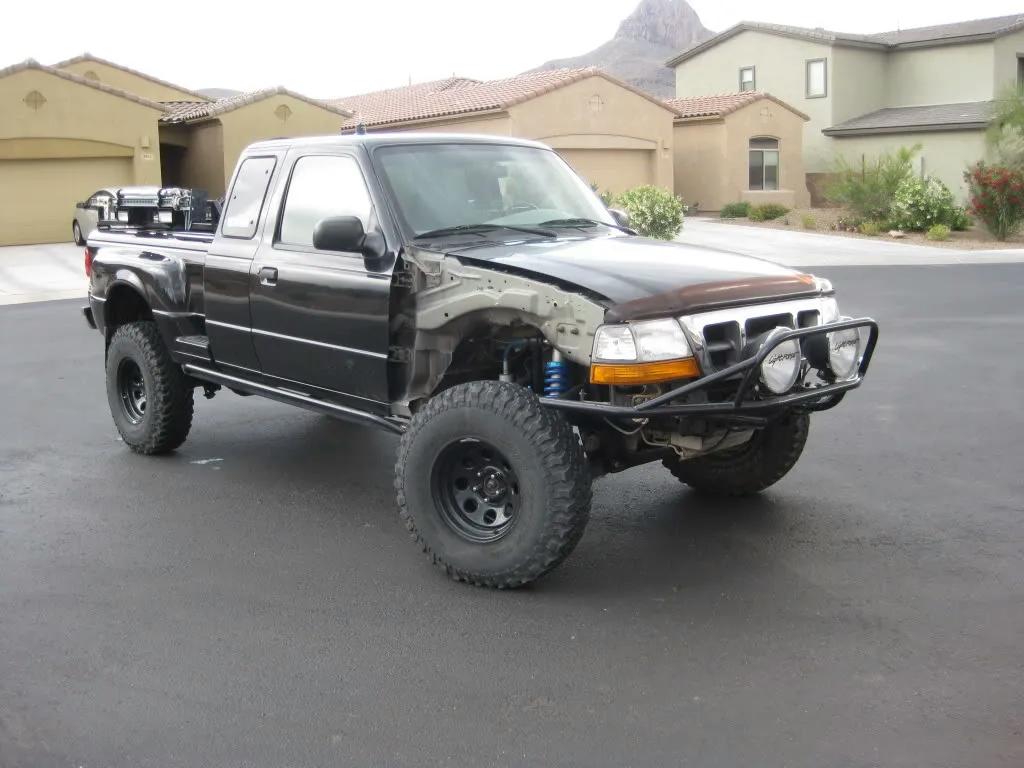
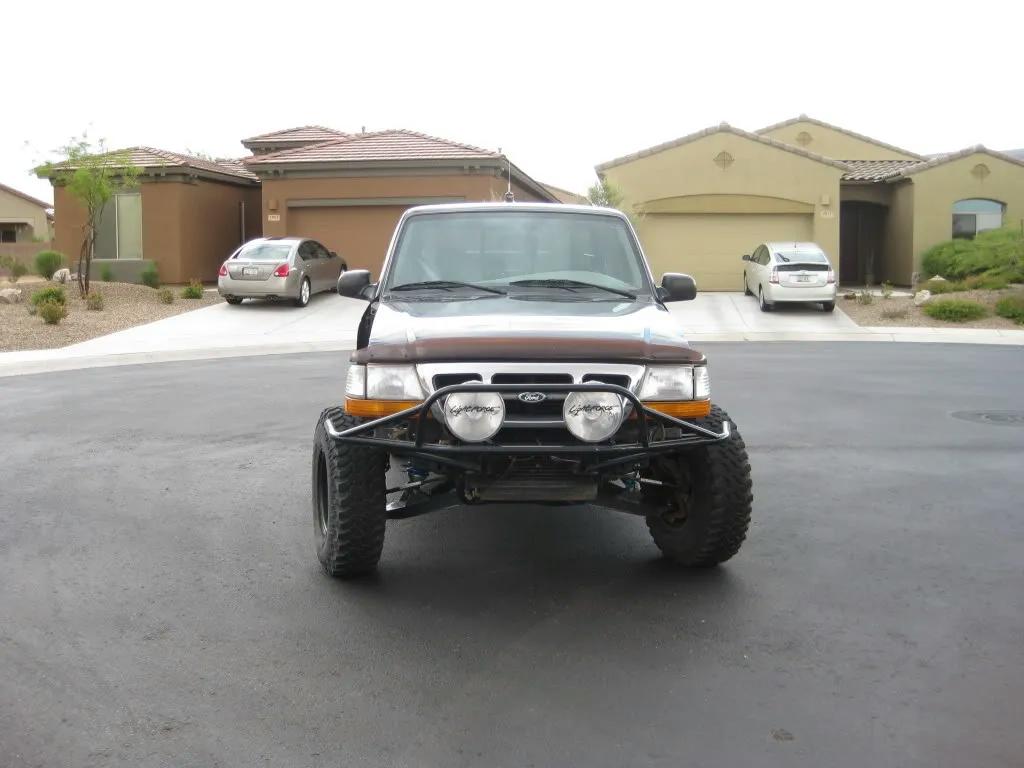
Toward the end of 2007, Quasi242 worked with a friend who owned a metal shop to design a prerunner-style bumper that mounted around the factory bumper. Two Lightforce 240 HID lamps provided the additional lighting he needed.
As the trails became more technical and rocky, protecting the Ranger’s rocker panels became a priority. In February 2008, he contacted Rocky Road Outfitters about building a set of custom rock sliders. The company initially had reservations about developing parts for a Ranger, but eventually used his truck as the prototype for its Ford Ranger Super Sliders.
The sliders attached to both the frame and the reinforcing ribs beneath the cab floor. They provided the protection needed for the increasingly rough trails and became another example of how Quasi242 had to seek out custom solutions for his Ranger.
The RCD Suspension Lift
By the middle of 2008, Quasi242 decided the truck needed more ground clearance and larger tires. He didn’t want a body lift, and he wasn’t satisfied with the ride of the available torsion-bar suspension options. At the time, he had ruled out the more expensive Dixon Brothers Racing long-travel system, leaving the RCD suspension lift as his preferred option.
He selected a local shop to install the RCD kit and purchased five 33×10.50 BFGoodrich Mud-Terrain T/A KM tires mounted on black Unique steel wheels.
The narrower 10.50-inch tire width was intentional. Quasi242 wanted the larger tires to improve off-road capability while limiting the impact on the stock drivetrain as much as possible. The combination worked well, and he made several off-road trips with the truck in this configuration.
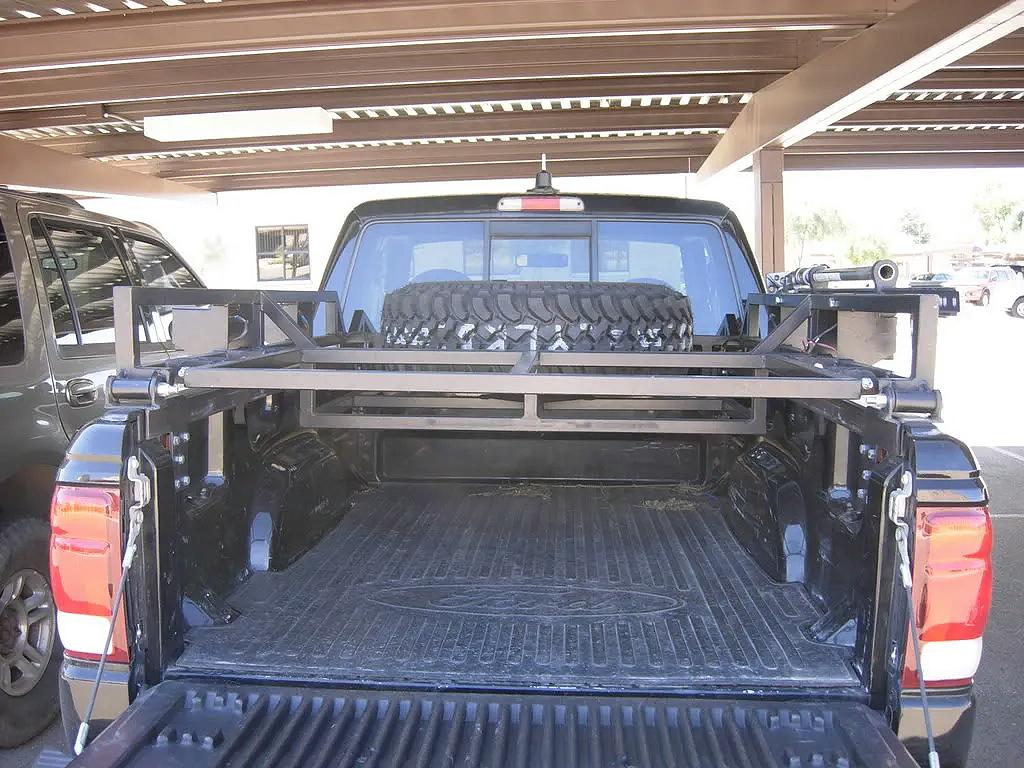
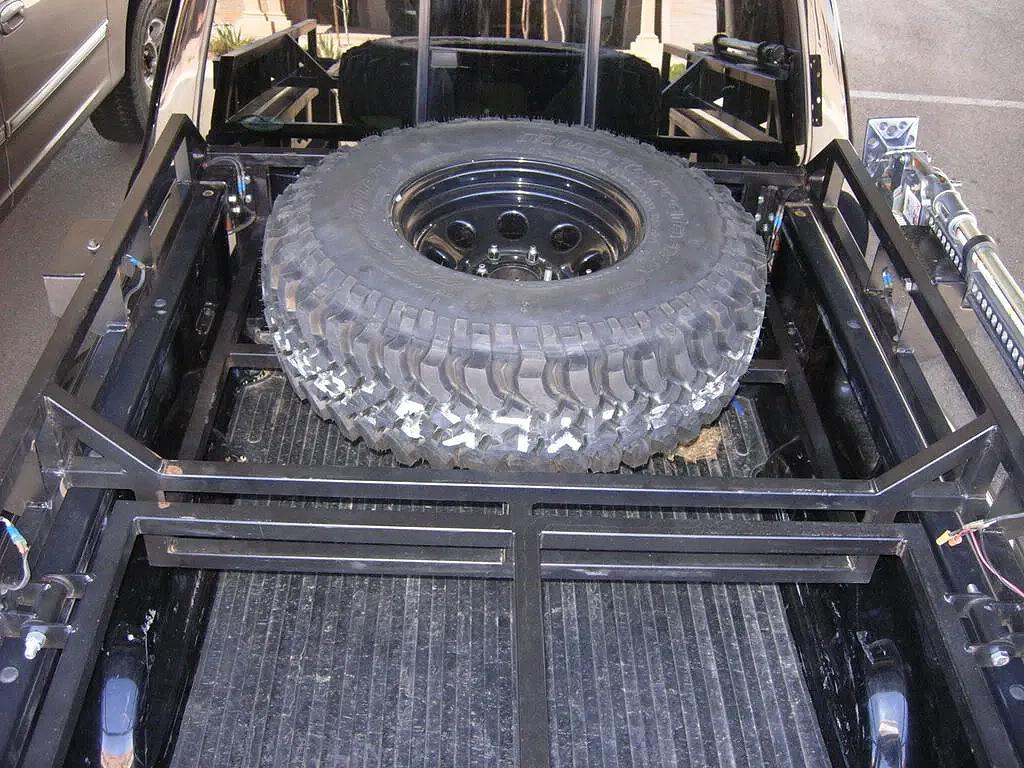
The larger tires created a new problem, however. The full-size spare no longer fit in its original location beneath the bed, and he didn’t want tools and recovery equipment bouncing around unsecured in the cargo area.
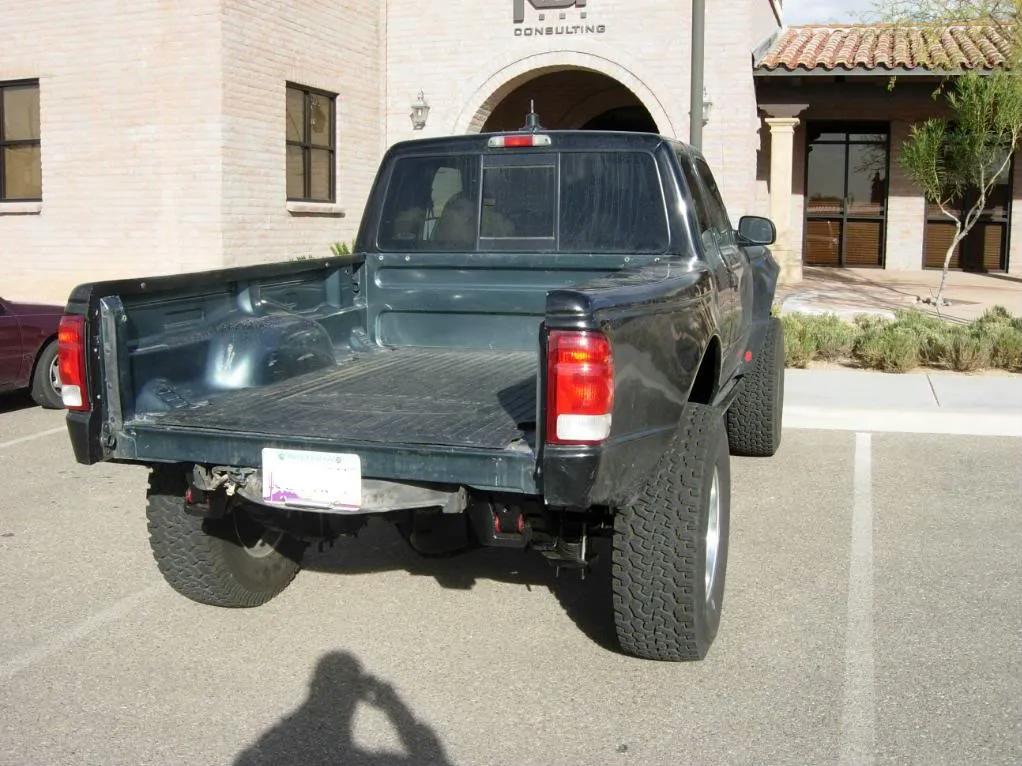
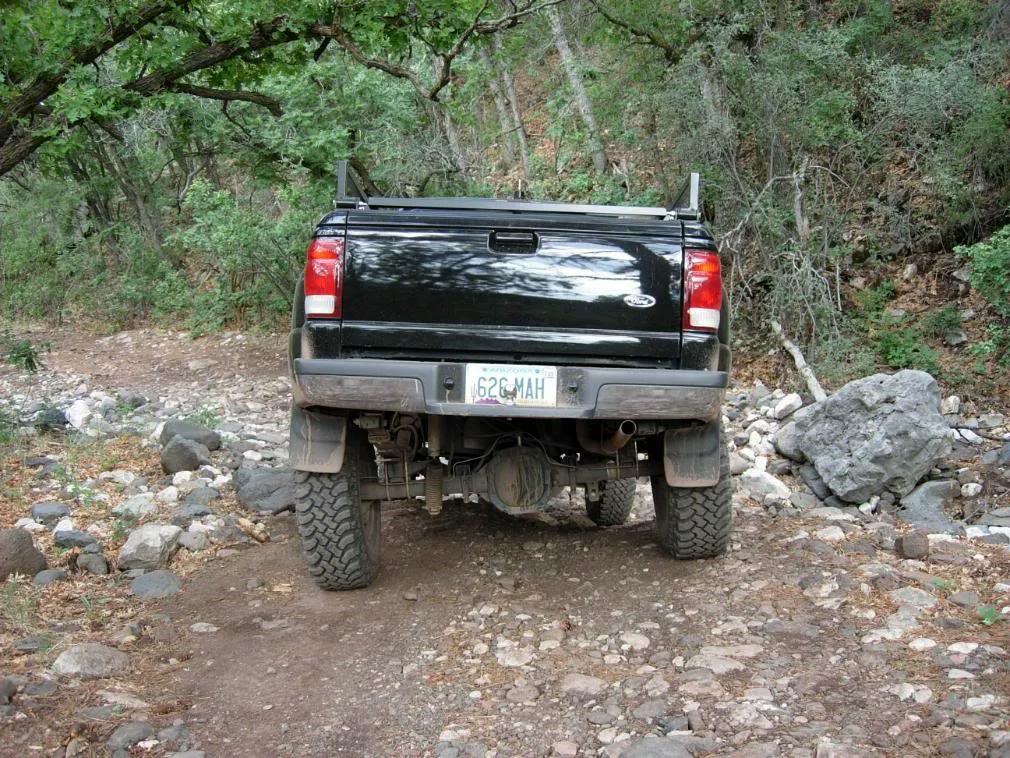
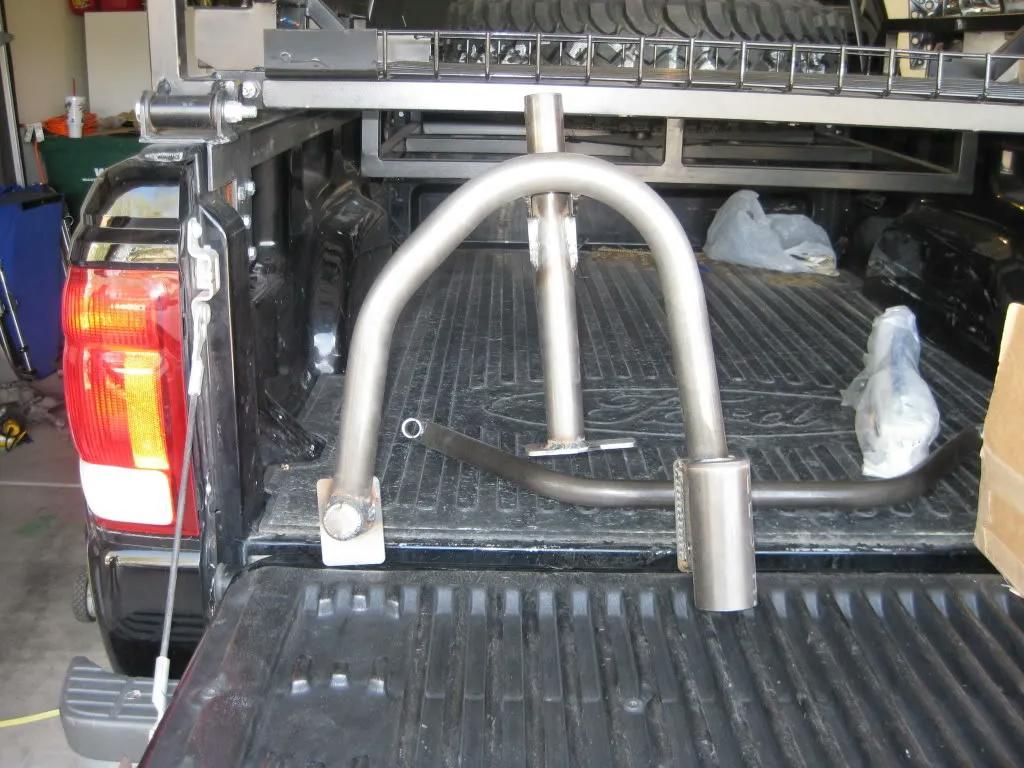
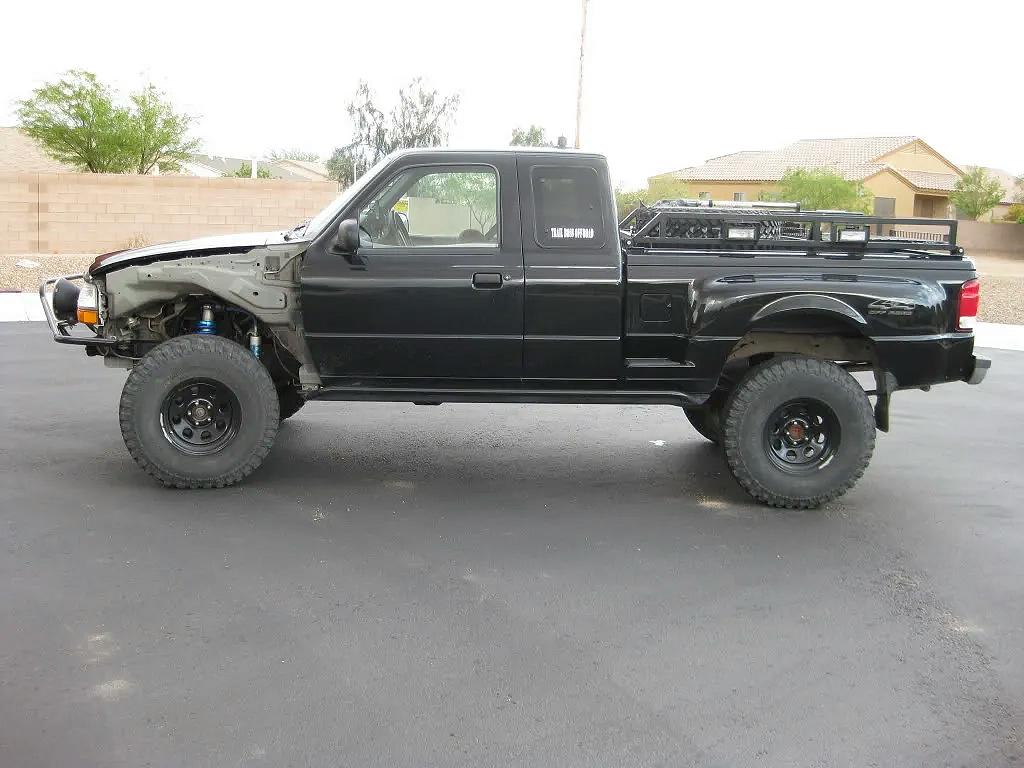
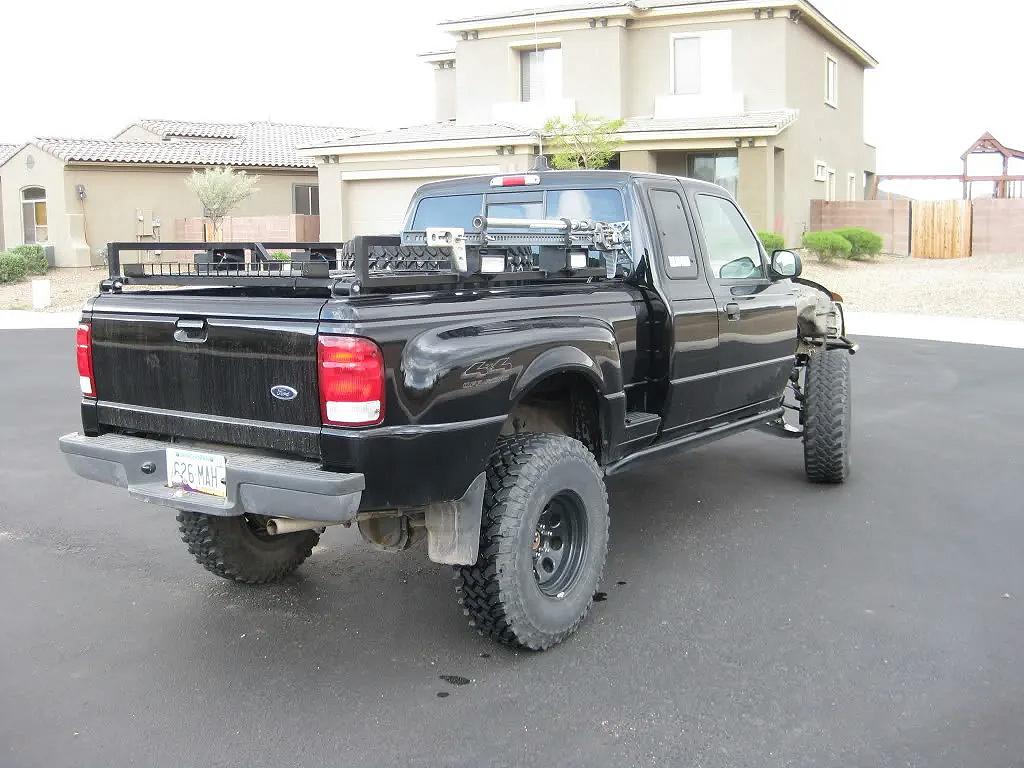
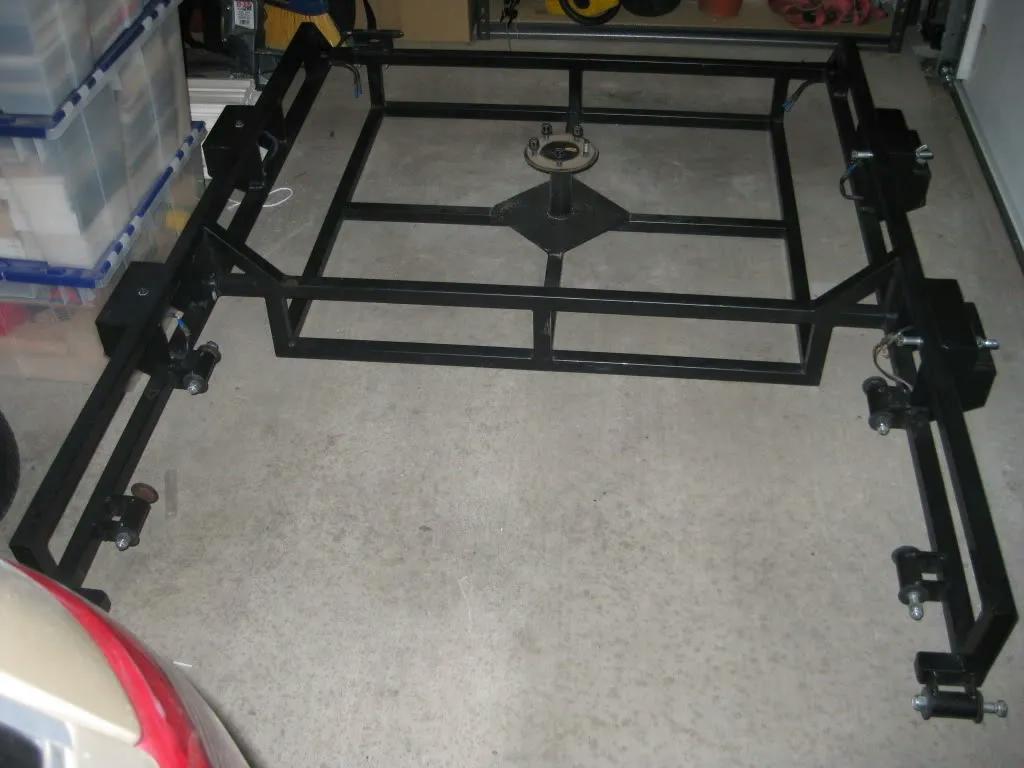
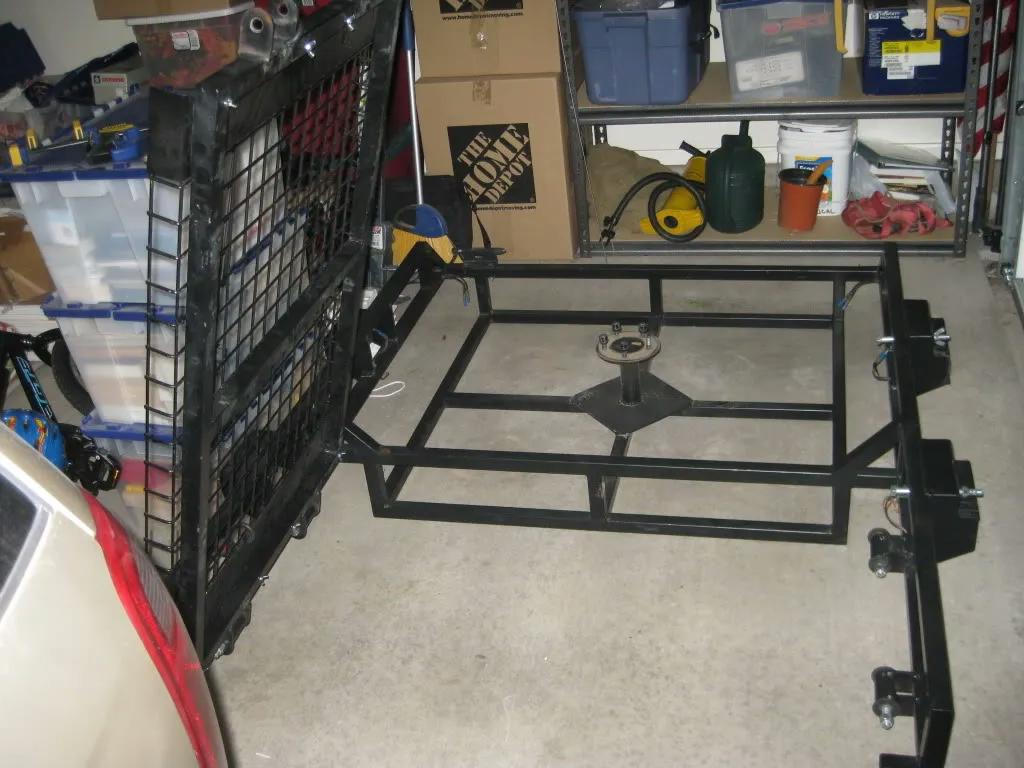
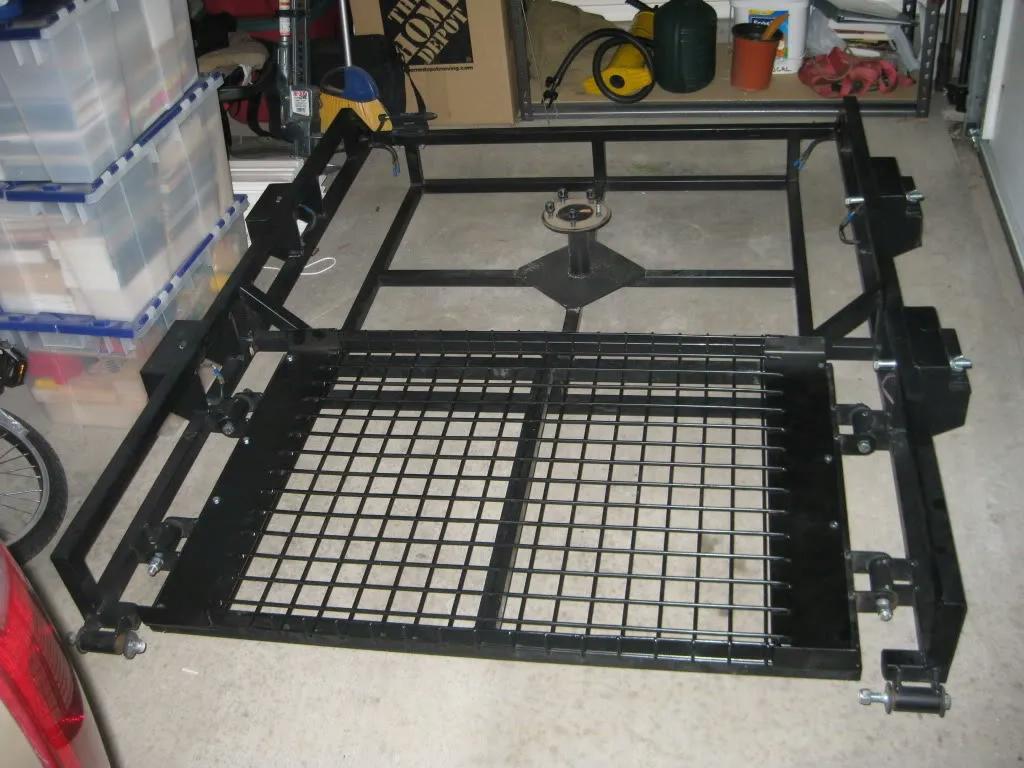
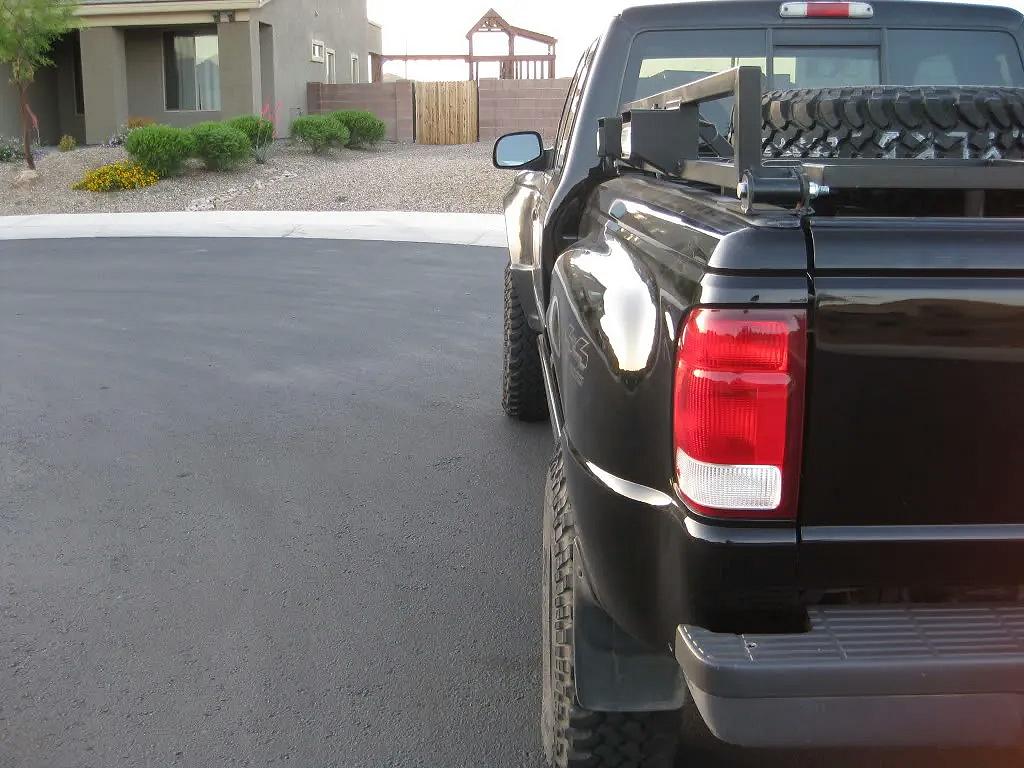
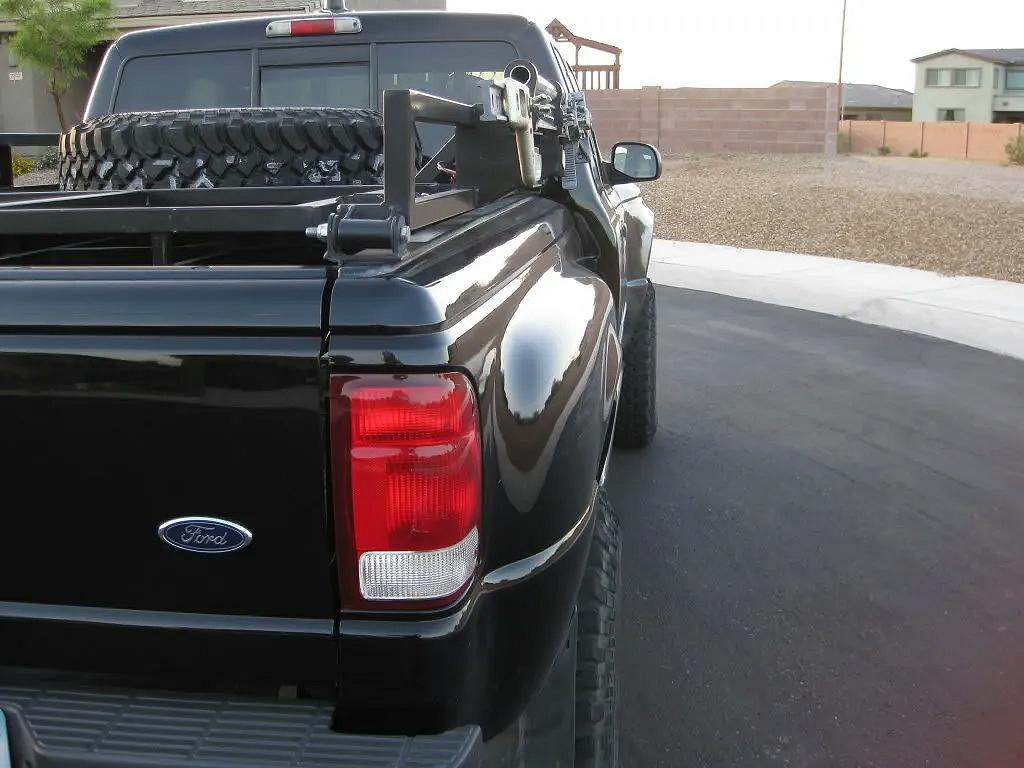
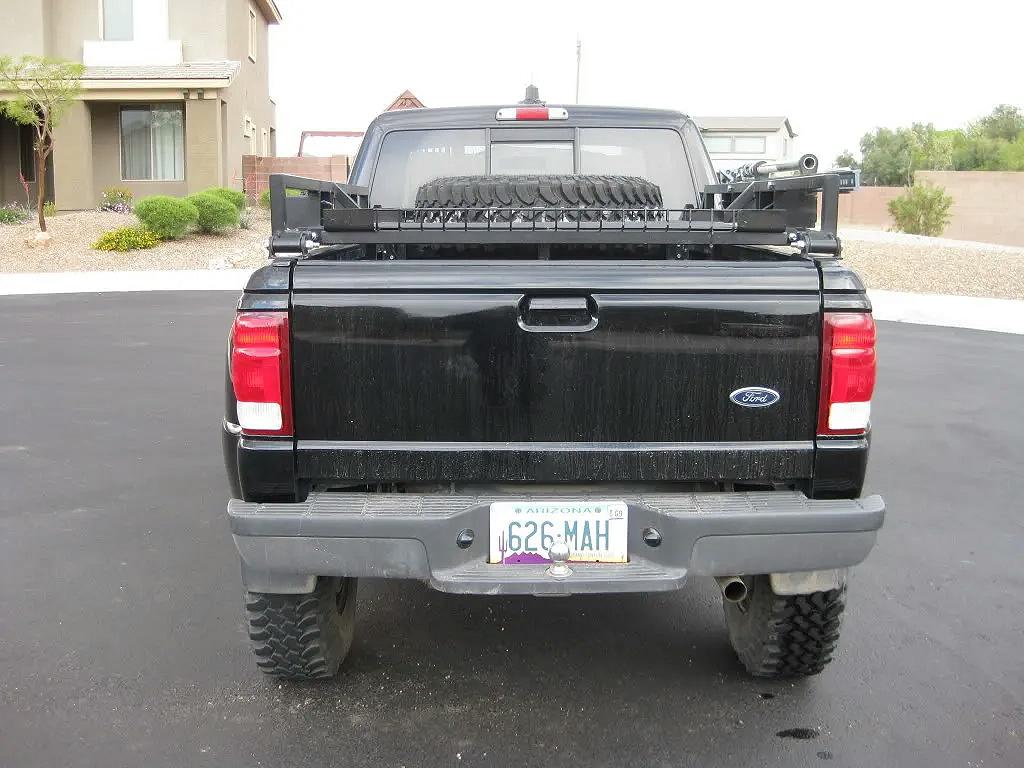
Using his professional engineering skills and CAD software, Quasi242 designed a custom bed rack. A local fabricator helped turn the design into a finished piece that provided a way to secure equipment while preserving the Ranger’s utility. Unlike many prerunner-style builds that sacrificed much of the bed for a cage and shock mounts, he wanted to keep his pickup functional.
The RCD-equipped Ranger eventually attracted attention beyond the forum. Kevin Blumer’s article, “2000 Ford Ranger Supercab – The Ford Side Of Life,” appeared in the April 2009 issue of 4 Wheel Drive & Sport Utility. It documented the truck’s earlier configuration, including the lift, 33-inch tires, custom rock sliders, auxiliary lighting and bed rack.
By the time that article appeared, however, Quasi242 was already moving on to the next stage of the build.
Replacing the RCD with Dixon Brothers Racing Long Travel
On April 23, 2009, Quasi242 opened his build thread on The Ranger Station with a simple description of what he wanted to accomplish: transform the truck from a lifted 4×4 into a functional dual-purpose rig.
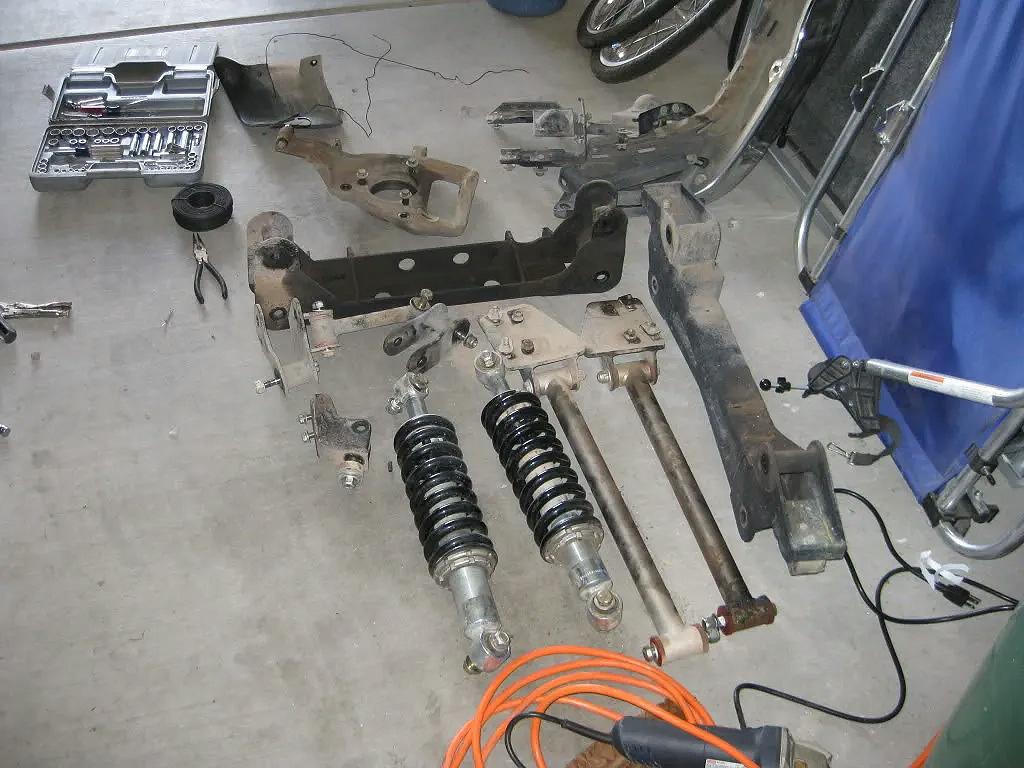
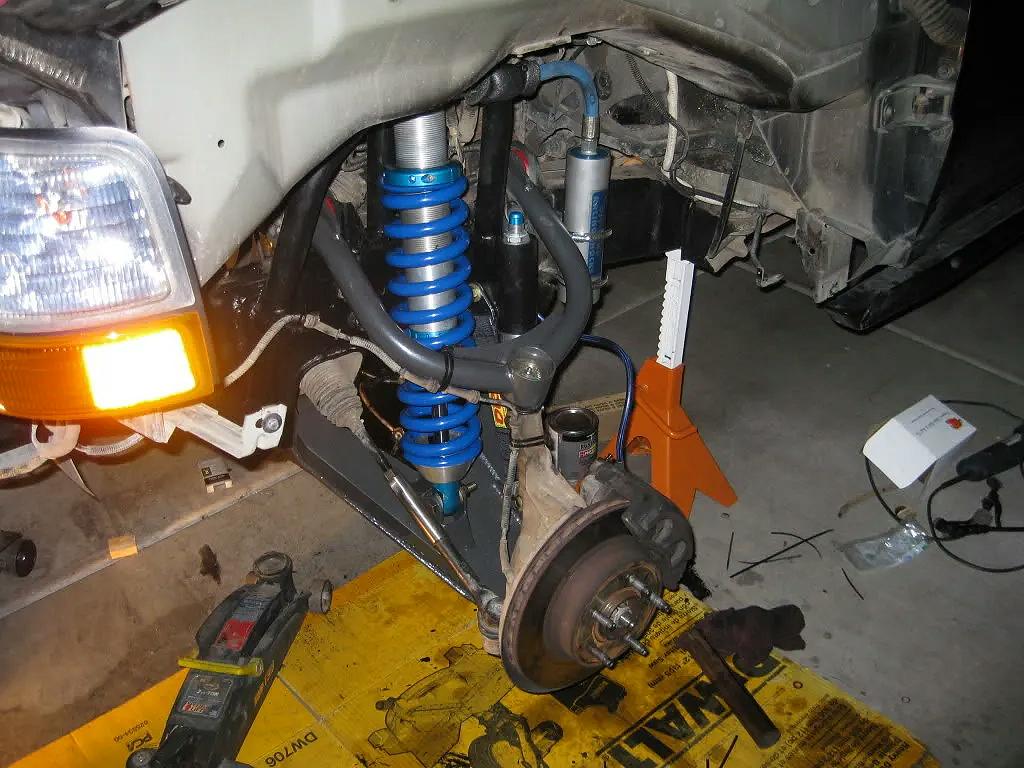
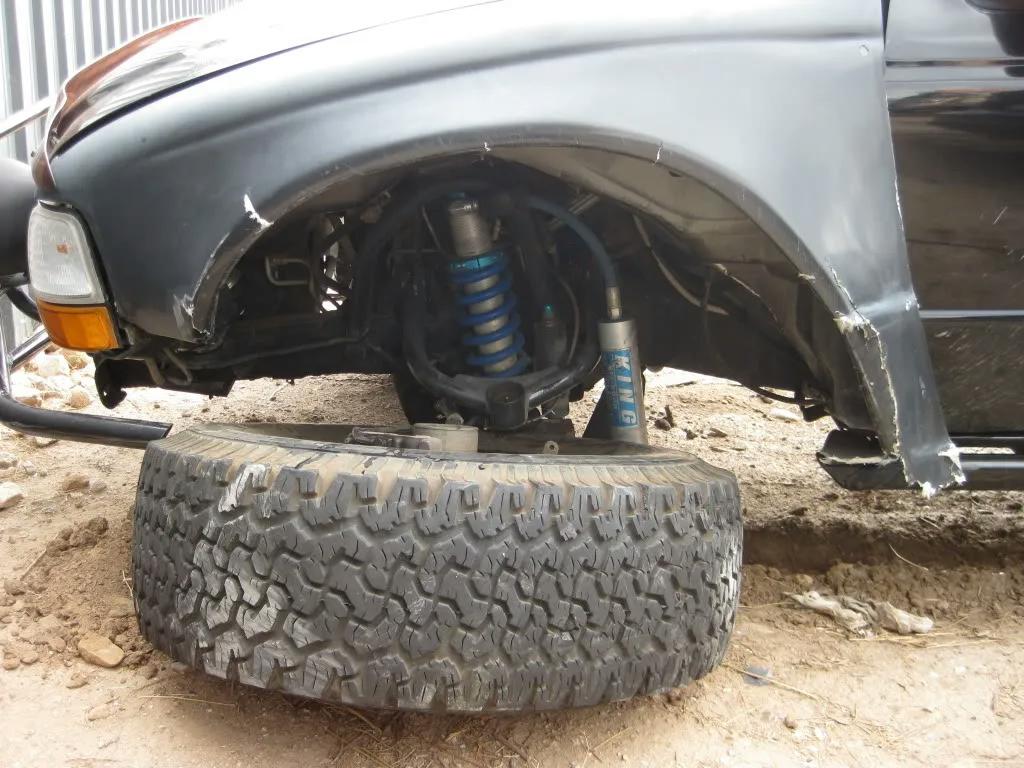
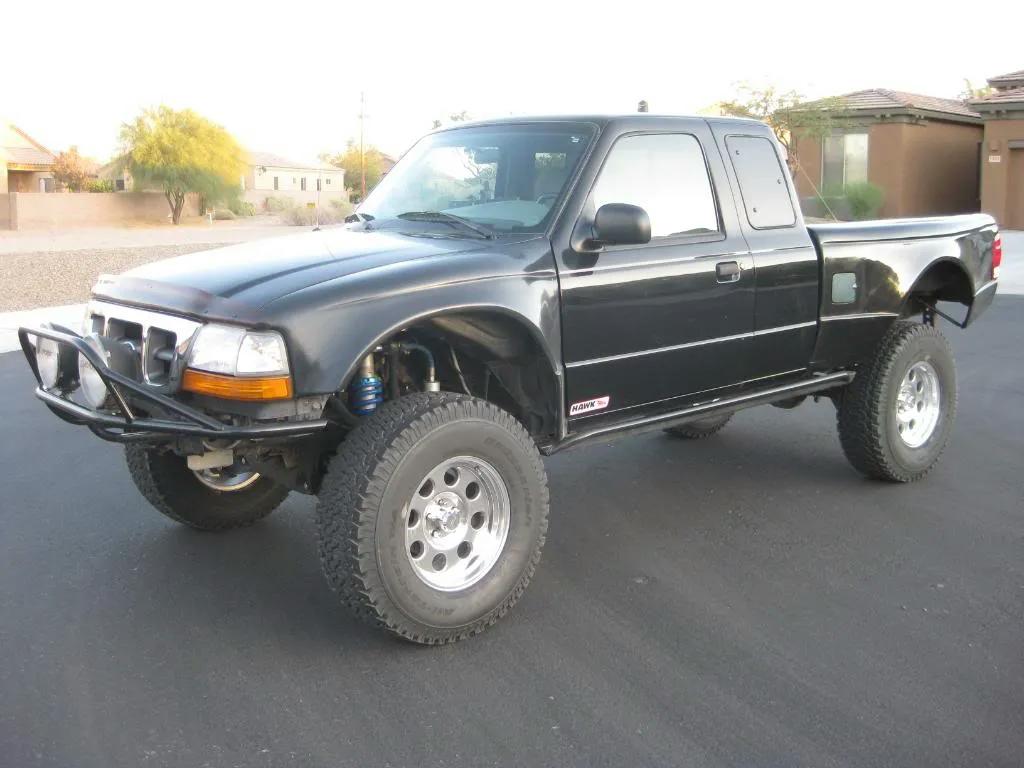
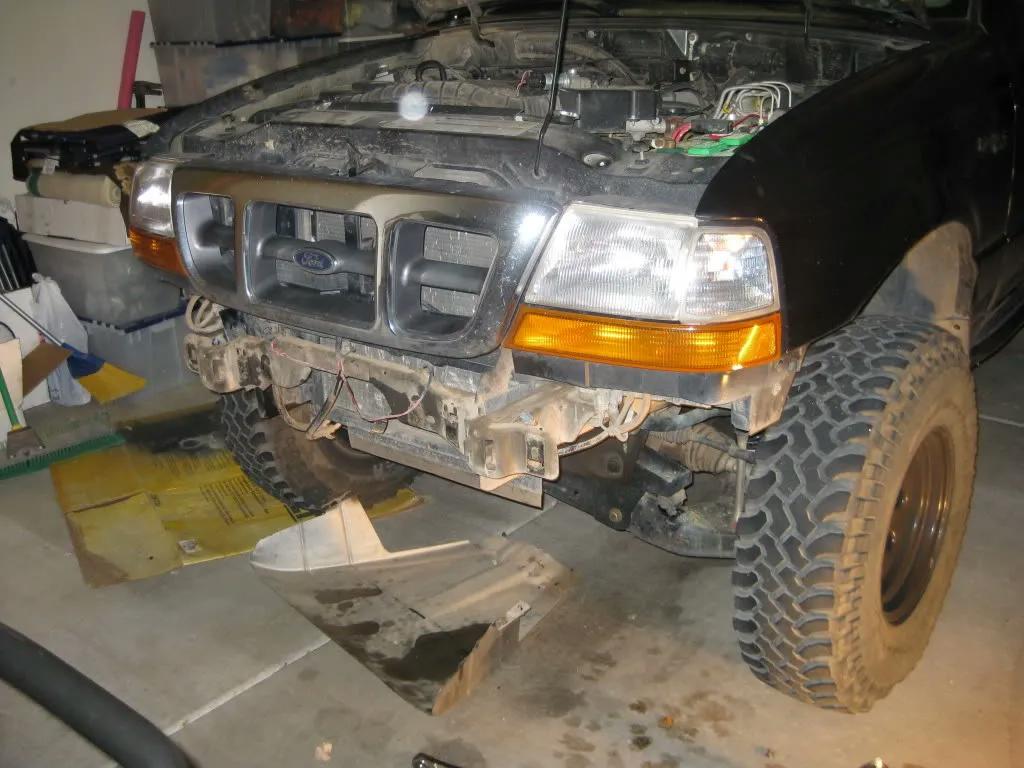
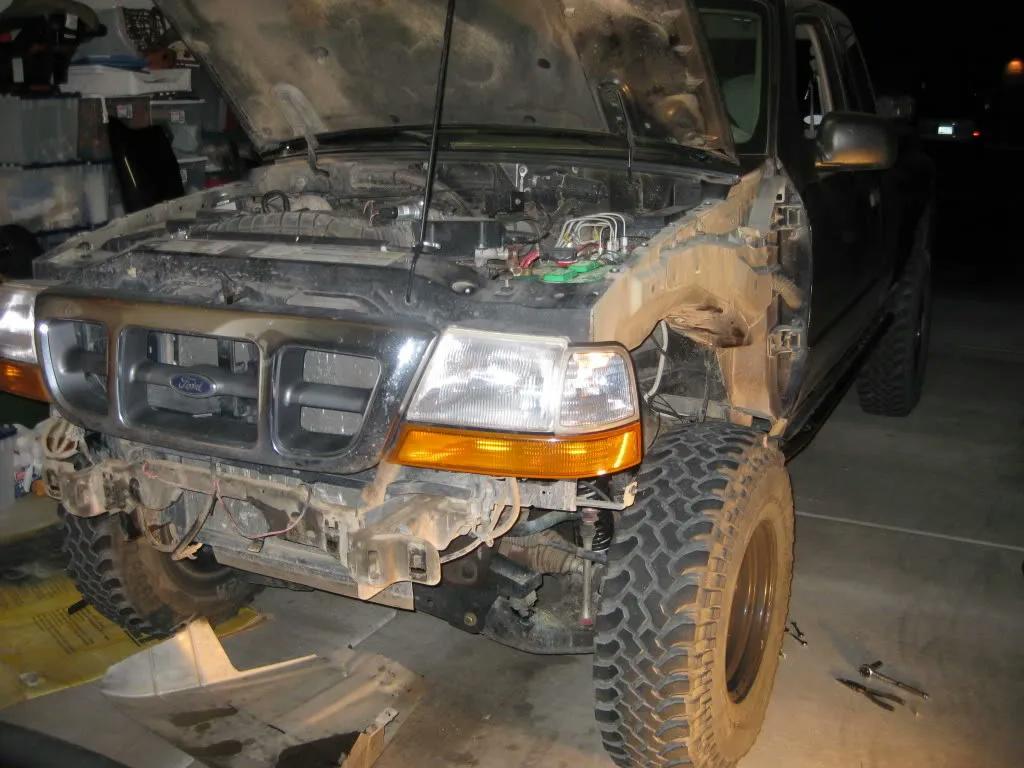
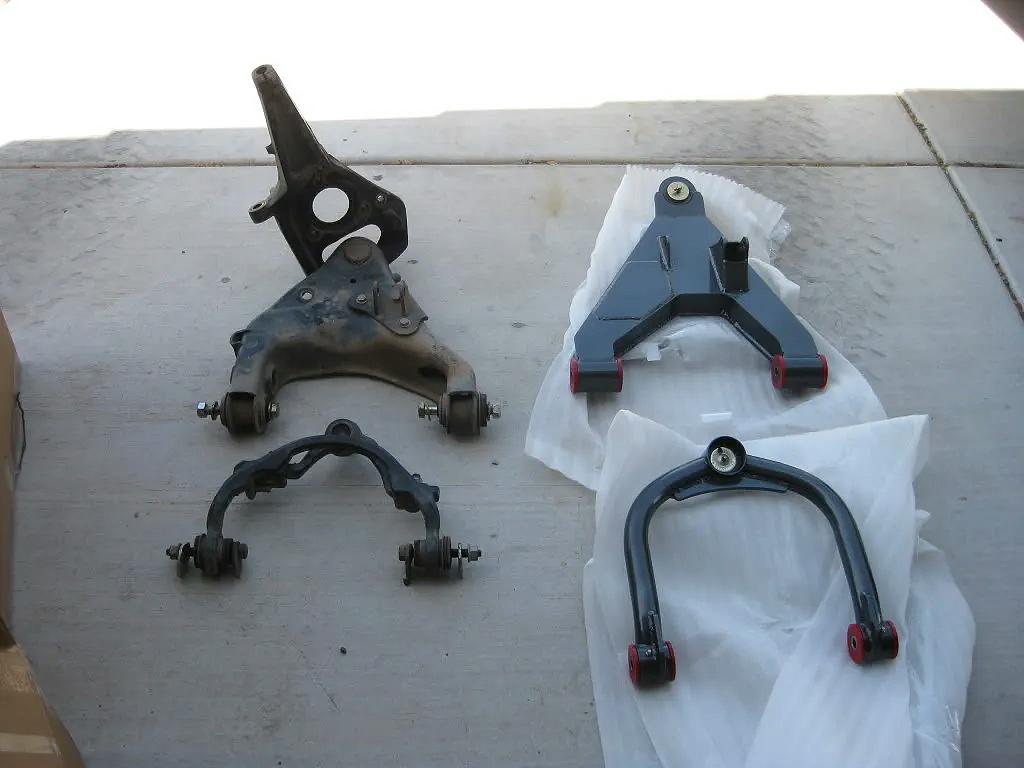
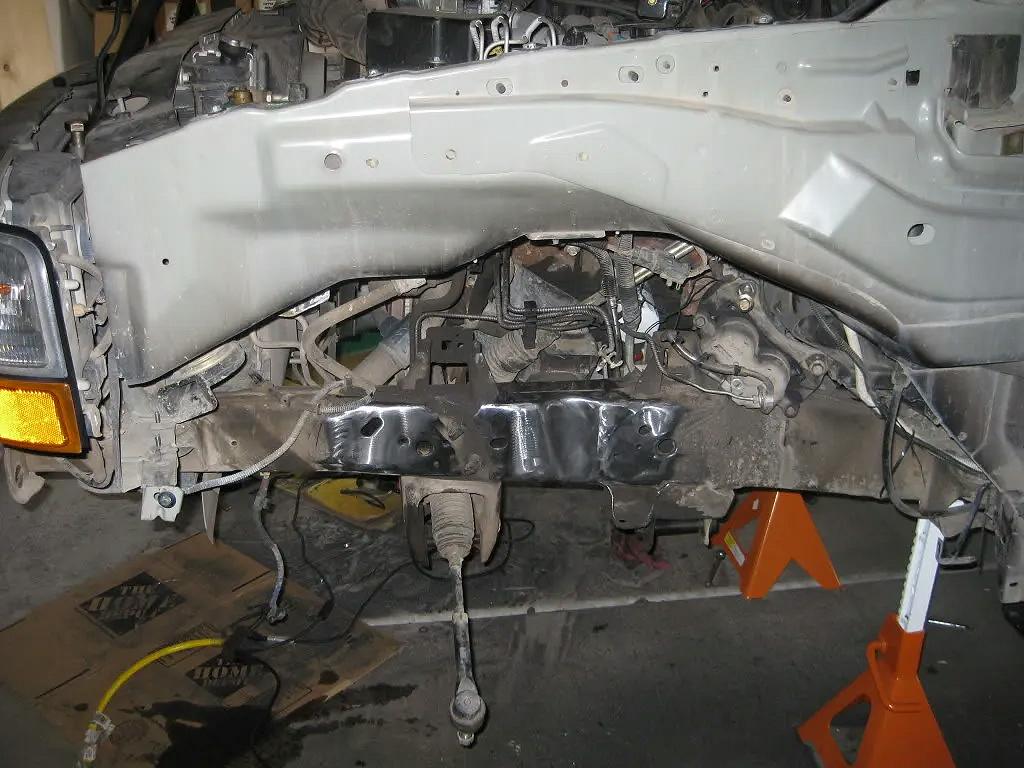
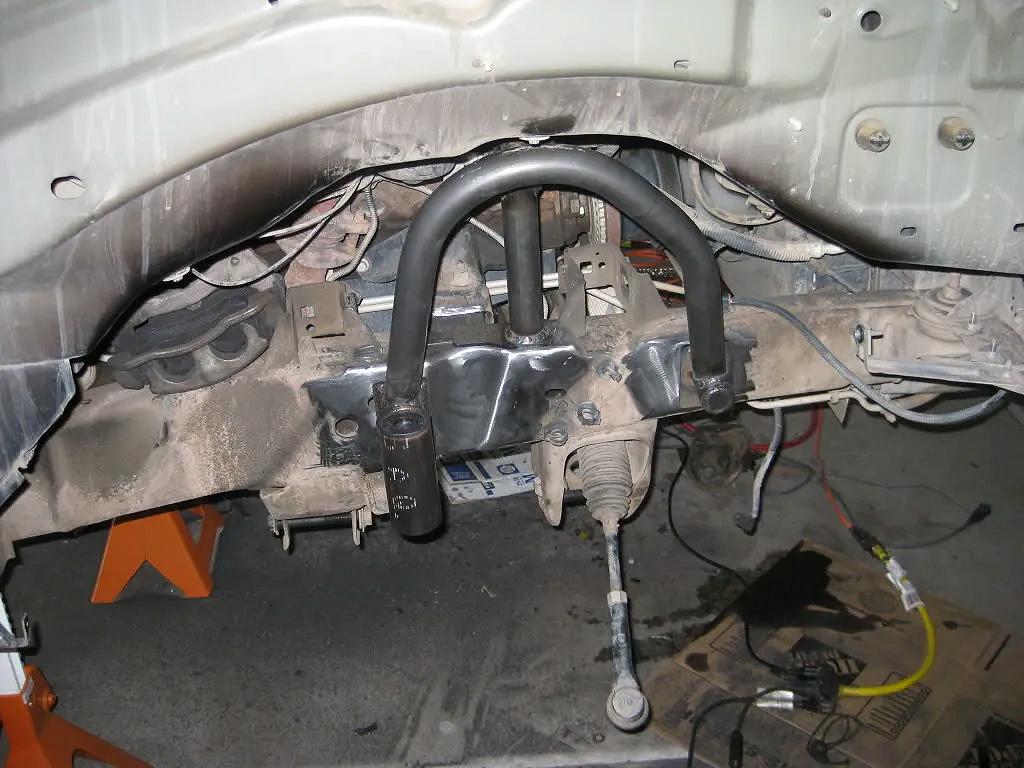
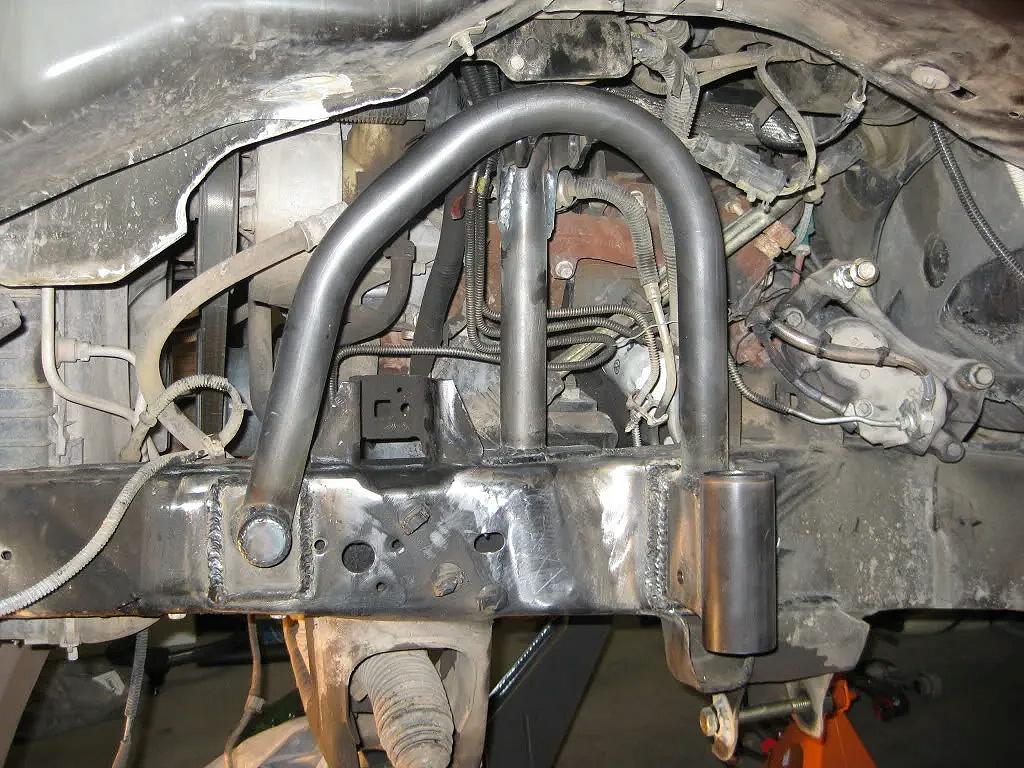
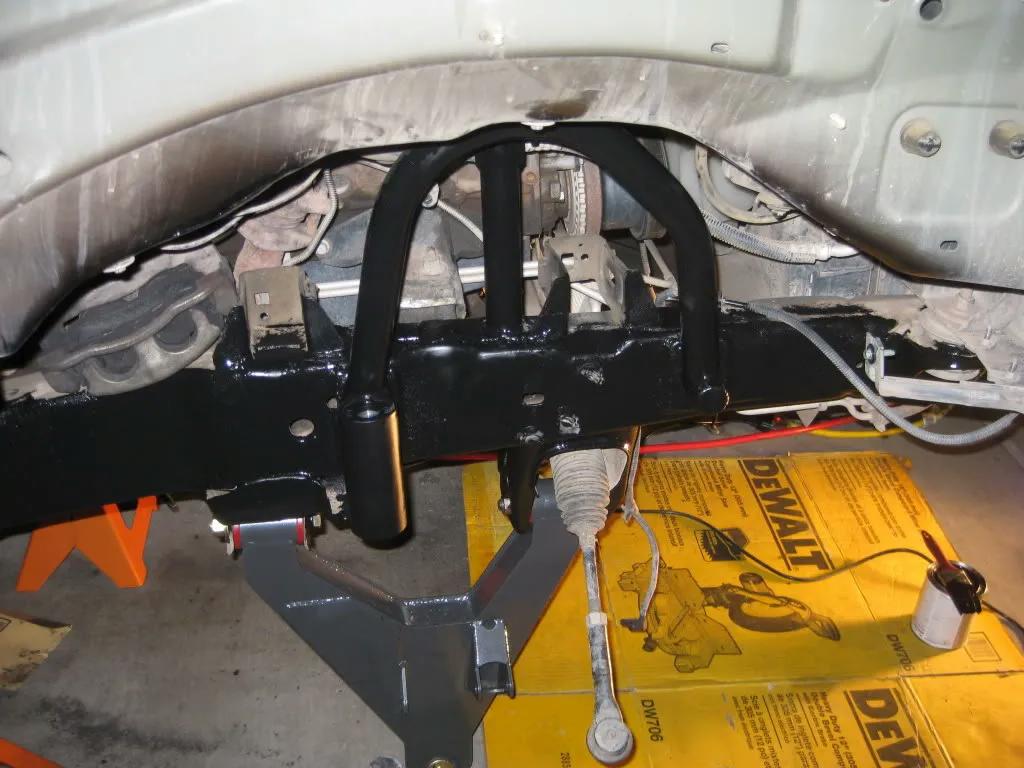
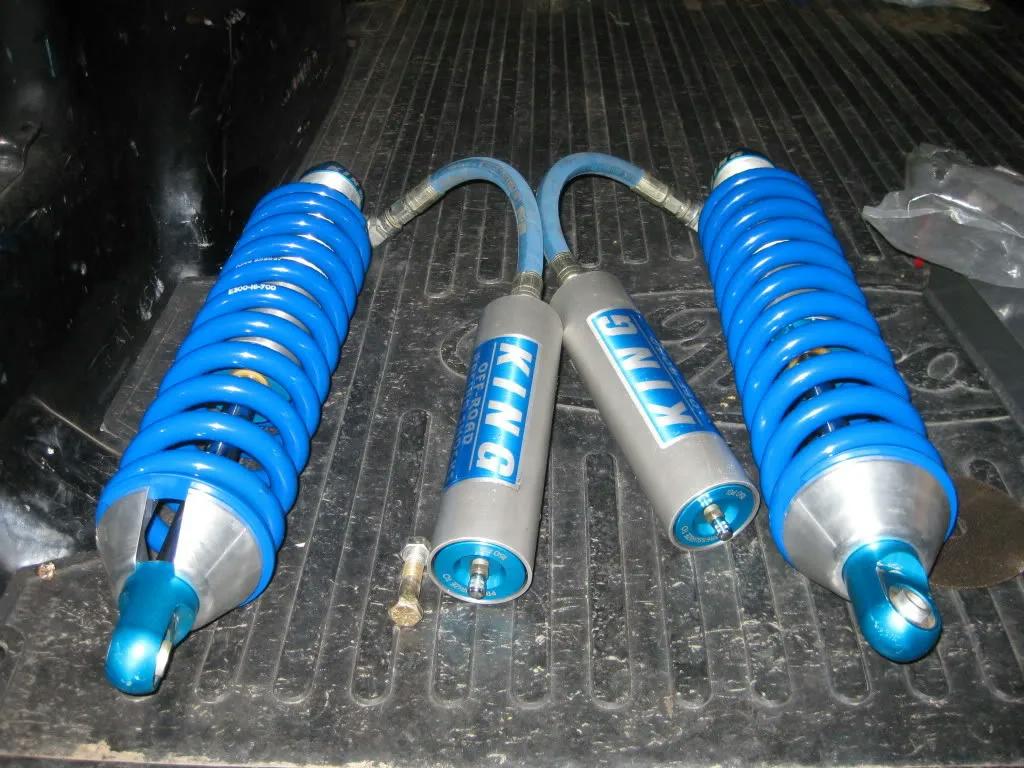
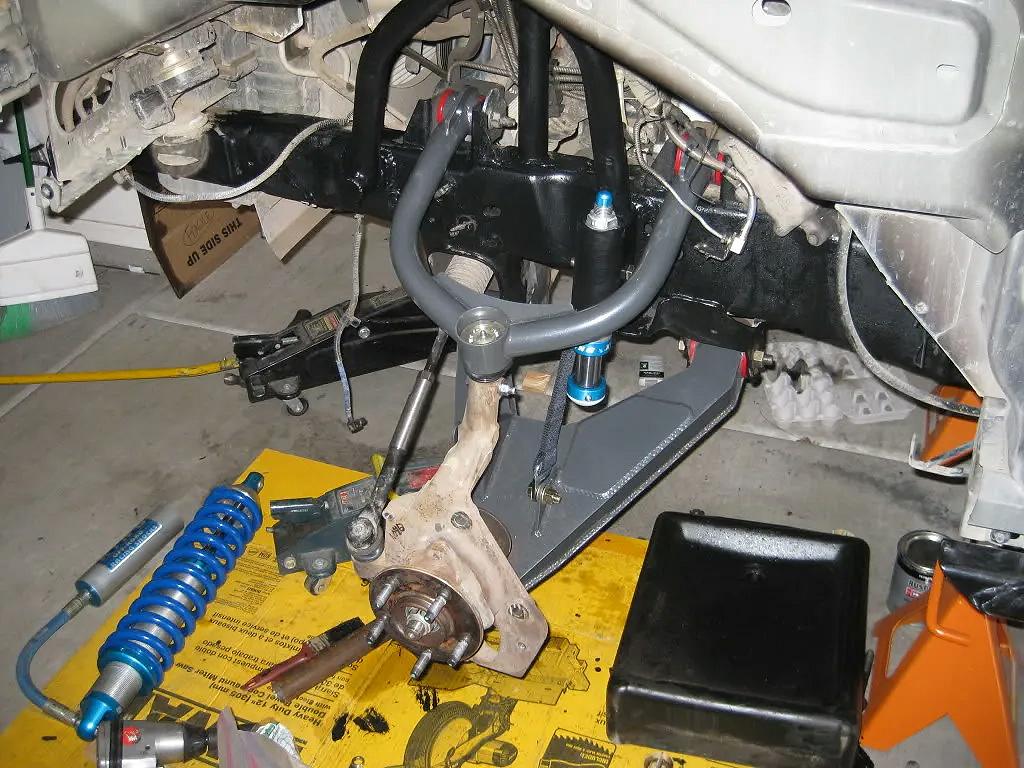
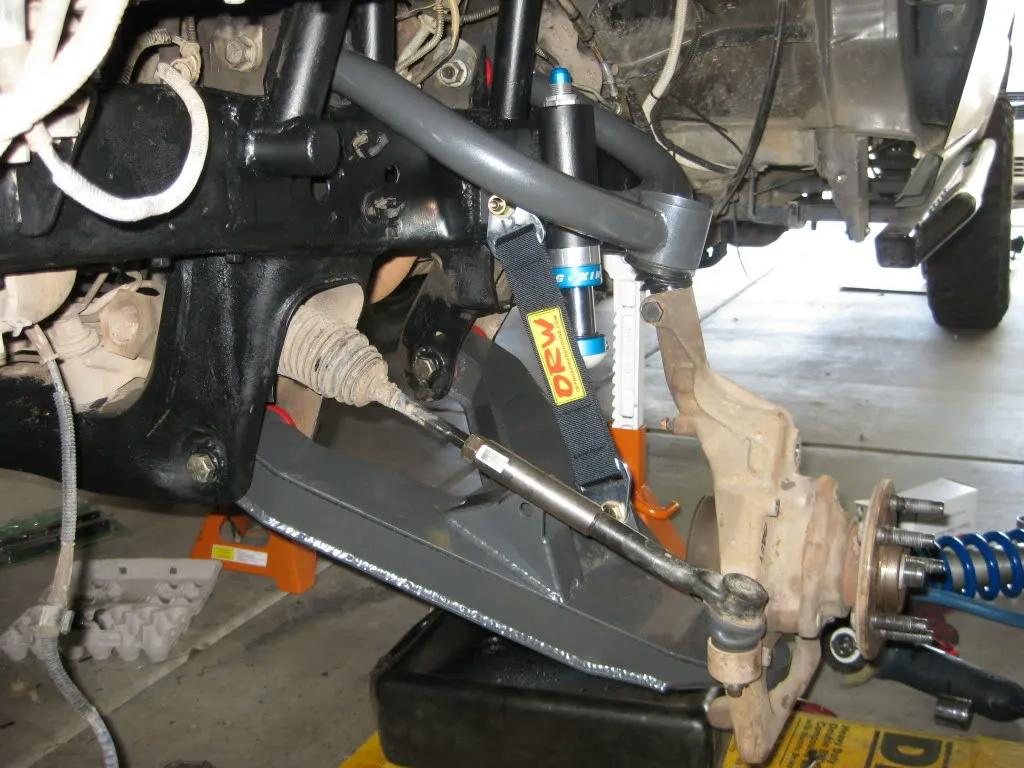
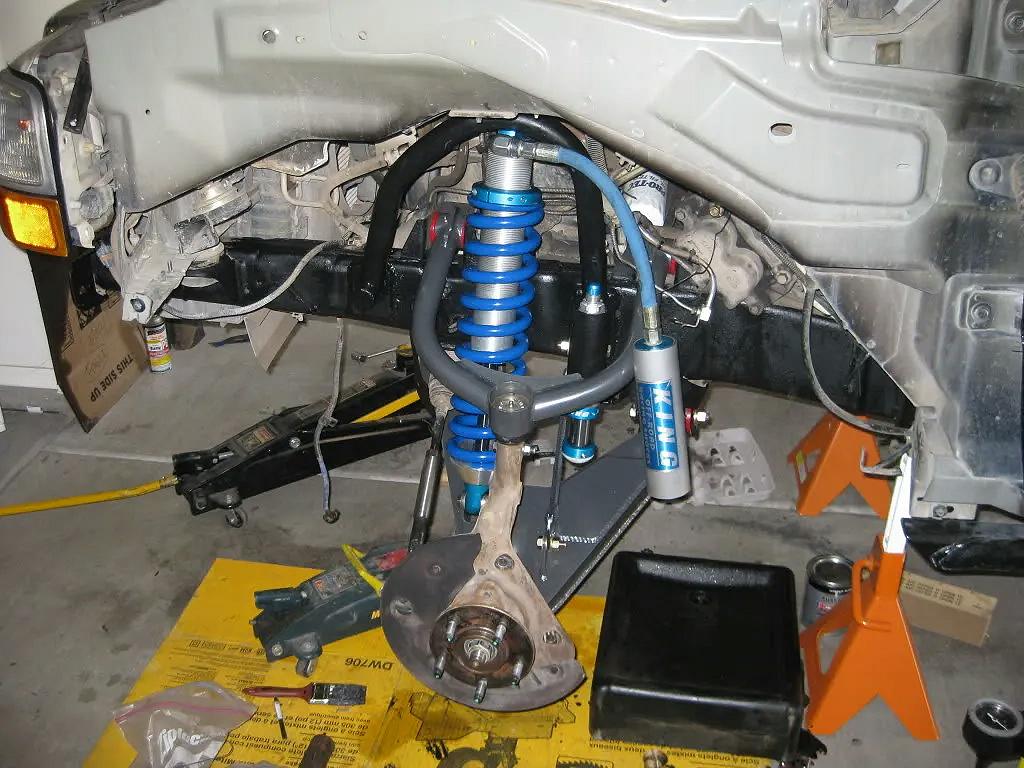
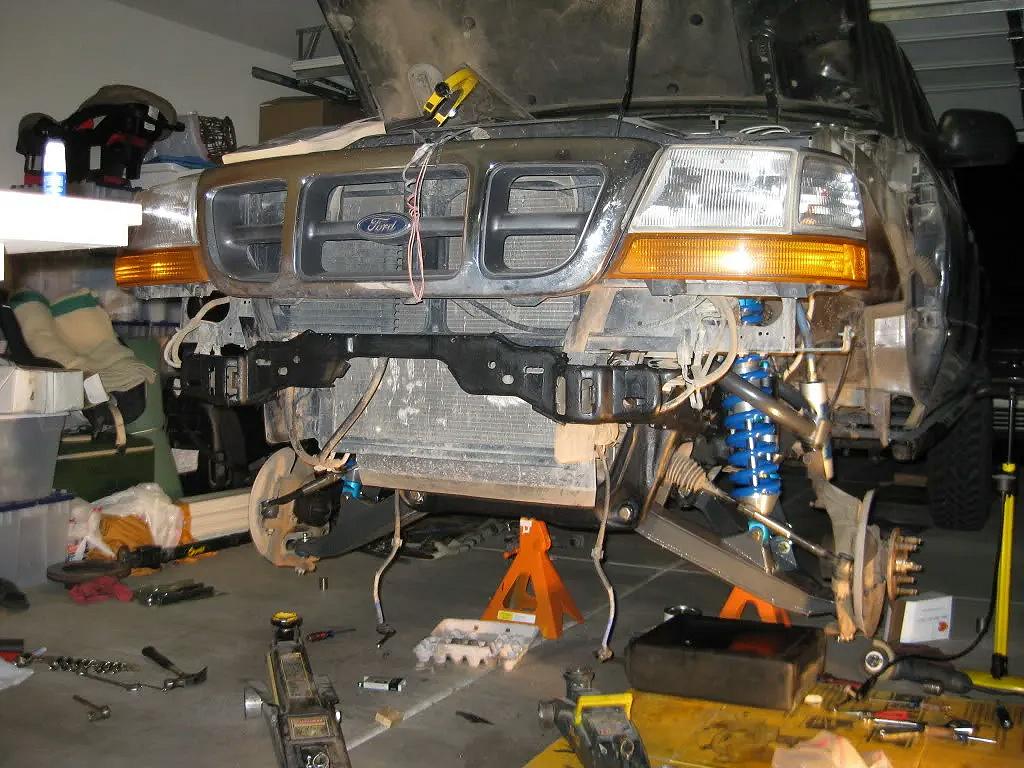
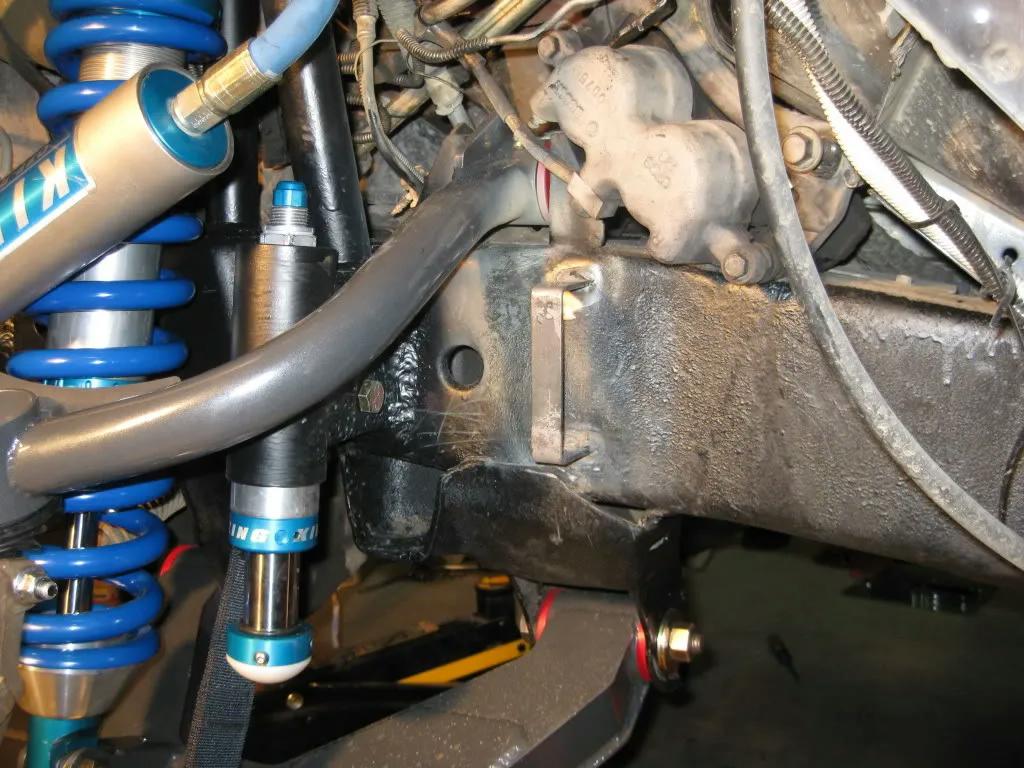
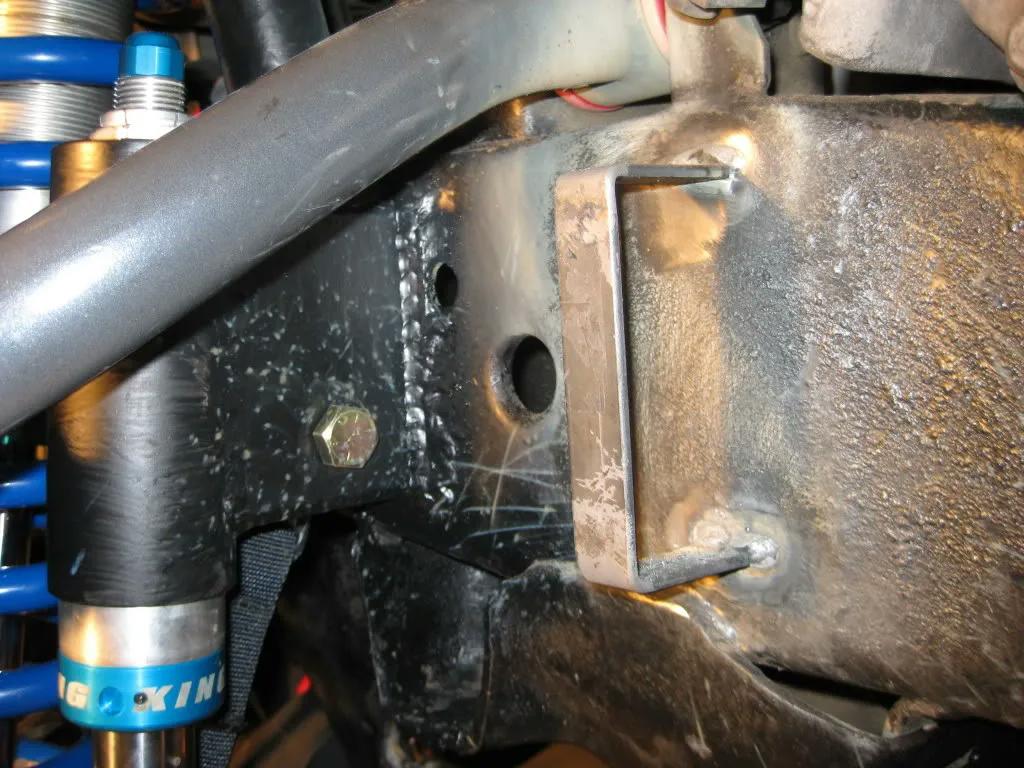
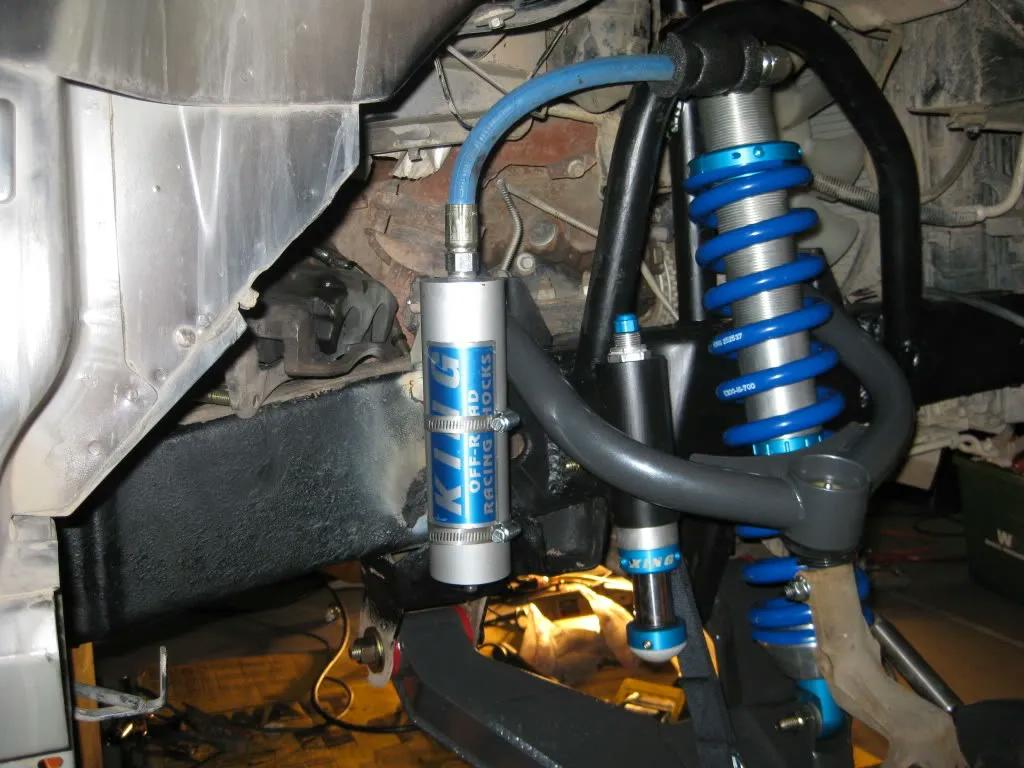
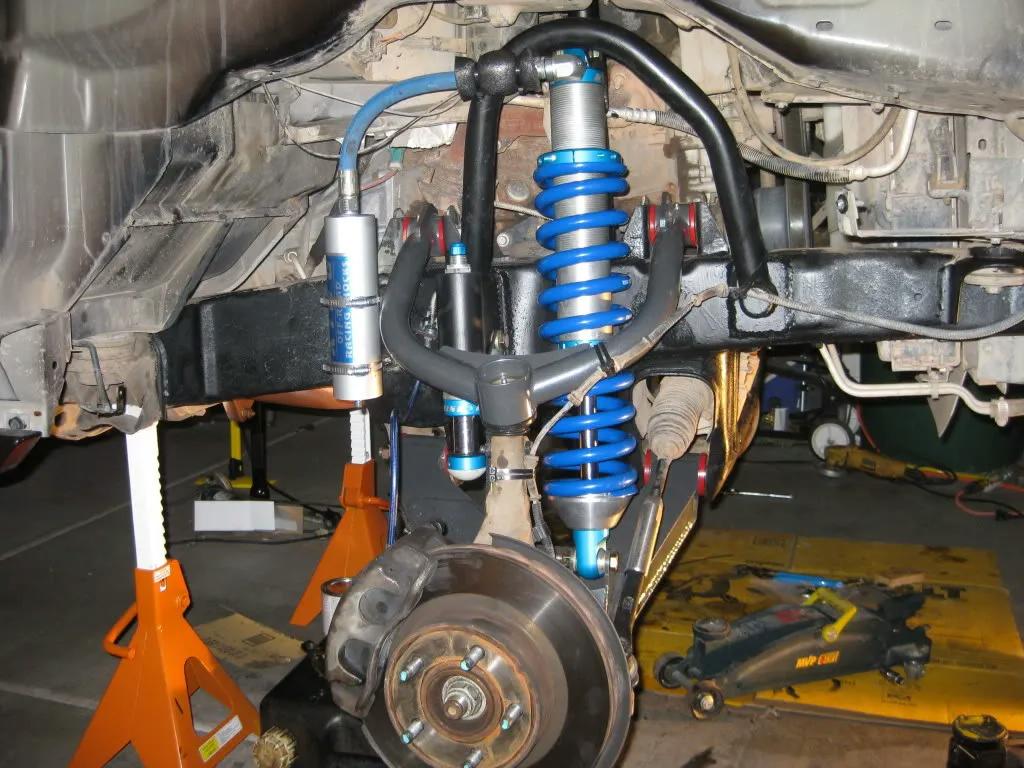
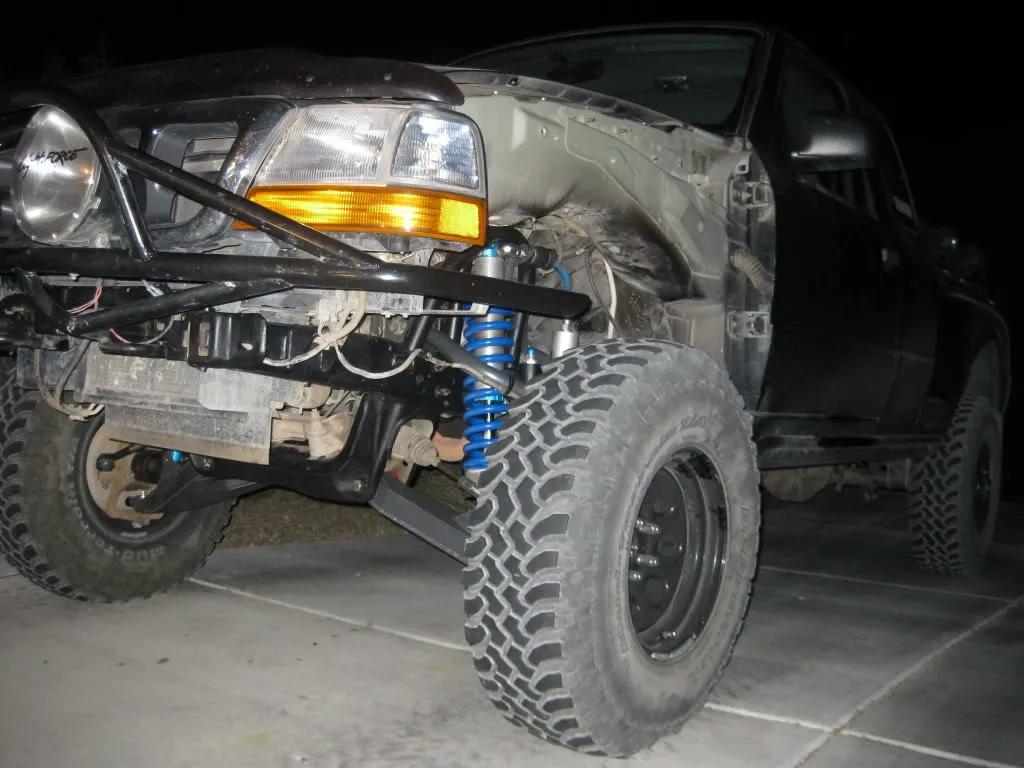
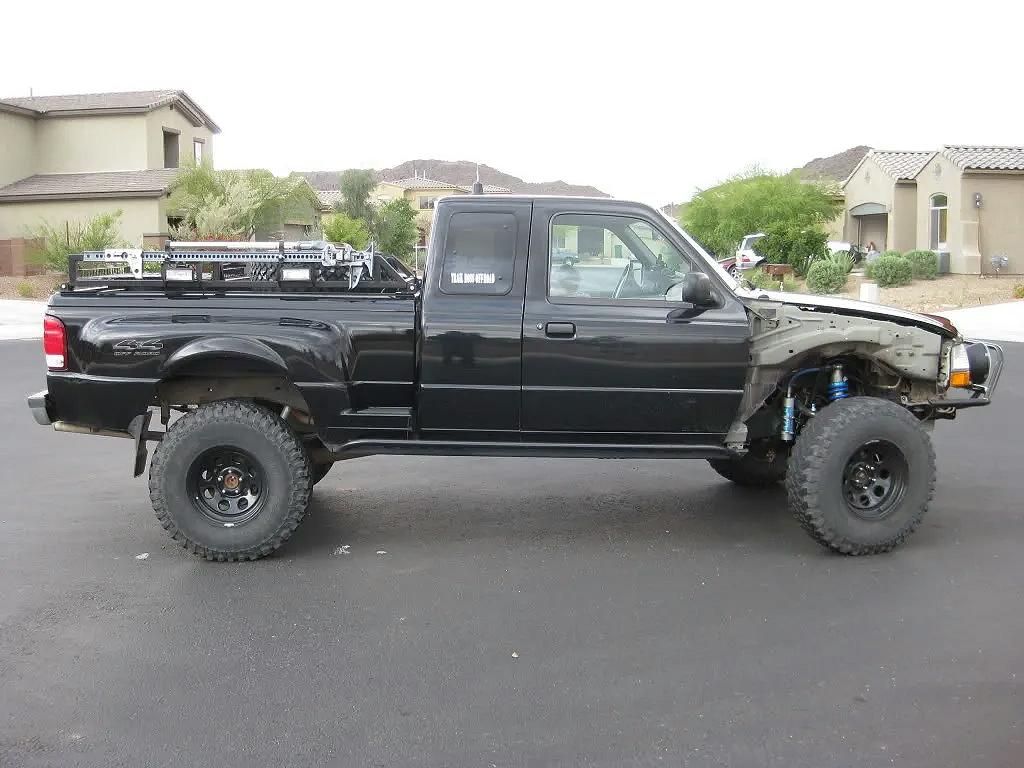
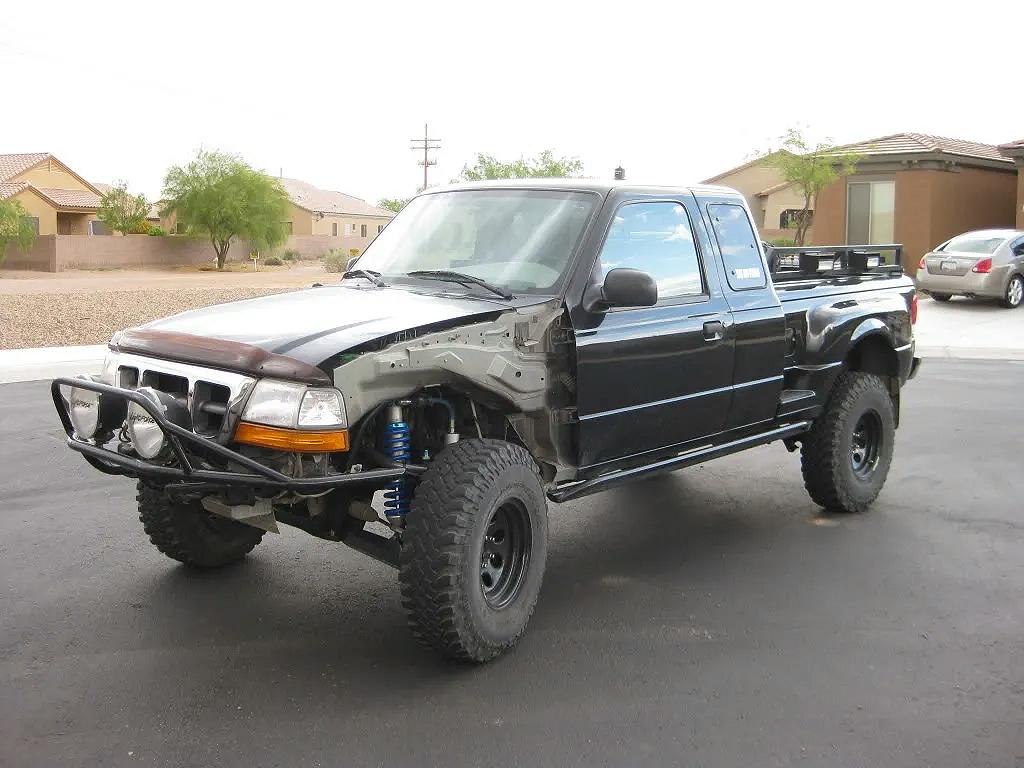
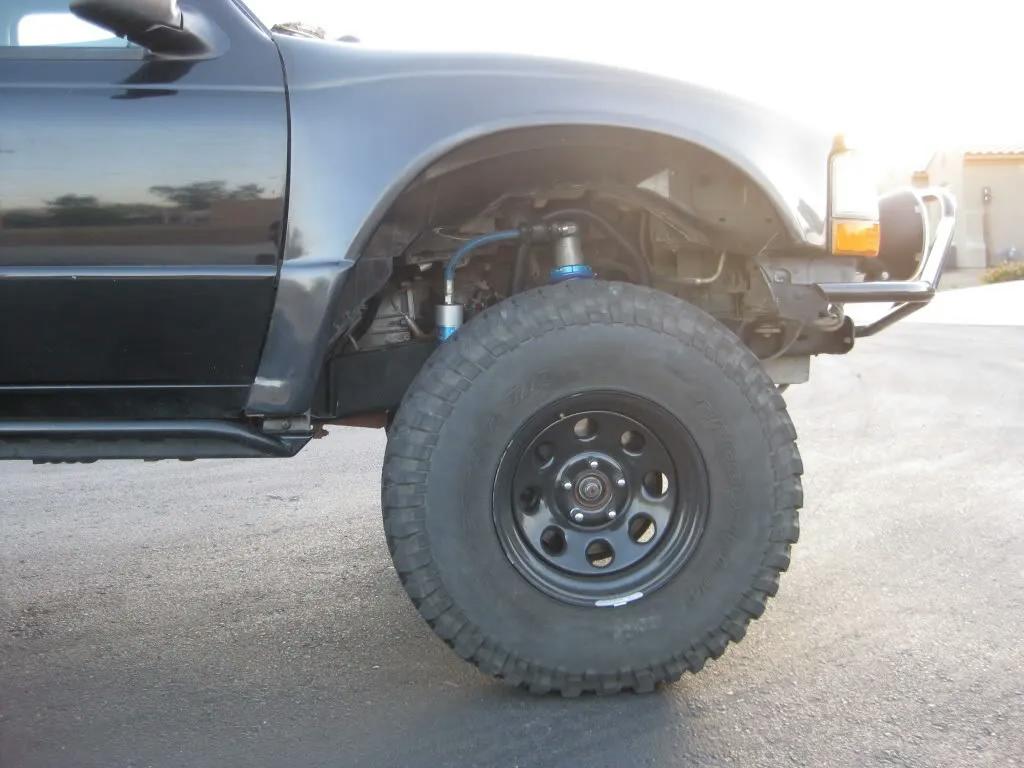
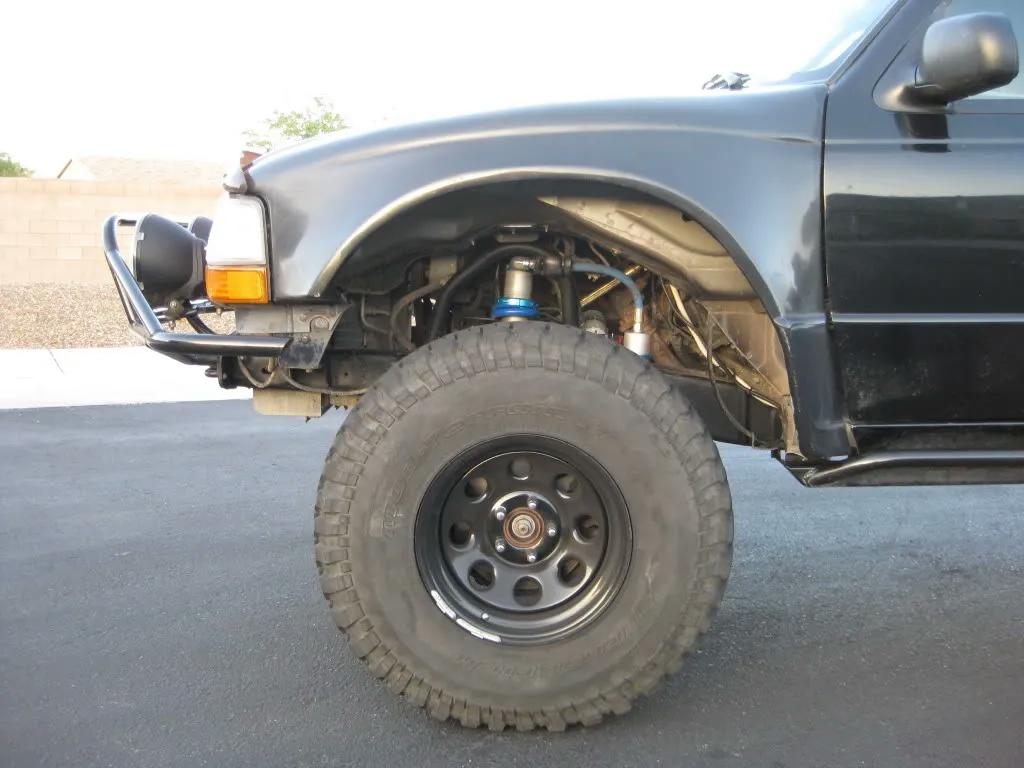
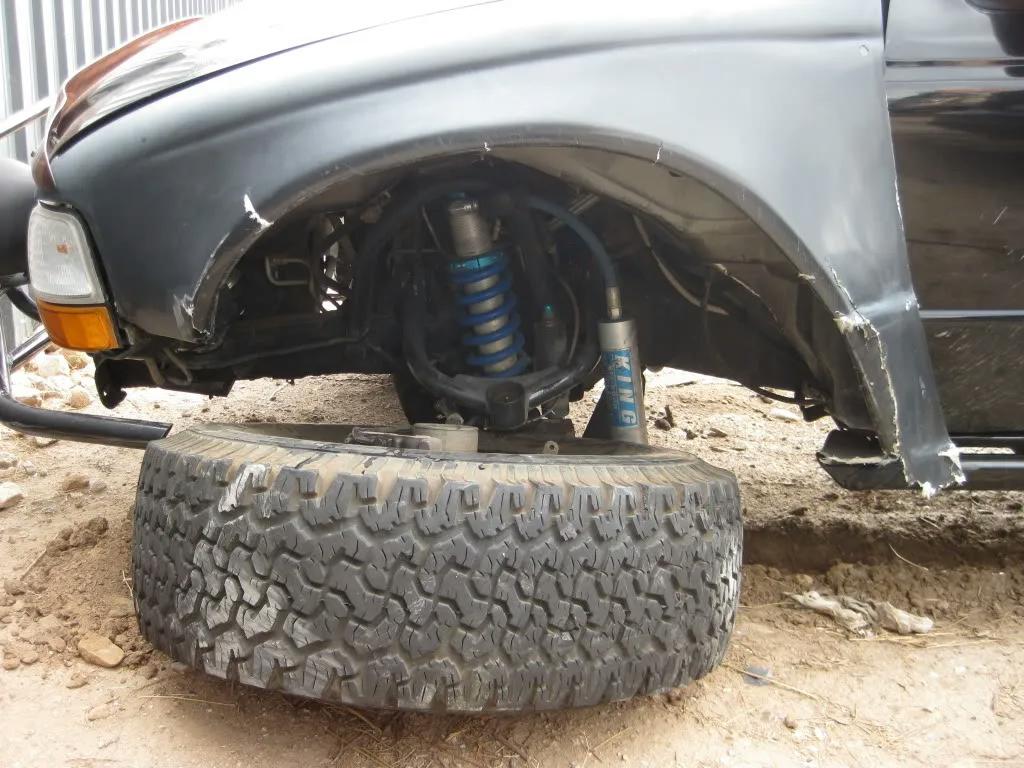
The front suspension conversion replaced the RCD setup with a Dixon Brothers Racing long-travel system. The goal wasn’t simply to raise the truck higher. It was to improve suspension travel and performance for desert driving.
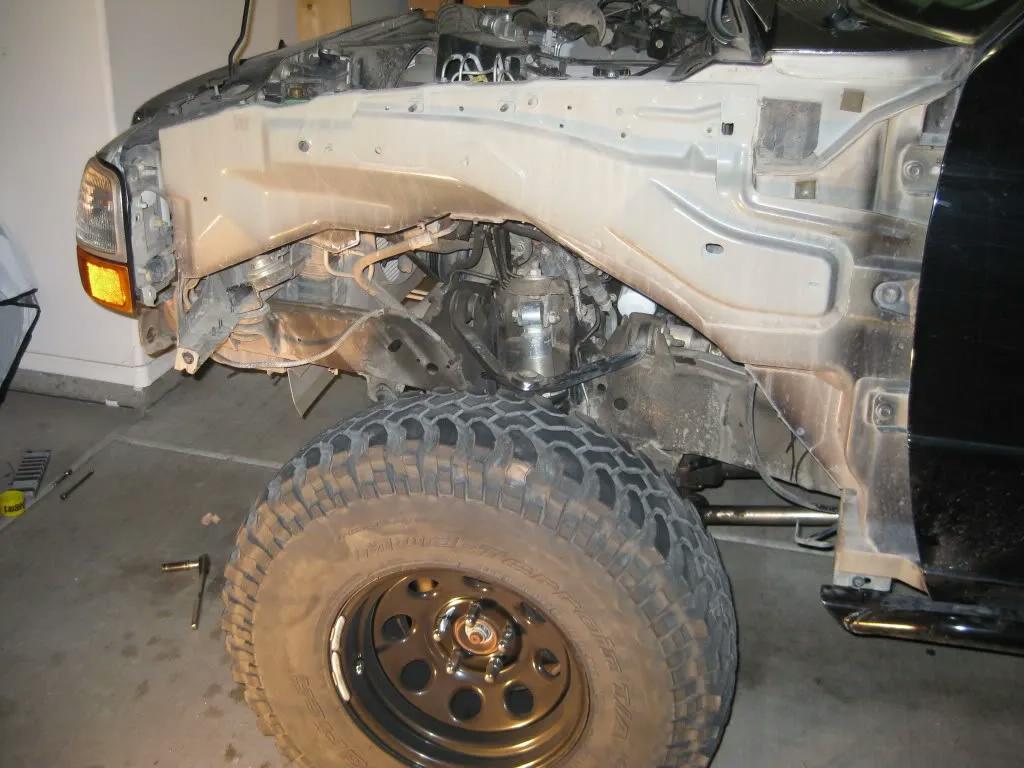
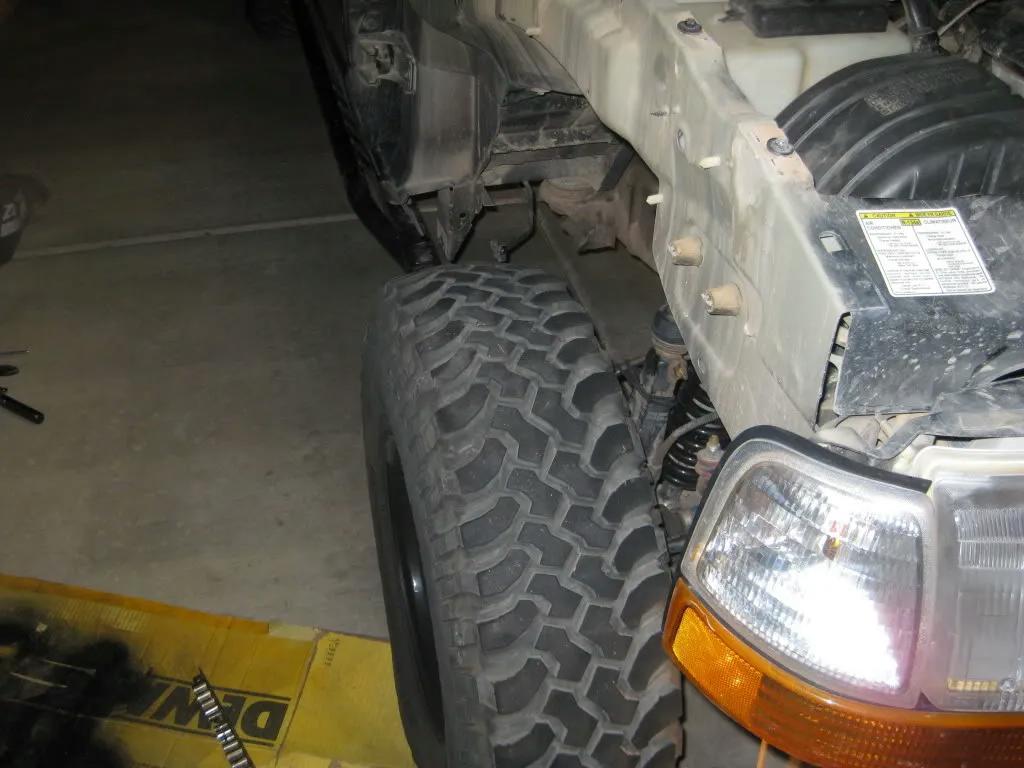
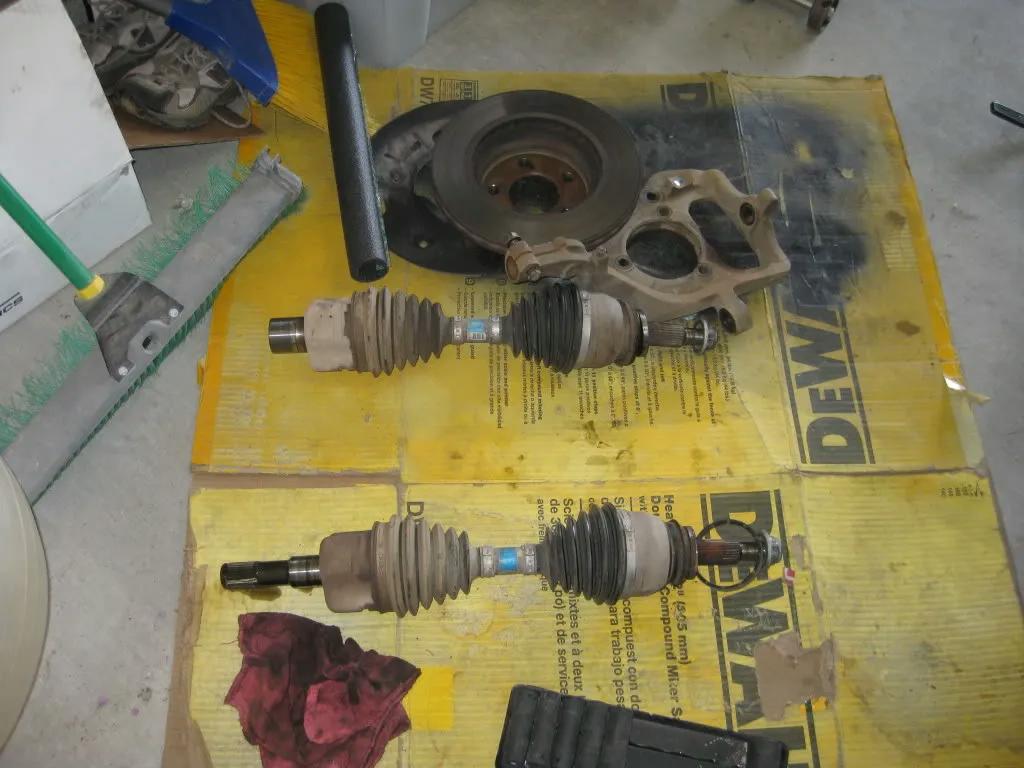
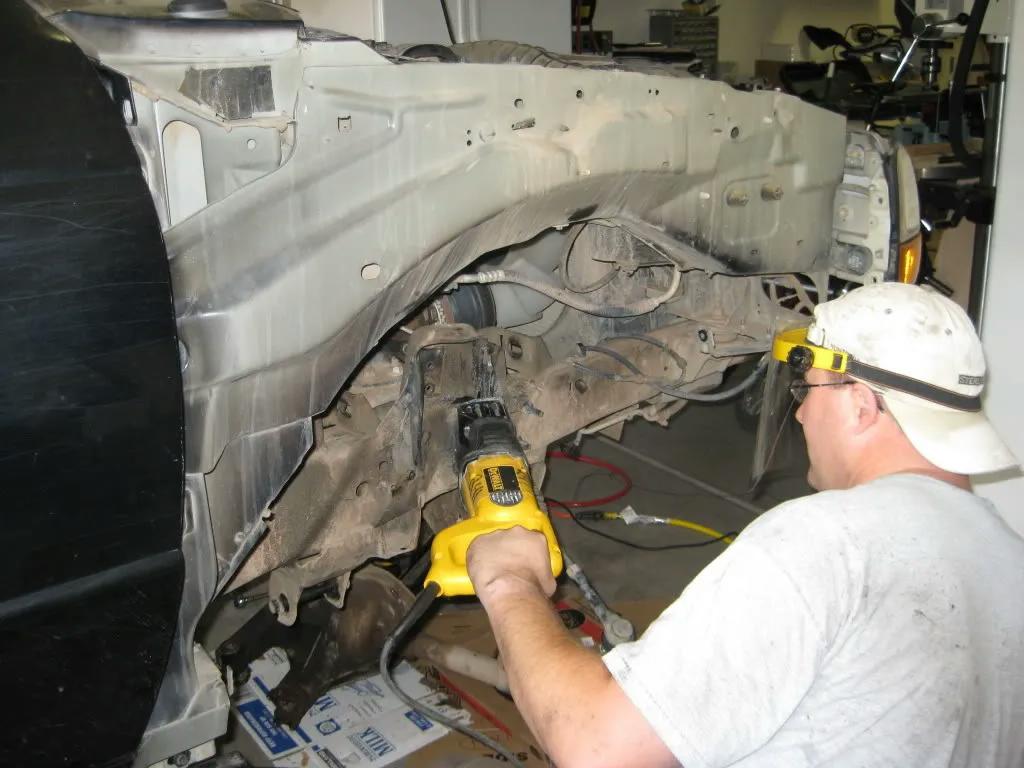
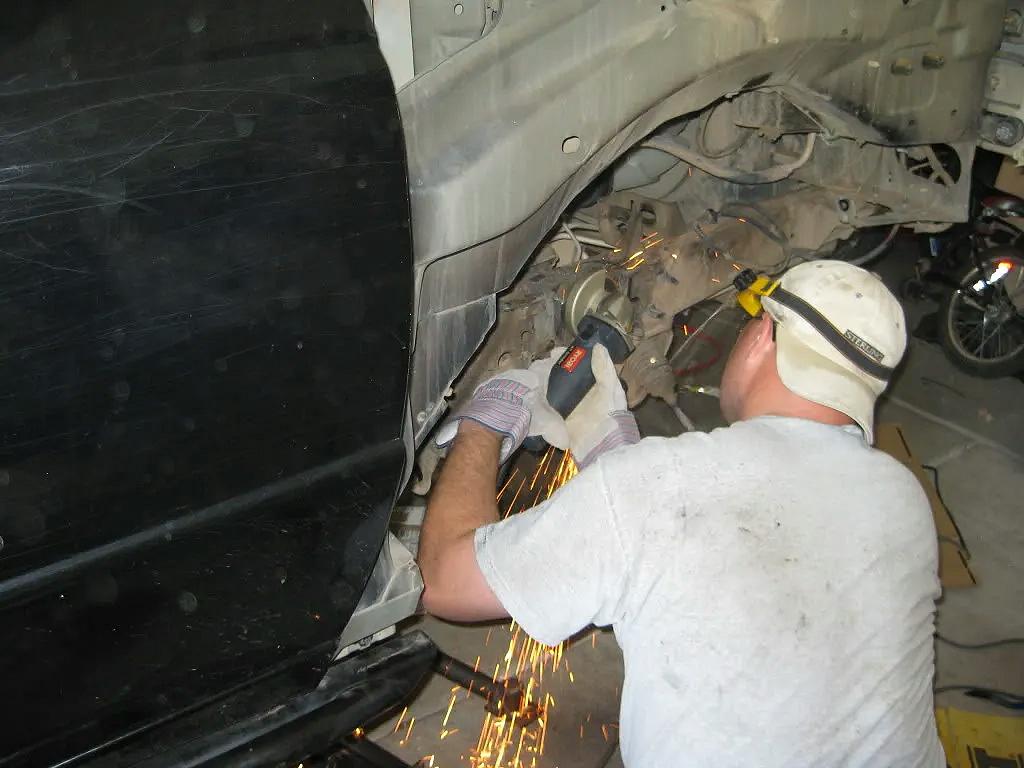
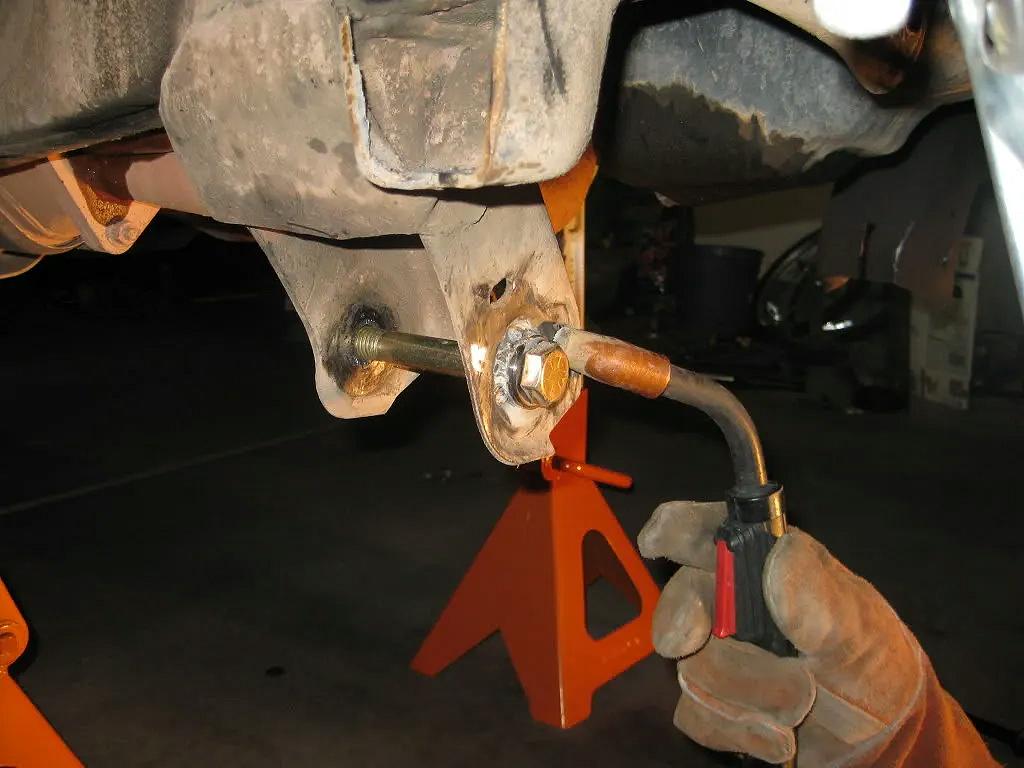
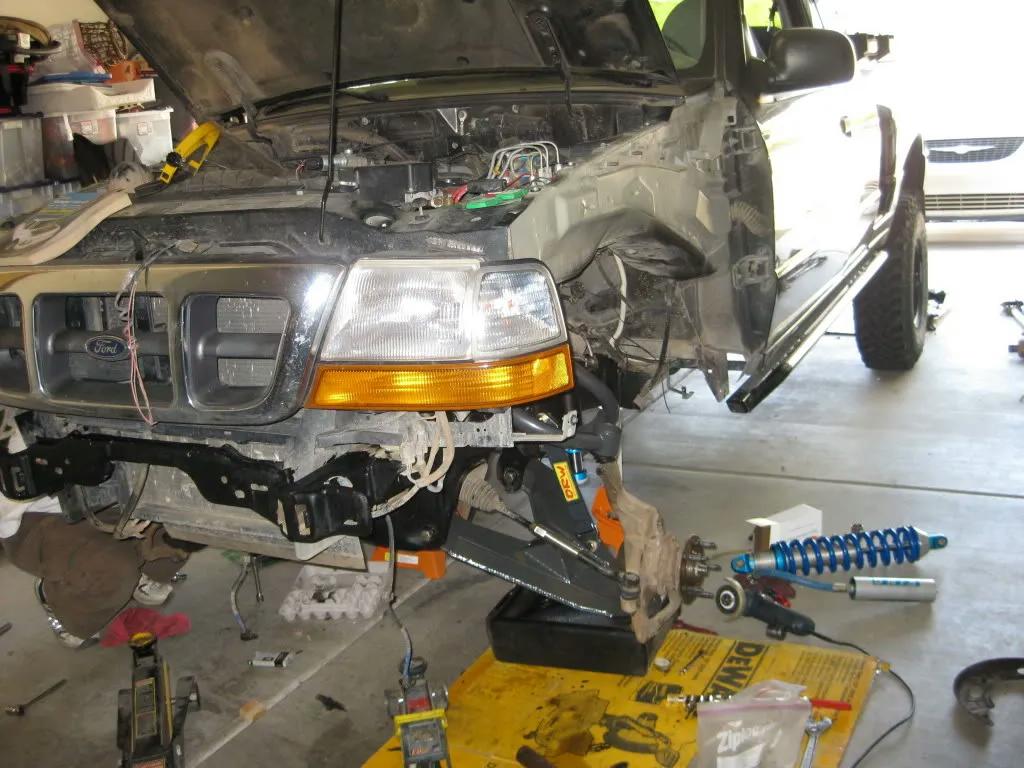
The installation took Quasi242 and a friend more than 30 hours, or approximately 60 combined labor hours. Removing the original suspension hardware was a substantial part of the job, particularly when dealing with factory rivets and frame-mounted brackets.
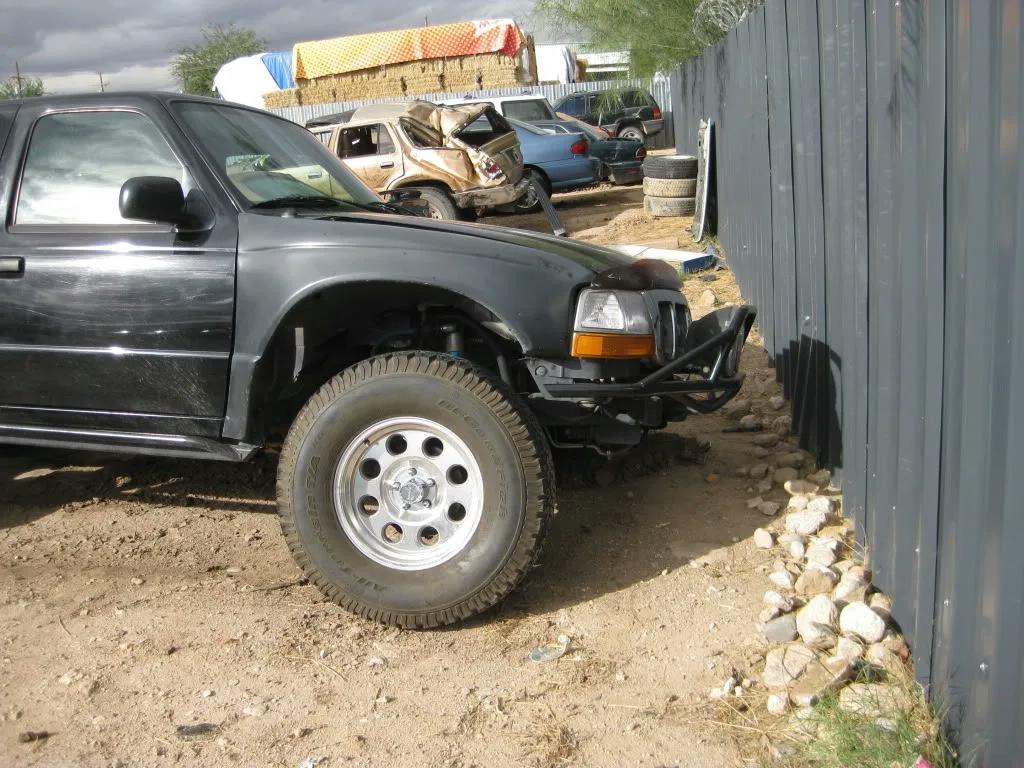
The truck initially sat higher with the RCD system than it did after the DBR conversion. Quasi242 explained that the first photos showed the truck sitting level, but with only a couple of inches of available down travel. Reducing the coilover preload brought the front end down to approximately three inches above stock, plus the additional height provided by the tires.
That lower stance was intentional. Quasi242 believed the increased suspension travel was more important than maximizing ride height. A lower center of gravity could be beneficial, and the wider suspension would give the truck a more stable stance.
The conversion also temporarily left the Ranger without functioning four-wheel drive. The necessary half-shafts weren’t available when his kit shipped, so he had to wait for replacements. The front differential would eventually need to be regeared to match the 4.88:1 gearing planned for the rear axle.
The DBR installation was only the beginning of the changes needed to make the truck work as a complete package.
Wider Fiberglass Fenders and 35-Inch Tires
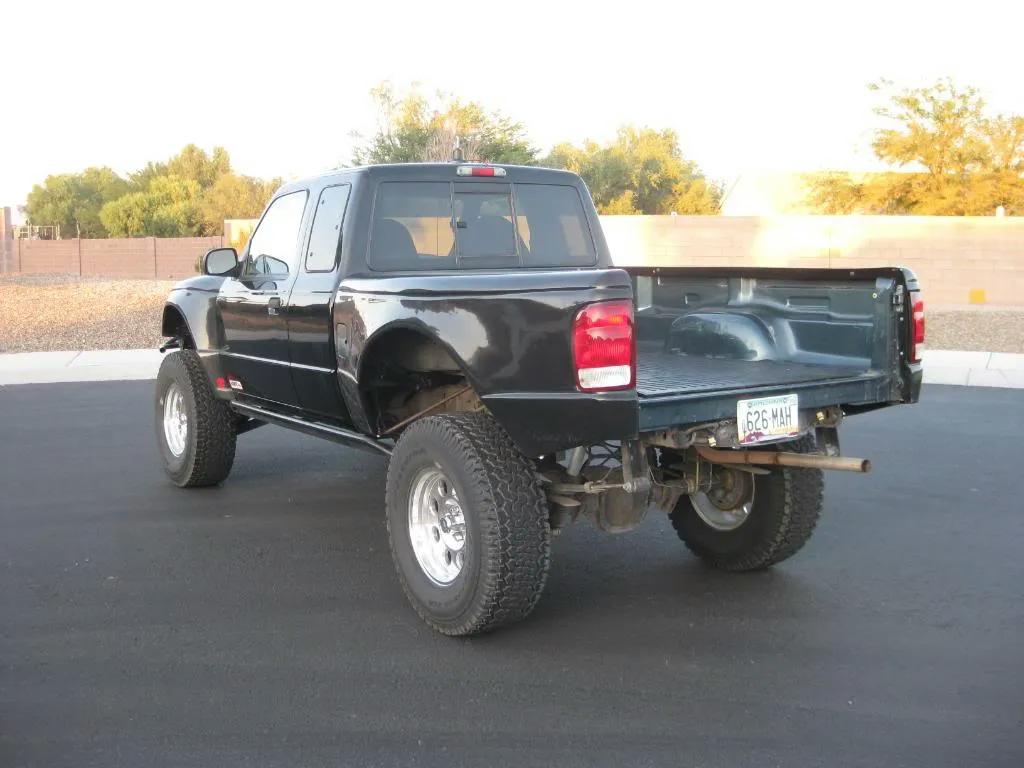
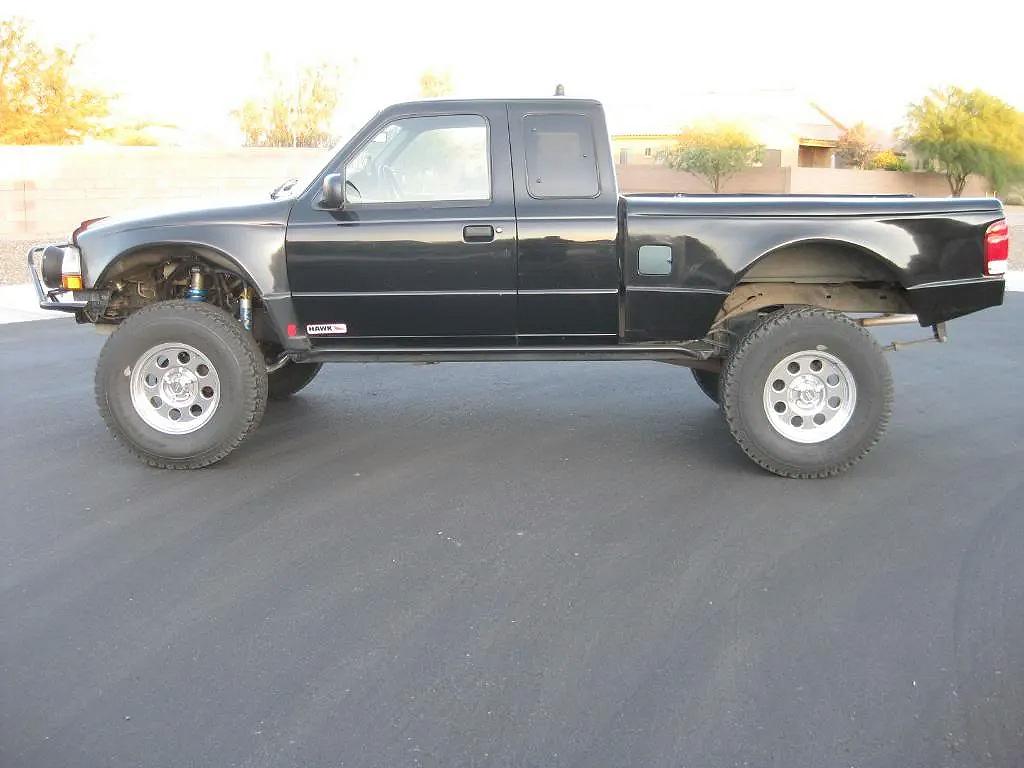
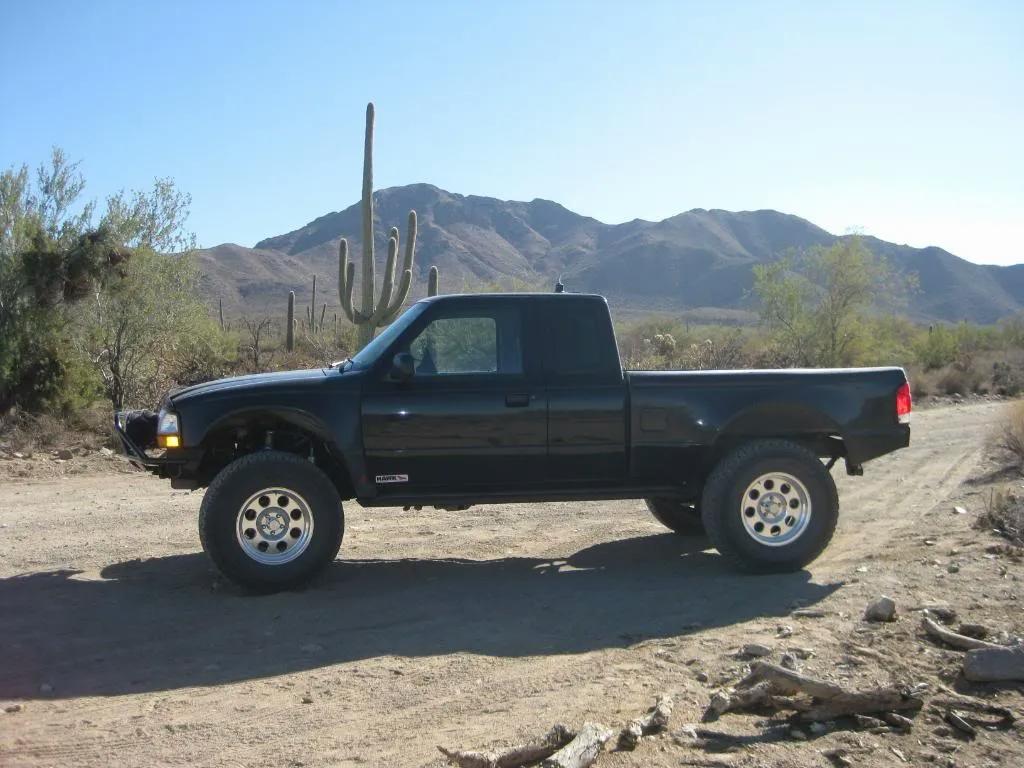
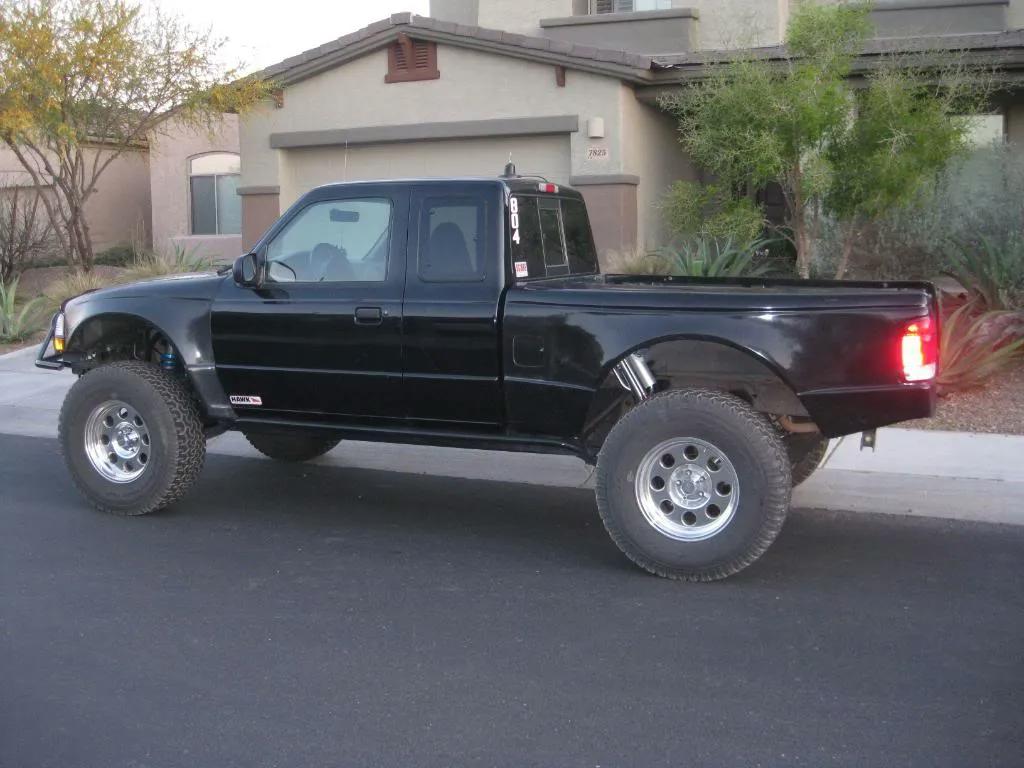
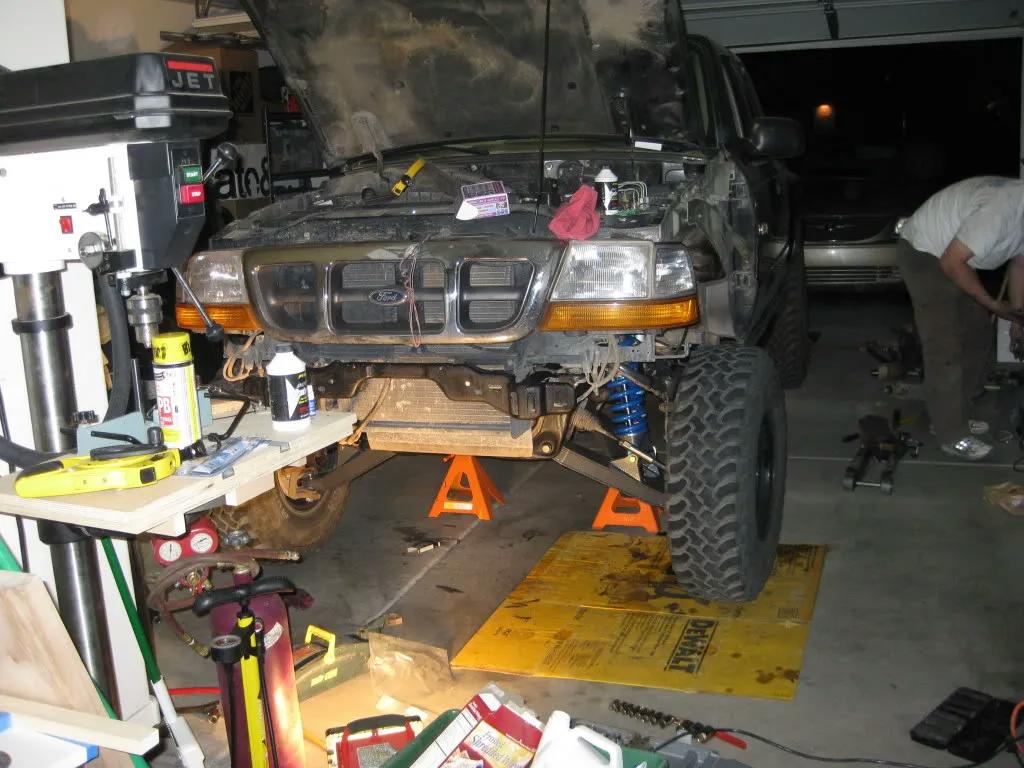
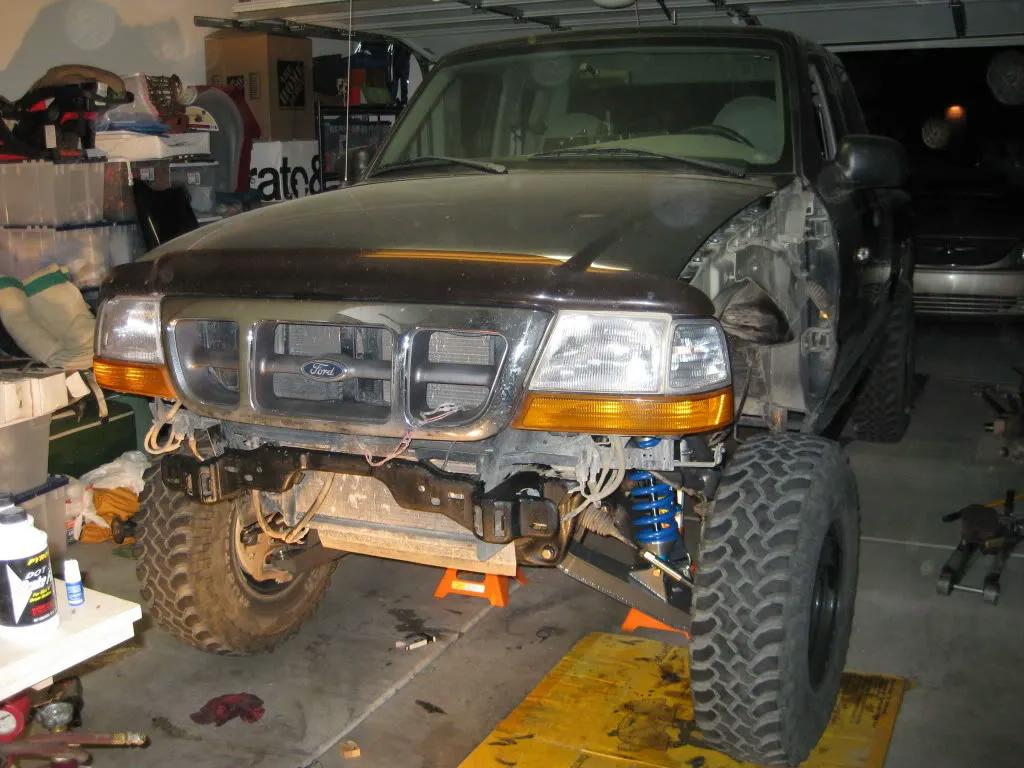
The new front suspension widened the truck’s stance, making additional body clearance and tire coverage necessary. Quasi242 installed FiberwerX fiberglass front fenders with six inches of additional bulge per side.
The wider fenders complemented the long-travel suspension and allowed room for the wider front track. The original 33×10.50 tires remained in service for the time being, but Quasi242 planned to replace them with 35×12.50 tires when they wore out.
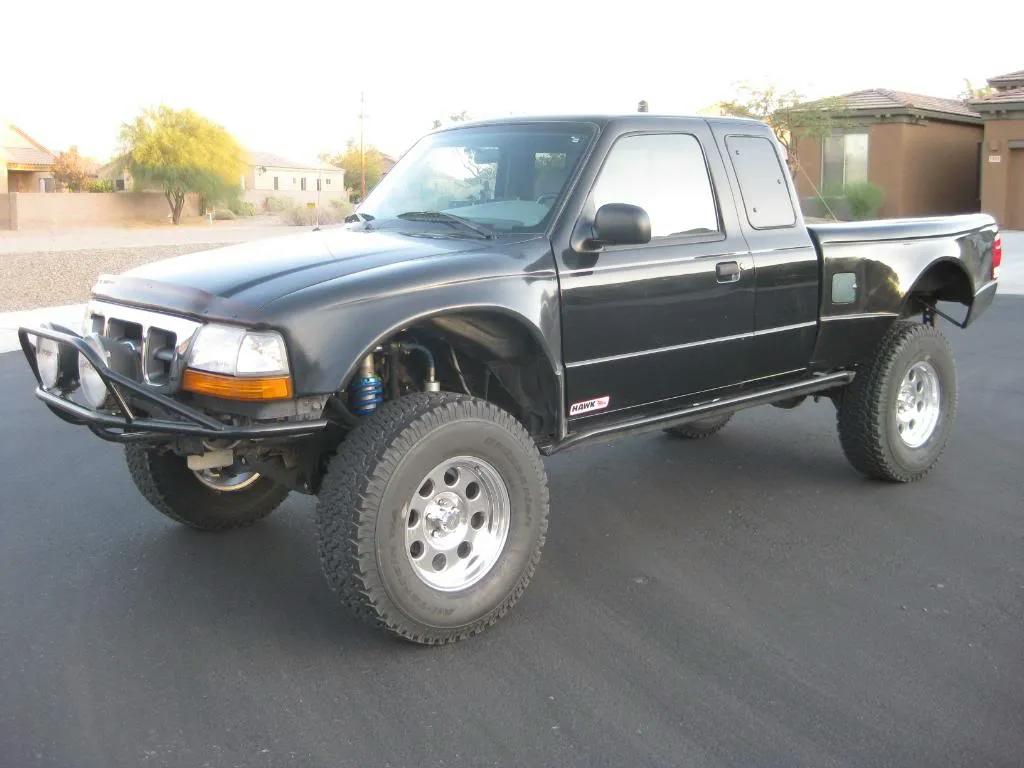
By late 2009, the truck was taking on a more purposeful desert-rig appearance. The RCD front suspension had been removed, the DBR long-travel system was installed, and the fiberglass fenders accommodated the new suspension geometry.
Quasi242 also had to decide what to do with the rear suspension. The RCD rear setup remained on the truck, and while it worked acceptably for general desert exploring, he felt it wasn’t sufficient for the higher-speed driving he wanted to pursue. He also disliked the truck’s nose-high stance.
His goal was to install a Giant Motorsports 64-inch long-travel leaf-spring setup in the rear, allowing the back of the truck to better match the capability of the front.
A Wider Rear Axle and Long-Travel Leaf Springs
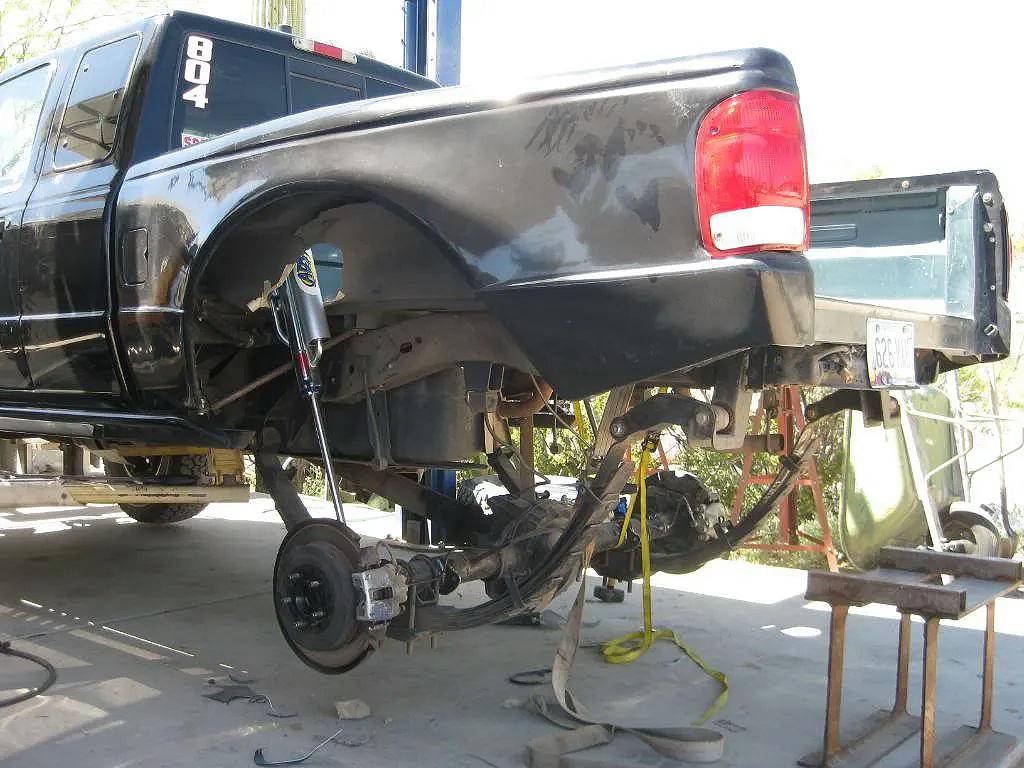
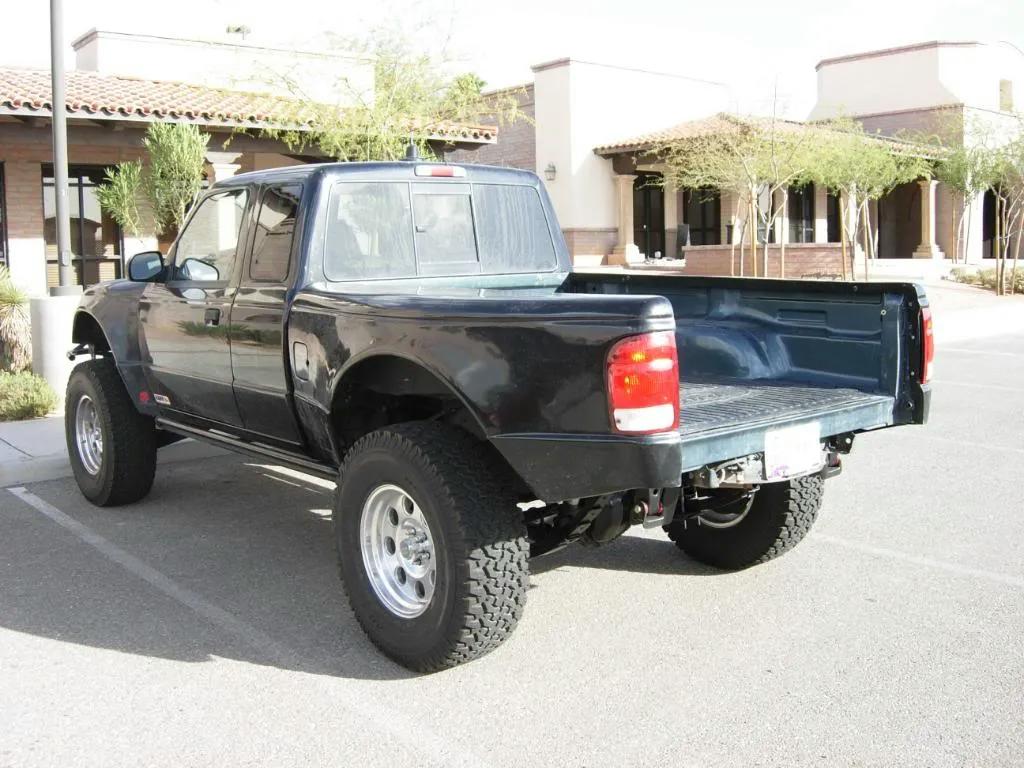
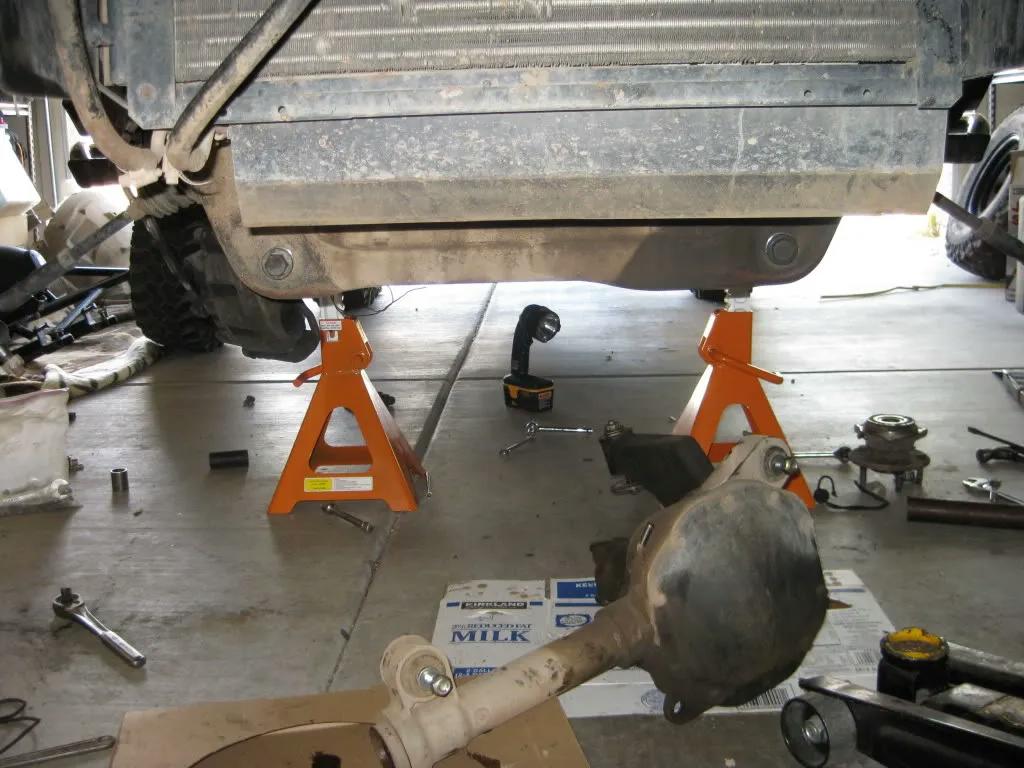
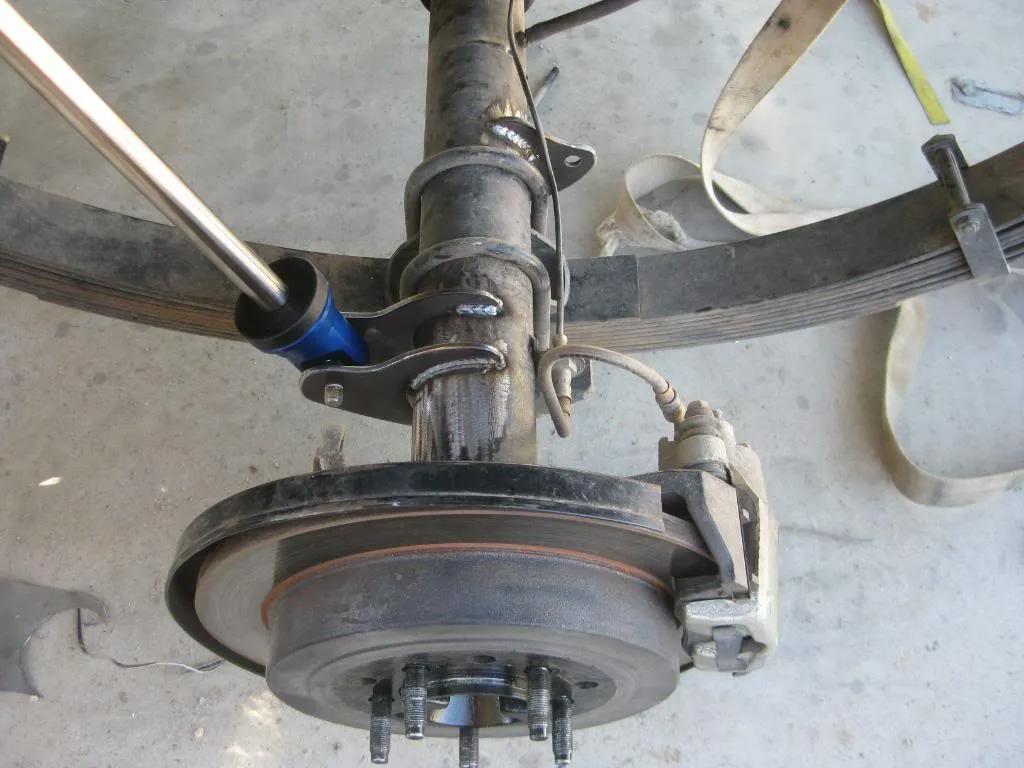
In December 2009, Quasi242 began the rear suspension conversion. He selected a Ford F-150 9.75-inch rear axle equipped with 4.88:1 gears, disc brakes and a factory limited-slip differential. He paired it with Giant Motorsports 64-inch leaf springs.
The axle was approximately seven inches wider than the stock Ranger axle. That additional width helped match the wider front suspension and provided more room for the rear tires and suspension components.
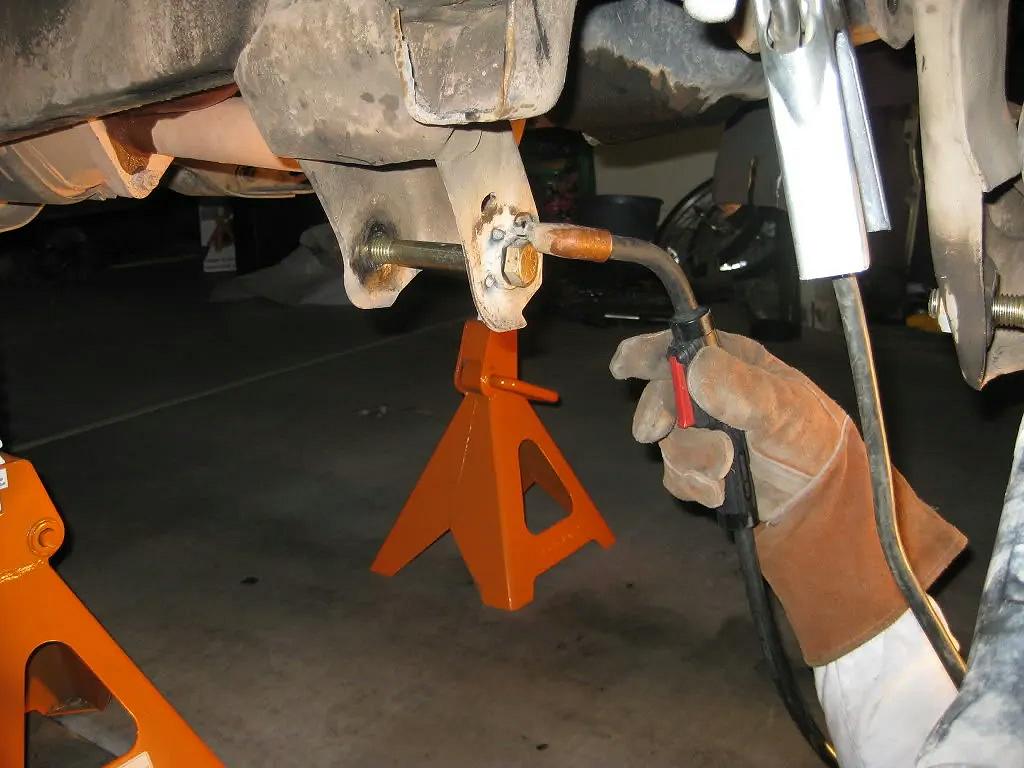
The installation involved more than swapping axles and springs. The F-150 axle had to be redrilled to the Ranger’s 5-on-4.5-inch wheel bolt pattern. Quasi242 also welded the axle tubes, installed new brake lines, and fabricated the spring-hanger mounting arrangement.
Removing the factory spring-hanger rivets proved especially difficult. Even after removing the rivet heads, an air hammer wasn’t enough to drive them out. The job eventually required a long punch and a sledgehammer.
Quasi242 initially ran the new rear suspension on the factory shocks while he worked toward the next stage of the project: longer-travel shocks and a fabricated bed cage.
With the new axle installed, the rear of the Ranger sat more level. Quasi242 could now reduce the front coilover preload to bring the truck down slightly and achieve the stance he wanted.
He estimated the rear suspension could provide approximately 19 to 21 inches of travel, depending on the final shock setup and suspension limits. The intended combination of long leaf springs, properly positioned shocks, bump stops and limit straps would determine how much of that travel could be used effectively.
Keeping the Pickup Bed Useful
One of Quasi242’s priorities throughout the project was retaining the usefulness of the Ranger’s bed. He liked the capabilities of desert-oriented trucks, but didn’t want to sacrifice the ability to carry camping equipment and other gear.
The original custom bed rack had served its purpose with the RCD suspension, but it no longer suited the direction of the build. As the rear suspension evolved, the rack was eventually abandoned to make room for the new shock arrangement.
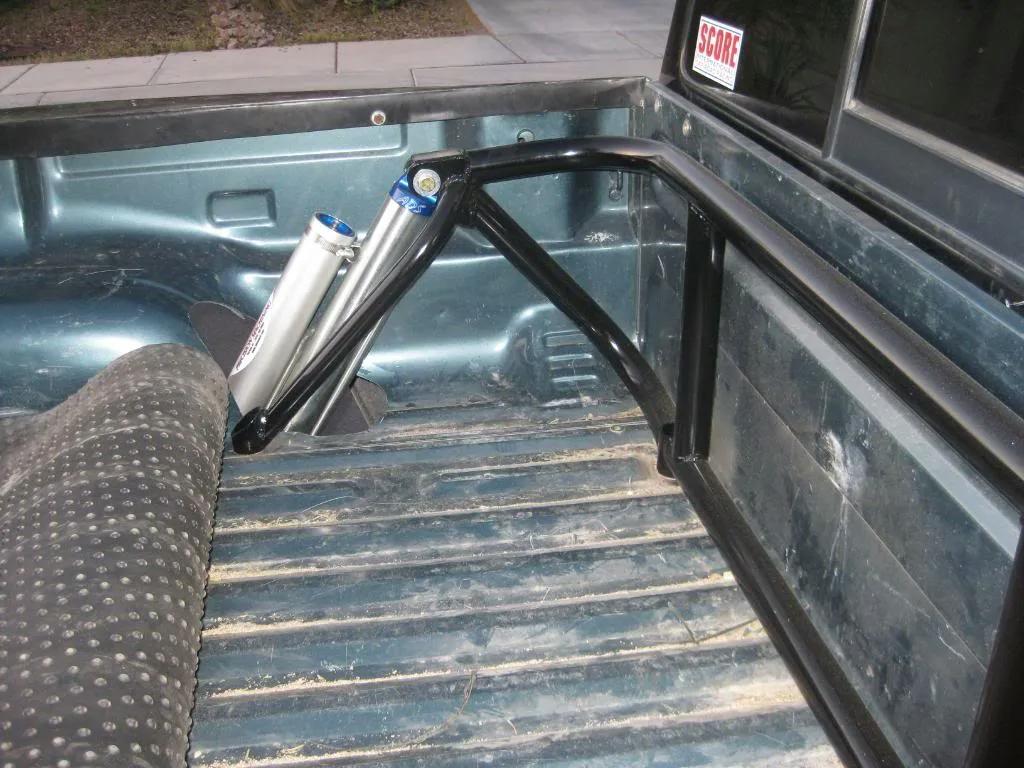
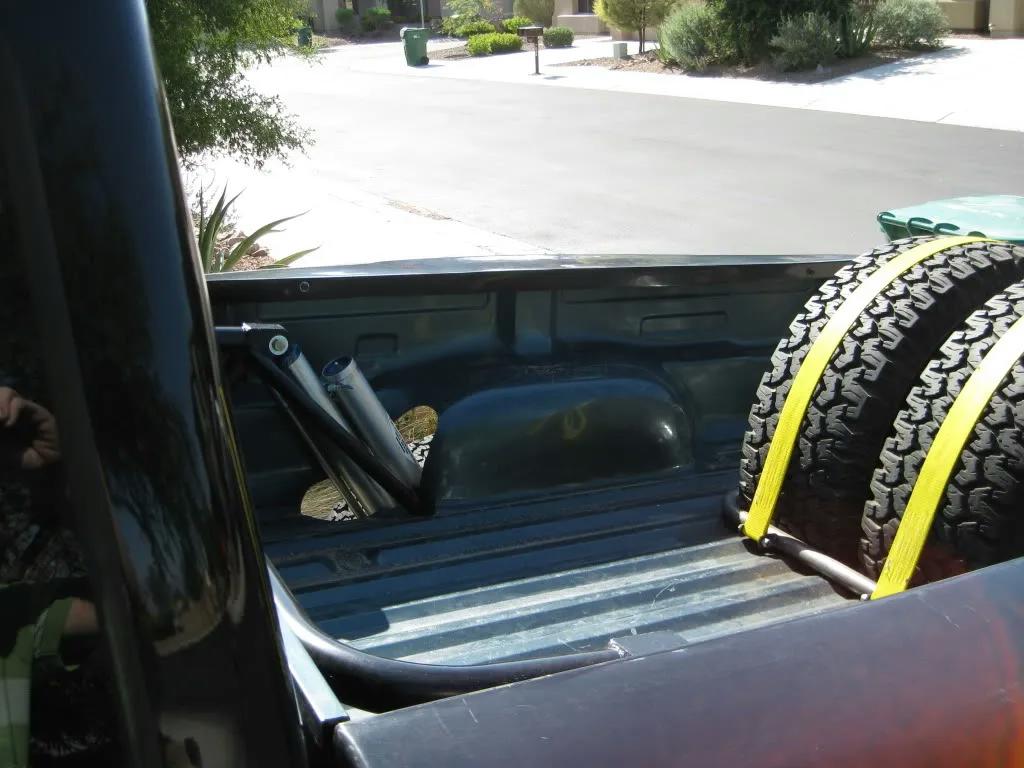
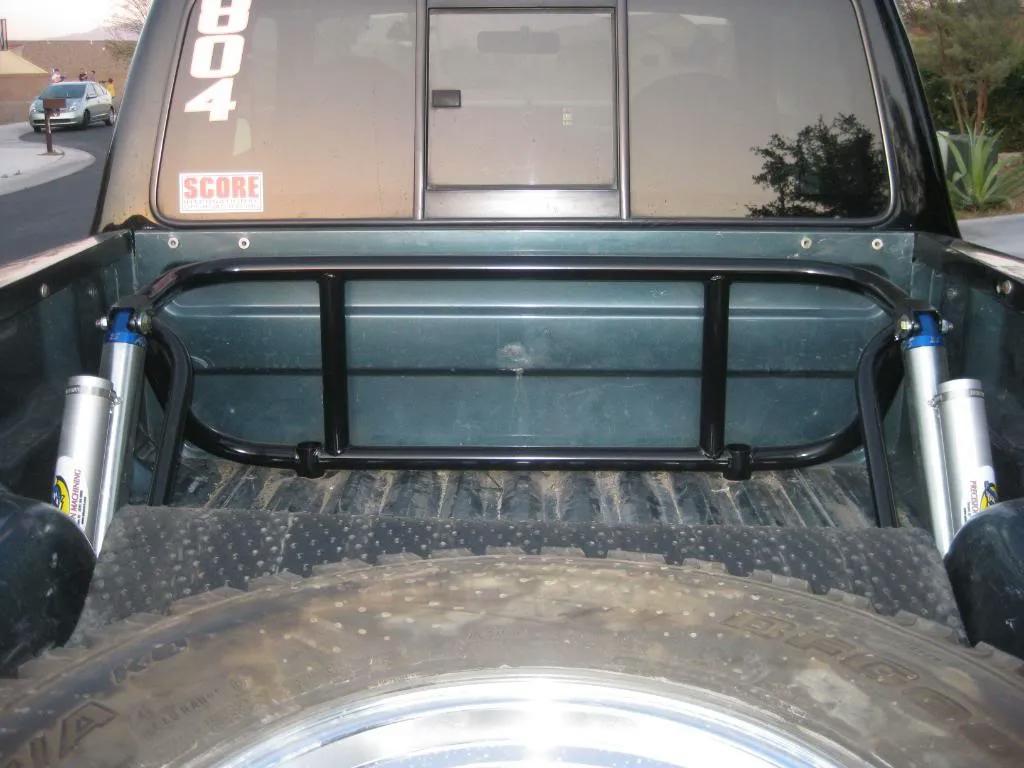
Quasi242 worked with a local fabricator on a bed cage designed to tuck around the sides and rear of the bed, preserving as much of the cargo area as possible. He explored mounting the shocks between the bedsides and the outside edges of the bed, using the extra room provided by the six-inch-bulge fiberglass bedsides.
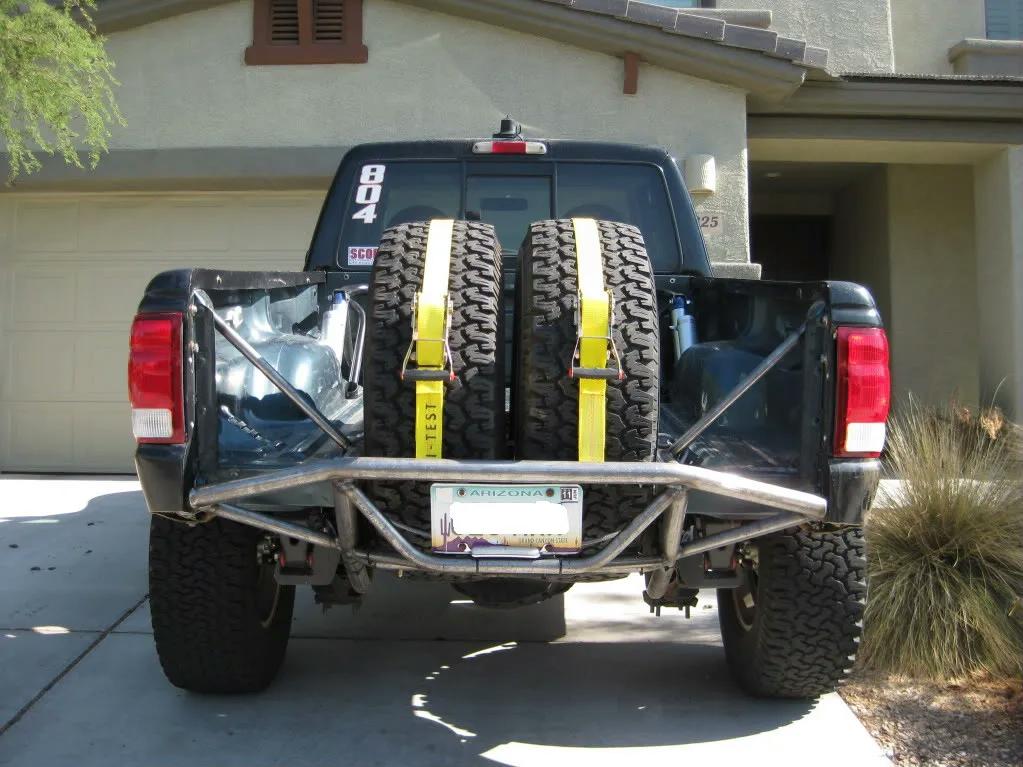
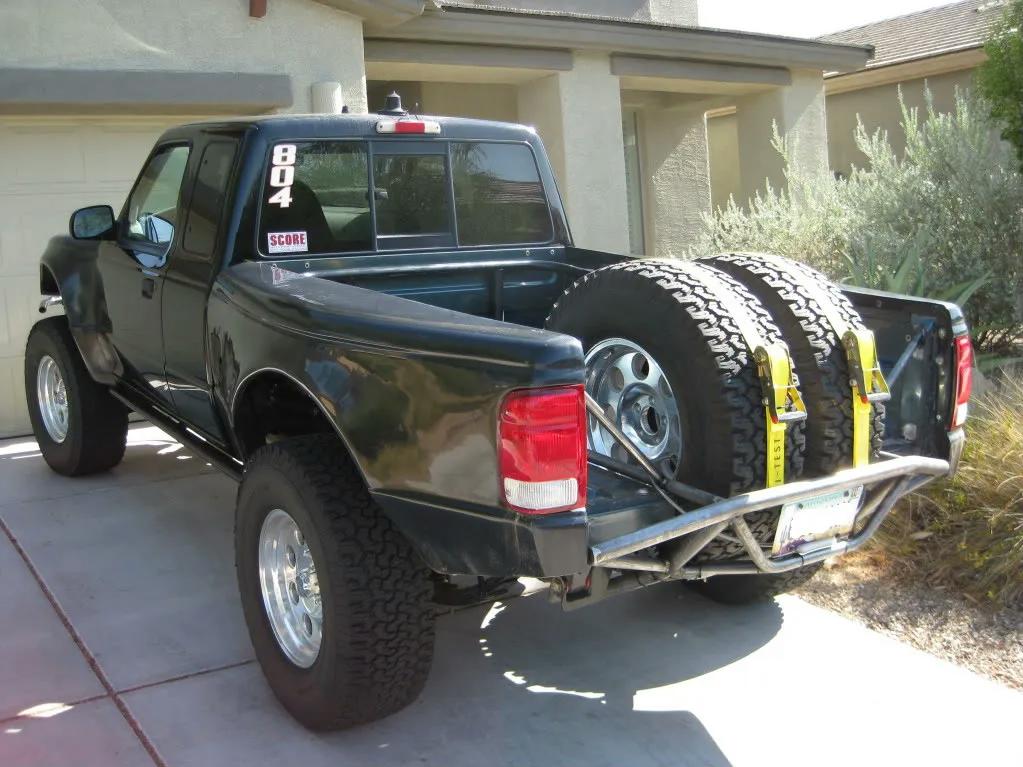
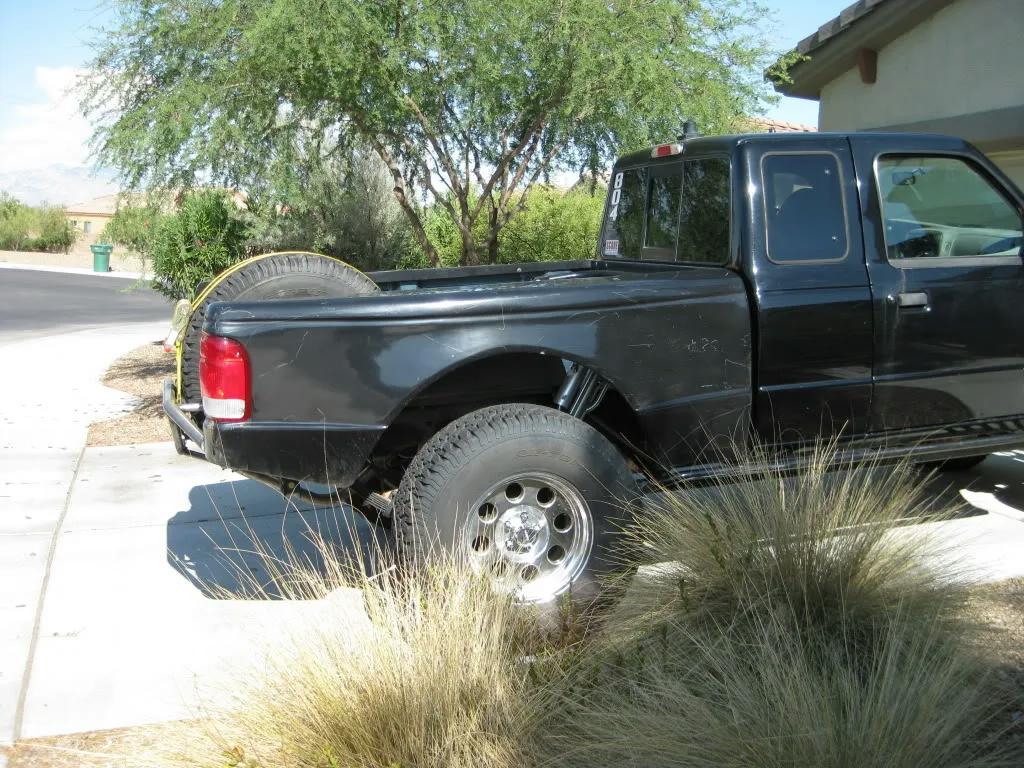
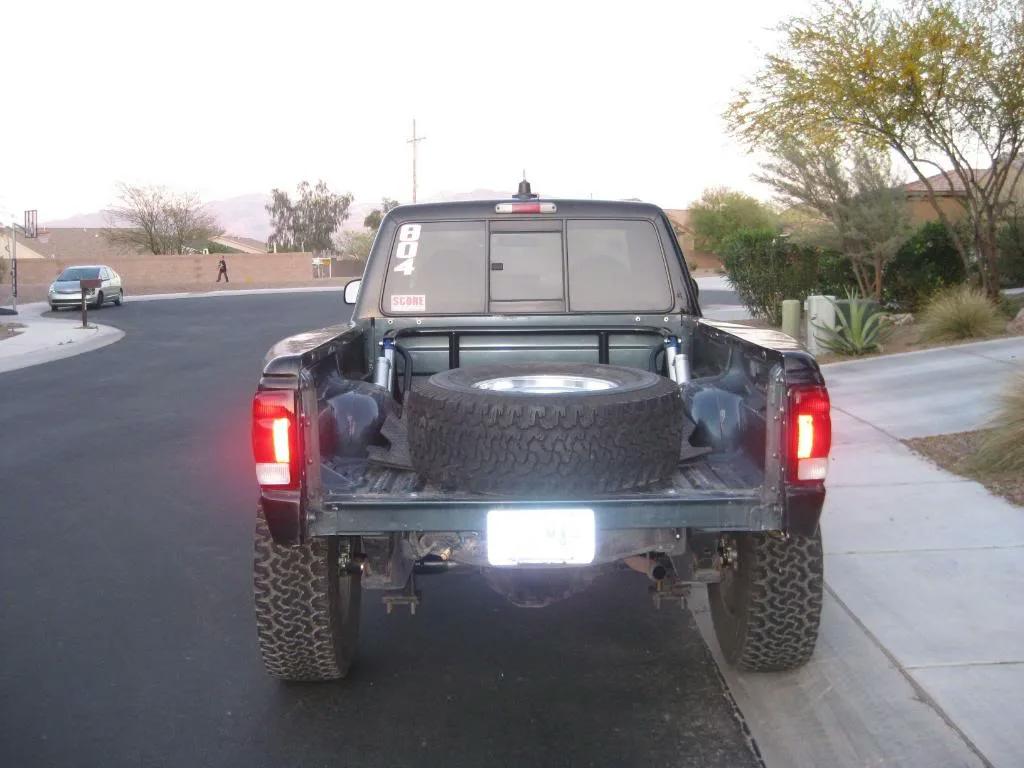
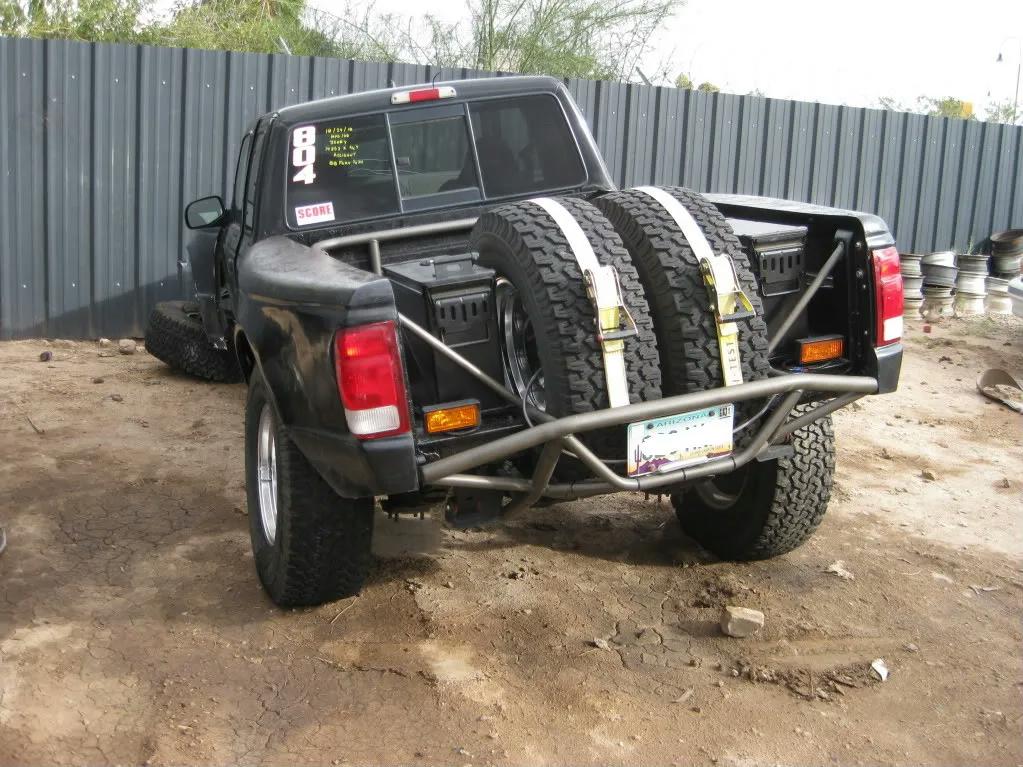
He also considered ways to carry two full-size spare tires without permanently giving up all the available bed space. His goal was to make the spare-tire arrangement removable or adaptable, allowing him to reclaim the space when the spares weren’t needed. He still wanted room to use the bed for camping, including pitching his two-person backpacking tent.
The project continued to evolve as he worked through the practical challenges of fitting long-travel suspension to a pickup that he wanted to remain useful beyond off-road driving.
Finishing the Rear Suspension
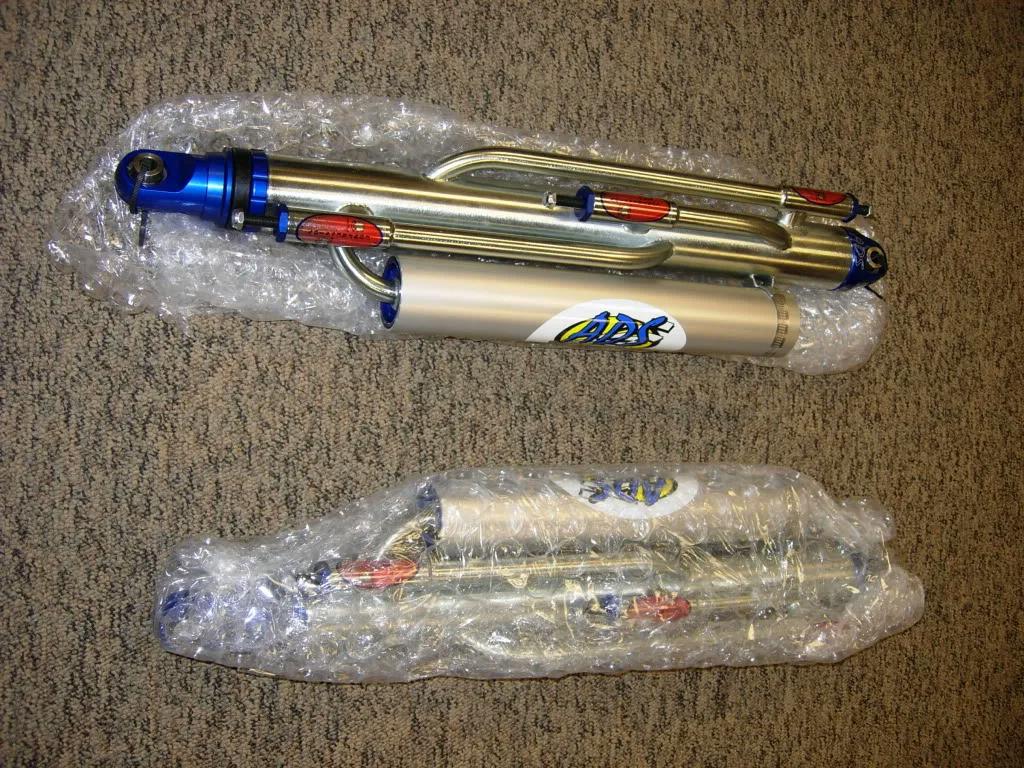
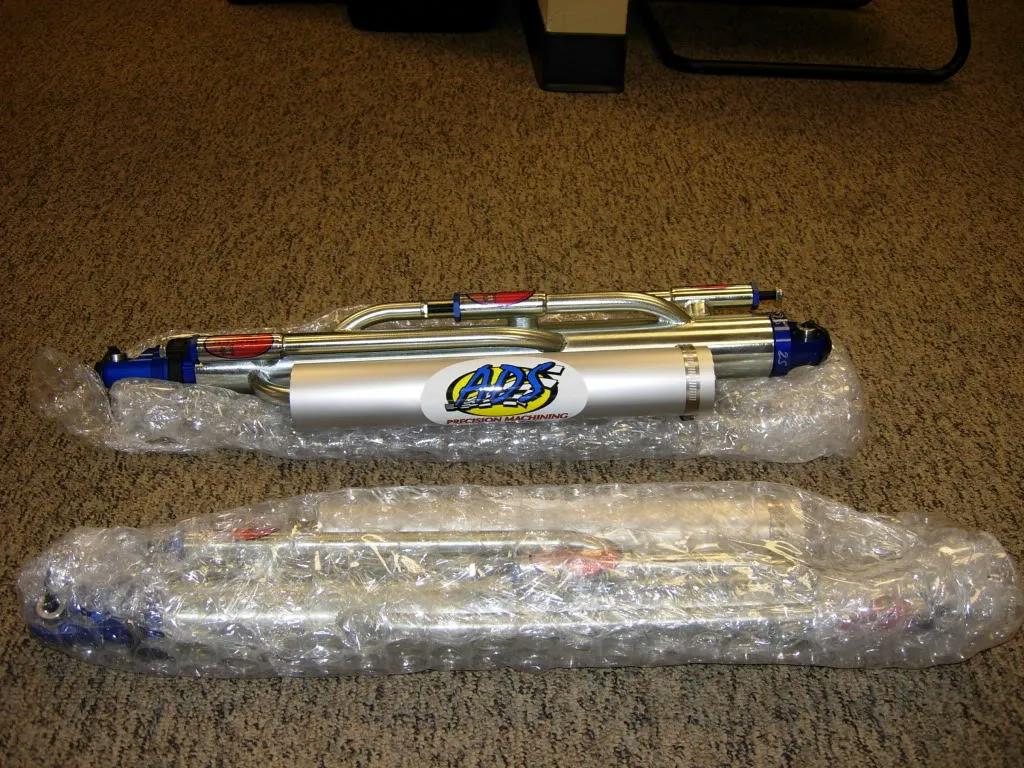
By the spring of 2010, Quasi242 was continuing work on the rear suspension and planning the shock installation. The intended setup included 16-inch-travel Link Killer double-bypass shocks, mounted to a custom bed cage.
The cage was designed to preserve the bed’s basic shape and much of its cargo capacity rather than turning the entire rear of the truck into a fully enclosed race-truck structure.
As the suspension work progressed, Quasi242 continued considering how to carry spare tires and how the added weight would affect the truck’s balance. A full-size spare couldn’t be stored beneath the bed, so any solution would require a dedicated mount.
By June 2010, the original bed rack had been set aside. Quasi242 was considering a rear bumper and tire-carrier arrangement that would allow him to carry two upright spare tires, with the weight positioned behind the axle as he wanted.
The build was a process of balancing suspension performance, tire clearance, weight distribution and cargo space. Each improvement brought the truck closer to its intended role, but also required compromises elsewhere.
The Ranger’s Final Chapter
In October 2010, Quasi242 reported that the Ranger had been struck by a driver making an illegal left turn. He believed the truck had been totaled, and he posted photographs of the damage to the forum.
The accident brought the Ranger’s development to an abrupt stop. The insurance process dragged on for more than two years, eventually requiring legal action before a settlement was reached.
In March 2013, Quasi242 reported that the settlement had finally been resolved and that he was preparing to start another project. He had acquired a 1999 Ford Explorer and was considering transferring much of the Ranger’s long-travel equipment to it, with plans for a more extensively caged build.
The Explorer project represented a continuation of the same ideas that had driven the Ranger’s transformation: combining custom suspension, wider bodywork and serious off-road capability in a Ford platform.
A Ranger That Documented Its Own Evolution
Quasi242’s Ranger is an interesting example of how an off-road build develops over time. It began as a clean, low-mileage daily driver, gradually gained the equipment needed for more demanding trails, and eventually evolved into a long-travel project aimed at faster desert driving.
The truck’s history also reflects the aftermarket landscape of the time. When Quasi242 wanted rock sliders, he had to persuade a manufacturer to build them for a Ranger. When he needed a bed rack, he designed one himself. And when the RCD suspension no longer met his goals, he committed the time and money needed to replace it with a more specialized system.
The resulting build wasn’t just about installing bigger tires or achieving a wider stance. It was about developing a suspension system that matched the way he wanted to use the truck while preserving as much of its original usefulness as possible.
Although the accident ended the Ranger’s story earlier than expected, Quasi242’s detailed forum thread remains a valuable record of the work involved. The photographs and updates preserve the decisions, challenges and incremental changes that are often missing from articles showing only a finished vehicle.
For Ranger owners interested in long-travel suspension, custom fabrication and the evolution of a real-world build, this truck’s story remains worth revisiting.
2000 Ford Ranger Long Travel Specifications
Vehicle: 2000 Ford Ranger SuperCab 4×4 Flareside
Owner / Builder: Matt Cawley (Quasi242)
Front Suspension: Dixon Brothers Racing (DBR) long-travel suspension, replacing the original RCD 5.5-inch suspension lift
Front Suspension Width: Approximately 4.5 inches wider per side
Front Fenders: FiberwerX fiberglass fenders, 6-inch bulge per side
Rear Suspension: Giant Motorsports 64-inch long-travel leaf-spring kit
Rear Axle: Ford F-150 9.75-inch rear axle
Rear Gearing: 4.88:1
Rear Differential: Factory limited-slip differential
Rear Brakes: Disc brakes
Rear Wheel Bolt Pattern: 5-on-4.5 inches, with the axle redrilled to match the Ranger
Rear Suspension Travel: Approximately 19–21 inches estimated by the builder, depending on final shock configuration and suspension limits
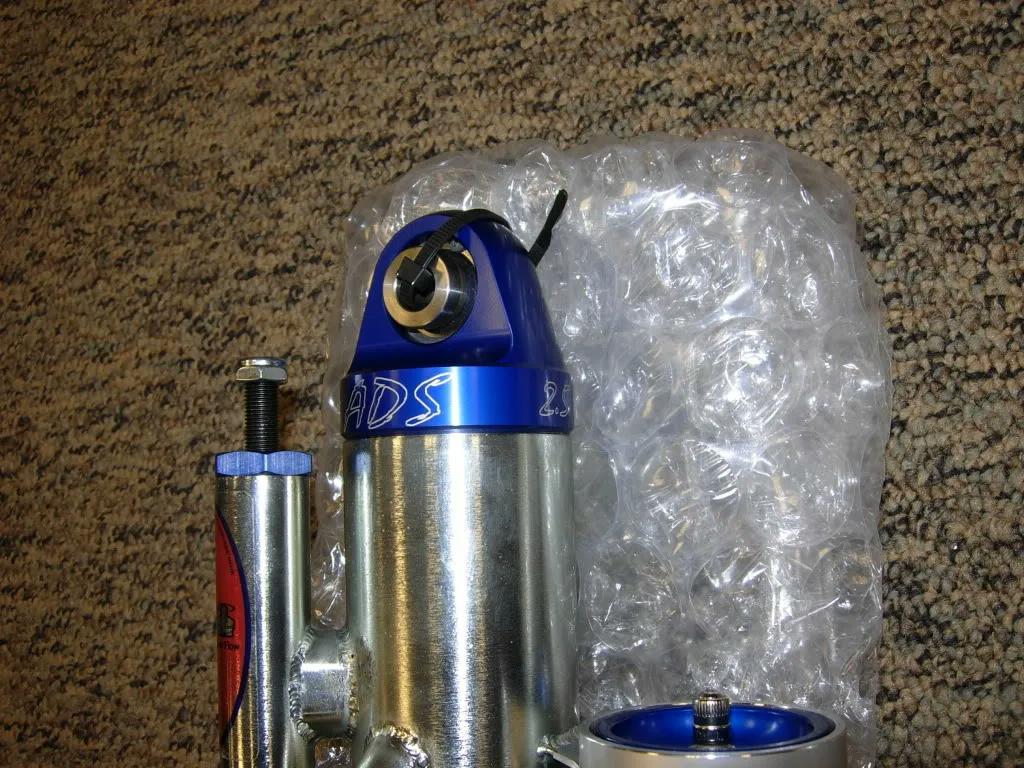
Rear Shocks: Planned 16-inch-travel Link Killer double-bypass shocks
Tires (Initial Setup): 33×10.50 BFGoodrich Mud-Terrain T/A KM
Tires (Later Setup): 35-inch BFGoodrich All-Terrain T/A KO
Wheels: Black steel wheels; later setup used 17-inch wheels
Lighting: Lightforce 240 HID auxiliary lights
Rock Sliders: Custom-fabricated, frame-mounted sliders from Rocky Road Outfitters
Front Protection: Custom prerunner-style bumper and grille guard
Bed Accessories: Custom-fabricated bed rack, followed by plans for a bed cage and dual spare-tire carrier
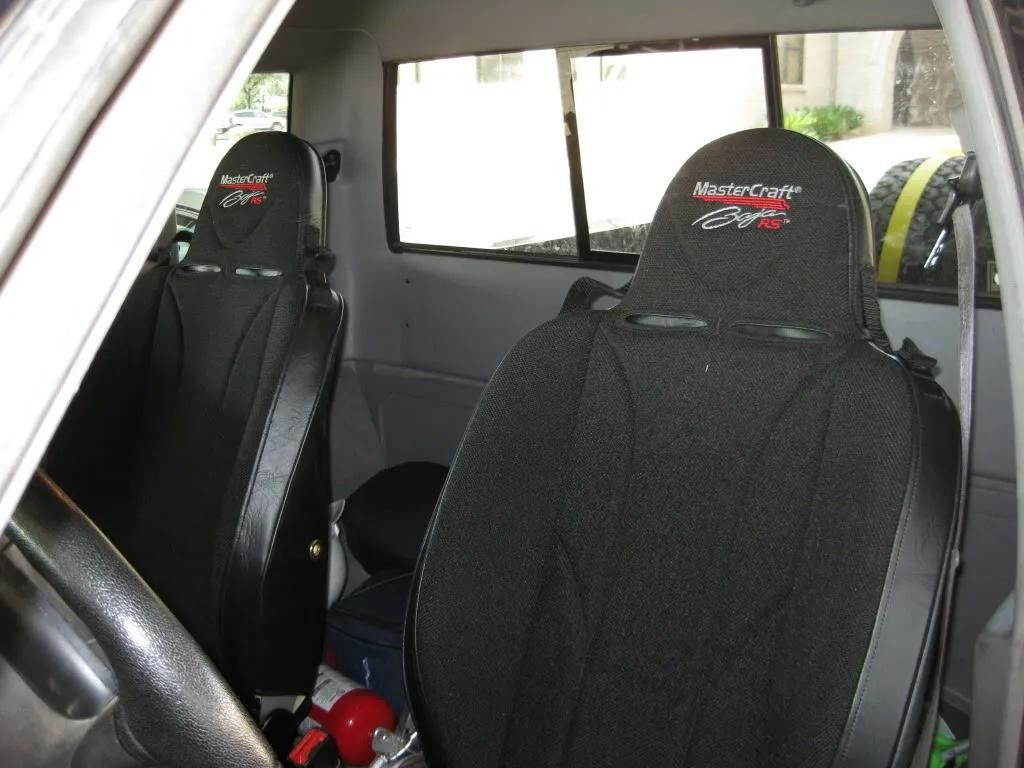
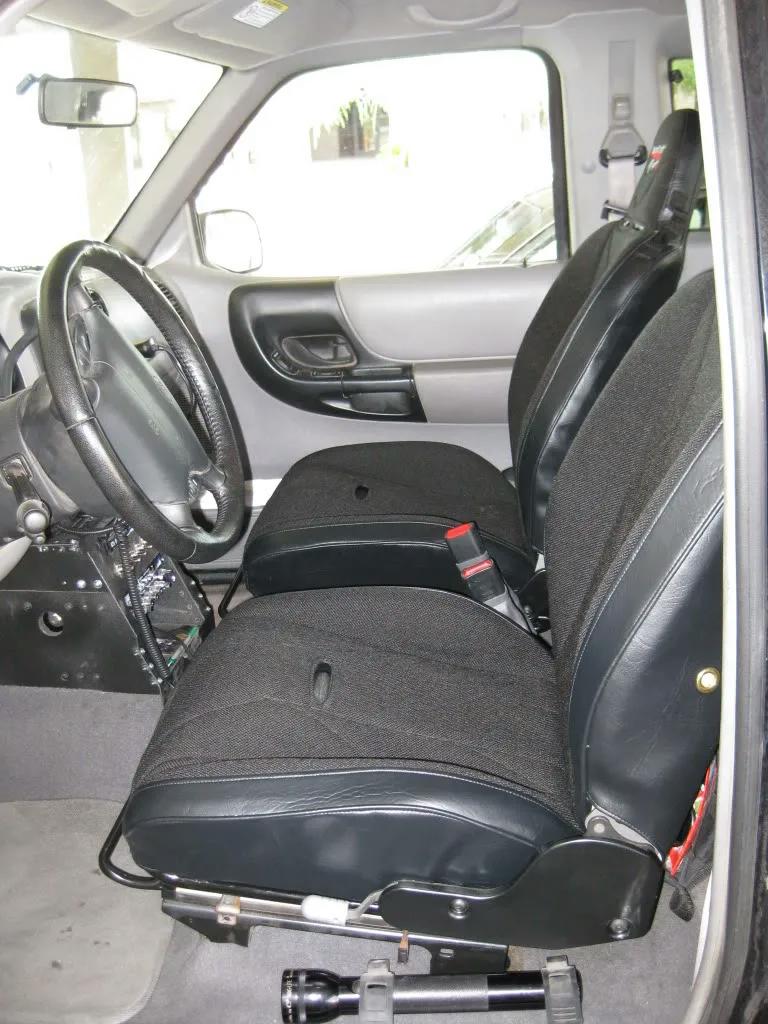
Seats: Mastercraft Baja RS reclining suspension seats, using Explorer Sport seat sliders
Build Focus: Street-oriented trail use evolving into a desert-focused long-travel 4×4
Build Thread
Check out Quasi242’s build thread at: Picture diary of a 4X4 RCD to Dixon Brothers LT Conversion
Check out his bed rack build at: Ford Ranger DIY Bed Rack
Photo Gallery
About The Author
Jim Oaks is the founder of TheRangerStation.com, the longest-running Ford Ranger resource online since 1999. With over 25 years of hands-on experience building and modifying Ford Rangers — including magazine-featured builds like Project Transformer — Jim has become one of the most trusted authorities in the Ford Ranger off-road and enthusiast space.
Since launching TheRangerStation.com, Jim has documented thousands of real-world Ranger builds, technical repairs, drivetrain swaps, suspension modifications, and off-road adventures contributed by owners worldwide. TheRangerStation.com has been referenced in print, video and online by enthusiasts, mechanics, and off-road builders looking for practical, and experience-based information.