Over-Tired and Under-Skilled
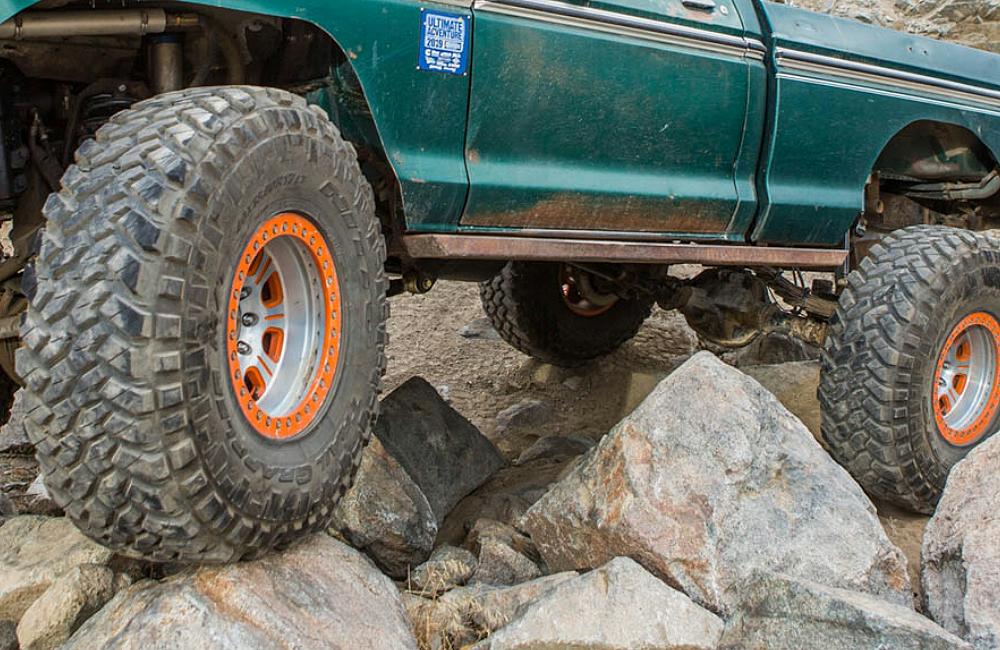
I was recently watching a video of rigs tackling some well-known trails on one-ton axles with RCV 35-spline axle shafts turning 42-inch tires thanks to a 400+ horsepower engine. I don’t know if “tackling” is the right word here. It was more of a “point and shoot” scenario. Point the vehicle where you want to go, hit the throttle, and don’t let up until you’ve clawed or bounced your way to the top.
At one point when they went to the Rubicon, the driver stated, “I thought it would be harder.”
The Rubicon Trail didn’t become easier. The larger tires just made the obstacles less challenging.
Now, let me be fair: a 42-inch tire absolutely has its place on a dedicated, purpose-built rock crawler built to conquer vertical walls. But it got me to thinking: how much skill do you really need when you’re running bulletproof axles and 42-inch tires? And more importantly, why do we feel the need to build things so massive?
I have to admit; I’ve fallen into this exact trap myself. I recently considered completely rebuilding my TRS-2 1996 Ford Ranger. Because it represents TheRangerStation.com, I had this voice in the back of my head telling me I should build it “bigger and better” with one-ton axles and 37-inch tires. But when I stepped back and looked at it objectively, it made no sense. I would have been spending thousands of dollars just to impress people on the internet, knowing very well I would rarely ever use the truck’s full capability.
There was a time when a serious off-road rig ran 33-inch tires and the even more serious or hardcore rigs ran 35s. If you were to go back to the Rubicon Trail in the ’70s through the ’90s, you would have found rigs with half-ton axles and 33–35-inch tires. People ran what they had—like the classic Dana 44 and Ford 9-inch—and simply learned how to not break them.
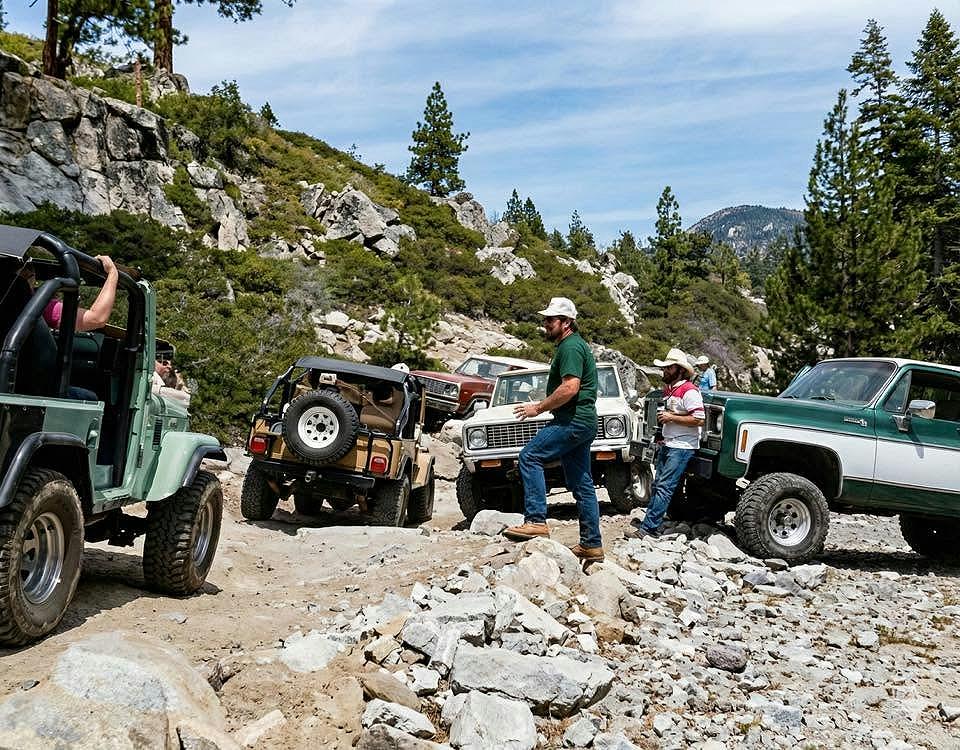
Rubicon Trail Circa 1984
When you’re running a 35-inch tire on half-ton axles, you have to pick a line that will get your vehicle up and over the object without dropping into a hole that’s going to get you stuck or roll you over. It requires finesse, and a heavy throttle at the wrong time leads to a broken axle shaft. You don’t need that same level of skill or mechanical sympathy when your tires are large enough to simply erase the terrain.
How Did We Get Here?
BFGoodrich started offering a 37-inch and 42-inch radial in 2007, and Goodyear followed shortly thereafter. Suddenly, guys who had wheeled 35-inch tires for years, or who didn’t want to run a rough 38-inch bias-ply tire on the street, found themselves with options for going larger.
Then in 2010, Ford released the SVT Raptor with 411 horsepower and 35-inch tires. Jeep followed, and then the Bronco did the same when it returned. Automakers saw the consumer’s desire for a capable rig on 35s and started selling it to them right off the showroom floor.
Inevitably, this changed the aftermarket game. Guys buying vehicles with factory off-road packages and 35-inch tires now saw that factory stance as a stock baseline, so they upgraded to 37s just to stand out. Before you knew it, the 37-inch tire became the mandatory starting point for a “rock crawler.”
But physics hasn’t changed. Spinning a 37-plus-inch tire safely requires heavy-duty running gear, and enthusiasts quickly plunge down a massive financial rabbit hole of one-ton swaps and hydraulic steering. The ultimate irony of the modern mega-build is that guys spend thousands of dollars to end up with a trailer queen that has terrible road manners and gets driven far less than it used to.
My point is simple: The 35-inch tire is still a proven, dominant tire size. It has successfully conquered the hardest trails in America for decades, and you can run it safely on standard half-ton axles without spending a fortune.
If you are building a mid-sized truck like a Ford Ranger, a well-balanced setup on 33s or 35s remains the ultimate sweet spot. Don’t fall into the social media trap of thinking your rig is inadequate because it doesn’t look like a monster truck. The real adventure of off-roading isn’t found in how much abuse your drivetrain can take—it’s found in the skill it takes to pick the right line and make it through using finesse instead of pure hardware.
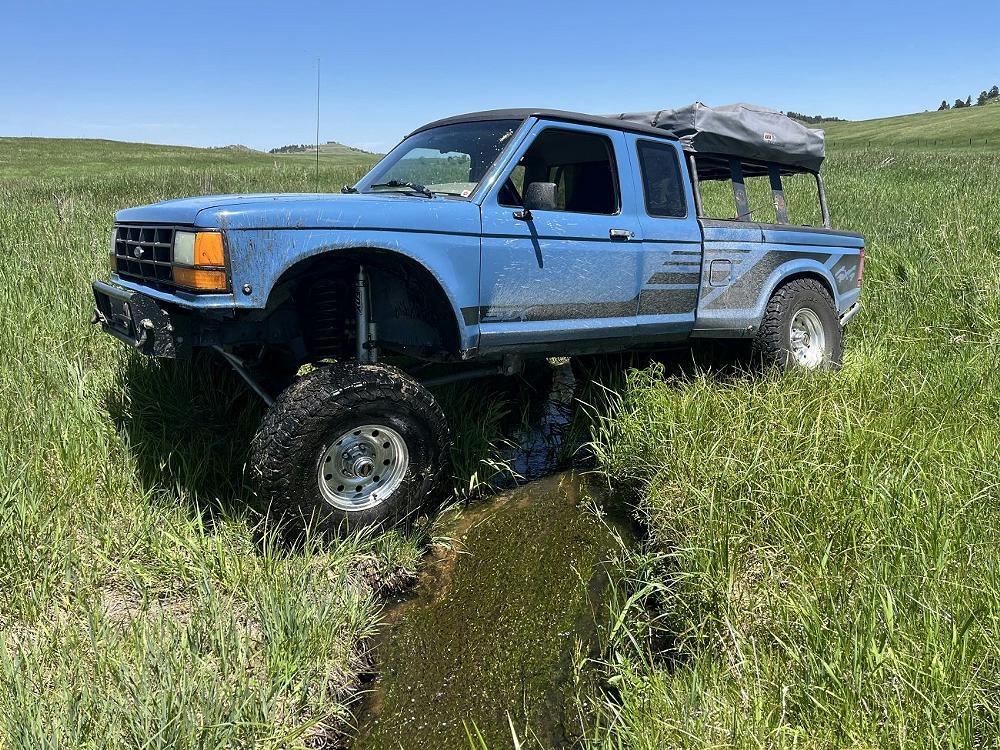
Ford Ranger on 35-Inch Tires
About The Author
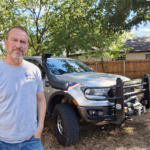
Jim Oaks is the founder of TheRangerStation.com, the longest-running Ford Ranger resource online since 1999. With over 25 years of hands-on experience building and modifying Ford Rangers — including magazine-featured builds like Project Transformer — Jim has become one of the most trusted authorities in the Ford Ranger off-road and enthusiast space.
Since launching TheRangerStation.com, Jim has documented thousands of real-world Ranger builds, technical repairs, drivetrain swaps, suspension modifications, and off-road adventures contributed by owners worldwide. TheRangerStation.com has been referenced in print, video and online by enthusiasts, mechanics, and off-road builders looking for practical, and experience-based information.