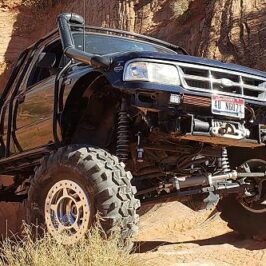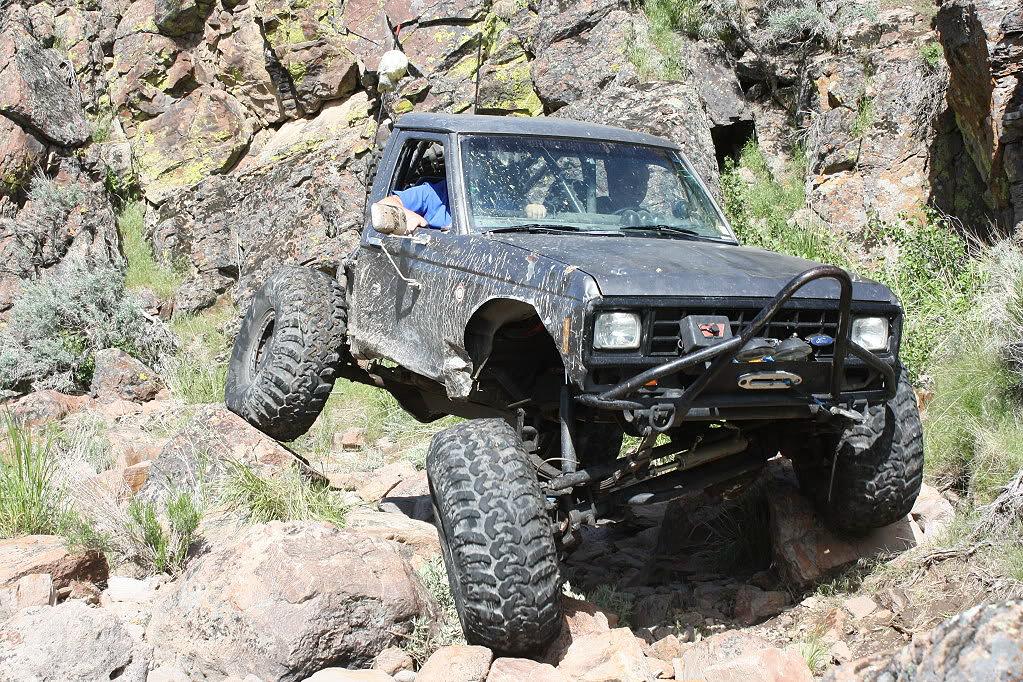
NMB2’s 1984 Ford Bronco II
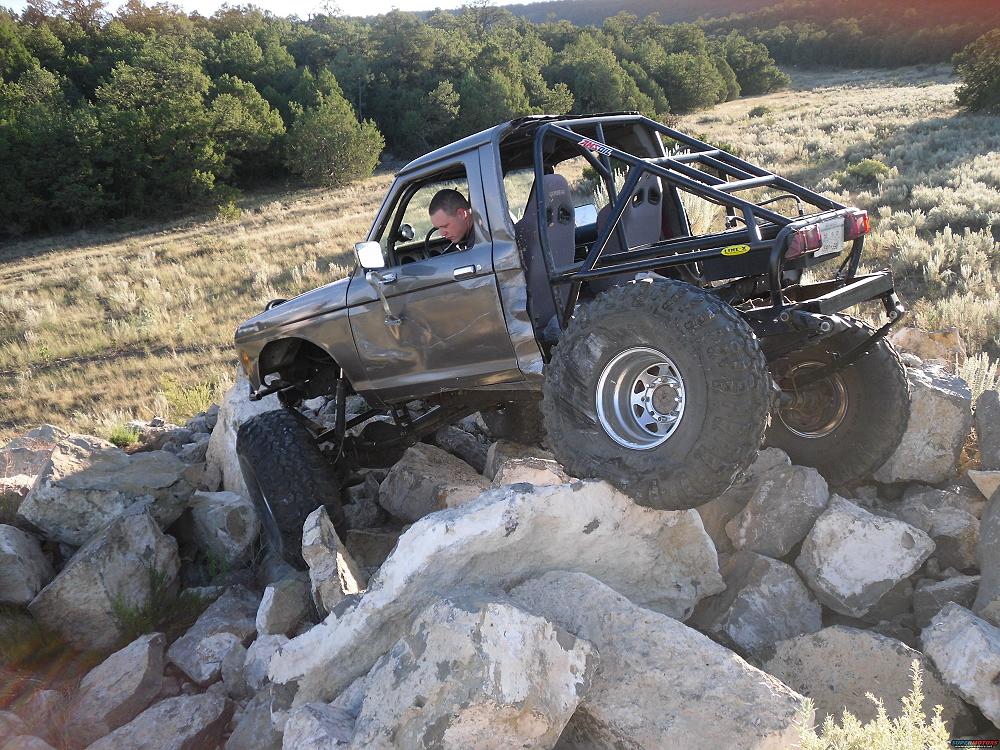
When NMB2 started his build thread on The Ranger Station in January 2010, his 1984 Bronco II was already far from stock. It had a Dana 44 up front, a Ford 9-inch in the rear, lockers at both ends, a doubler and 35-inch tires.
But NMB2 wasn’t satisfied with where it was.
He had been collecting parts for a while, and finally decided it was time to stop collecting and start building. What followed was one of the more ambitious Bronco II builds to document itself on the TRS forums. Over the next several years, the little Bronco II would get one-ton axles, leaf springs, a stretched wheelbase, full hydraulic steering, a doubler, 40-inch-class tires, a cage, a flatbed, custom armor and eventually a 5.0L V8 and C5 automatic.
And the interesting part isn’t just the list of parts. NMB2 actually built a lot of it himself.
July 2010 Off-Road Truck of The Month
The build was getting attention on The Ranger Station long before it was finished. In July 2010, NMB2’s 1984 Bronco II was selected as the July 2010 Off-Road Truck of The Month.

At that point, the Bronco II was already running the Dana 60s, 3-inch leaf springs, doubler, full hydraulic steering and 39.5-inch Iroks. But as the rest of the build thread would show, NMB2 was nowhere near finished with it.
The July 2010 Truck of The Month feature captured the Bronco II at an interesting point in its evolution—far enough along to be a serious trail rig, but with several major changes still ahead.
Starting With a Bronco II
The Bronco II didn’t begin this transformation with a clean sheet of paper.
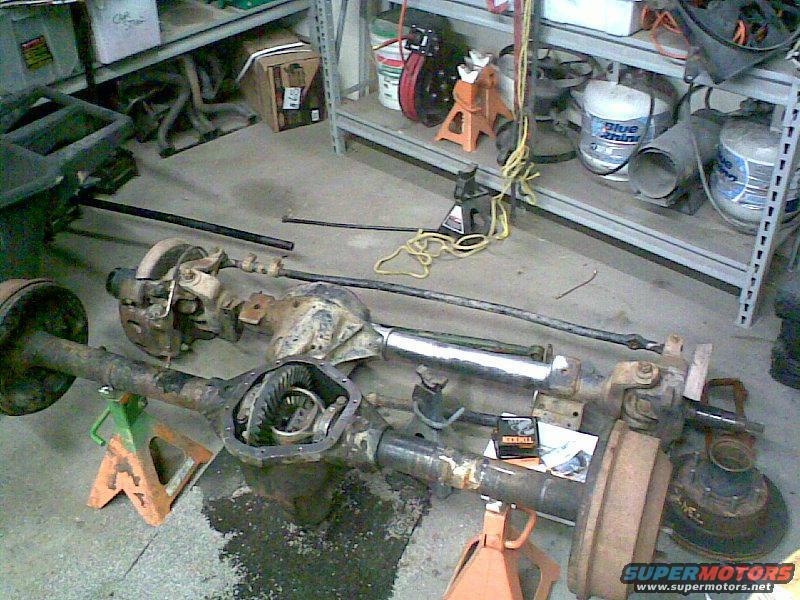
It already had a solid-axle front end, a Ford 9-inch rear axle, lockers, a doubler and 35s. The next step was to replace the axles with a Dana 60 front and rear.
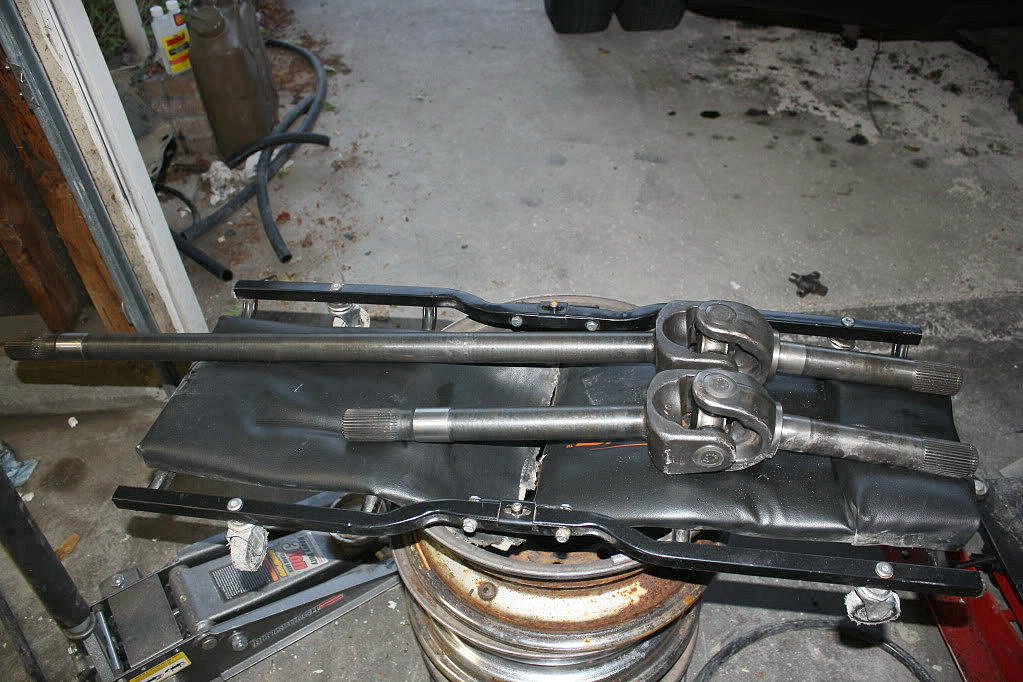
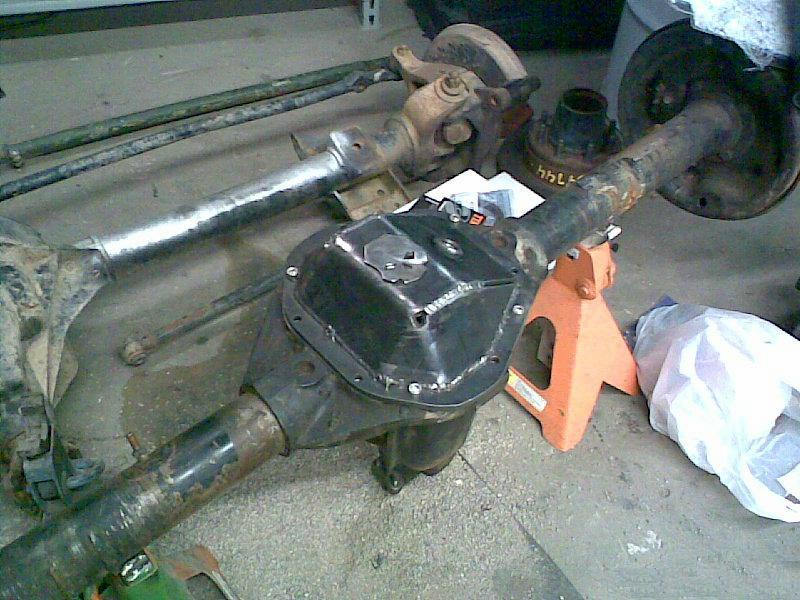
The front Dana 60 came from a 1997 F-350, while the rear axle came from an F-250. Both were built with 5.13 gears and welded differentials, with 35-spline shafts. The front axle also received high-steer arms and full hydraulic steering.
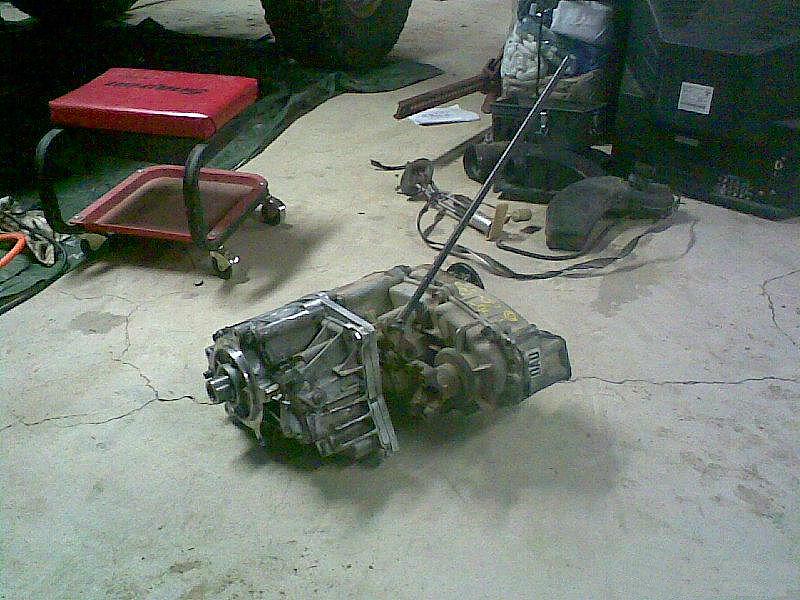
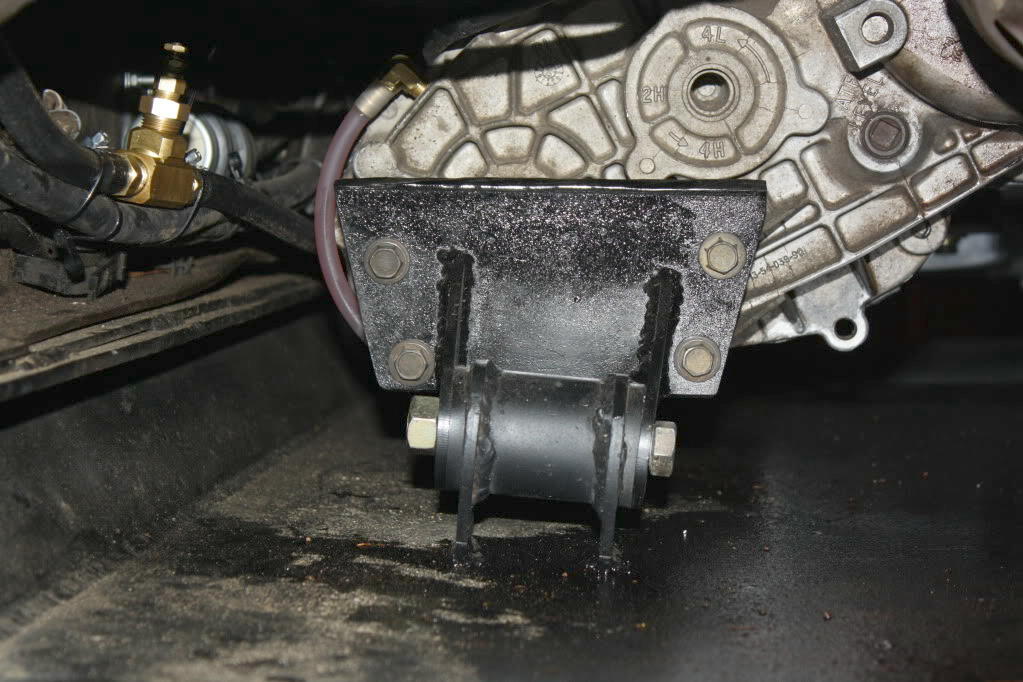
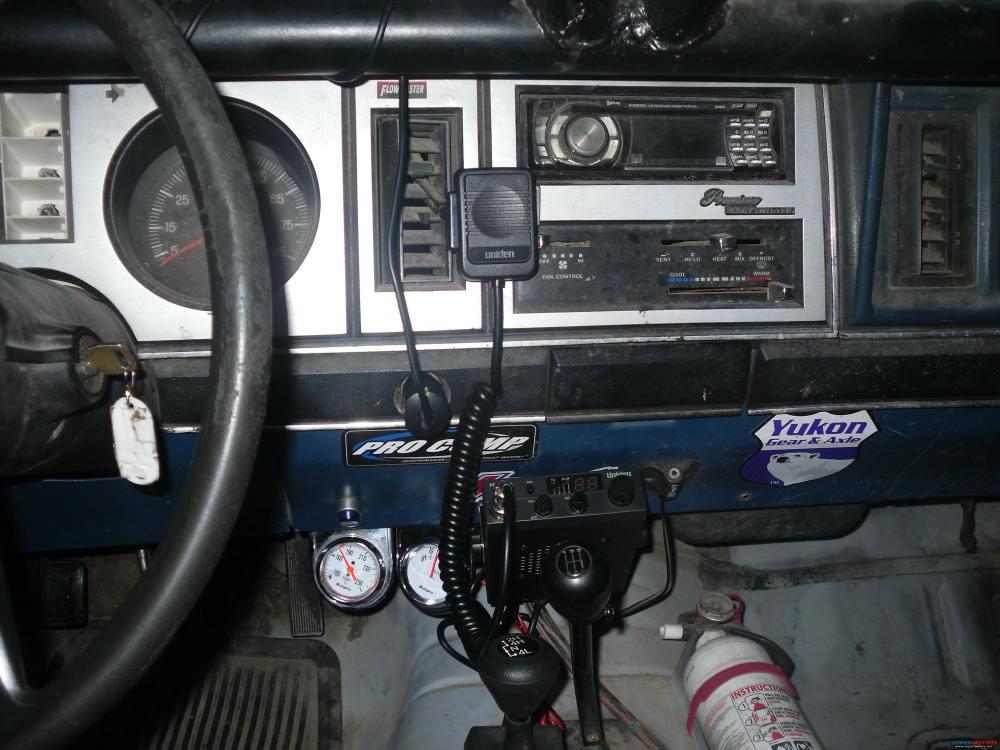
The original electric-shift rear transfer case in the doubler setup had become a headache, so NMB2 replaced it with a manual 1354. He modified the transfer-case shifter himself, eventually ending up with a simple mechanical setup that he said was much nicer to use than the electric motor.
Stretching the Bronco II
One of the things that makes this build stand out is the wheelbase.
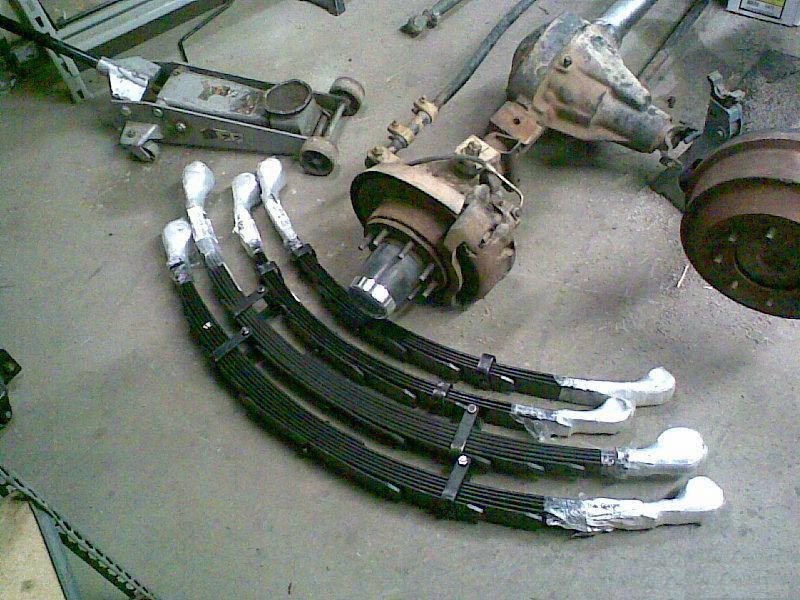
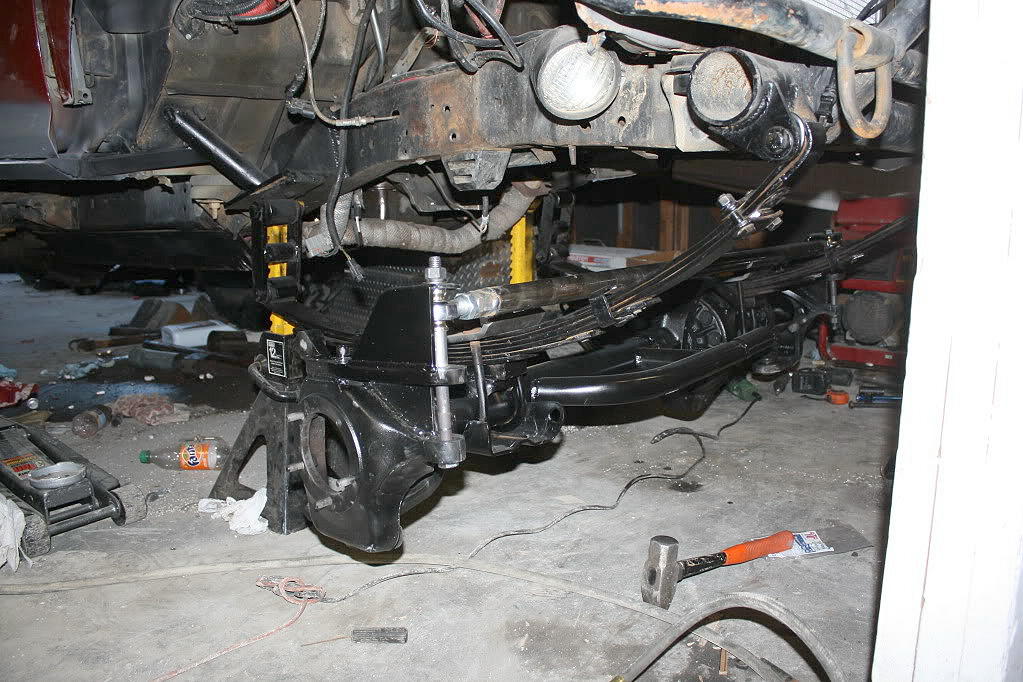
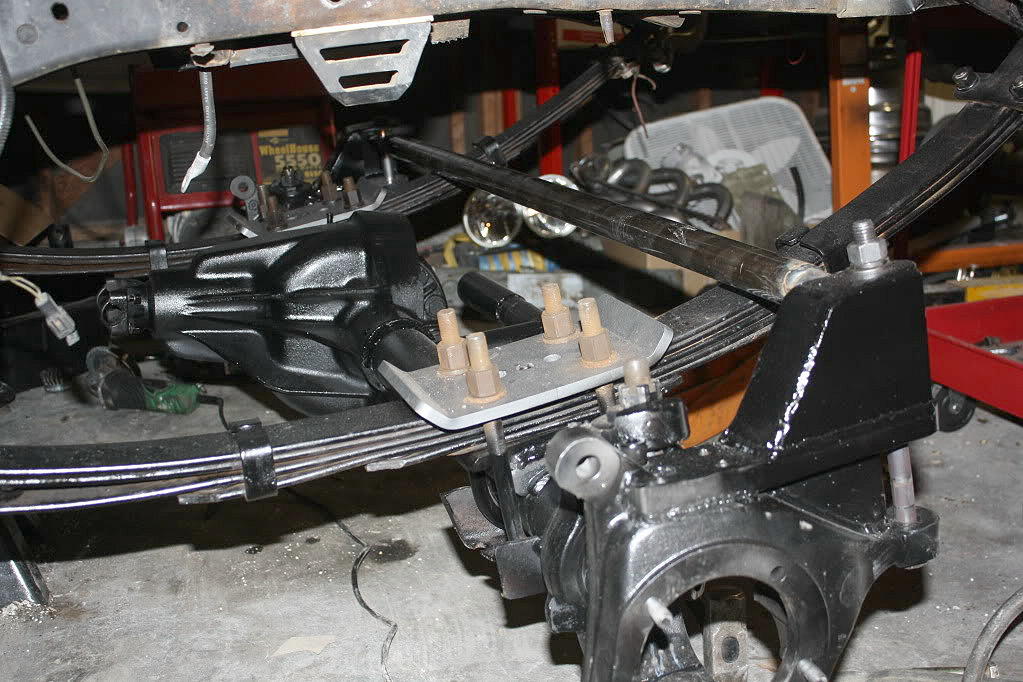
The Bronco II was stretched to approximately 103.5–104 inches. The front Trail-Gear leaf springs moved the front axle forward about 2.5 inches, while relocating the rear spring hangers moved the rear axle back roughly 7 to 7.5 inches.
Both ends eventually used 3-inch Trail-Gear leaf springs.
NMB2 wasn’t simply bolting everything together and calling it done. The build involved moving spring hangers, welding perches, relocating shock mounts, boxing portions of the frame and working out the suspension clearance as he went.
When he flexed the truck during the build, he discovered that the shocks were becoming the limiting factor. That led to additional work with shock placement, bump stops and limit straps.
The result was a Bronco II that stayed relatively low rather than simply stacking lift underneath it. At one point NMB2 measured the truck at only about 3.5 inches over stock height.
One-Ton Axles and Full Hydro
The Dana 60s gave the Bronco II the axle strength it needed for the direction the build was going.
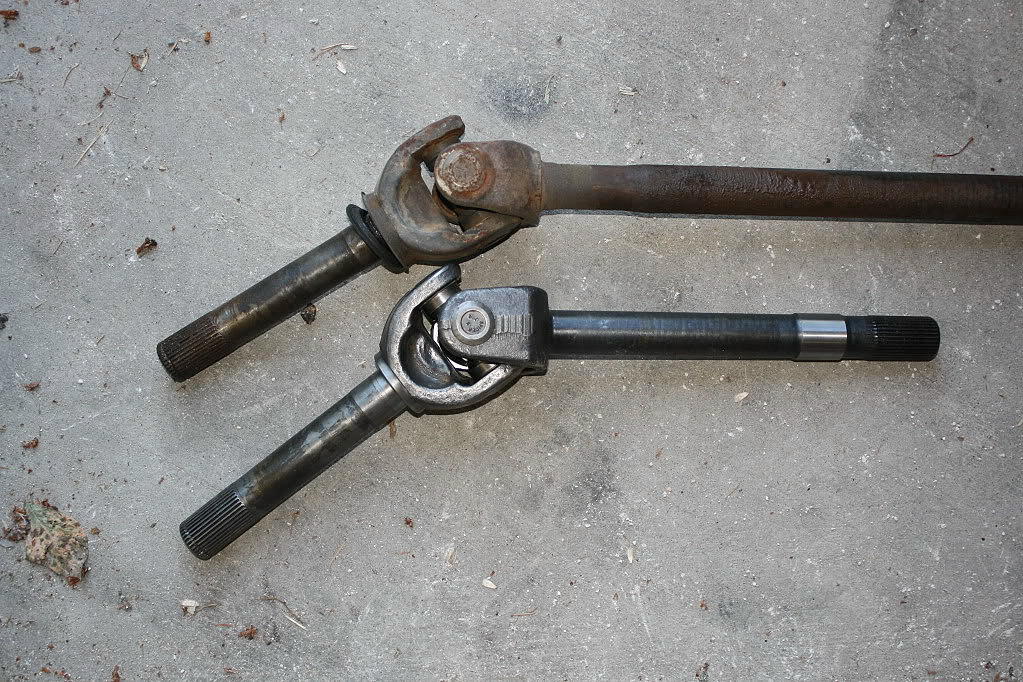
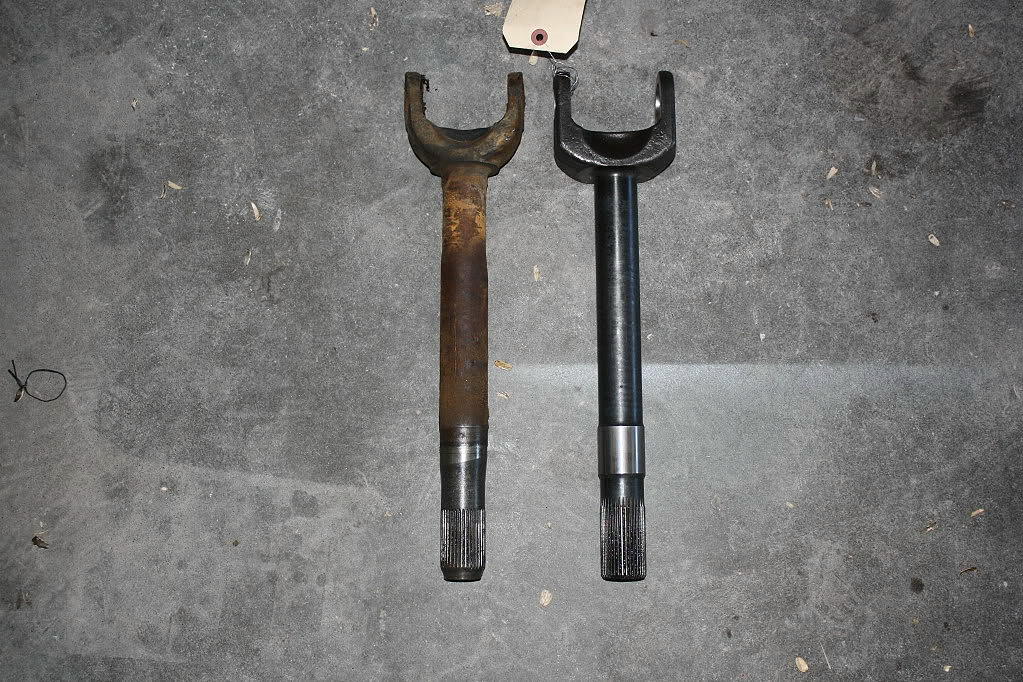
The front axle received 5.13 gears, a spool, 35-spline 4340 inner and outer shafts, slugs, high-steer arms, a Ballistic Fabrication differential cover and a ram guard.
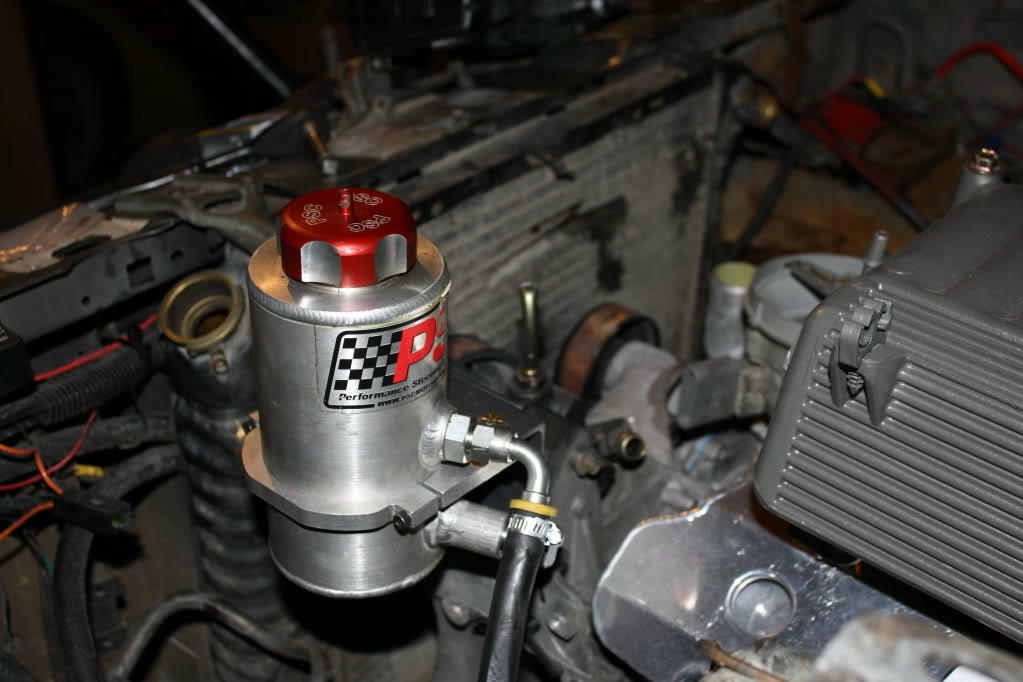
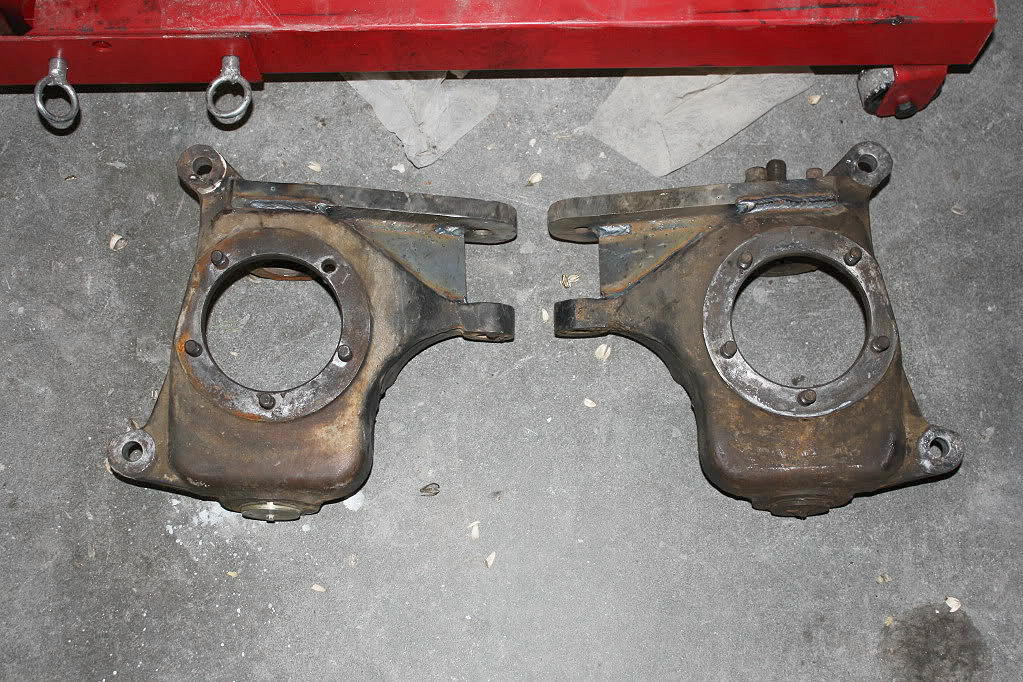
The steering was converted to full hydraulic steering using a PSC system and a Saginaw pump. NMB2 built his own high-steer arms, drilling and tapping through the knuckles, then later added additional bracing to strengthen the setup.
He used a single-ended hydraulic ram. When somebody asked how it compared to a double-ended ram, NMB2 explained that it was technically slower and weaker turning to the driver’s side, but that he couldn’t really notice it in use. He considered the full-hydro steering one of the best parts of the truck.
Cutting Up the Body
Eventually, the Bronco II body had to make room for the chassis underneath it.
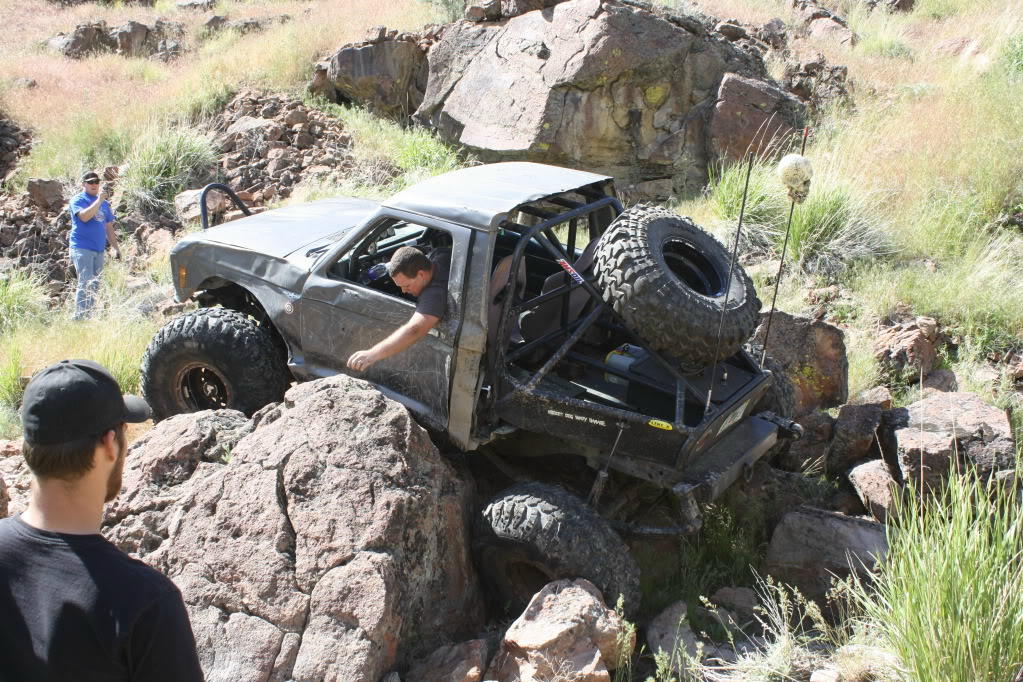
NMB2 back-halfed and dovetailed the body and built an interior cage rather than an exoskeleton. He specifically preferred the interior cage because he didn’t like the bulky look of an exo-cage and wanted to retain the clearance around the outside of the truck.
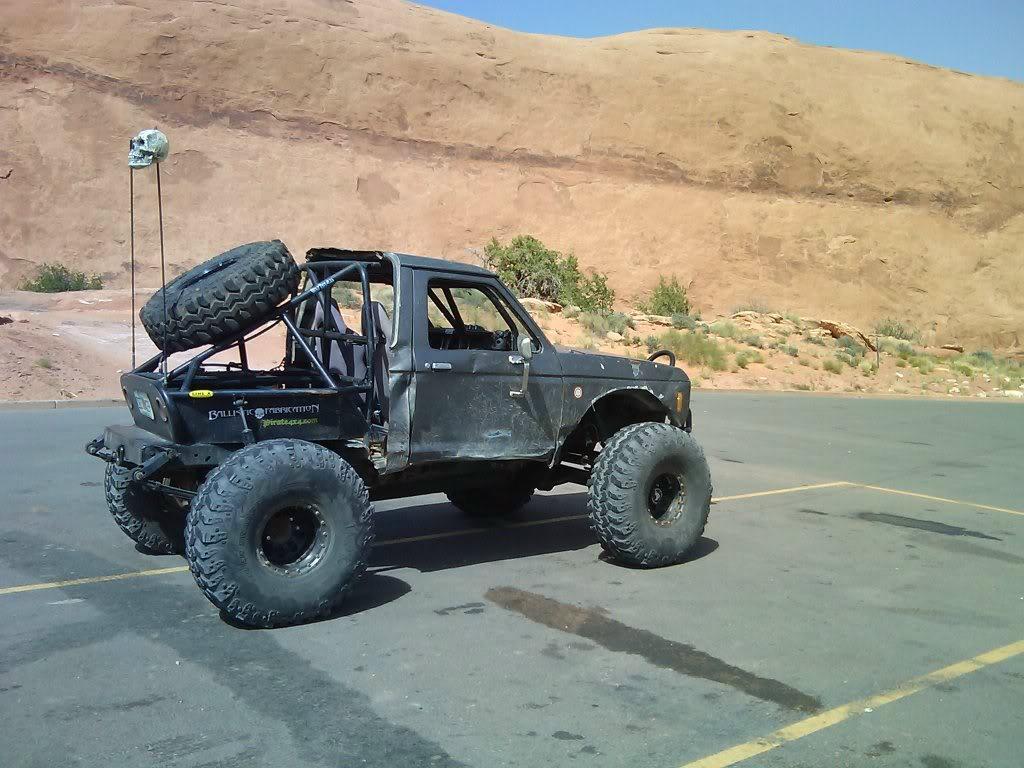
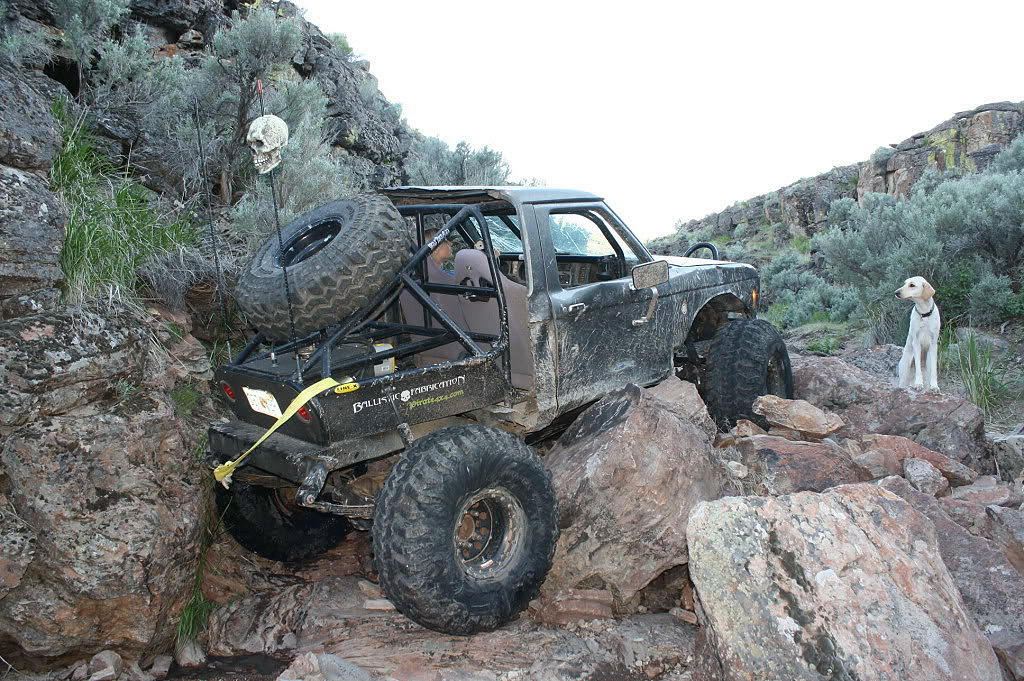
The rear portion of the body was cut away and replaced with a custom flatbed-style structure. The bed incorporated custom panels, LED taillights, battery access, shock mounts and a tire carrier.
There was plenty of trial and error involved. One of the more memorable parts of the build was NMB2 figuring out the rear bodywork as he went rather than starting with a detailed blueprint. He modified a bench to use as a tube notcher, fabricated the tire carrier and continued adding the small details that made the Bronco II usable on the trail.
He also built a flat belly skid plate and transfer-case crossmember. The skid plate was made from material he already had, using two layers of 1/8-inch steel rather than buying another sheet of 1/4-inch plate. NMB2 figured that approach saved him more than $200.
That’s pretty typical of this build. When something needed to be made, he often made it.
40-Inch Iroks
The Bronco II eventually ended up on 39.5×13.5R15 Iroks mounted on 15×10 beadlocks.
NMB2 originally ran 35s, but the combination of the stretched wheelbase, one-ton axles, low stance and doubler made the larger tires a natural progression. The final specification he posted listed 40-inch Iroks and MRW beadlocks.
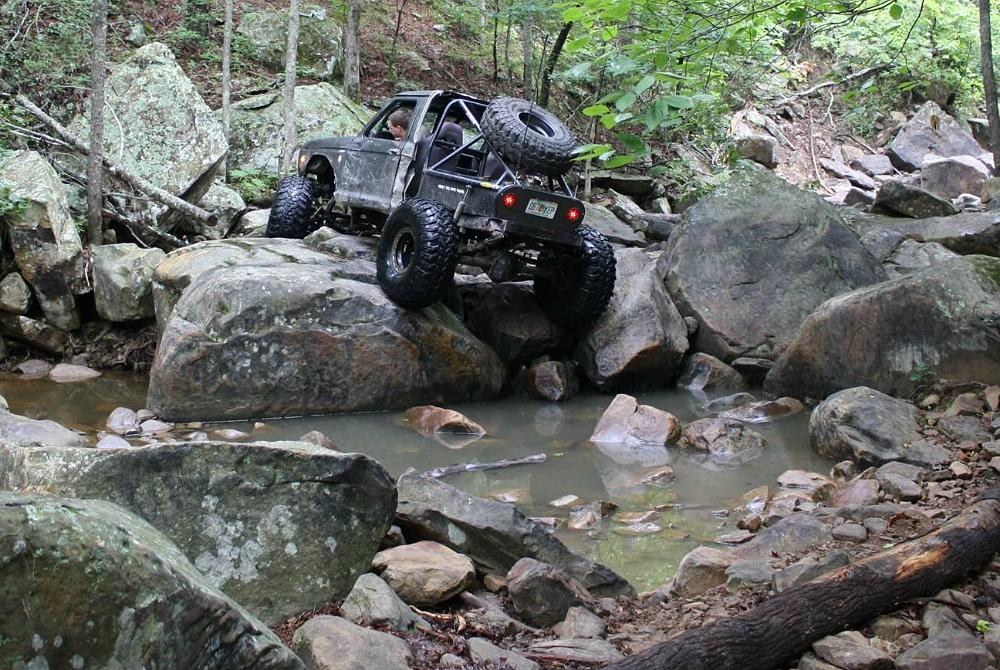
The truck remained surprisingly low for a Bronco II on tires that size. The low center of gravity, long wheelbase and substantial drivetrain made it look less like a lifted Bronco II and more like a purpose-built crawler that happened to retain a Bronco II body.
The Details That Make It a Trail Truck
The big components get most of the attention, but NMB2 didn’t stop there.
The Bronco II received:
- Corbeau seats
- Four-point harnesses
- Dual Optima YellowTop batteries
- An 8.5-gallon JAZ fuel cell
- Electric fuel pump
- On-board air
- Warn M8000 winch
- Synthetic winch rope
- Aluminum fairlead
- Hella driving lights
- Rock lights
- LED taillights
- CB radio
- 2,000-watt inverter
- Jerry can and ammo-box storage
- Custom bumpers and armor
The on-board air system used an air-conditioning compressor, a 2.5-gallon tank and an automatic pressure switch that cycled between approximately 110 and 150 psi. NMB2 said the system could run his 1/2-inch impact and continuously operate a die grinder rated at 3 CFM at 90 psi.
The fuel system also received some attention after he discovered a problem that many off-roaders have experienced: fuel starvation when the tank gets low.
He added pickup modifications to the fuel cell before the Clayton trip. When asked later whether they worked, his answer was pretty definitive—he didn’t suck air or sputter once during the entire trip.
Putting It on the Trail
The Bronco II wasn’t built just to sit in the garage.
NMB2 took it to an ORV park at Fort Hood during a trip through Texas, and he planned a trip to Clayton, Oklahoma with a friend from New Mexico.
The Clayton trip became one of the better documented outings in the thread. The truck was driven hard enough to expose things that couldn’t be discovered in the driveway, including the fuel pickup issue that he later corrected.
That’s one of the things I like about old build threads like this. You can see the truck evolve from fabrication project to actual trail machine. A part that looks great in the garage doesn’t mean much if it doesn’t work when the truck is sitting at an angle with the tires buried in mud.
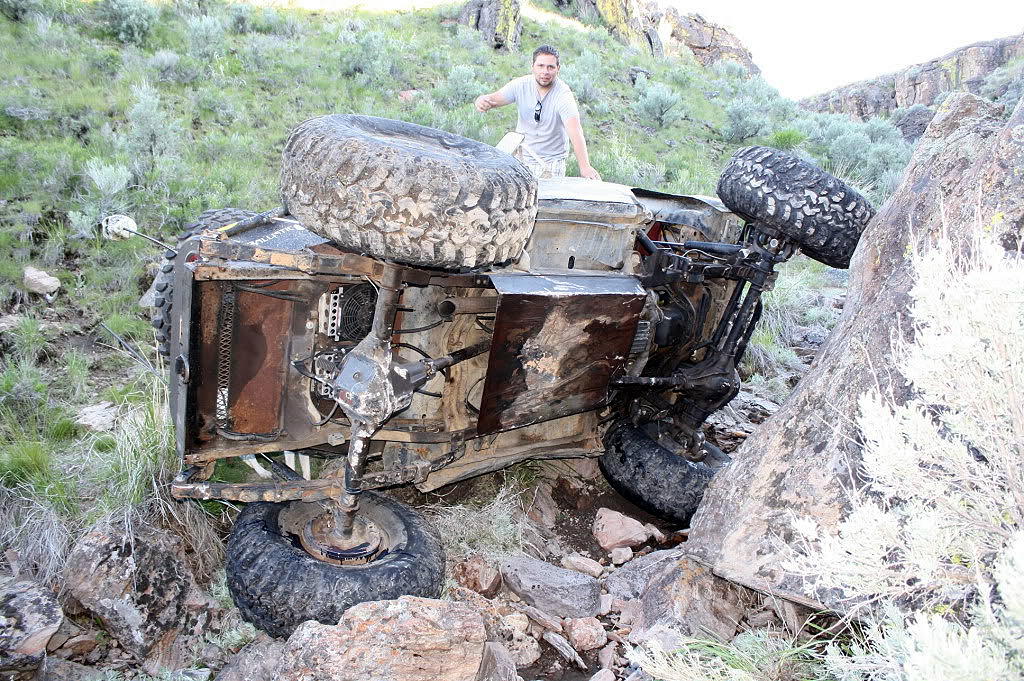
NMB2 also wasn’t afraid to admit when something didn’t work. A driveshaft weld cracked from the twisting force and had to be repaired and reinforced. The steering components were inspected and braced. Shock travel, limit straps and clearances were all worked out through actual use.
The Bronco II Gets a V8
By January 2011, NMB2 decided the Bronco II needed another major change.
The 2.8L V6 was coming out.
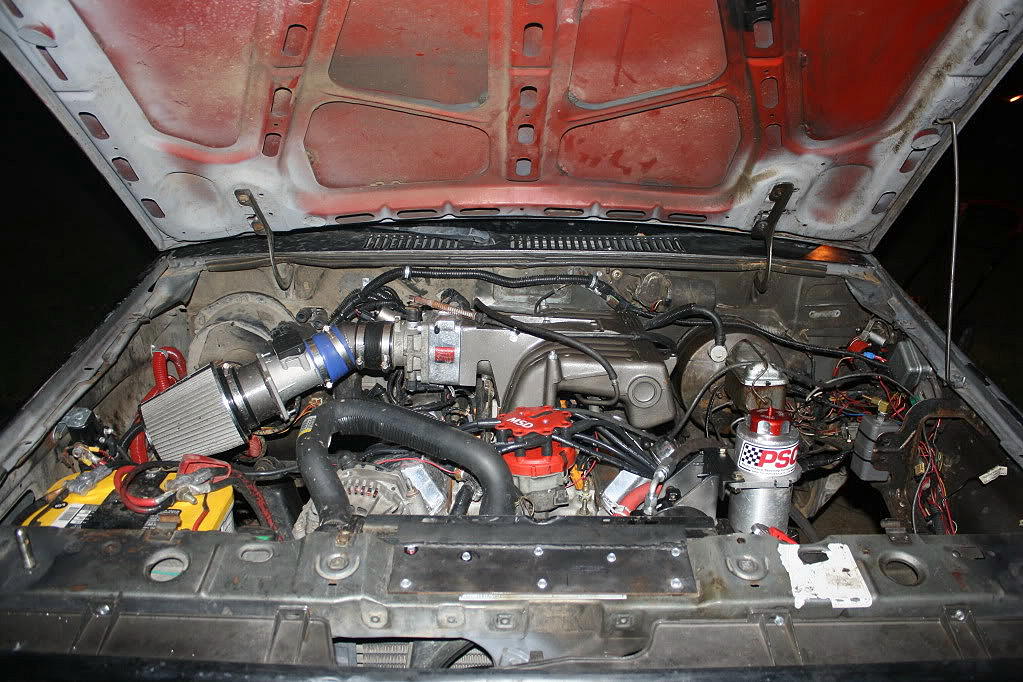
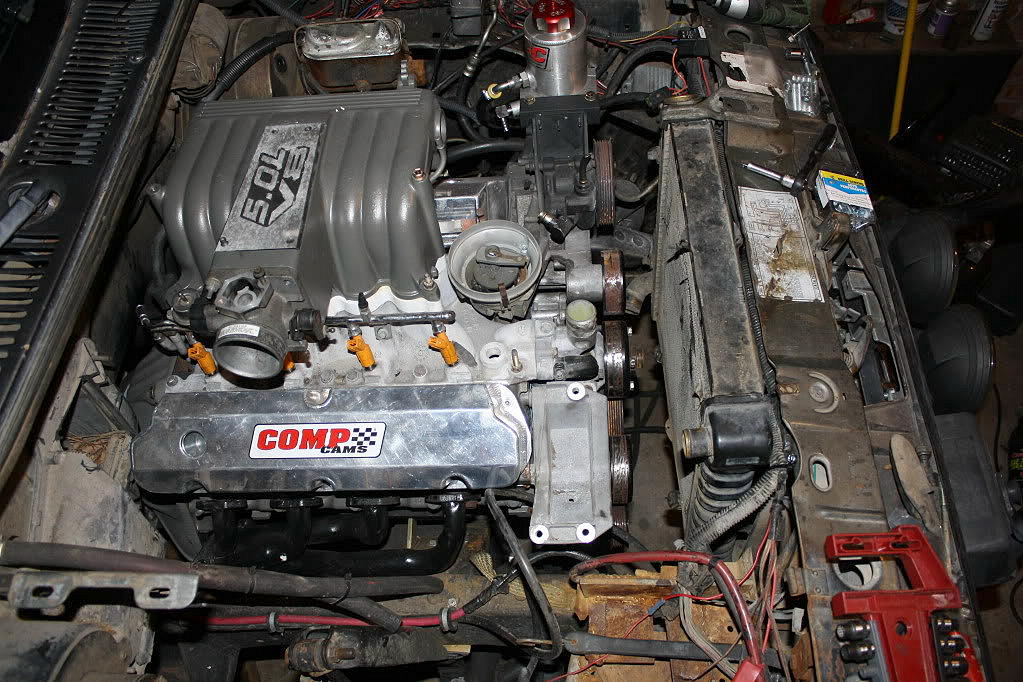
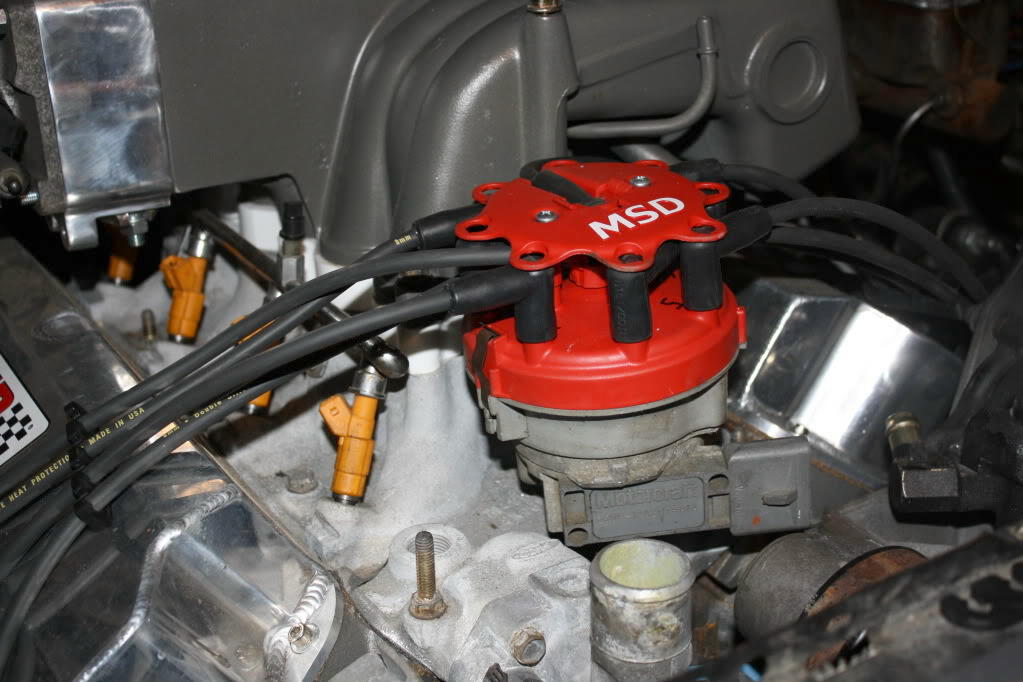
The replacement was a 5.0L from a 1998 Explorer. The engine used the GT40P cylinder heads and Explorer/Cobra-style intake, with plans for headers and a camshaft.
The transmission was changing too.
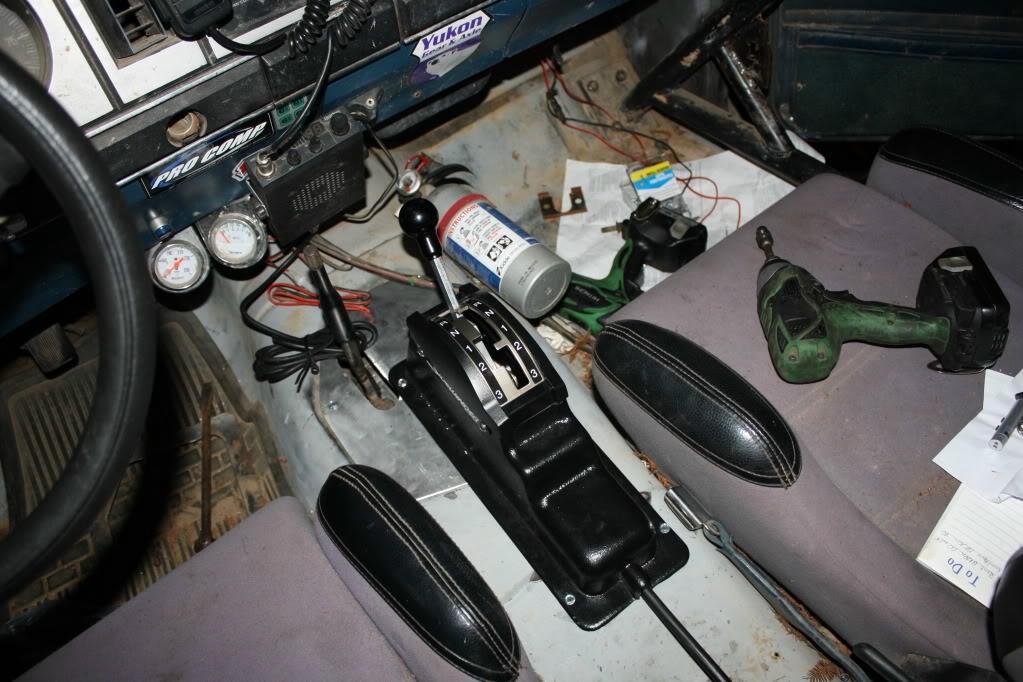
The Bronco II would receive a C5 automatic with a fully manual reverse-pattern valve body, engine braking in first gear, an Art Carr Rock-Gate shifter, upgraded internals and a new torque converter. NMB2 eventually changed his plans to use an A9L ECU and harness from a 5.0 Mustang rather than the original OBD-II setup.
The C5 was built with upgraded components, including a higher-performance servo, and the torque converter was changed to a 2,200-rpm stall unit.
It was another example of the way this Bronco II kept evolving. The drivetrain that had been sufficient for the earlier version of the truck was no longer where NMB2 wanted it to be.
Round Two
The story could have ended there.
It didn’t.
In 2012, NMB2 came back to the Bronco II after spending time on other projects. By then the body had been through enough wheeling that he described it as looking like a raisin. The rockers were destroyed and he couldn’t open the doors.
His solution wasn’t to restore it.
He was preparing the truck for another year of wheeling while he worked toward a future tube chassis. A fellow TRS member, endoverend, gave him body panels from a rolled Ranger. NMB2 cut out the damaged rocker on the passenger side, replaced it with 2×4-inch square tubing, welded in supports and modified the door and fender to fit.
The resulting “tiny-mini-boatsides,” as NMB2 jokingly called them, were actually a pretty clever solution. What started as a damaged rocker replacement turned into additional body protection without tying the sliders into the frame in the conventional way.
He planned to duplicate the work on the driver’s side, tie the top of the cab into the existing cage, install air bump cans, improve the engine crossmember and install a larger radiator with a puller fan.
He was essentially rebuilding the Bronco II again.
More Changes
The 2012 version also received new headers, valve springs, roller rockers and engine-management changes.
NMB2 planned to replace the existing steering pump with a PSC pump to improve steering speed. He also worked on the front frame area, shock towers, bump stops, brake lines and wiring.
The interior was changed as well. The seats were moved farther back, and additional work was done around the cage and body.
By June 2012, the Bronco II was once again beginning to look like a complete vehicle rather than a project sitting on jack stands.
But NMB2’s plans had expanded again. He was preparing to leave the Army and move to Colorado, while also trying to finish the Bronco II and several other projects.
That’s where the documented build eventually trails off.
The Build
What started as a Bronco II with a solid-axle conversion and 35s had turned into something completely different.
The body still said 1984 Bronco II, but underneath it was a stretched, one-ton, leaf-sprung crawler with a doubler, full hydraulic steering, 40-inch-class tires, a custom cage and enough fabrication work to make most of the truck unique.
And that’s really what makes this build worth preserving.
NMB2 didn’t just order a list of parts and bolt them on. He designed and fabricated parts himself, changed things when they didn’t work, tested the truck on the trail and kept improving it. Sometimes the solution was expensive. Sometimes it came from Craigslist. Sometimes it was a piece of steel he already had laying around.
Sometimes he simply stared at a problem until he came up with an idea.
And every once in a while, that idea actually worked better than the original plan.
The thread eventually grew to 26 pages and hundreds of posts, with people following the build for years. In 2013, one TRS member said he had read the entire thread over two days and that the build had inspired his own Bronco II solid-axle swap.
That’s probably the best reason to preserve builds like this.
They aren’t just about the finished truck.
They’re about seeing how somebody else figured it out.
NMB2’s 1984 Bronco II Specifications
Vehicle: 1984 Ford Bronco II
Owner: NMB2
Location: Cody, Wyoming
Engine
- 5.0L Ford V8
- 1998 Explorer-based engine
- GT40P cylinder heads
- Explorer/Cobra intake
- Custom headers
- Performance camshaft
- Roller rockers
- A9L ECU/harness
Transmission
- C5 automatic
- Manual reverse-pattern valve body
- Engine braking
- Upgraded servo
- Art Carr Rock-Gate shifter
- 2,200-rpm stall converter
Transfer Cases
- Ford 1354
- Manual-shift 1354 doubler
Front Axle
- Dana 60
- 5.13 gears
- Spool
- 35-spline 4340 shafts
- High steer
- Full hydraulic steering
- PSC/Saginaw steering pump
- Hydraulic ram
- Ballistic differential cover
- Ram guard
Rear Axle
- Dana 60
- 5.13 gears
- Spool
- 35-spline shafts
- Ballistic differential cover
Suspension
- Trail-Gear 3-inch leaf springs
- Approximately 103.5–104-inch wheelbase
- Rancho 9012 shocks
- Limit straps
- Air bump stops added/planned during later rebuild
Tires & Wheels
- 39.5×13.5 Irok / 40-inch-class tires
- 15×10 beadlocks
Body & Chassis
- Back-halfed
- Dovetailed
- Interior roll cage
- Custom flatbed
- Boatsided rockers
- Custom tire carrier
- Custom bumpers
- Flatbelly skid plate
- Custom transfer-case crossmember
- Custom armor
Recovery
- Warn M8000 winch
- 100 feet synthetic rope
- Aluminum fairlead
Fuel
- 8.5-gallon JAZ fuel cell
- Rollover valve
- Modified fuel pickups
- Electric fuel pump
Electrical & Accessories
- Dual Optima YellowTop batteries
- 2,000-watt inverter
- Hella driving lights
- Rock lights
- LED taillights
- CB radio
- On-board air
- Corbeau seats
- Four-point harnesses
- Jerry can
- Ammo-box storage
Follow the Original Build
The best way to see just how much work went into this Bronco II is to go back through NMB2’s original build thread. It’s 26 pages long, but that’s also what makes it valuable. You can see the truck change from one page to the next, including the fabrication, problems, trail trips and later rebuild.
NMB2’s “my B2” build thread on The Ranger Station
Photo Gallery
About The Author
Jim Oaks is the founder of TheRangerStation.com, the longest-running Ford Ranger resource online since 1999. With over 25 years of hands-on experience building and modifying Ford Rangers — including magazine-featured builds like Project Transformer — Jim has become one of the most trusted authorities in the Ford Ranger off-road and enthusiast space.
Since launching TheRangerStation.com, Jim has documented thousands of real-world Ranger builds, technical repairs, drivetrain swaps, suspension modifications, and off-road adventures contributed by owners worldwide. TheRangerStation.com has been referenced in print, video and online by enthusiasts, mechanics, and off-road builders looking for practical, and experience-based information.