
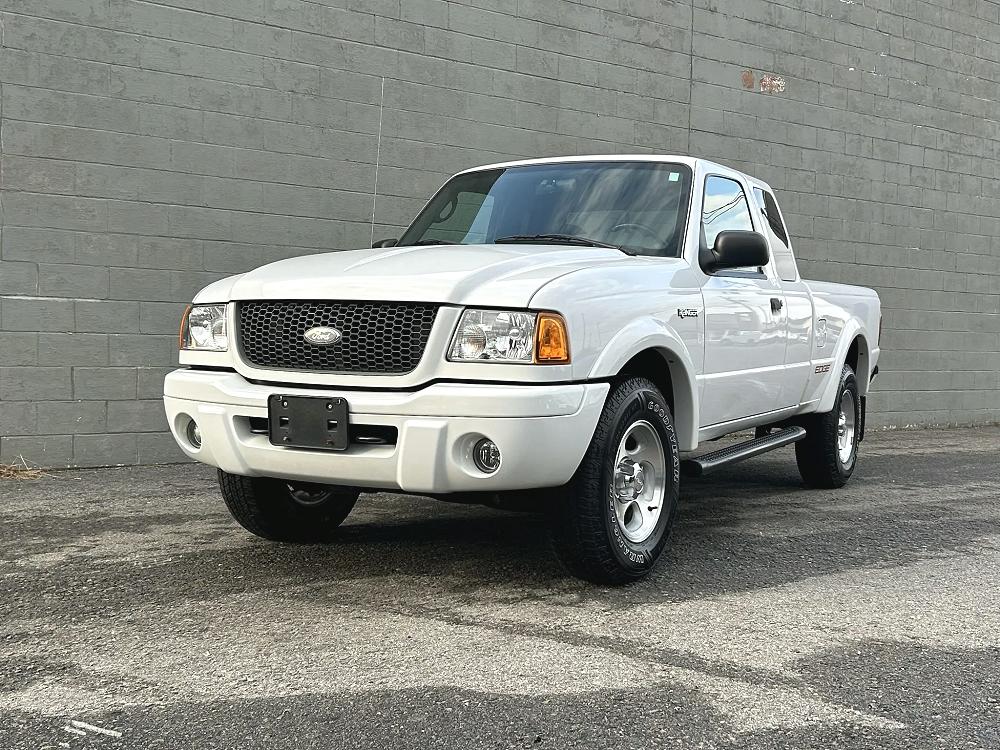
2003 Ford Ranger Problems & Recalls
Looking to buy a used 2003 Ford Ranger? There are several owner-reported problems worth checking before buying one. Reports include unexpected acceleration or surging, transmission shifting problems, fuel-pump inertia switch failures, loose front wheel bearings, and corrosion affecting brake lines and the frame.
The 2003 Ranger also has an important safety recall involving the speed-control deactivation switch. This switch can overheat and potentially cause a fire, even when the engine is off.
2003 Ford Ranger Problems
Engine: Surging or Unexpected Acceleration
Some owners have reported their Ranger surging forward when applying the brakes or accelerating without warning. These reports describe potentially serious situations, but they should not automatically be treated as proof of a widespread engine defect.
If a truck exhibits this behavior, have the throttle system, cruise-control system, brake-switch operation, and related wiring inspected before driving it. A vehicle that accelerates unexpectedly should not be considered safe until the cause has been identified.
Transmission: Flashing Overdrive Light and Shifting Problems
A flashing overdrive light can indicate a transmission-related problem. Possible causes reported for the 2003 Ranger include a loose electrical connector at the transmission or a faulty O-ring on the transmission servo.
A flashing O/D light should not be ignored. Have the transmission codes retrieved and the wiring and hydraulic controls checked before assuming the transmission needs to be replaced.
Manual-transmission owners have also reported clutch hydraulic problems. If the clutch system cannot maintain adequate hydraulic pressure, the pedal may not travel far enough to disengage the clutch completely, making it difficult to shift gears.
Fuel System: Fuel Pump Inertia Switch
The fuel-pump inertia switch is designed to shut off the fuel pump in the event of a collision. However, owners have reported problems with these switches, including intermittent engine stalling and switches that overheat or melt.
If the engine stalls unexpectedly, inspect the inertia switch and its electrical connector. Look for signs of heat damage, melted plastic, loose connections, or corrosion. Do not bypass a safety device to hide an underlying electrical problem.
Electrical Problems and Fire Reports
There are reports of electrical problems involving flickering headlights and instrument-panel lights, followed by engine stalling. At least one owner described a truck catching fire and being destroyed.
Electrical problems can be difficult to track down, particularly on an older vehicle with deteriorated wiring or previous repairs. Inspect the battery connections, grounds, fuse box, wiring harnesses, and any aftermarket electrical accessories.
The speed-control deactivation switch recall discussed below is a separate, documented safety issue and should be checked by VIN.
Front Wheel Bearings
Owners have reported front wheel bearings coming loose. This is something to inspect carefully on a used Ranger, especially if it has been driven off-road, modified, or used with larger tires.
Check for wheel play, unusual noise, roughness, and signs that the bearing or hub assembly has been improperly adjusted or installed. Do not assume that a loose wheel bearing is simply a minor maintenance issue.
Brake Lines and Frame Rust
Rust is an important inspection item on older Rangers, particularly in areas where road salt is used.
Owners have reported brake lines rusting through, potentially resulting in a loss of braking ability. Inspect the brake lines along the frame and around the rear axle for heavy corrosion, wet spots, swelling, or previous repairs.
Frame corrosion is another concern. Pay particular attention to the rear frame sections, suspension mounting points, spring hangers, and areas where dirt and moisture collect. Severe corrosion can weaken the frame and compromise suspension mounting points.
Also inspect the spare-tire carrier and its mounting hardware. Corrosion underneath the truck can cause the spare tire to become insecure or fall from its carrier.
Windows: Window Regulator Failure
A reported problem involves the window regulator wearing or stripping the plastic teeth on the gear inside the door. When this happens, the window may stop moving properly or become inoperative.
Check that both windows operate smoothly throughout their travel. Listen for grinding noises and watch for windows that move slowly, crookedly, or intermittently.
Seat Belts and Airbags
Owner reports include airbags that did not deploy during a collision, an illuminated airbag warning light, and an airbag reportedly deploying at low speed.
An illuminated airbag warning light should never be ignored. Have the airbag control system scanned for diagnostic trouble codes and repair any identified problems. A warning light may indicate that part of the restraint system is not functioning as intended.
These owner reports do not establish that every 2003 Ranger has an airbag defect. The recall section below addresses the documented safety campaign affecting certain trucks.
Bed Rust Near the Exhaust
Rust has been reported around the truck bed near the exhaust heat shield. Inspect the bed floor and underside around the exhaust system, particularly where heat shields and mounting points can trap dirt and moisture.
Clutch and Brake Pedal Support Bracket
Another reported problem involves the cast-aluminum pivot bracket that supports the clutch and brake pedals. A failure of this bracket can affect pedal operation.
If the pedals feel loose, move unusually, or are not properly supported, inspect the pedal support assembly rather than assuming the problem is limited to the clutch or brake hydraulic systems.
2003 Ford Ranger Recalls
The following recalls and replacement-equipment campaigns are associated with the 2003 Ford Ranger. Not every campaign applies to every truck. Recall eligibility depends on the vehicle’s equipment, production details, and VIN.
09V399 – Speed Control Deactivation Switch
Ford Recall Number: 09S09
NHTSA Campaign Number: 09V399000
Date Announced: October 13, 2009
Ford recalled certain 2001–2003 Rangers equipped with a Texas Instruments speed-control deactivation switch. The switch can develop an internal fluid leak and overheat, potentially causing it to smoke or burn.
A vehicle fire could occur with or without the engine running.
The remedy was to install a fused wiring harness in line with the speed-control deactivation switch. The repair was performed free of charge.
This is an important recall to check on a 2003 Ranger. Do not assume the repair was completed simply because the truck is now more than 20 years old.
Official NHTSA recall report: 09V399 – Speed Control Deactivation Switch (PDF)
Aftermarket Replacement Lighting Campaigns
Several additional campaigns listed in connection with the 2003 Ranger involve aftermarket replacement lighting assemblies. These campaigns do not mean that the original factory-installed Ranger headlights or corner lamps were recalled.
09E025 – Dope, Inc. Replacement Combination Lamps
Certain aftermarket combination corner and bumper lamp assemblies were recalled because they did not have the required amber side reflectors. The noncompliant lamps could reduce visibility to other drivers.
09E012 – Sabersport Replacement Combination Lamps
Certain aftermarket combination corner and bumper lamp assemblies were recalled because they did not meet federal lighting requirements for amber side reflectors.
06E065 – AJ Motorsport Replacement Combination Lamps
Certain aftermarket replacement combination lamps were recalled because they lacked the required amber side reflectors.
06E049 – CK Motorsports Replacement Combination Lamps
Certain aftermarket replacement headlights, corner lamps, bumper lamps, and side-marker lights were recalled because some did not have the required amber side reflectors.
If a used Ranger has aftermarket headlights or corner lamps, check the manufacturer and part numbers to determine whether the installed equipment was involved in one of these campaigns.
Technical Service Bulletins (TSBs)
Technical Service Bulletins (TSBs) for the 2003 Ranger are official communications between Ford & their dealerships that describe processes for troubleshooting or fixing certain common problems. All vehicle manufacturers are required by U.S. law to make their TSBs available to the public.
For a list of the TSBs for the 2003 Ford Ranger check out: 2003 Ford Ranger TSBs
What to Check When Buying a Used 2003 Ford Ranger
When inspecting a 2003 Ranger, pay particular attention to the following:
- Recall completion: Check the VIN for the 09V399 speed-control deactivation switch recall.
- Frame rust: Inspect the frame rails, rear spring hangers, suspension mounting points, and crossmembers.
- Brake lines: Look for corrosion, leaks, and previous repairs.
- Fuel-pump inertia switch: Check the switch and connector for signs of overheating or melting.
- Transmission: Watch for a flashing O/D light, slipping, harsh shifting, or difficulty engaging gears.
- Clutch hydraulics: On manual-transmission trucks, make sure the clutch pedal operates properly and disengages the clutch completely.
- Wheel bearings: Check for looseness, noise, and roughness at the front wheels.
- Electrical system: Test the headlights, instrument-panel lights, and other electrical accessories.
- Windows: Make sure both windows move smoothly without grinding or binding.
- Airbag system: Make sure the airbag warning light operates normally and goes out after startup.
- Bed and underbody: Inspect for rust around the exhaust heat shield, spare-tire carrier, and other areas that collect moisture.
Check for Open Recalls
You can check for open safety recalls using your truck’s 17-digit VIN.
A year-and-model search can show recalls associated with the 2003 Ranger, but a VIN search is the best way to determine whether a specific truck has an outstanding recall.
Related Ford Ranger Information
- 1983–2011 Ford Ranger Buyer’s Guide
- The Ranger Station Technical Library
- The Ranger Station Forums
- Ford Ranger Brochures

About The Author
Jim Oaks is the founder of TheRangerStation.com, the longest-running Ford Ranger resource online since 1999. With over 25 years of hands-on experience building and modifying Ford Rangers — including magazine-featured builds like Project Transformer — Jim has become one of the most trusted authorities in the Ford Ranger off-road and enthusiast space.
Since launching TheRangerStation.com, Jim has documented thousands of real-world Ranger builds, technical repairs, drivetrain swaps, suspension modifications, and off-road adventures contributed by owners worldwide. TheRangerStation.com has been referenced in print, video and online by enthusiasts, mechanics, and off-road builders looking for practical, and experience-based information.