
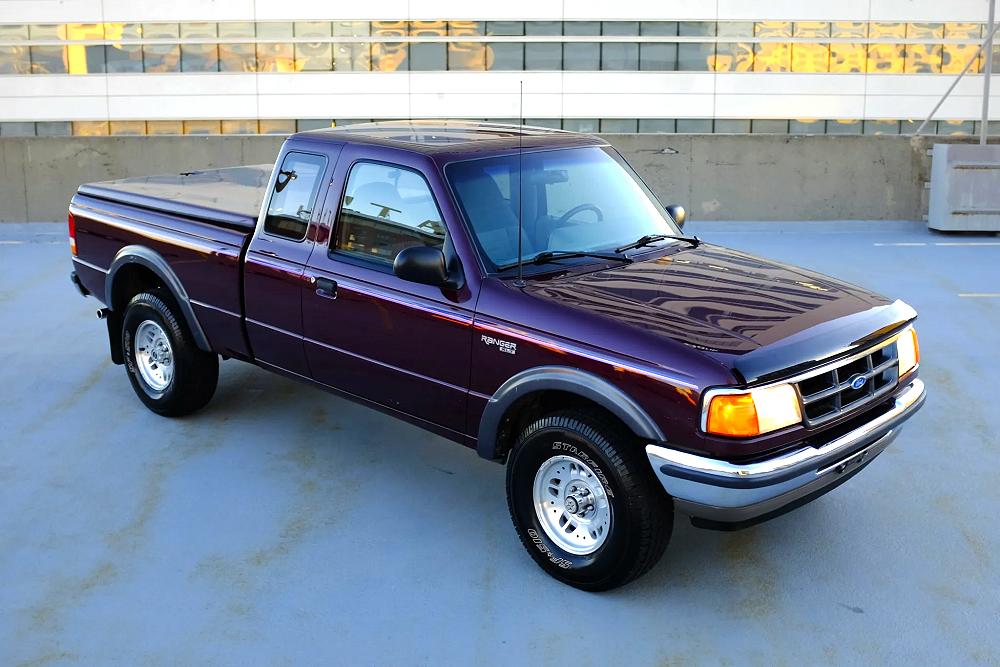
1994 Ford Ranger Problems & Recalls
Looking to buy a used 1994 Ford Ranger? There are several owner-reported problems worth knowing about before purchasing one. These include warm-engine starting problems, engine oil leaks, transmission failure, and electrical issues involving the headlights.
The 1994 Ranger also has several important safety recalls involving fuel lines, the parking brake, the throttle system, and the brake booster. Because these trucks are now more than 30 years old, the condition of the individual vehicle and its maintenance history are especially important.
Reported Problems
These are owner-reported problems and complaints. They do not mean every 1994 Ranger will experience the same issues.
Engine Problems
- Warm engine won’t start: Owners have reported difficulty restarting the engine after it has reached operating temperature. Possible causes can include fuel delivery, ignition, or sensor-related problems. The specific cause should be diagnosed rather than assumed.
- Front seal leaks: Reports describe oil leaking from the front of the engine. Inspect the front crankshaft seal and surrounding areas for oil leakage.
- Engine problems: Some owners have reported other engine-related concerns, but the available reports do not establish a single widespread engine defect for the 1994 model year.
Transmission Problems
- Transmission failure: Owner reports include transmission failures at higher mileage. Check for delayed engagement, slipping, harsh shifts, unusual noises, or fluid leaks during an inspection.
Electrical Problems
- Headlights turn on and off: The existing problem reports describe headlights cycling on and off. A faulty turn-signal or multifunction switch may be involved.
- Electrical issues: Check the operation of the headlights, turn signals, windshield wipers, and other electrical accessories.
1994 Ford Ranger Recalls
The following Ford safety recalls identify defects affecting certain vehicles. Not every 1994 Ranger is necessarily included in each campaign. Check the VIN and recall repair history.
94V111 — Front Fuel Line
NHTSA Campaign 94V111001
Certain 1994 Rangers equipped with the 3.0L or 4.0L engine were included in a recall involving the front fuel lines.
A section of flexible hose in the front fuel lines could crack and allow fuel to leak. Fuel leakage near an ignition source could result in a fire.
Ford dealers were instructed to inspect the front fuel line assembly and replace it if necessary.
NHTSA Recall 94V111001 — The Ranger Station
94V169 — Parking Brake
NHTSA Campaign 94V169001
Certain 1993–1994 Ford Rangers and other Ford vehicles were included in a recall involving the parking brake self-adjusting mechanism.
The parking brake control pawl could fail to properly engage the ratchet, allowing it to slip over one or more teeth. This could make the parking brake ineffective and allow the vehicle to roll when parked.
Ford’s remedy was to install a wedge that would keep the pawl engaged with the ratchet.
NHTSA Recall 94V169001 — The Ranger Station
95V231 — Cold-Weather Throttle Ice
Ford Recall 95S29 / NHTSA Campaign 95V231001
Certain 1993–1994 Rangers equipped with the 2.3L engine and built at the Edison, Louisville, and Twin Cities assembly plants were included in this recall. The affected vehicles were registered in specified northern states.
Under extreme cold-weather conditions, ice could form in the throttle body and prevent the throttle plate from returning to idle after the accelerator was released or cruise control was deactivated. This could increase stopping distances.
Ford’s remedy was to replace the air intake duct and valve assembly with revised components.
NHTSA Recall 95V231001 — The Ranger Station
96V024 — Brake Booster Mounting Studs
NHTSA Campaign 96V024001
Certain 1991–1994 Ford Rangers and Explorers originally sold or currently registered in specified Southern California counties were included in this recall.
The studs attaching the brake master cylinder to the power brake vacuum booster could develop stress-corrosion cracking. If one or both studs fractured, the master cylinder could separate from the booster during braking, potentially preventing the service brakes from activating.
Ford’s remedy was to replace the power brake vacuum booster assembly.
NHTSA Recall 96V024001 — The Ranger Station
Aftermarket Lighting Recalls
Several NHTSA campaigns involved aftermarket replacement lamps sold for use on various vehicles, including the Ranger. These campaigns concerned replacement equipment, not the original factory-installed lighting on every 1994 Ranger.
- 09E025 — Dope, Inc. Certain aftermarket combination corner and bumper lamp assemblies lacked required amber side reflectors.
- 09E012 — Sabersport Certain aftermarket combination lamps lacked required amber side reflectors.
- 08E050 — K2 Motor Certain aftermarket headlamps lacked required amber side reflex reflectors.
- 06E026 — Pro-A Motors Certain aftermarket corner lamps, turn signals, and headlights lacked required amber reflectors.
If aftermarket lighting has been installed, check the part numbers and confirm that the lamps meet applicable requirements.
Firestone Tire Campaigns
Certain Firestone Wilderness AT, Radial ATX, and Radial ATX II tires were involved in tire safety campaigns.
These campaigns involved specific tire models and sizes, not a defect in the Ranger itself. The replacement programs have expired, but the tire’s age, condition, and model should still be checked when inspecting a used truck.
Aftermarket Brake Rotor Recall
NHTSA Campaign 98E010000 — Aimco
Certain aftermarket brake rotors sold for use on Ford and Mazda trucks were recalled because cracks could develop around the outer diameter of the rotor hat or around the wheel stud holes.
The concern involved replacement rotors, not all original factory brake rotors installed on 1994 Rangers.
Technical Service Bulletins (TSBs)
Technical Service Bulletins (TSBs) for the 1994 Ranger are official communications between Ford & their dealerships that describe processes for troubleshooting or fixing certain common problems. All vehicle manufacturers are required by U.S. law to make their TSBs available to the public.
For a list of the TSBs for the 1994 Ford Ranger check out: 1994 Ford Ranger TSBs
What to Check When Buying a 1994 Ford Ranger
When inspecting a used 1994 Ranger, pay particular attention to:
- Warm engine starting: Drive the truck until it reaches operating temperature, shut it off, and then attempt to restart it.
- Engine oil leaks: Inspect the front of the engine for oil leakage around the crankshaft seal and timing cover.
- Transmission operation: Check for slipping, delayed engagement, harsh shifting, or unusual noises.
- Fuel lines: Inspect the front fuel lines and flexible hose sections for cracks, corrosion, or fuel leakage.
- Brake booster: Check for signs of prior recall repair and inspect the master cylinder and booster mounting area.
- Parking brake: Verify that the parking brake holds the truck securely.
- Electrical functions: Test the headlights, turn signals, and windshield wipers.
- Frame and suspension rust: Inspect the frame rails, suspension brackets, and rear leaf spring mounting points.
- Tires and brakes: Check tire condition and age, brake rotors, brake lines, and overall braking performance.
A well-maintained 1994 Ranger can still be a useful truck, but safety-related recall repairs and age-related deterioration deserve careful attention.
Check for Outstanding Recalls
Use the truck’s VIN to check for unrepaired recalls:
A VIN lookup identifies unrepaired recalls for the specific vehicle. Keep in mind that the NHTSA lookup may not show recalls that have already been repaired or some recalls more than 15 years old.
Related Ford Ranger Information
- 1983–2011 Ford Ranger Buyer’s Guide
- The Ranger Station Technical Library
- The Ranger Station Forums
- Ford Ranger Brochures
About The Author
Jim Oaks is the founder of TheRangerStation.com, the longest-running Ford Ranger resource online since 1999. With over 25 years of hands-on experience building and modifying Ford Rangers — including magazine-featured builds like Project Transformer — Jim has become one of the most trusted authorities in the Ford Ranger off-road and enthusiast space.
Since launching TheRangerStation.com, Jim has documented thousands of real-world Ranger builds, technical repairs, drivetrain swaps, suspension modifications, and off-road adventures contributed by owners worldwide. TheRangerStation.com has been referenced in print, video and online by enthusiasts, mechanics, and off-road builders looking for practical, and experience-based information.