
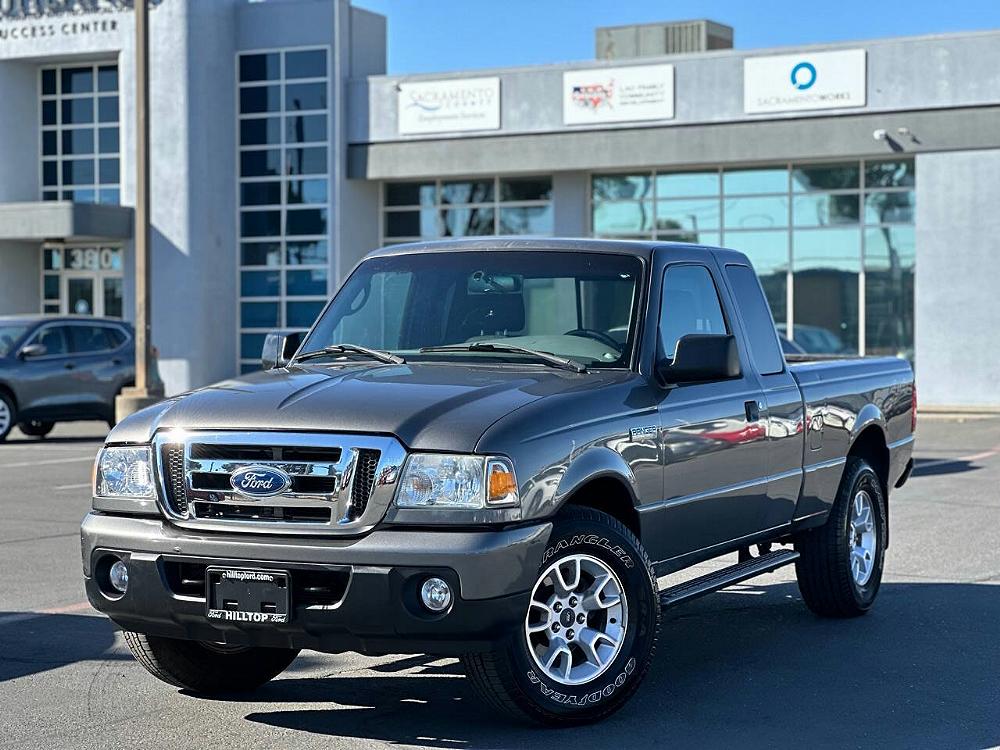
2010 Ford Ranger Problems & Recalls
The 2010 Ford Ranger was part of the final generation of the North American Ranger, which had been in production since 1983. By this point, Ford had worked out many of the issues associated with earlier versions, but age, mileage, maintenance, and previous use still matter when looking at a used truck.
There are some owner-reported problems worth knowing about, including water leaks and paint concerns. There are also several safety recalls involving the 2010 Ranger. Two of the most important involve a potential fuel leak that could cause a fire and a parking brake cable that could disconnect under certain cold-weather conditions.
Below is a look at reported problems, safety recalls, and things to check when buying a used 2010 Ford Ranger.
Owner complaints are not necessarily proof of a manufacturing defect or a widespread problem. Recall information is different because it involves a formal safety campaign. Always check the VIN of the individual truck to determine whether it is affected by an outstanding recall.
Reported Problems
CarComplaints lists 182 complaints for the 2010 Ford Ranger, along with five crash tests, nine recall listings, and 38 technical service bulletins (TSBs).
Its owner-reported complaint categories include body and paint, air conditioning and heating, brakes, engine, lights, suspension, and wheels/hubs. NHTSA complaint totals are listed separately and should not be added to CarComplaints’ owner-report totals.
The problems below are based on the reports available for this model year. Some have only one or two reports, so they should not be considered established problems affecting every 2010 Ranger.
Water Leaks Into the Interior
Water leaking into the cab is one of the more frequently highlighted complaints for the 2010 Ranger.
CarComplaints lists two reports of water entering the interior. One owner described water collecting on the passenger-side floor after rain and suspected the rear window seal. Another reported water entering the driver’s-side footwell.
The existing Ranger Station page also notes that door alignment may be off, allowing water to enter the cab.
When inspecting a 2010 Ranger, check the carpet and floorboards for dampness, water stains, or musty odors. Look behind the seats, around the rear window, along the door seals, and in both front footwells. Water can enter through more than one location, so don’t assume the rear window is always the source.
Read 2010 Ranger water leak complaints at CarComplaints
Paint Problems
CarComplaints lists two body and paint complaints involving paint repair.
One owner reported paint deteriorating and spreading around the driver’s-side door frame. The other complaint involved damage to the paint during a repair visit.
These reports don’t establish a widespread paint defect, but they are worth keeping in mind when inspecting a truck. Look closely around the door frames, window openings, roof, hood, and other painted surfaces for peeling, cracking, fading, or previous repairs.
Read 2010 Ranger paint complaints at CarComplaints
Air Conditioning and Heater
CarComplaints lists two A/C and heater complaints for the 2010 Ranger. One report describes a problem involving a leak, but the complaint does not identify a confirmed cause or repair.
Test the air conditioning and heater during a used-truck inspection. Make sure the system produces cold air, the heater works, and the blower operates at all speeds.
Read 2010 Ranger A/C and heater complaints at CarComplaints
Other Owner Complaints
CarComplaints also lists individual reports involving the brakes, engine, lights, suspension, and wheels/hubs.
These categories have relatively few owner reports. They are worth checking during a normal used-vehicle inspection, but the available complaint information does not establish a specific recurring defect in these systems.
Safety Recalls
The following recalls include campaigns associated with the 2010 Ford Ranger. Some cover only certain production dates, transmission configurations, or geographic areas. Others involve airbag inflators that were subject to multiple campaigns over several years.
A recall listing does not mean every 2010 Ranger is affected. Check the VIN to determine whether a particular truck was included and whether the required repair has been completed.
Passenger-Side Airbag Inflator – NHTSA Campaign 16V-384
Ford Recall Number: 16S26
Recall Date: May 31, 2016
Affected Vehicles: Certain 2007–2011 Ford Rangers originally sold or registered in specified geographic areas.
Ford recalled certain Rangers equipped with Takata passenger-side frontal airbag inflators.
Exposure to high humidity and temperature changes can cause the propellant inside the inflator to degrade. If the airbag deploys, the inflator can rupture and send metal fragments into the passenger compartment, potentially causing serious injury or death.
The 2010 Ranger was included in the geographic coverage identified by Ford for this campaign. The recall covered vehicles in the designated Zone A states and territories.
Ford’s remedy was to replace the passenger-side airbag inflator at no charge.
Recall information:
Passenger-Side Airbag Inflator – NHTSA Campaign 18V-046
Ford Recall Number: 18S01
Recall Date: January 2018
Affected Vehicles: Certain 2010 Ford Rangers and other Ford vehicles in specified geographic areas.
This was another Takata-related passenger-side airbag inflator campaign. The inflator propellant can degrade after long-term exposure to humidity and temperature cycling. During deployment, the inflator may rupture and send metal fragments toward vehicle occupants.
Certain 2010 Rangers were included based on the vehicle’s original sale or registration location.
Ford’s remedy was to replace the affected passenger-side airbag inflator.
Recall information:
Passenger-Side Airbag Inflator – NHTSA Campaign 19V-001
Ford Recall Number: 19S01
Recall Date: January 2019
Affected Vehicles: Certain 2010 Ford Rangers and other Ford vehicles in specified geographic areas.
This additional Takata airbag campaign covered certain passenger-side frontal airbag inflators. The inflator may explode during deployment because of propellant degradation after long-term exposure to high humidity and temperature cycling.
The 2010 Ranger was included in the Zone C population identified in the recall information. Vehicle eligibility depended on where the truck was originally sold or registered.
Ford’s remedy was to replace the affected passenger-side airbag inflator at no charge.
Recall information:
Driver-Side Airbag Inflator – NHTSA Campaign 21V-158
Ford Recall Number: 21S12
Recall Date: March 10, 2021
Affected Vehicles: Certain 2007–2011 Ford Rangers.
Ford recalled certain 2007–2011 Rangers equipped with Takata driver-side frontal airbag inflators.
The inflator propellant can degrade over time, particularly after exposure to high humidity and temperature changes. If the airbag deploys, excessive pressure can cause the inflator to rupture and send metal fragments into the passenger compartment.
Ford’s remedy was to replace the driver-side airbag inflator or module with an alternate part at no charge.
Recall documents:
Fuel Line – NHTSA Campaign 11V-126
Ford Recall Number: 11S17
Recall Date: February 21, 2011
Vehicles Affected: 23,688
Affected Vehicles: Certain 2010 Ford Rangers manufactured October 15, 2009, through May 19, 2010.
Ford recalled certain 2010 Rangers because the engine fuel line near the throttle body shield may not have had its protective covering installed correctly.
If the protective covering was not positioned properly, the edge of the shield could contact and rub against the fuel line. Over time, this could wear through the fuel line, causing a fuel odor and potentially a fuel leak.
A fuel leak in the presence of an ignition source could result in a fire.
Ford instructed dealers to trim the throttle body shield away from the fuel line, inspect the line for wear, and replace it if necessary. The repair was performed at no charge.
Recall documents:
- NHTSA Campaign 11V-126 – Recall Information
- NHTSA Recall 11V-126 – Official Recall Acknowledgment (PDF)
What to check: If you smell gasoline around the engine compartment, don’t ignore it. Have the fuel system inspected. If you’re considering a truck within the affected production dates, verify that the recall repair was completed.
Parking Brake Cable – NHTSA Campaign 10V-202
Ford Recall Number: 10S12
Recall Date: May 11, 2010
Vehicles Affected: 2,934
Affected Vehicles: Certain 2010 Rangers manufactured June 8, 2009, through February 2, 2010, equipped with manual transmissions.
Ford recalled certain 2010 Rangers because the parking brake cable could become disconnected from the right rear actuator during cold weather.
This could happen when wet parking brake shoes freeze in the applied position. When the parking brake is released, the cable may become disconnected from the right rear actuator. If this happens, the parking brake pedal may have extended travel and may not fully apply the parking brake.
A manual-transmission truck parked in neutral without a fully applied parking brake could move unexpectedly, increasing the risk of a crash.
Ford’s remedy was to install a revised right rear parking brake actuator to prevent the cable from disconnecting. The repair was performed at no charge.
Recall information:
What to check: This recall is especially important when looking at a manual-transmission 2010 Ranger. Verify that the recall repair was completed and make sure the parking brake holds the truck securely.
Multifunction Switch – NHTSA Campaign 11V-352
Ford Recall Number: 11C18
Recall Date: July 13, 2011
This campaign is sometimes listed on 2010 Ranger recall pages because it included certain replacement multifunction switches distributed to dealers for 2004–2011 Rangers.
The factory-built Ranger trucks specifically included in the vehicle portion of this recall were certain 2011 models, not 2010 models. A 2010 Ranger could be relevant if it received an affected replacement switch.
The switch’s internal slider could deform and cause the turn signals, tail lights, hazard flashers, and/or brake lights to stop working.
Ford’s remedy was to replace affected switches at no charge.
Recall information:
Technical Service Bulletins (TSBs)
Technical Service Bulletins (TSBs) for the 2010 Ranger are official communications between Ford & their dealerships that describe processes for troubleshooting or fixing certain common problems. All vehicle manufacturers are required by U.S. law to make their TSBs available to the public.
For a list of the TSB’s for the 2010 Ford Ranger check out: 2010 Ford Ranger TSBs
What to Check When Buying a 2010 Ford Ranger
When looking at a used 2010 Ranger, take the time to inspect the truck and drive it under different conditions.
- Check the VIN for outstanding recalls. Pay particular attention to the Takata airbag campaigns, fuel-line recall, and parking brake recall.
- Inspect the interior for water damage. Check the front floorboards, carpet, area behind the seats, rear window, and door seals.
- Look over the paint. Check the door frames, window openings, roof, hood, and bed for peeling, cracking, fading, or previous repairs.
- Check the air conditioning and heater. Make sure both systems work properly.
- Inspect the fuel system. Look for fuel odors or signs of leakage around the engine compartment.
- Test the parking brake. Make sure it holds the truck securely, especially if it has a manual transmission.
- Inspect the frame and undercarriage. Look for rust, damage, and previous repairs.
- Review the maintenance history. Ask about major repairs and whether any recall work has been performed.
Don’t let a list of online complaints automatically scare you away from a particular truck. The condition of the individual vehicle, its maintenance history, mileage, and how it has been used are all important.
Checking for Outstanding Recalls
The recall information on this page is not a substitute for checking the VIN of the truck you are considering.
Use these resources to check for outstanding safety recalls:
Searching by year, make, and model provides general recall information. Searching by VIN tells you whether a specific vehicle has an unrepaired recall. NHTSA notes that its VIN results may not show recalls that have already been repaired, and some older recalls may no longer appear in the VIN lookup.
Related Ford Ranger Information
- 1983–2011 Ford Ranger Buyer’s Guide
- The Ranger Station Technical Library
- The Ranger Station Forums
- Ford Ranger Brochures

About The Author
Jim Oaks is the founder of TheRangerStation.com, the longest-running Ford Ranger resource online since 1999. With over 25 years of hands-on experience building and modifying Ford Rangers — including magazine-featured builds like Project Transformer — Jim has become one of the most trusted authorities in the Ford Ranger off-road and enthusiast space.
Since launching TheRangerStation.com, Jim has documented thousands of real-world Ranger builds, technical repairs, drivetrain swaps, suspension modifications, and off-road adventures contributed by owners worldwide. TheRangerStation.com has been referenced in print, video and online by enthusiasts, mechanics, and off-road builders looking for practical, and experience-based information.