
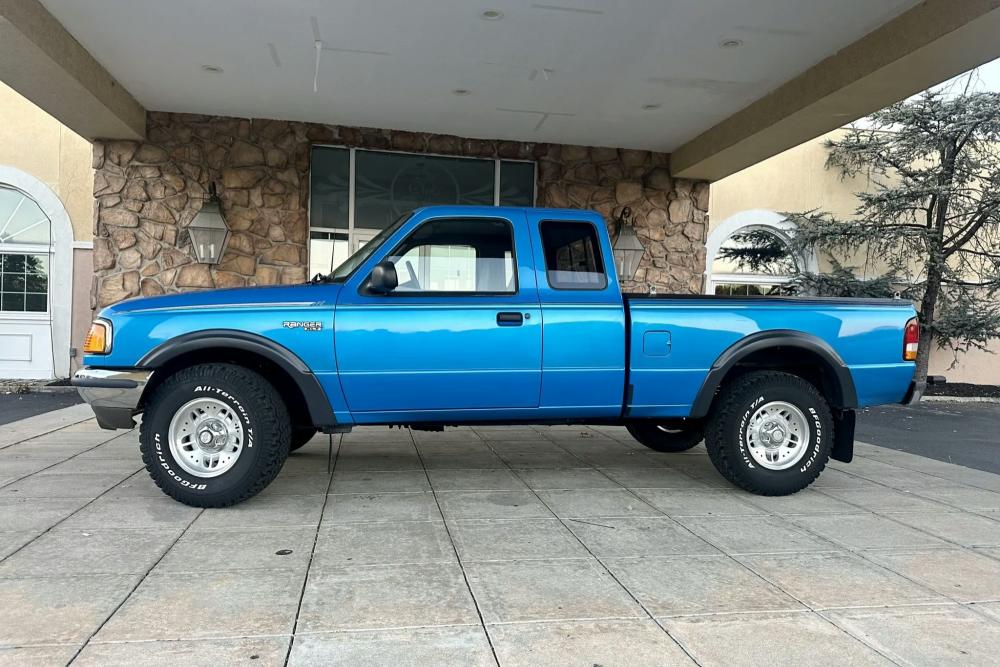
1995 Ford Ranger Problems & Recalls
Looking to buy a used 1995 Ford Ranger? There are several owner-reported problems worth checking before purchasing one. These include engine stalling, fuel leaks, cruise-control concerns, electrical problems, and rust affecting the frame and suspension.
The 1995 Ranger is also included in Ford’s speed-control deactivation switch recall. As with any older truck, a careful inspection of the individual vehicle is important, particularly when it comes to corrosion and safety-related systems.
Reported Problems
These are owner-reported concerns. They do not mean every 1995 Ranger will experience the same problems.
Engine Problems
- Engine stalls: Owners have reported the engine stalling unexpectedly.
- Engine failure: A small number of reports describe major engine failure. These reports do not establish a widespread model-year defect.
Manual Transmission
- Engine revs when shifting gears: Some owners report the engine revving between shifts with a manual transmission. This may involve clutch operation or a related drivetrain issue and should be diagnosed on the individual truck.
Fuel System
- Fuel tank straps rust and break: Corrosion can weaken the straps securing the fuel tank. Inspect the straps and the surrounding frame for rust.
- Fuel filler hose cracks and leaks: A deteriorated filler hose can allow fuel to leak during refueling. Check the hose for cracks and signs of fuel leakage.
- Accelerator pedal bracket breaks: Inspect the bracket that secures the gas pedal to the firewall for damage or loose mounting points.
Electrical and Cruise Control
- Unexpected acceleration: Owners have reported vehicles accelerating without driver input, with some reports attributing the concern to cruise control. Any unintended acceleration should be treated as a serious safety concern.
- Interior light and door chime stay on: A sticking switch in the door latch can keep the interior light or door chime active. The latch may need lubrication or replacement.
- Windshield wipers activate by themselves: Reports describe the wipers coming on unexpectedly, sometimes when the right turn signal is applied. A faulty multifunction switch may be the cause.
Heating and Air Conditioning
- A/C compressor failure: A few owners have reported air-conditioning compressor failures.
Steering and Suspension
- Front suspension failure from rust: Reports describe front suspension components breaking away after rust weakened the front frame rail or suspension brackets.
This is an important inspection point on an older Ranger. Pay close attention to the frame around the front suspension mounting locations, steering box, and other structural brackets. Surface rust is not the same as structural corrosion, but heavy scaling, cracks, or weakened mounting points deserve serious attention.
Seat Belts and Airbags
- Airbags fail to deploy: Owners have reported airbags not deploying during front-end collisions. These are reports, not proof of a defect in every truck.
- Seat belt comes unbuckled: Some reports describe seat belts unfastening unexpectedly.
- Seat belt will not release: Other reports describe buckles that would not release and required the belt to be cut.
Inspect the seat belts and buckles, and check the airbag warning light and system history.
Brake Problems
Reported brake concerns include:
- Brake pedal going to the floor.
- Rear brakes locking up.
- ABS locking up during wet-weather braking.
- Cracked brake rotors.
Brake and ABS complaints should not be ignored. Inspect the hydraulic system, brake lines, calipers, rear brake components, and ABS system before driving a truck with questionable braking performance.
Tire Concerns
Some 1995 Rangers may have been equipped with Firestone tires included in tread-separation campaigns. These campaigns involved specific tire models and sizes, not a defect in the Ranger itself.
Check the tires currently installed on the truck for age, condition, and any applicable campaign history.
1995 Ford Ranger Recalls
Recall applicability depends on the vehicle’s VIN and equipment. A vehicle may also have had a recall repair completed years ago.
09V399 — Speed Control Deactivation Switch
Ford Recall 09S09
Certain 1995–1997 Ford Rangers equipped with the Texas Instruments speed-control deactivation switch were included in this recall.
The switch could leak internally and overheat, potentially resulting in smoke, burning, or a vehicle fire. A fire could occur with or without the engine running.
Ford’s remedy was to install a fused wiring harness in line with the speed-control deactivation switch.
NHTSA Recall 09V399 — Official Recall Document
Aftermarket Lighting Recalls
Several NHTSA campaigns involved aftermarket replacement lamps sold for use on various vehicles, including the Ranger. These campaigns concerned replacement equipment, not the original factory-installed lighting on every 1995 Ranger.
- 09E025 — Dope, Inc. Certain aftermarket combination corner and bumper lamps lacked required amber side reflectors.
- 09E012 — Sabersport Certain aftermarket combination lamps did not meet federal lighting requirements.
- 08E050 — K2 Motor Certain aftermarket headlamps lacked required amber side reflex reflectors.
- 06E026 — Pro-A Motors Certain aftermarket lighting assemblies lacked required amber reflectors.
If aftermarket lighting has been installed, check the part numbers and confirm that the lamps meet applicable requirements.
Firestone Tire Campaigns
The 1995 Ranger may also be associated with Firestone tire campaigns involving specific tire models, including Wilderness AT and other tires involved in tread-separation concerns.
These were tire campaigns, not recalls of the Ranger itself. Applicability depended on the tire model and size. Check the tires currently installed rather than assuming the vehicle was affected.
Technical Service Bulletins (TSBs)
Technical Service Bulletins (TSBs) for the 1995 Ranger are official communications between Ford & their dealerships that describe processes for troubleshooting or fixing certain common problems. All vehicle manufacturers are required by U.S. law to make their TSBs available to the public.
For a list of the TSBs for the 1995 Ford Ranger check out: 1995 Ford Ranger TSBs
What to Check When Buying a 1995 Ford Ranger
When inspecting a used 1995 Ranger, pay particular attention to:
- Frame and suspension rust: Inspect the front frame rails, suspension brackets, steering box mounting points, and rear leaf spring hangers.
- Fuel system condition: Check the fuel tank straps, filler hose, and fuel lines for corrosion or leaks.
- Cruise control: Verify that the speed-control switch recall repair has been completed.
- Electrical functions: Test the turn signals, headlights, windshield wipers, interior lights, and door-ajar warning.
- Engine operation: Check for stalling, unusual noises, and warning lights.
- Manual transmission: Test clutch operation and check for unusual engine revving between shifts.
- Brakes and ABS: Check for pedal drop, brake lockup, uneven braking, and ABS warning lights.
- Seat belts and airbags: Verify that belts latch and release properly and that the airbag warning light operates normally.
- Tires: Check their age, condition, size, and inflation pressure.
A 1995 Ranger can still be a useful truck, but structural rust and neglected safety-related repairs can turn an inexpensive purchase into an expensive project.
Check for Outstanding Recalls
Use the truck’s VIN to check for unrepaired recalls:
A VIN lookup identifies unrepaired recalls for the specific vehicle. Keep in mind that the NHTSA lookup may not show recalls that have already been repaired or some recalls more than 15 years old.
Related Ford Ranger Information
- 1983–2011 Ford Ranger Buyer’s Guide
- The Ranger Station Technical Library
- The Ranger Station Forums
- Ford Ranger Brochures

About The Author
Jim Oaks is the founder of TheRangerStation.com, the longest-running Ford Ranger resource online since 1999. With over 25 years of hands-on experience building and modifying Ford Rangers — including magazine-featured builds like Project Transformer — Jim has become one of the most trusted authorities in the Ford Ranger off-road and enthusiast space.
Since launching TheRangerStation.com, Jim has documented thousands of real-world Ranger builds, technical repairs, drivetrain swaps, suspension modifications, and off-road adventures contributed by owners worldwide. TheRangerStation.com has been referenced in print, video and online by enthusiasts, mechanics, and off-road builders looking for practical, and experience-based information.