
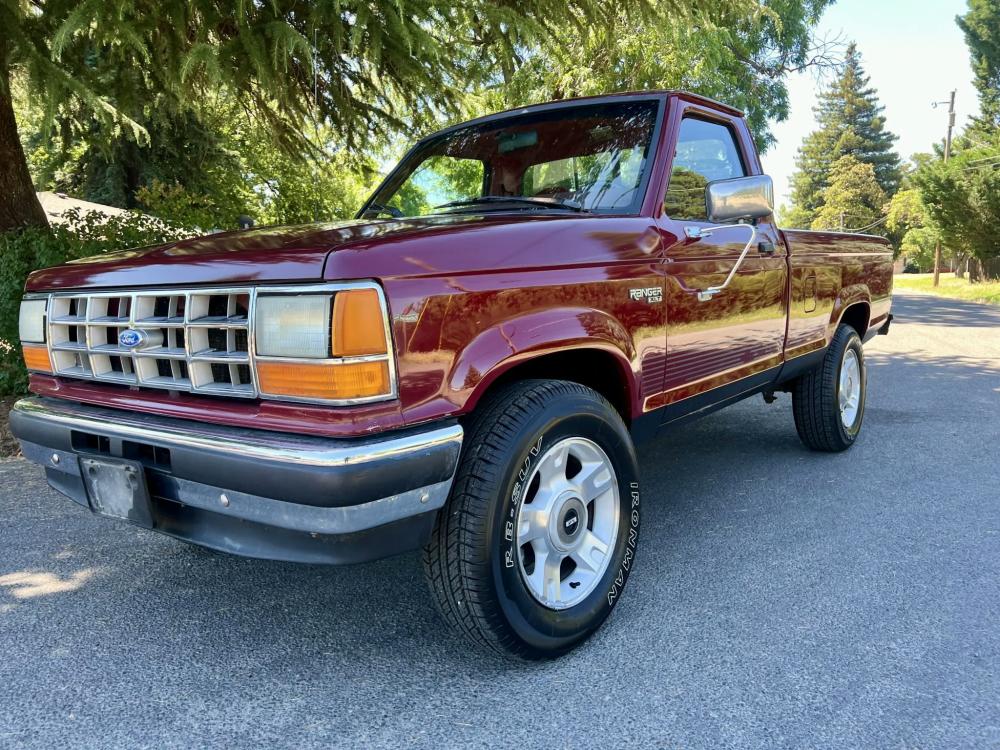
1991 Ford Ranger Problems & Recalls
The 1991 Ford Ranger was part of the first-generation Ranger lineup and was available with several engine and drivetrain combinations. Like any truck that is now more than 30 years old, condition and maintenance history matter more than mileage alone.
There are a few reported problems worth knowing about, along with several safety recalls and equipment campaigns that buyers should check before purchasing one. The most important factory recall for this model year involves the automatic transmission parking pawl.
Common 1991 Ford Ranger Problems
Engine Problems – Loss of Power and Intermittent Running
Owner complaints for the 1991 Ranger include occasional loss of engine power and an engine that cuts in and out while driving. The number of reports is small, so these should be treated as symptoms to investigate rather than evidence of a widespread engine defect.
If a Ranger loses power or runs intermittently, the cause could involve the ignition system, fuel delivery, electrical connections, or engine controls. Diagnosis should begin with the specific symptoms and engine configuration rather than replacing parts at random.
A truck that cuts out while driving deserves particular attention. Check for stored trouble codes, inspect ignition and fuel-system components, and look for damaged wiring or poor electrical connections.
Electrical Problems – Door Chime
One reported electrical complaint involves a door chime that continues sounding when it should stop. A problem with a door-ajar switch, latch mechanism, or related wiring can cause this type of symptom.
Check that the interior lights and warning chime respond correctly when each door is opened and closed. An intermittent door-ajar signal can also be caused by a worn or dirty switch.
Age-Related Problems to Check
A 1991 Ranger is old enough that deterioration can be a bigger concern than the original design. Pay particular attention to:
- Frame and suspension rust: Inspect the frame, crossmembers, spring hangers, suspension mounting points, and cab mounts.
- Fuel system condition: Look for rusted fuel lines, deteriorated hoses, and signs of fuel leakage.
- Cooling system: Check for coolant leaks, overheating, deteriorated hoses, and evidence of neglected maintenance.
- Brakes: Inspect brake lines, hoses, calipers, wheel cylinders, and the condition of the master cylinder and brake booster.
- Steering and suspension: Check ball joints, tie-rod ends, wheel bearings, bushings, and steering components for wear.
- Four-wheel-drive operation: If equipped, verify that the transfer case engages correctly and that the front axle and hubs operate as intended.
1991 Ford Ranger Recalls
91V189000 – Automatic Transmission Parking Pawl
Date announced: November 4, 1991
Vehicles affected: Certain 1990–1991 Ford Rangers equipped with the A4LD automatic transmission, along with other Ford vehicles using that transmission.
The transmission parking pawl may not properly engage the parking gear when the shift lever is placed in Park. This can make the truck appear to be securely parked when it is not.
If the parking pawl fails to engage, the truck could unexpectedly roll away when parked. It could also move when the engine is started, creating a risk of injury or a crash.
Remedy: Ford dealers were instructed to repair the transmission by installing a new parking pawl.
This is an important recall to check on any 1991 Ranger equipped with the A4LD automatic transmission. Do not assume the recall was completed simply because the truck has been on the road for decades.
For detailed information and supporting documents, see NHTSA Recall 91V189000.
96V024001 – Brake Booster Mounting Studs
Date announced: February 5, 1996
Vehicles affected: Certain 1991–1994 Ford Rangers and Explorers originally sold or currently registered in specified Southern California counties.
The studs attaching the brake master cylinder to the power brake vacuum booster could develop stress-corrosion cracks. If one or both studs fractured, the master cylinder could separate from the booster when the brakes were applied, preventing the service brakes from operating properly.
The affected geographic area included Los Angeles, Orange, San Bernardino, San Diego, Riverside, Ventura, Santa Barbara, San Luis Obispo, Imperial, and Kern counties in California.
Remedy: Ford dealers were instructed to replace the power brake vacuum booster assembly.
This recall did not apply to every 1991 Ranger. The vehicle’s original sale or registration history matters.
For detailed information and supporting documents, see NHTSA Recall 96V024001.
06E026000 – Aftermarket Replacement Lighting
Date announced: March 23, 2006
This campaign involved certain Pro-A Motors replacement corner lamps, turn signals, and headlights sold for use on various vehicles, including the 1991 Ranger.
Some replacement combination lamps did not have the required amber side reflectors and therefore failed to meet Federal Motor Vehicle Safety Standard No. 108.
Remedy: Pro-A Motors was to notify owners and offer to repurchase the affected lamps.
This was an aftermarket lighting recall, not a recall of the original Ford factory lighting.
For detailed information and supporting documents, see NHTSA Recall 06E026000.
98E010000 – Aftermarket Brake Rotors
Date announced: April 8, 1998
This recall involved certain aftermarket Aimco brake rotors sold for use on Ford and Mazda trucks.
Cracks could develop in the rotor casting around the outer diameter of the rotor hat or near the wheel stud holes. A failure could result in loss of braking.
Remedy: Aimco offered reimbursement for replacement rotors and installation.
This campaign applied to specific aftermarket replacement rotors, not every original-equipment brake rotor installed on a 1991 Ranger.
For detailed information and supporting documents, see NHTSA Recall 98E010000.
00T005000 – Firestone Tire Campaign
Date announced: August 21, 2000
This campaign involved specific Firestone Wilderness AT, Radial ATX, and Radial ATX II tires. The affected tires included certain P235/75R15 sizes and production groups.
Underinflation, high speeds, and hot weather could contribute to tread separation. A tire failure at highway speed could cause the driver to lose control.
The campaign was for specific tires, not a defect in the Ranger itself. The original replacement and reimbursement program has expired, but the tire model and condition should still be checked on any truck being considered for purchase.
For detailed information and supporting documents, see NHTSA Tire Campaign 00T005000.
01X001000 – Firestone Wilderness AT Tire Replacement Program
Date announced: May 22, 2001
Ford announced a tire replacement program covering certain Firestone Wilderness AT tires installed on Ford trucks and SUVs, including certain 1991–2001 Rangers.
The program included both original-equipment tires and qualifying replacement tires installed during the earlier Firestone campaign. Tread separation could occur under certain conditions, creating a risk of loss of vehicle control.
This was classified as a safety improvement campaign rather than a safety recall under the Safety Act. The replacement and reimbursement program expired in 2002.
For detailed information and supporting documents, see NHTSA Tire Campaign 01X001000.
Technical Service Bulletins (TSBs)
Technical Service Bulletins (TSBs) for the 1991 Ranger are official communications between Ford & their dealerships that describe processes for troubleshooting or fixing certain common problems. All vehicle manufacturers are required by U.S. law to make their TSBs available to the public.
For a list of the TSBs for the 1991 Ford Ranger check out: 1991 Ford Ranger TSBs
What to Check When Buying a 1991 Ford Ranger
Before purchasing a 1991 Ranger, take the time to inspect the truck rather than relying on its appearance or the seller’s description.
- Check the frame: Look closely for rust, especially around suspension mounts, crossmembers, spring hangers, and body mounts.
- Test the engine: Let it reach operating temperature. Watch for hesitation, loss of power, stalling, or intermittent running.
- Check the automatic transmission: If equipped with the A4LD, verify that the transmission shifts properly and that the 91V189000 parking pawl recall has been addressed.
- Test Park carefully: On level ground, verify normal operation of the parking mechanism. Always use the parking brake and never rely on the transmission alone to hold the truck.
- Inspect the brakes: Look for leaking lines, corroded components, and signs of problems around the master cylinder and brake booster. Check whether the 96V024001 campaign applied to the truck and was completed.
- Inspect the fuel system: Look for leaks, rust, and deteriorated hoses.
- Check the electrical system: Test the warning lights, interior lights, door switches, and chime.
- Test four-wheel drive: If the truck is a 4×4, make sure the transfer case, front axle, and hubs engage and disengage correctly.
- Inspect the tires: Check the brand, model, size, date codes, tread condition, and any signs of previous tread separation or damage.
Check for Open Recalls
You can check a specific truck’s recall status using its VIN:
Keep in mind that the NHTSA VIN lookup may not show recalls that have already been repaired, and it does not display some recalls more than 15 years old. For an older Ranger, it is worth checking the vehicle’s service history and contacting a Ford dealer if you have questions about a particular campaign.
Related Ford Ranger Information
- 1983–2011 Ford Ranger Buyer’s Guide
- The Ranger Station Technical Library
- The Ranger Station Forums
- Ford Ranger Brochures

About The Author
Jim Oaks is the founder of TheRangerStation.com, the longest-running Ford Ranger resource online since 1999. With over 25 years of hands-on experience building and modifying Ford Rangers — including magazine-featured builds like Project Transformer — Jim has become one of the most trusted authorities in the Ford Ranger off-road and enthusiast space.
Since launching TheRangerStation.com, Jim has documented thousands of real-world Ranger builds, technical repairs, drivetrain swaps, suspension modifications, and off-road adventures contributed by owners worldwide. TheRangerStation.com has been referenced in print, video and online by enthusiasts, mechanics, and off-road builders looking for practical, and experience-based information.