
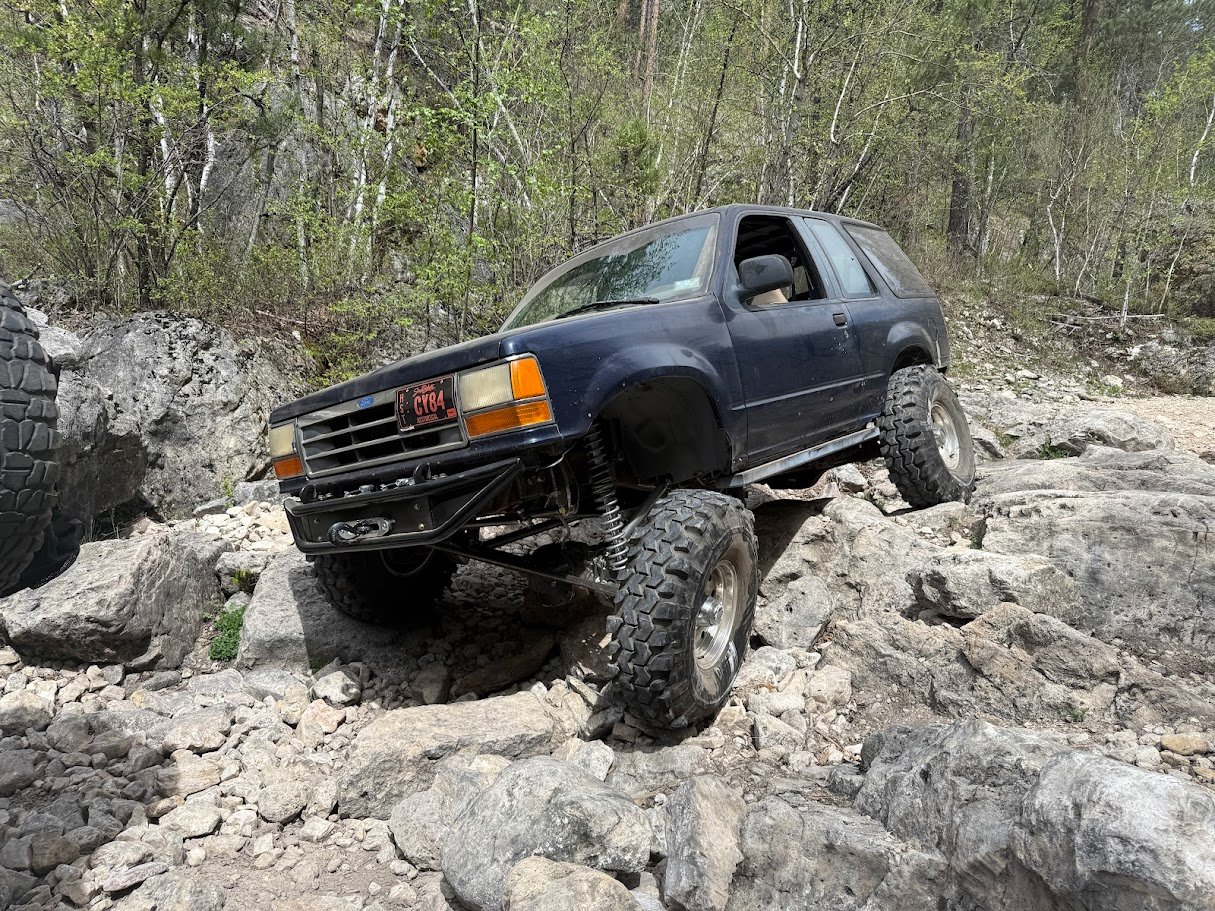
$220 Ford Explorer Turns Into a Solid-Axle Rock Crawler
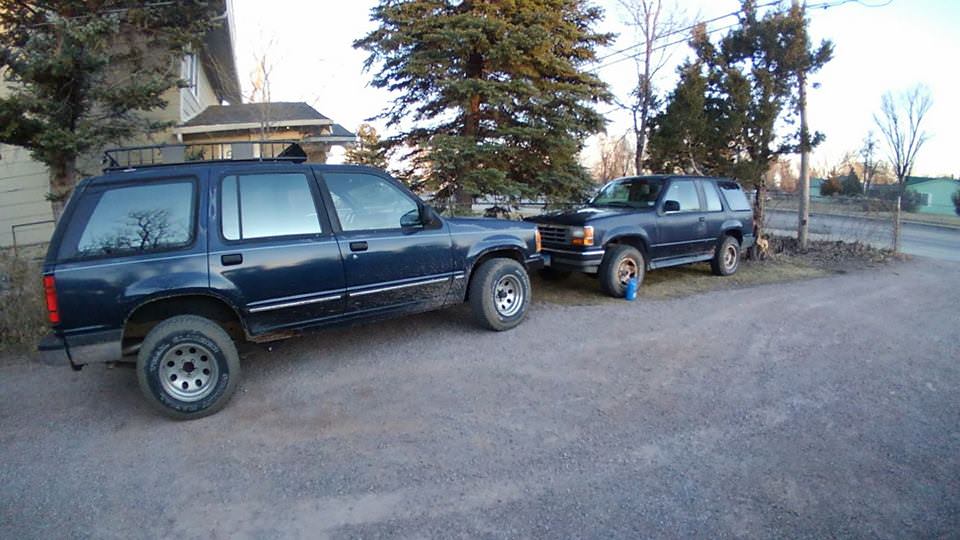
When Shran bought a 1994 Ford Explorer for $220 in 2017, he had something a little different in mind than building a rock crawler. The original plan was to turn the two-door Explorer into a Baja-style off-road race truck. He had been collecting parts for that project since 2008, and the Explorer seemed like an inexpensive way to finally put them to use.
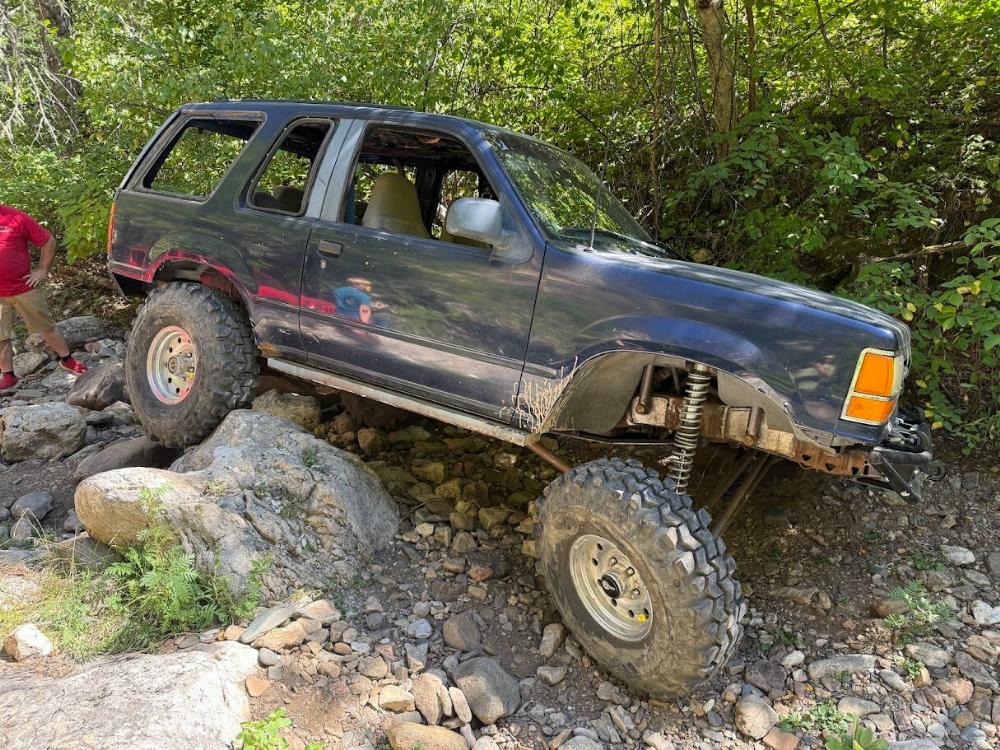
The Explorer was rough around the edges, but it had a good-running 4.0L V6 and a solid foundation for an off-road project. As plans changed, the race truck idea gave way to something more suited to the trails: a solid-axle Explorer with a Dana 44 front axle, Ford 9-inch rear axle, custom suspension, and 36-inch Super Swamper tires.
What started as a $220 purchase has turned into a capable trail rig that has been tested on some challenging trails in the Black Hills.
From Baja Race Truck to Rock Crawler
Shran’s original plan was to build a Baja-style Explorer using the factory Twin Traction Beam (TTB) front suspension. He considered modifying the TTB setup with Dana 44 knuckles and changing the rear 8.8-inch axle to a 5-on-5.5 bolt pattern. The interior and glass would be removed, a cage installed, and additional shocks added.
The idea was to build something that could compete in off-road events. But the events he wanted to attend were a long way from home, and work and family responsibilities made it difficult to commit to racing. Instead, the Explorer initially became a utility vehicle around his property.
Eventually, he decided to take the project in a different direction and build a rock crawler. The original body and frame stayed, but much of the drivetrain and suspension would be replaced.
Engine and Drivetrain
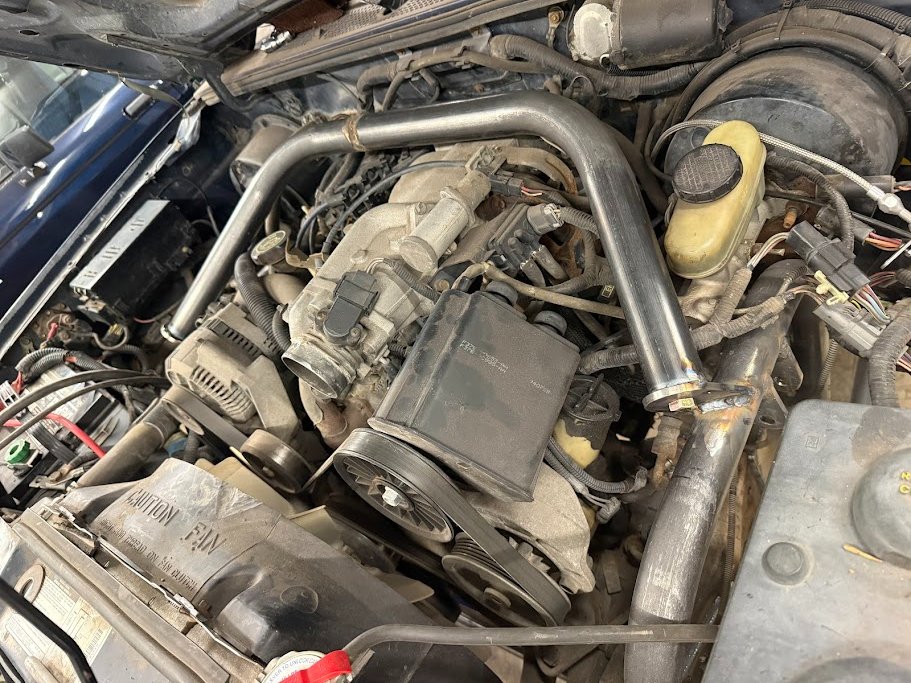
The Explorer still has its original 4.0L OHV V6. Rather than replacing the engine as part of the initial build, Shran kept the motor that came with the truck. It has some issues, including oil consumption and a slow coolant loss from a leaking timing cover gasket, but it continues to power the Explorer. Repairing the timing cover gasket is on the future to-do list, and an engine replacement may eventually be considered.
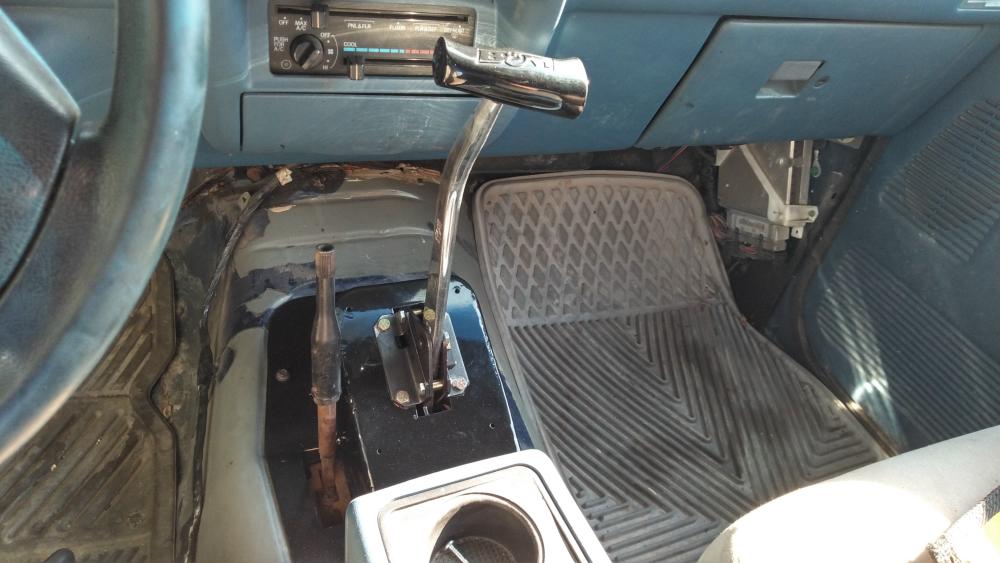
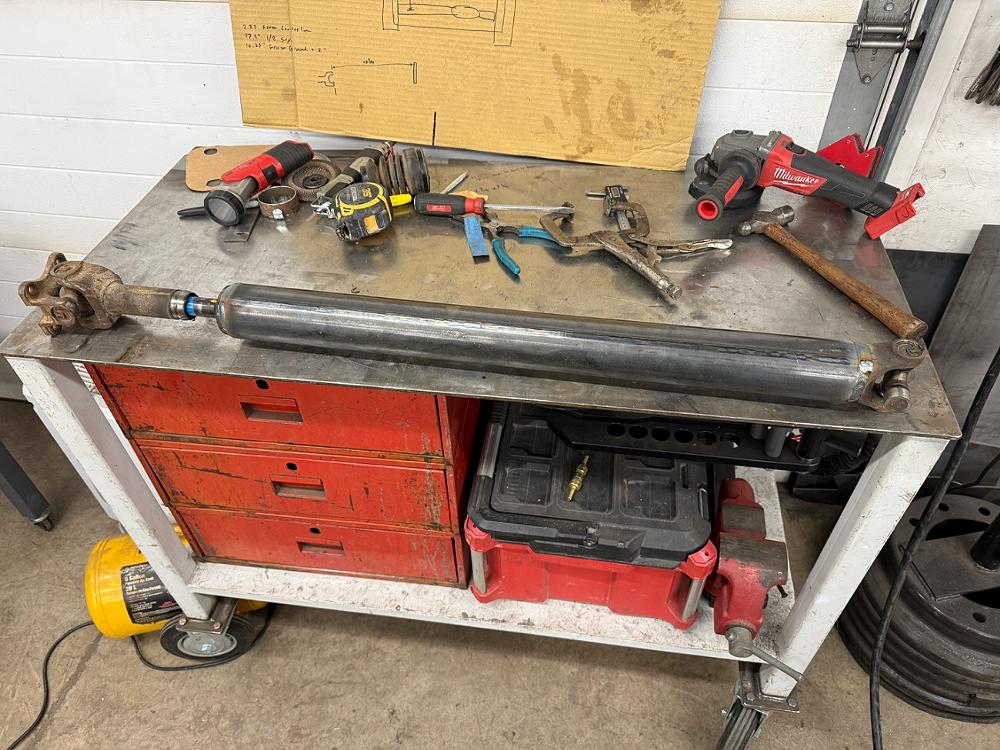
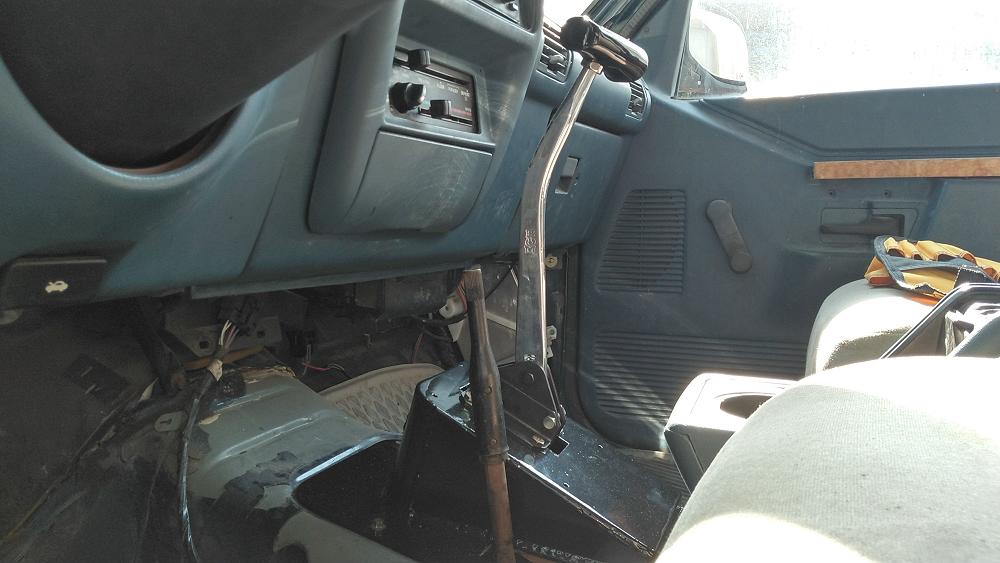
The original manual transmission was replaced with a C5 automatic from a 1985 Bronco II. Shran preferred an automatic for this project, and the original transmission’s throwout bearing had melted. The C5 installation required a flywheel spacer, modified driveshafts, and changes to the floor and shifter arrangement.
A B&M Unimatic shifter sits on a raised shifter tower and floor plate. The transfer case is a BorgWarner 1354M with manual shift controls. Shran also extended the transmission and transfer-case breather hoses into the engine compartment to help keep water out during trail use.
The exhaust uses a Flowmaster 40 Series muffler. An F-150 transmission cooler was used during the earlier stages of the build, with a larger cooler and fan among the planned upgrades.
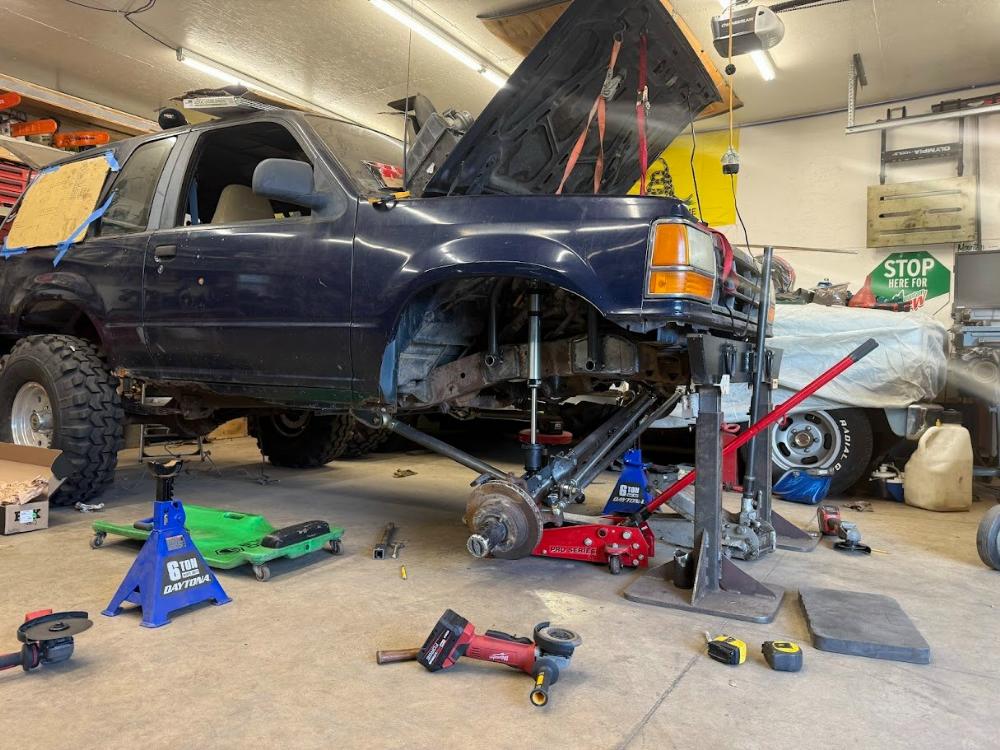
Making Room for the Front Suspension
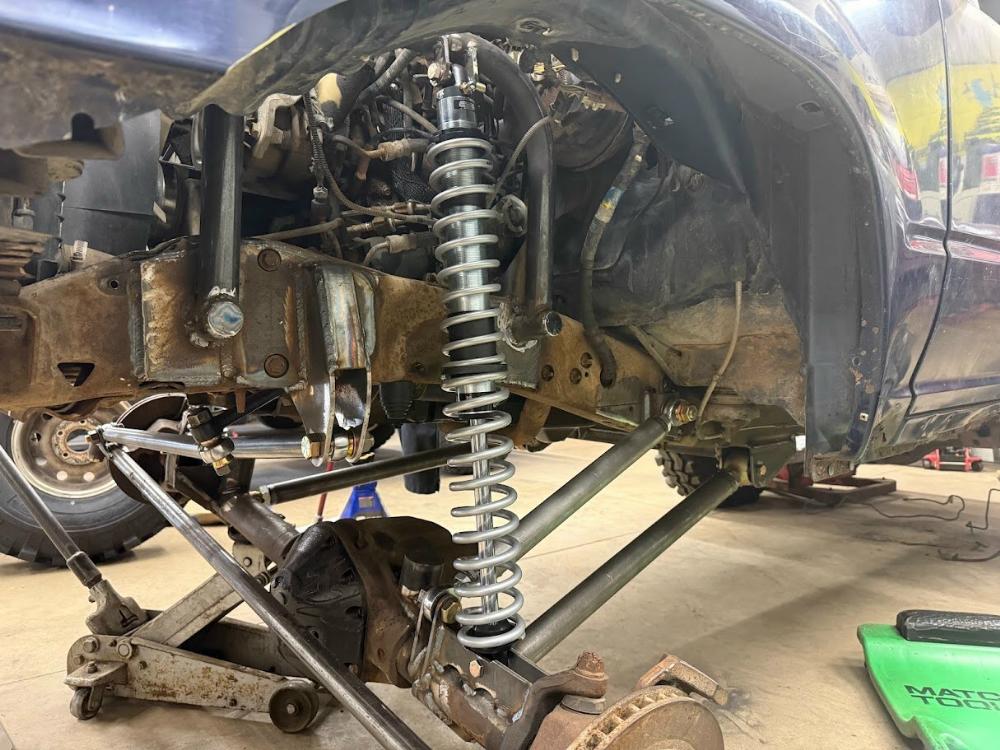
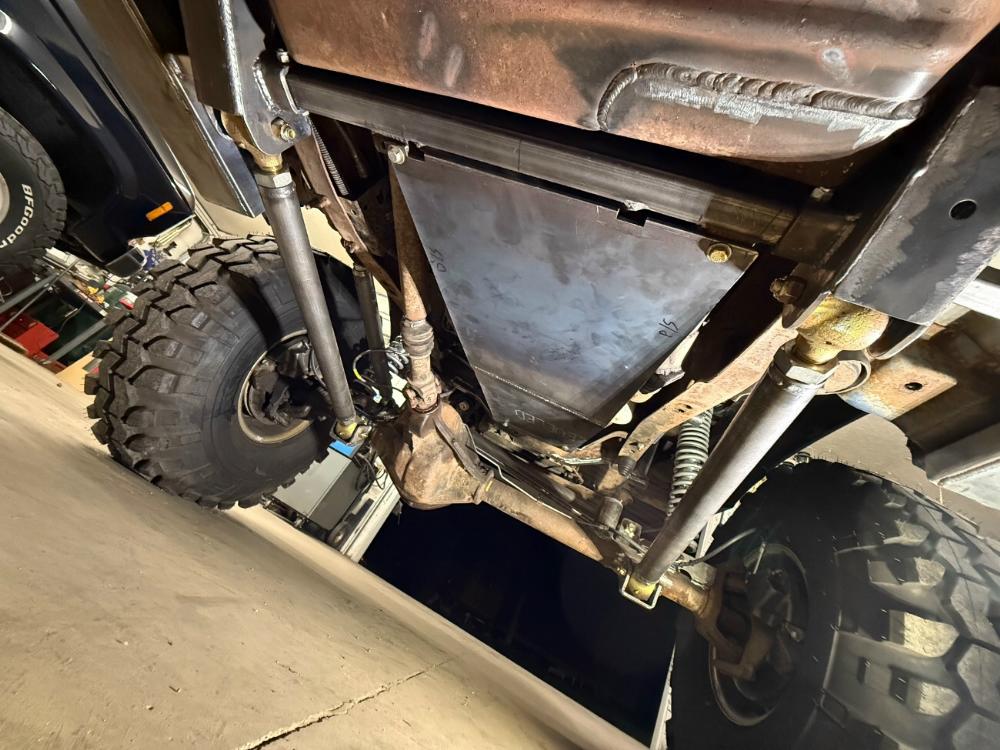
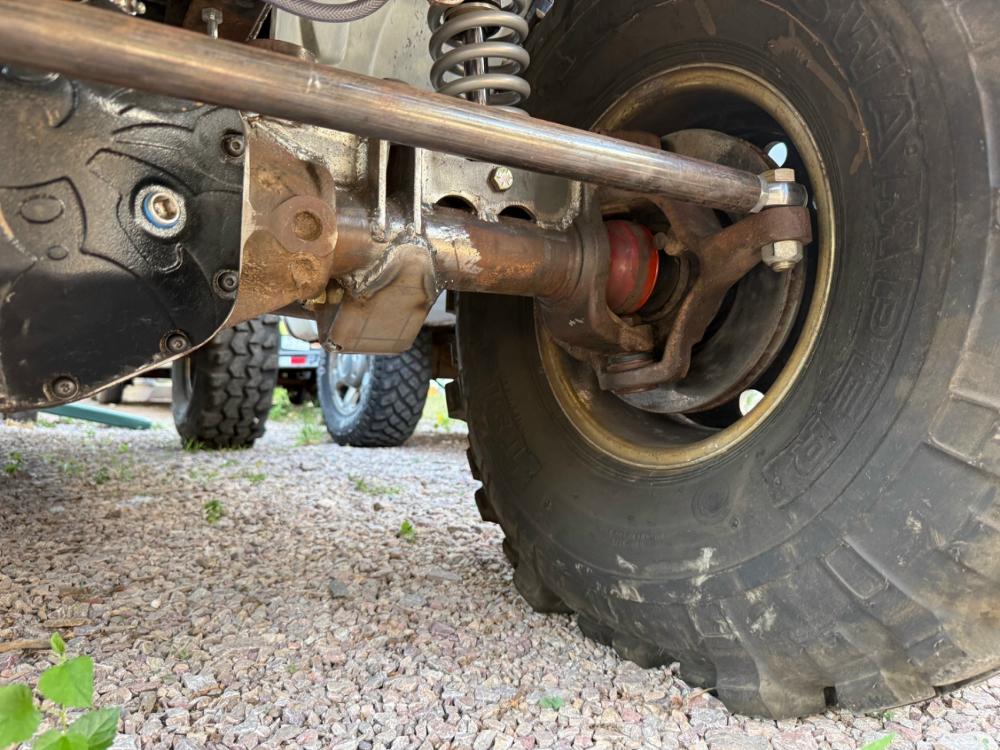
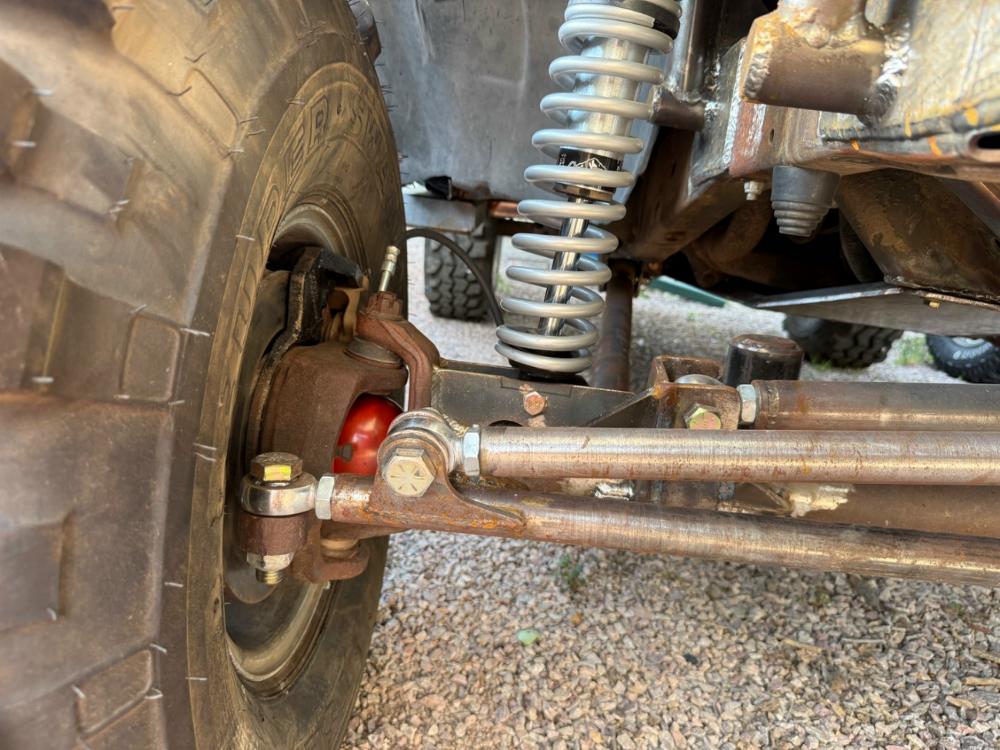
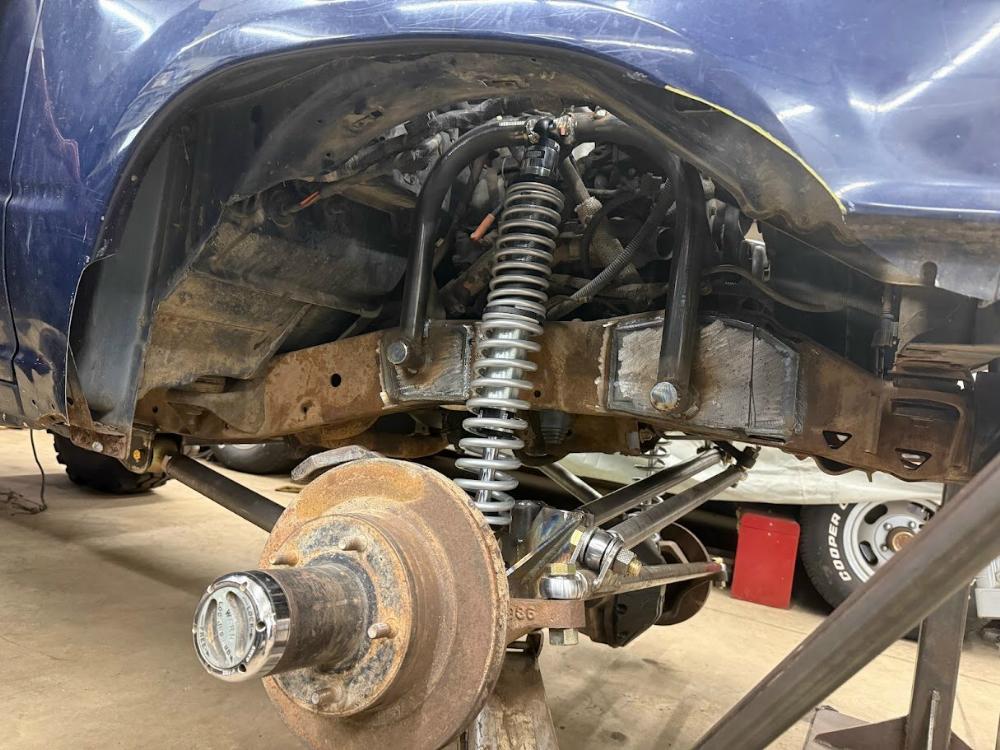
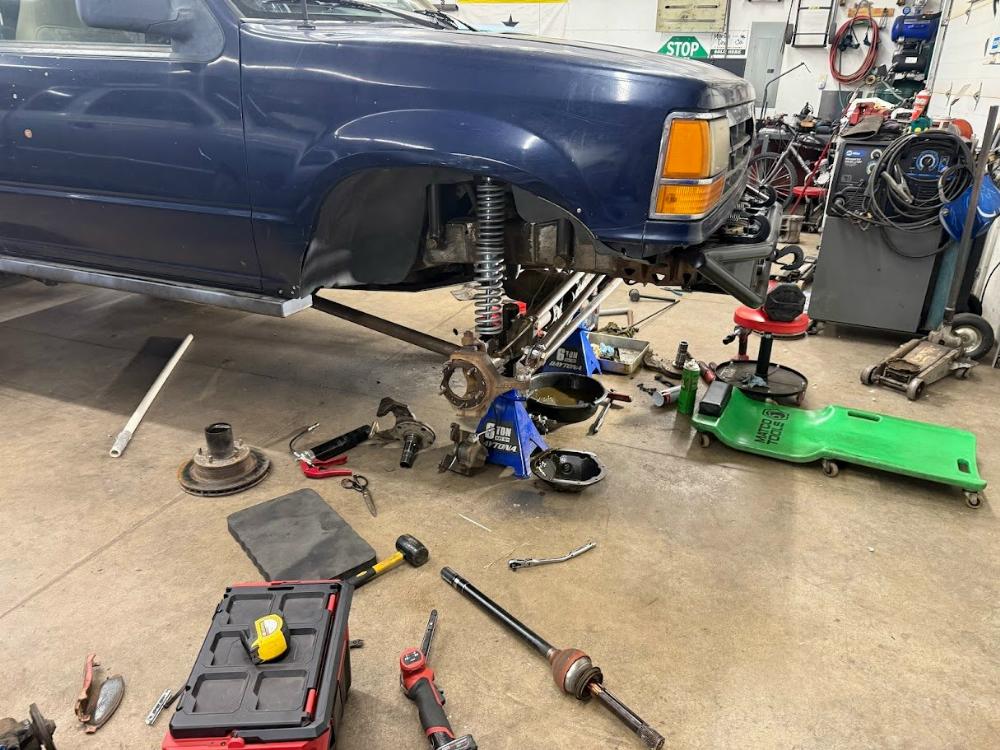
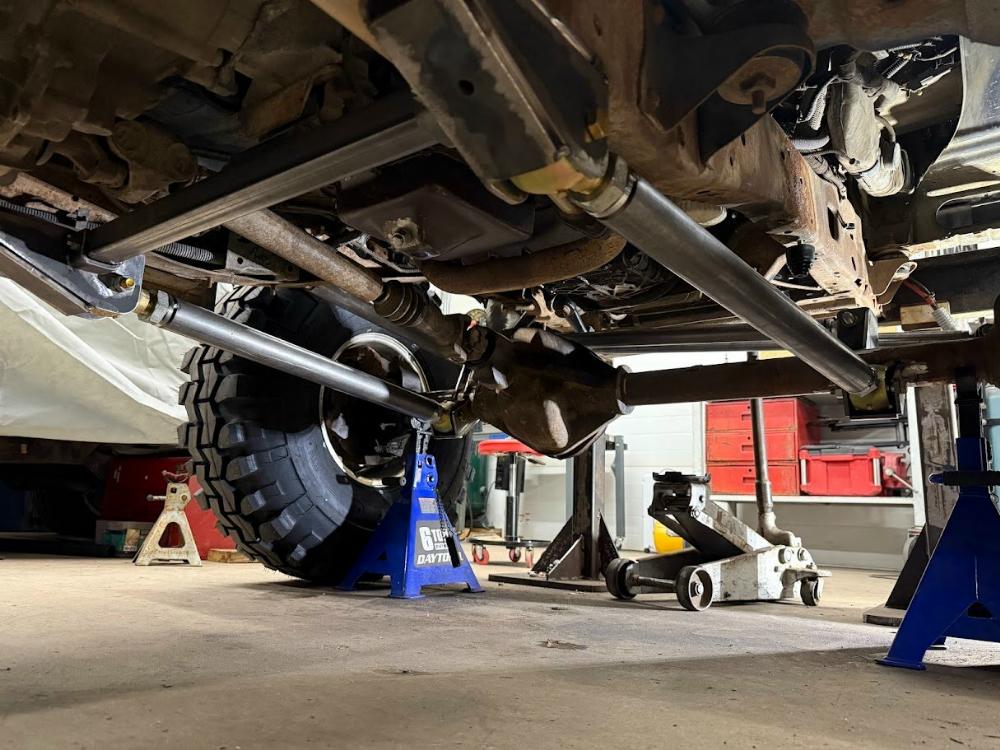
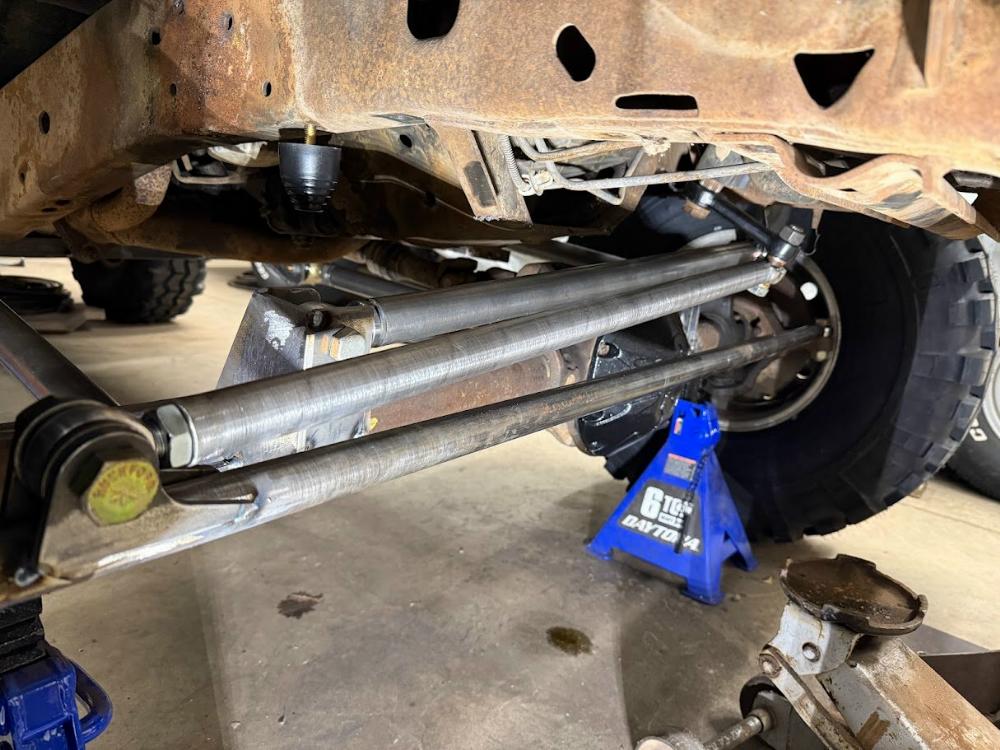
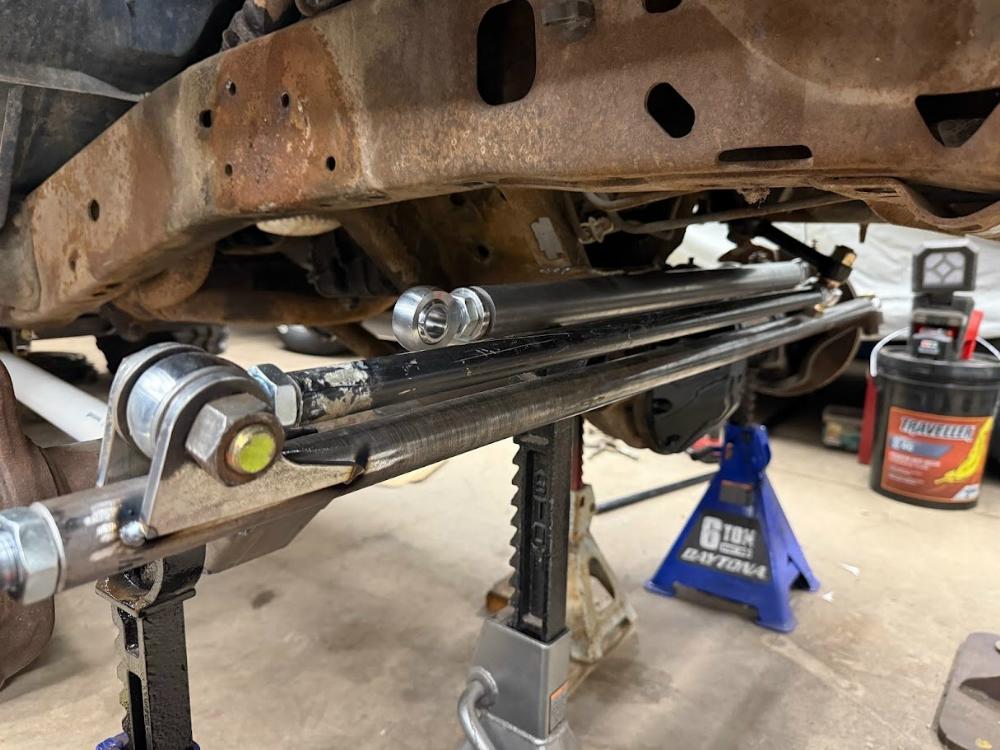
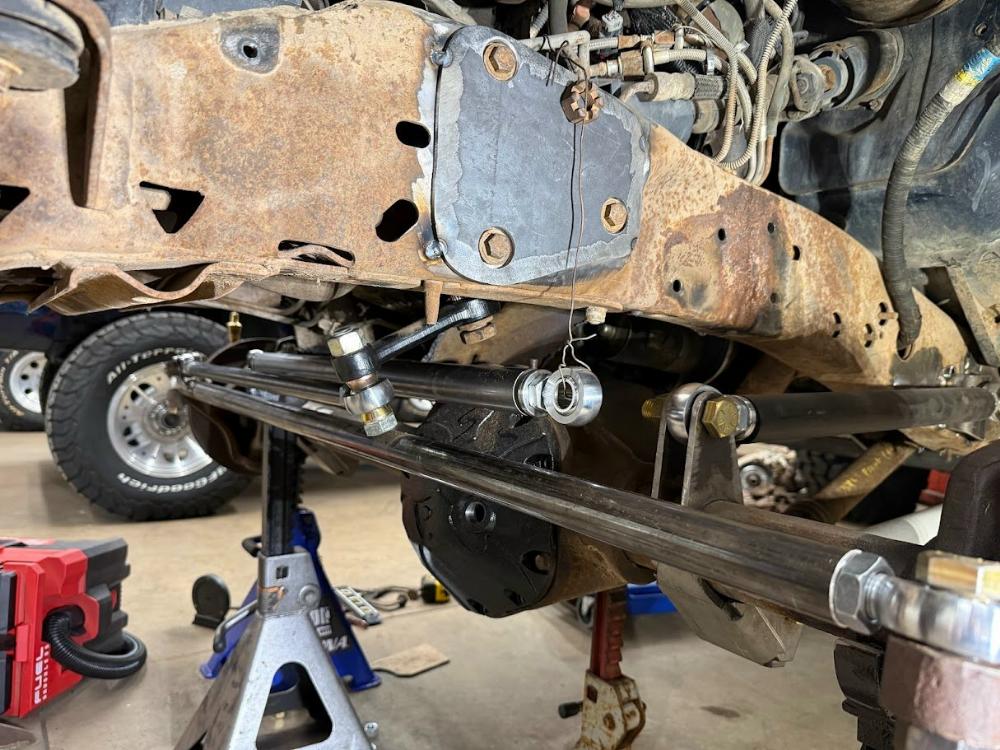
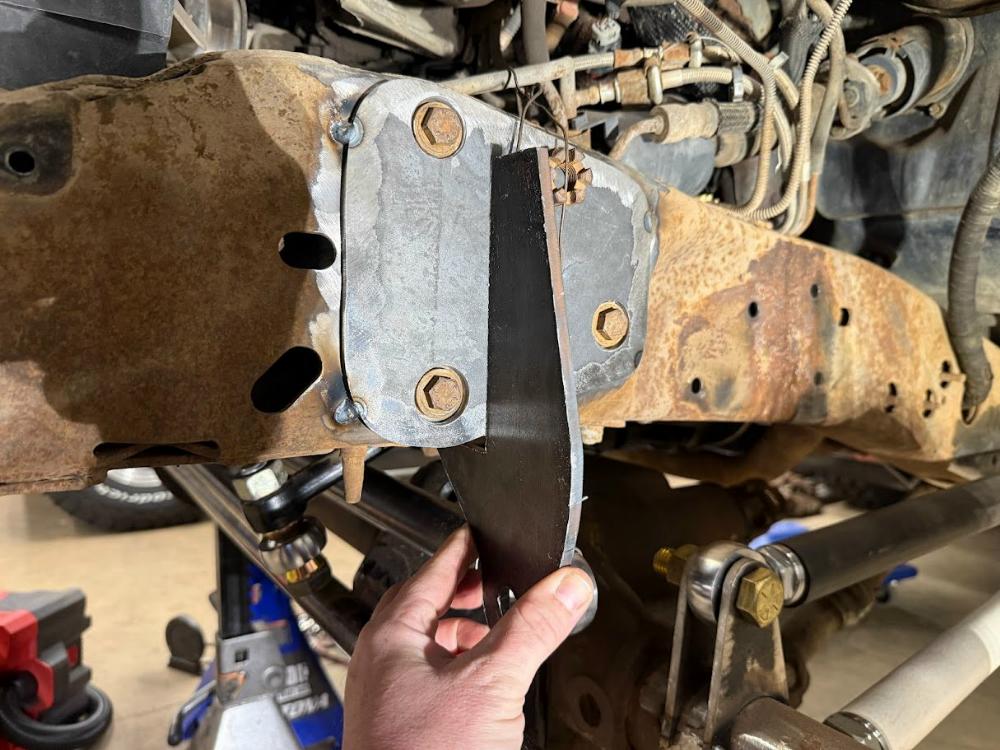
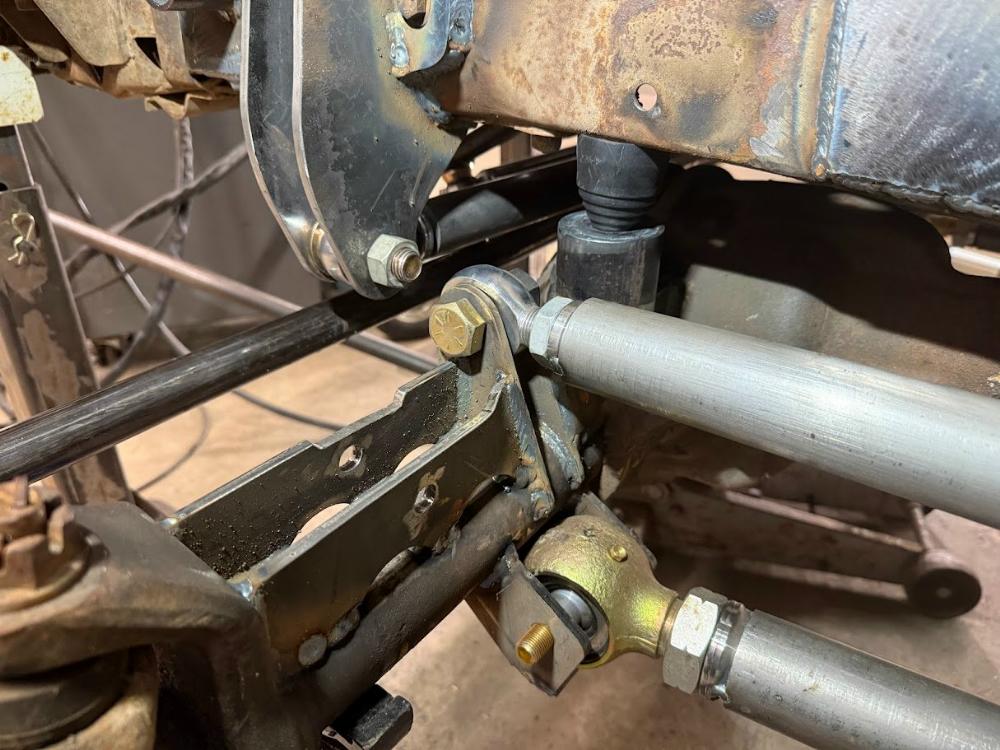
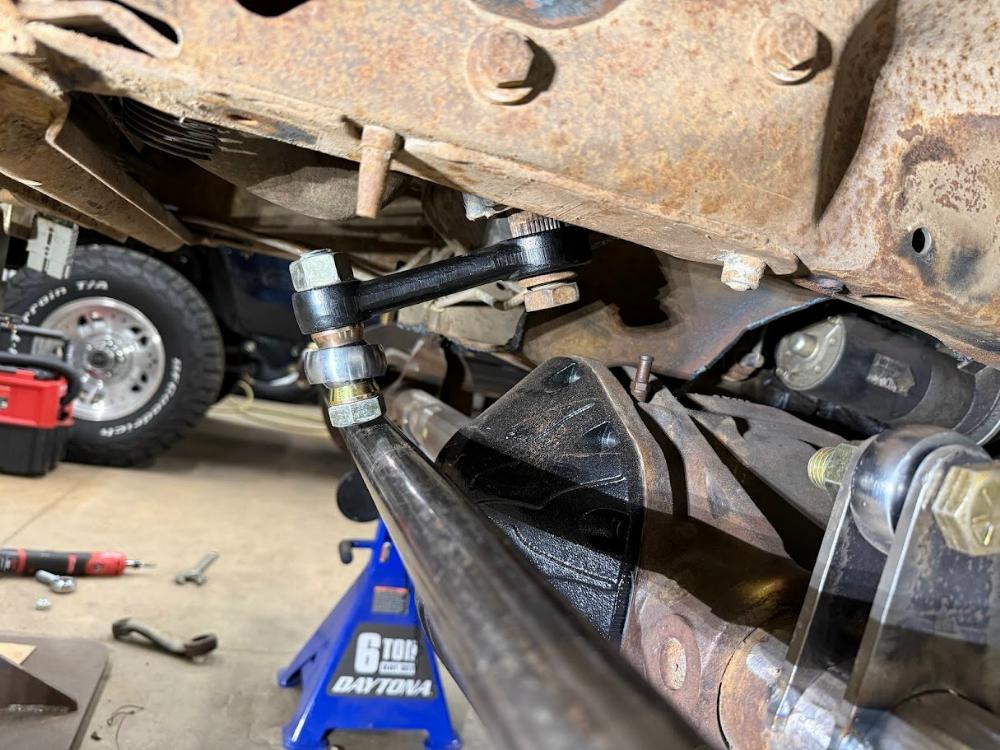
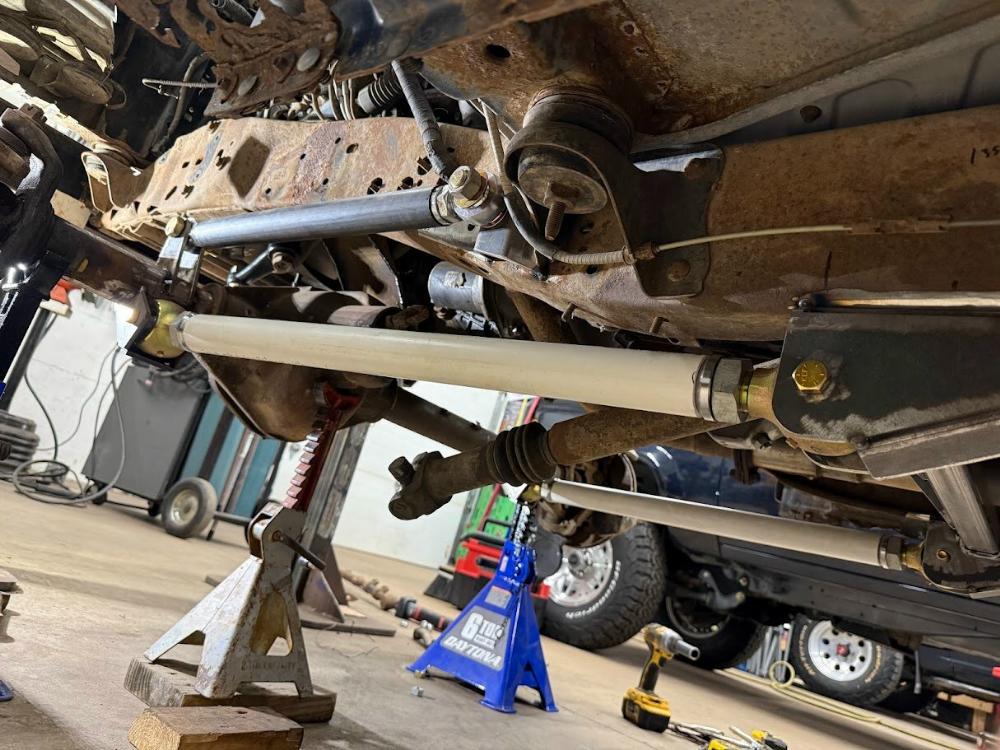
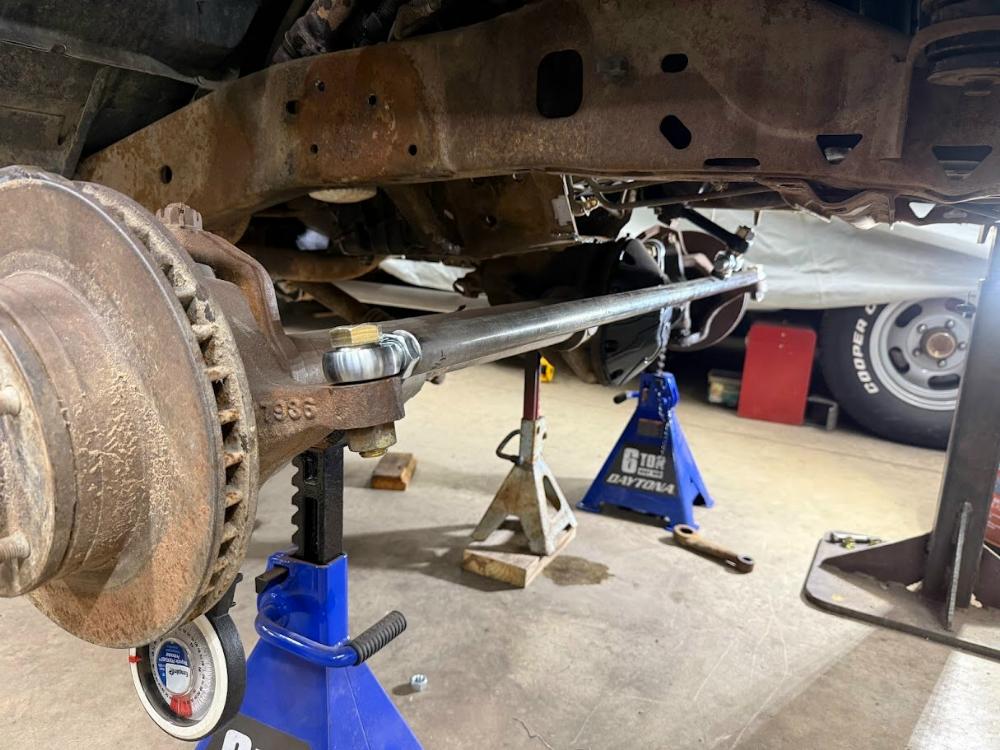
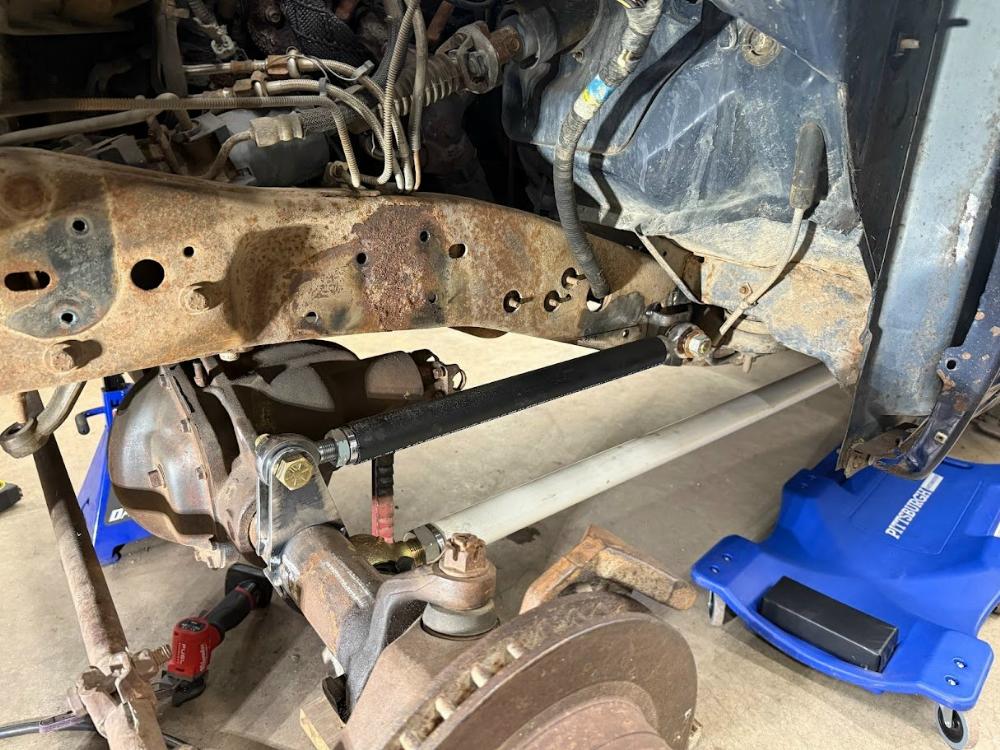
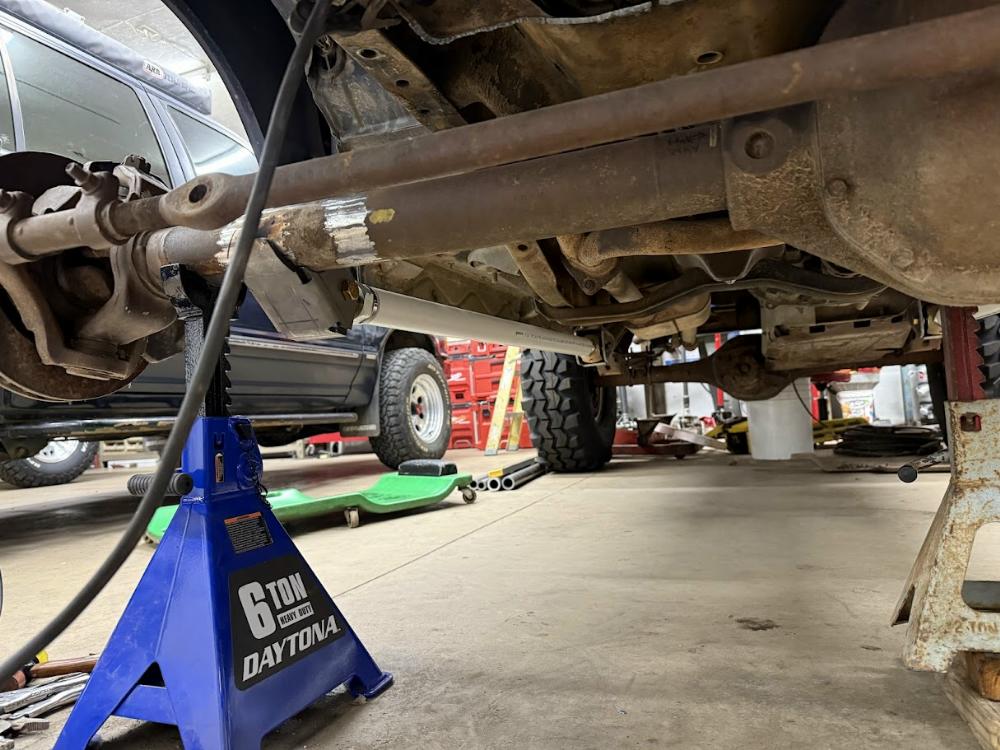
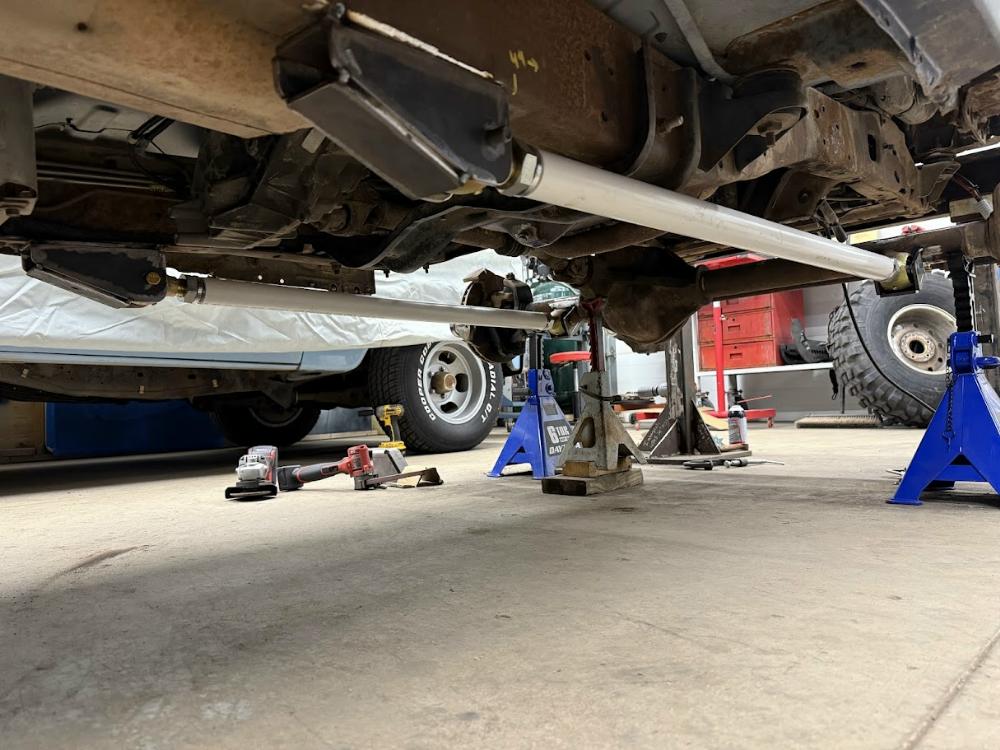
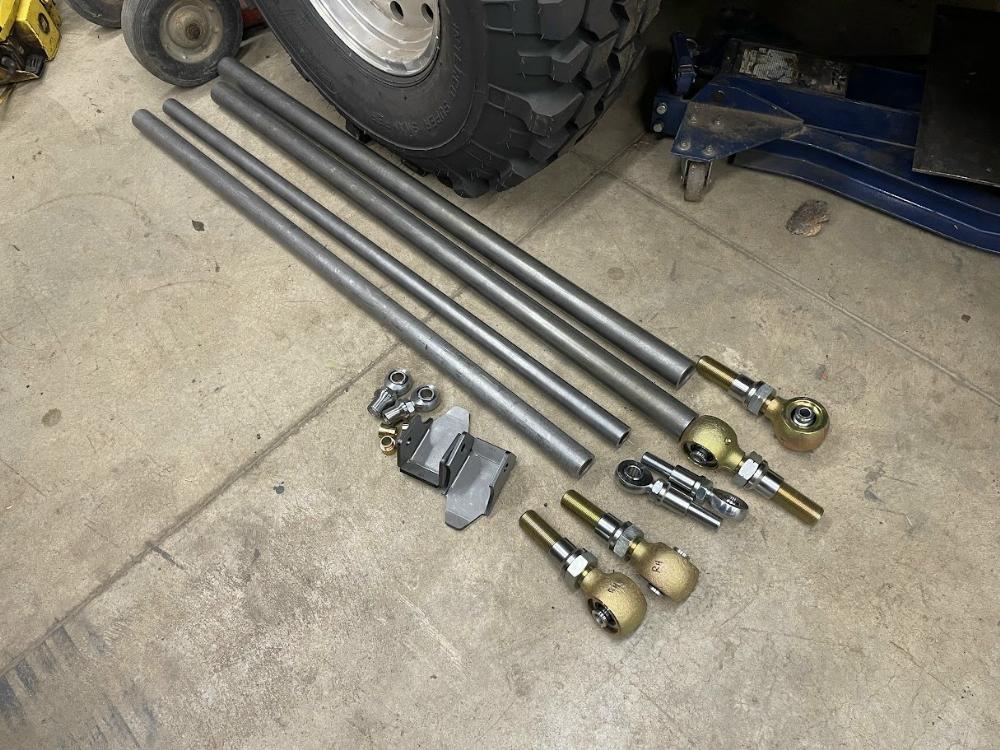
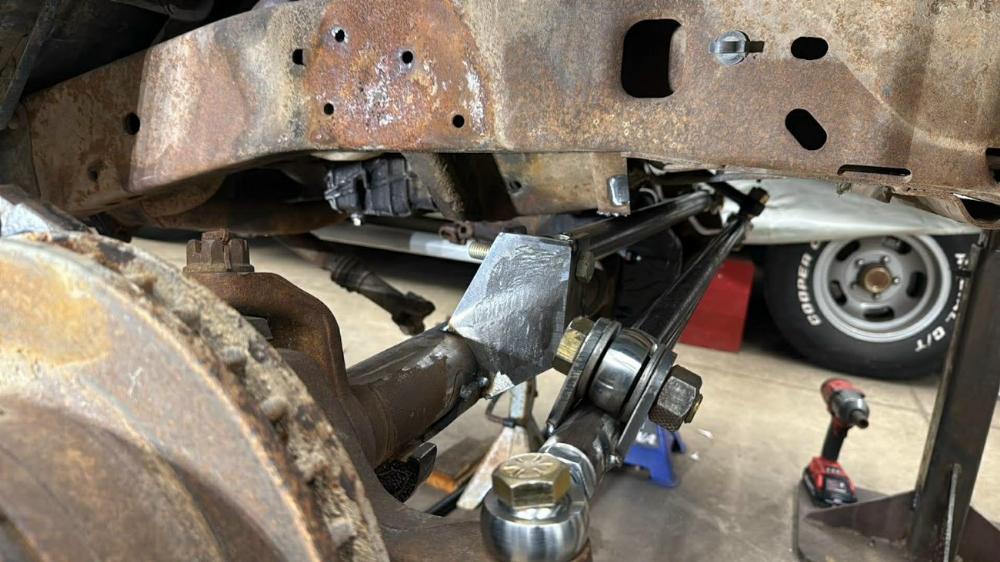
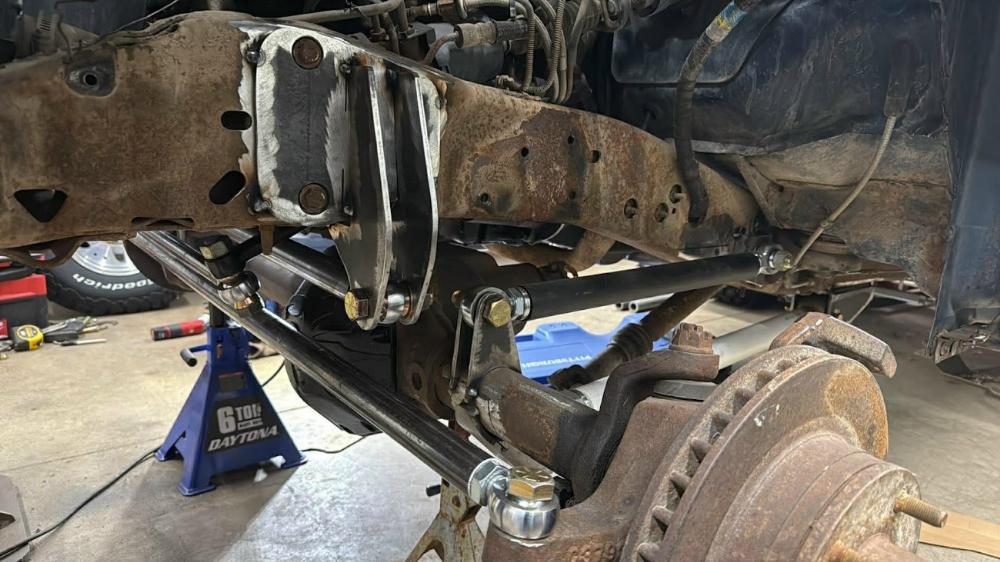
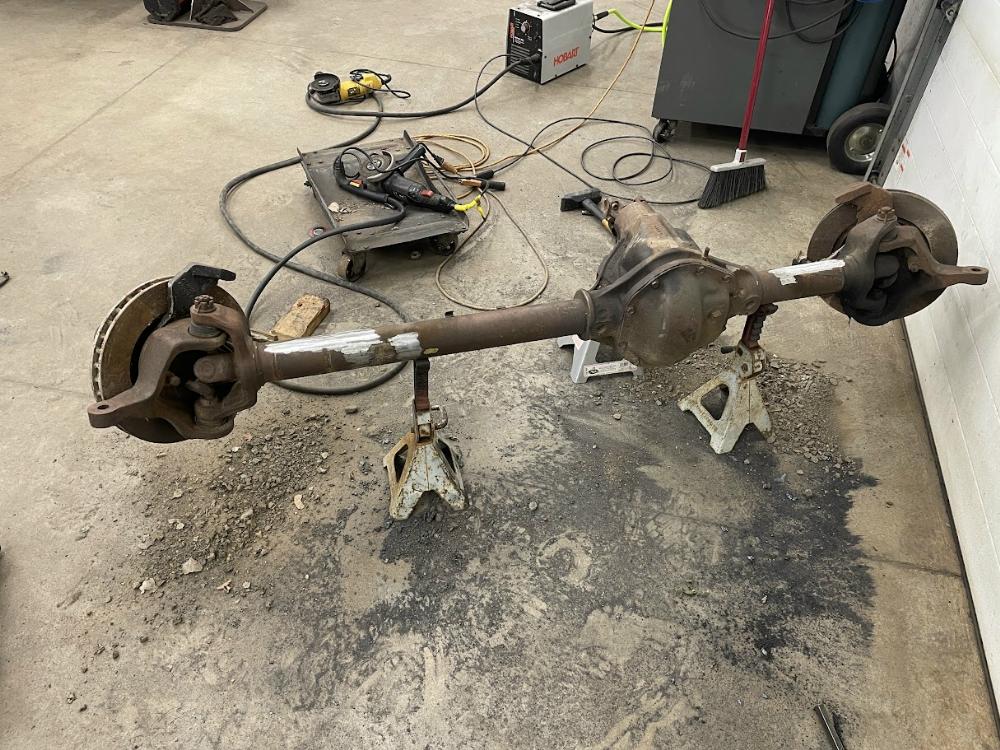
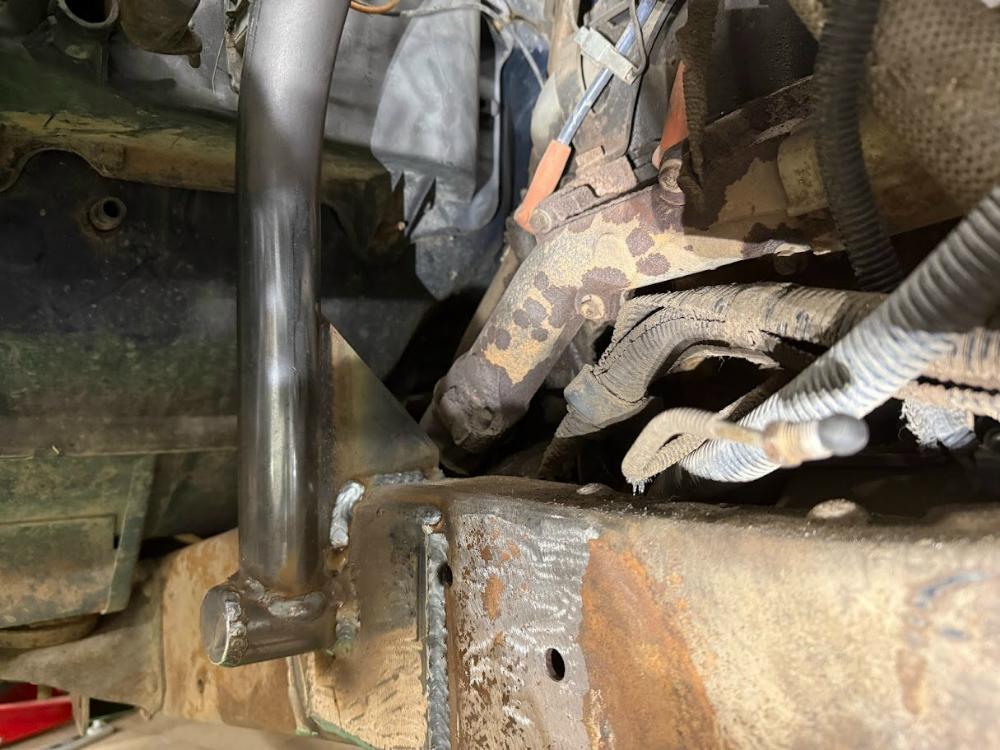
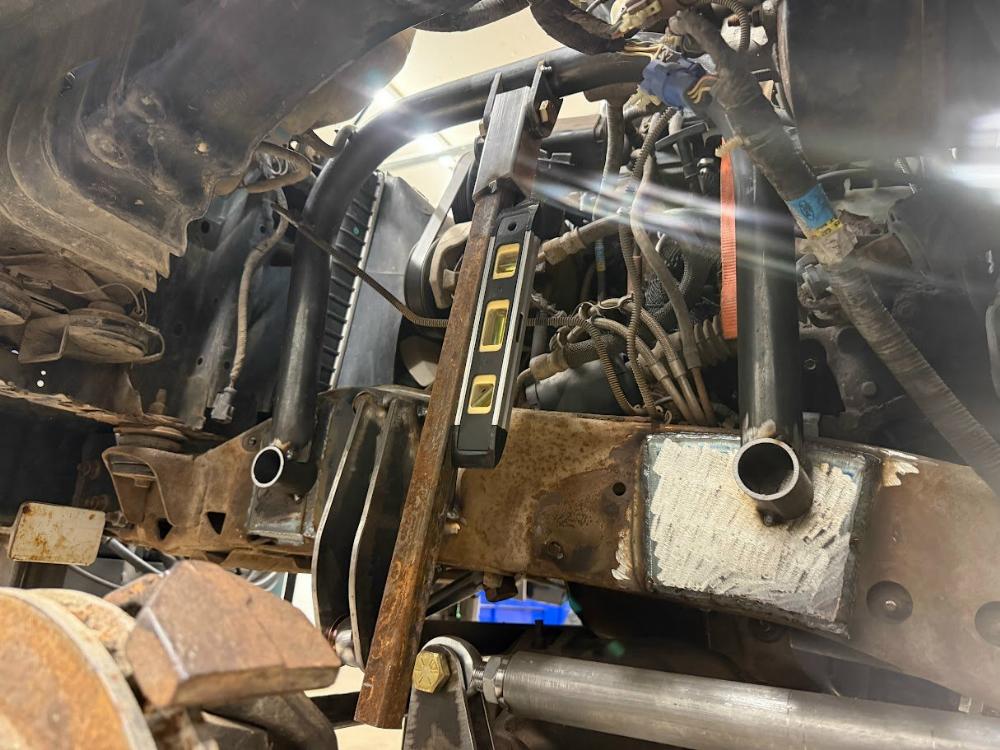
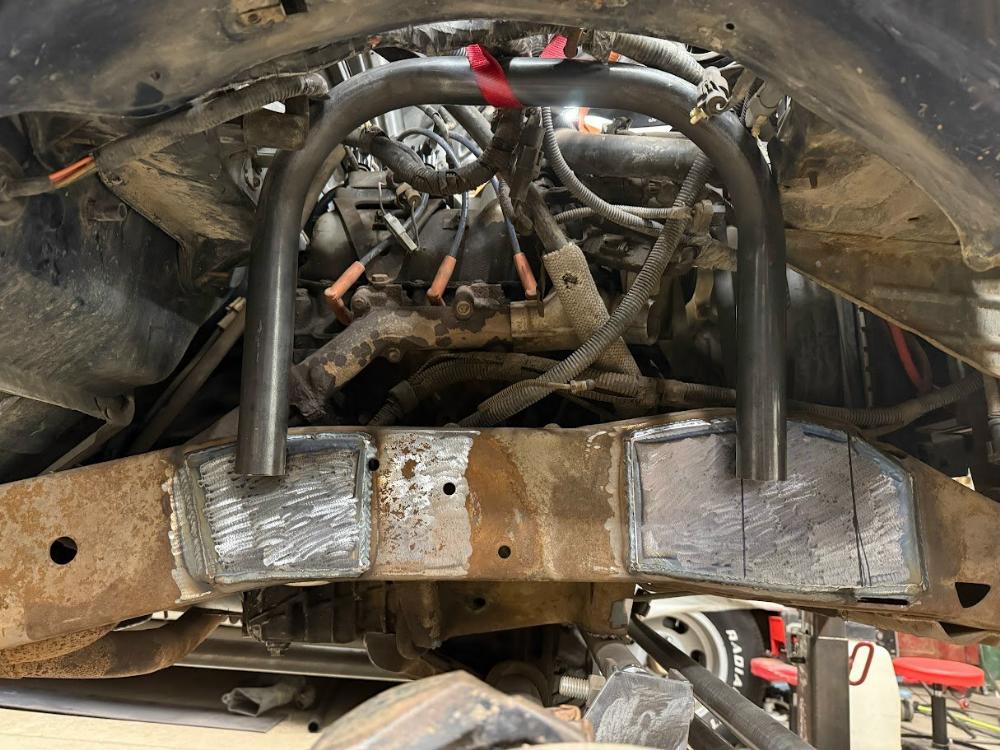
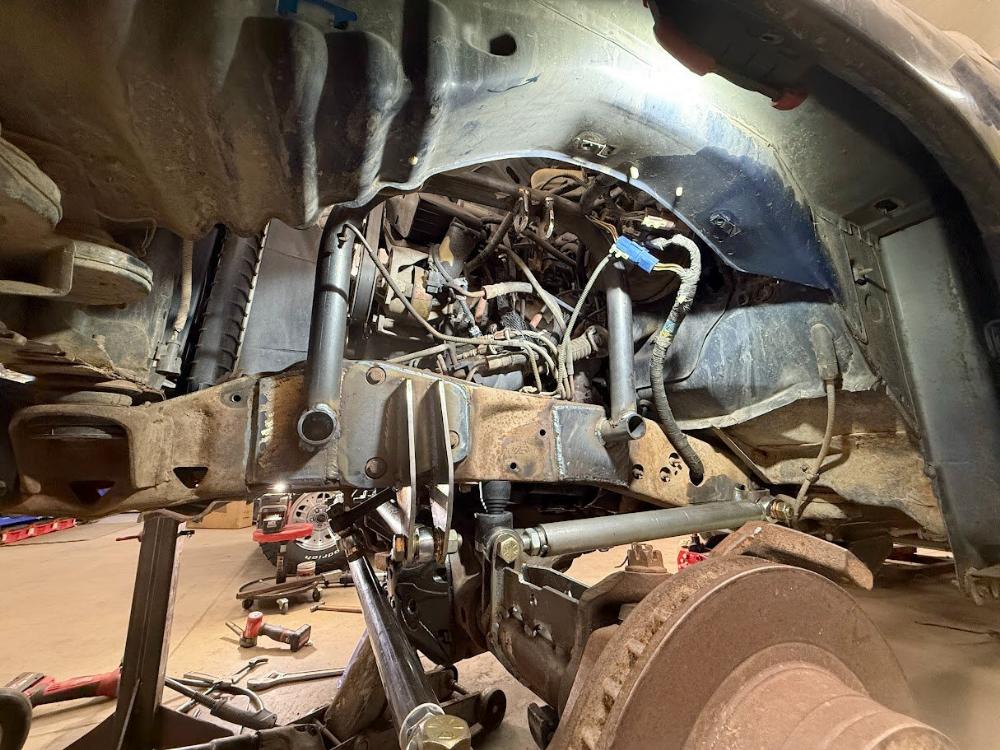
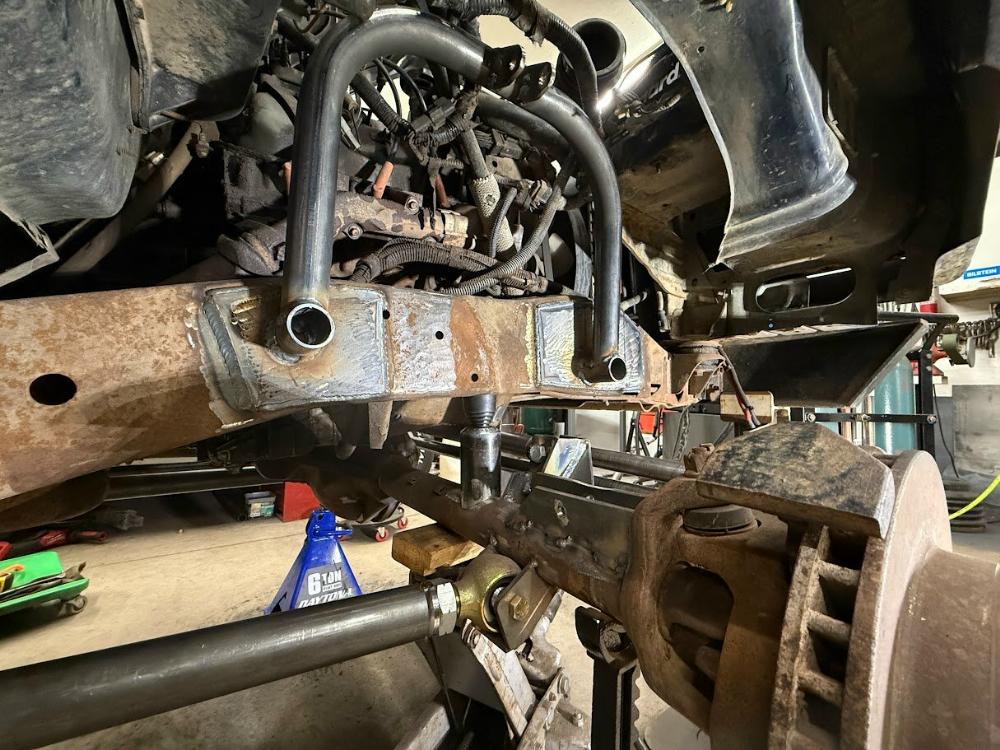
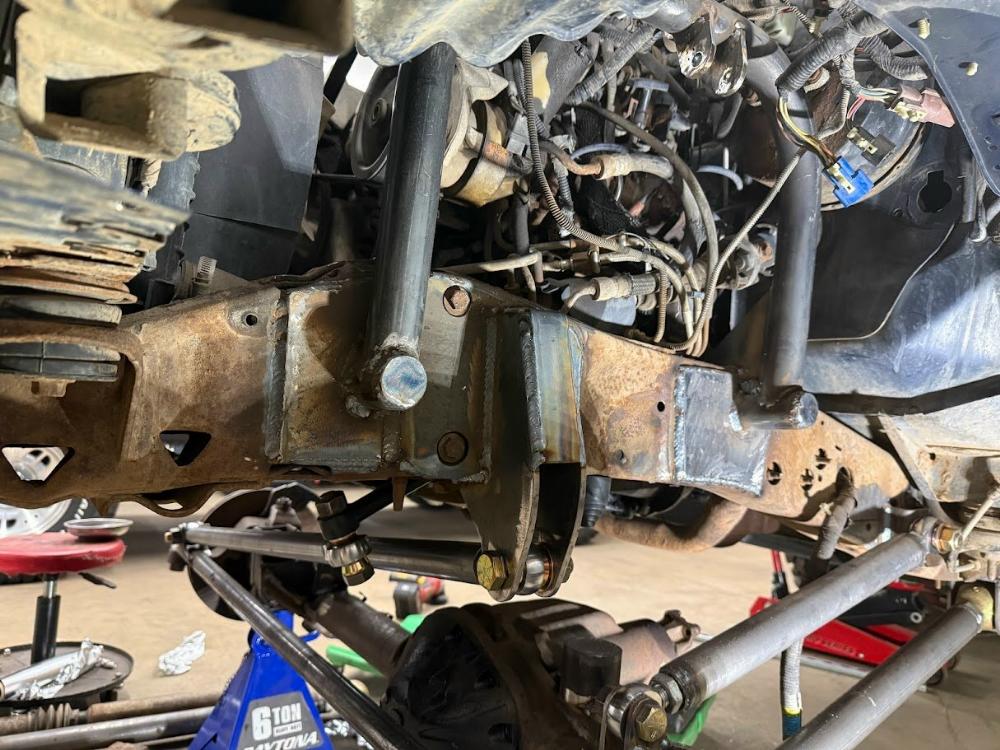
One of the challenges of converting the Explorer to a solid front axle was finding room for the suspension components and shock towers. The original TTB suspension was removed and replaced with a custom three-link setup built using DOM tubing, Enduro joints, and Heim joints.
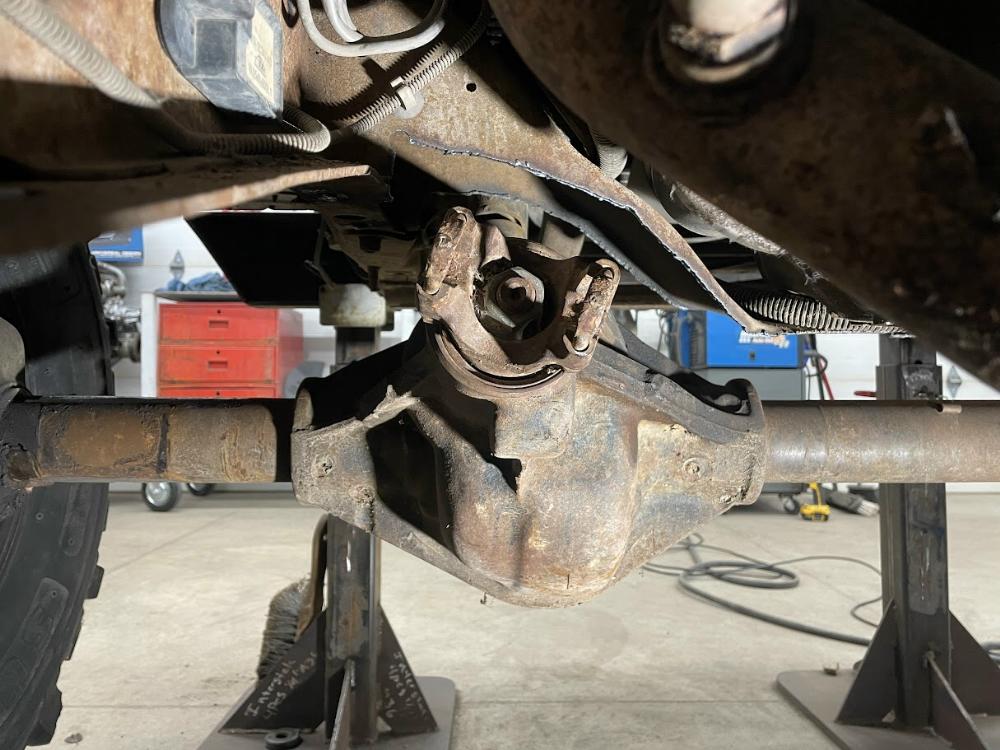
The front axle came from a friend’s old mud-racing truck. It is a full-width Dana 44 from a 1975–1977 Ford F-150.
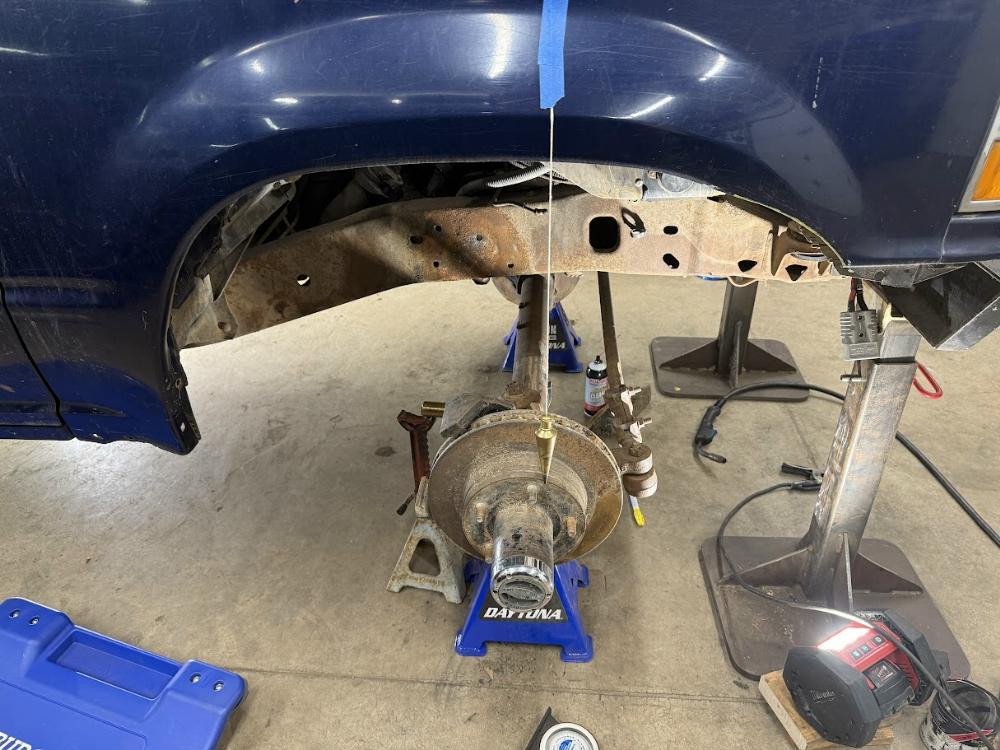
The original lower links were approximately 46 inches long. After getting advice about the suspension geometry and upper-link arrangement, he shortened them to approximately 32 inches. There was plenty of trial and error involved in getting the link placement, axle position, caster, steering, and driveshaft clearances where they needed to be.
The front suspension uses Fox 2.0 coilovers with 12-inch stroke and AccuTune springs. Shran worked toward approximately three to four inches of uptravel and six or more inches of downtravel. The finished setup was reported to provide about 14 inches of front suspension travel.
The steering required custom drag-link and steering-linkage work, but the factory Explorer steering box was retained. Shran initially looked at using a two-wheel-drive F-150 pitman arm, but ended up using a Dorman 541419 arm originally listed for a 1984 Ranger 2WD with the 2.0L engine. Its nearly flat profile provided the clearance he needed.
There were also some fitment issues with the front driveshaft and yokes. The pinion and transfer-case yokes had to be clearanced to make everything work. The RCV axle shafts presented another challenge: their taper profile kept them from seating properly because of interference with the Auburn limited-slip carrier. Shran carefully removed a small amount of material from the carrier openings to get the shafts seated.
The Dana 44 runs 5.38 gears and an Auburn Grip-N-Loc limited-slip differential. It also has RCV axle shafts, Nitro drive flanges, and a Riddler differential cover. The factory-style Dana 44 knuckles and disc brakes were retained.
A Ford 9-Inch Replaces the Explorer 8.8
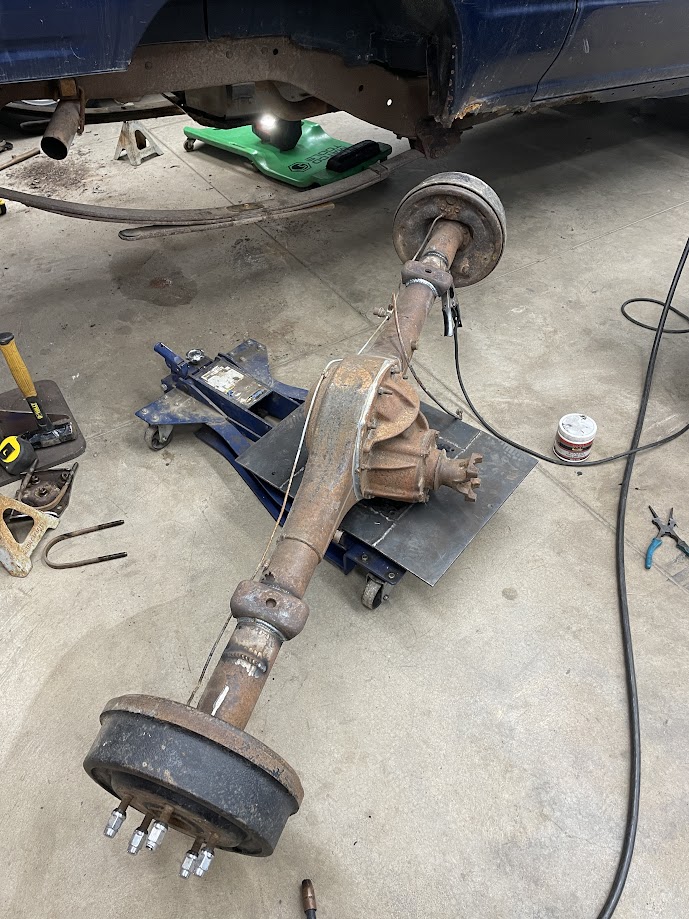
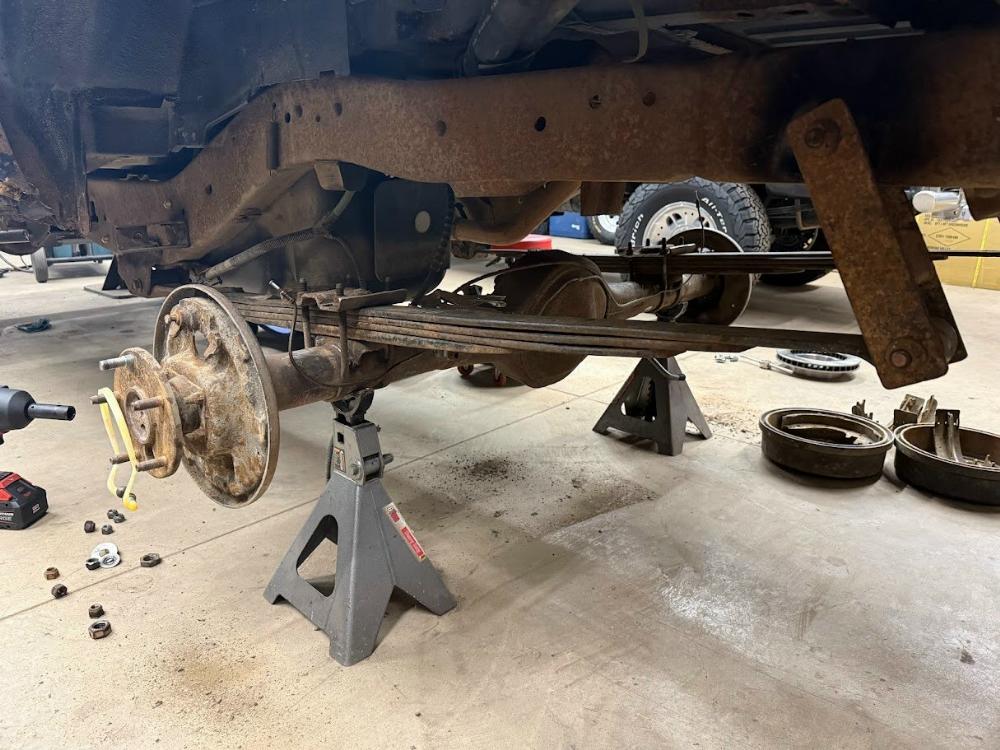
The original Ford 8.8-inch rear axle stayed in the Explorer during the early stages of the project. In April 2024, it was replaced with a Ford 9-inch from the same friend’s 1975–1977 F-150 mud-racing truck that donated the front Dana 44.
The rear axle uses 5.38 gears, a spool, and stock 31-spline axle shafts. The combination gives the Explorer a full-width solid axle at both ends.
One small detail came up when connecting the rear driveshaft. The 9-inch had a 1330-series pinion yoke, while the Explorer driveshaft used a 1310-series joint. Rather than changing the pinion yoke, Shran used a Spicer 5-134X combination U-joint to connect the two different joint sizes.
The rear suspension is a spring-over-axle arrangement. Shran first experimented with the Explorer’s original leaf springs and found that mounting the axle above the springs provided the clearance he wanted without using lift blocks. Those springs were eventually replaced with newer aftermarket four-door Explorer springs, along with new bushings and lift shackles from a parts truck.
After putting the Explorer through its paces in the Black Hills, he found the rear suspension too stiff and plans to try different springs.
Rear Disc Brakes
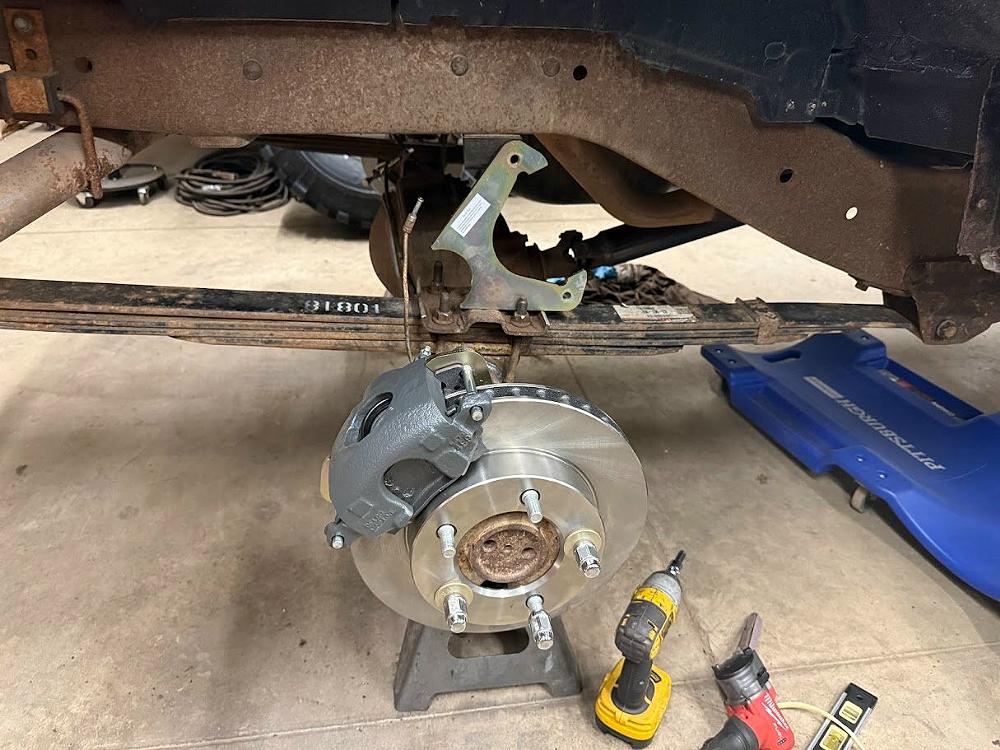
The Ford 9-inch also gave Shran the opportunity to put together a rear disc brake conversion using readily available parts.
The setup uses pre-1978 GM truck calipers, Ford F-150/Bronco rotors, and caliper brackets from Speedway. He had originally ordered brackets from Ruff Stuff, but after waiting several weeks without them shipping, he found a solution through a friend who had the Speedway brackets.
The brackets required some trimming to clear the axle tubes and bearing recesses. He also had to sort out the brake hoses. The hoses listed for a 1985 Buick Riviera provided the fitting arrangement he wanted, since the matching GM hoses he had looked at used male ends.
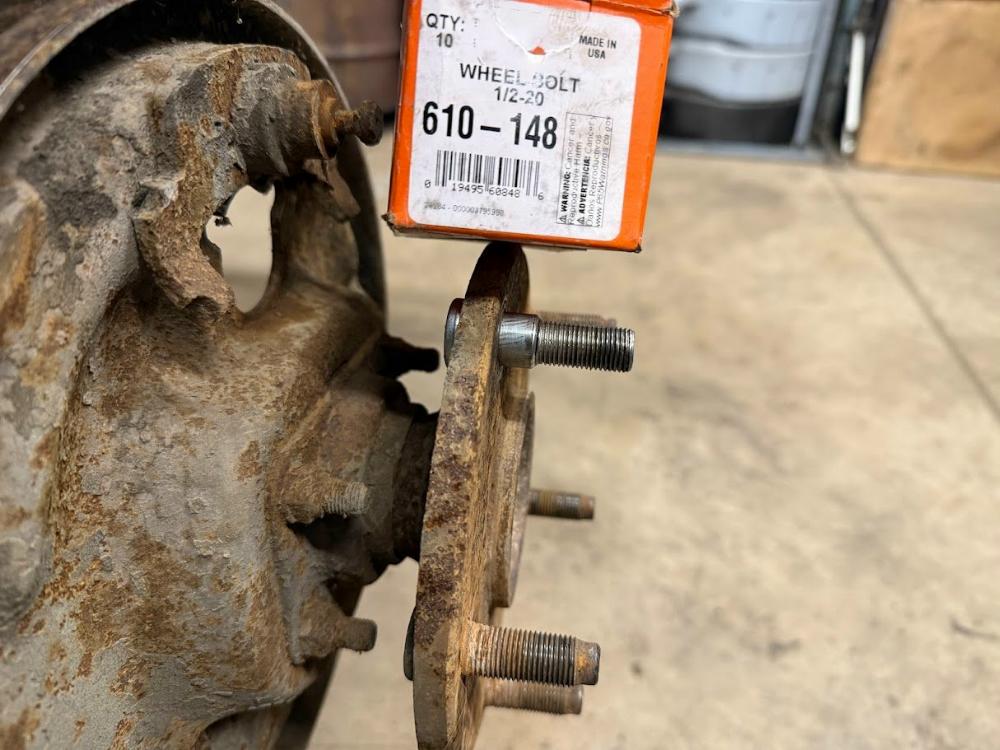
For the wheel studs, Shran used Dorman 610-148 studs listed for a late-1970s two-wheel-drive F-150 front application. Their longer length and wider shoulder helped center the rotor without having to make sleeves or spacers around the studs.
It took some trial and error to get all the pieces working together, but the rear disc conversion was completed and plumbed into the braking system.
Wheels and Tires
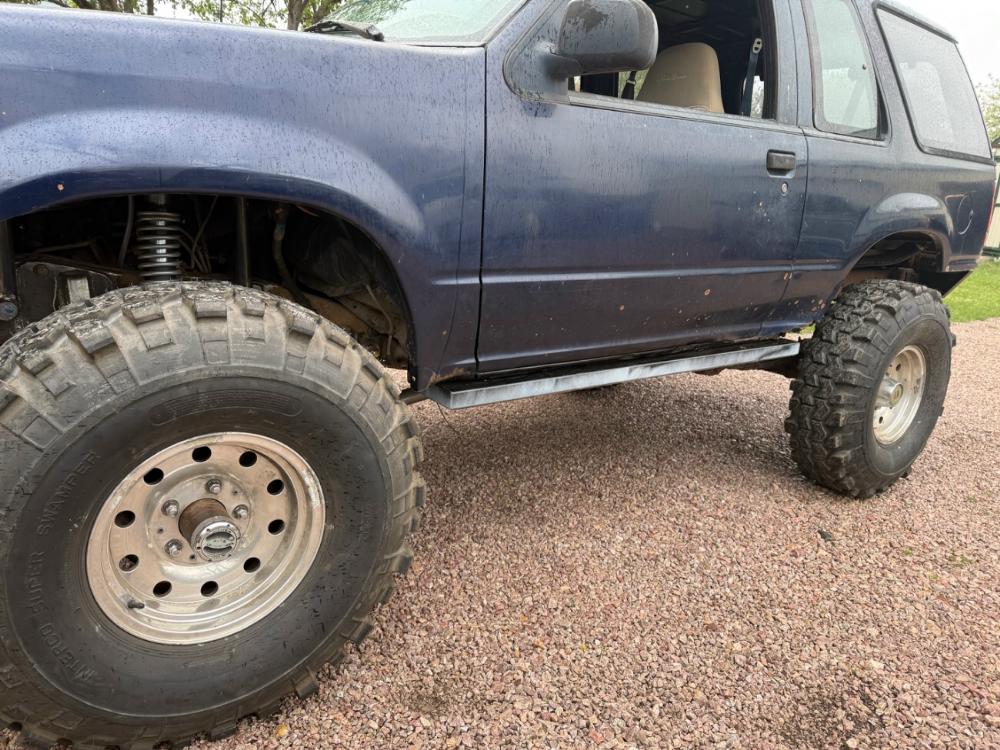
The Explorer sits on mid-1990s Ford F-150 Alcoa aluminum wheels wrapped in Interco Super Swamper TSL Q78-15LT tires. The Q78 tires measure approximately 36 inches tall and 10.50 inches wide.
Shran preferred the narrower appearance of the Q78 over a wider 36×12.50 tire. He had acquired one nearly new tire for free about ten years earlier, but finding a matching spare became more difficult as prices increased. He eventually paid $450 for a fifth tire to complete the set.
During the September 2026 Dakota Territory Challenge, he ran the tires at approximately 8 PSI. They were still fairly stiff, and he thought he could probably air them down to 5 PSI or less once they had more time to break in.
Building the Bumpers, Sliders, and Skid Plates
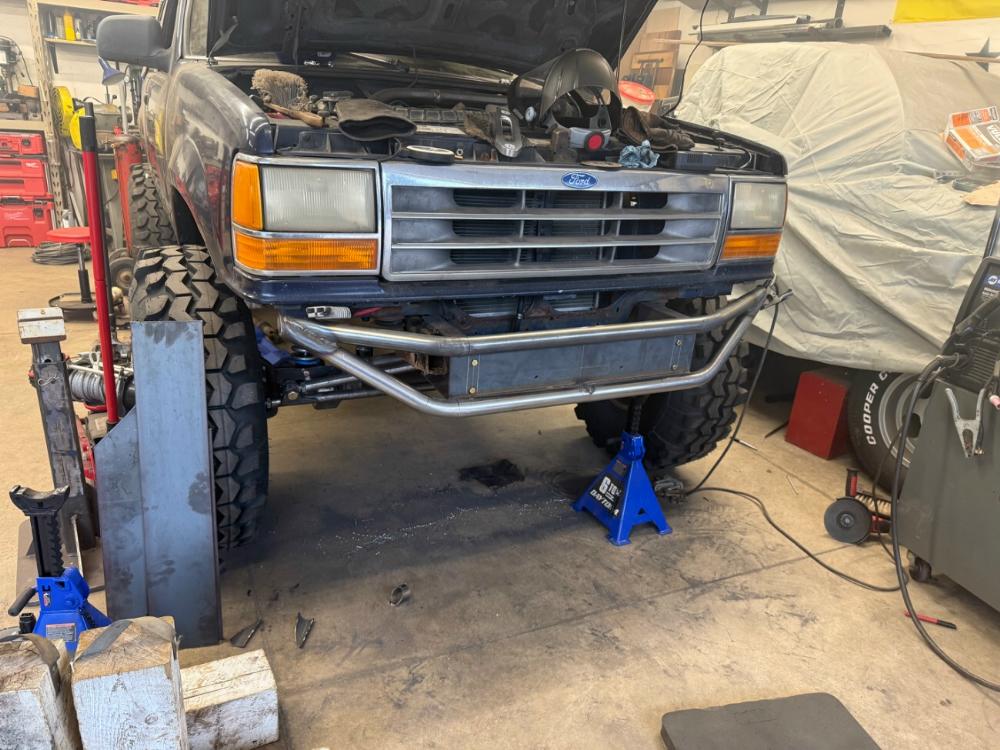
The Explorer received custom front and rear bumpers, along with recovery and protection equipment for trail use.
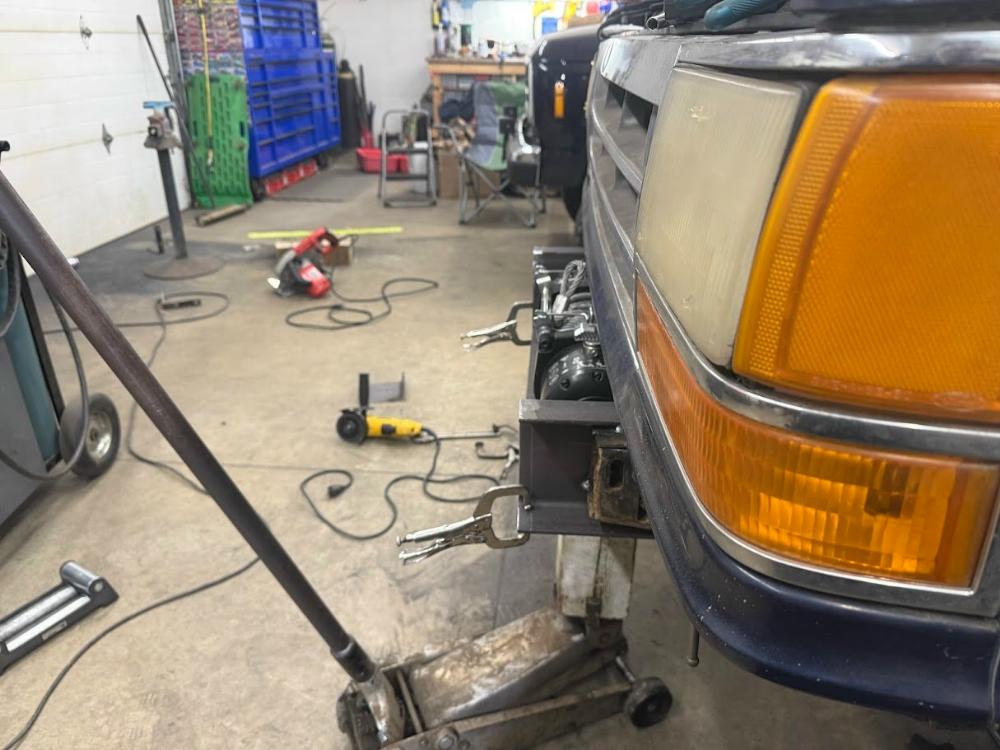
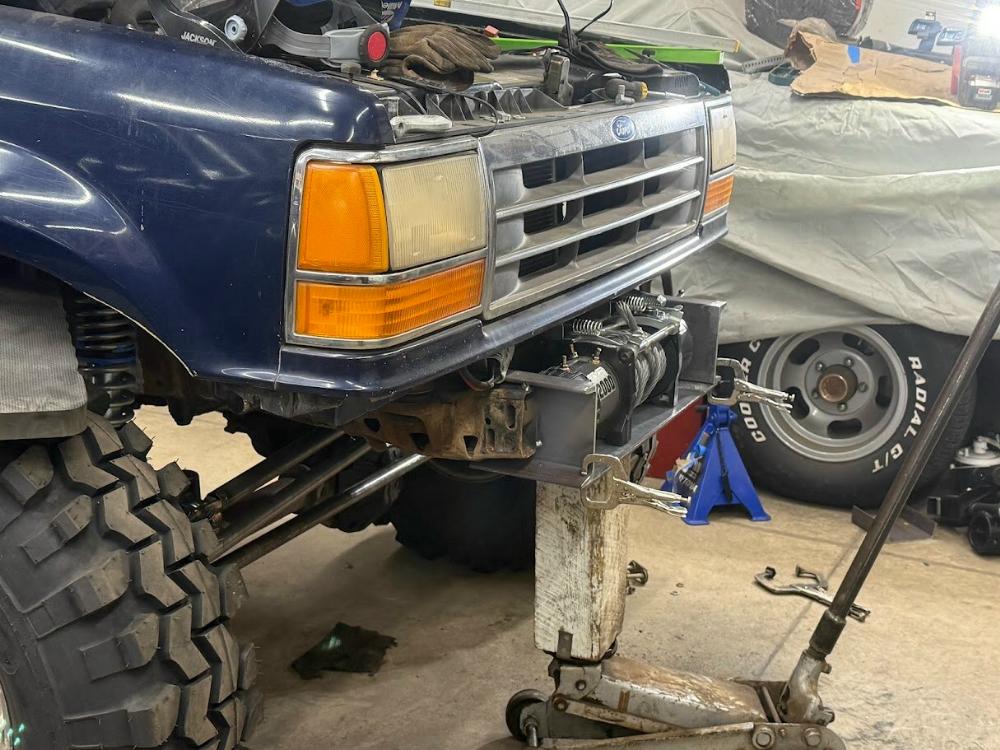
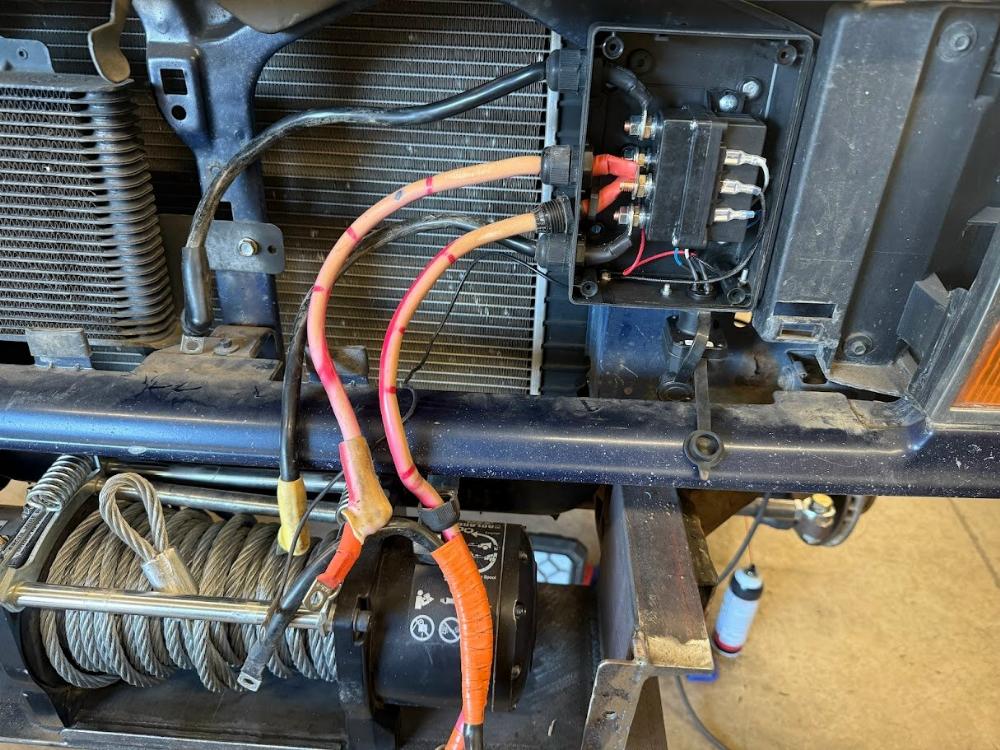
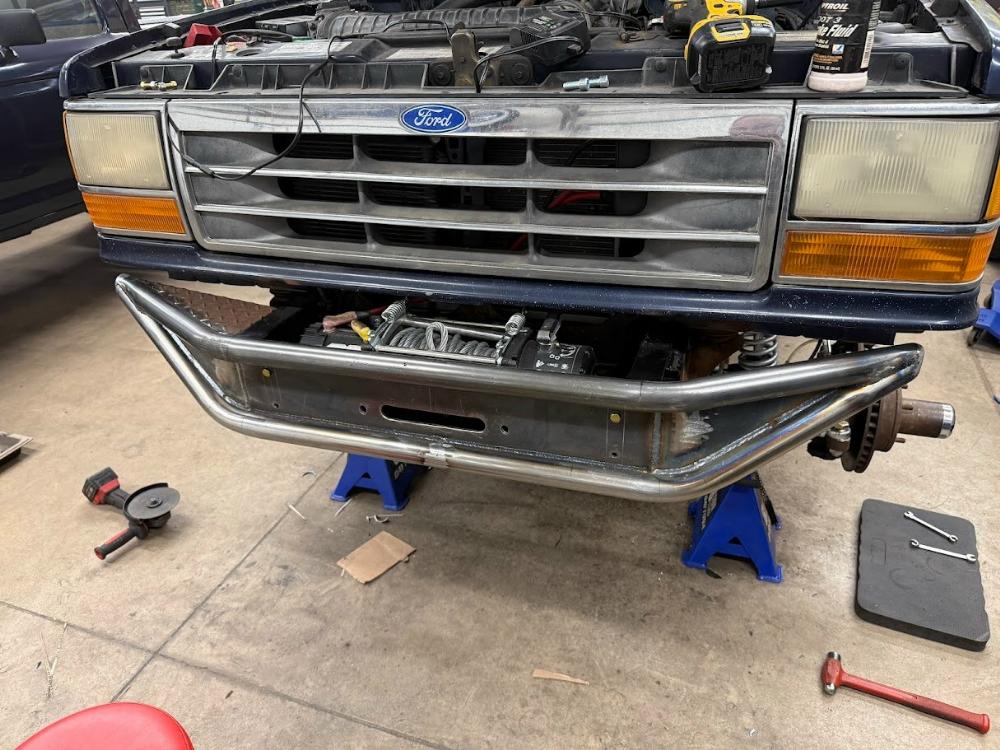
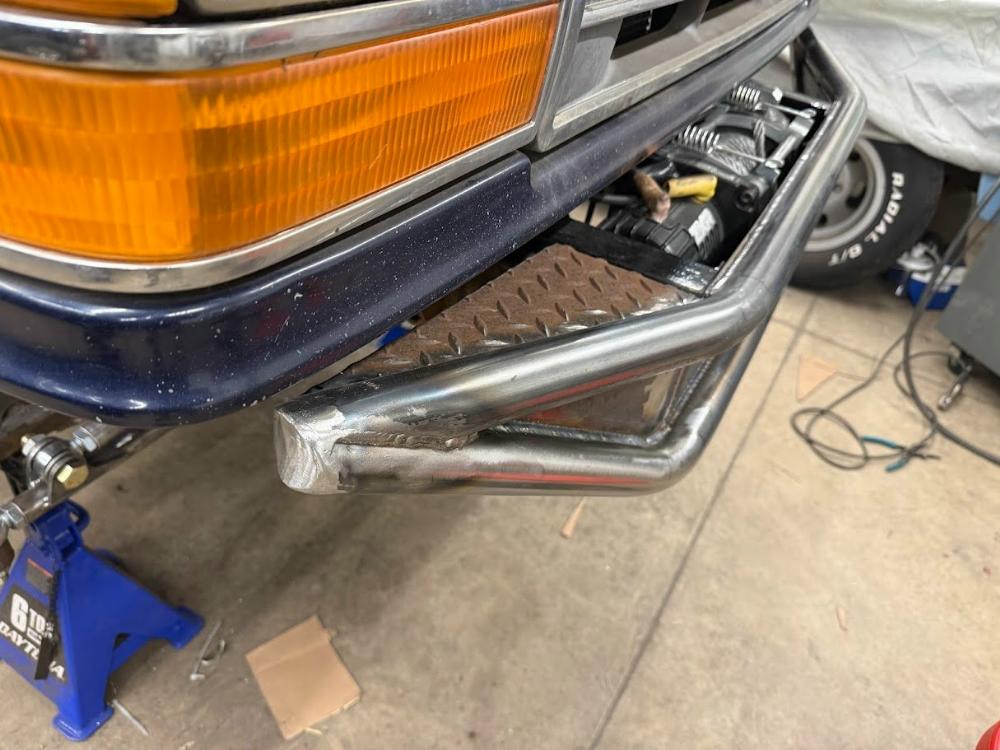
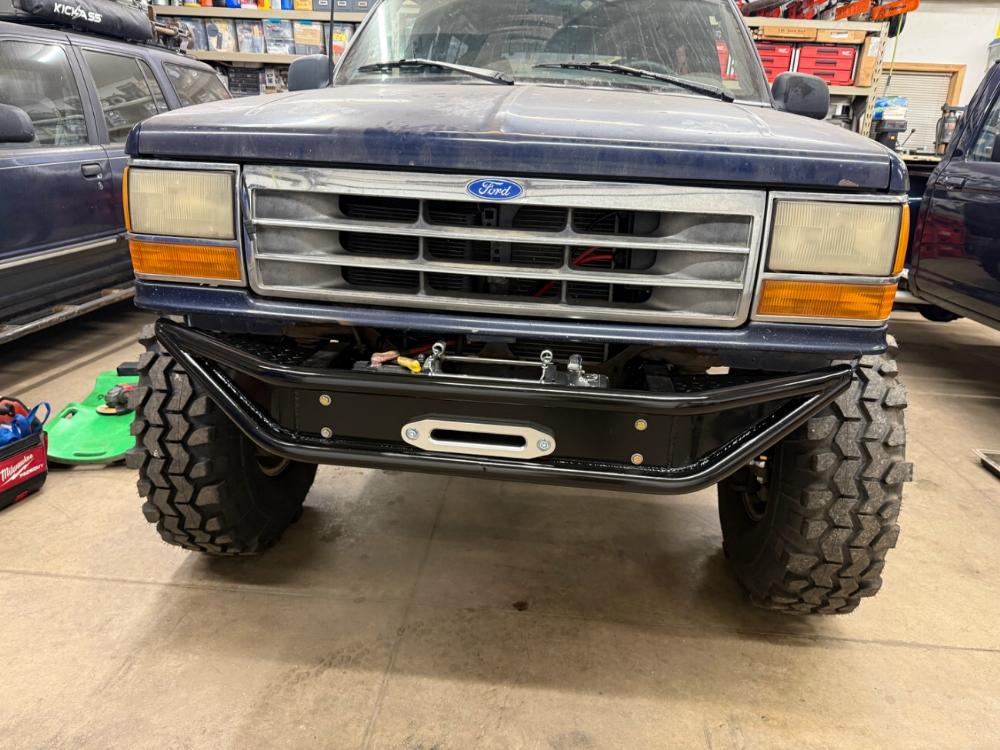
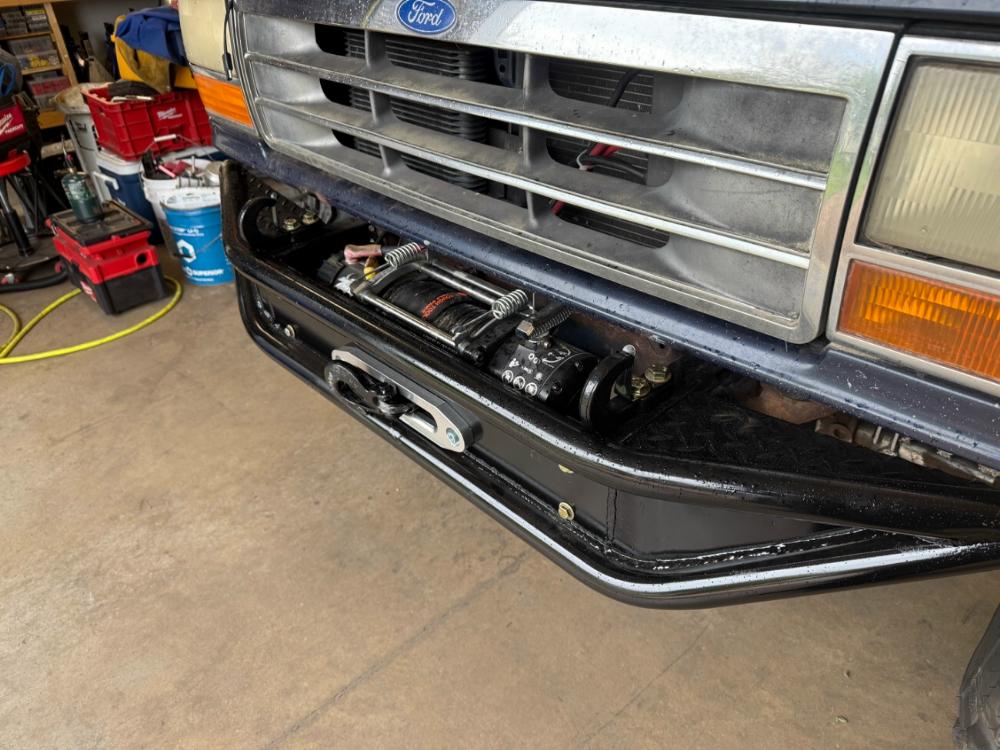
The front bumper was fabricated from tubing rather than starting with a piece of C-channel. A Badland 12,000-pound winch that Shran had removed from his car trailer became the winch for the Explorer. He had previously owned a Warn 8274, but decided against using it because of how far it would protrude from the front and how much it would affect the approach angle.
The Badland’s solenoid pack was relocated so the winch could be tucked farther under the grille. That helped shorten the front installation by approximately six inches. Front recovery hooks and new winch rope were also added.
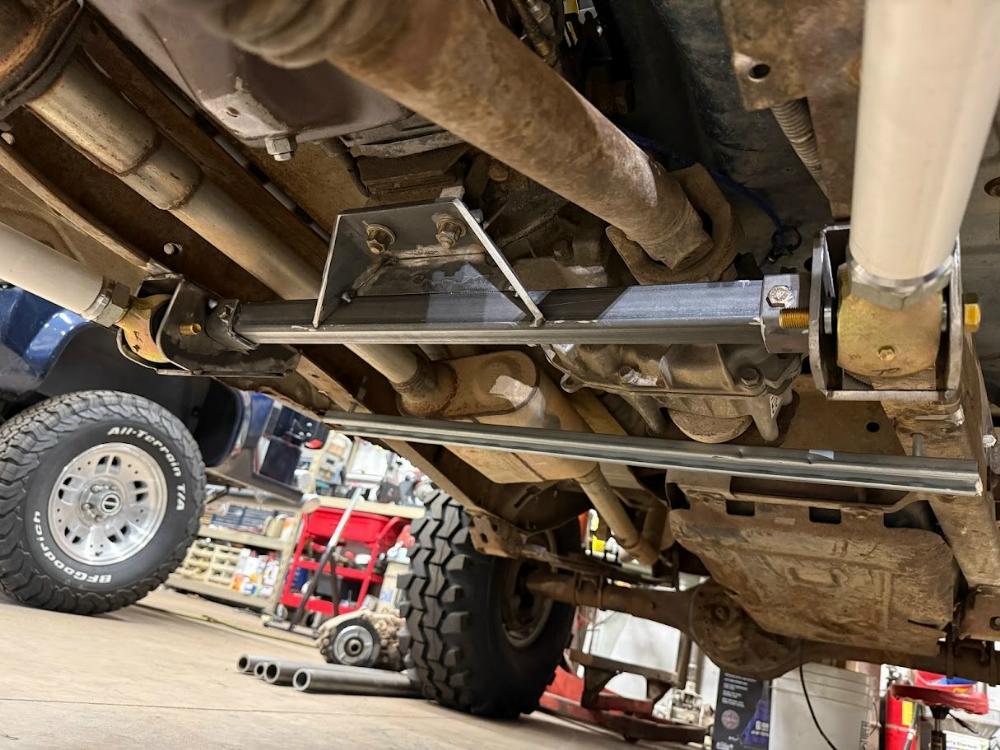
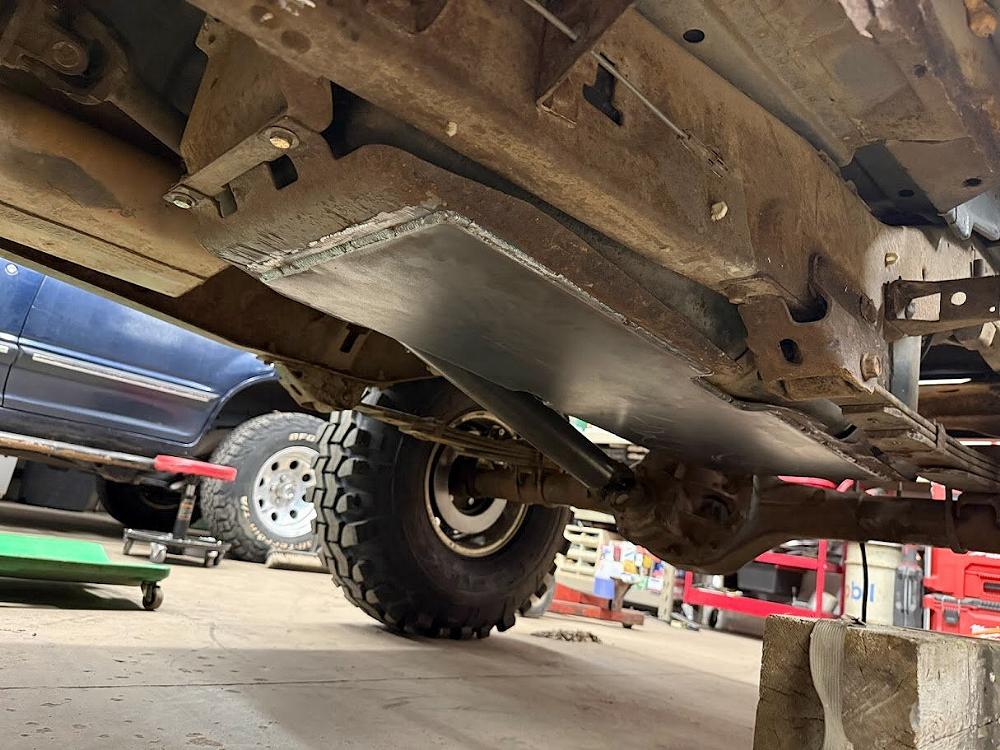
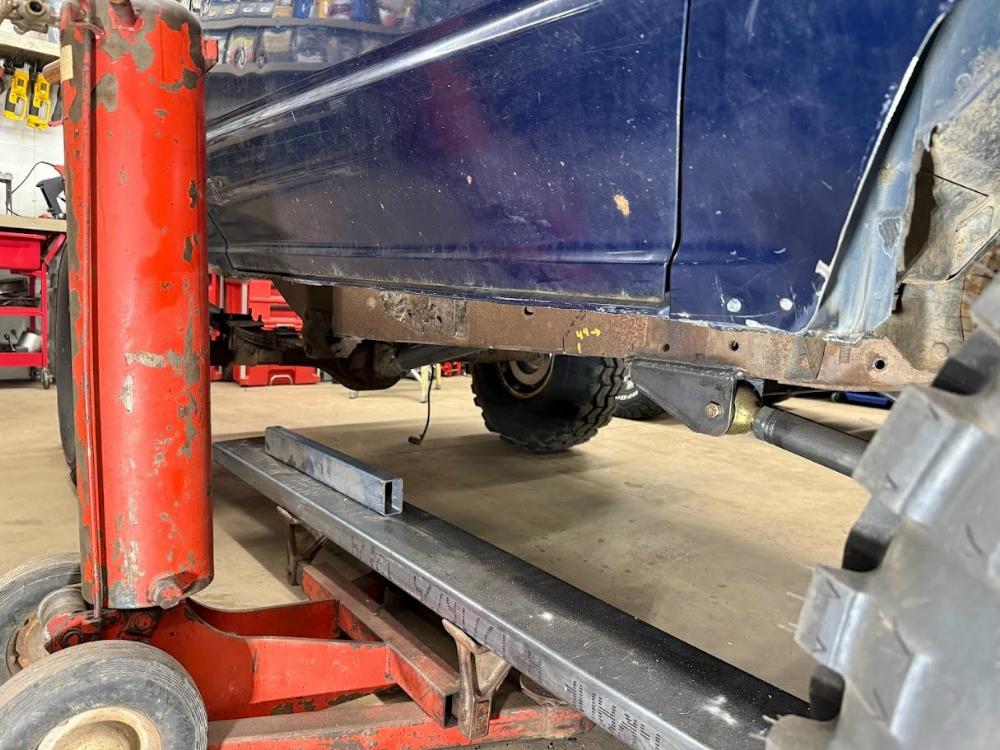
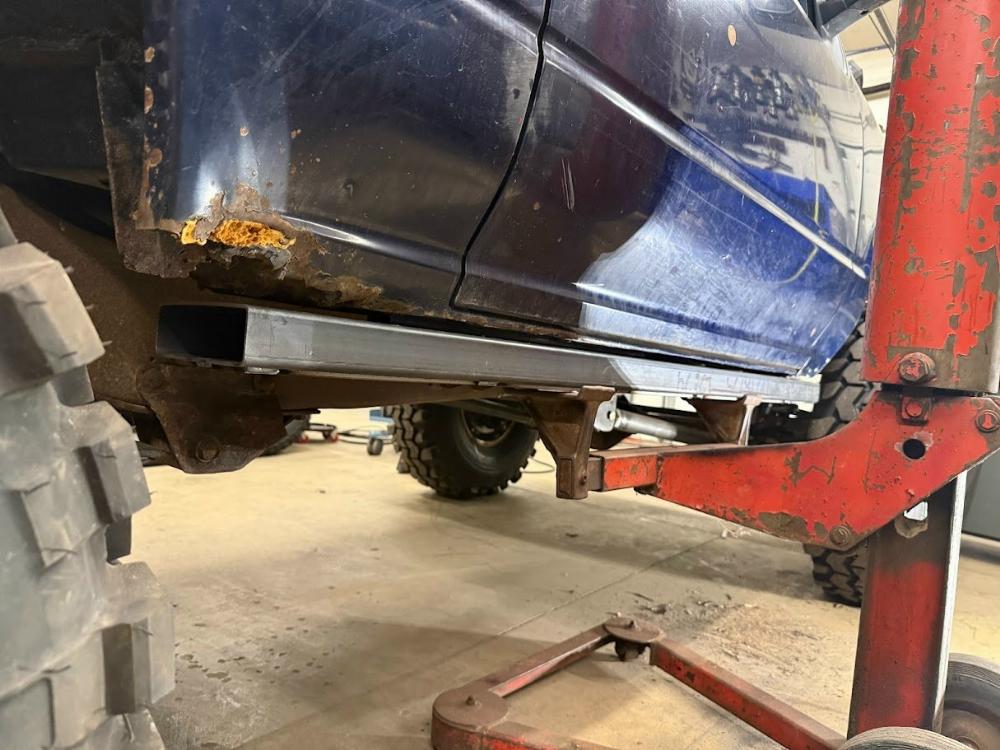
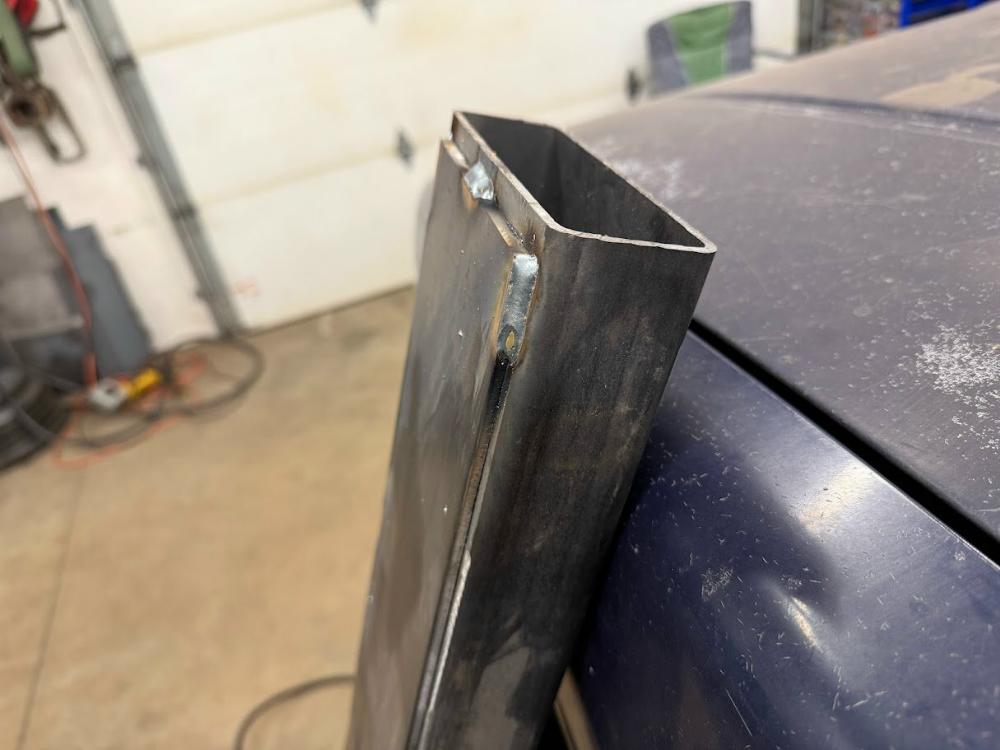
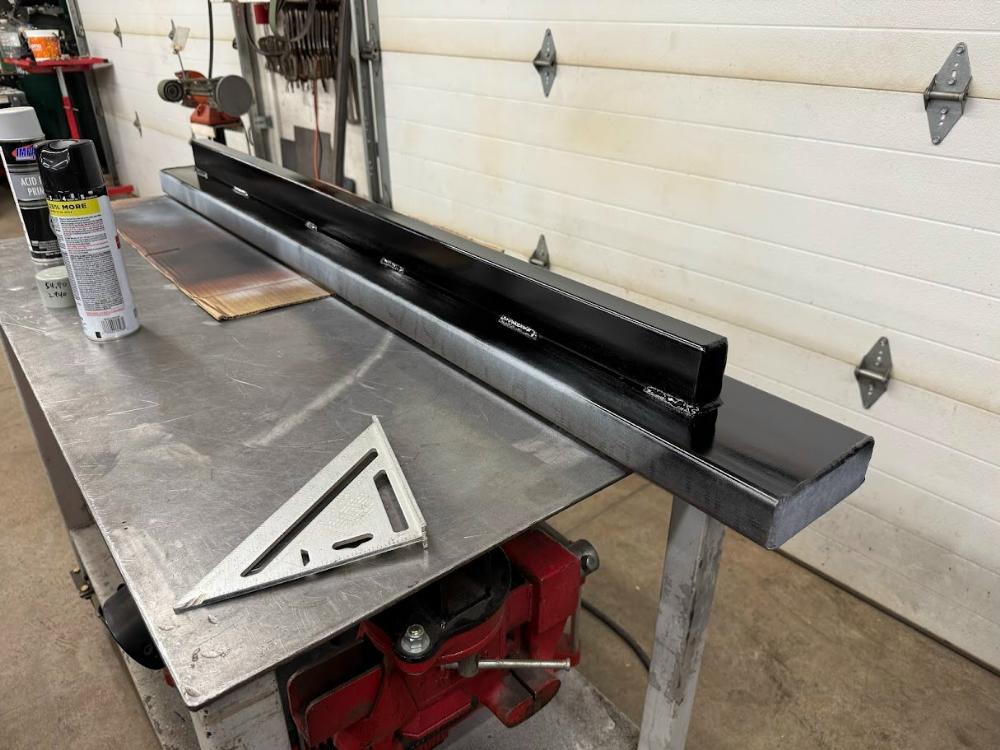
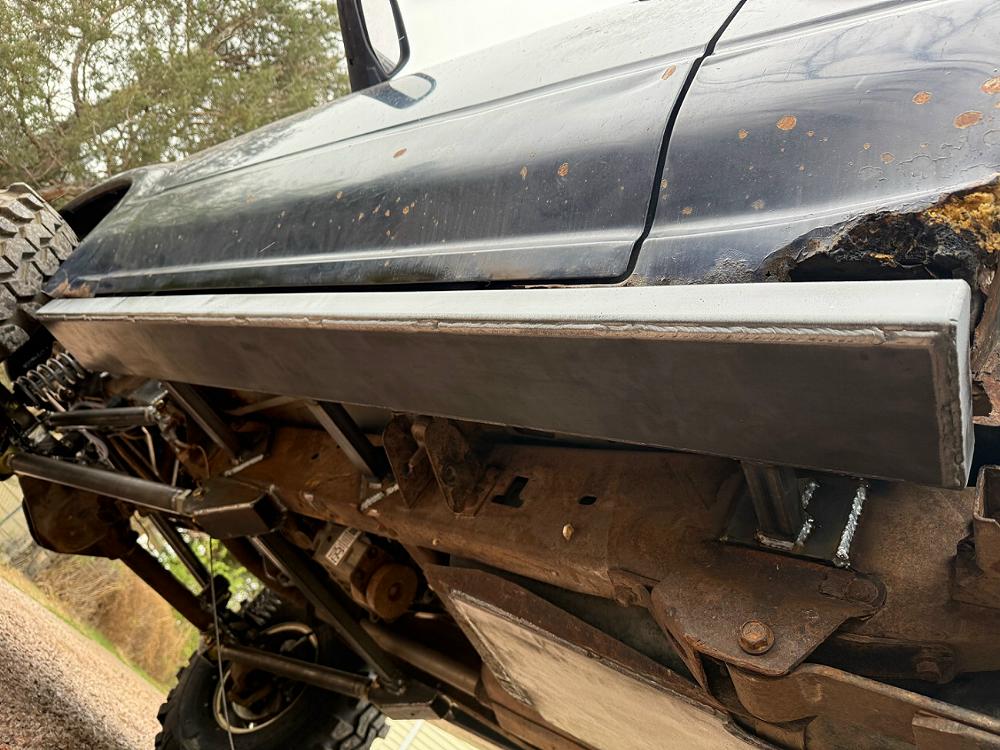
The rock sliders are built from 2×6 rectangular tubing with 1/8-inch walls, a 3/16-inch plate on the bottom, and 1×2.5-inch tubing along the top. They mount to the frame rather than the body, keeping trail impacts away from the Explorer’s rocker panels.
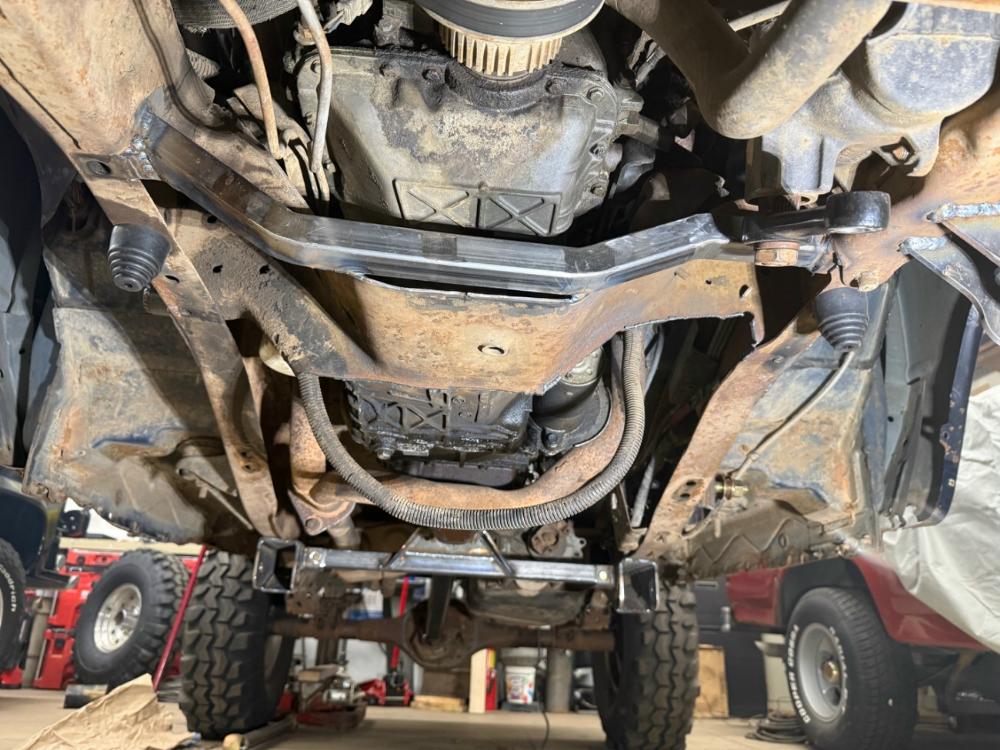
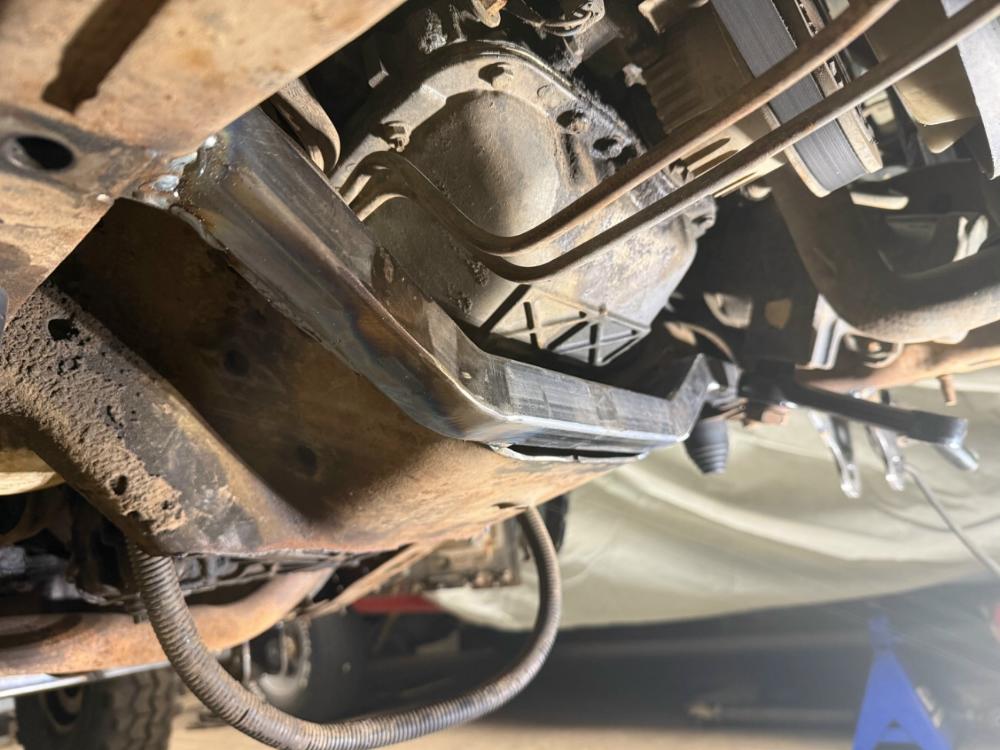
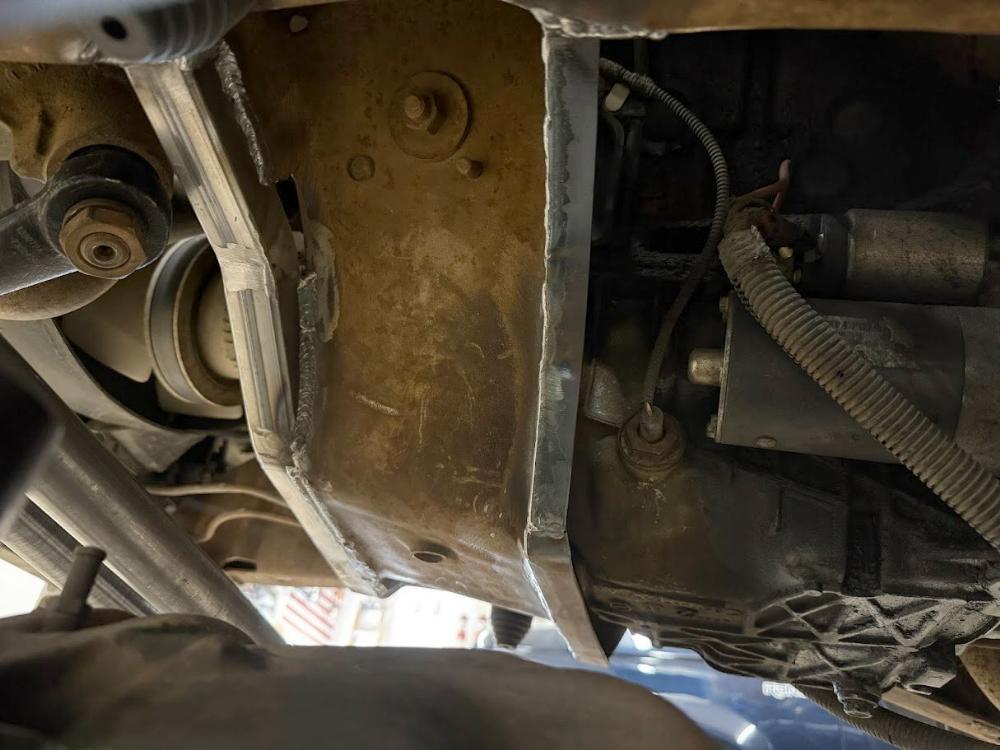
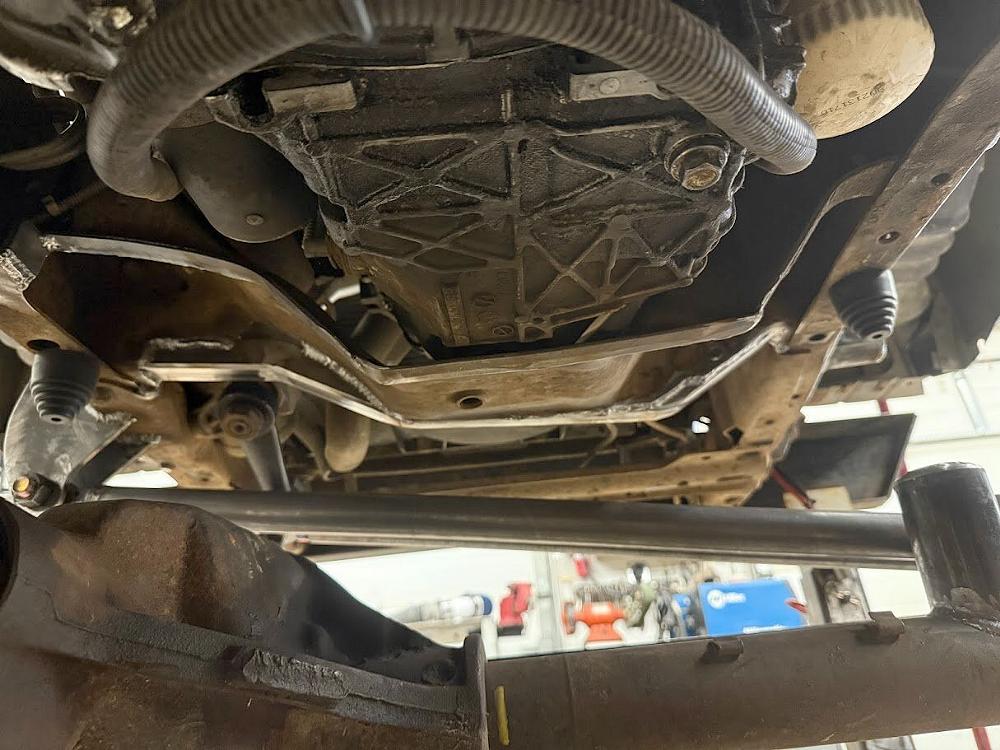
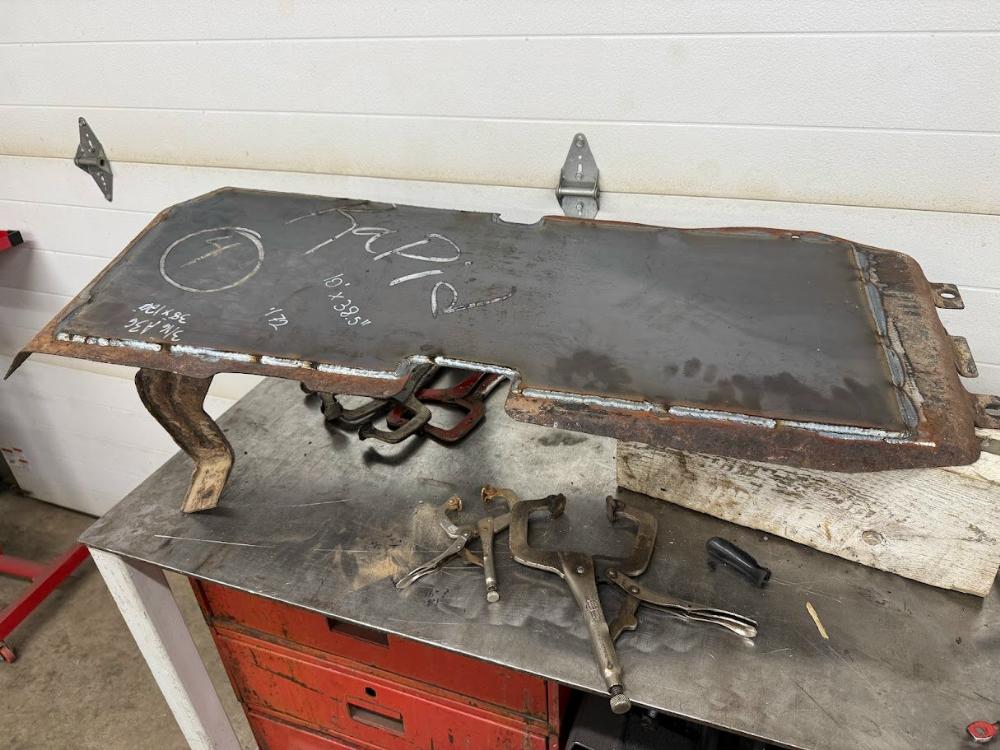
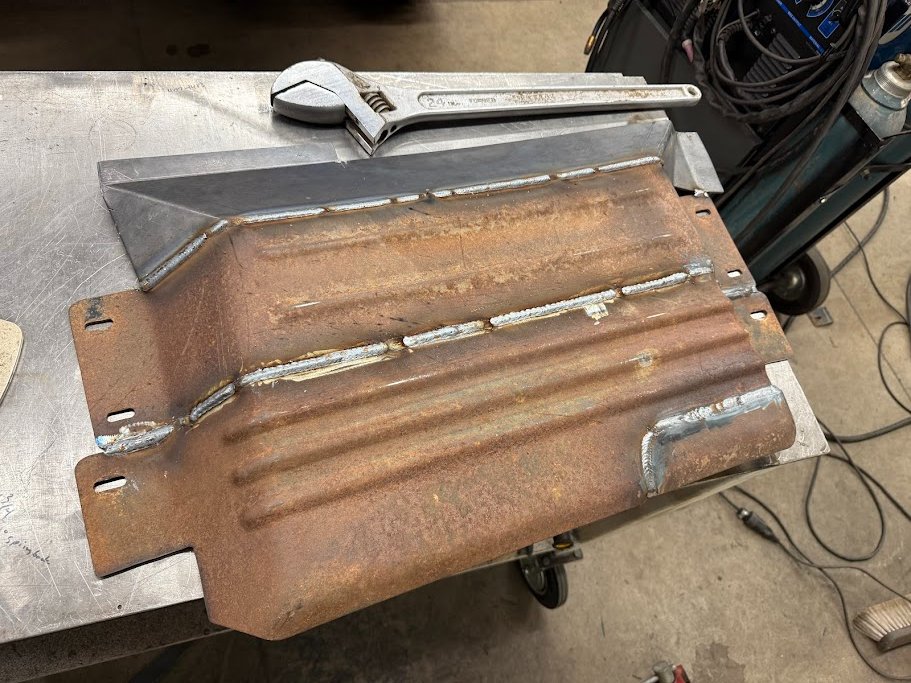
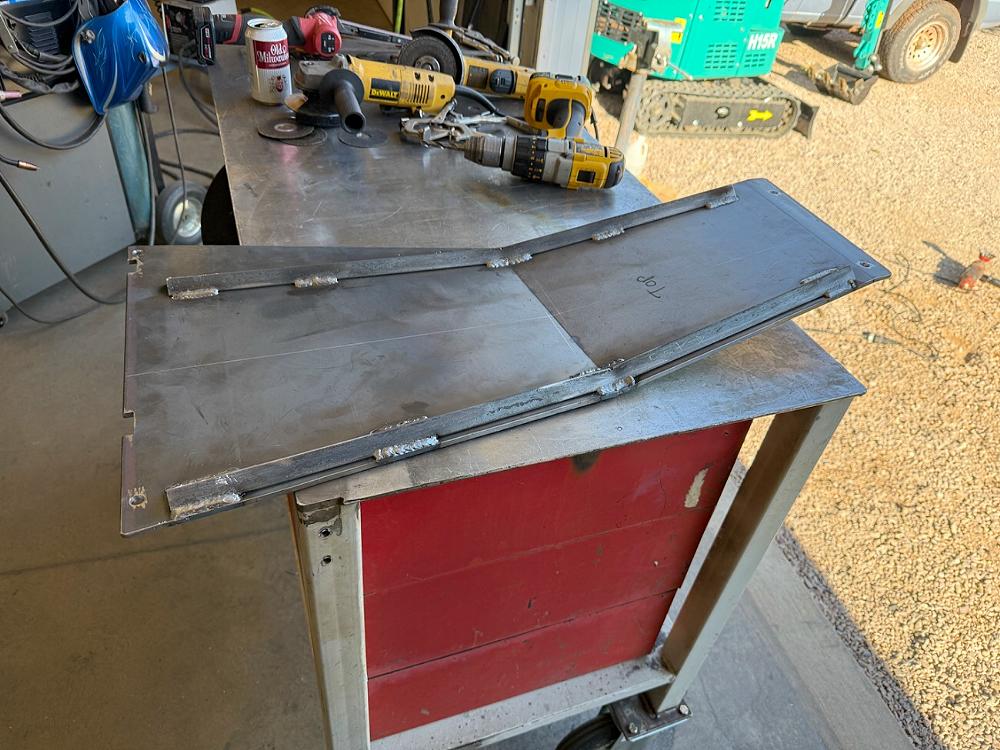
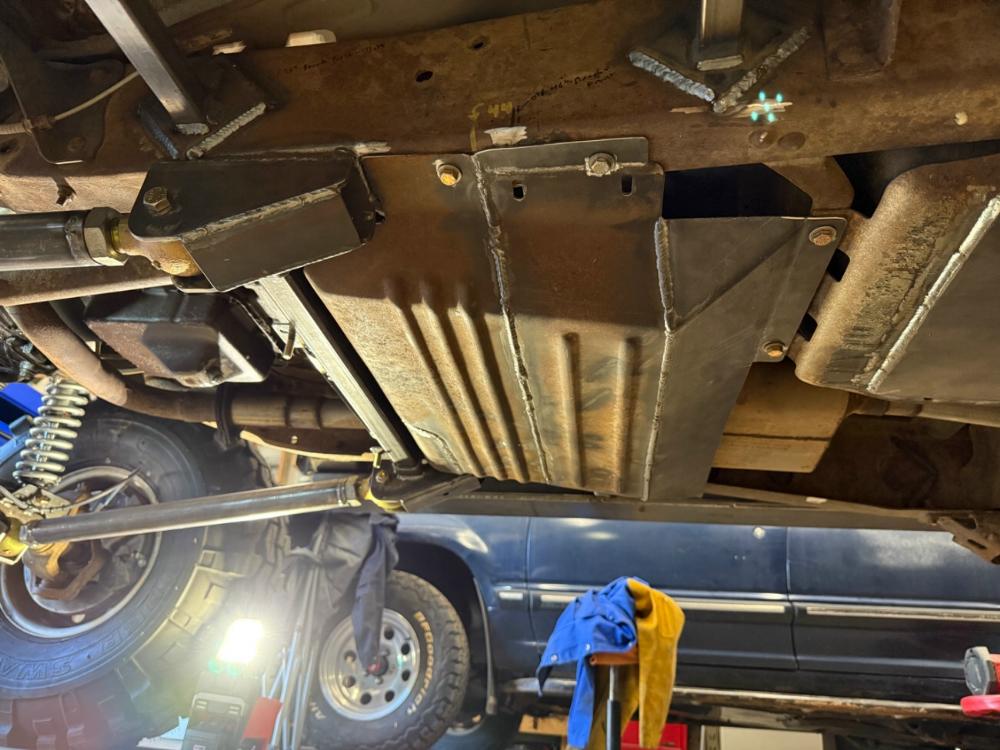
The underside received additional protection, including front and rear skid plates. For the transmission and transfer case, Shran combined two factory skid plates and reinforced them with 3/16-inch steel and angle iron.
The axle and drivetrain breathers were extended, and the rear glass was removed to prevent it from being damaged on the trail.
A Cone-Filter Intake Solution
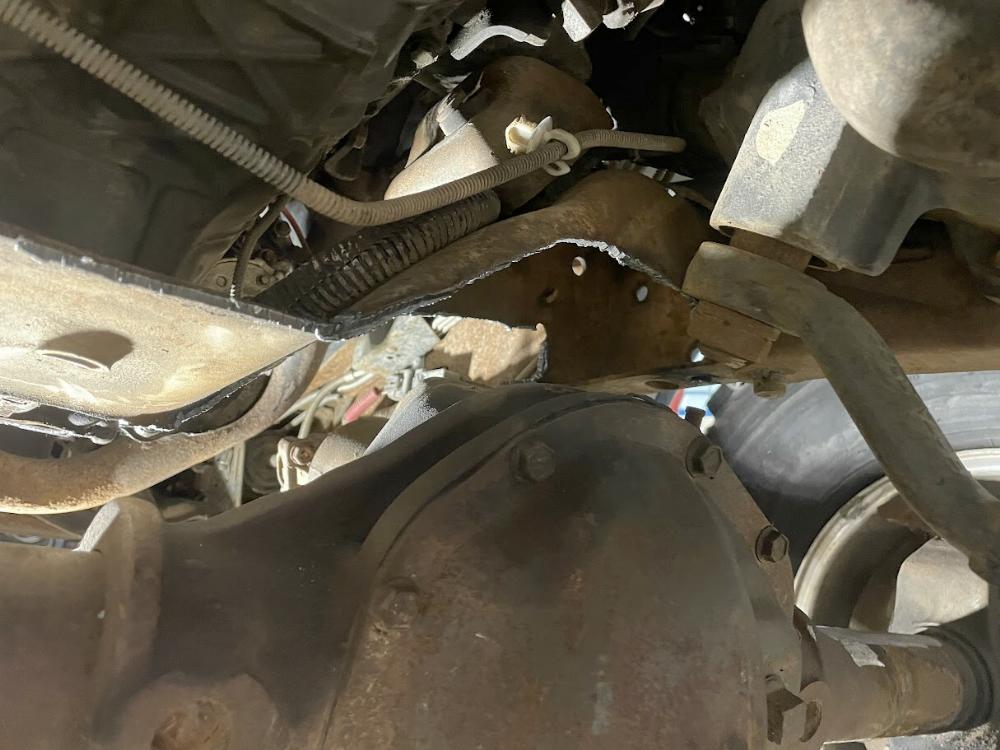
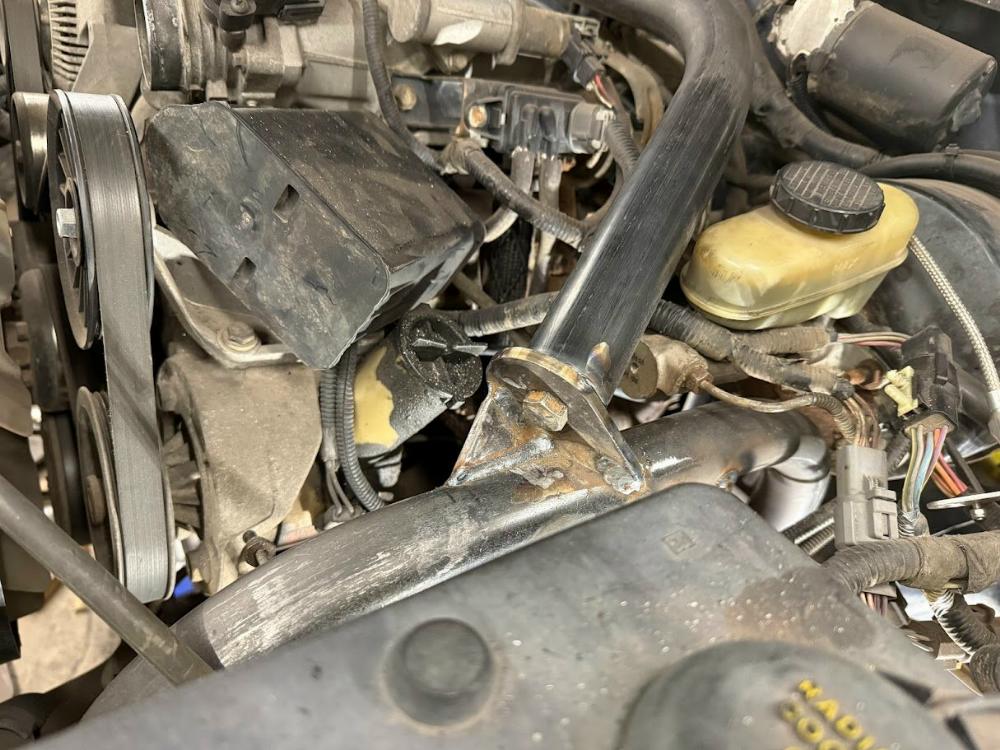
The solid-axle conversion also created some challenges under the hood. While plating the frame for the shock towers and tacking the driver-side pieces into place, Shran found that the passenger side was much more difficult to work around. The factory air filter box competed for space with the wiring harness, heater hoses, and battery.
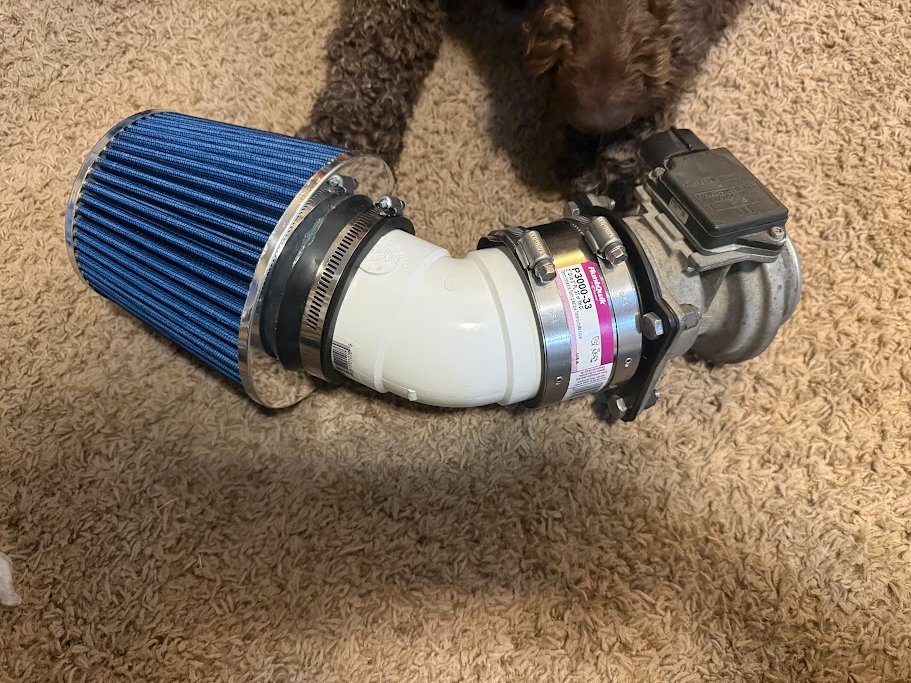
Rather than trying to force the original intake arrangement into the available space, he converted to a cone filter and worked out a way to route the intake around the obstacles.
He couldn’t find the fittings he needed at AutoZone or O’Reilly, so he went looking somewhere a little less conventional: the sewer-pipe section at Menards. A 60-degree PVC elbow and a rubber boot gave him the bend and connection he needed to route the intake around the fuse box.
It was a simple, inexpensive solution that let him keep the intake tucked into the available space without having to make a complicated custom assembly.
Interior
The Explorer’s interior was stripped when the project was still intended to be a race truck. As the build evolved into a trail rig, Shran began putting some of the interior back together.
Eddie Bauer Explorer front seats were installed, and the rear seat and seat belts were put back in place in 2021. The B&M Unimatic shifter and manual transfer-case controls are part of the modified floor arrangement.
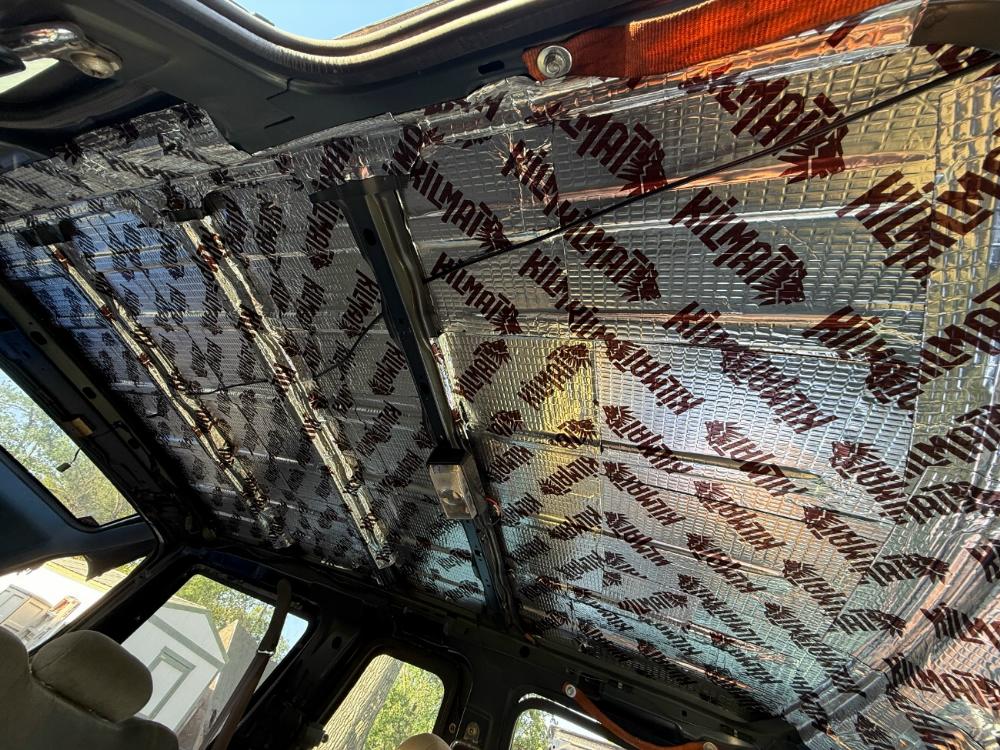
In July 2026, he added Kilmat insulation to the roof. An interior roll cage is still on the list of planned improvements.
Putting It to Work on the Trails
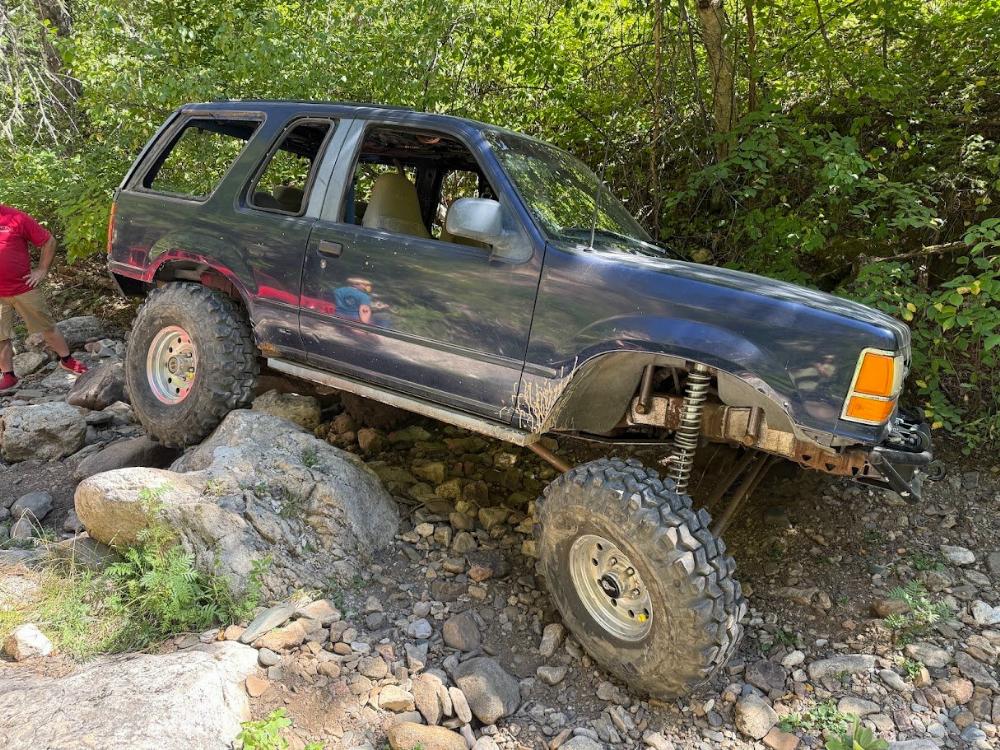
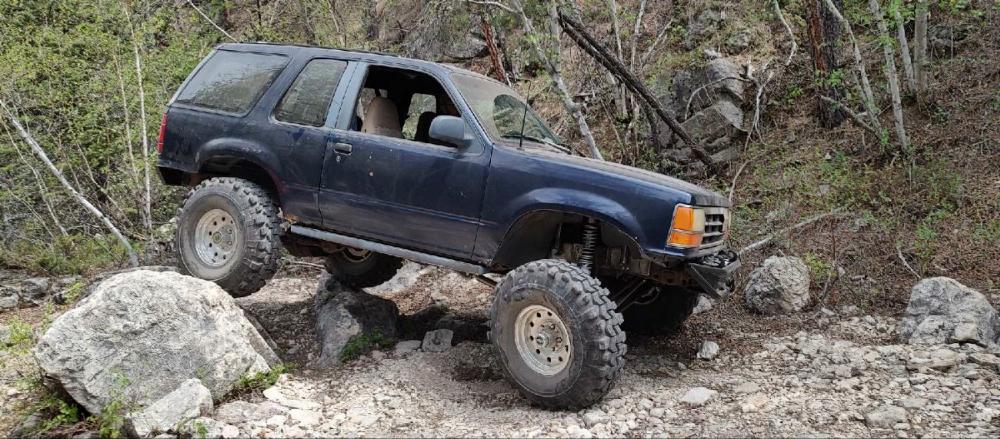
After the major axle and suspension work, Shran began putting the Explorer through more serious testing in May 2026. The solid front axle and three-link suspension made a noticeable difference in how the truck handled uneven terrain. The front suspension was able to keep the tires planted, although the full-width axle required some adjustments to the lines he chose on the trail.
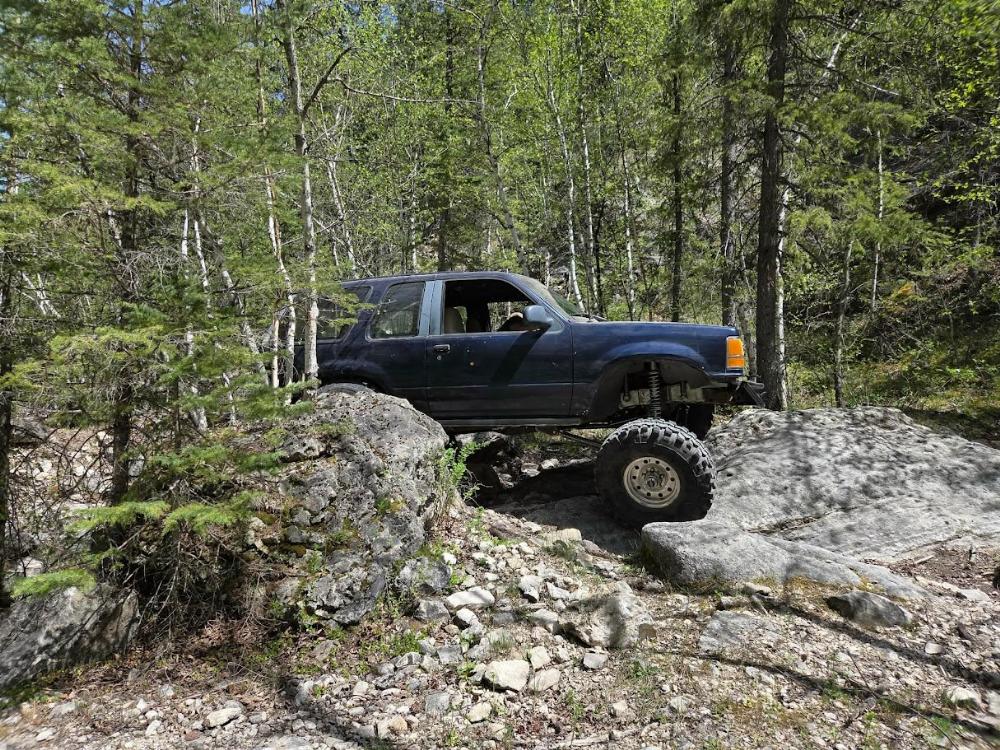
In September 2026, he took the Explorer to the annual Dakota Territory Challenge with his 4×4 club in the Black Hills of South Dakota. The group tackled trails including Cheerios, Calamity, Fruity Pebbles, Got Milk, Iceman, and part of Jake.
The Explorer performed well. Shran was able to lead on some trails he hadn’t completed before and work through obstacles that had previously required a winch or a different line. The front suspension worked particularly well, and the Auburn limited-slip differential performed better than he expected.
The 5.38 gears provided a useful combination for the truck, although there were times when he wanted a lower crawl ratio. An Atlas transfer case or a doubler setup are possibilities, but neither is an immediate priority.
The rear suspension was one of the few areas that left him wanting more. The springs were too stiff, and he plans to experiment with different ones. The Super Swampers also seemed to benefit from being aired down, and he may try pressures below 8 PSI on future outings.
Removing the rear glass proved worthwhile, too. The Explorer rubbed against a tree during the trip, and leaving the glass out helped avoid the possibility of breaking it.
What’s Next?
The Explorer is no longer the Baja-style race truck Shran originally envisioned, but it has become a capable solid-axle trail rig. The original 4.0L engine and body are still there, but the suspension, axles, drivetrain, brakes, and much of the supporting equipment have been reworked.
There are still things he wants to improve. The list includes an interior roll cage, rub rails along the rear sides, a selectable front locker, and different rear springs. He also plans to add a transmission shift kit and temperature gauge, install a transmission cooler with a fan, and repair the timing cover gasket.
Considering the Explorer cost just $220 to buy, it has come a long way. The project also shows how a build can change direction as parts, plans, and opportunities come together. What began as an inexpensive way to get a Baja-style truck on the trail has turned into a solid-axle Explorer that is being used for exactly what it was built to do.
Check out the build thread at: Ultra cheap offroad race Explorer turned rock crawler
1994 Ford Explorer Rock Crawler Specifications
| Component | Details |
|---|---|
| Year / Model | 1994 Ford Explorer 2-door 4WD |
| Purchase Price | $220 |
| Engine | Original 4.0L OHV V6 |
| Transmission | Ford C5 automatic from 1985 Bronco II |
| Transfer Case | BorgWarner 1354M, manual shift |
| Front Axle | 1975–1977 Ford F-150 Dana 44, full-width |
| Front Differential | Auburn Grip-N-Loc limited-slip |
| Front Axle Shafts | RCV |
| Front Drive Flanges | Nitro |
| Front Gears | 5.38 |
| Front Suspension | Custom three-link solid axle conversion |
| Front Shocks | Fox 2.0 coilovers, 12-inch stroke, AccuTune springs |
| Rear Axle | 1975–1977 Ford F-150 Ford 9-inch |
| Rear Differential | Spool |
| Rear Axle Shafts | Stock 31-spline |
| Rear Gears | 5.38 |
| Rear Suspension | Spring-over-axle leaf springs |
| Brakes | Front Dana 44 disc brakes; custom rear disc conversion |
| Wheels | Mid-1990s Ford F-150 Alcoa aluminum |
| Tires | Interco Super Swamper TSL Q78-15LT, approximately 36×10.50 |
| Winch | Badland 12,000-pound |
| Rock Sliders | Custom frame-mounted 2×6 rectangular tubing |
| Exhaust | Flowmaster 40 Series |
| Intake | Cone filter with 60-degree PVC elbow and rubber boot |
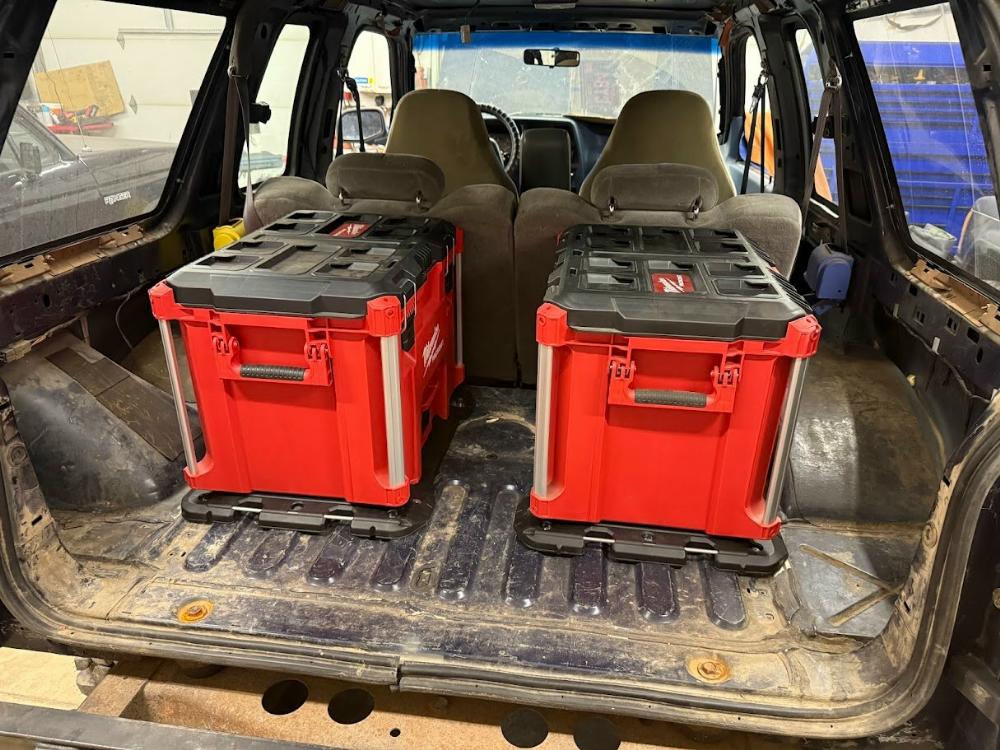
Photo Gallery
About The Author
Jim Oaks is the founder of TheRangerStation.com, the longest-running Ford Ranger resource online since 1999. With over 25 years of hands-on experience building and modifying Ford Rangers — including magazine-featured builds like Project Transformer — Jim has become one of the most trusted authorities in the Ford Ranger off-road and enthusiast space.
Since launching TheRangerStation.com, Jim has documented thousands of real-world Ranger builds, technical repairs, drivetrain swaps, suspension modifications, and off-road adventures contributed by owners worldwide. TheRangerStation.com has been referenced in print, video and online by enthusiasts, mechanics, and off-road builders looking for practical, and experience-based information.
