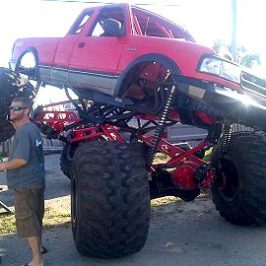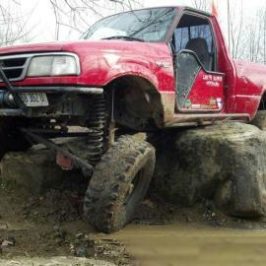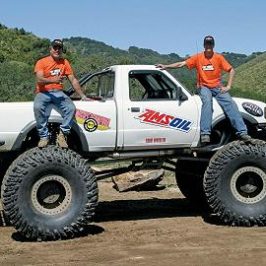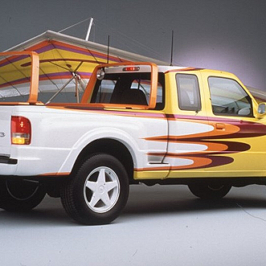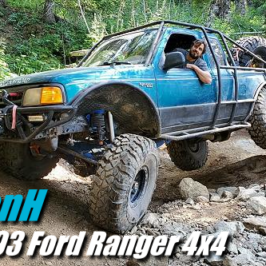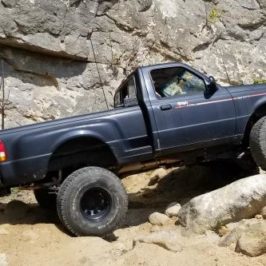
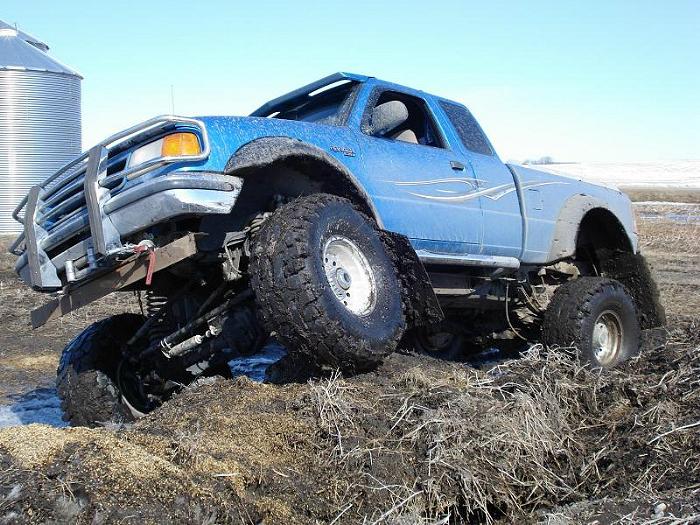
For our 2008-2009 Winter issue I wanted to bring you a variety of vehicles to try and cover different styles of builds going on in the forum. There’s always a few that stand out. Some more than others.
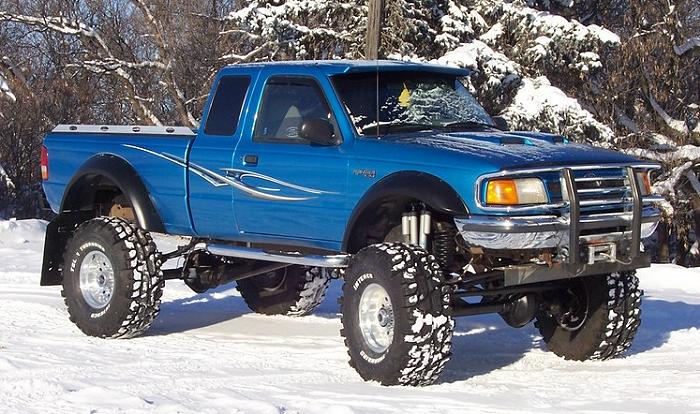
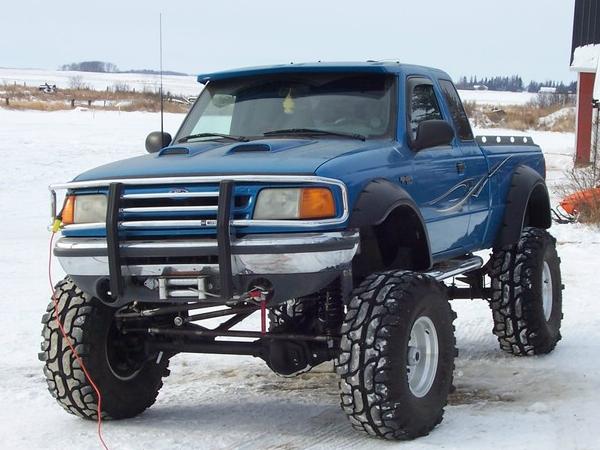
This solid front axle Ranger is a notch above most radius arm solid front axle Rangers we see. Many enthusiasts choose to use a Dana 44 solid front axle from a 70’s F-150 or Bronco to retain the similar coil and radius arm style suspension found in the Ranger. Since the Ranger already has coil buckets on the frame, they feel this is going to make for an easier conversion.
Forum member brendank69 chose to take it a step above.
Specifications:
- 1993 Ford Ranger Extended Cab 4×4
- 4.0L V-6
- 5-Speed Transmissions
- 3-Inch Body Lift
- Bushwacker Cut Out Fender Flares
- Fullwidth Dana 60 Front Axle – Lock-Right Locker – Dedenbear C’s
- Fullwidth 14-Bolt Rear Axle – Detroit Locker – Disc Brakes
- Cage Off-Road Solid Axle Swap Radius Arm Kit
- Ballistic Fabrication Coil Mounts
- 5.5-Inch Early Bronco BC Bronco Coil Springs
- 6-Inch Skyjacker Rear Springs
- 38.5″ Thornbird Tires (Found used with 99% tread for $600)
- 16×10 America Racing Outlaw II Wheels
- 5.38 Gears
- Bilstein 5150 Shocks
- Belltech 6400 Rear Shackles
- Dual Batteries
- Dual Straight Pipe Exhaust
- Clarion DVD
- 9500lb winch
He started with his already modified 1993 Ranger and removed the suspension and axles. The Ranger would become the new home to a Dana 60 front axle and GM 14-bolt rear axle. Far stronger than the typical Dana 44 & Ford 9-inch combinations.
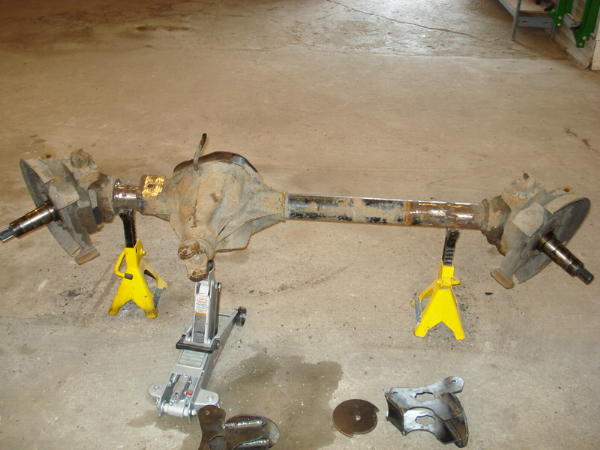
(Dana 60)
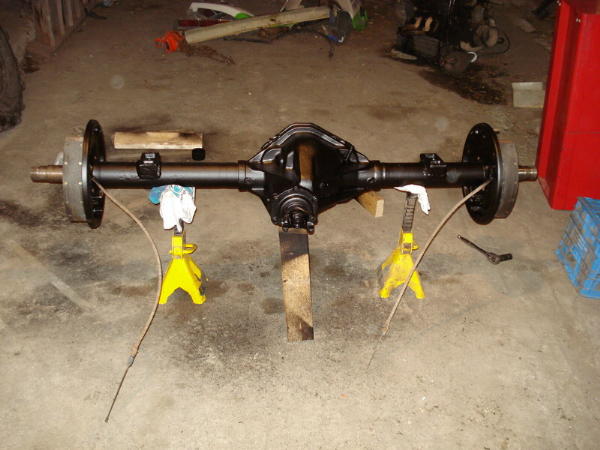
(GM 14-Bolt)
The 14-bolt was a $250 junkyard find that came with 4.10 gears and almost brand new brakes. Since the axle was already out of the vehicle, he has no idea what vehicle it came from. The Dana 60 came from a 1991 Ford F-350 dually. BrendanK69 was smart enough to buy the whole truck for $800, remove the front axle, and sell the truck as is for $800. For those of you who are a little slow on your math, he got the Dana 60 for free. He lucked out because the Dana 60 had a recent brake job done on it as well. You’re probably wondering why he chose to use a 14-bolt. As Brendank69 puts it, “They’re stupid strong, dirt cheap and as common as a belly button.”
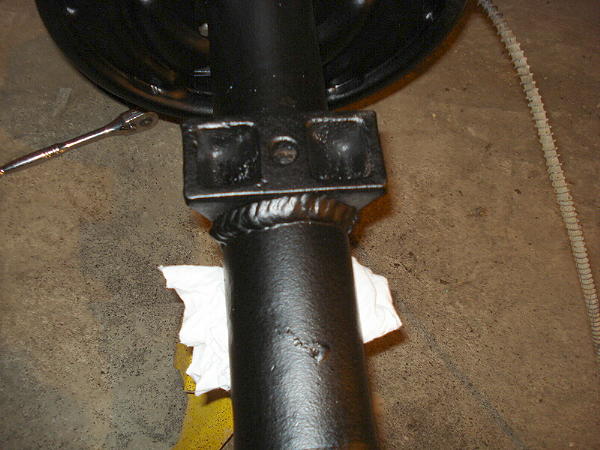
Brendank69 relocated the perches on the 14-bolt to match the rear leafs on his Ranger. That was no problem, but he also found out that he needed to trim the gas tank skid-plate a bit because it was very close to the differential.
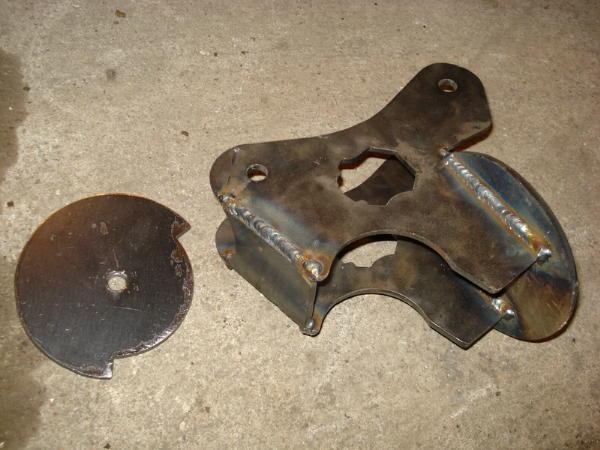
For the front, these brackets from Ballistic Fabrication were used to mount the coils.
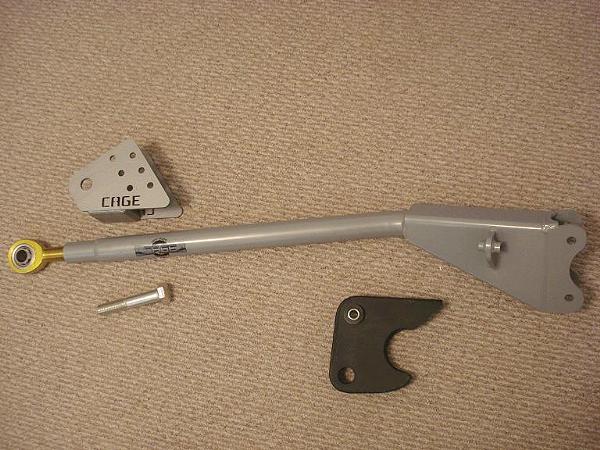
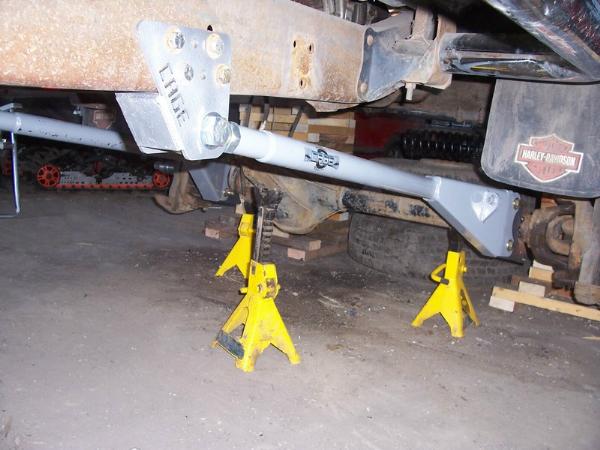
The front suspension is going to consist of these Cage Off-Road radius arms and coil springs. Just to give you an idea on how beefy that rod end is on the arm, take a look at the photo below comparing it’s size to a can and bottle.
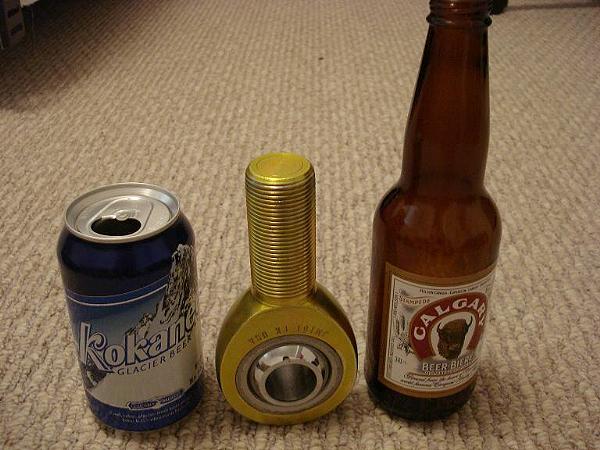
The Cage arms weigh in at 65 pounds each with rod ends and fasteners.
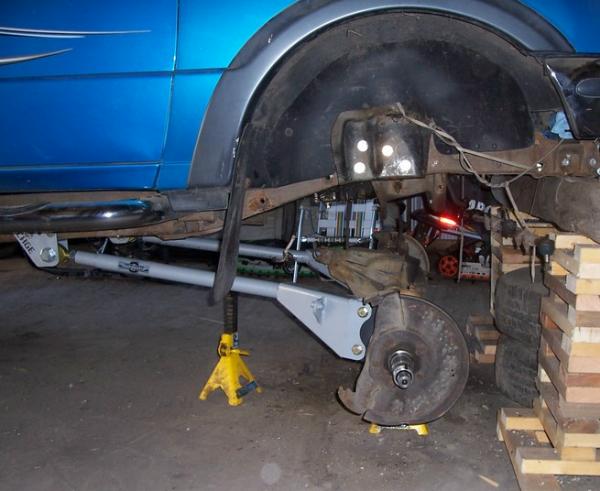
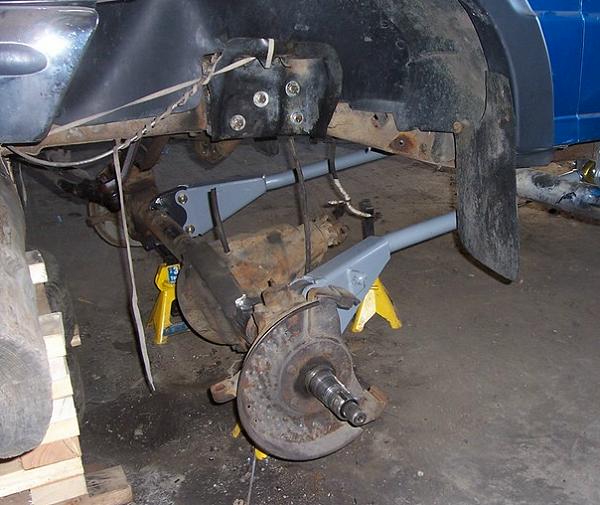
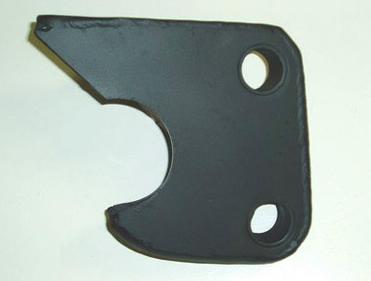
In the photos above you can see the installation of the radius arms. The arms attach to the axles by welding the radius arm mount (shown below) to the axle tube.
Springs are 5.5-inch early Bronco springs from BC Broncos. Shocks are secured using F-250 shock mounts.
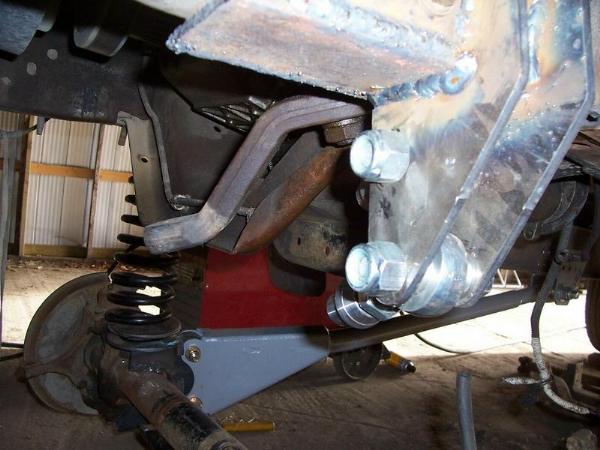
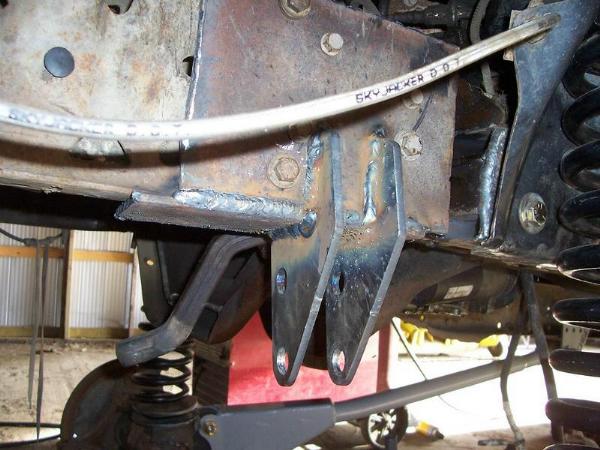
Here you can see the trac bar mount. The top rod end goes to the engine crossmember and the bottom is for the trac bar. He used the steering box bolts and engine damper bolts to mount it to the frame rail.
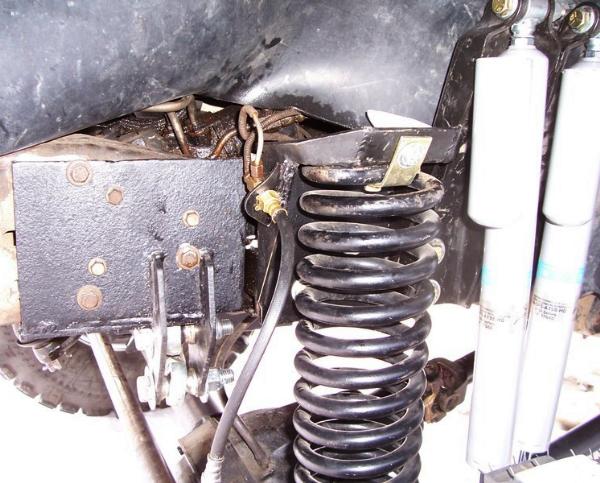
The photo above shows the trac bar mount, Bronco coil bucket, 5.5-inch early Bronco coils and F-250 shock mounts.
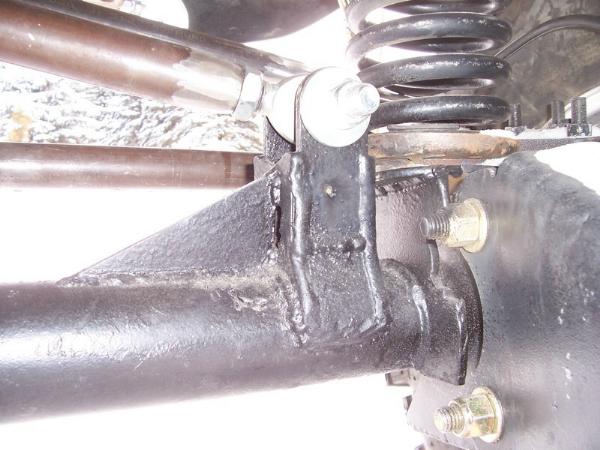
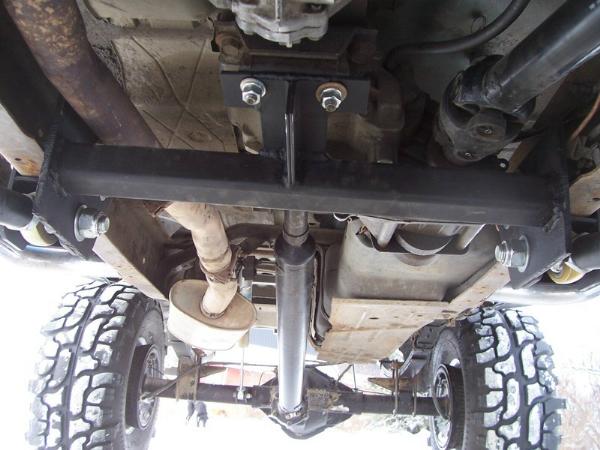
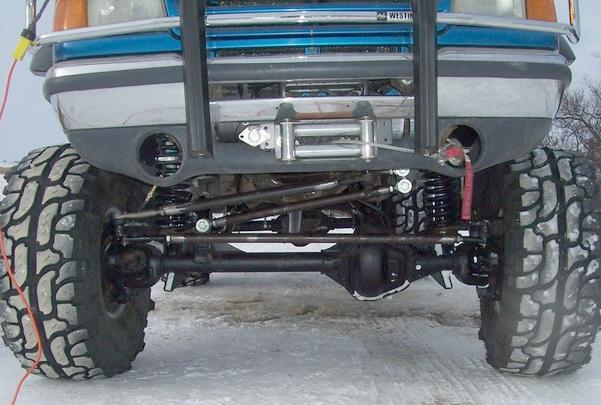
Steering linkage is made from DOM tube with Ballistic Fabrication tube adapters.

About The Author
Jim Oaks is the founder of TheRangerStation.com, the longest-running Ford Ranger resource online since 1999. With over 25 years of hands-on experience building and modifying Ford Rangers — including magazine-featured builds like Project Transformer — Jim has become one of the most trusted authorities in the Ford Ranger off-road and enthusiast space.
Since launching TheRangerStation.com, Jim has documented thousands of real-world Ranger builds, technical repairs, drivetrain swaps, suspension modifications, and off-road adventures contributed by owners worldwide. TheRangerStation.com has been referenced in print, video and online by enthusiasts, mechanics, and off-road builders looking for practical, and experience-based information.