
History, Specifications, Maintenance & Performance Comparison
The 2024 Ford Ranger offers buyers a significant performance upgrade with the available 2.7-liter EcoBoost V6, a twin-turbocharged engine derived from Ford’s proven Nano engine family. This engine bridges the gap between the Ranger’s standard turbo four-cylinder and the high-output Ranger Raptor powerplant, delivering strong torque, excellent drivability, and proven durability across multiple Ford platforms.
This article provides a complete technical overview of the 2.7L EcoBoost as installed in the 2024 Ranger, including its history, official specifications, maintenance requirements, fluid capacities, and a direct performance comparison with the 2.3L and 3.0L engines.
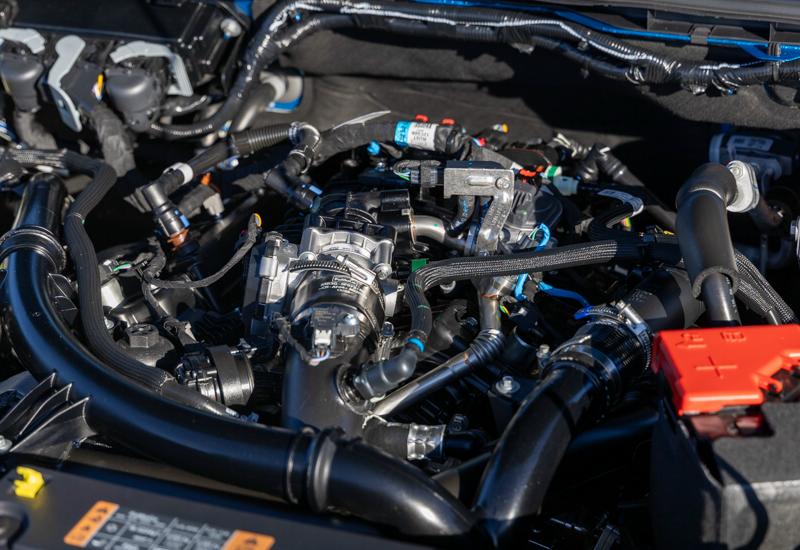
Overview of the 2.7L EcoBoost V6
Ford introduced the 2.7L EcoBoost V6 in the mid-2010s as a compact, high-output alternative to traditional naturally aspirated V8 engines. Designed for trucks and performance-oriented SUVs, the engine emphasizes low-RPM torque, fast turbo response, and weight savings.
- Twin turbochargers with intercooling
- Dual fuel system (port fuel injection and direct injection)
- Compacted graphite iron cylinder block for strength and reduced mass
- Aluminum cylinder heads
- DOHC valvetrain with four valves per cylinder and variable cam timing
For the 2024 Ranger, the 2.7L EcoBoost is tuned to provide strong towing capability and rapid acceleration while maintaining daily-driver refinement.
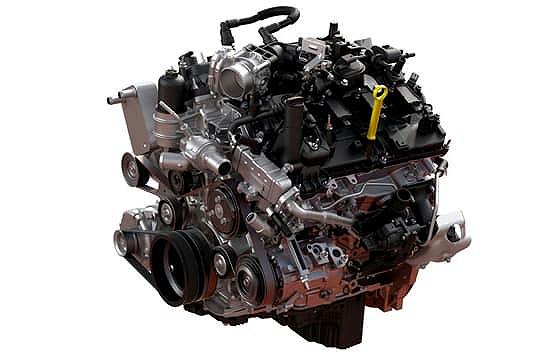
Vehicles That Use the 2.7L EcoBoost
The 2.7L EcoBoost has been widely used across Ford’s lineup, which benefits Ranger owners
through parts availability and long-term support. Applications have included:
- Ford F-150
- Ford Bronco
- Ford Edge ST / Sport
- Lincoln Continental
- Lincoln Nautilus
- 2024+ Ford Ranger
Official 2024 Ford Ranger 2.7L EcoBoost Engine Specifications
The following specifications are sourced directly from the Ford 2024 Ford Ranger Technical Specifications.
| Specification | 2.7L EcoBoost V6 |
|---|---|
| Configuration | Twin-turbocharged and intercooled V6 |
| Block Material | Compacted graphite iron |
| Cylinder Head Material | Aluminum |
| Valvetrain | DOHC, four valves per cylinder with variable cam timing |
| Ignition System | Coil-on-plug |
| Bore x Stroke | 3.267 in x 3.267 in (83.0 mm x 83.0 mm) |
| Displacement | 165.0 cu in (2,700 cc) |
| Compression Ratio | 10.0:1 |
| Fuel System | Port fuel injection and direct injection |
| Recommended Fuel | 87-octane regular gasoline |
| Horsepower | 315 hp |
| Torque | 400 lb-ft |
| Transmission | 10-speed SelectShift automatic |
| Fuel Tank Capacity | 18 gallons |
Maintenance Schedule & Fluid Requirements
Engine Oil
- Capacity (with filter): 6.0 quarts
- Recommended oil: SAE 5W-30
- Specification: Ford WSS-M2C946-B1
- Interval: Follow the Intelligent Oil Life Monitor (do not exceed 10,000 miles or 12 months)
For heavy towing, off-road use, or frequent short trips, a 5,000–7,500-mile oil change
interval is recommended.
Engine Coolant
- Total capacity: approximately 15.1 quarts
- Recommended coolant: Motorcraft Orange Prediluted Antifreeze/Coolant
- Service interval: 100,000 miles
Spark Plugs & Filters
- Spark plug replacement interval: 100,000 miles
- Engine air filter: inspect regularly, replace about every 30,000 miles
- Cabin air filter: replace about every 20,000 miles
2.3L vs 2.7L vs 3.0L — Power & Performance Comparison
| Engine | Horsepower | Torque | Character |
|---|---|---|---|
| 2.3L EcoBoost I-4 | 270 hp | 310 lb-ft | Efficient daily-driver, light towing |
| 2.7L EcoBoost V6 | 315 hp | 400 lb-ft | Strong midrange torque, best all-around option |
| 3.0L EcoBoost V6 (Raptor) | 405 hp | 430 lb-ft | High-performance off-road focused |
The 2.7L EcoBoost offers the most balanced performance in the Ranger lineup, delivering near-V8 torque without the added cost or aggressive nature of the Ranger Raptor’s 3.0L engine.
Real-World Performance Differences
2.3L EcoBoost – Best suited for drivers prioritizing fuel economy and lighter duty use. It performs well unloaded but requires higher RPMs under towing or steep grades.
2.7L EcoBoost – The most balanced engine in the lineup. Its torque arrives early and stays flat, making it ideal for towing, overlanding, and off-road use without the cost or complexity of the Raptor package.
3.0L EcoBoost (Ranger Raptor) – Built for performance. The 3.0L delivers aggressive acceleration, higher RPM power, and sustained output under hard use. It excels in high-speed off-road environments but comes with increased fuel consumption and purchase cost.
Reliability & Ownership Considerations
The 2.7L EcoBoost has matured into a reliable powerplant when maintained properly. Its widespread use across Ford’s lineup means:
- Strong aftermarket and OEM parts availability
- Extensive service documentation
- Proven durability in truck applications
As with all turbocharged engines, longevity depends heavily on oil quality, proper warm-up, and adherence to maintenance intervals.
Why the 2.7L EcoBoost Makes Sense in the Ranger
For most Ranger buyers, the 2.7L EcoBoost represents the ideal balance of power, efficiency, and reliability. It excels at towing, off-road use, and everyday driving while benefiting from widespread parts availability and proven real-world durability.
Related Articles:
About The Author

Jim Oaks is the founder of TheRangerStation.com, the longest-running Ford Ranger resource online since 1999. With over 25 years of hands-on experience building and modifying Ford Rangers — including magazine-featured builds like Project Transformer — Jim has become one of the most trusted authorities in the Ford Ranger off-road and enthusiast space.
Since launching TheRangerStation.com, Jim has documented thousands of real-world Ranger builds, technical repairs, drivetrain swaps, suspension modifications, and off-road adventures contributed by owners worldwide. TheRangerStation.com has been referenced in print, video and online by enthusiasts, mechanics, and off-road builders looking for practical, and experience-based information.