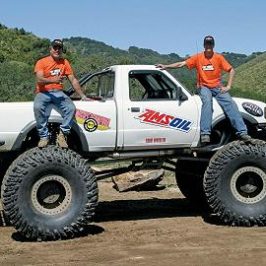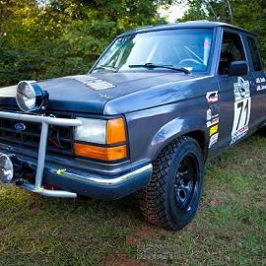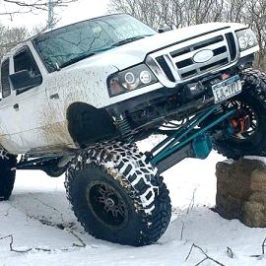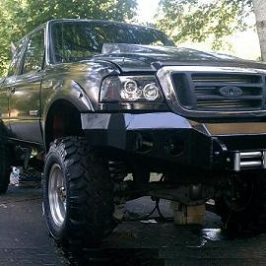
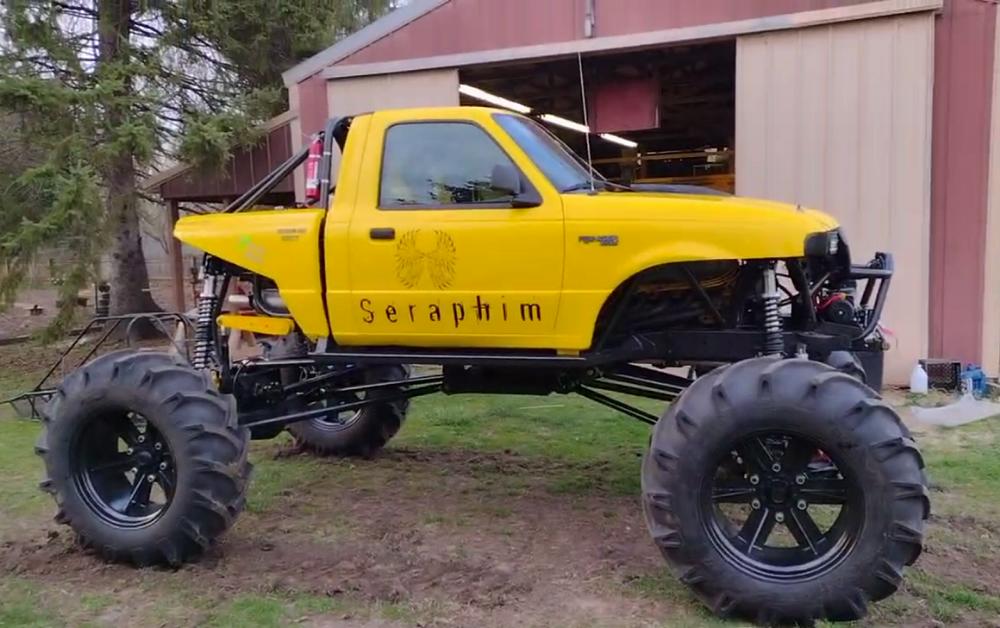
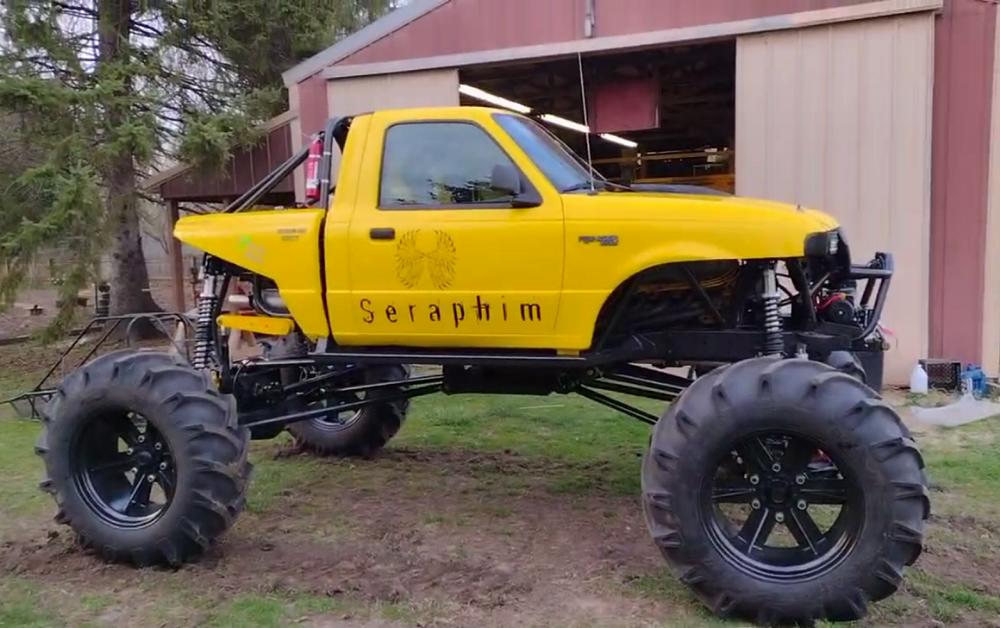
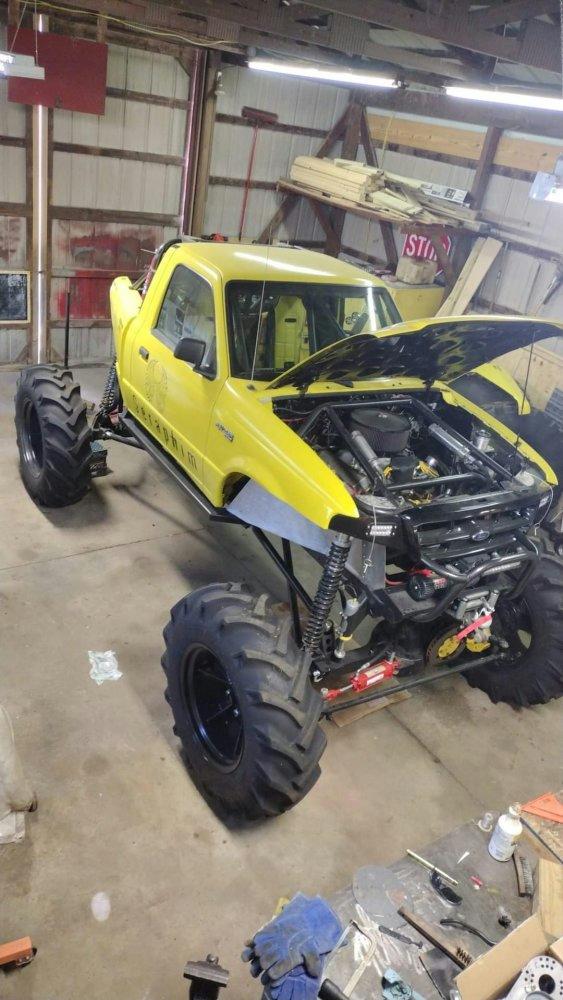
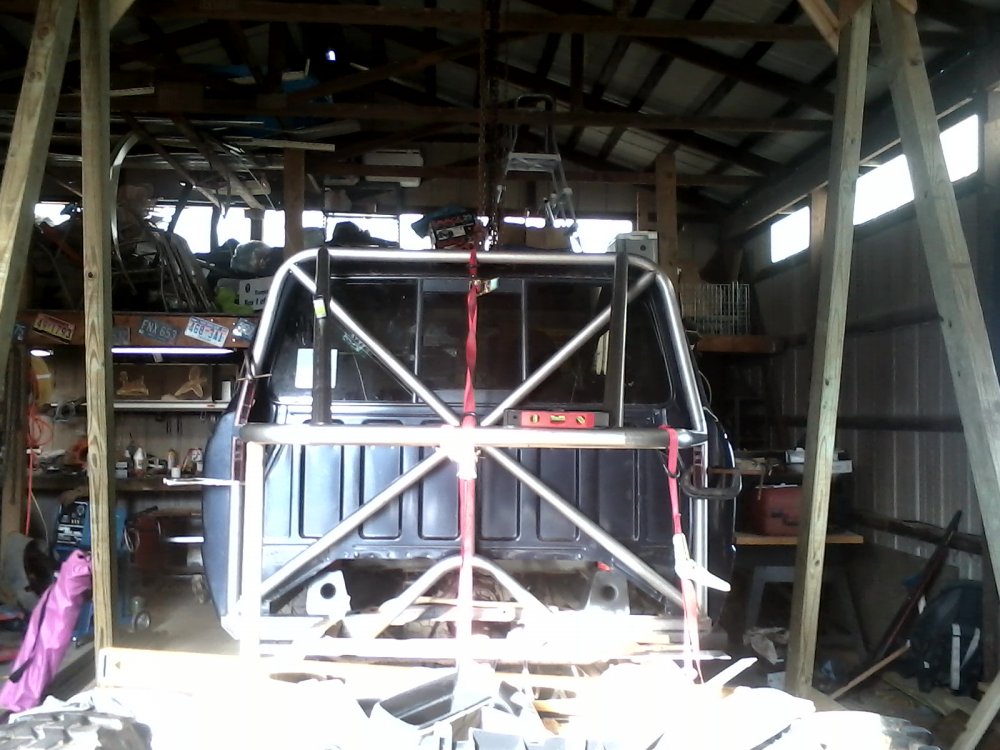
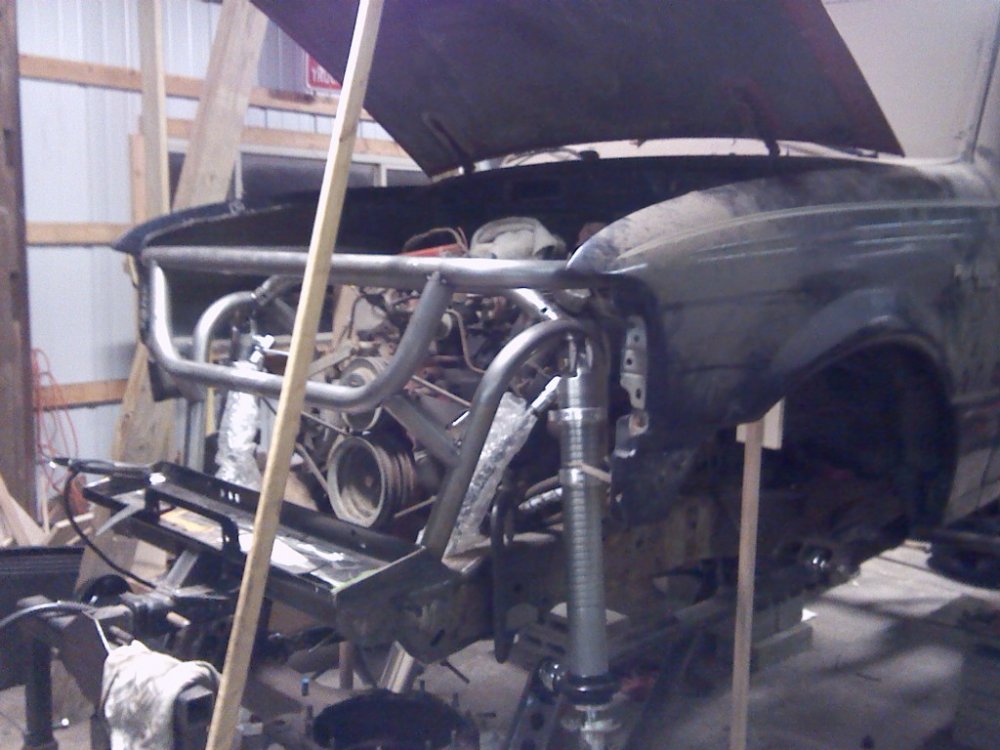
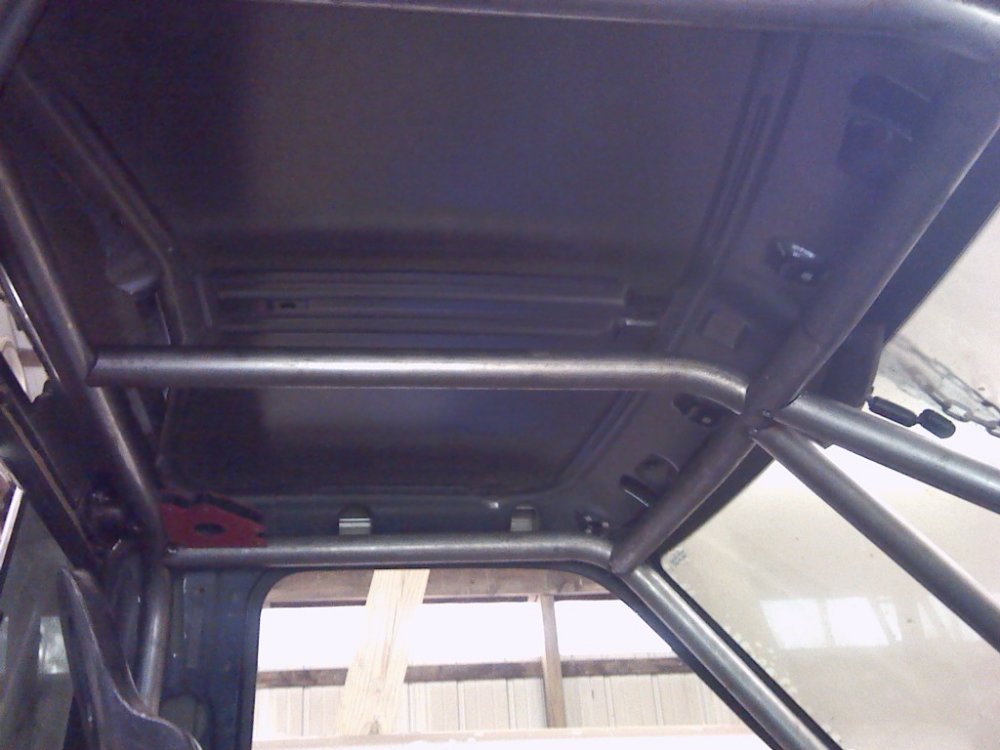
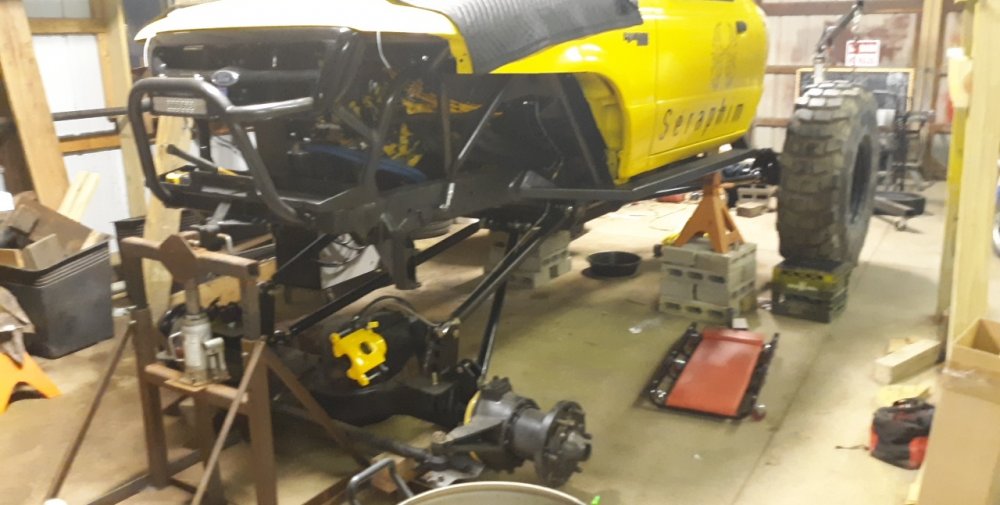
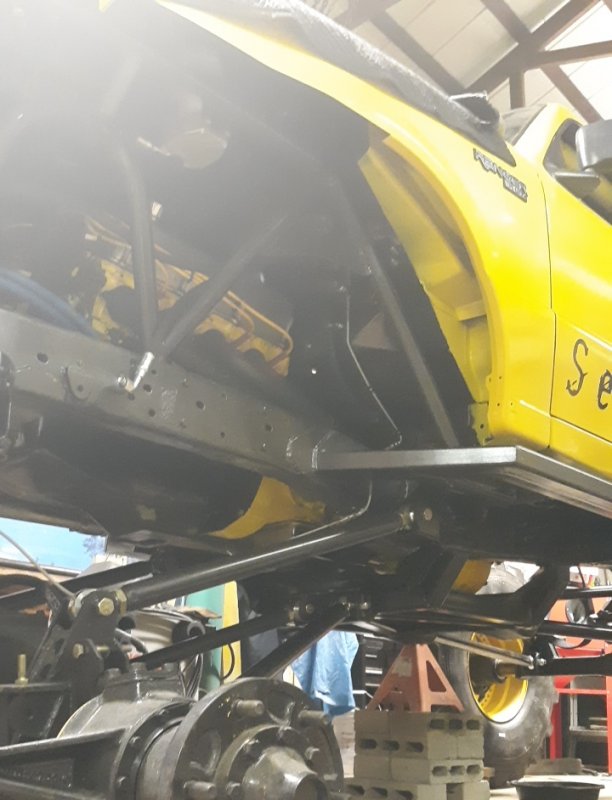
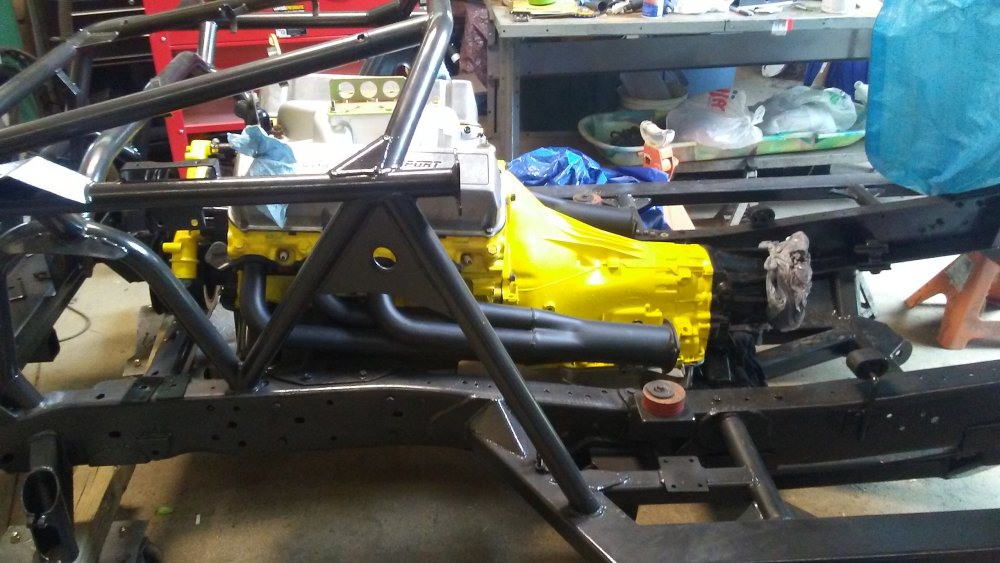
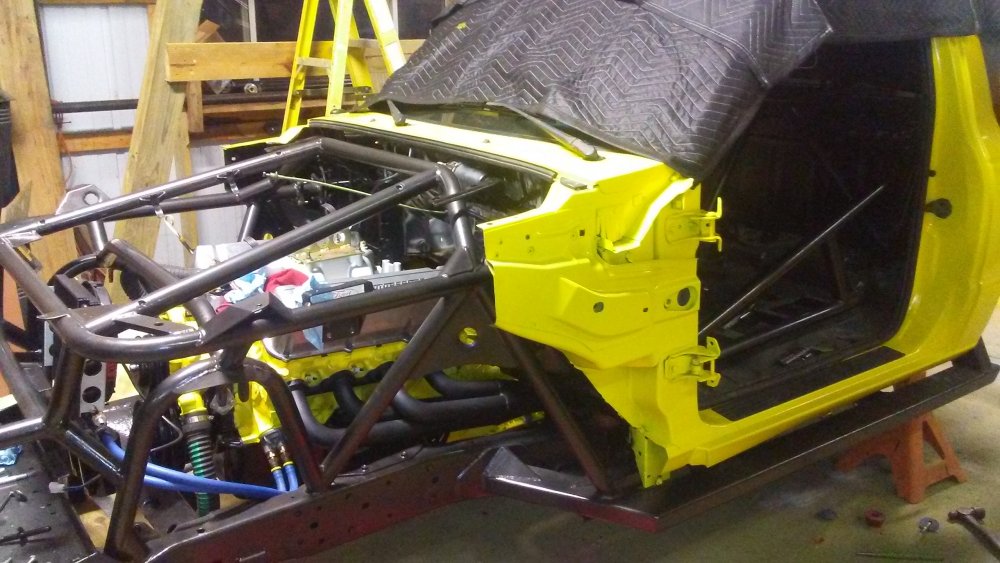
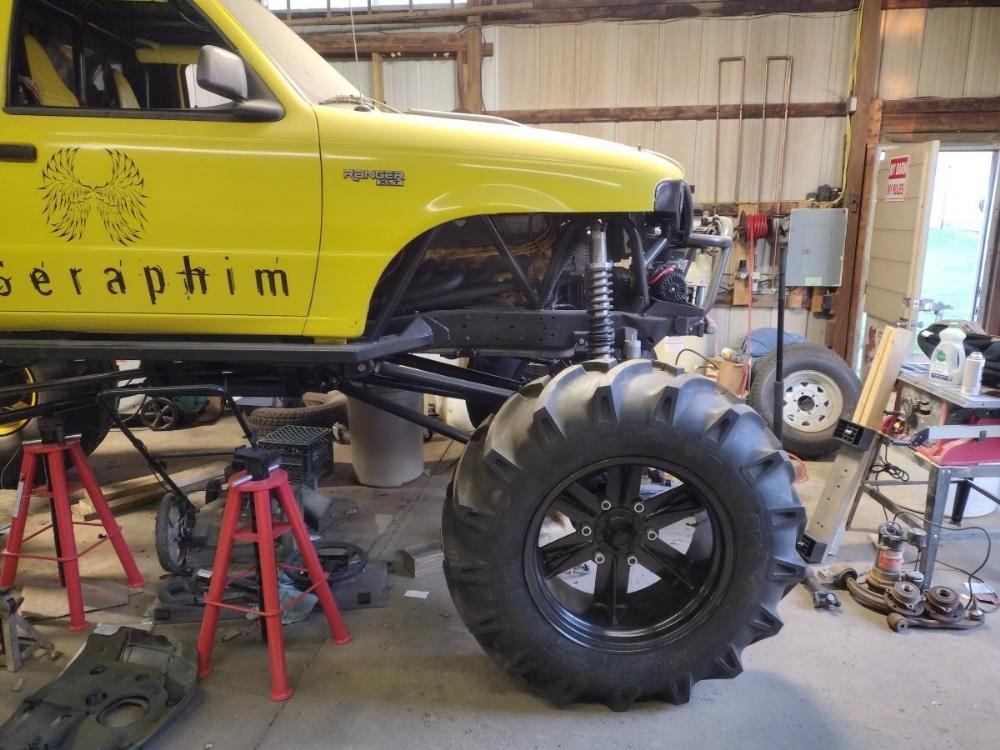
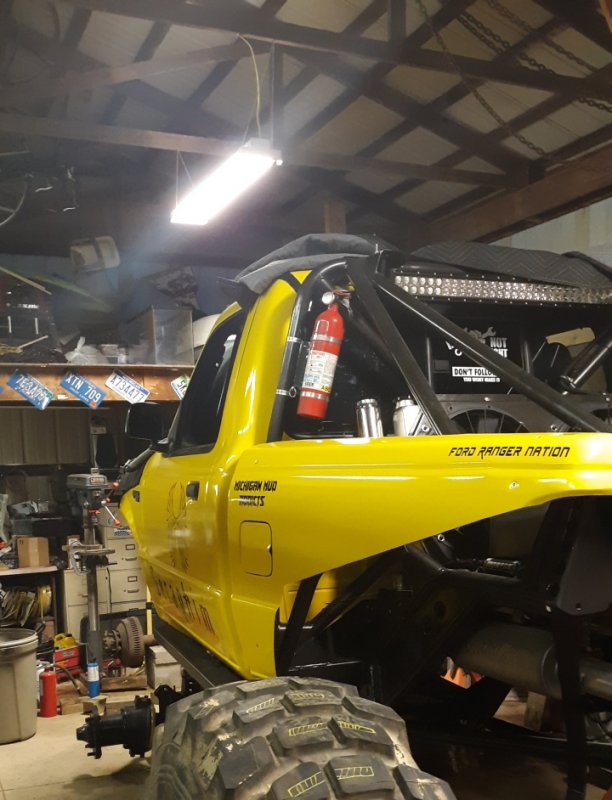
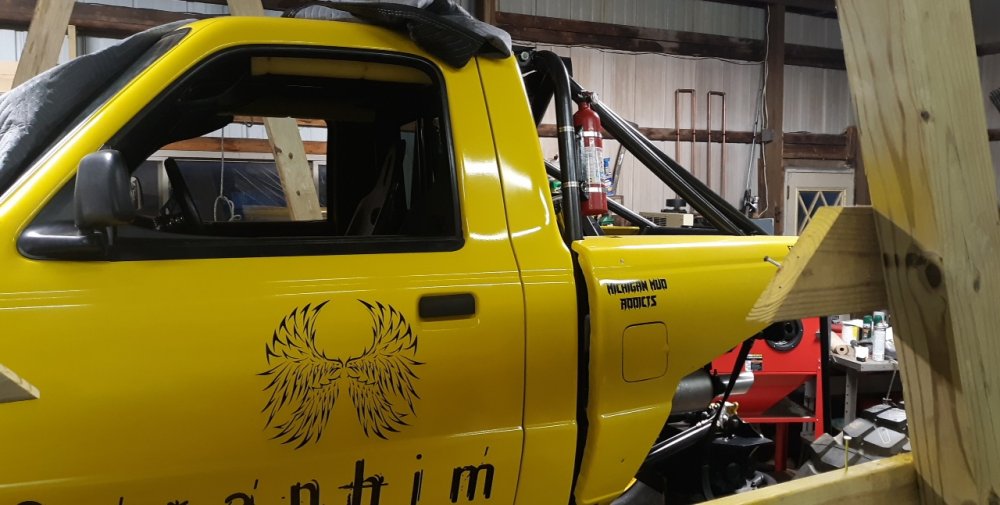
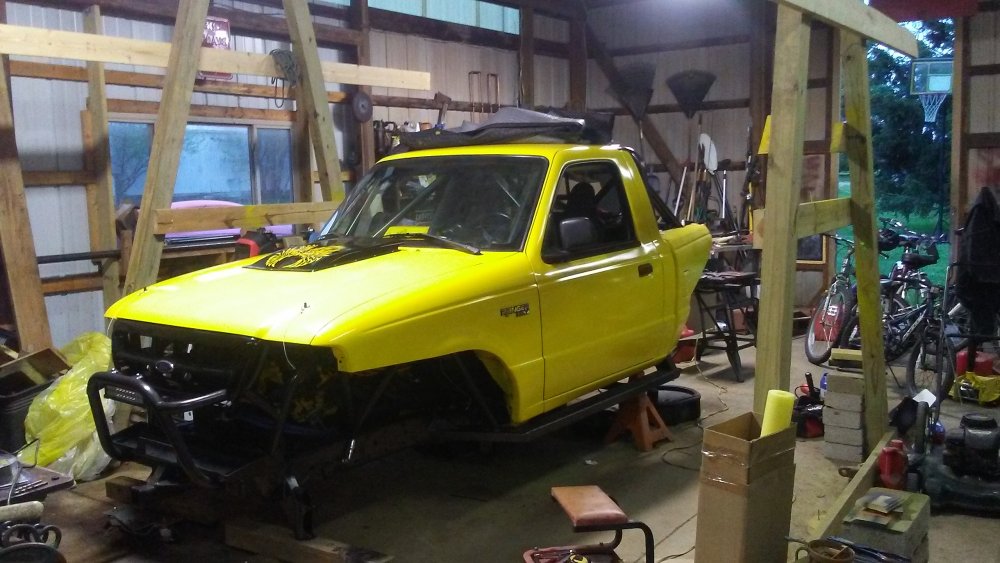
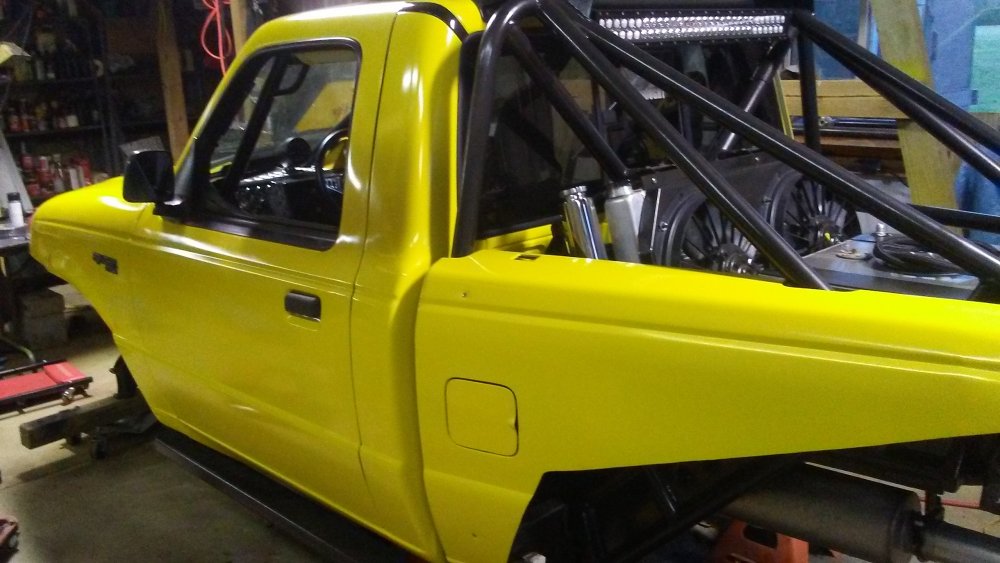
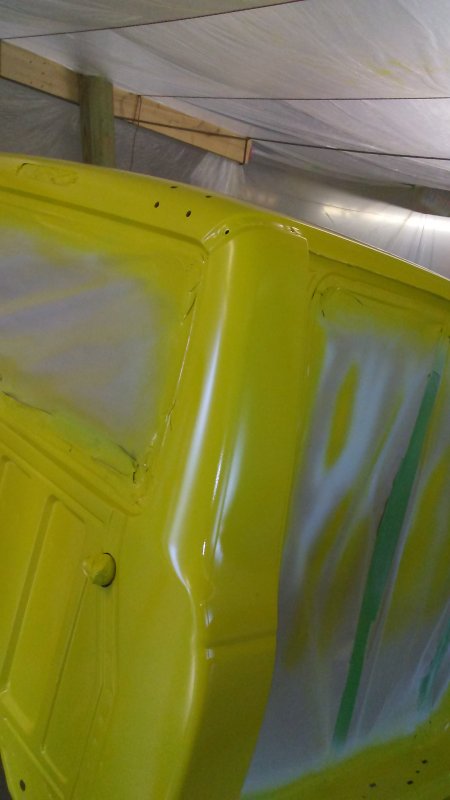
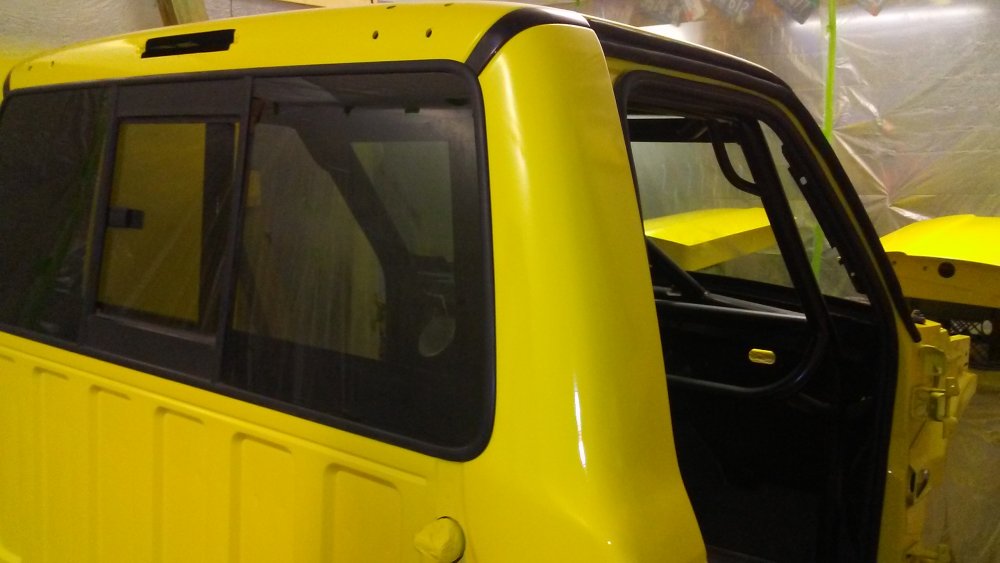
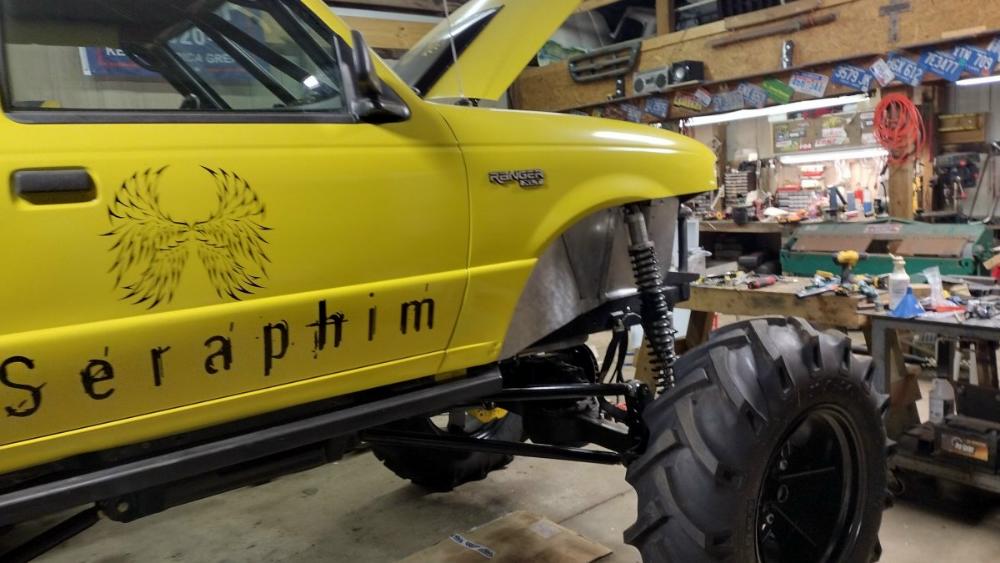
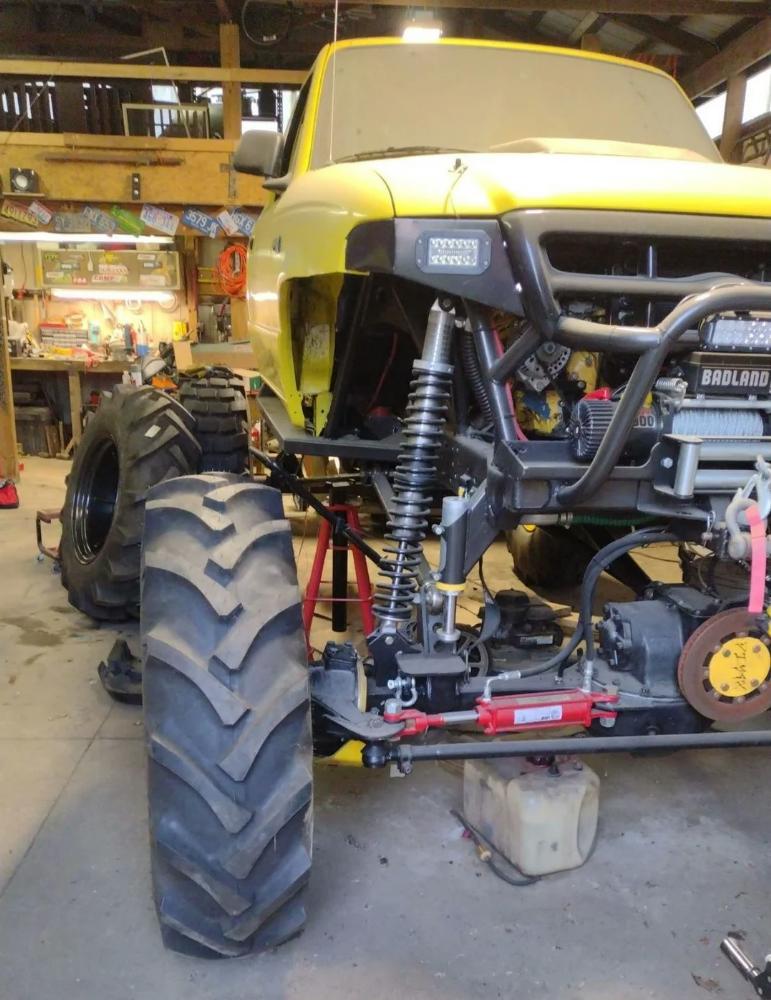
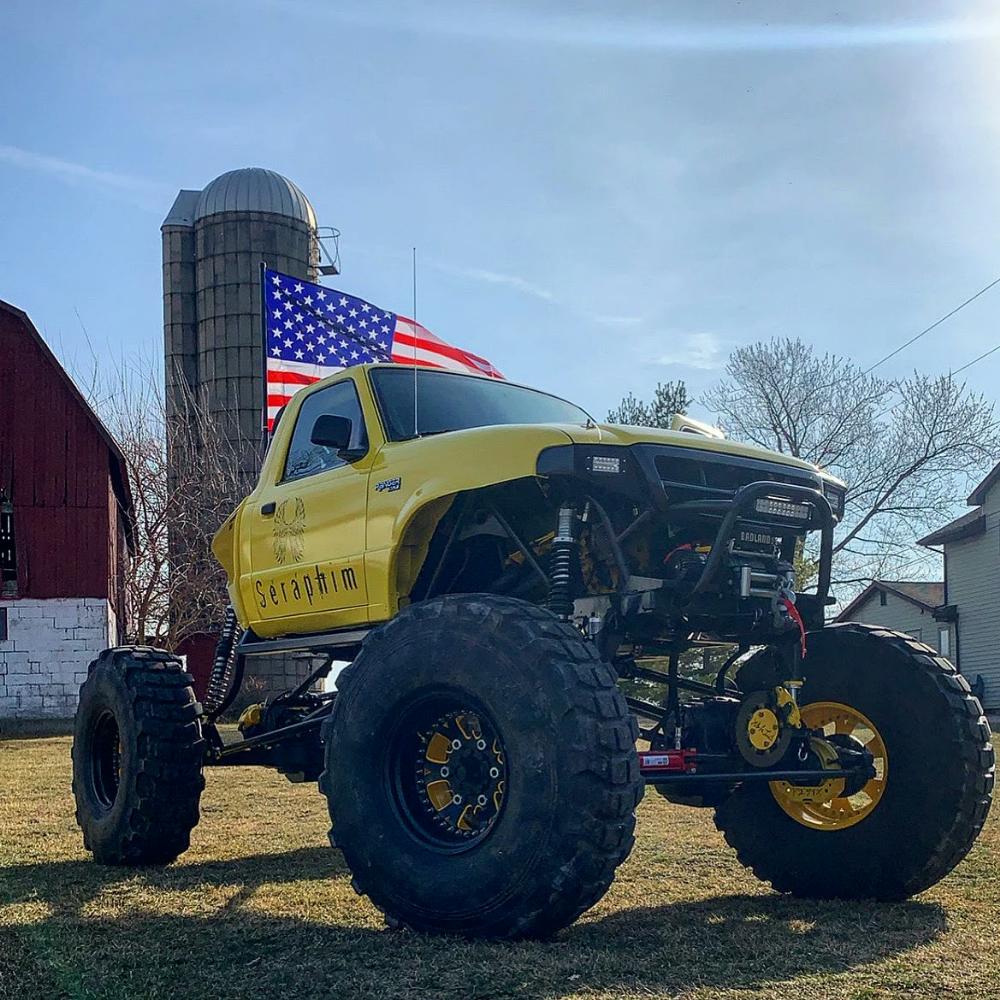
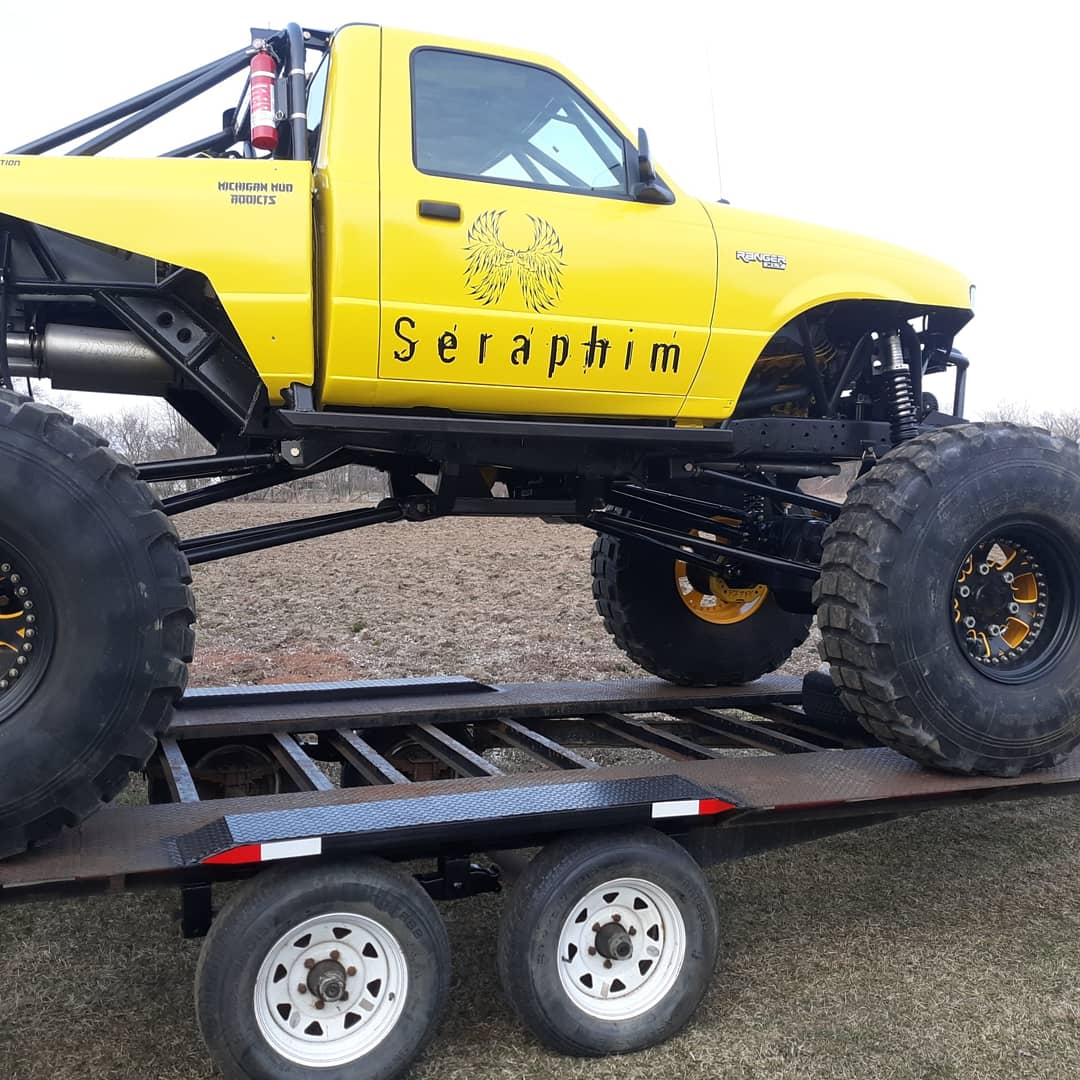
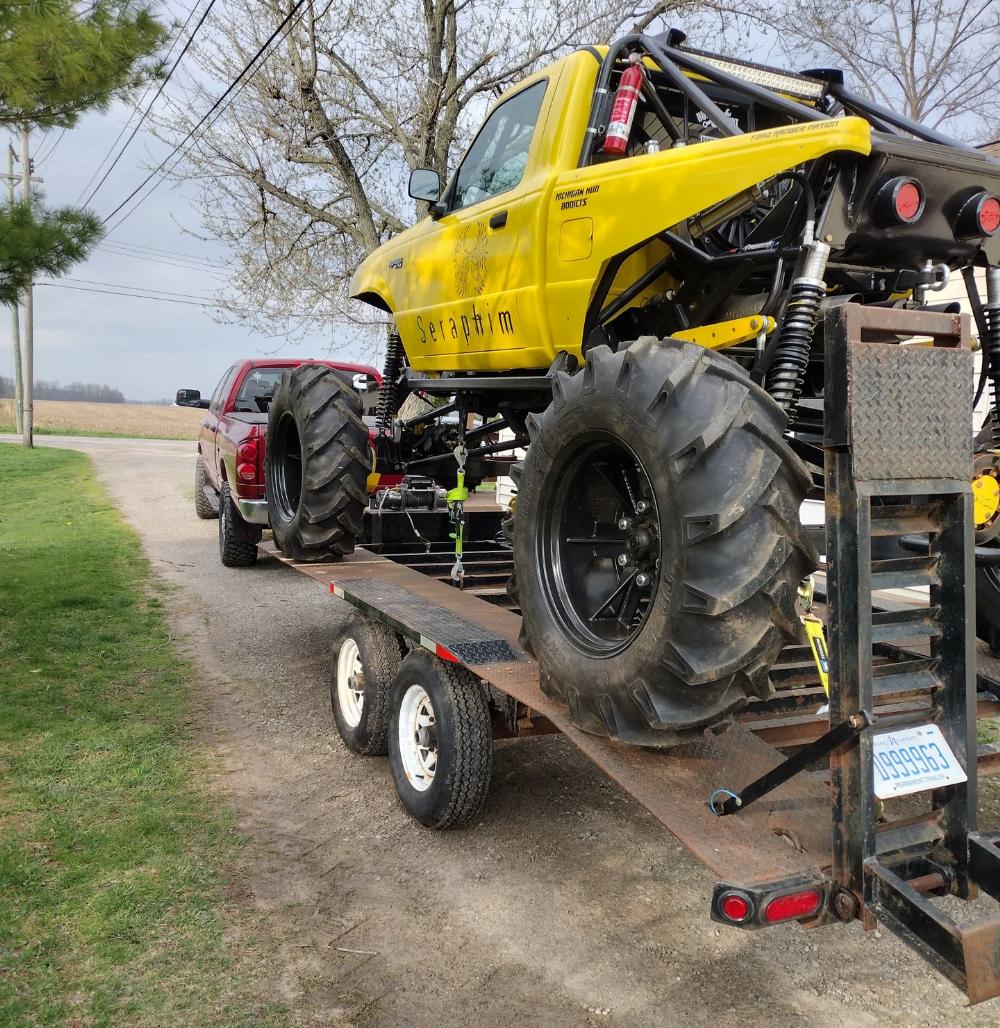
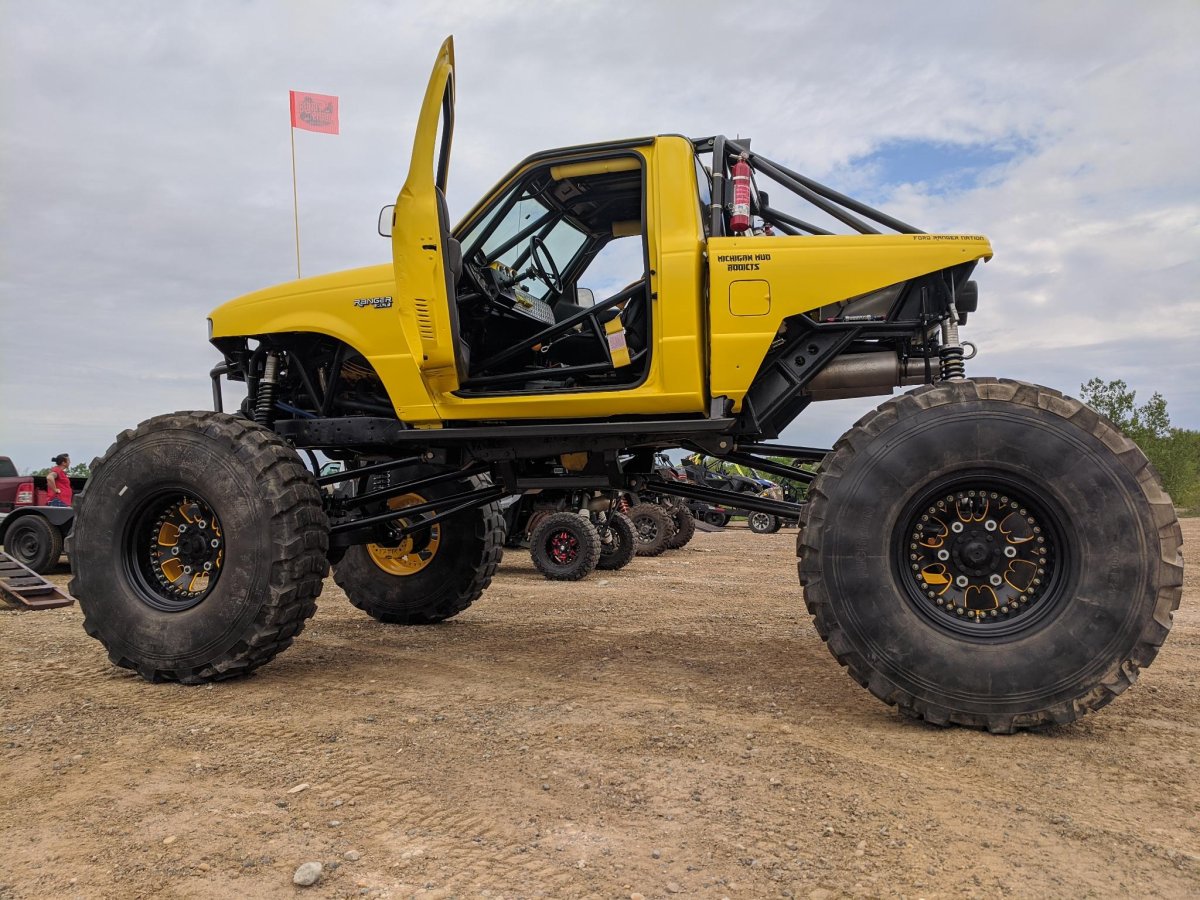
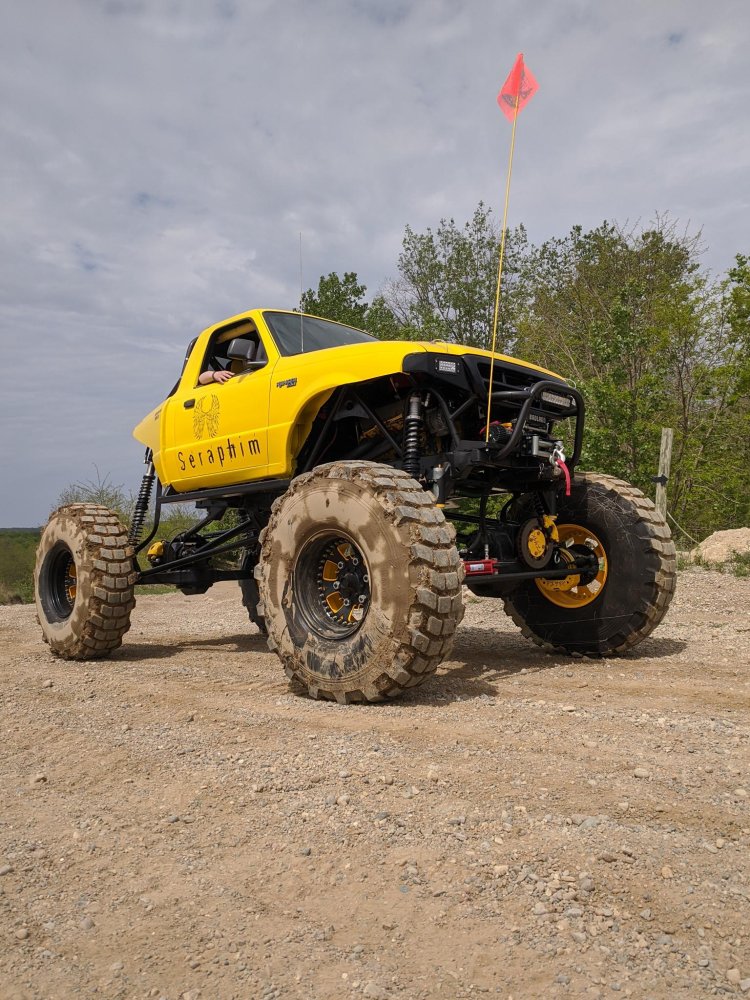
Forum member ‘mudtruggy’ began the build of this 1999 Ford Ranger with his oldest son in 2008, and recently finished it with his youngest son. He started out with a 1978 Ford F-150 4×4 that he had purchased 20 years earlier. Mudtruggy stripped off the bed and cab and cut the frame just behind where the cab sat. He then found a 1999 Ford Ranger cab and made new mounts to mate it to the F-150 frame.
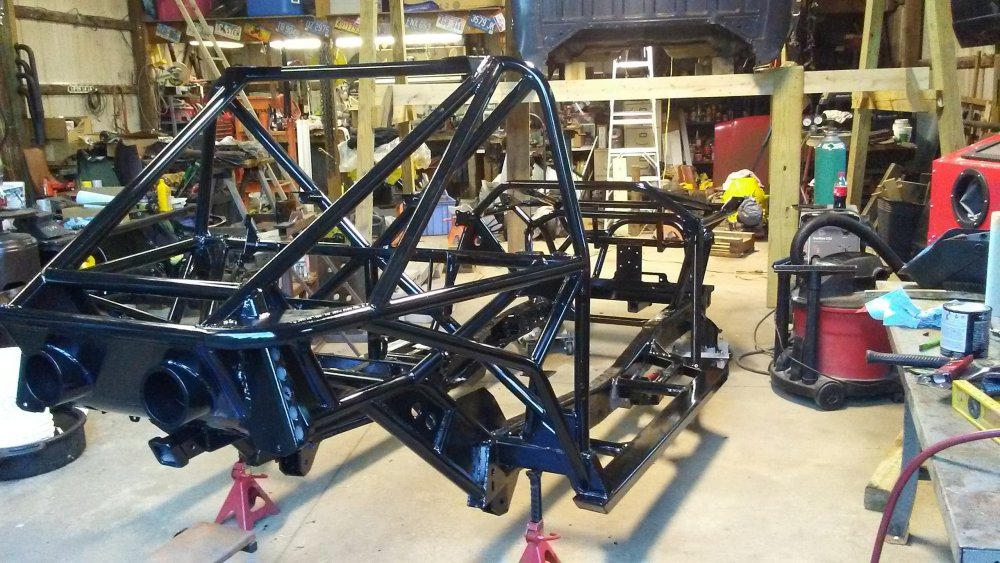
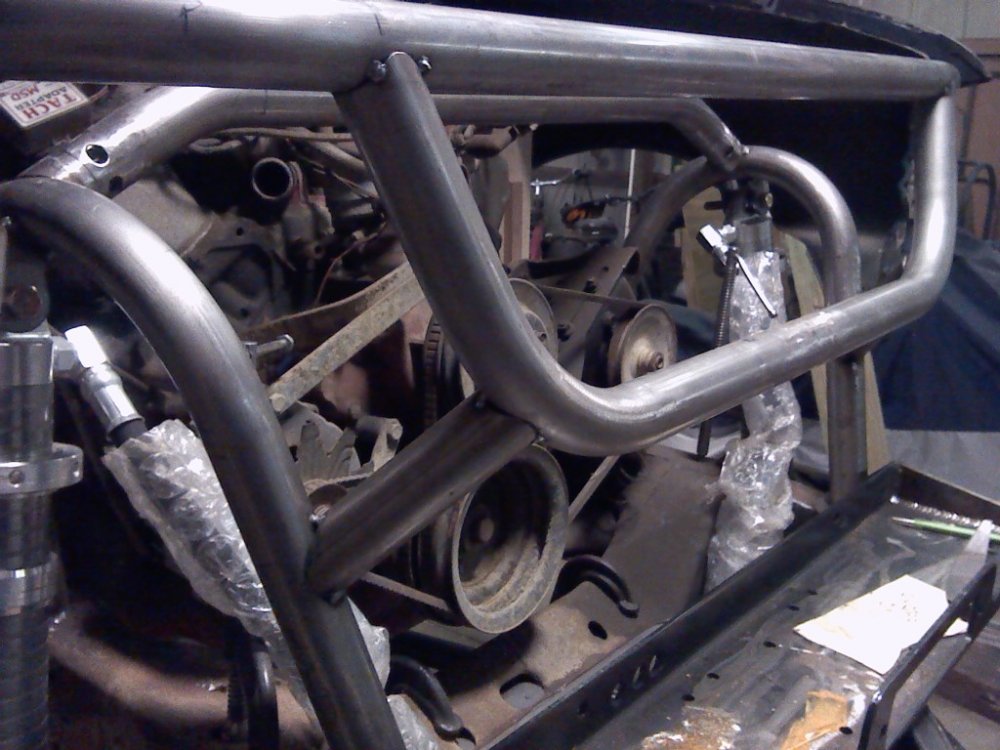
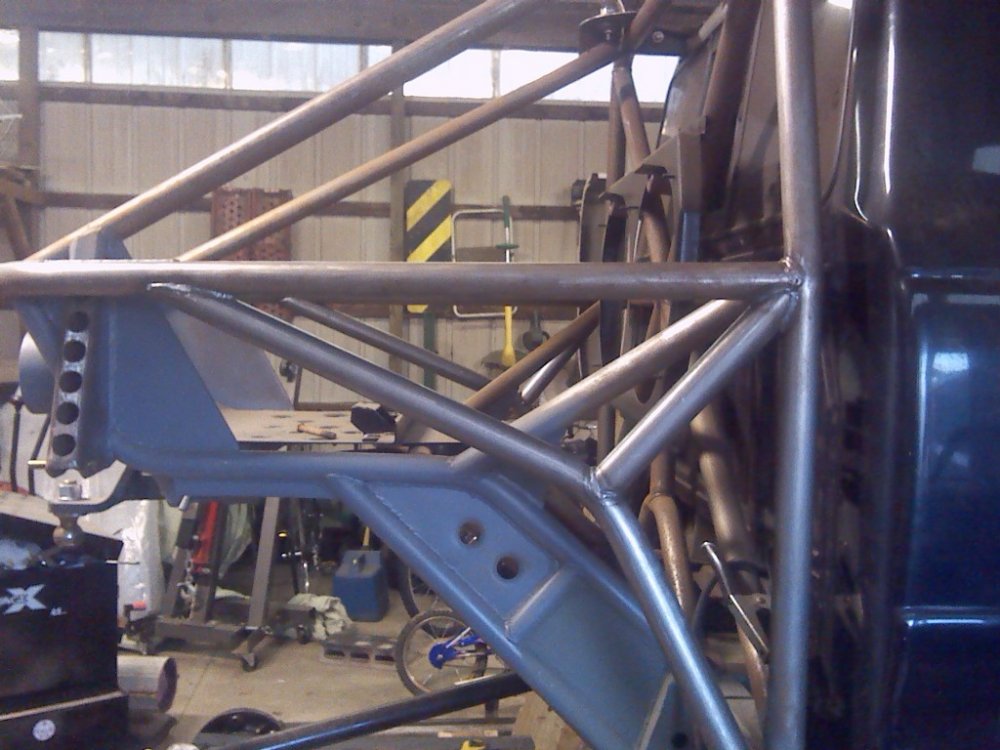
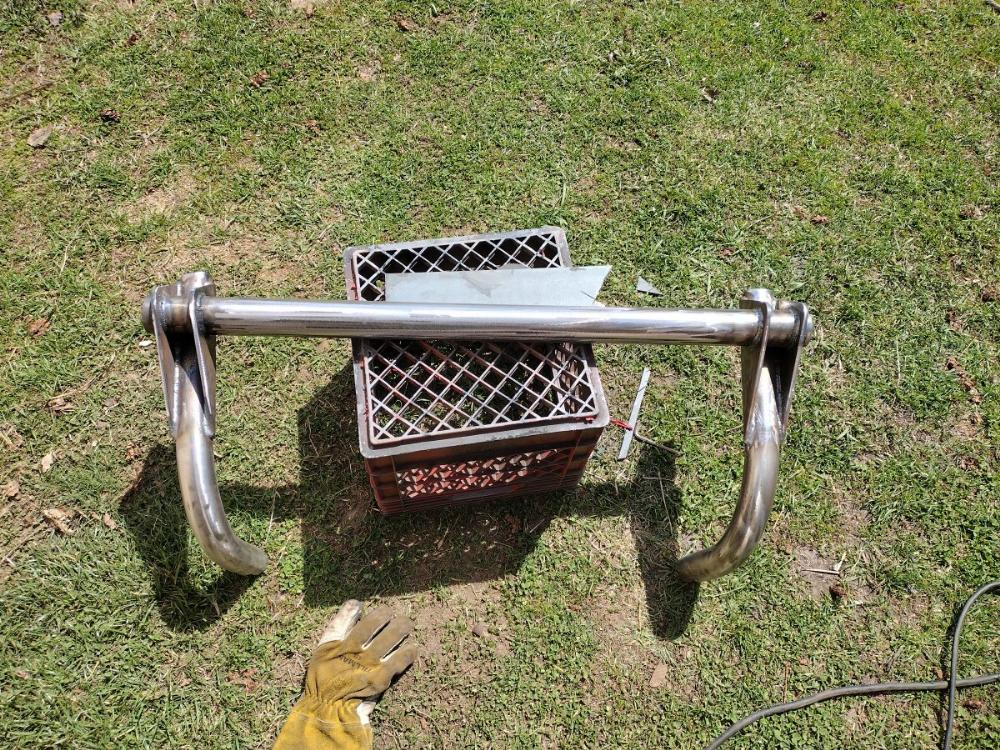
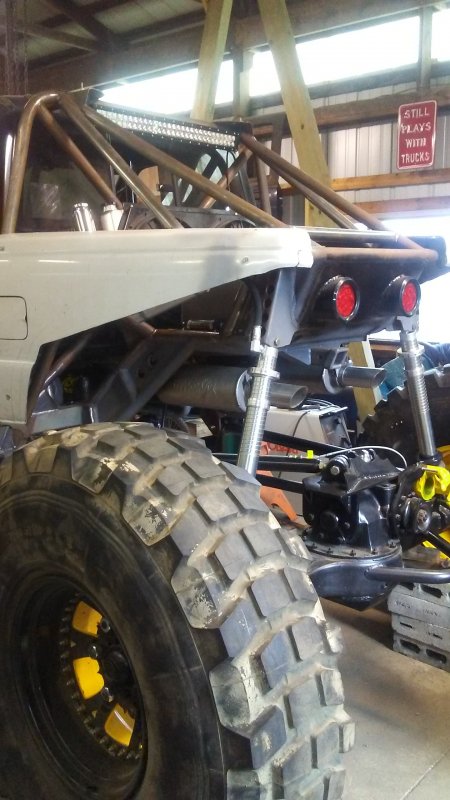
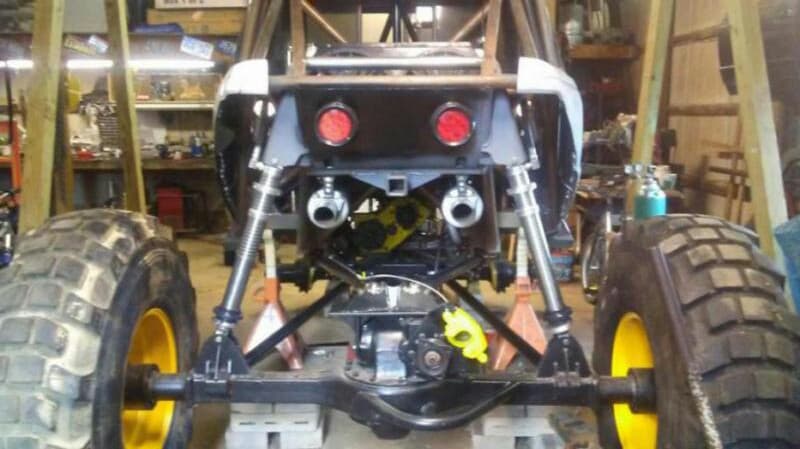
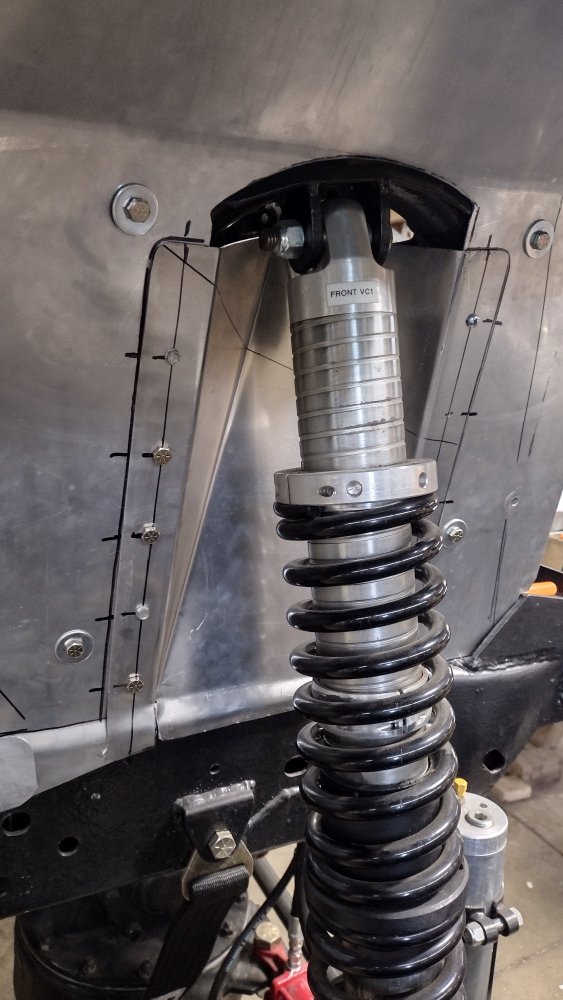
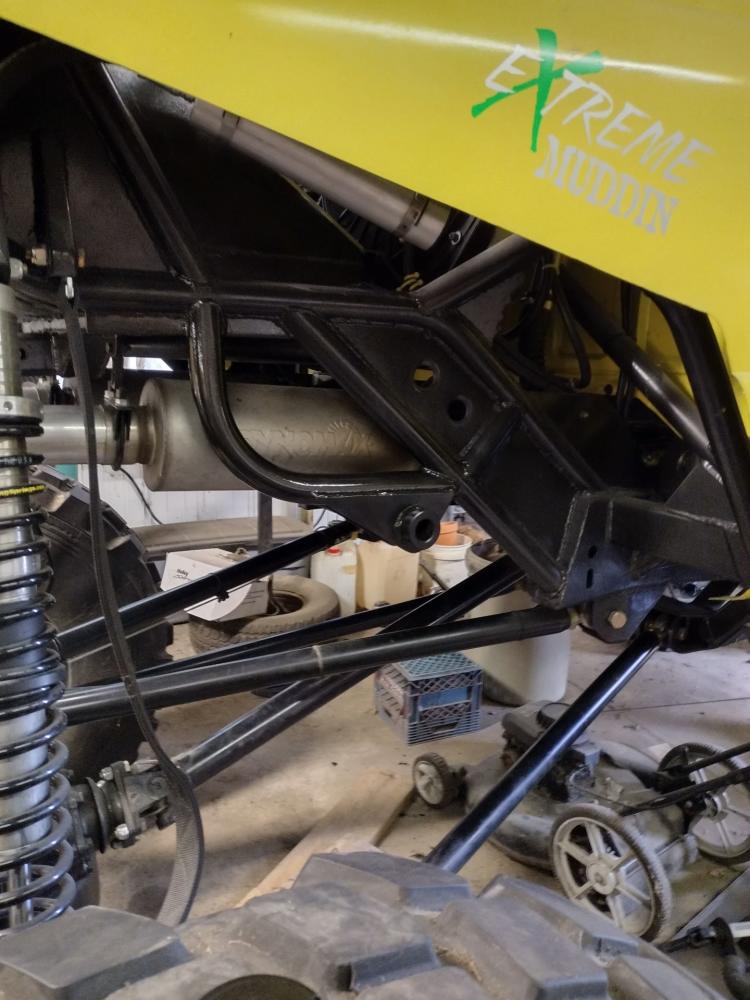
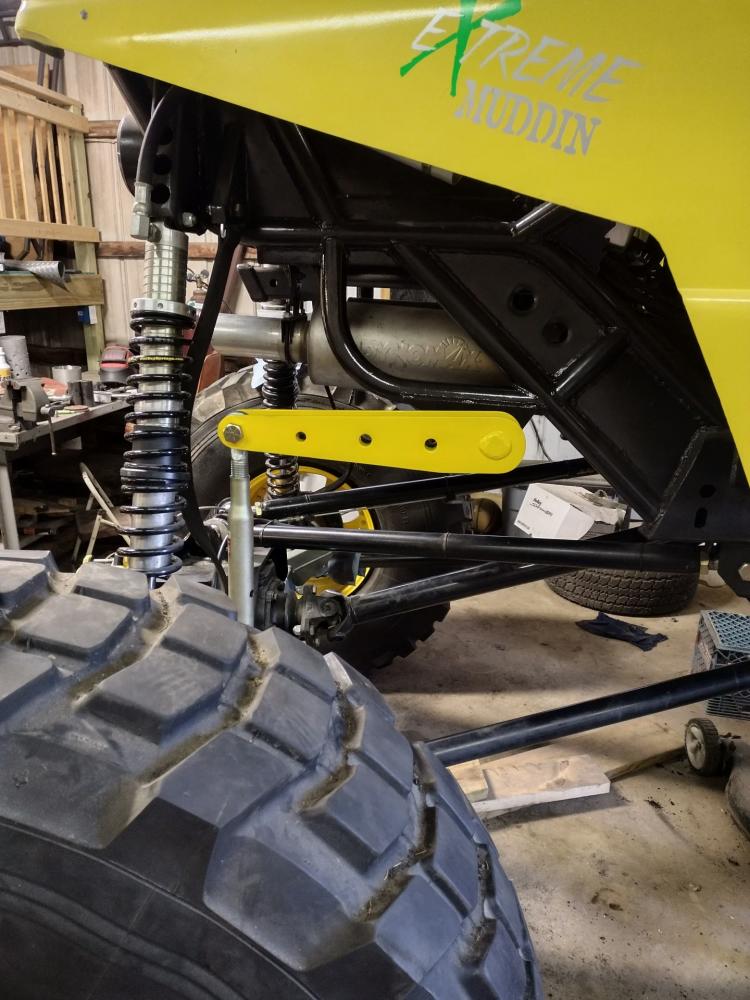
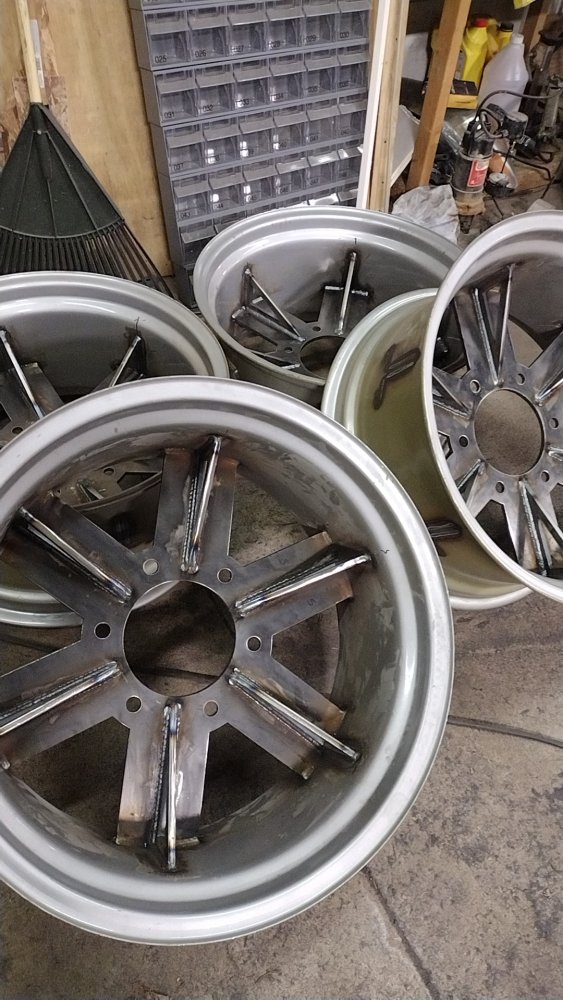
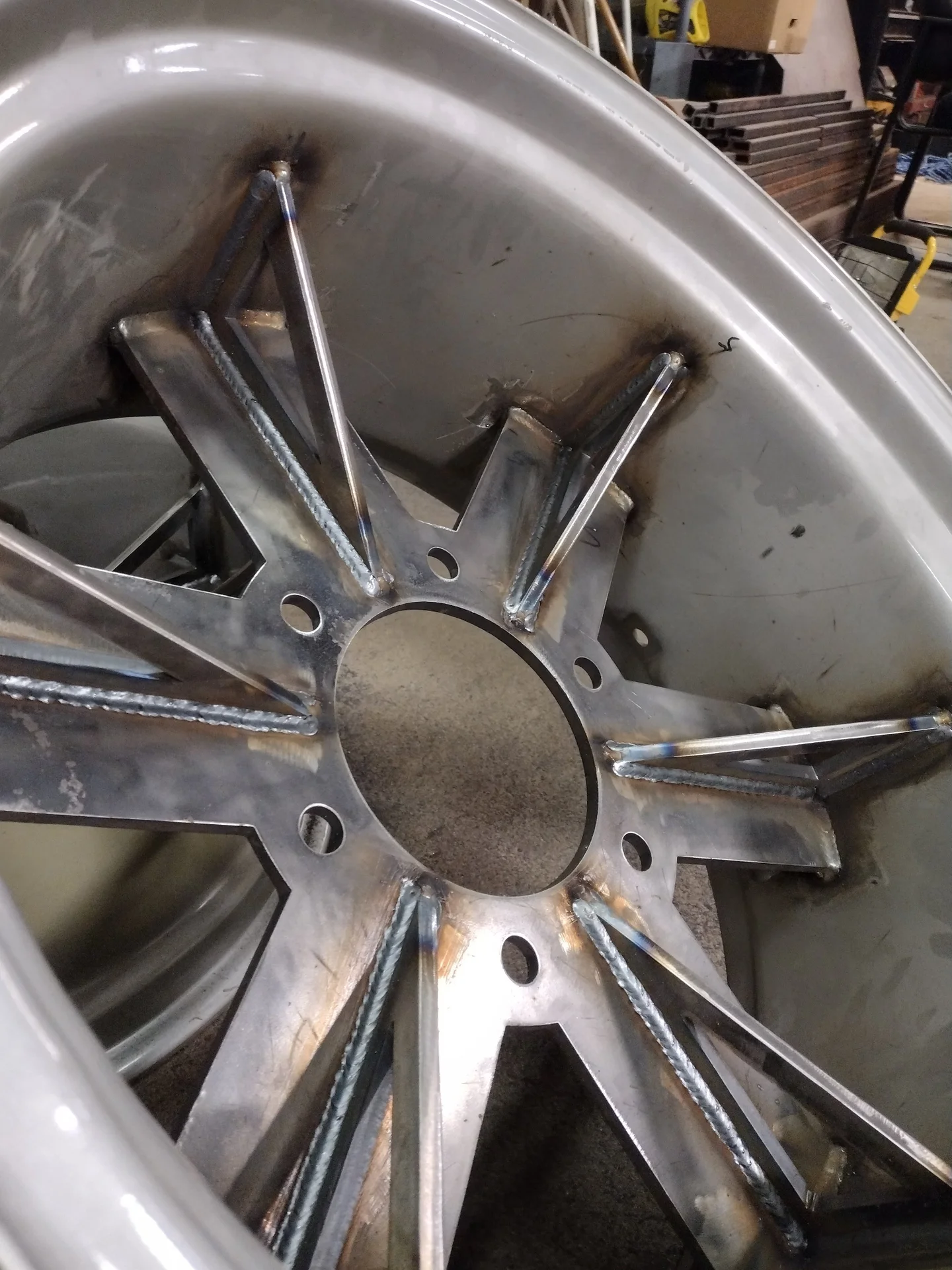
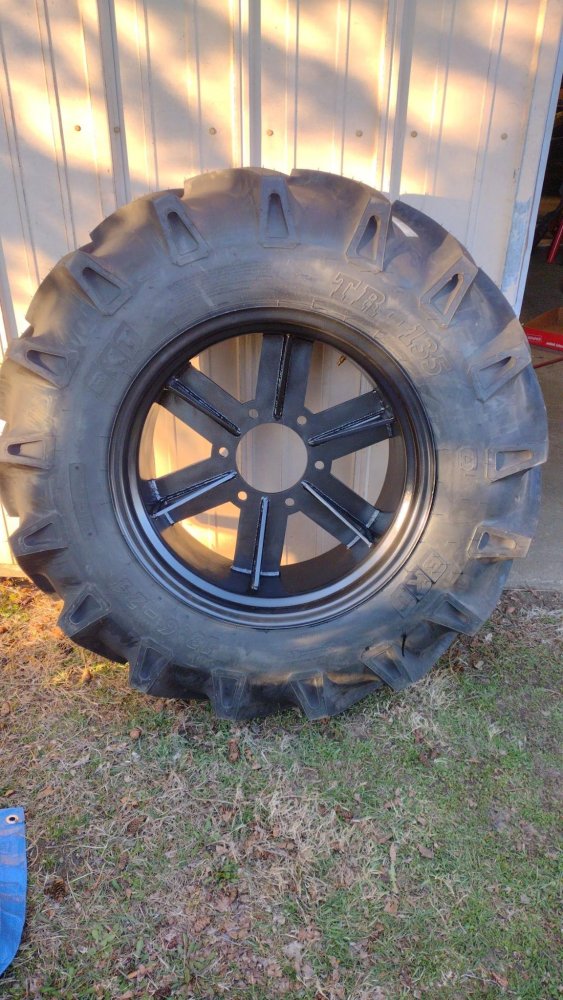
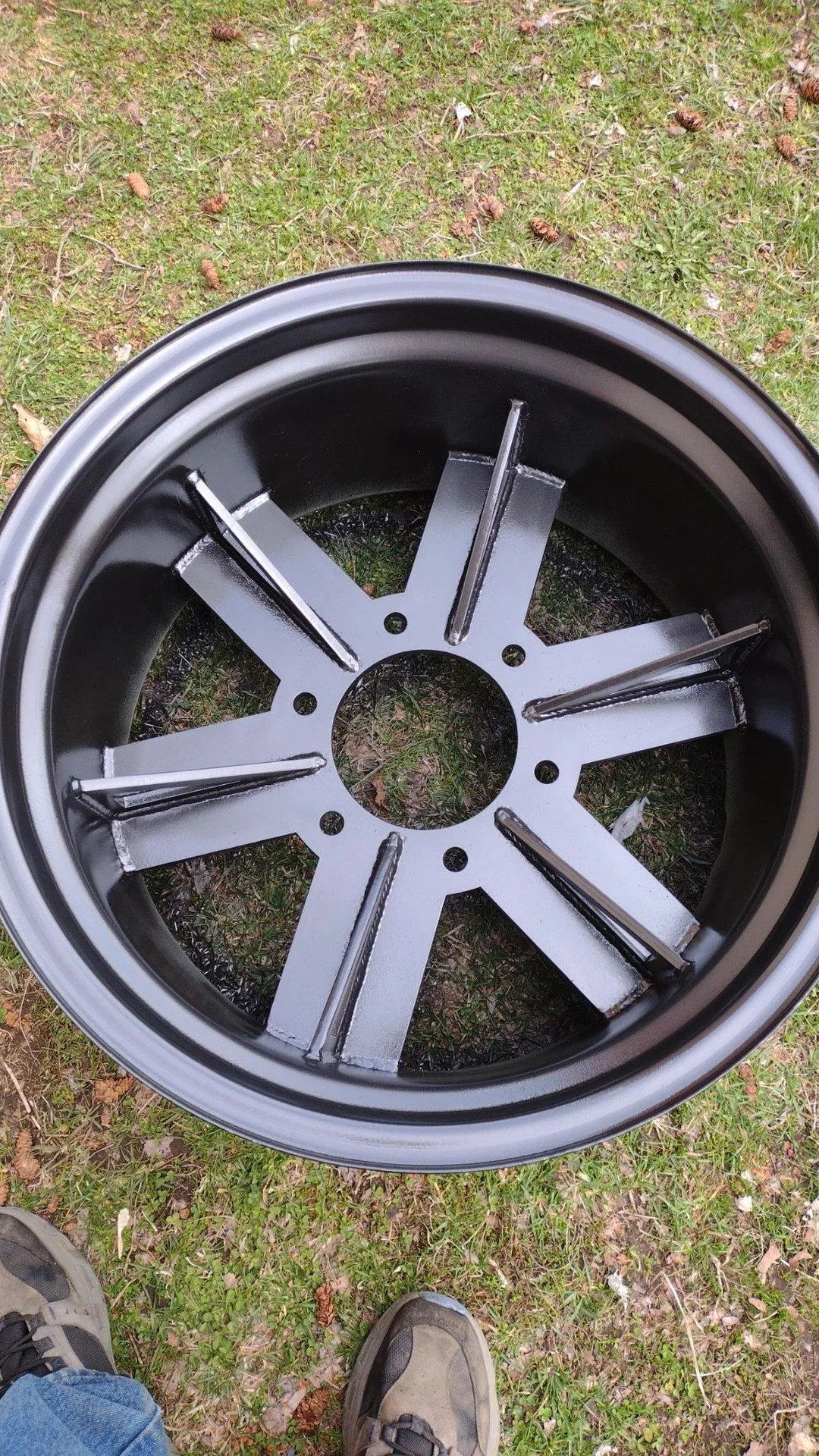
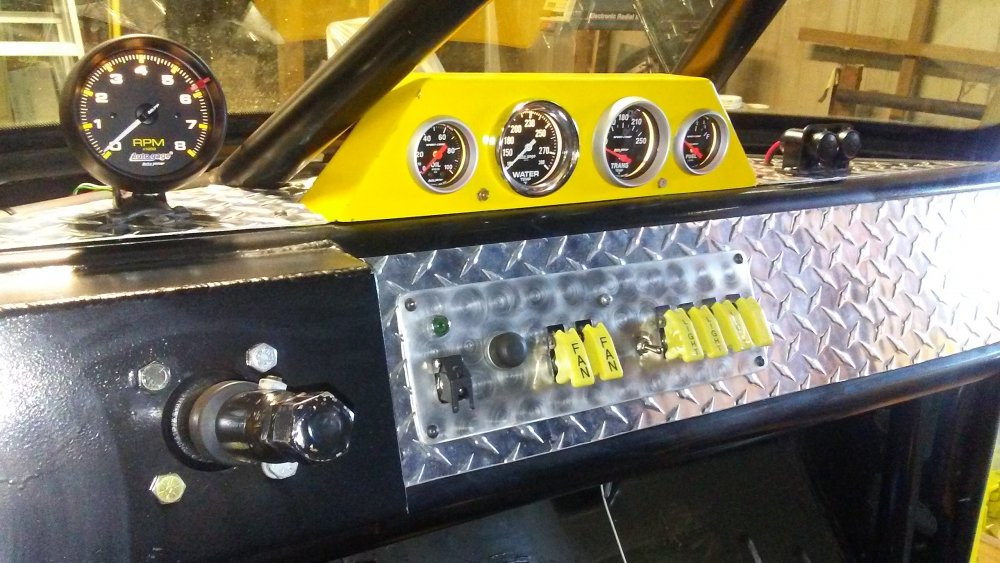
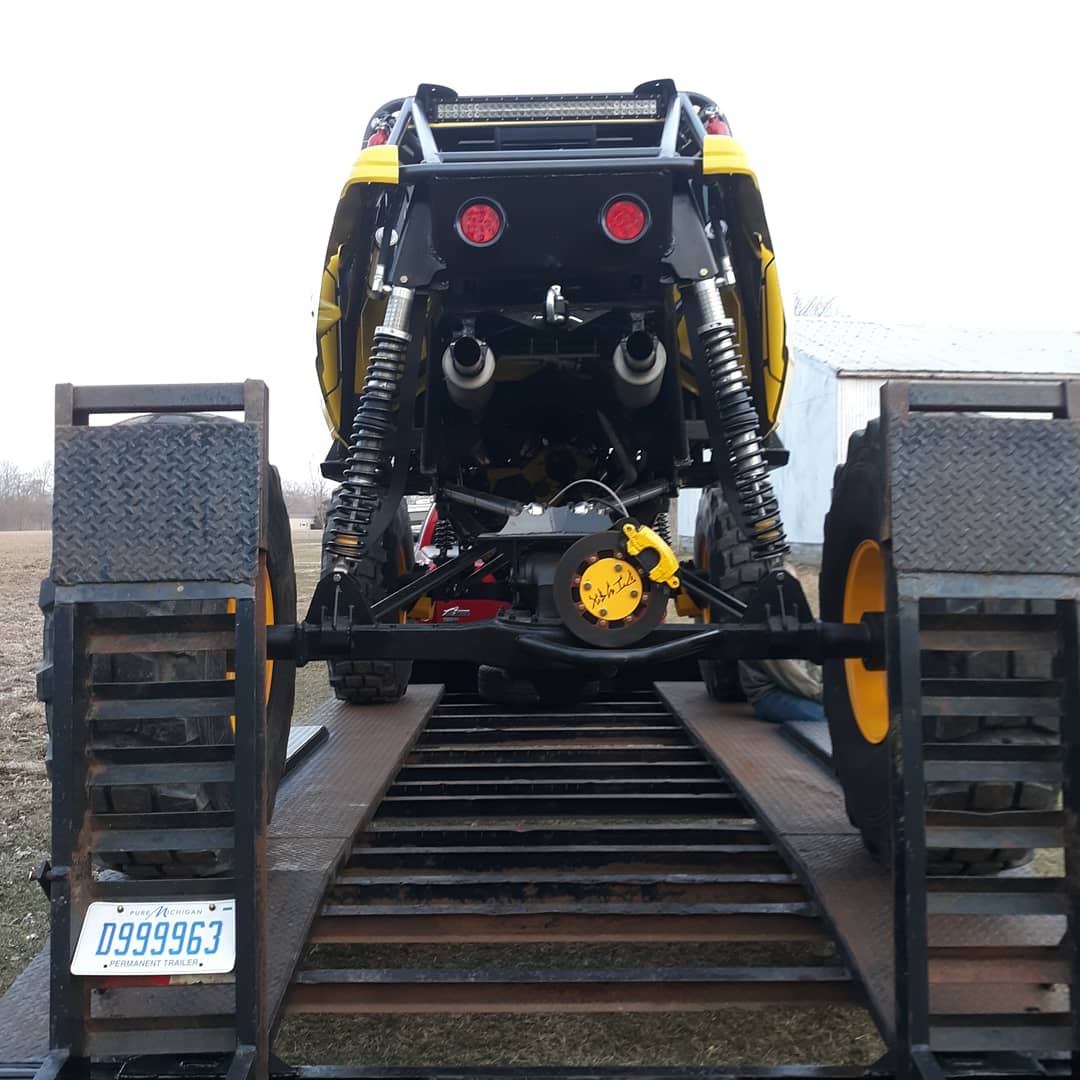
A custom cage was built out of tubing along with a 4-link suspension. 2.5-Ton Rockwell axles with full spools were used along with 16-inch FOA coilovers. 13.6-24 BKT tires are mounted on custom 24×12 inch wheels.
The Ranger is powered by a 1972 Ford 460 that was bored 0.60 over to 472 cid. It’s fueled by a Holley Sniper EFI and Holley ignition system. The power is sent to a Ford C6 automatic transmission and NP205 transfer case.
Other features included LED lights and a Badlands 12,000lb winch in the event this beast should ever get stuck.
Our forums members like this truck so much they named it the May Truck of The Month.
For more information and photos check out:
Mudtruggy 1999/1978 | The Ranger Station
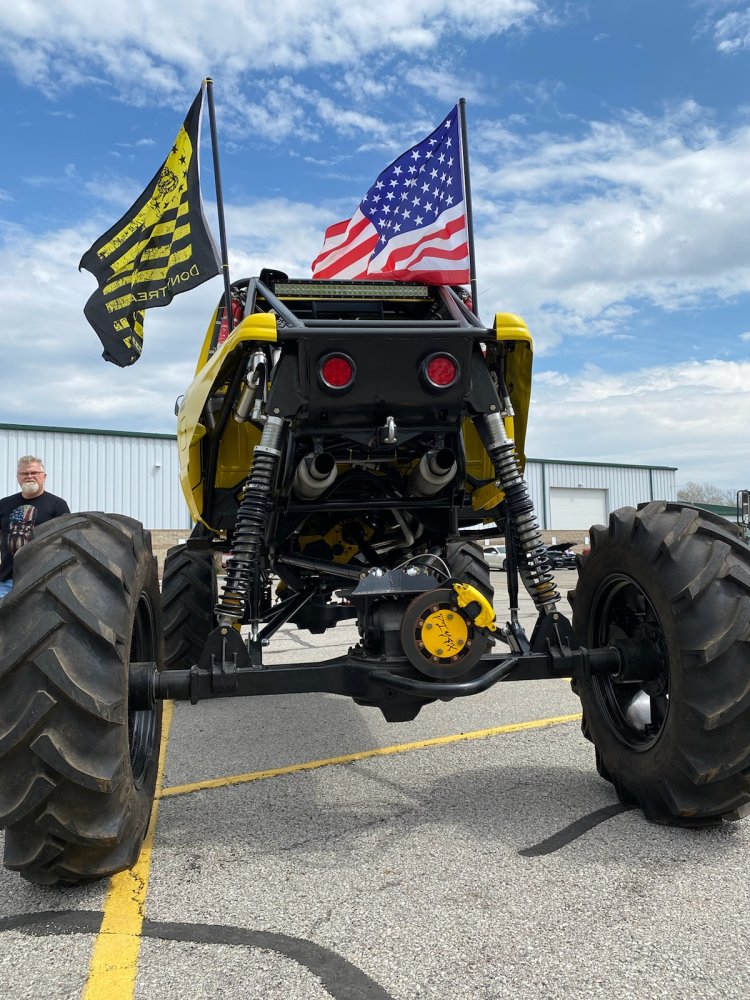
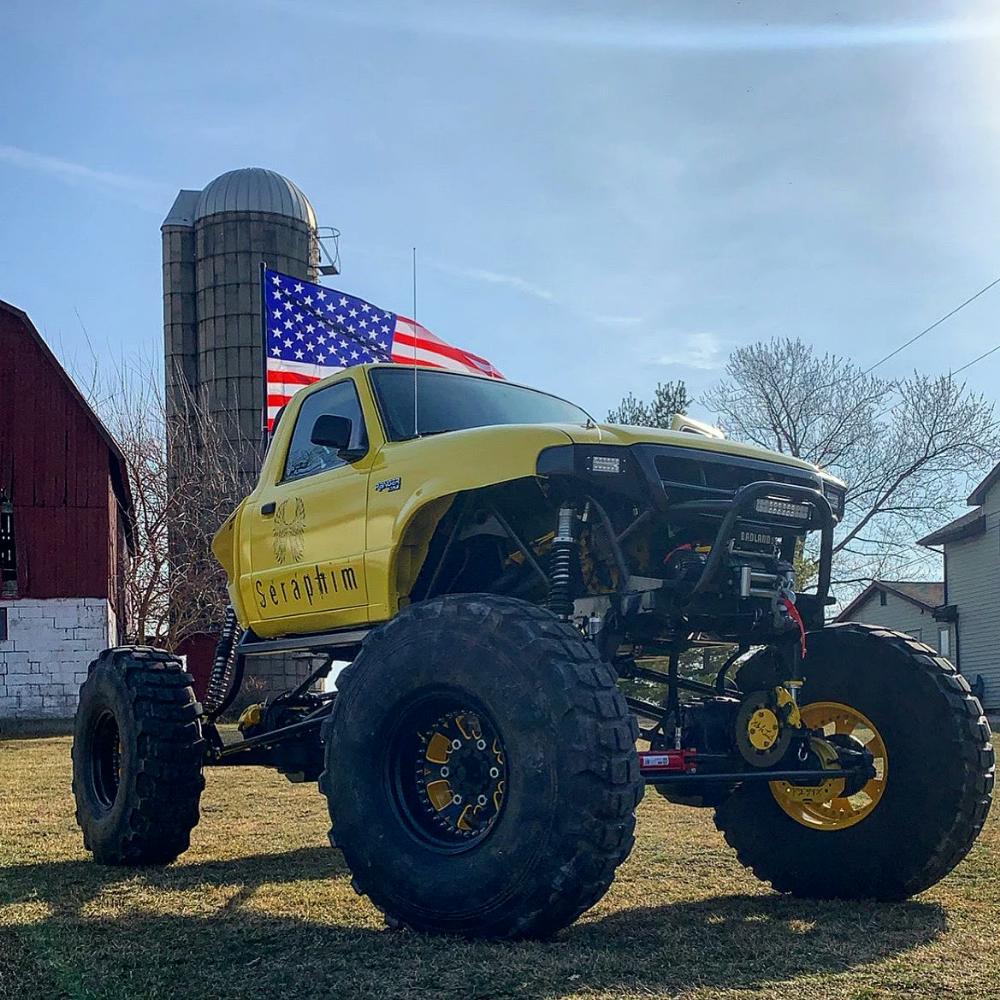
Photo Gallery:
About The Author
Jim Oaks is the founder of TheRangerStation.com, the longest-running Ford Ranger resource online since 1999. With over 25 years of hands-on experience building and modifying Ford Rangers — including magazine-featured builds like Project Transformer — Jim has become one of the most trusted authorities in the Ford Ranger off-road and enthusiast space.
Since launching TheRangerStation.com, Jim has documented thousands of real-world Ranger builds, technical repairs, drivetrain swaps, suspension modifications, and off-road adventures contributed by owners worldwide. TheRangerStation.com has been referenced in print, video and online by enthusiasts, mechanics, and off-road builders looking for practical, and experience-based information.