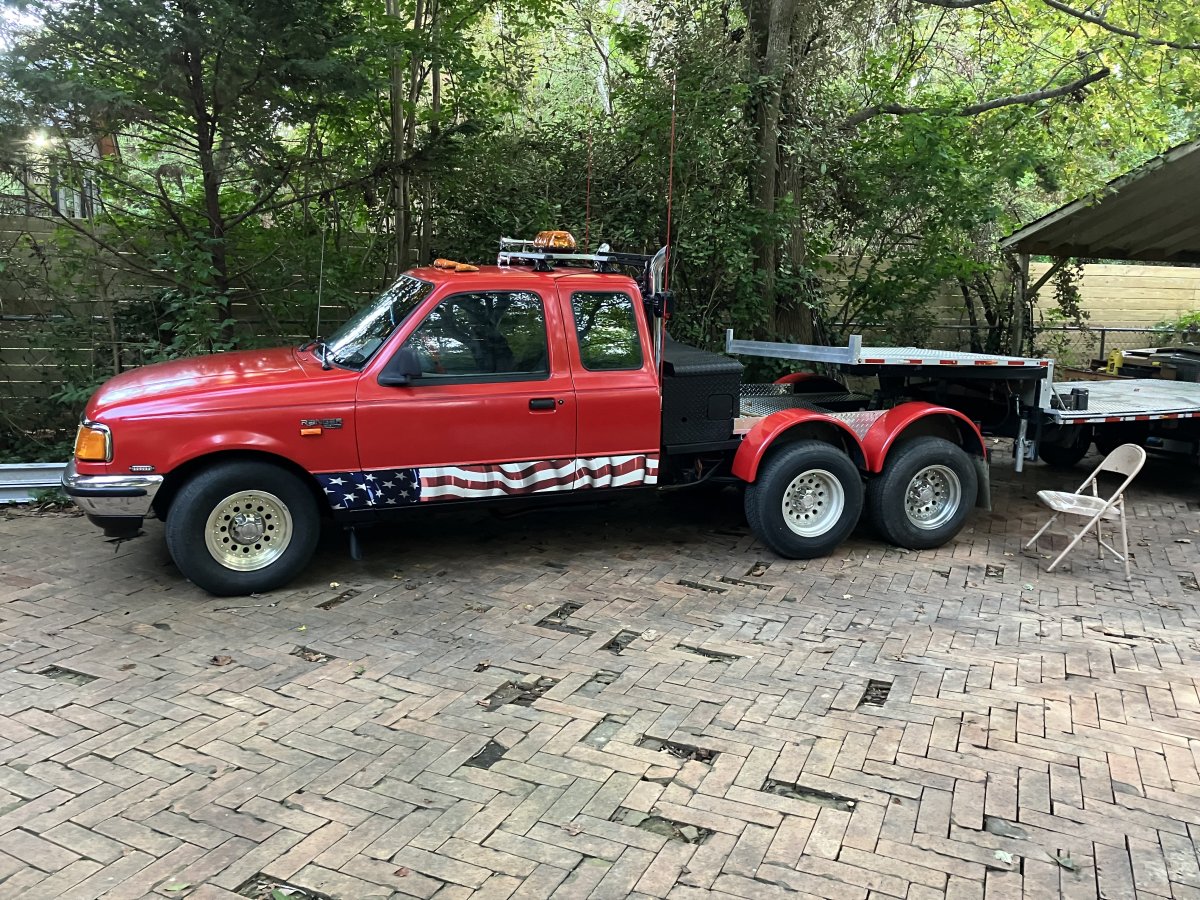
The Road Ranger: Rick W’s 1997 Ford Ranger Semi
When Rick W’s 1997 Ford Ranger was voted the October 2024 Truck of the Month, there was one thing that made it stand out from just about every other Ranger we’ve featured.

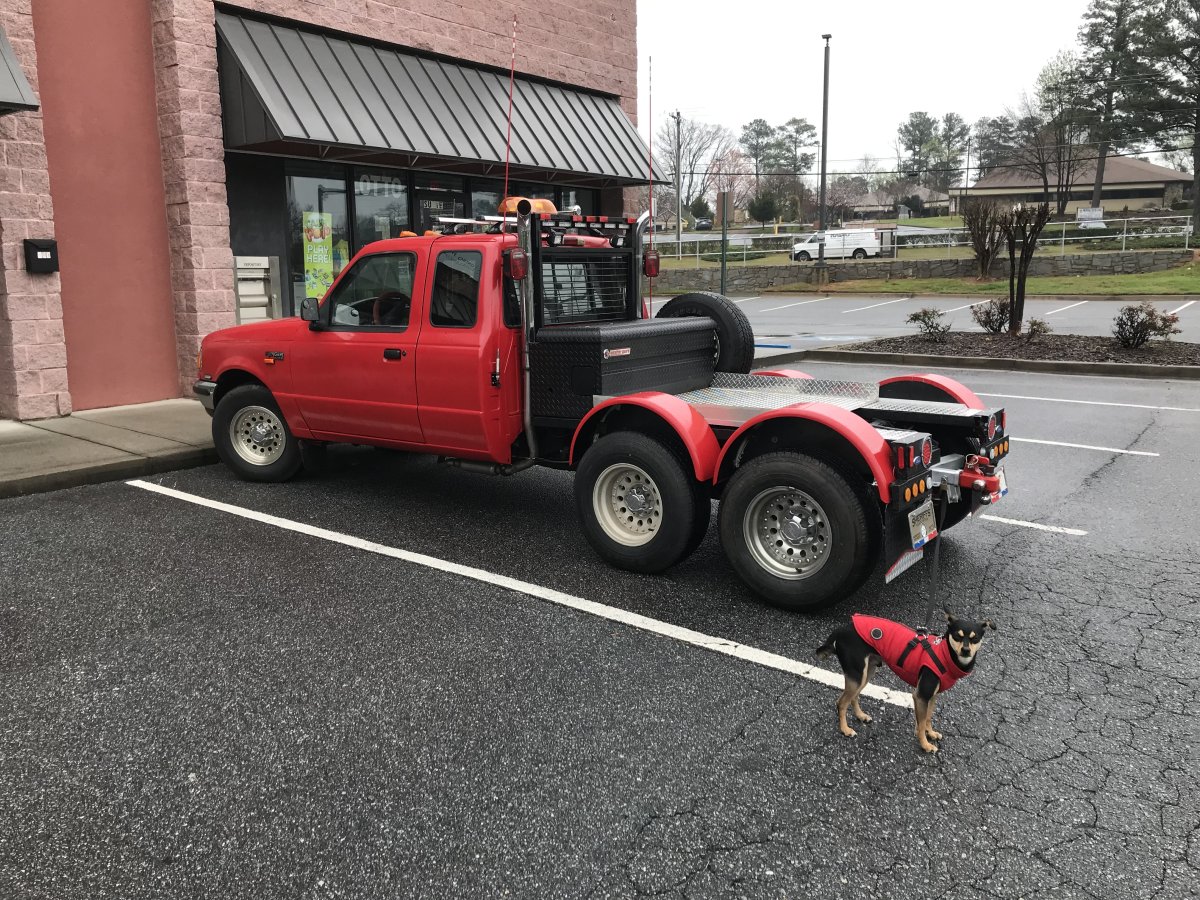
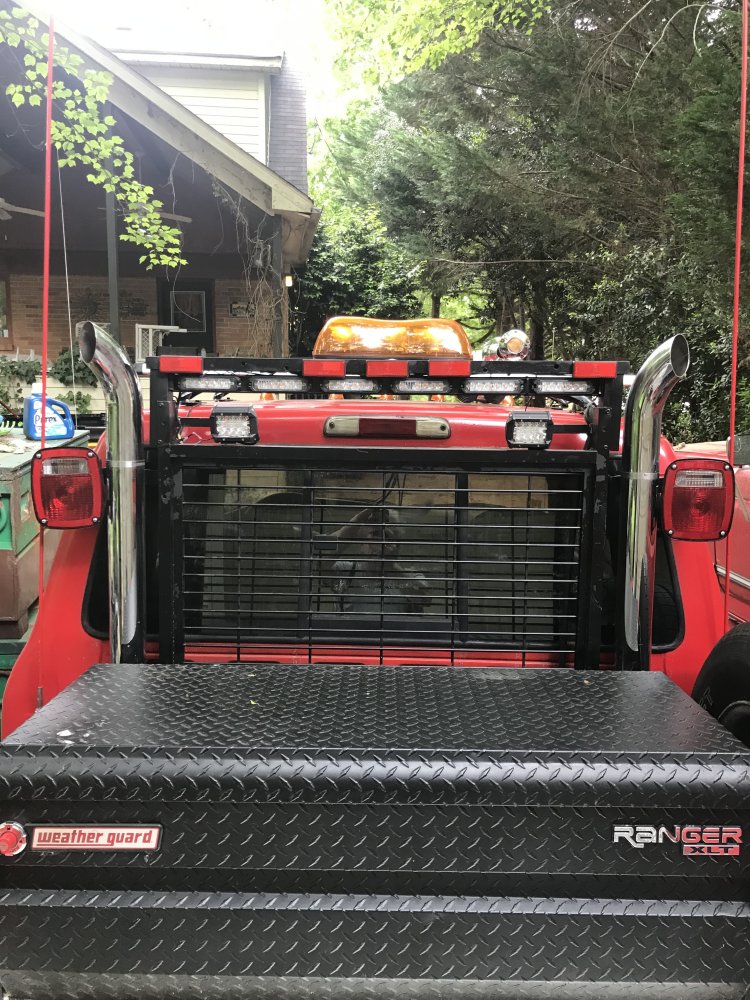
It looks like a semi.
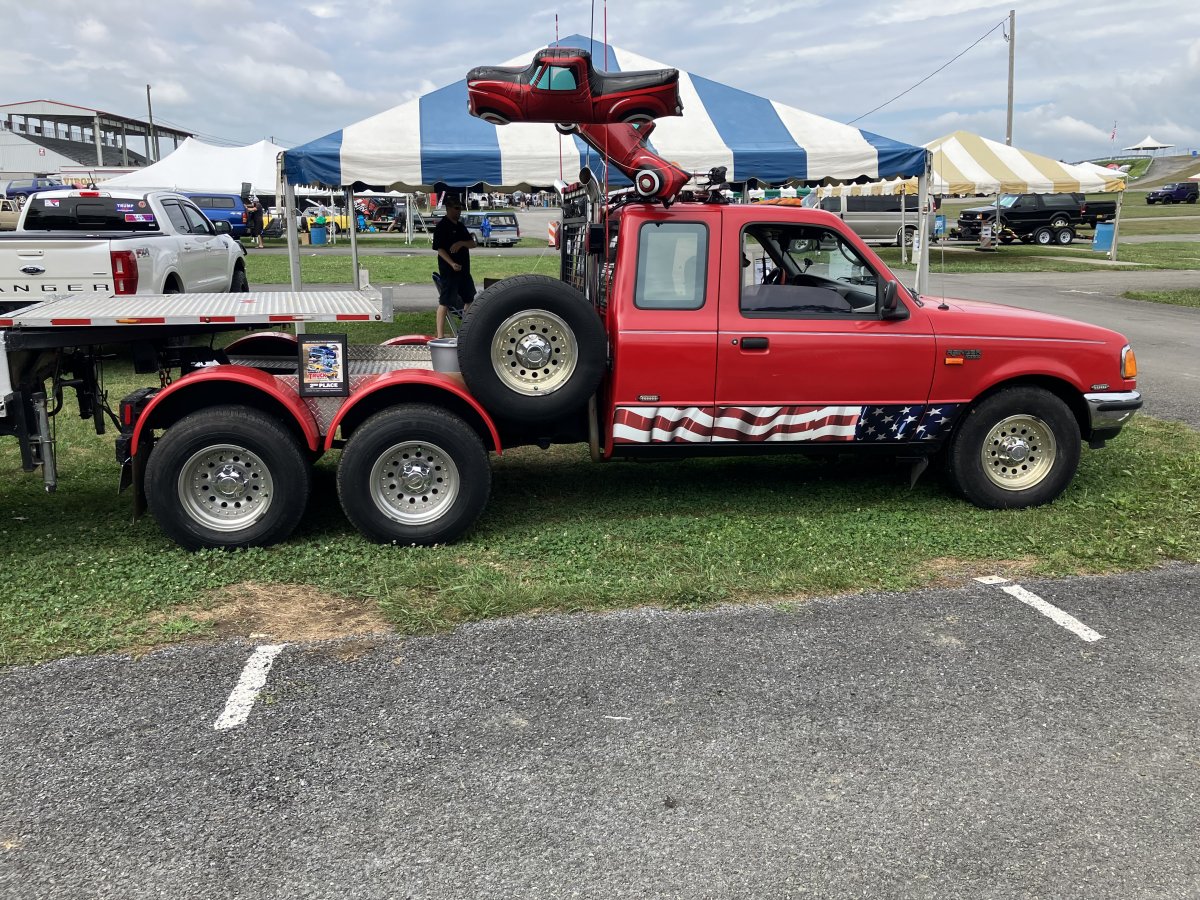
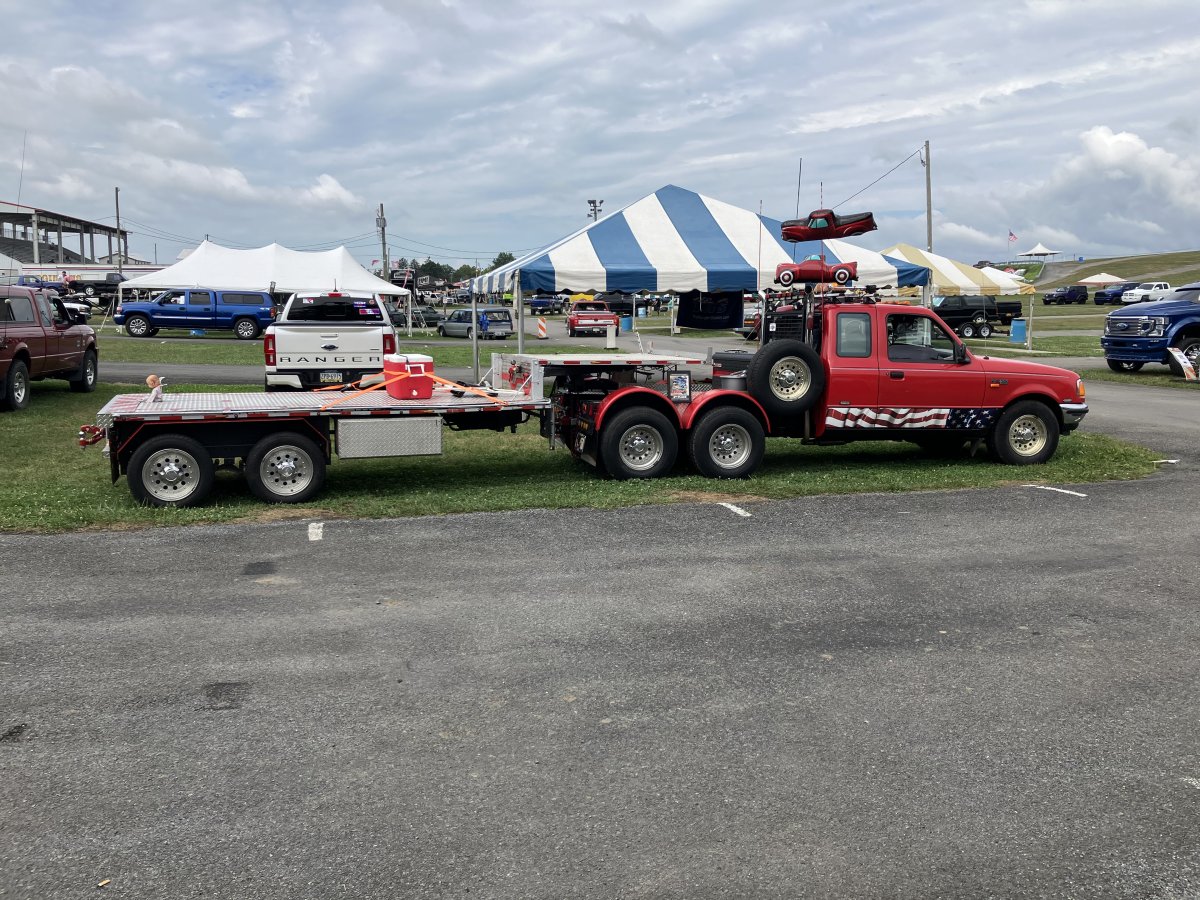
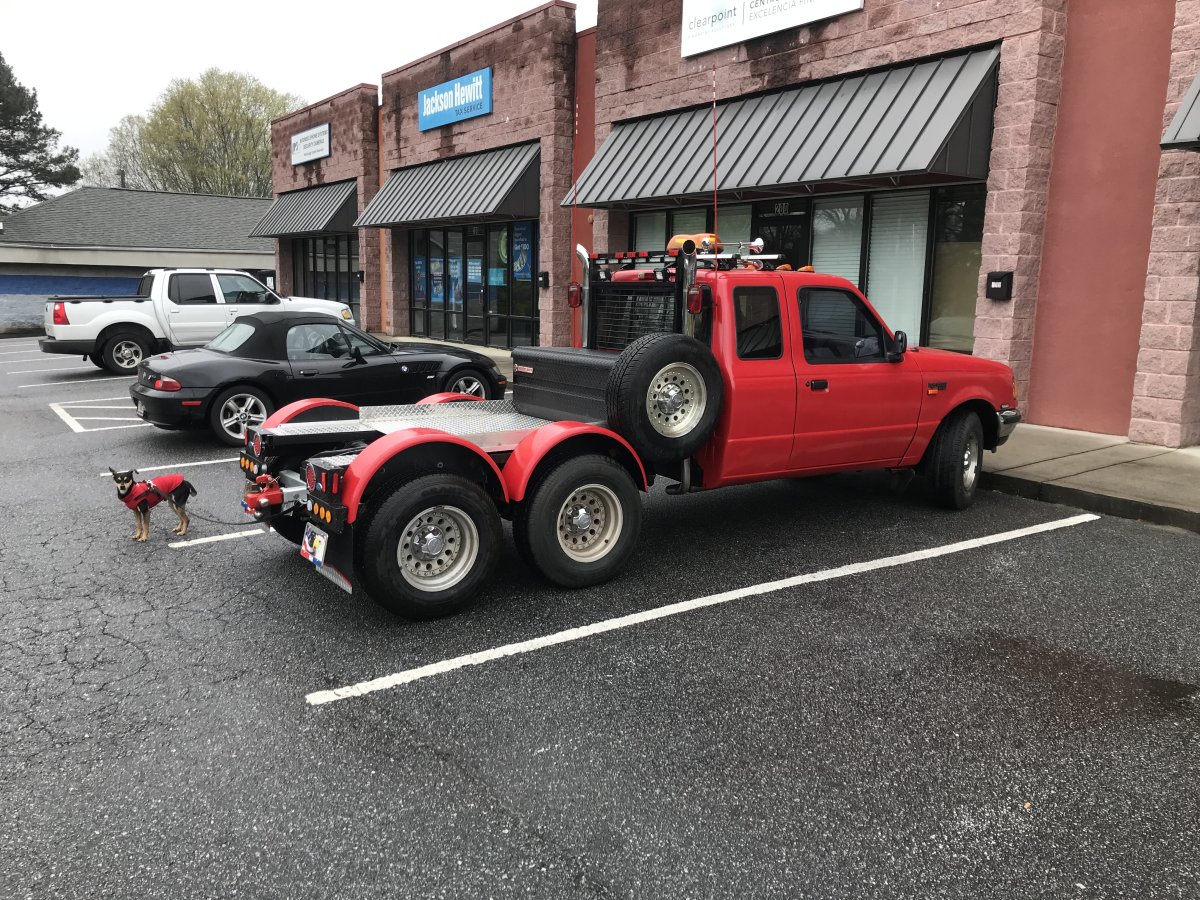
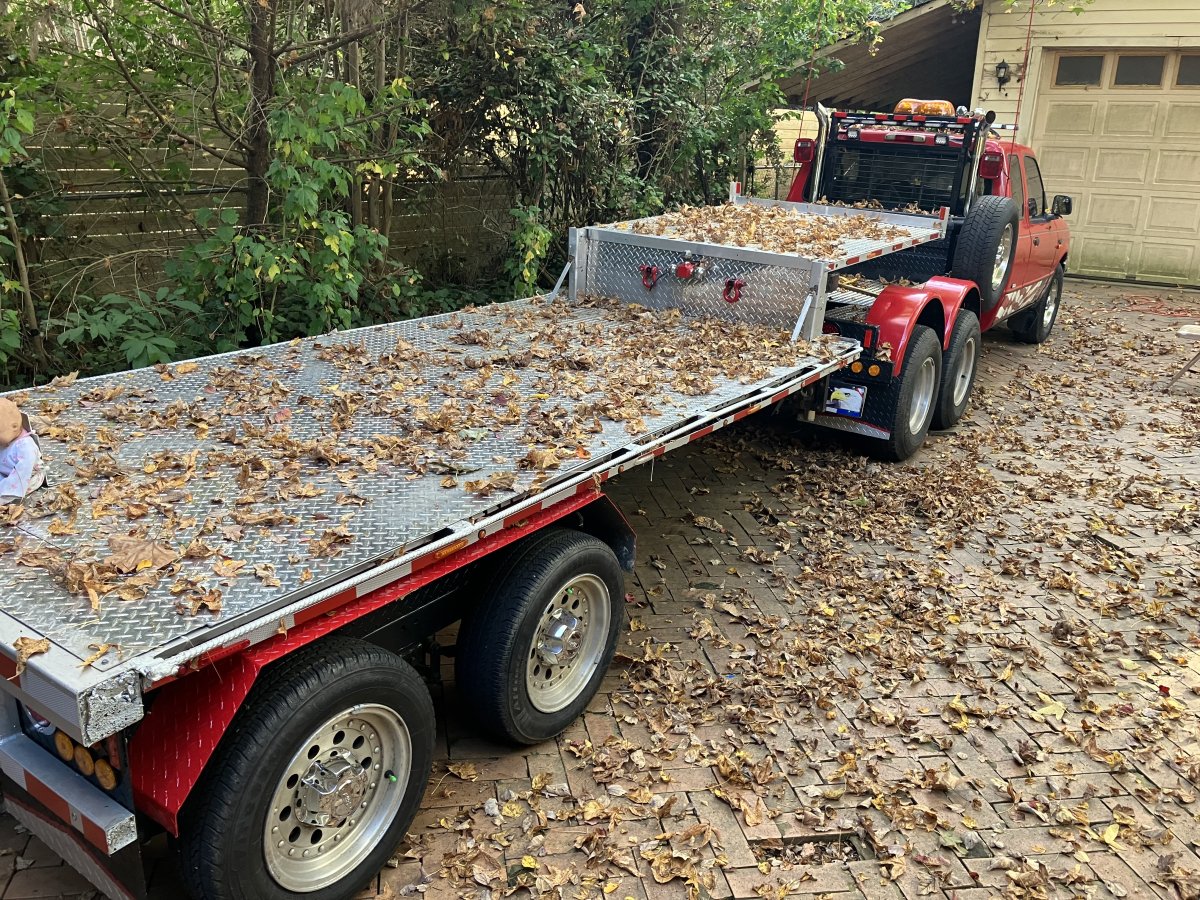
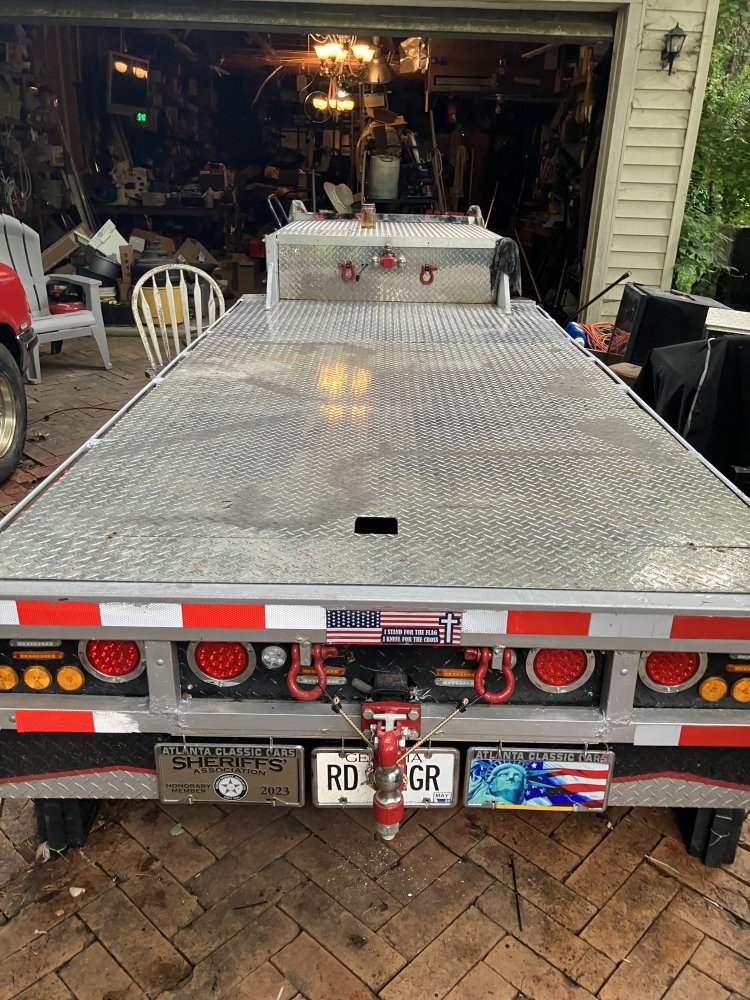
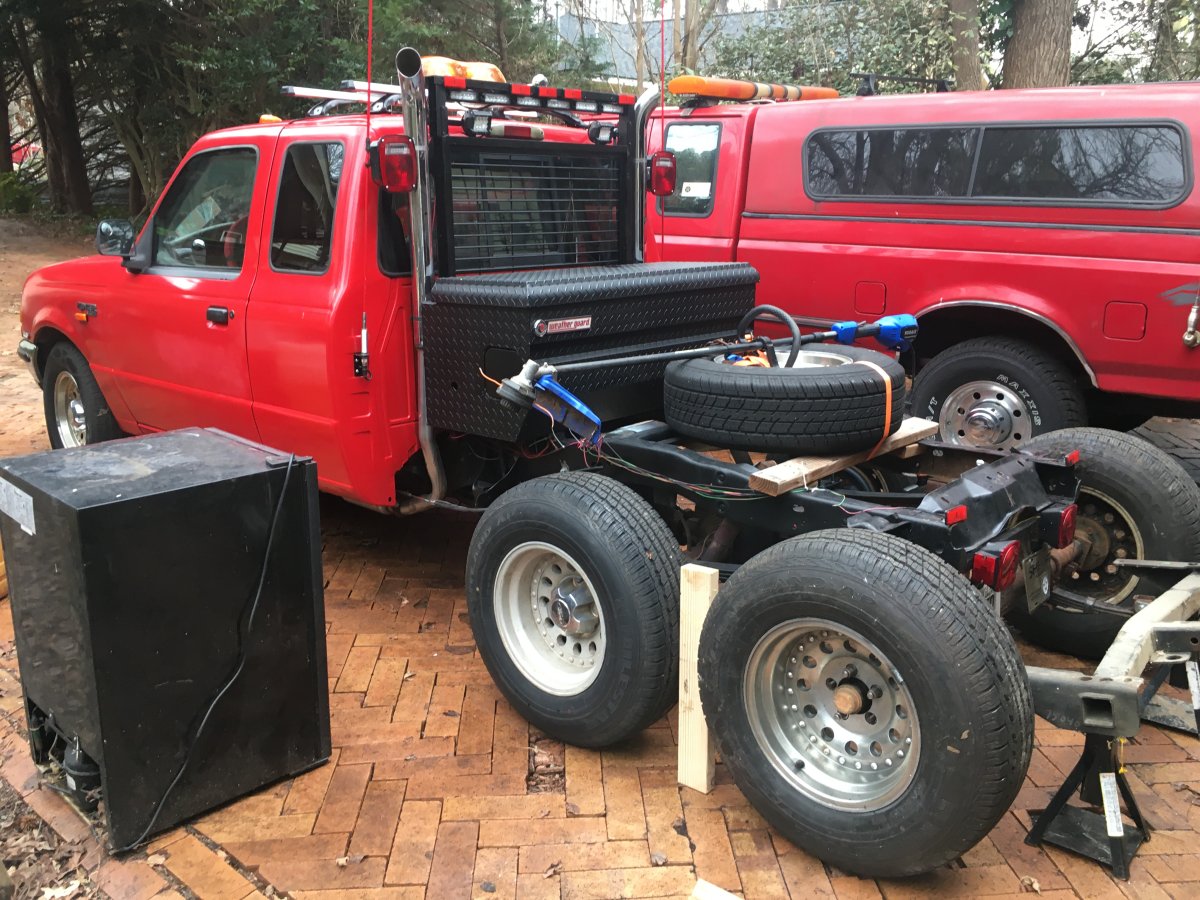
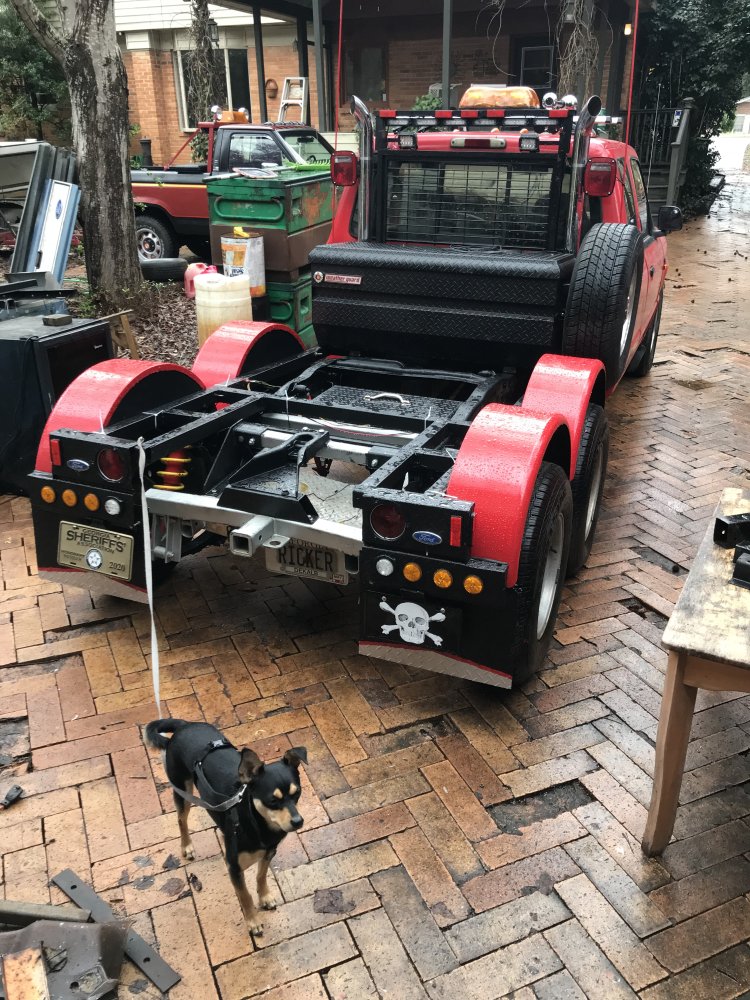
Not a Ranger made to tow a semi. Not a Ranger with a fifth-wheel hitch. Rick actually built a miniature semi-truck out of a 1997 Ranger, complete with a third axle and a matching step trailer.
And if you know Rick, that probably doesn’t sound quite as crazy as it does to everyone else.
It Started With an $800 Ranger
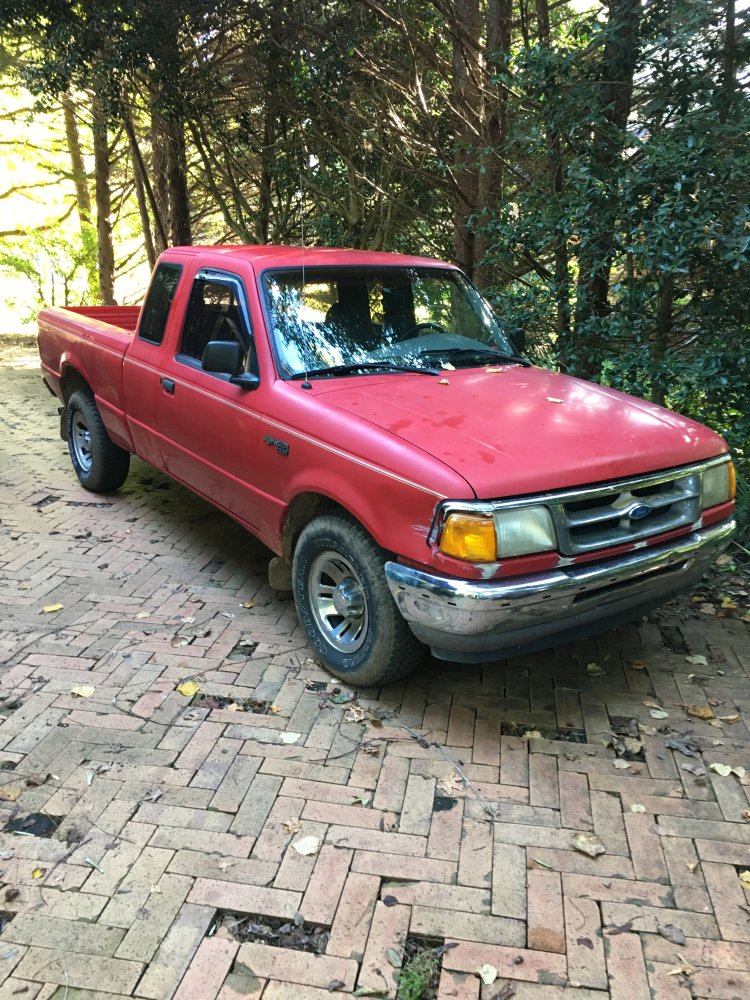
The Road Ranger started life as a 1997 Ford Ranger with about 305,000 miles on it. Rick found it on Craigslist for $800 and was the first person to call the seller.
It was a one-owner truck that had been inherited by the owner’s grandson, who had started modifying it and eventually decided to sell it. Mechanically, Rick said the truck was actually in great shape.
For the first year and a half, it wasn’t a project at all. Rick drove it while he concentrated on another Ranger project, his 1987 “Missing Linc.”
Meanwhile, Rick was doing what Rick does. He was watching Craigslist, collecting parts, buying wheels and tires, picking up trailers, and putting useful pieces aside for projects that didn’t necessarily exist yet.
He calls the collection his “shed of miracles.”
Eventually, the 1997 Ranger’s turn came.
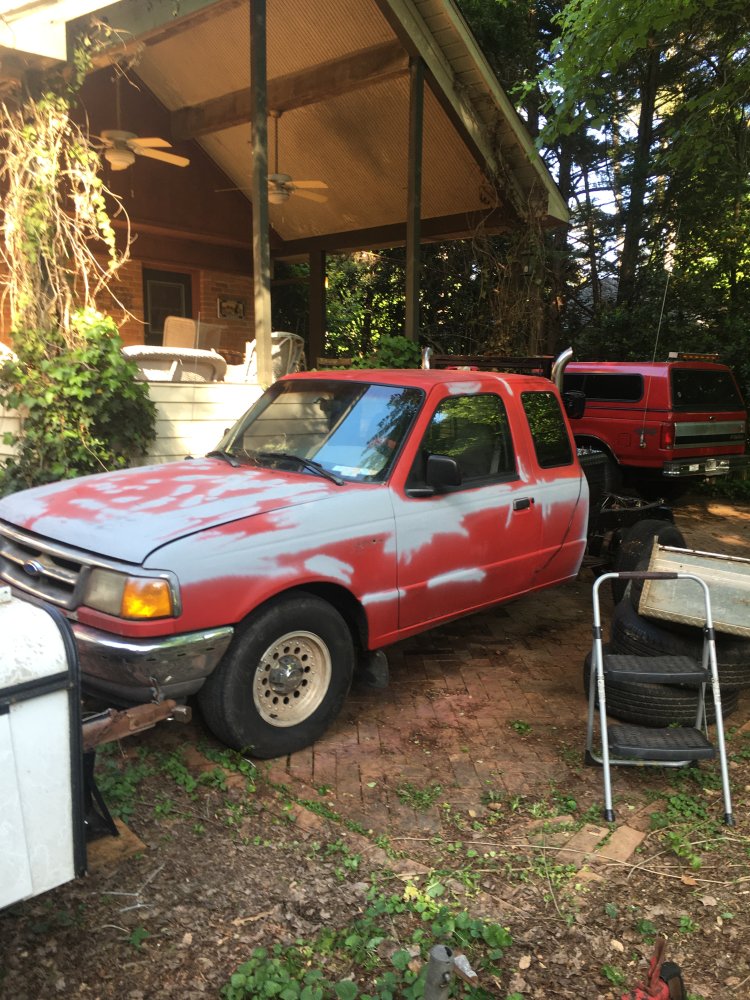
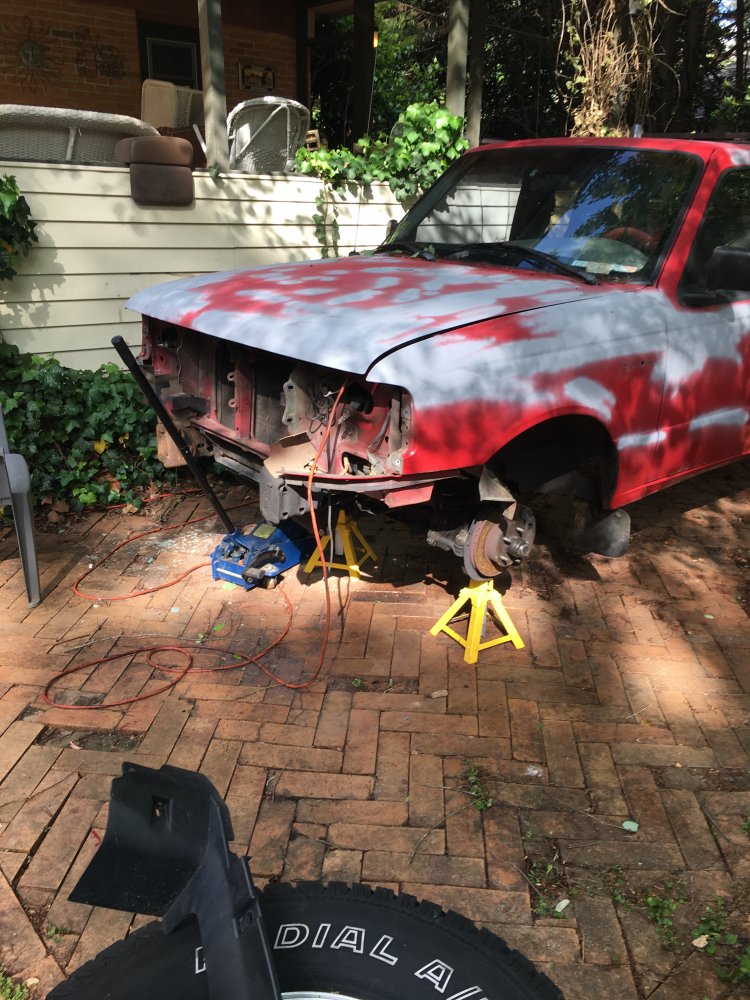
Rick removed the original bed and sold it for $350. Considering he had paid $800 for the entire truck; he was already well on his way to building something unusual without spending much money.
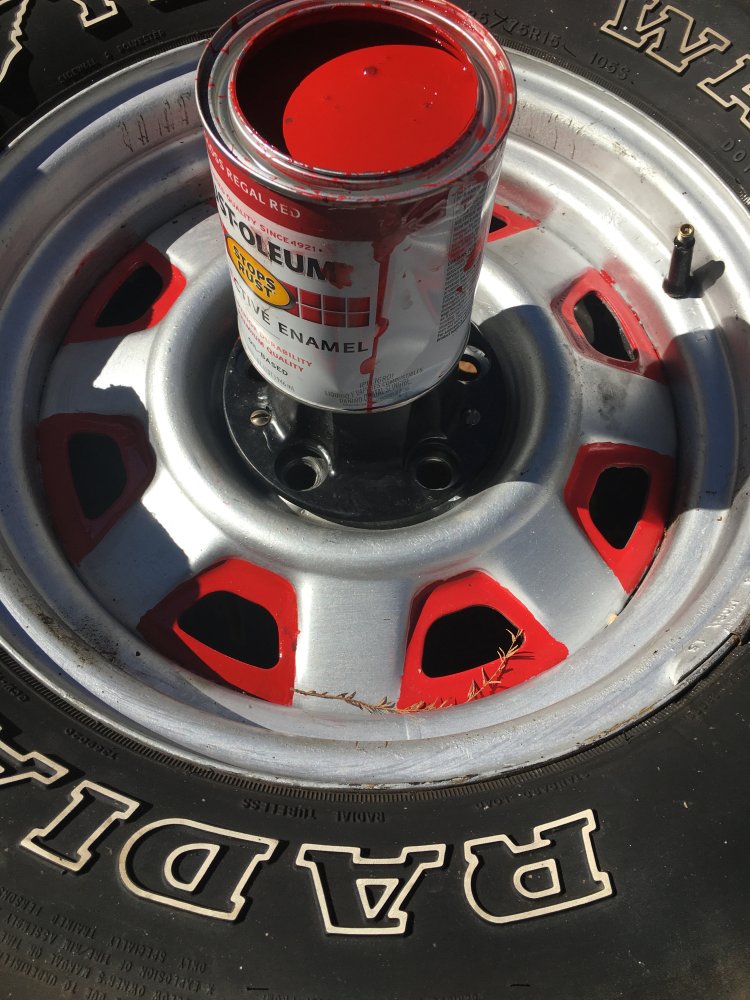
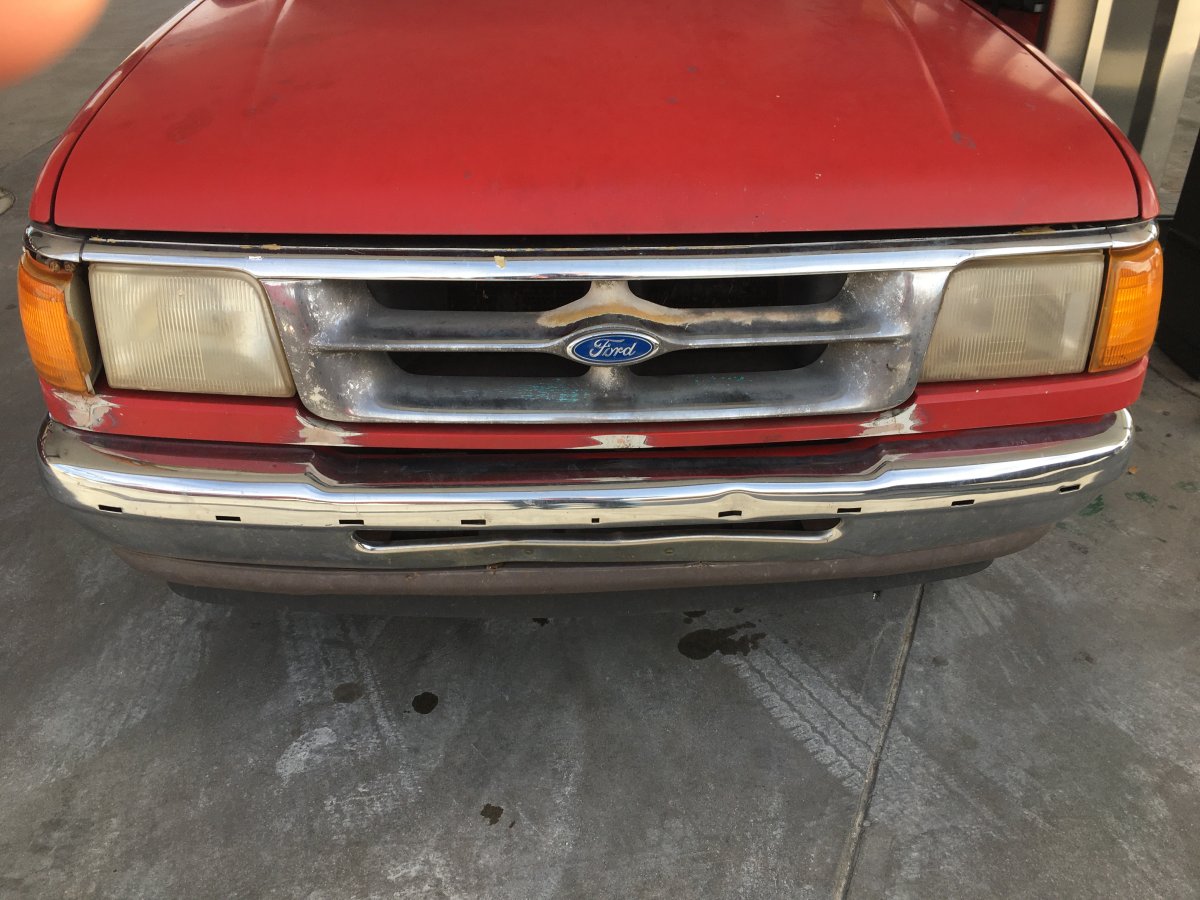
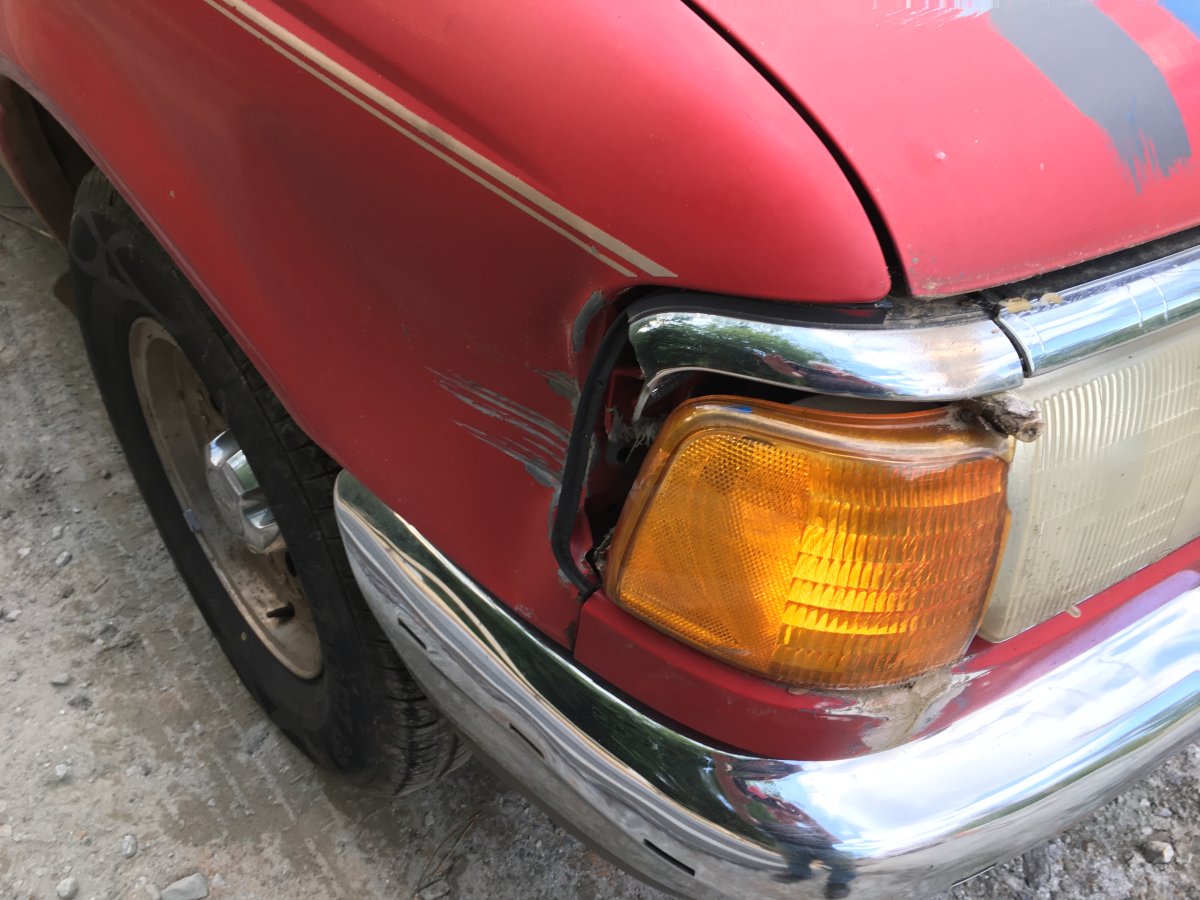
The original bumper was bent, the grille wasn’t very good, and the truck had plenty of dents and dings. Rick repaired the bodywork himself and rolled on a mixture of Rust-Oleum using inexpensive foam rollers.
The paint job cost roughly $30 in paint.
That pretty much set the tone for the rest of the build.
The Idea Behind the Third Axle
The most obvious question about the Road Ranger is probably the third axle.
Is it actually a third drive axle?
No.
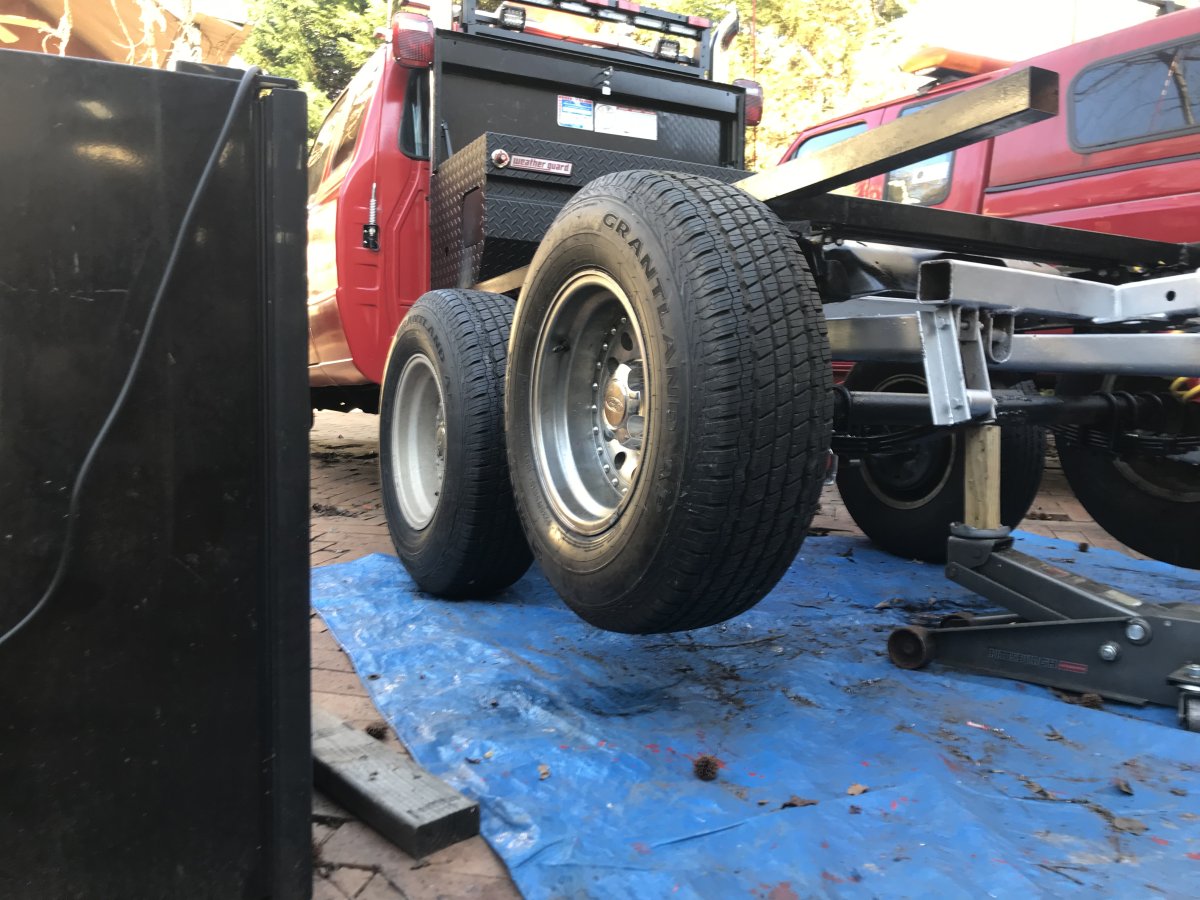
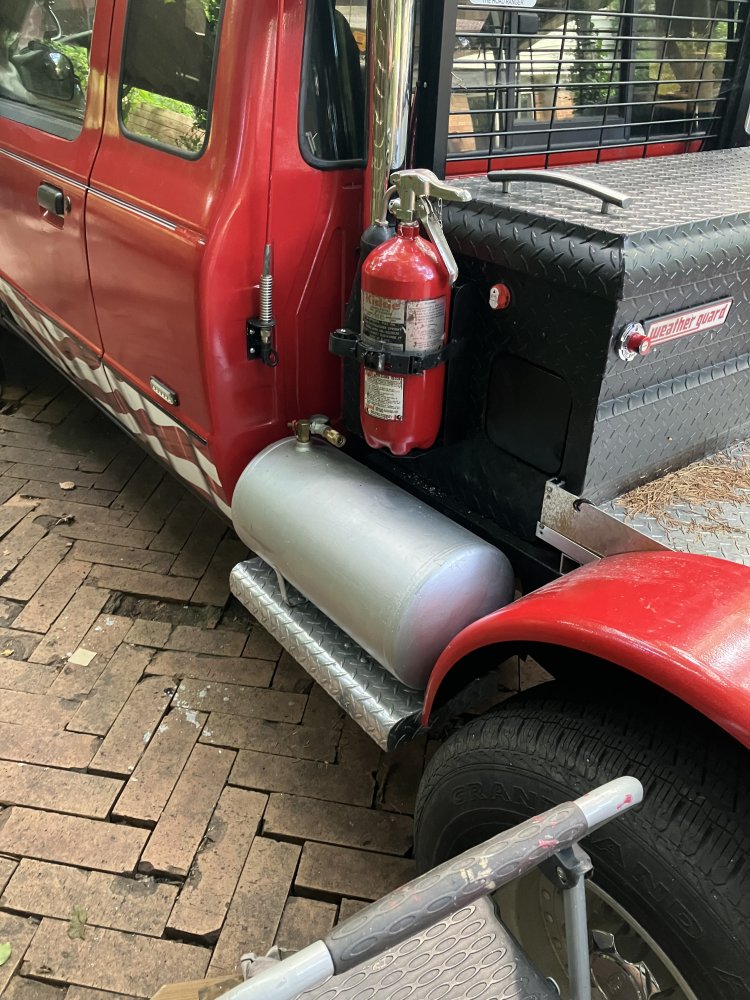
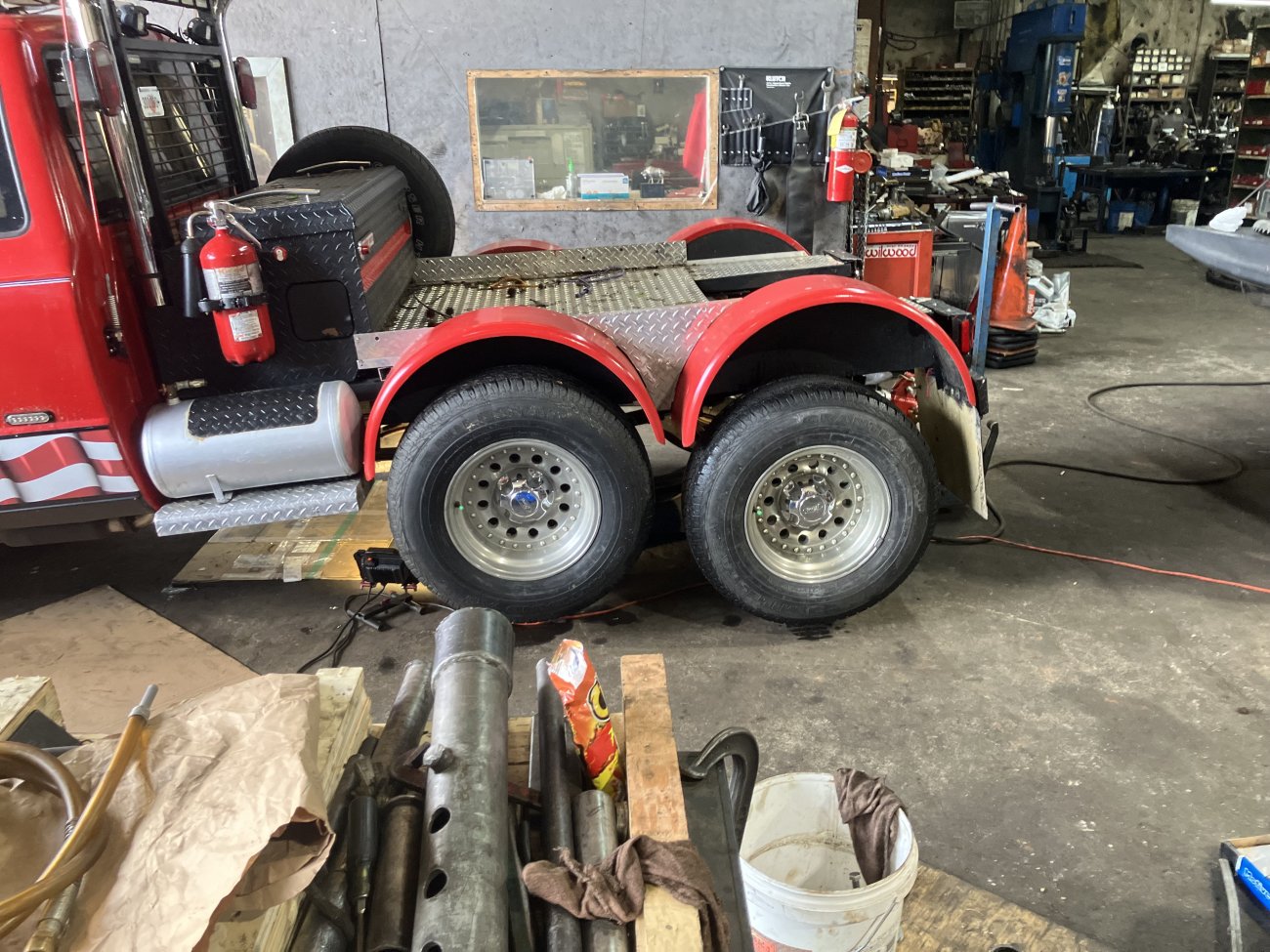
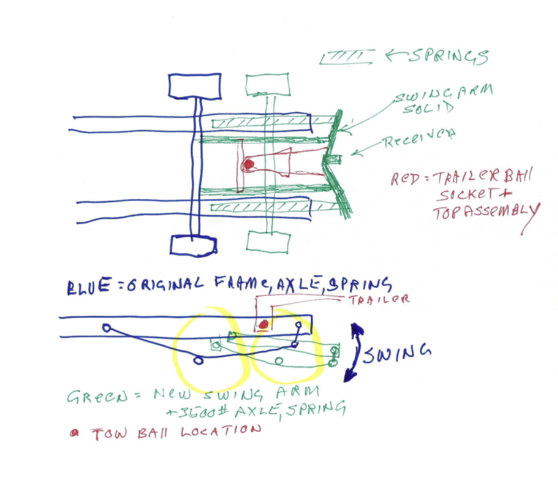
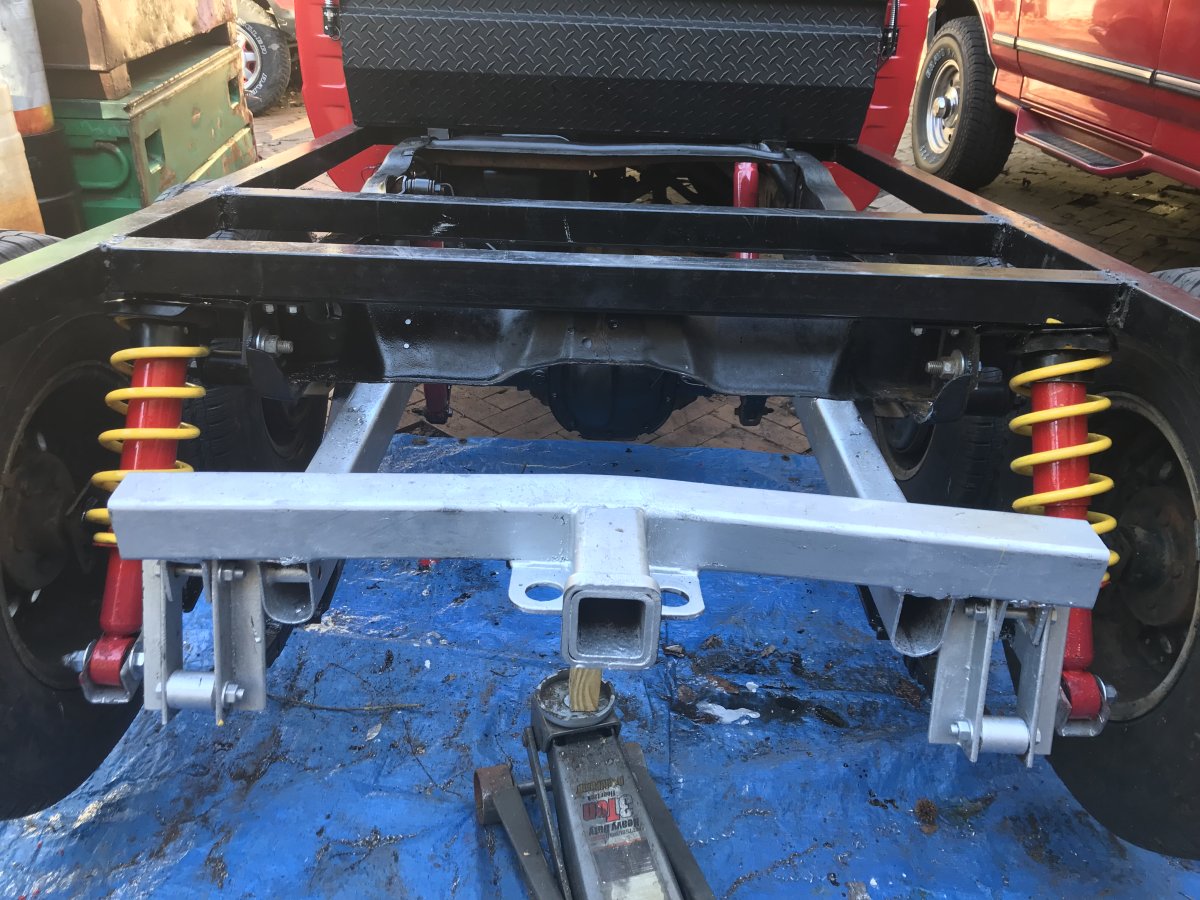
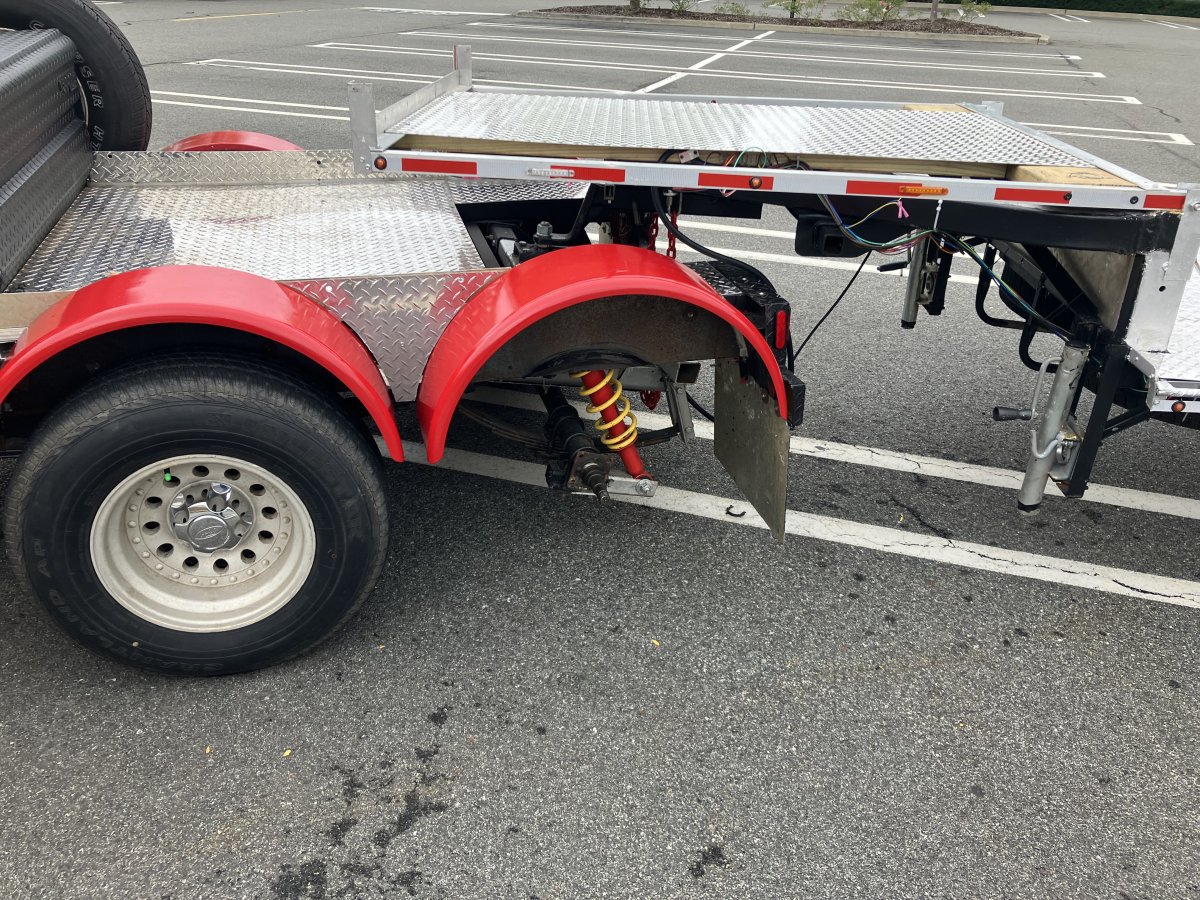
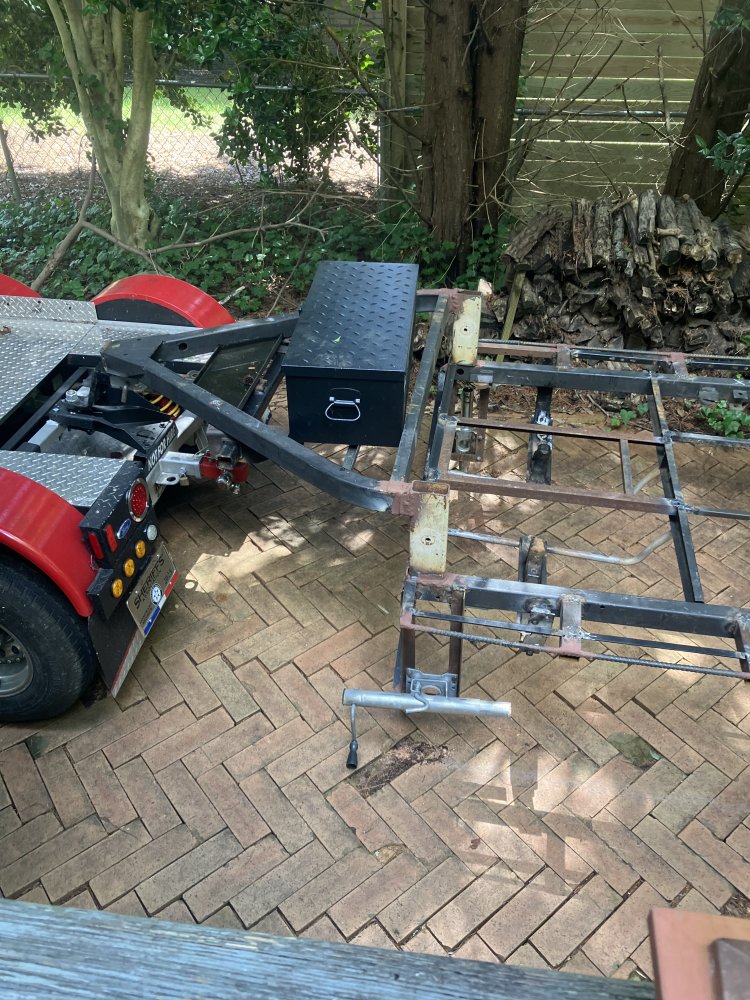
Rick designed the extra axle as a floating tag axle that follows the rear of the Ranger on a four-link arrangement. The axle isn’t mounted underneath the Ranger’s frame like a conventional rear axle. Instead, it essentially pulls behind the truck much like a trailer.
That distinction is important because it allowed Rick to create the look of a tandem-axle semi without trying to turn the Ranger into a three-axle 4×4.
The idea wasn’t completely random, either.
Rick had been fascinated by B-train combinations used with tractor-trailers, particularly the way the rear of one unit becomes part of the connection to the next. He had also seen similar concepts used on small trucks in China and other parts of Asia.
His goal was to create his own miniature interpretation of the idea.
There wasn’t a detailed engineering drawing sitting on a desk somewhere waiting to be built. Rick admits that much of the design existed in his head and evolved as he went along.
As he put it, the project was basically an exercise in creativity using whatever he could find.
And that is probably the best way to understand the Road Ranger.
Built From Other People’s Discards
A lot of the Road Ranger came from Craigslist, scrap piles and things Rick had accumulated over the years.
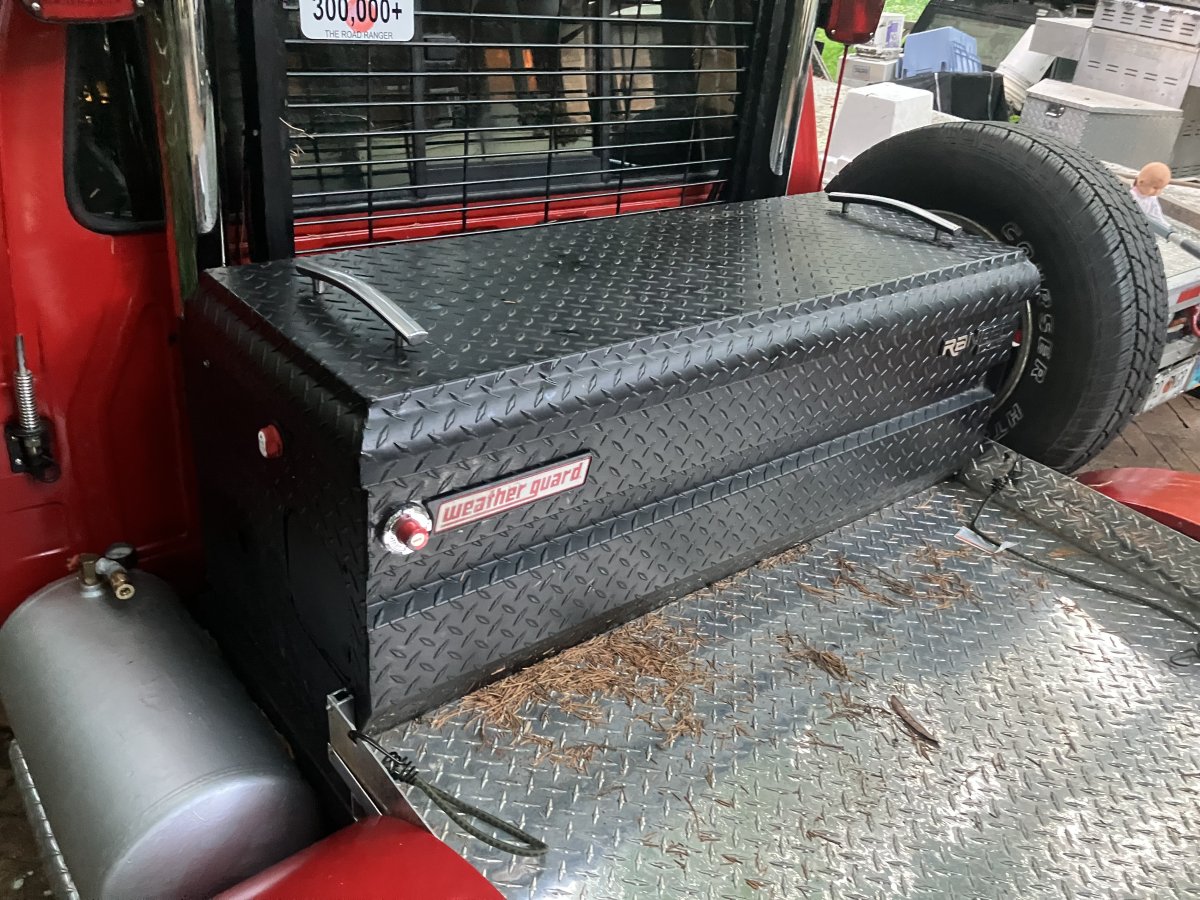
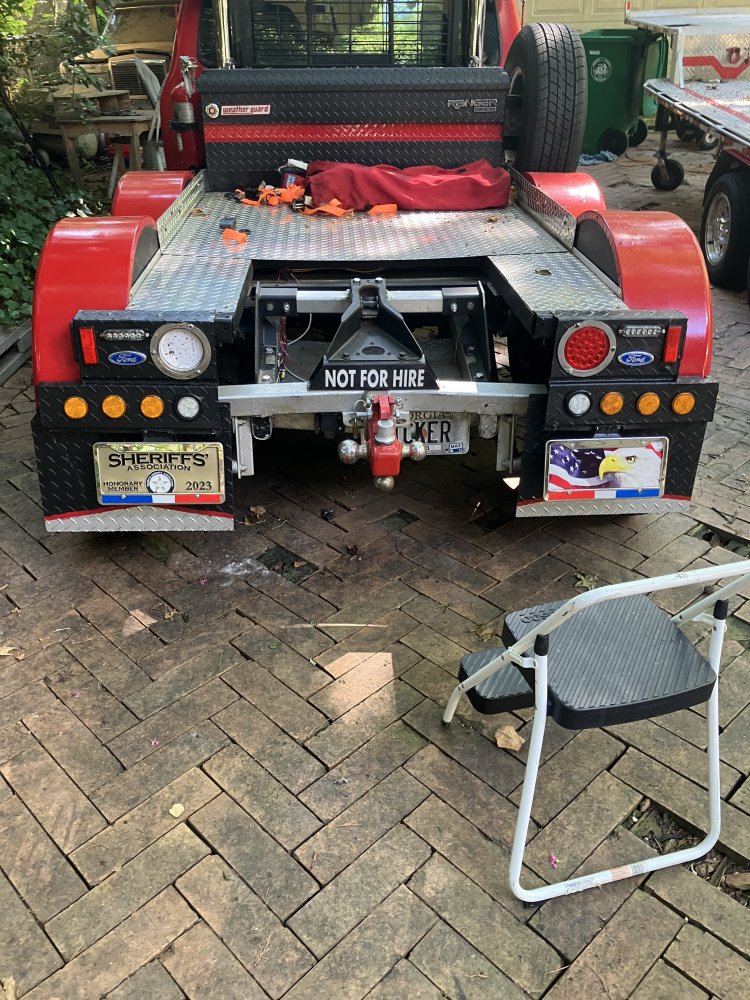
He had collected numerous wheels and tires, several axles, trailer parts, toolboxes and even pieces of aluminum diamond plate.
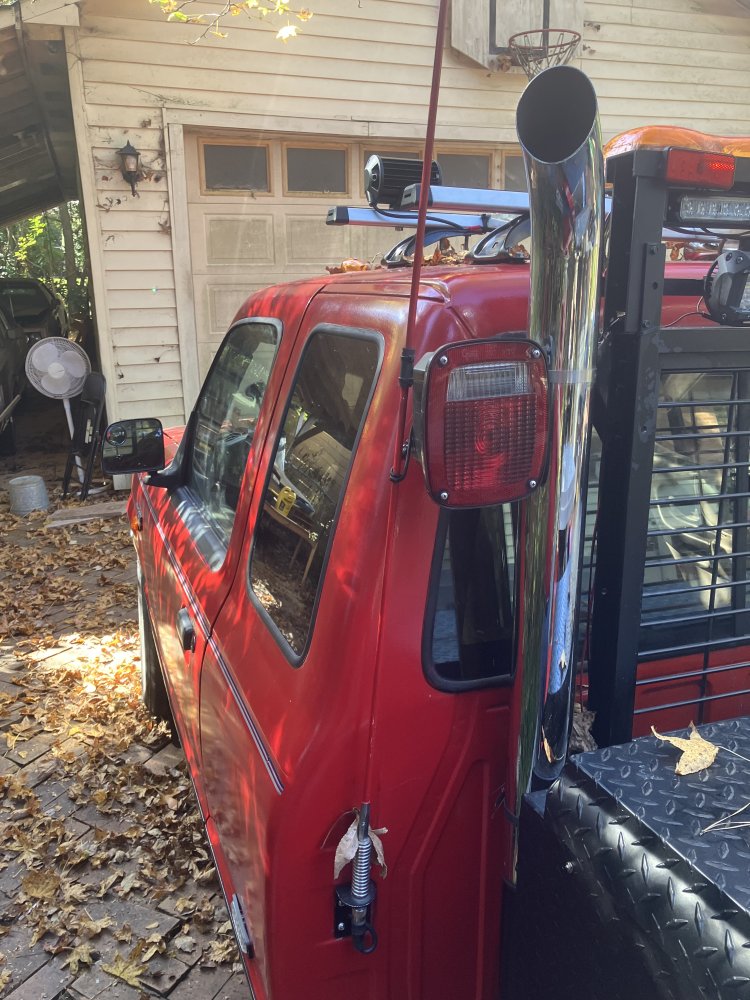
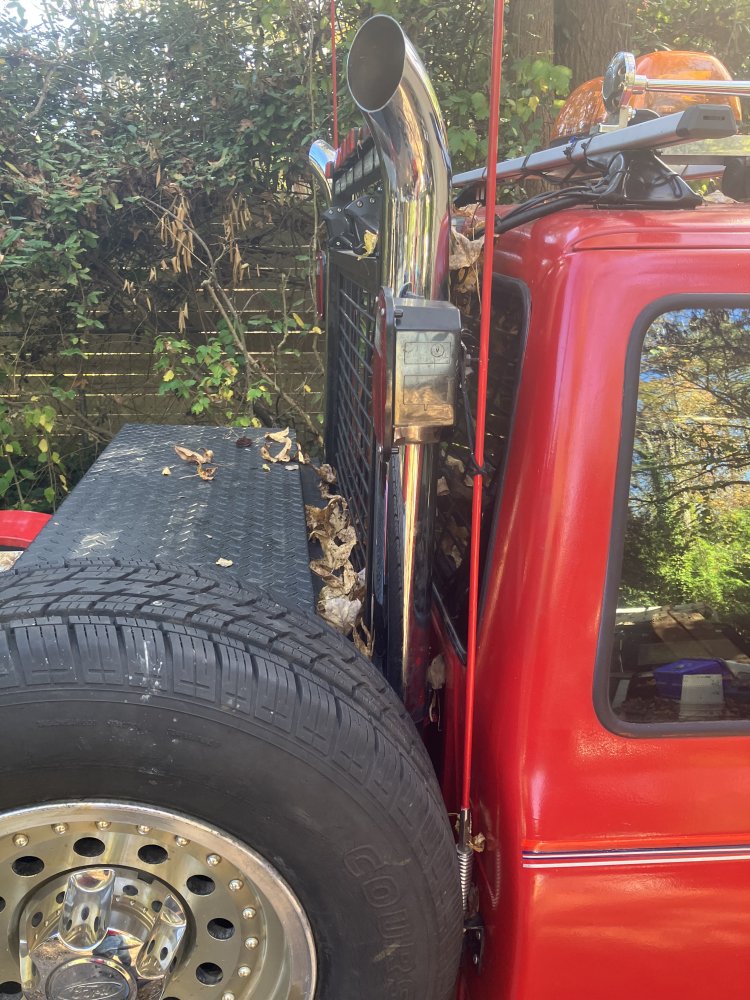
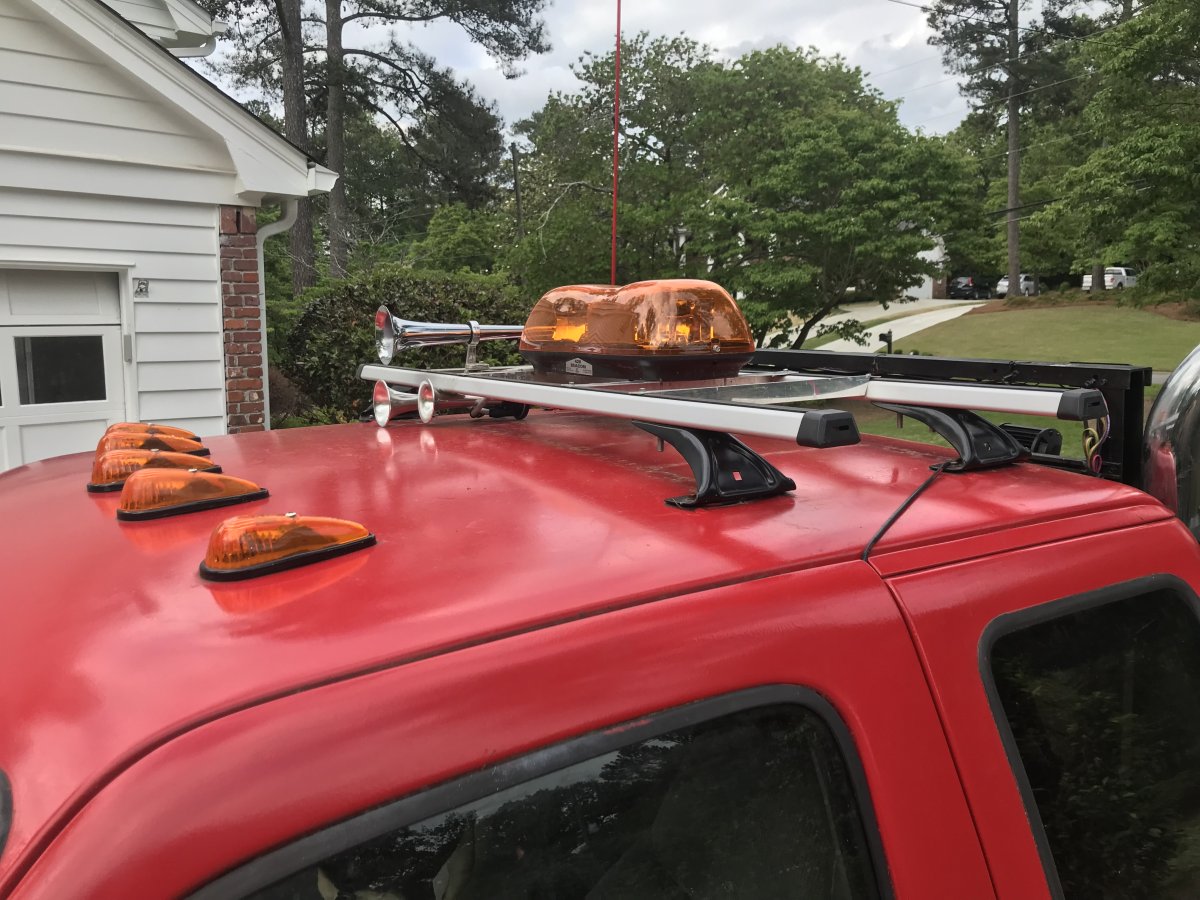
The headache rack came from pieces of aluminum fence from an escalator installation at a shopping mall. Rick paid $100 for several sections because, as soon as he saw them, he knew they would make a good headache rack.
The toolbox was another Craigslist find.
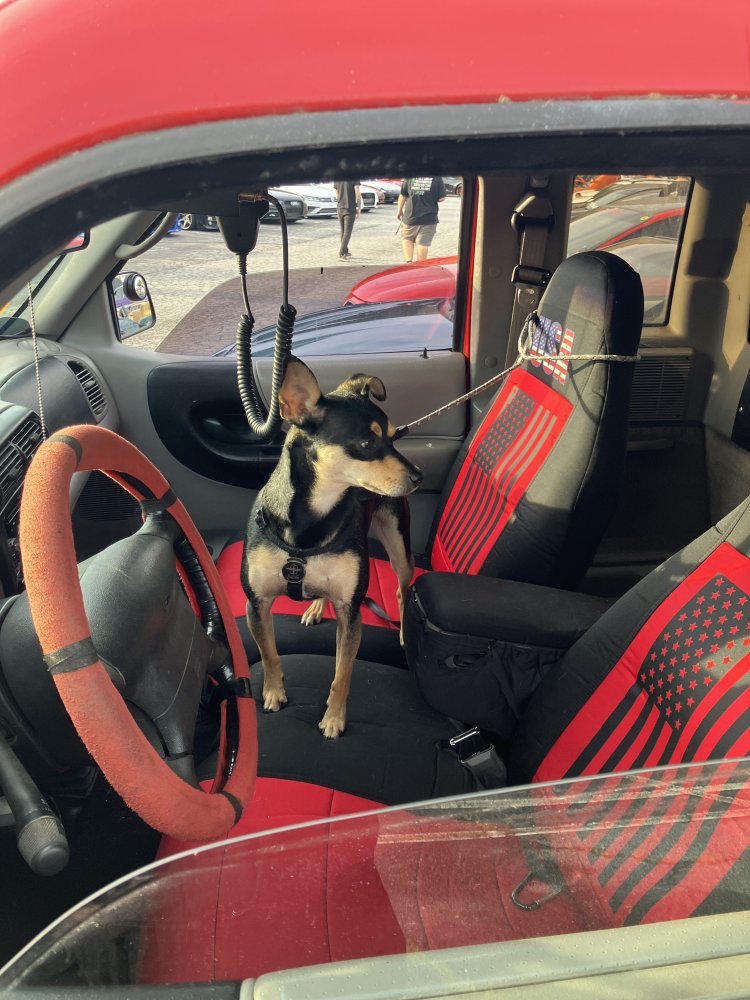
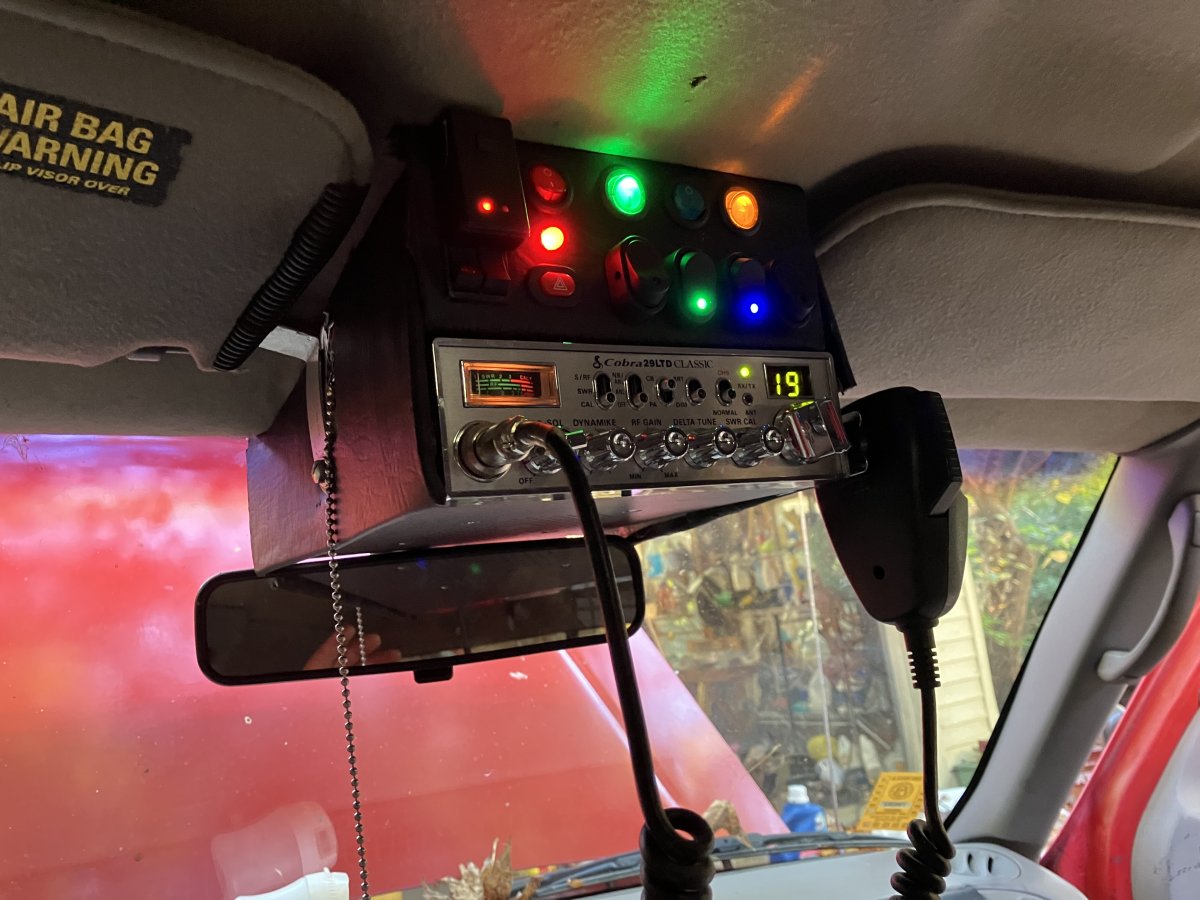
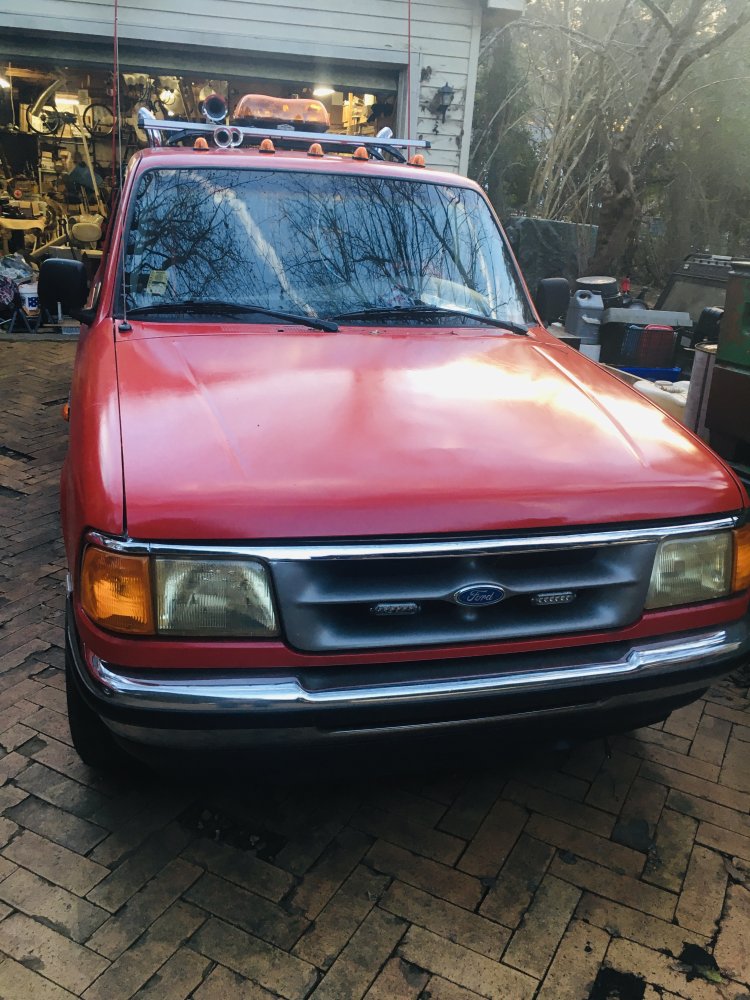
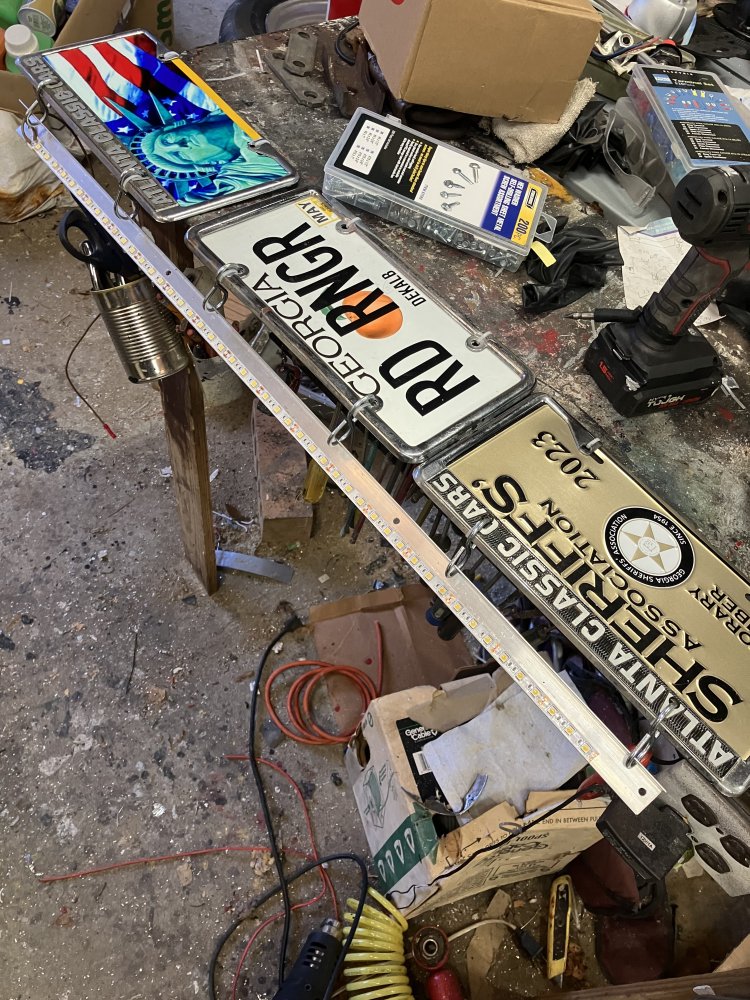
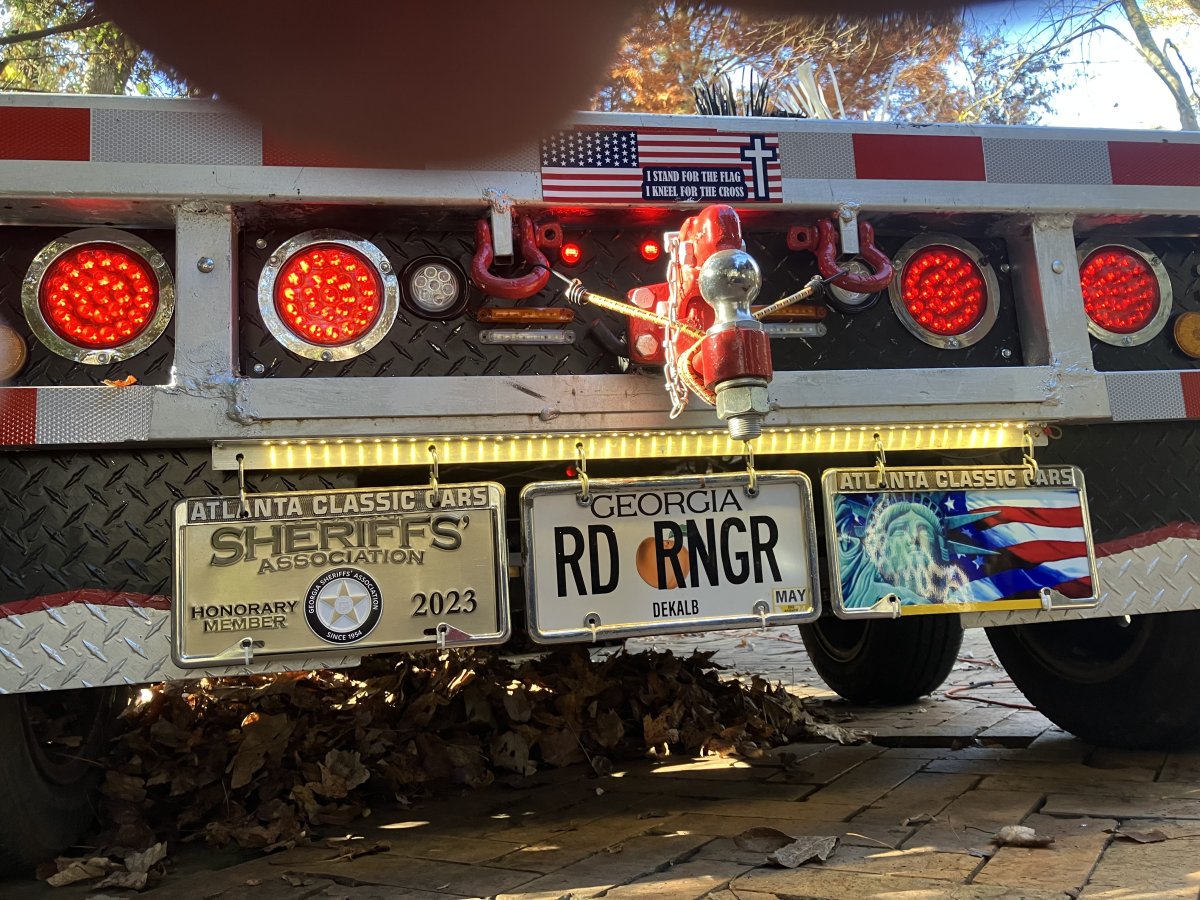
The truck also received a second battery, additional lighting, amber marker lights, strobes, a CB radio and other details that made it look increasingly like a miniature commercial truck.
Rick even incorporated a pair of tiny blue LEDs into the Ford oval.
The project wasn’t about buying a catalog full of parts and bolting them on. It was about looking at something most people would consider junk and figuring out what it could become.
The Road Ranger Gets a Trailer
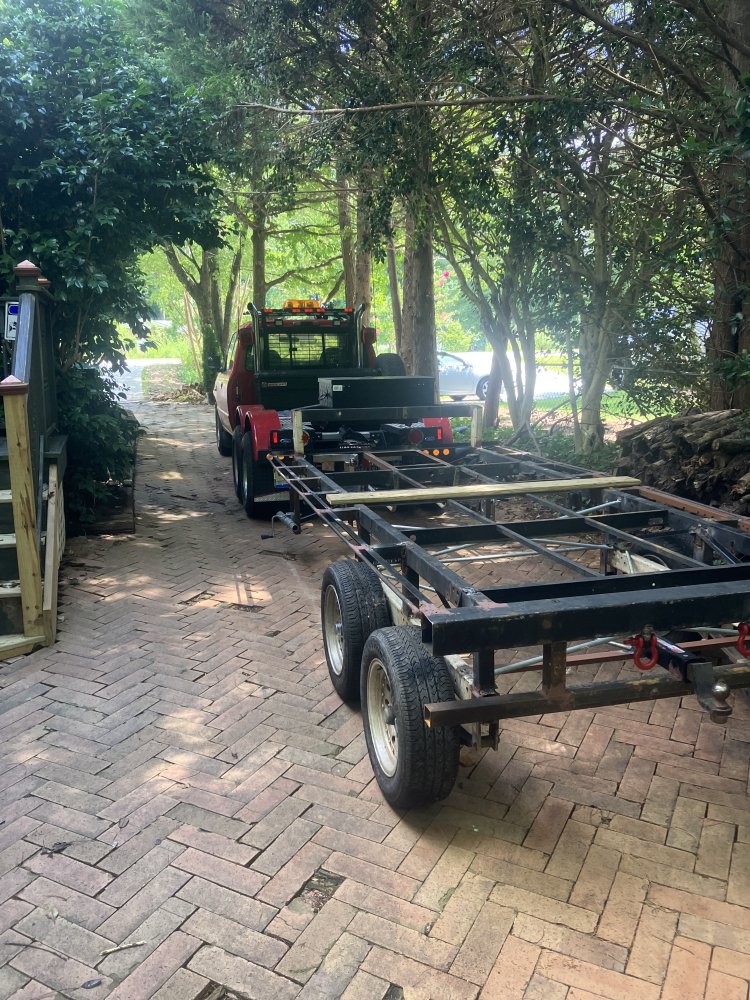
Of course, once you build a Ranger that looks like a semi, you need a trailer.
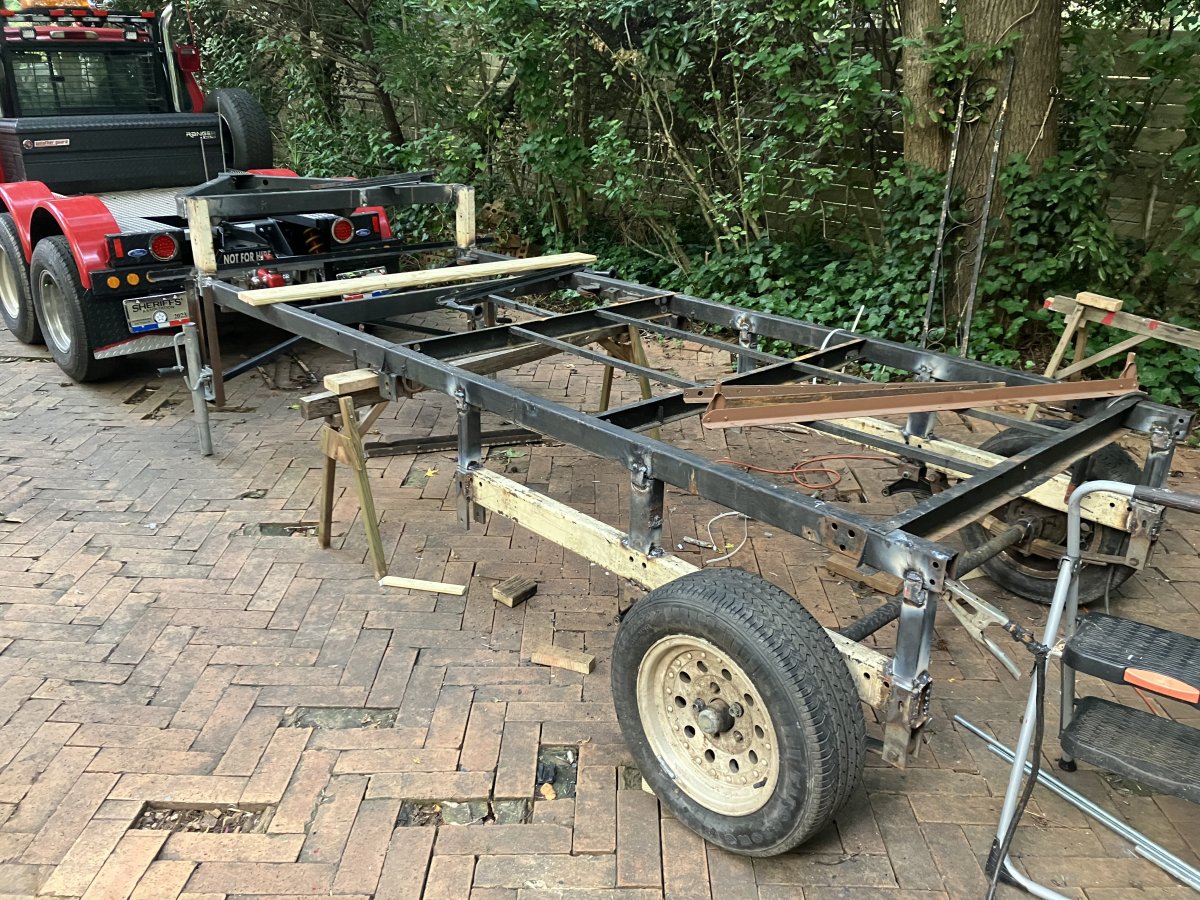
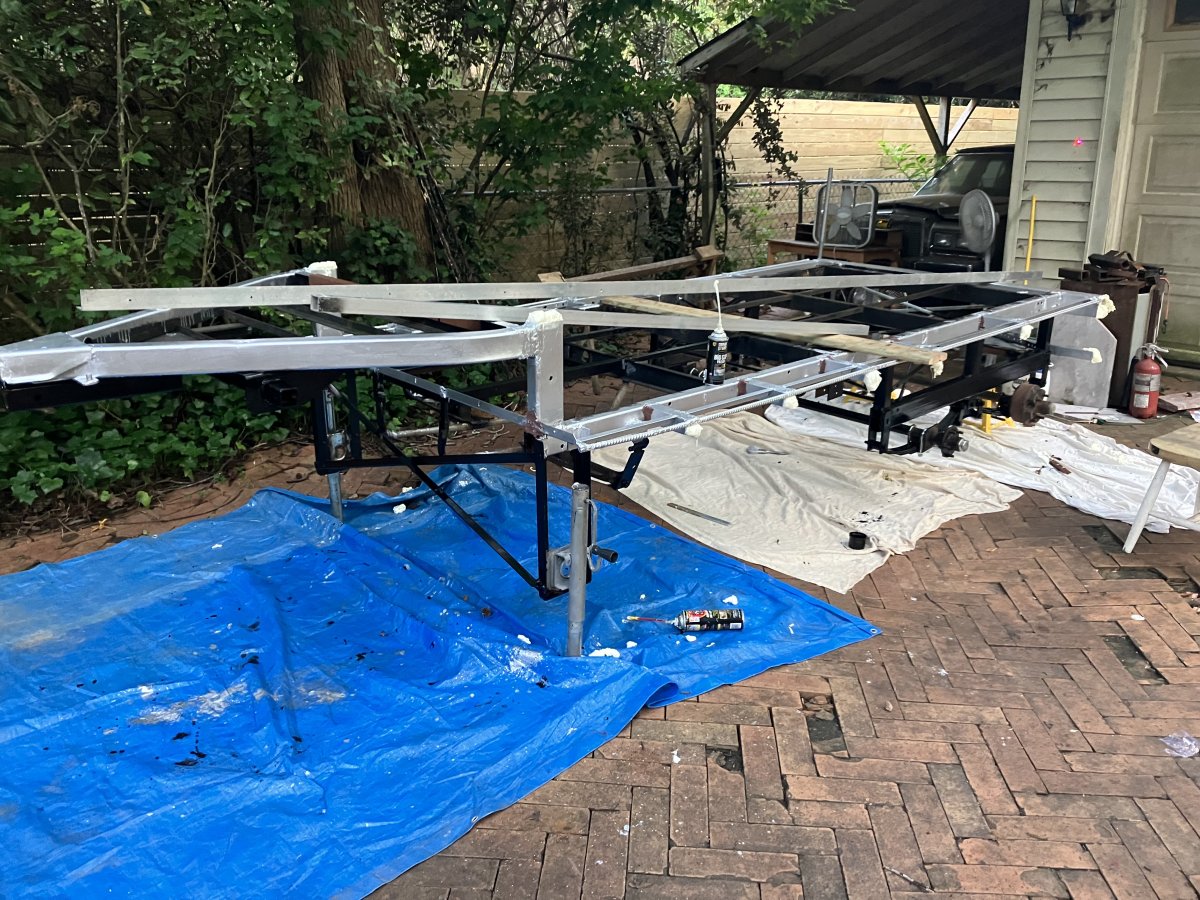
Rick built a step trailer to go with it, using the same philosophy he used on the truck. The trailer used salvaged and inexpensive components, including axles and other parts he had accumulated.
One of the trailer’s axles had originally been part of a Coleman pop-up camper.
The trailer eventually received two axles, brakes, a fifth-wheel-style connection and its own collection of details.
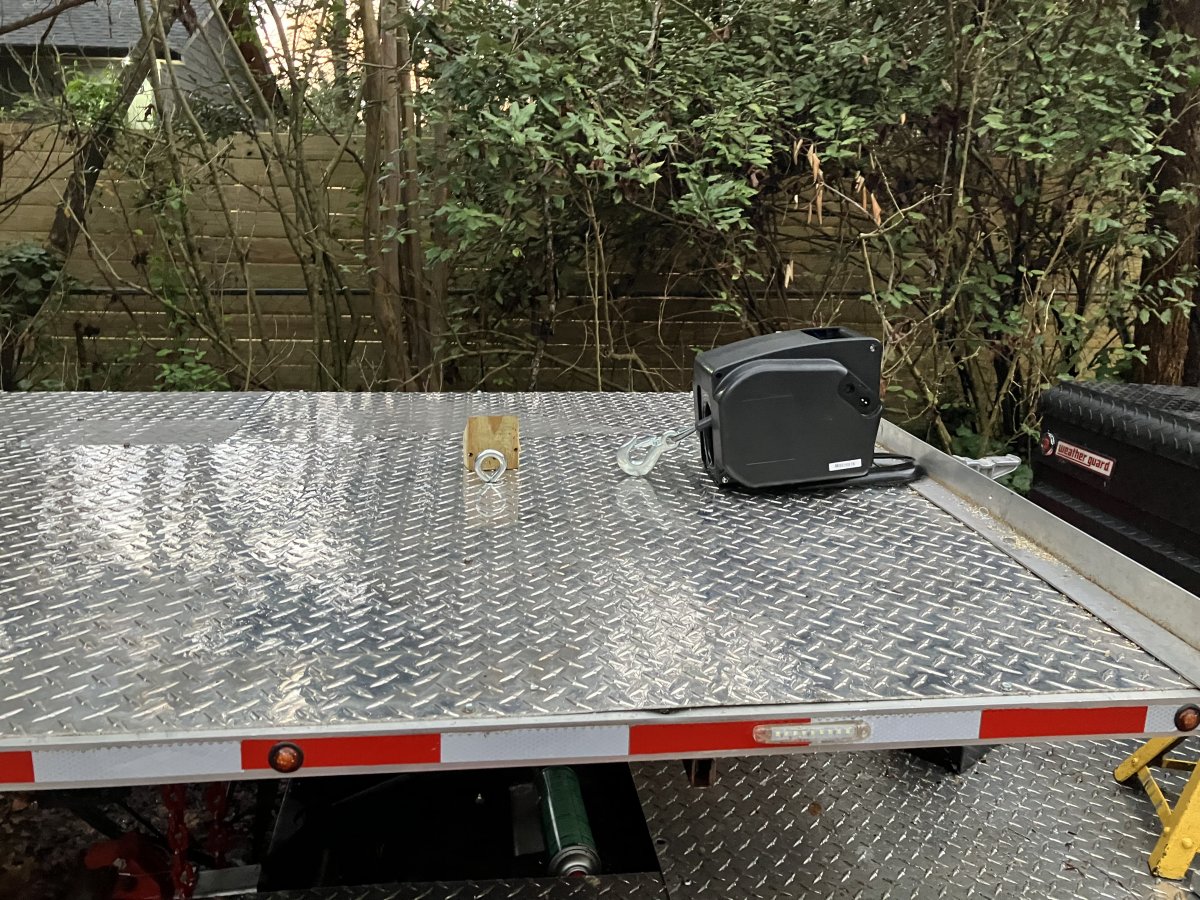
The connection between the truck and trailer is one of the more unusual parts of the whole project. Instead of a conventional fifth-wheel plate and kingpin, Rick used an upside-down ball trailer coupler arrangement.
That led to a lengthy discussion in the forum, with several members questioning the design and suggesting alternatives.
Rick didn’t simply dismiss the criticism.
He explained the forces he expected the hitch to see, described how the system was constructed and considered the suggestions. He also acknowledged the limitations of the project. The Road Ranger wasn’t being built as a commercial work truck. It was a toy, a show vehicle and an engineering exercise.
That exchange is actually a good example of Rick’s personality. He may come up with some pretty unusual ideas, but he’s willing to explain them, listen to other people’s concerns and rethink parts of the design.
There Was a Lot of Engineering Behind the Crazy
Rick describes himself as a seasoned engineer with hands-on experience, and it shows in the build.
The Road Ranger may look like something that escaped from a cartoon, but Rick spent a tremendous amount of time thinking about how the pieces would work.
He reinforced the Ranger’s frame after removing the original rear crossmember. The additional axle uses trailer-style components and a four-link arrangement. The location of the connection point was chosen so the truck would pull the extra axle rather than simply carry its weight.
He also thought about weight distribution, articulation, suspension travel and the ability to inspect components for wear.
At the same time, Rick was the first to admit that this wasn’t something anybody should simply copy from a forum thread.
He repeatedly reminded everyone that the Road Ranger was a personal project built for limited use, not a blueprint for building a three-axle Ranger.
That combination of creativity and caution seems to be a big part of what makes Rick’s projects interesting.
More Than Just a Truck
The Road Ranger also tells you something about Rick himself.
Before this project, he had built two other miniature truck-and-trailer combinations. One was a Datsun pickup with a Chevrolet 350 and automatic transmission. Another was a Ford Courier with a 283 and automatic transmission.
Those projects became company mascots and were used as team-building exercises.
The Road Ranger was different.
This one was for him.
Rick said he built it “just for fun” and, in typical Rick fashion, joked that part of the purpose was to drive everyone on the forum crazy. That’s ok Rick. We’re all about people documenting their builds here and inspiring people.
It worked.
The Road Ranger generated hundreds of posts, questions, suggestions, arguments over hitch design, ideas for improvements and plenty of jokes from other members.
It became more than a project thread. It became one of those forum builds that people followed simply to see what Rick was going to come up with next.
Taking the Road Ranger to Carlisle
The Road Ranger eventually left Rick’s driveway and headed to Carlisle.
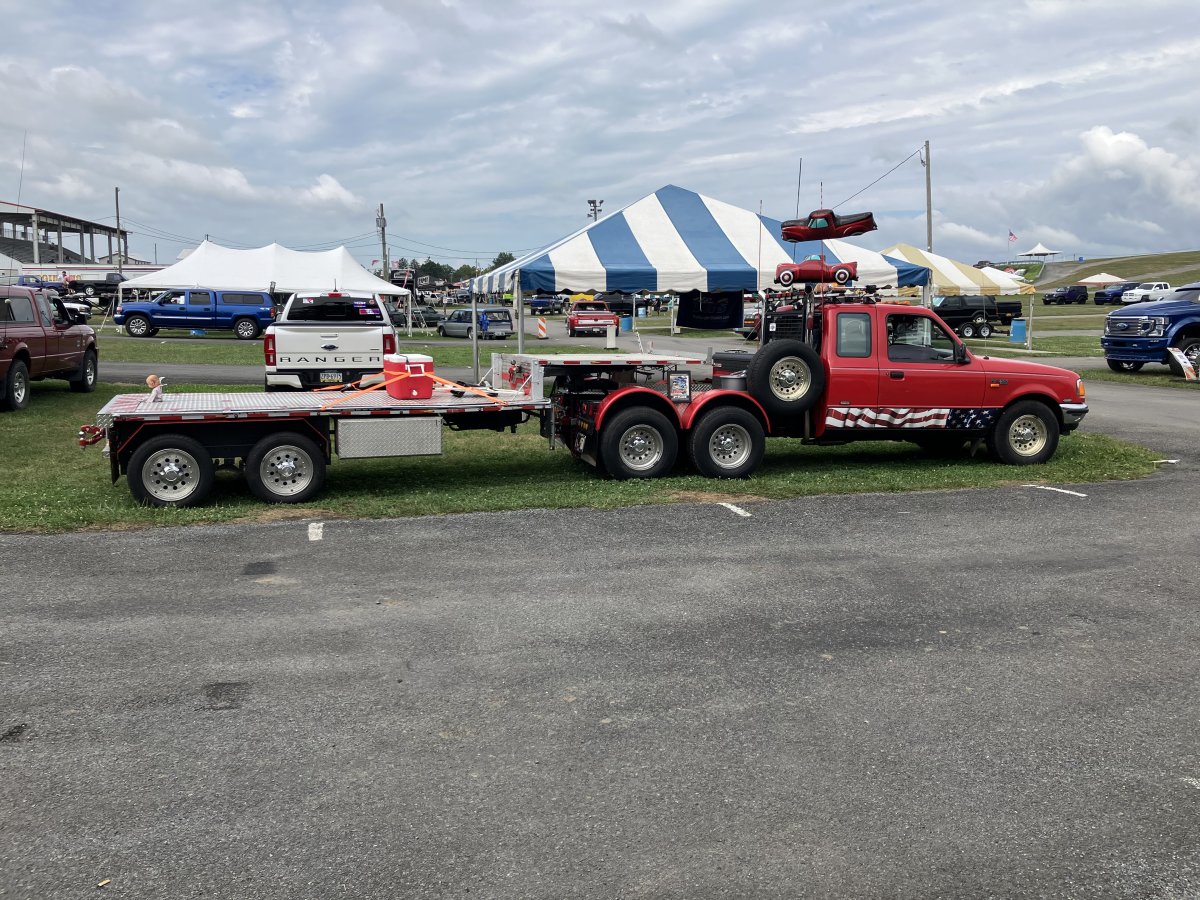
By then, it had become much more than the unusual Ranger that started the project. It had become a conversation piece, and when Rick brought it to the Carlisle Truck Nationals with the step trailer in tow, it got plenty of attention.
It also got an award.
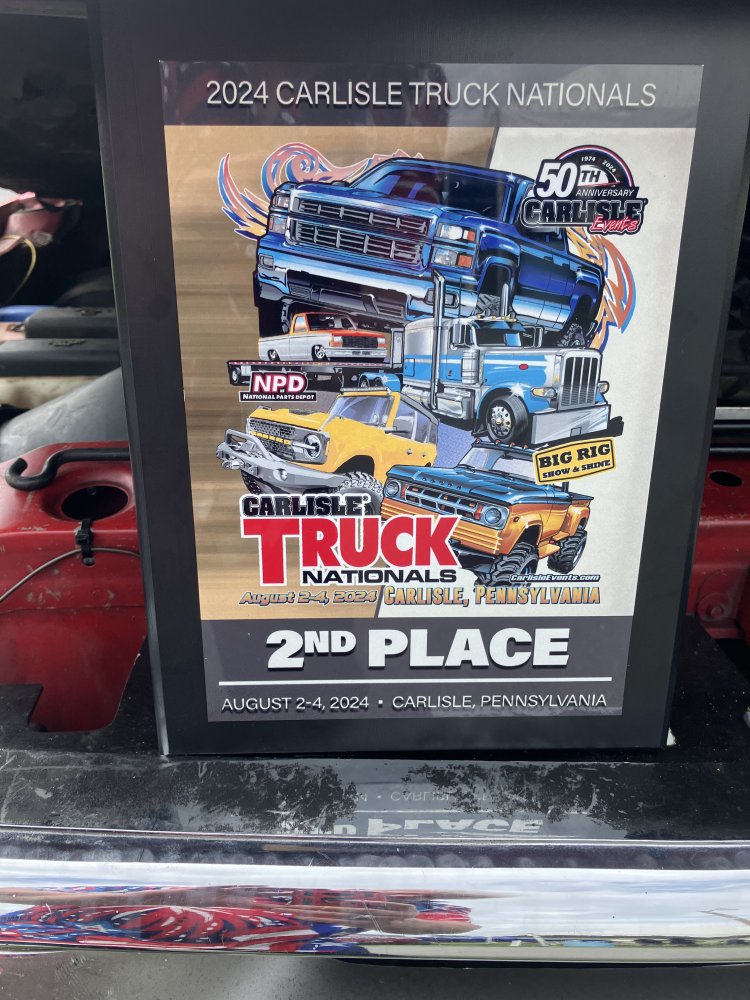
The Road Ranger took 2nd in its class at the 2024 Carlisle Truck Nationals, giving Rick something to bring home besides a lot of photographs and stories.
Of course, that didn’t mean Rick considered the project finished.
The forum thread continued after Carlisle, with Rick finding things he wanted to change or improve. Even the trailer connection wasn’t immune. He discovered that the fifth-wheel-style assembly could contact the bed during tight turns and went back to work on the design.
That’s Rick.
The Road Ranger may have started as an idea that came to him in a dream, but it became a real truck because Rick was willing to keep figuring things out.
And that’s probably why this particular Ranger fits The Ranger Station so well.
It’s unusual. It’s creative. It’s built by an enthusiast rather than a manufacturer. And, like so many of the projects we’ve followed over the years, it started with someone asking a simple question:
“What if I did this?”
Build Thread
Check out Rick W’s build thread at:
Photo Gallery
About The Author
Jim Oaks is the founder of TheRangerStation.com, the longest-running Ford Ranger resource online since 1999. With over 25 years of hands-on experience building and modifying Ford Rangers — including magazine-featured builds like Project Transformer — Jim has become one of the most trusted authorities in the Ford Ranger off-road and enthusiast space.
Since launching TheRangerStation.com, Jim has documented thousands of real-world Ranger builds, technical repairs, drivetrain swaps, suspension modifications, and off-road adventures contributed by owners worldwide. TheRangerStation.com has been referenced in print, video and online by enthusiasts, mechanics, and off-road builders looking for practical, and experience-based information.