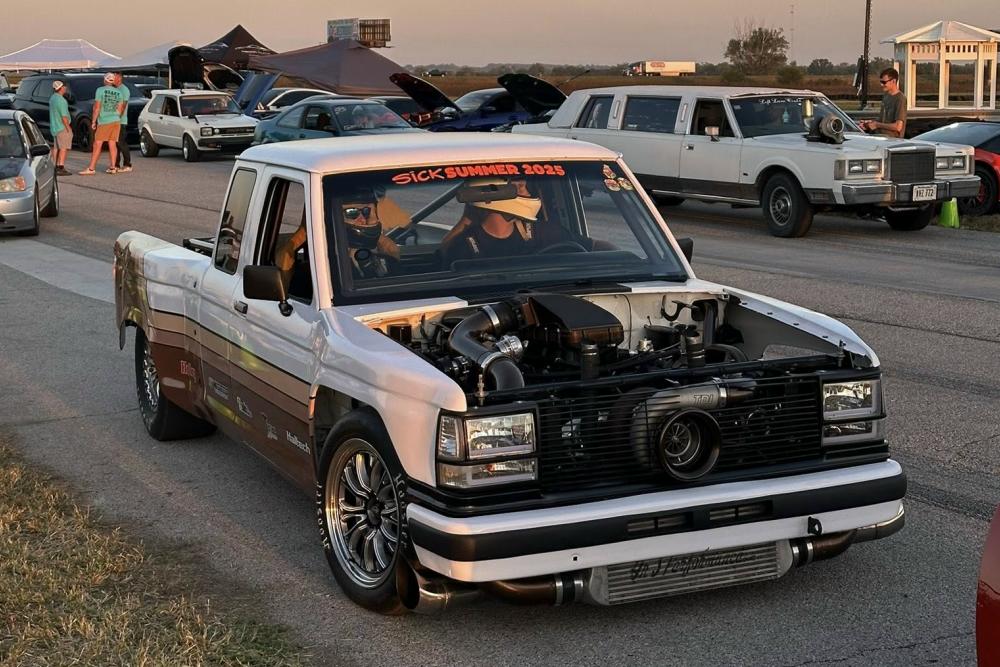
Ryan Zemla’s 1988 Ford Ranger “Danger Ranger”
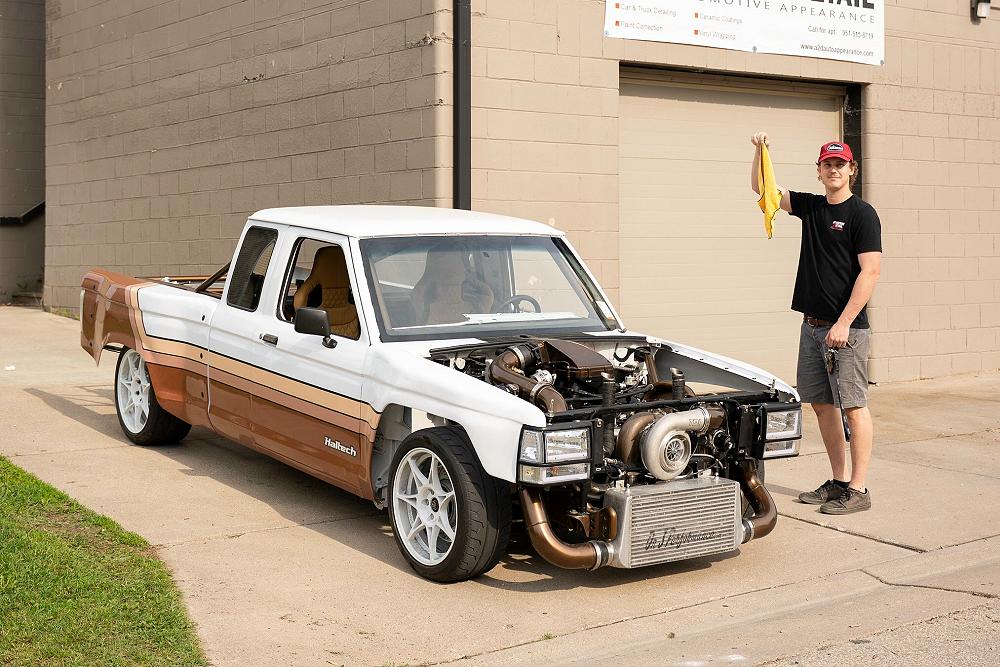
When you think of a compact pickup, “drag-strip monster” might not be the first image that comes to mind. But for Ryan Zemla, his 1988 Ford Ranger—nicknamed the Danger Ranger—represents what happens when fabrication skill, performance obsession, and Ford pride collide with raw boost.
Built to compete in SEMA’s Battle of the Builders and the Young Guns class, Ryan’s Ranger is an all-out, stick-shift, turbocharged drag truck designed to push the boundaries of what a Ranger can be.
Building the Foundation
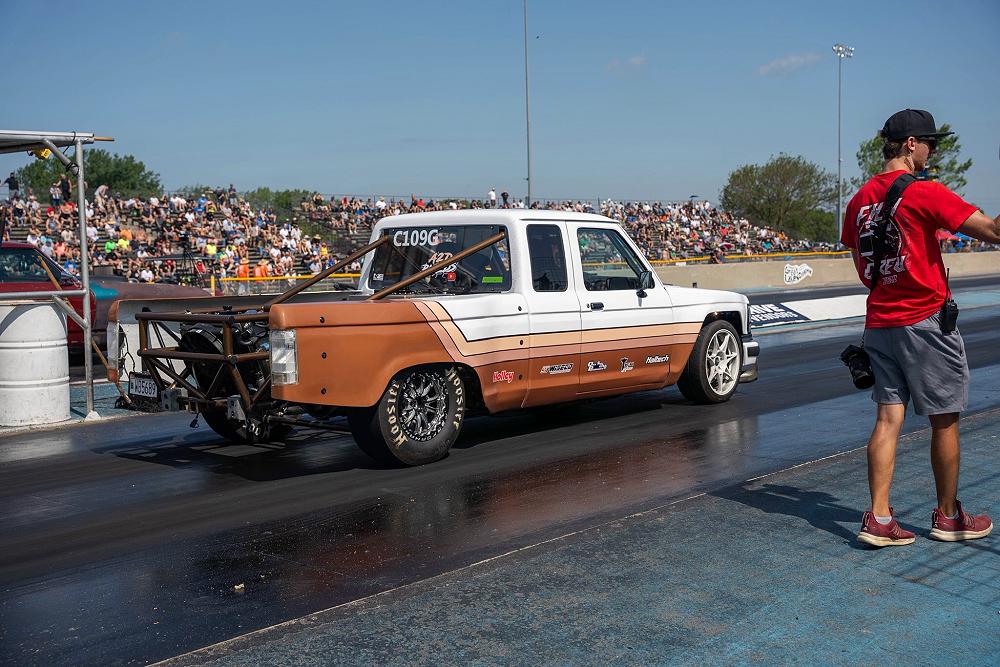
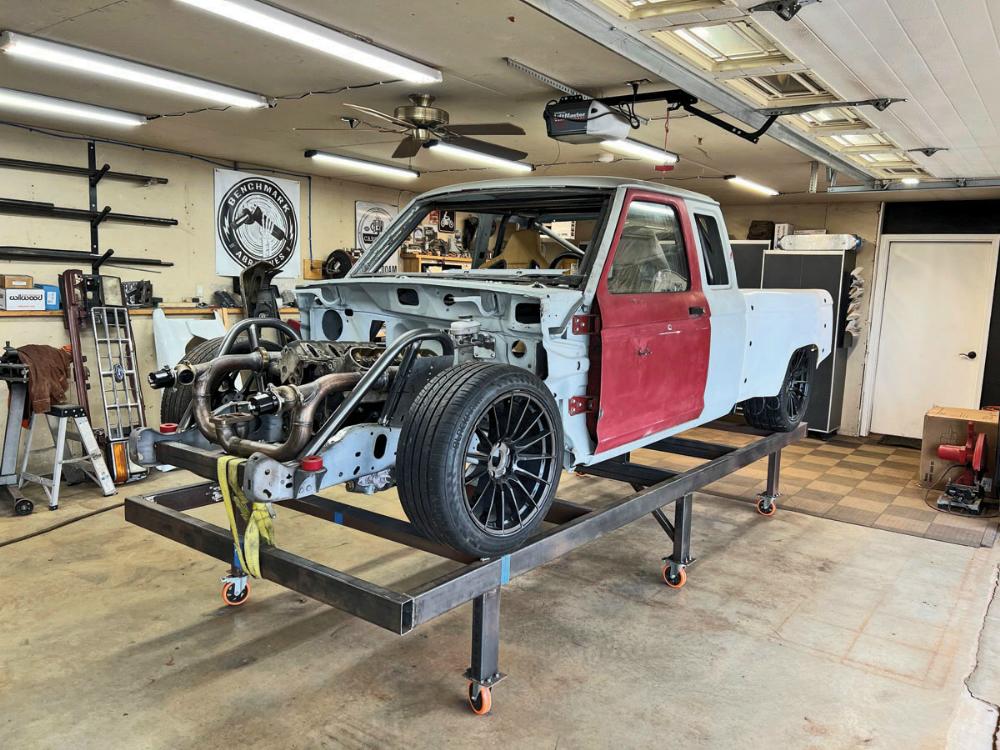
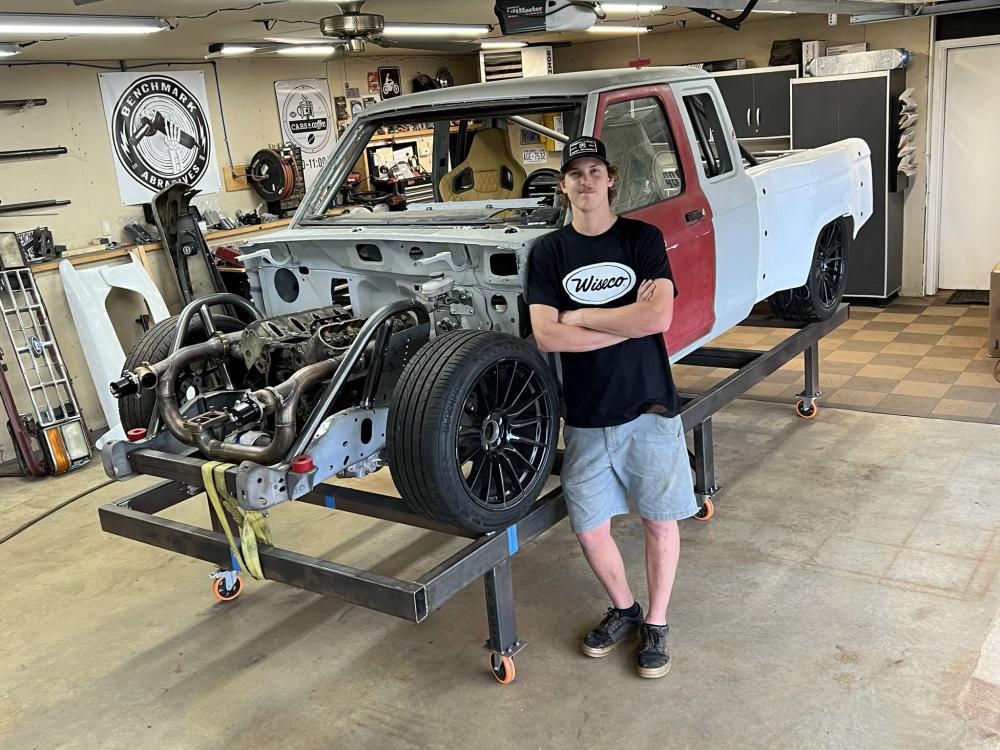
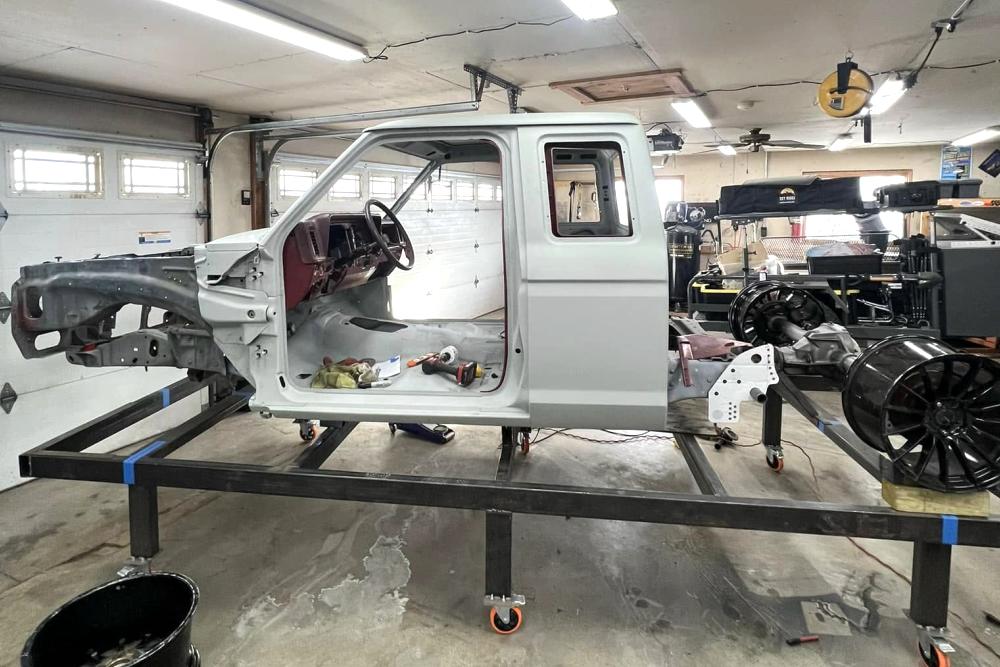
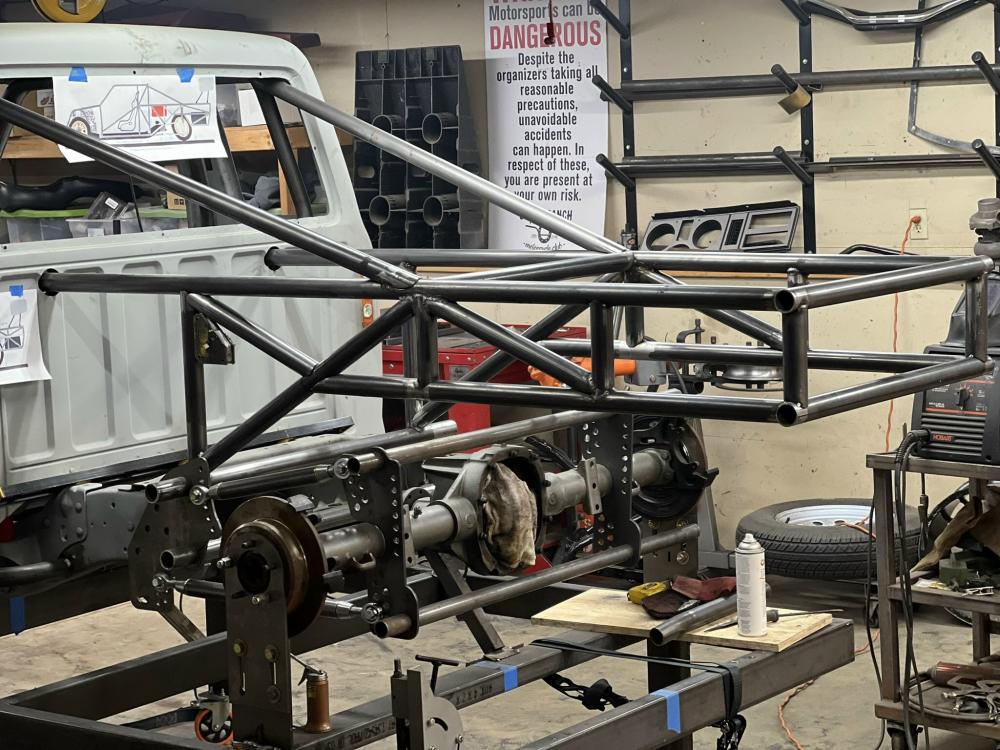
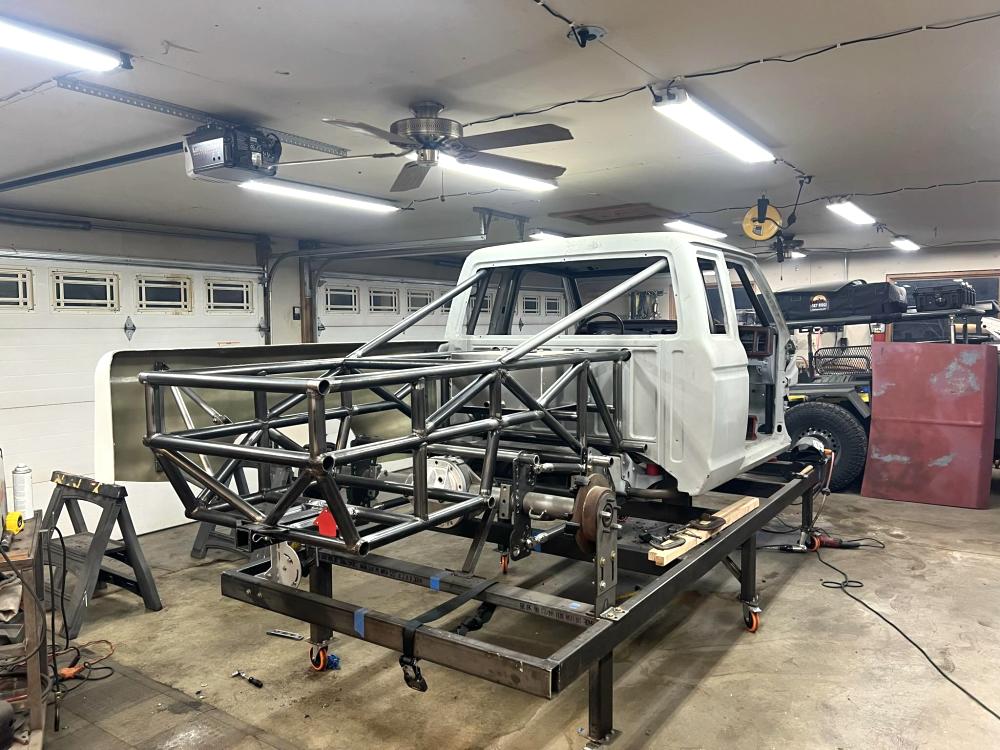
Ryan started with a clean 1988 Ranger and stripped it down to bare metal—literally. The cab and frame were sandblasted before paint to ensure a clean foundation. He then modified roughly two-thirds of the stock frame and replaced the rest with custom tubing, ensuring the chassis could handle the immense power and repeated drag-strip abuse.
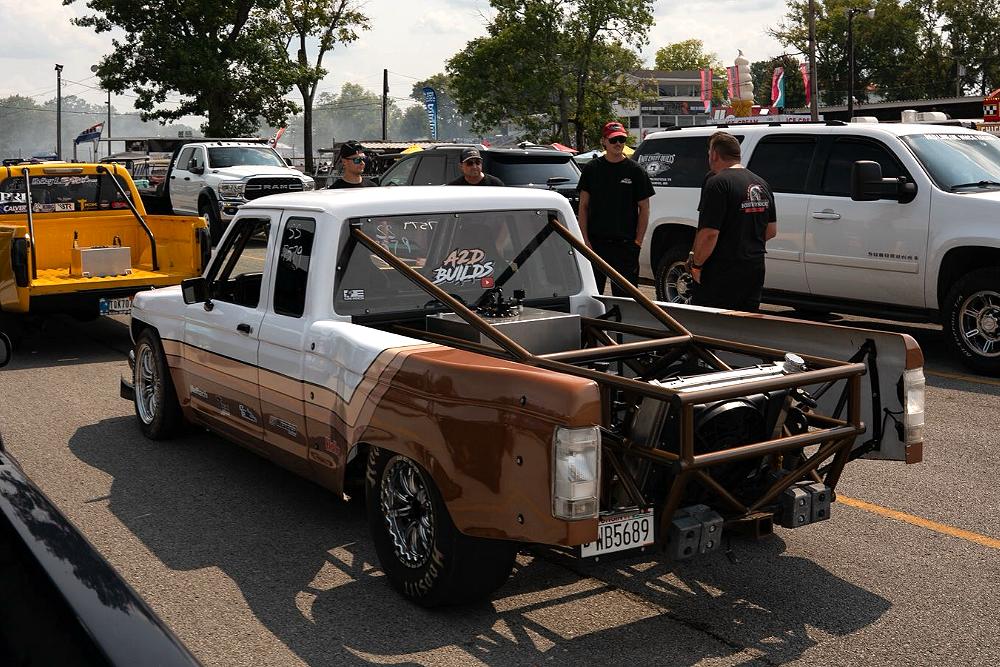
To tie it all together, a roll cage made from 1.75-inch tubing was added for safety and stiffness. Up front, the factory suspension was replaced with a Mustang II independent front suspension, while the rear features a custom four-link setup connected to a Ford 8.8-inch rear axle—a proven, lightweight housing strong enough to handle big torque.
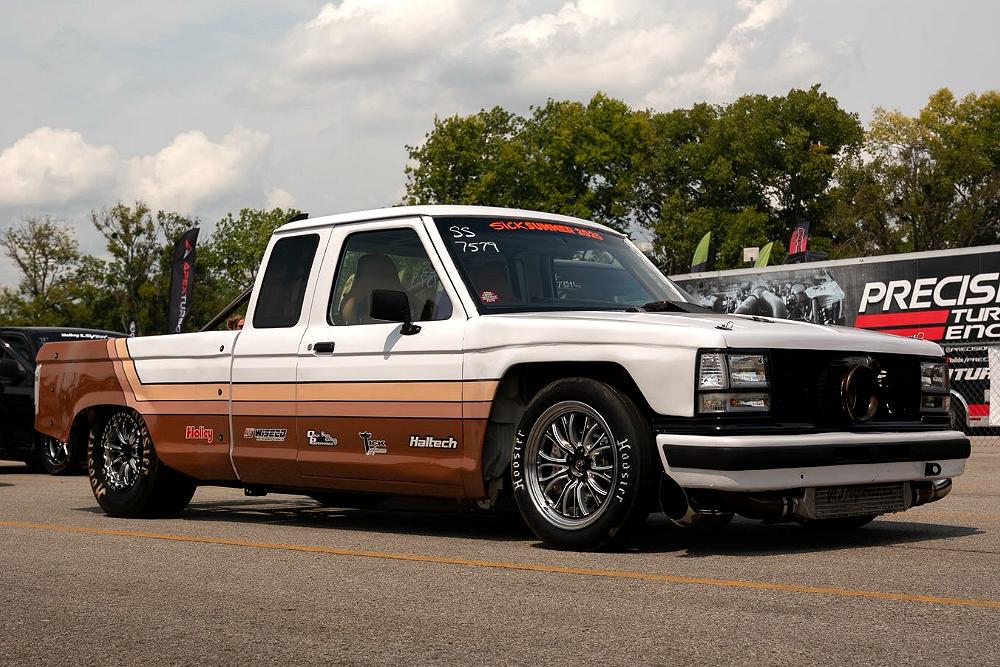
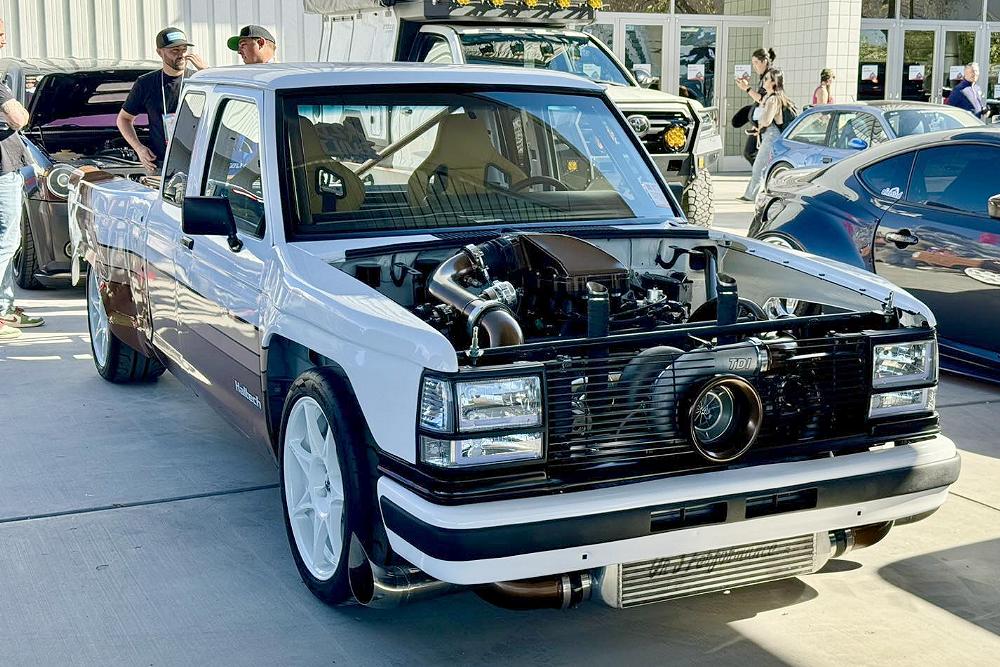
Ryan also updated the truck’s look using a 1989–1992 Ranger core support, which allowed him to fit the fiberglass front fenders from a wide-body kit. The rear wears matching fiberglass bedsides, giving the truck its aggressive, race-ready stance.
Heart of the Beast: The Engine
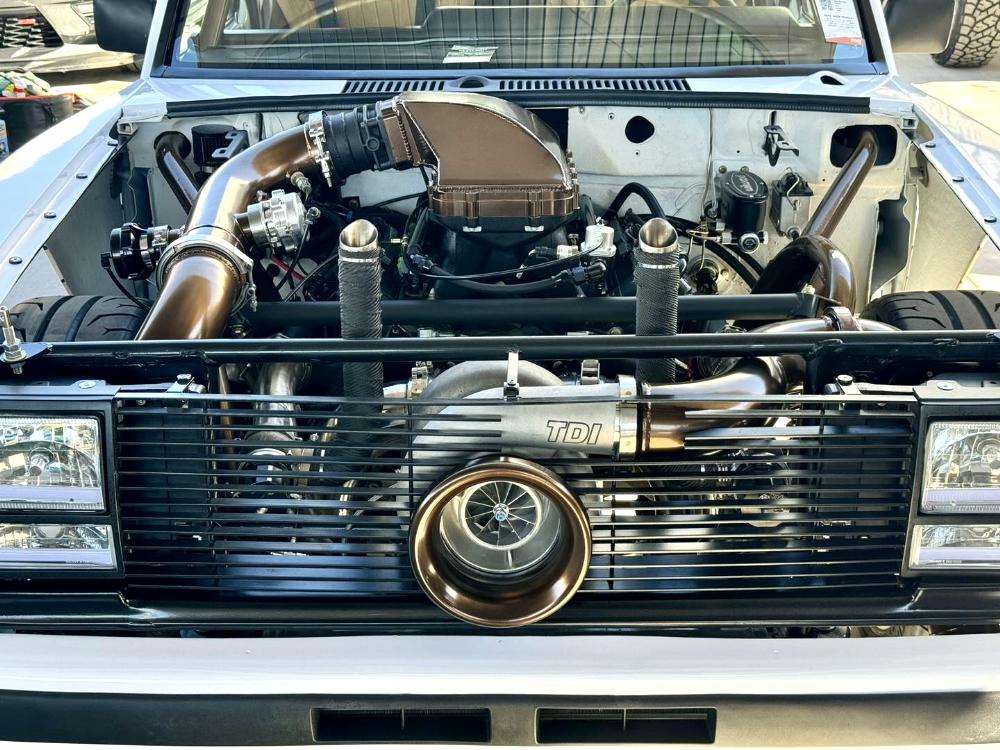
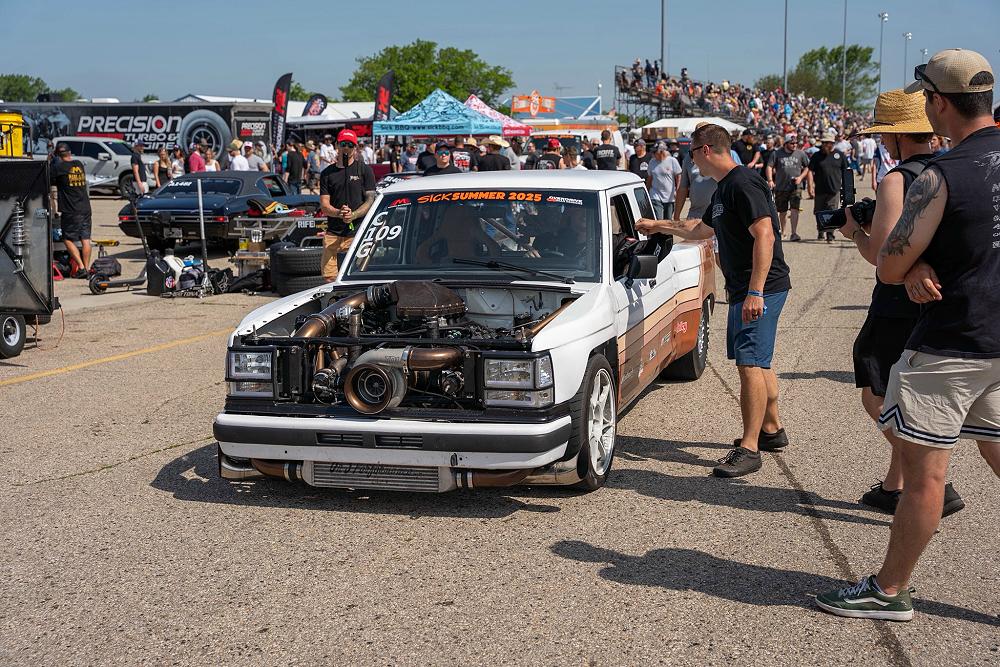
Under the hood (and behind that massive turbo) lies a GM LT4-based 6.0L LS engine topped with 5.3L 243 heads. The engine’s internals are forged and ready for big boost, with Wiseco pistons and Manley connecting rods providing strength and reliability at high horsepower levels.
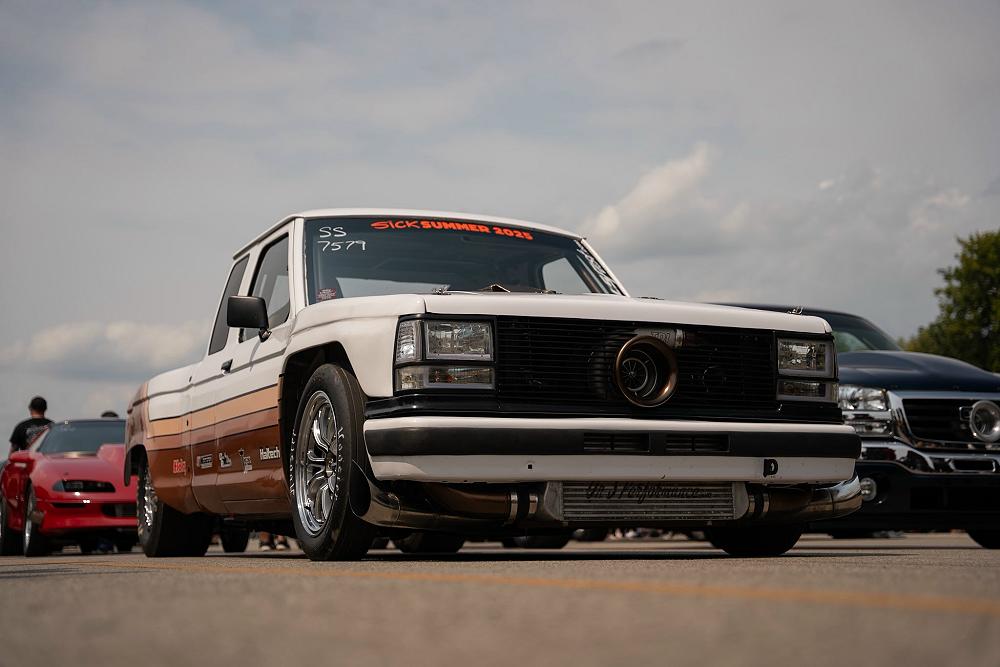
Fuel and air management are handled by a Holley Hi-Ram EFI intake manifold, while a TDI (Turbo Diesels) GT55 88mm turbocharger feeds massive airflow through an air-to-air intercooler. The combination results in brutal acceleration and a sound that turns heads long before the truck crosses the finish line.
Fuel delivery comes from a Holley fuel cell, and to help manage heat, Ryan mounted the radiator in the rear of the truck—a popular setup in competitive drag builds to improve weight distribution and airflow efficiency.
Transmission & Drivetrain
Unlike most drag builds that rely on automatics, Ryan chose to keep things old-school and row his own gears. The truck uses a Tick Performance face-plated T56 6-speed manual transmission, built to withstand the torque of the boosted LS while allowing lightning-quick shifts down the strip.
Out back, the power is transferred through that Ford 8.8-inch rear end, equipped for the abuse of high-RPM launches and hard gear changes. This combination of raw power and driver control makes the Danger Ranger one of the most exciting manual drag builds in the Ford truck scene today.
Exterior & Details
Visually, the truck blends street-truck simplicity with race-ready aggression. The fiberglass wide-body kit gives it a planted, muscular stance, while the later-model front clip ties the body lines together seamlessly. Every inch of the Ranger shows the detail-oriented craftsmanship Ryan put into the project—especially considering he handled the sandblasting, fabrication, and assembly himself.
The rear-mounted radiator setup, tucked-in roll cage, and clean engine bay show both function and form—this isn’t just a showpiece; it’s a purpose-built drag truck.
Inspiration for Ranger Enthusiasts
Ryan Zemla’s Danger Ranger stands as proof that the Ford Ranger platform can handle far more than factory ever intended. Whether you’re building an overland rig, trail truck, or drag racer, this build demonstrates the power of imagination, hard work, and hands-on skill.
From custom fabrication and engine swaps to manual-transmission performance, it embodies everything that makes the Ranger community thrive.
Highlights & Quick Specs
- Year / Model: 1988 Ford Ranger
- Owner: Ryan Zemla (@a2d_builds)
- Nickname: “Danger Ranger”
- Engine: GM LT4 6.0 LS block w/ 5.3 243 heads
- Internals: Wiseco pistons, Manley rods
- Induction: Holley Hi-Ram EFI intake, TDI GT55 88mm turbo, air-to-air intercooler
- Transmission: Tick Performance face-plated T56 6-speed manual
- Rear Axle: Ford 8.8-inch
- Suspension: Mustang II front / custom 4-link rear
- Cooling: Rear-mounted radiator
- Fuel System: Holley fuel cell
- Chassis: Modified factory frame + tubular rear section
- Roll Cage: 1.75-inch tubing
- Body: 1989–1992 Ranger core support, fiberglass wide-body fenders & bedsides
- Purpose: Stick-shift turbo drag truck
Final Thoughts
Ryan Zemla’s Danger Ranger proves that the Ranger platform can punch far above its weight when built with creativity and precision. From the hand-built chassis and forged LS engine to the face-plated six-speed and wide-body fiberglass shell, this truck is a showcase of skill and determination.
For the Ranger community, it’s more than just a cool build—it’s motivation to get in the garage, pick up the tools, and see just how far a Ford Ranger can go.
Links
Gallery
About The Author
Jim Oaks is the founder of TheRangerStation.com, the longest-running Ford Ranger resource online since 1999. With over 25 years of hands-on experience building and modifying Ford Rangers — including magazine-featured builds like Project Transformer — Jim has become one of the most trusted authorities in the Ford Ranger off-road and enthusiast space.
Since launching TheRangerStation.com, Jim has documented thousands of real-world Ranger builds, technical repairs, drivetrain swaps, suspension modifications, and off-road adventures contributed by owners worldwide. TheRangerStation.com has been referenced in print, video and online by enthusiasts, mechanics, and off-road builders looking for practical, and experience-based information.