
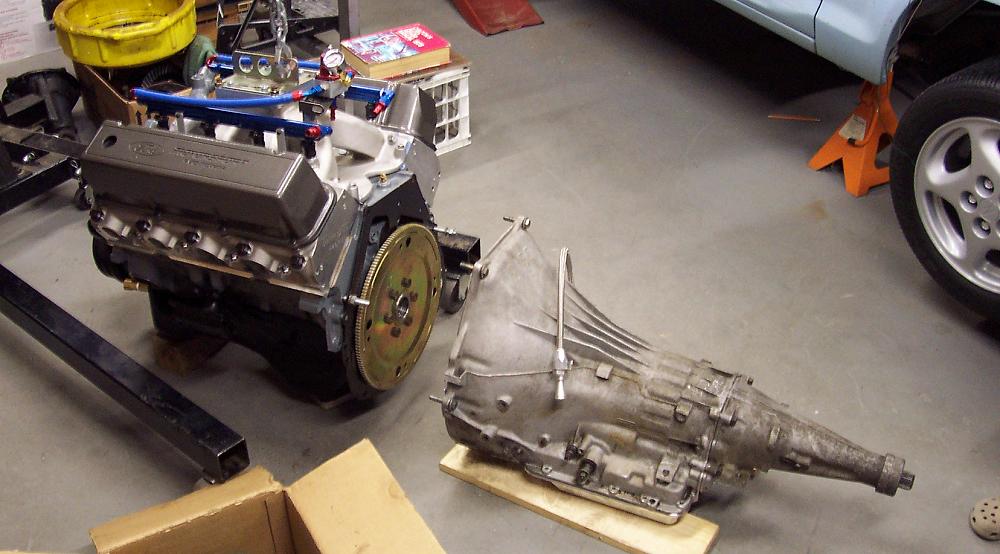
Big Block Ranger: Stuffing a 460 V8 Into a Compact Pickup
Dropping a big block 460 into a compact Ford Ranger isn’t supposed to make sense—and that’s exactly why this build exists.
What started as a slightly beat-up Ranger powered by an EFI 5.0L and T5 manual quickly turned into something far more ambitious. The goal wasn’t just to build something wild—it was to cut through the internet myths and prove, with real-world experience, that a 460 swap could be done. Not just done, but done right.
Because let’s be honest: big block torque in a sub-3,000-pound truck isn’t just fun… it’s borderline terrifying.
NOTE: Click the images to see the descriptions.
The Starting Point
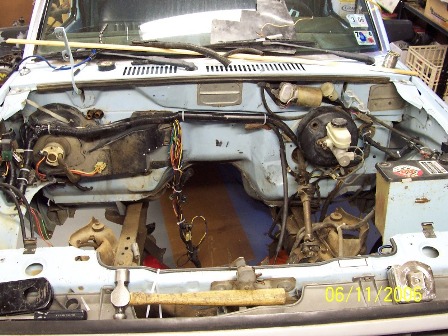
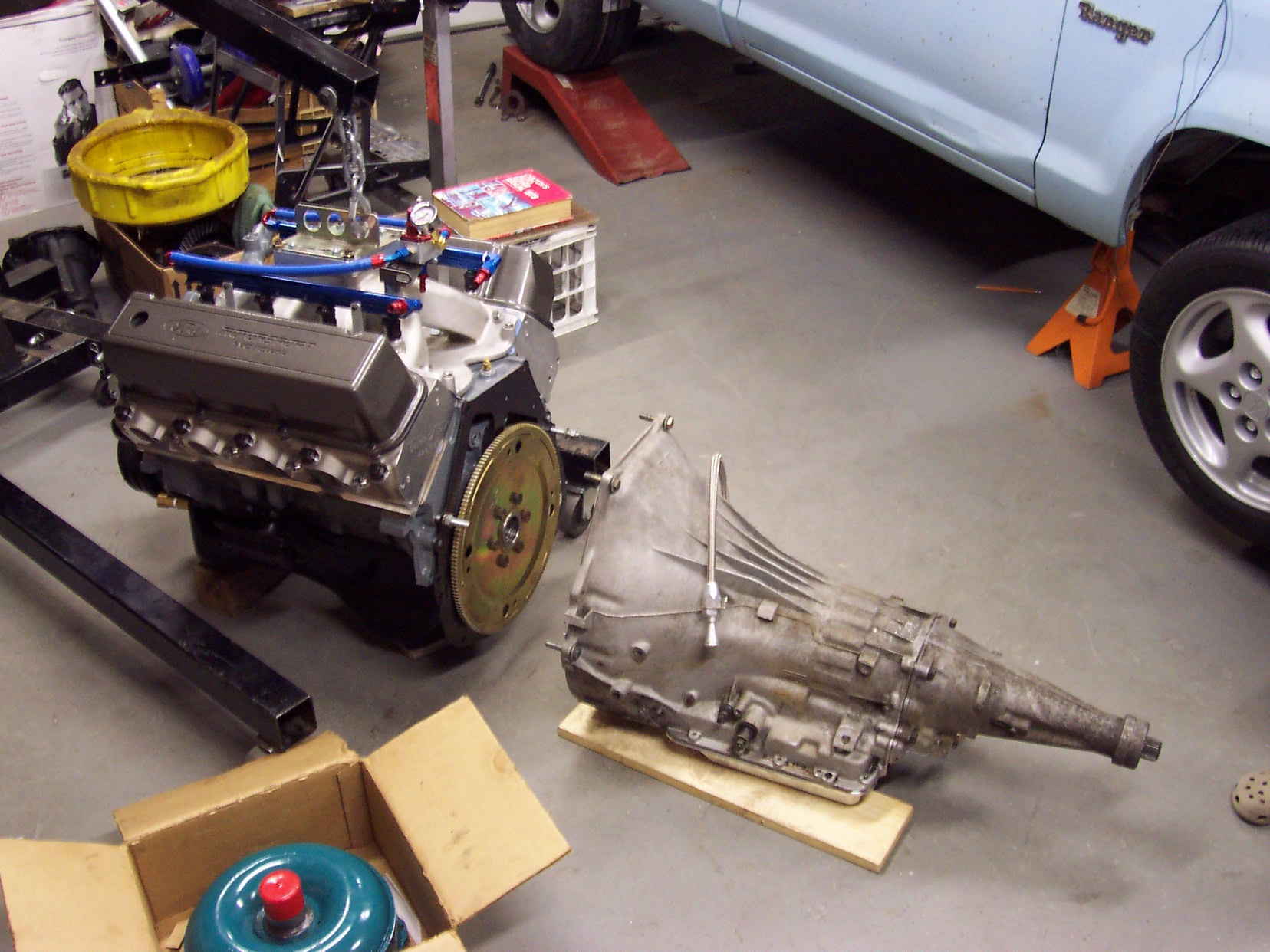
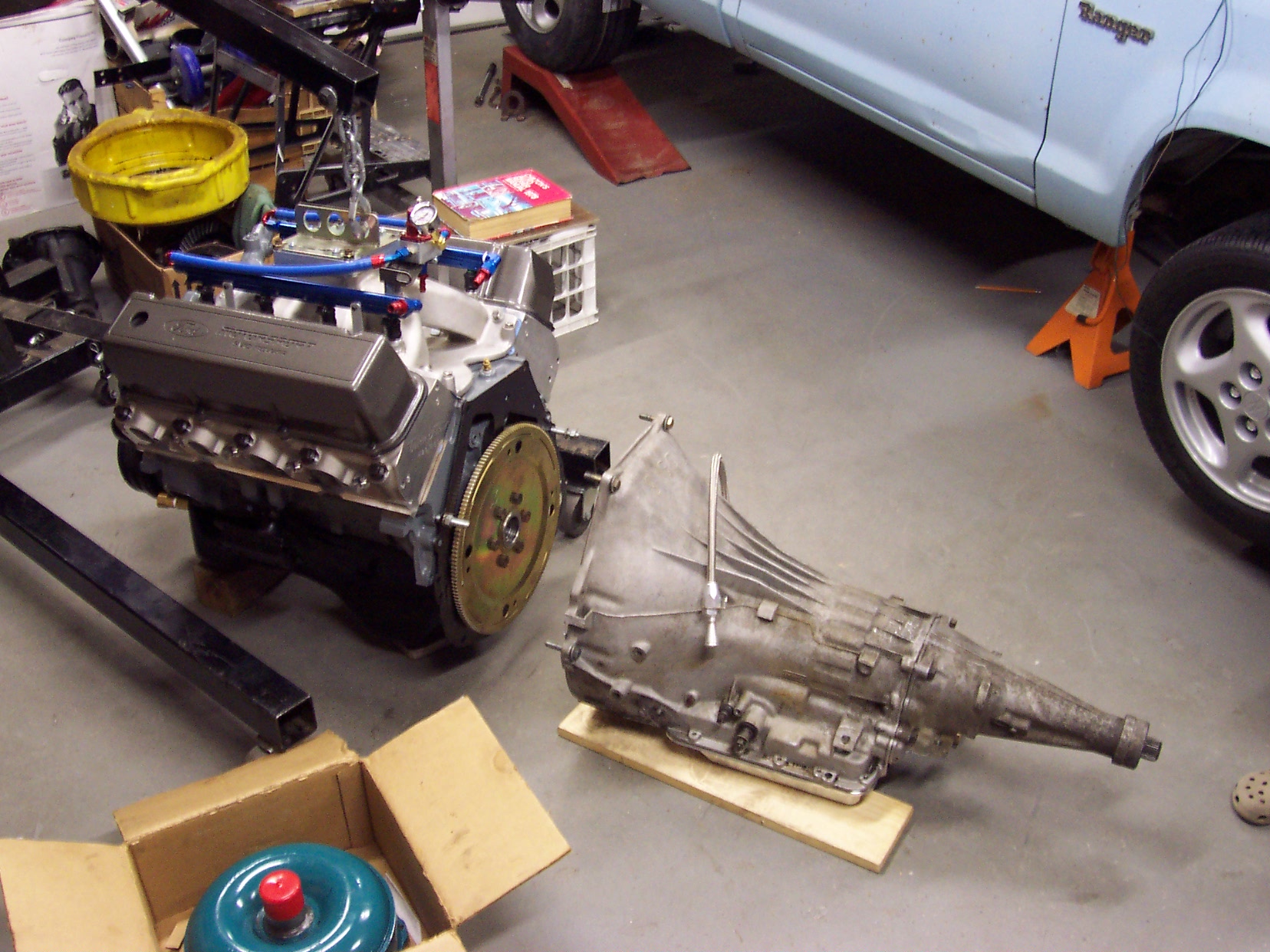
The truck itself was nothing special at first glance. It already had a small block 5.0L swap and some prior modifications, including a notched core support. But all of that was about to change. The small block and T5 were pulled to make room for something much larger—a stroked EFI 460 paired with a C6 automatic.
That’s when the real work began.
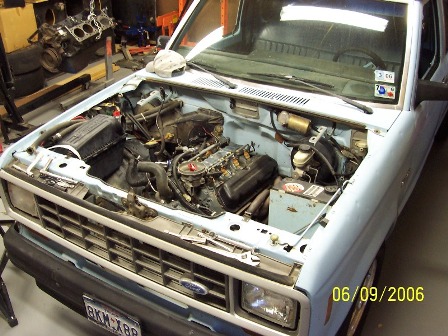
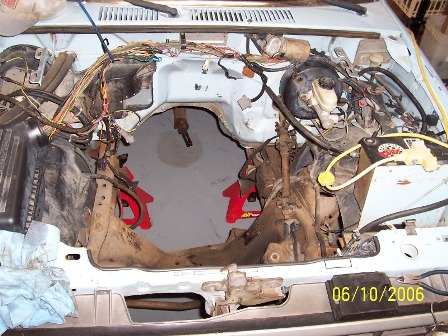
Making a 460 Fit Where It Shouldn’t
Fitting a big block into a Ranger engine bay isn’t just a matter of dropping it in—it’s a constant exercise in compromise and problem-solving.
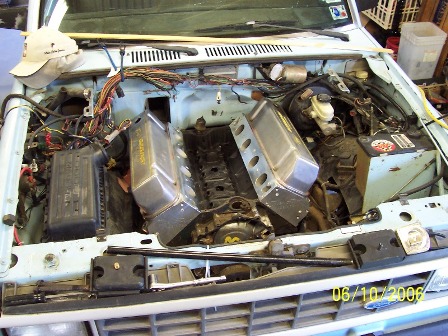
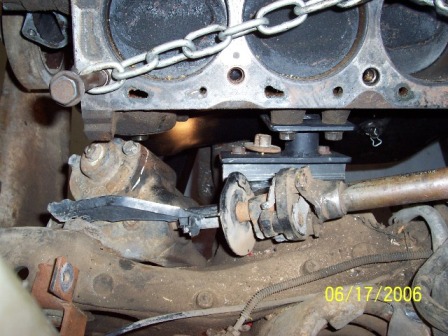
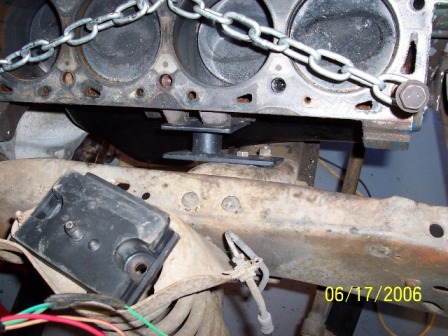
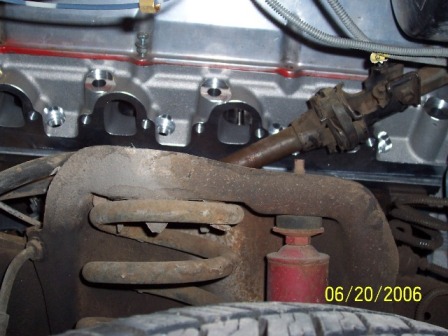
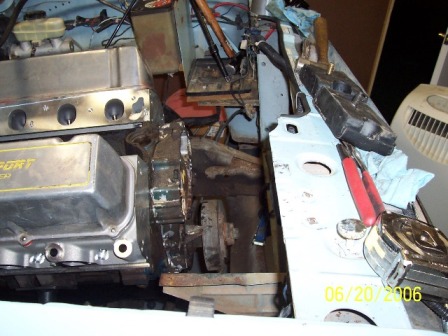
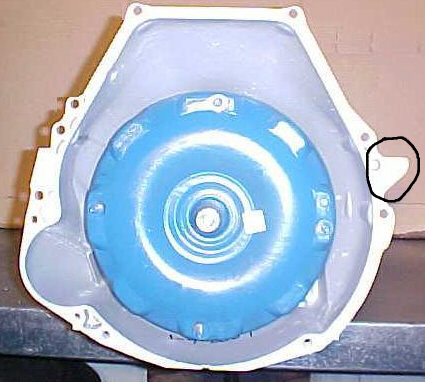
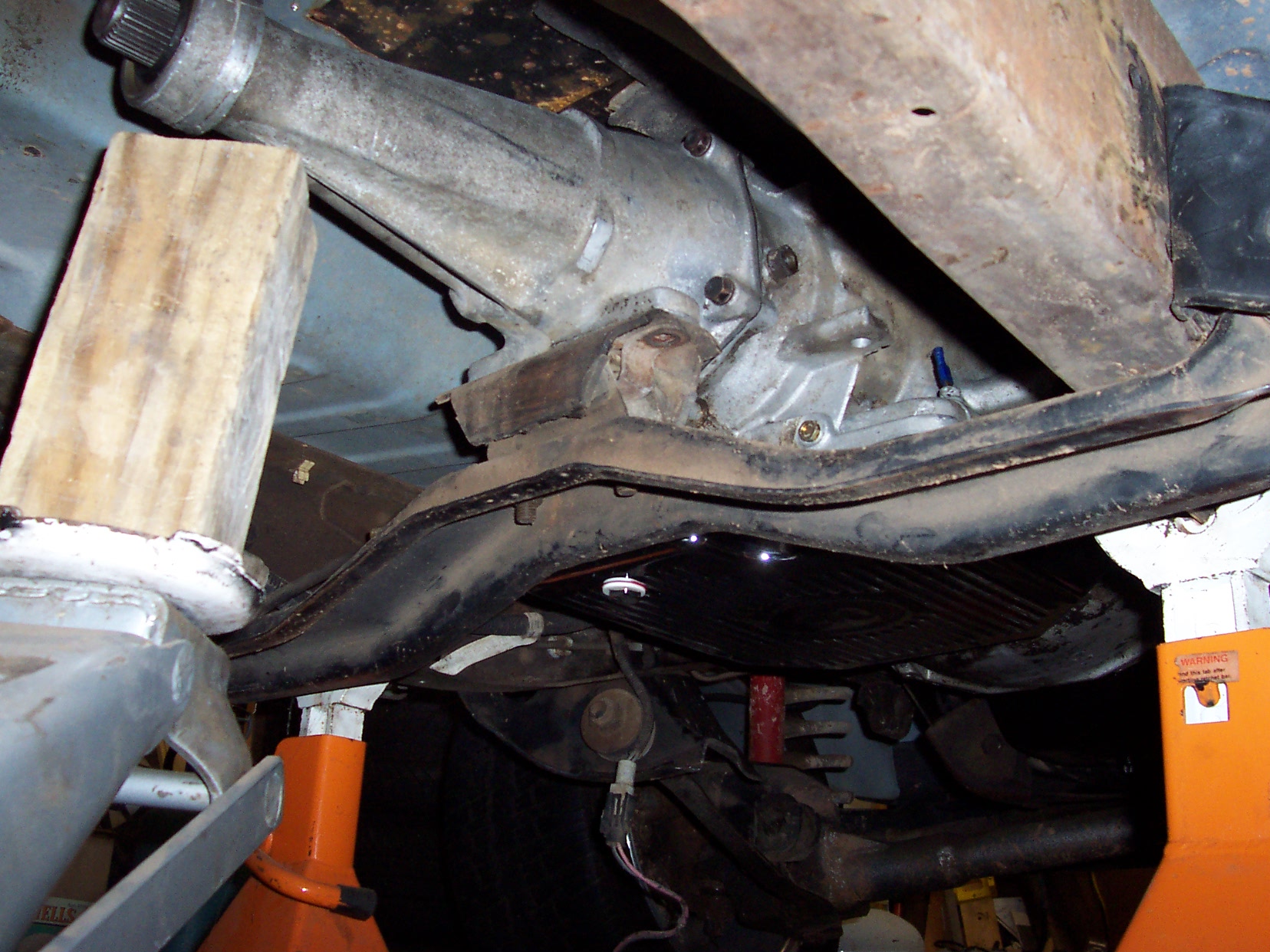
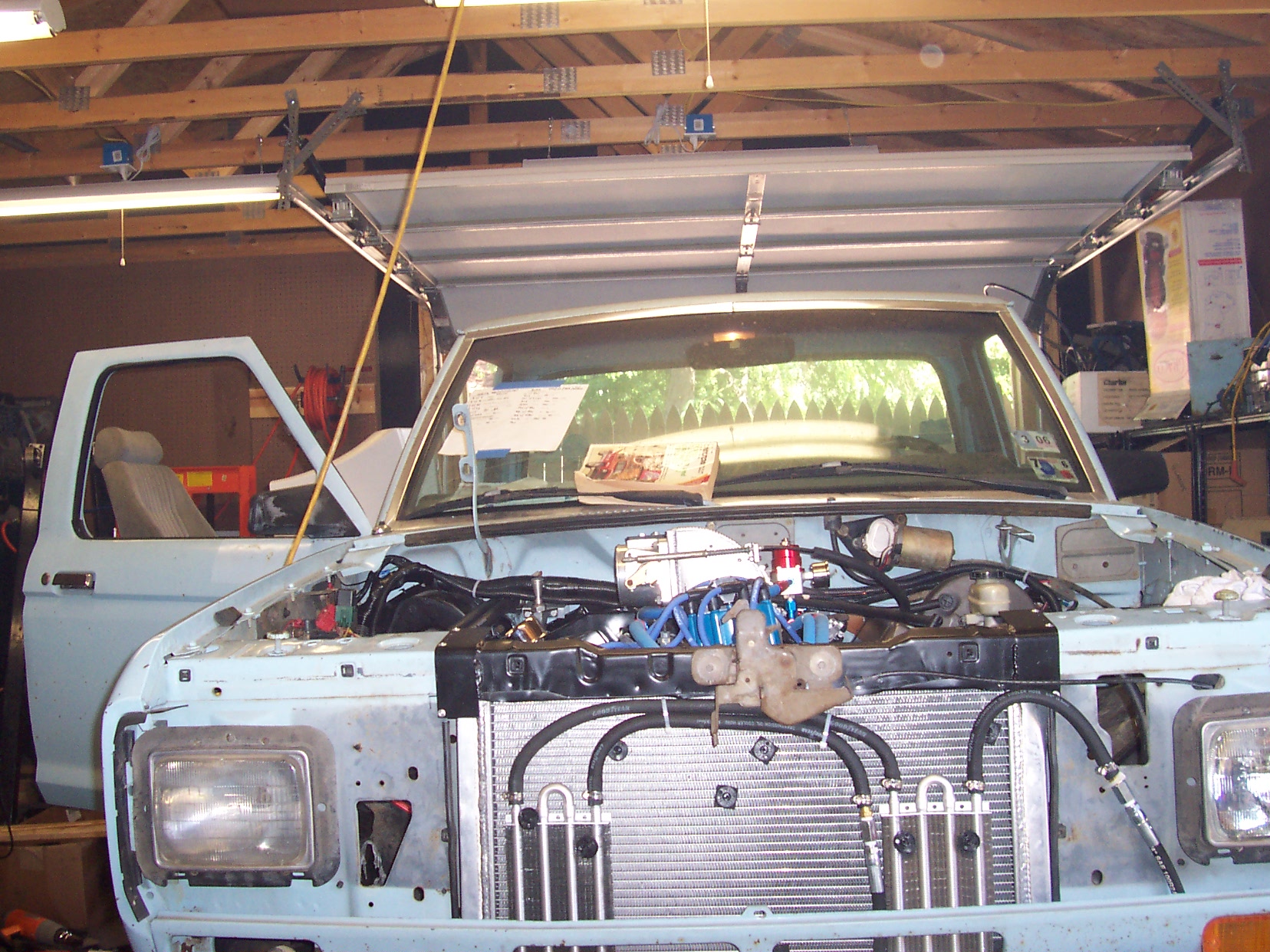
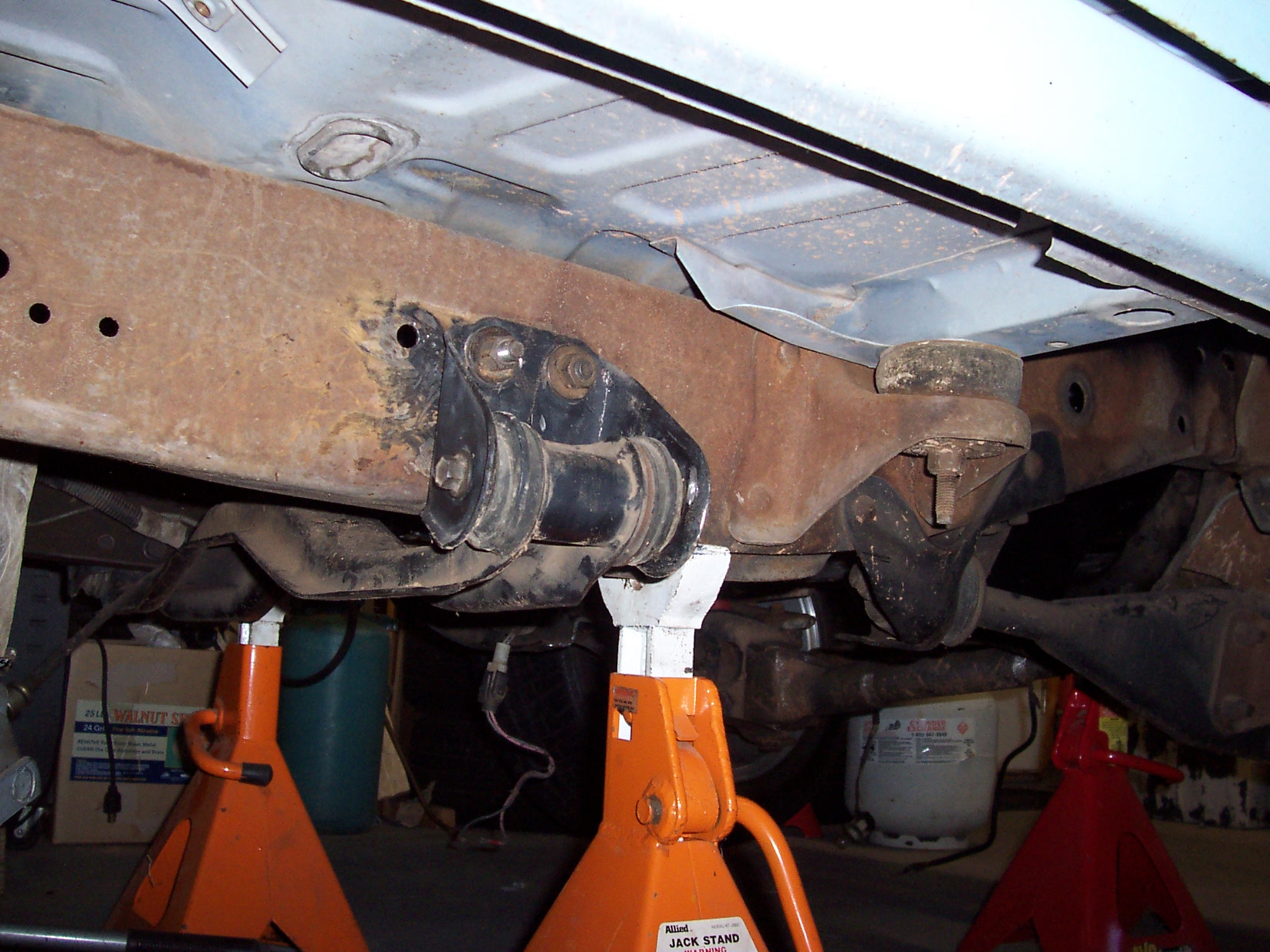
The radius arm crossmember had already been modified, but it needed to become removable to clear the massive C6 bellhousing. With that handled, the 460 was lowered into place for mock-up. Surprisingly, the initial fit wasn’t as bad as expected, thanks in part to earlier modifications.
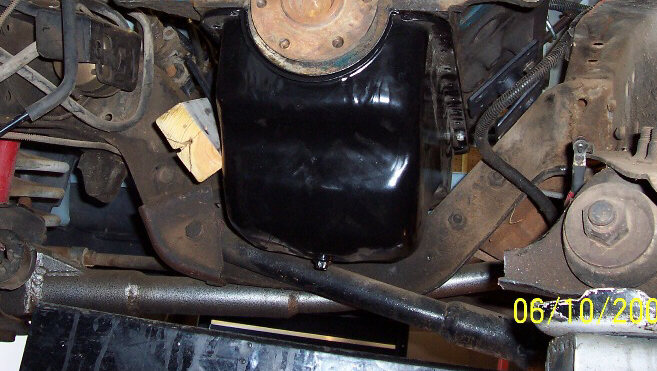
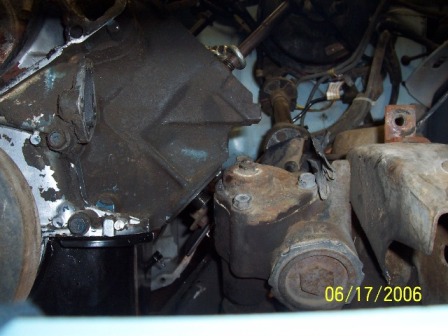
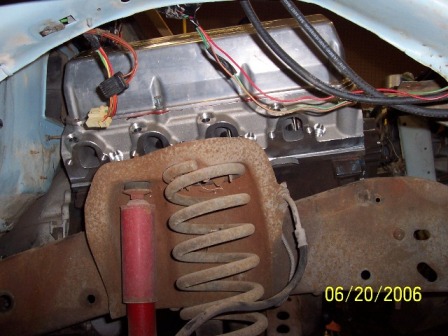
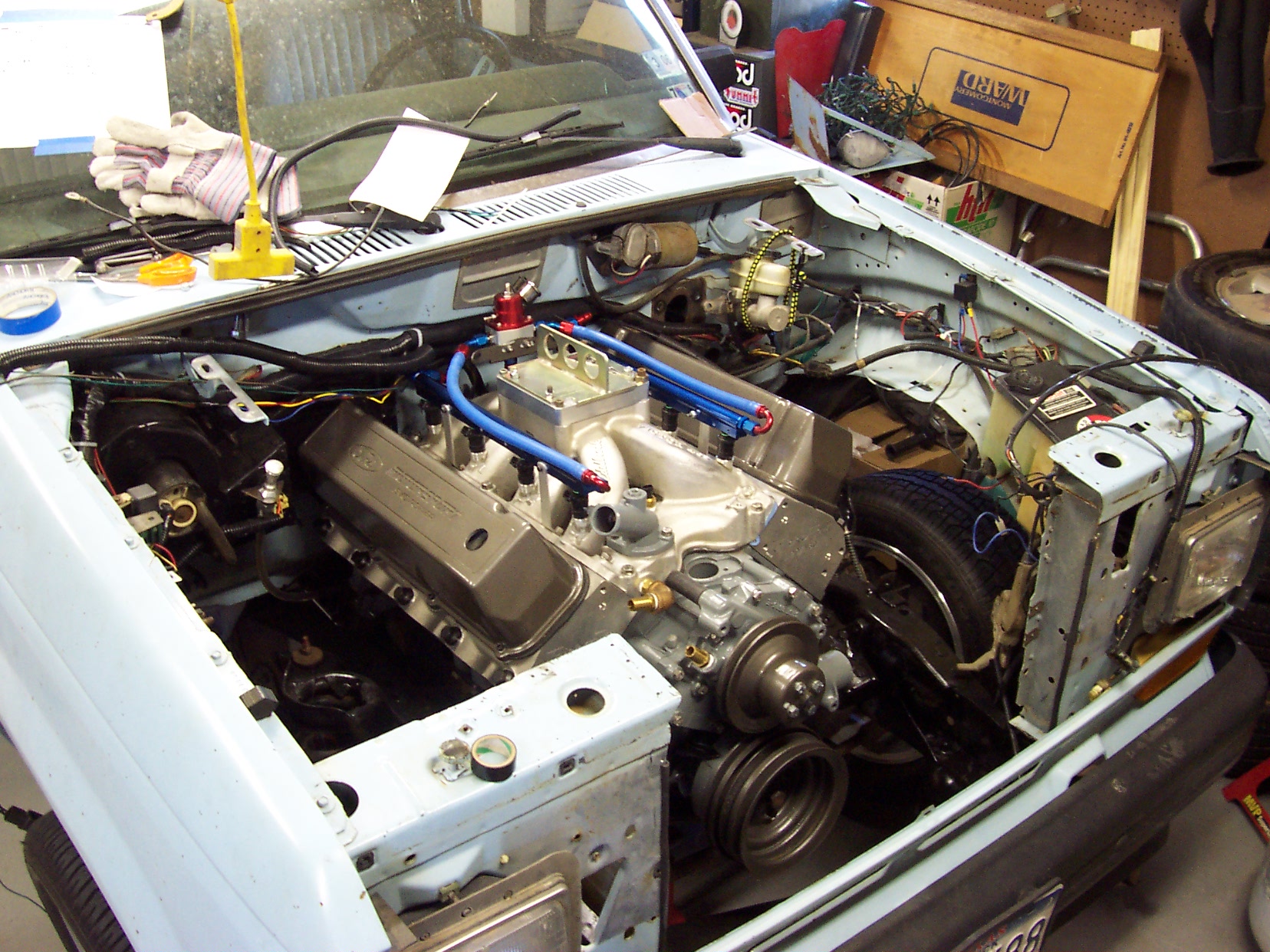
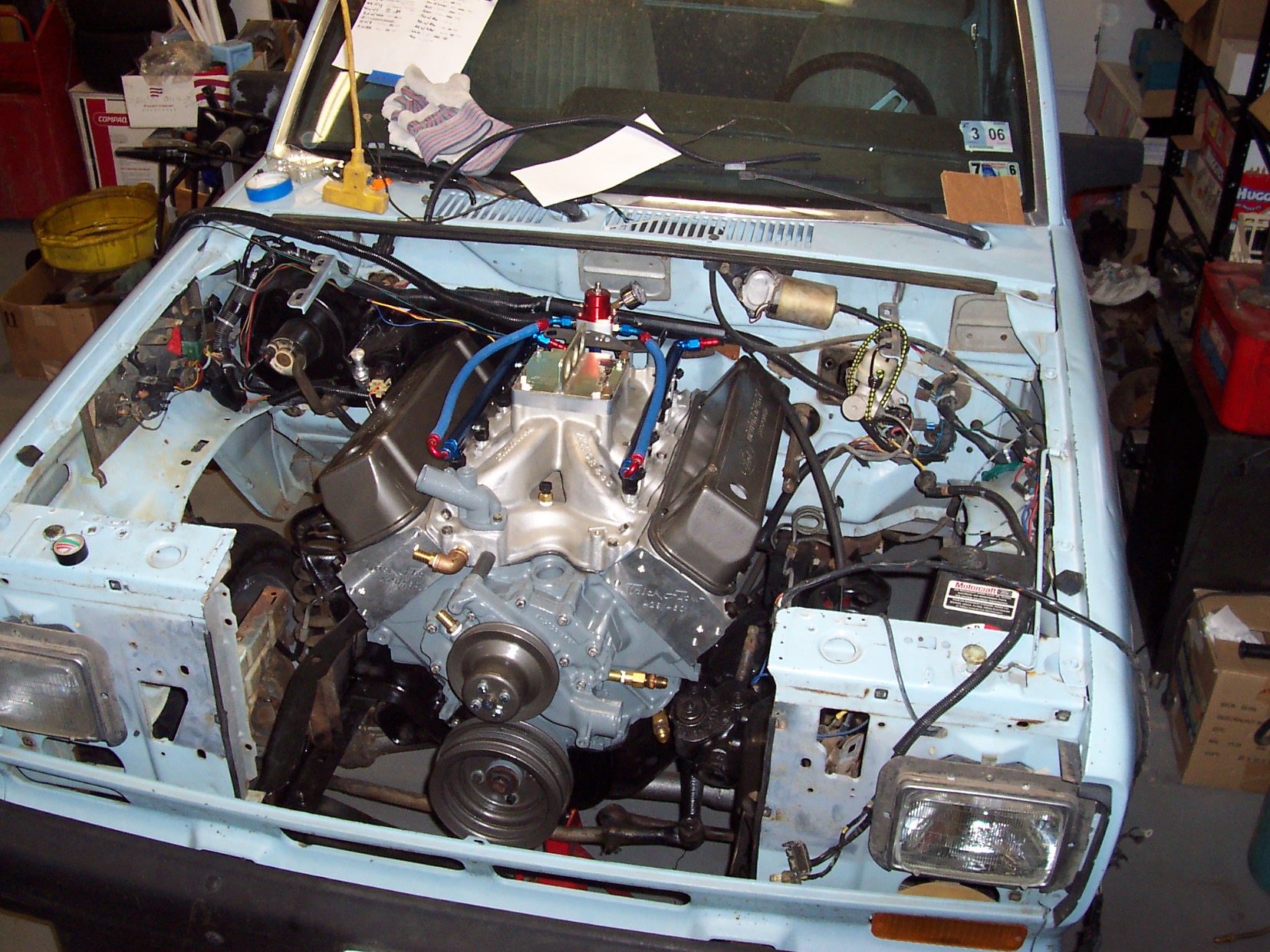
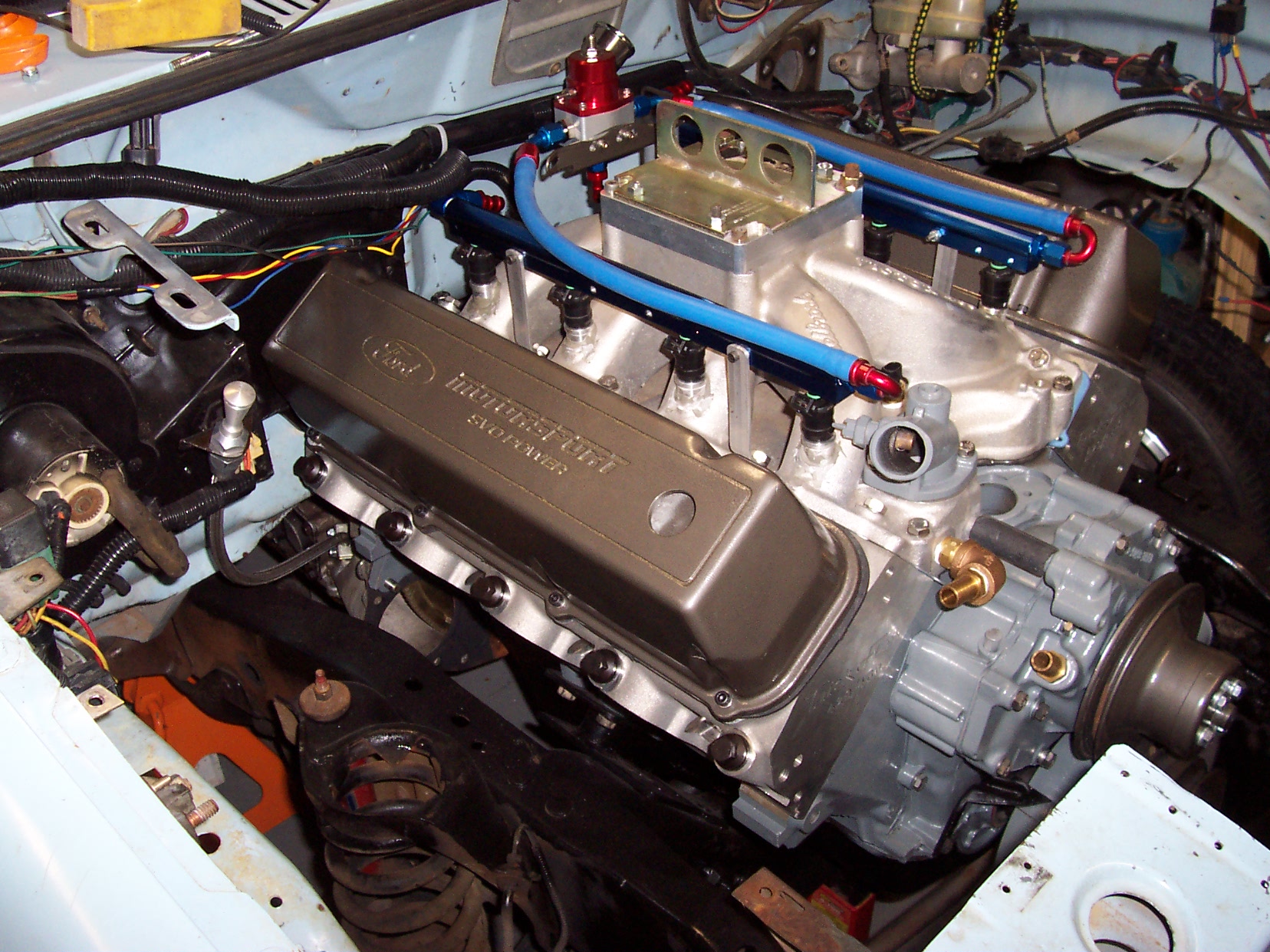
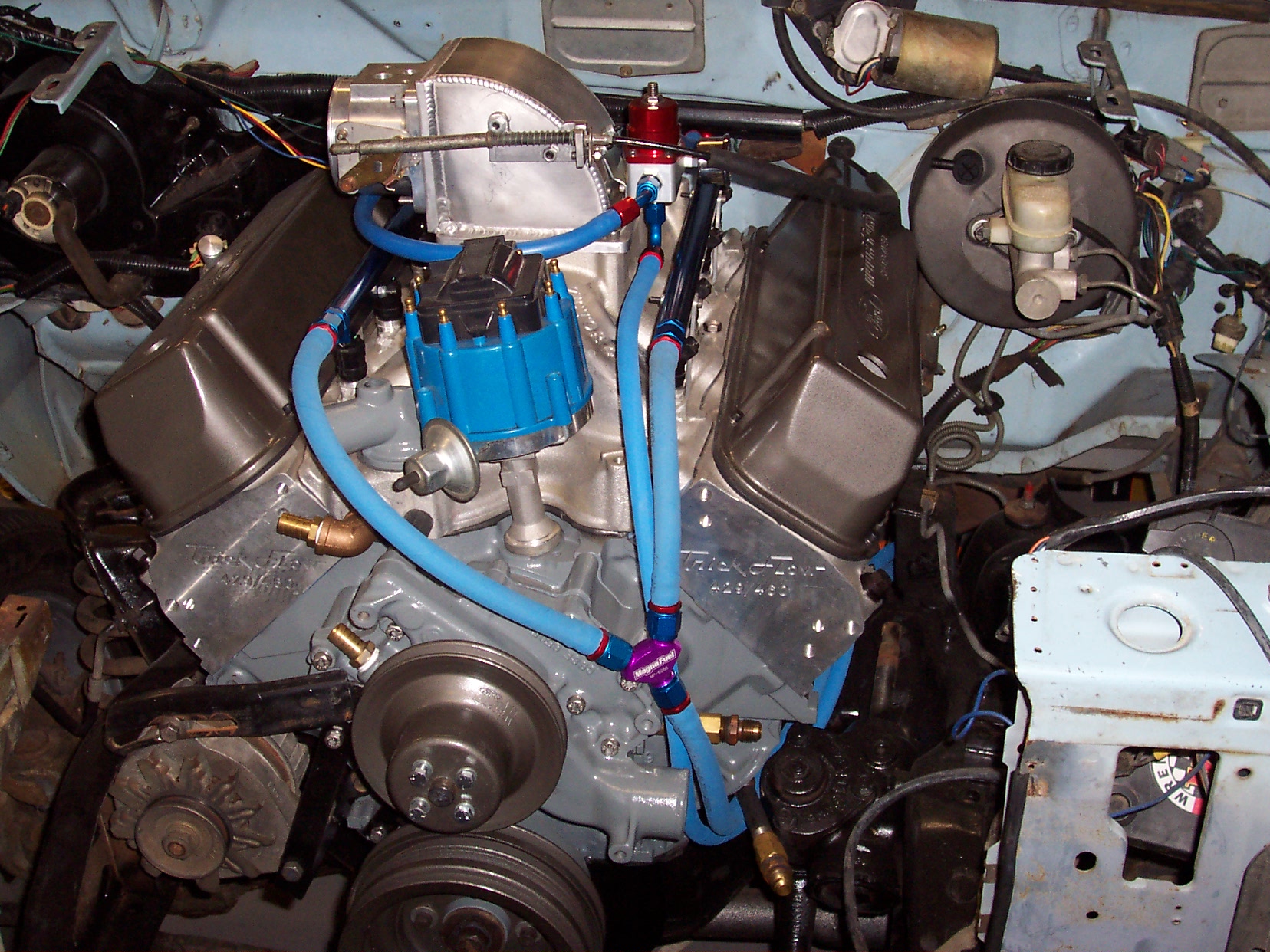
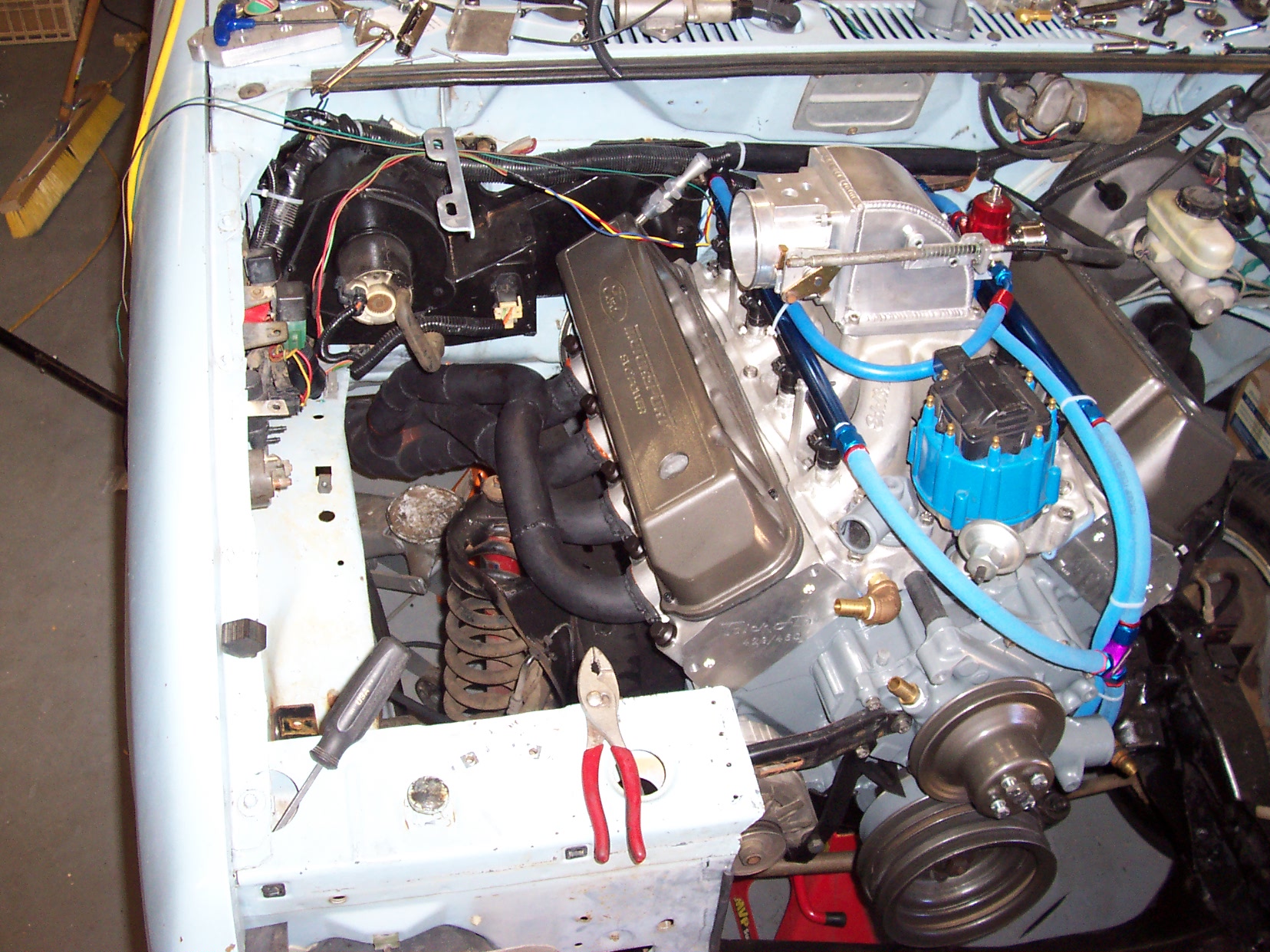
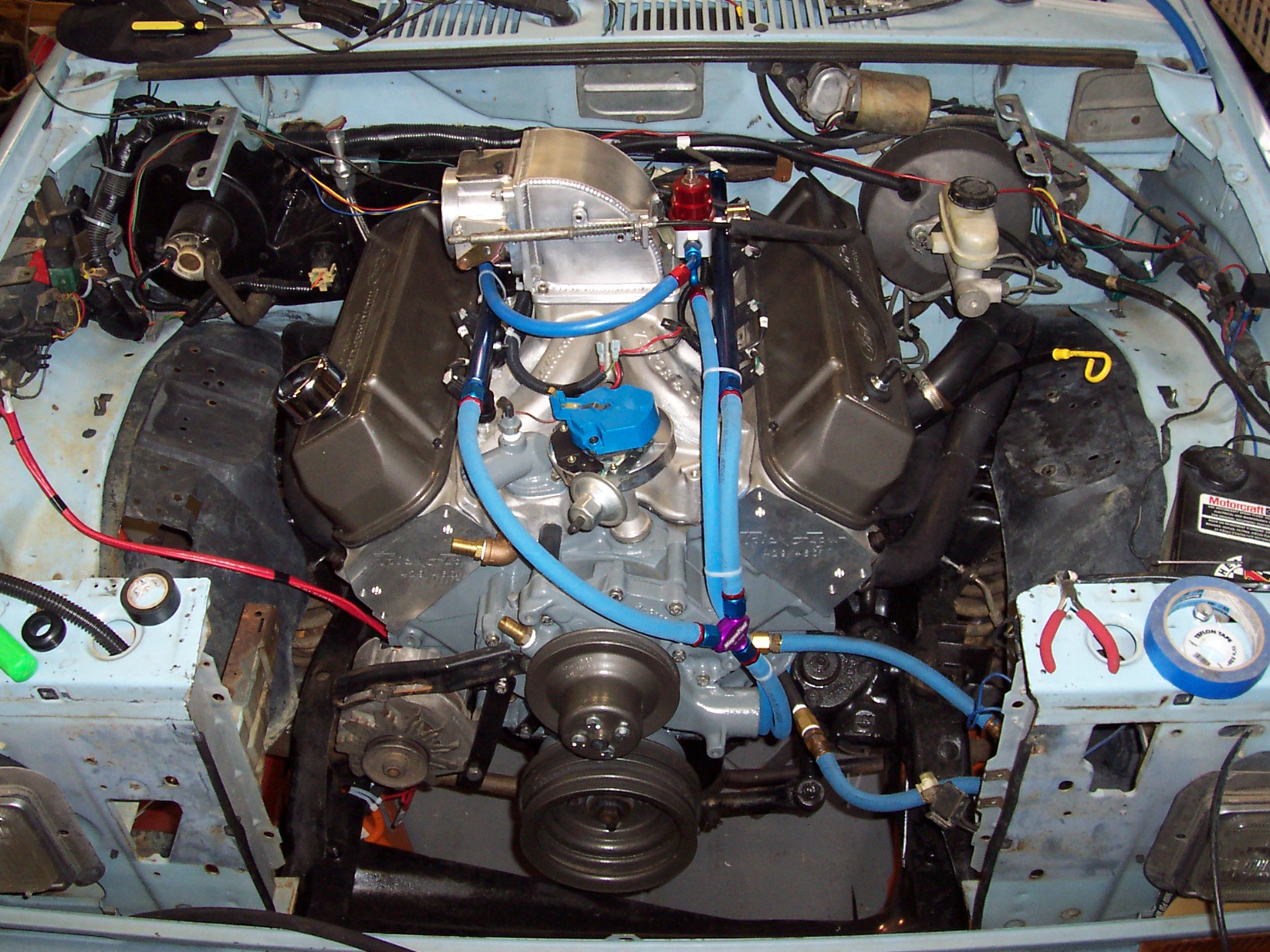
Instead of pushing the engine back into the firewall like many swaps, this build focused on positioning the engine for optimal clearance across the board—oil pan, suspension, and front accessories. The result was an engine offset slightly toward the passenger side, a decision that helped balance space constraints throughout the bay.
Custom engine mounts were fabricated using Ford Racing components combined with square tubing. The mounts positioned the engine low in the chassis, avoiding the excessive height that would have resulted from using standard isolators.
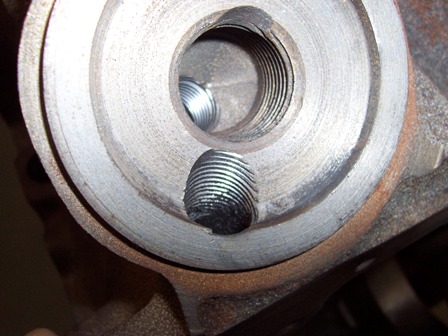
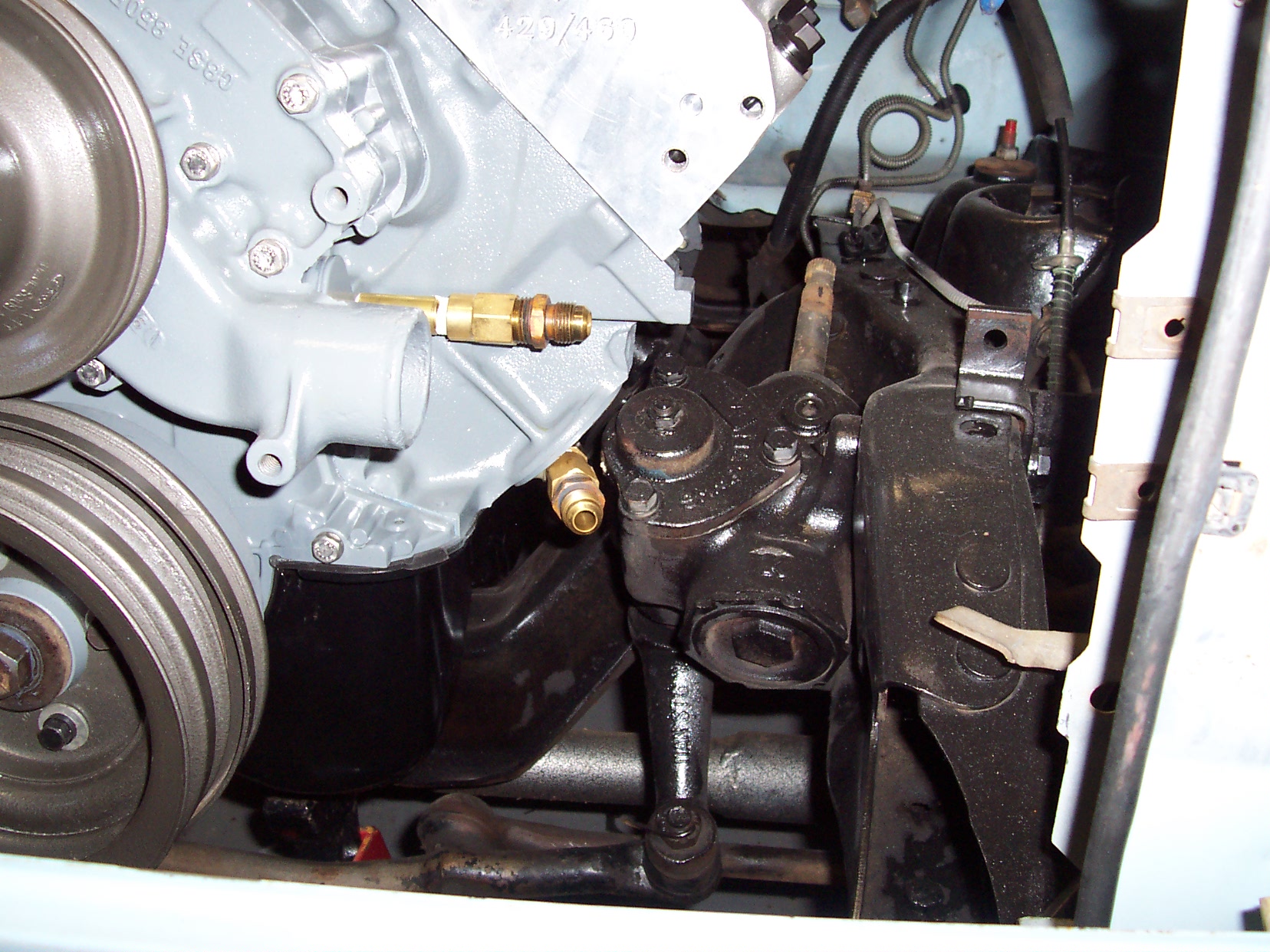
One of the biggest challenges came from the oil filter location. Rather than relocating the engine to accommodate it, the solution was to modify the block for remote oil lines directly—allowing the engine to sit exactly where it needed to be.
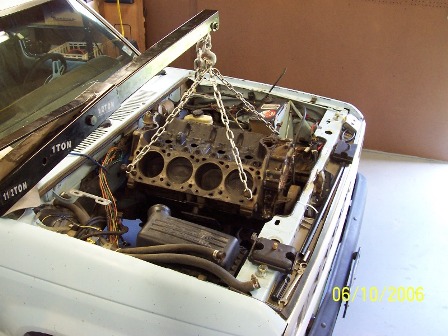
Clearance Battles
With the engine in place, the real fight began—clearance.
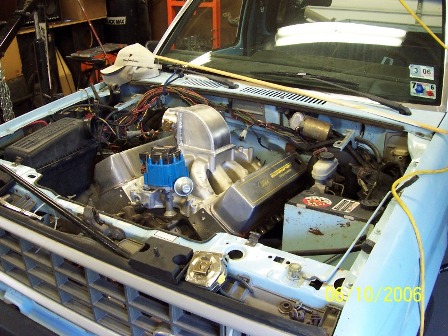
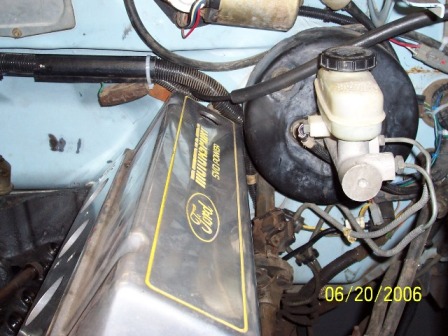
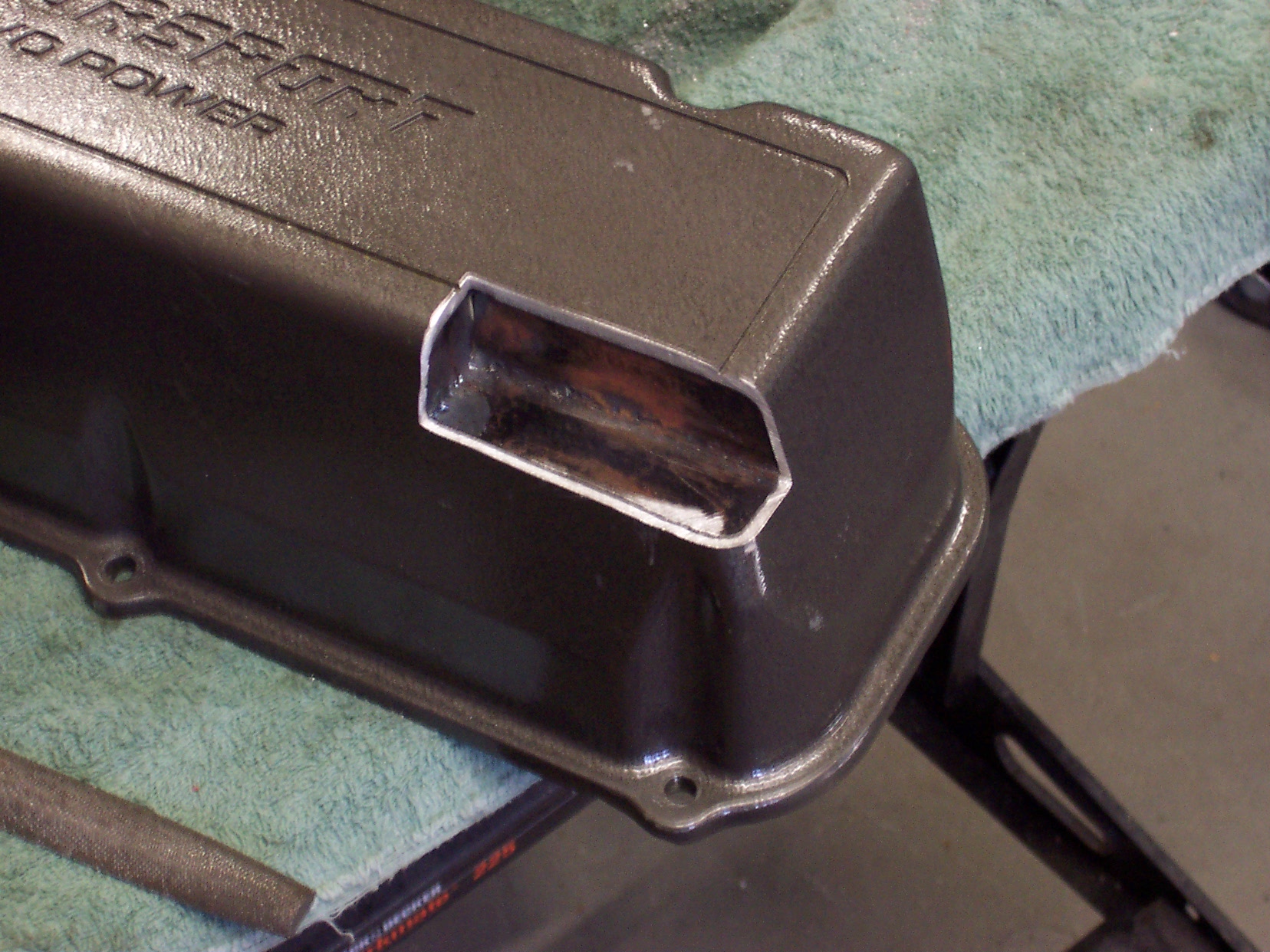
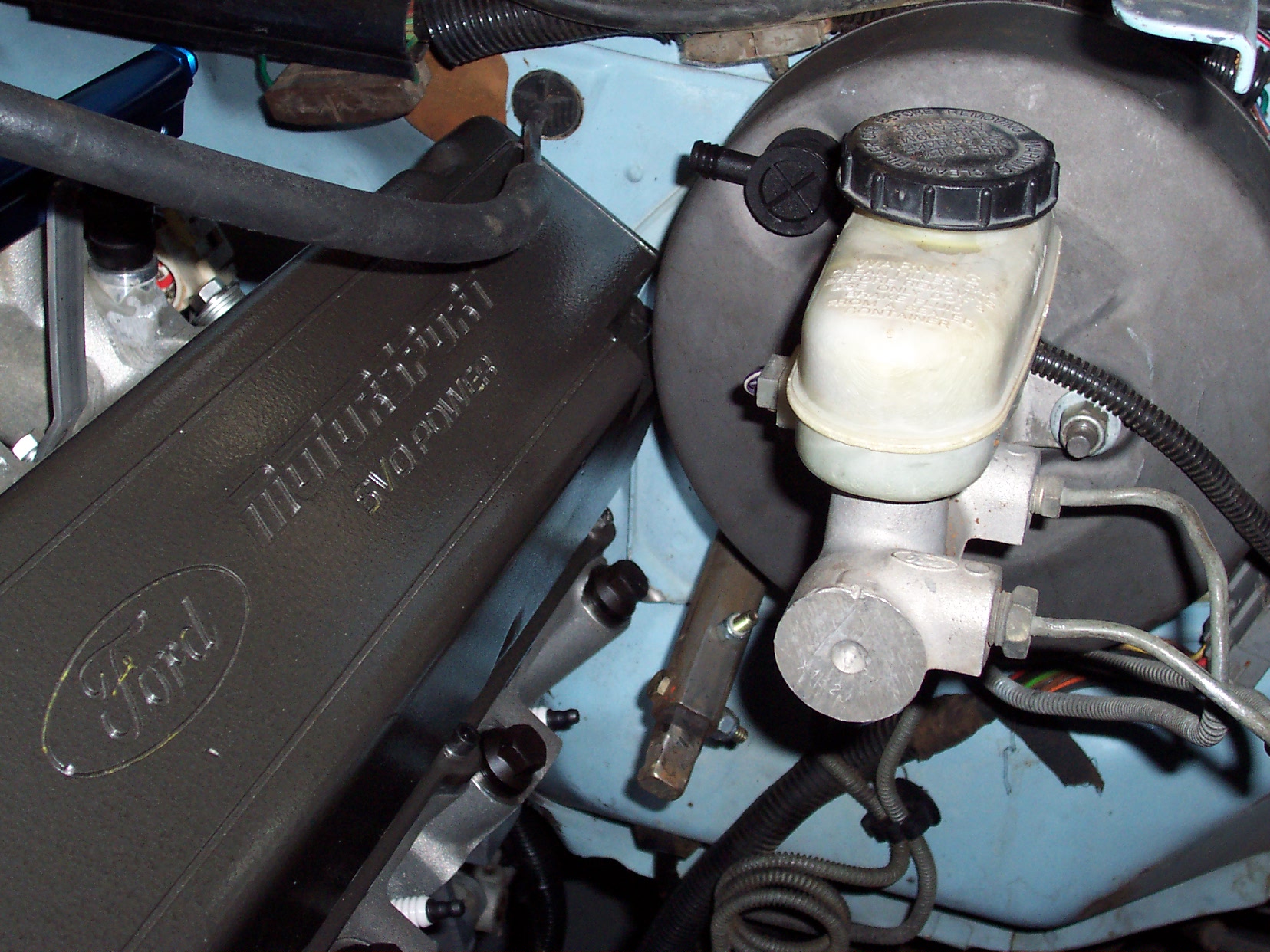
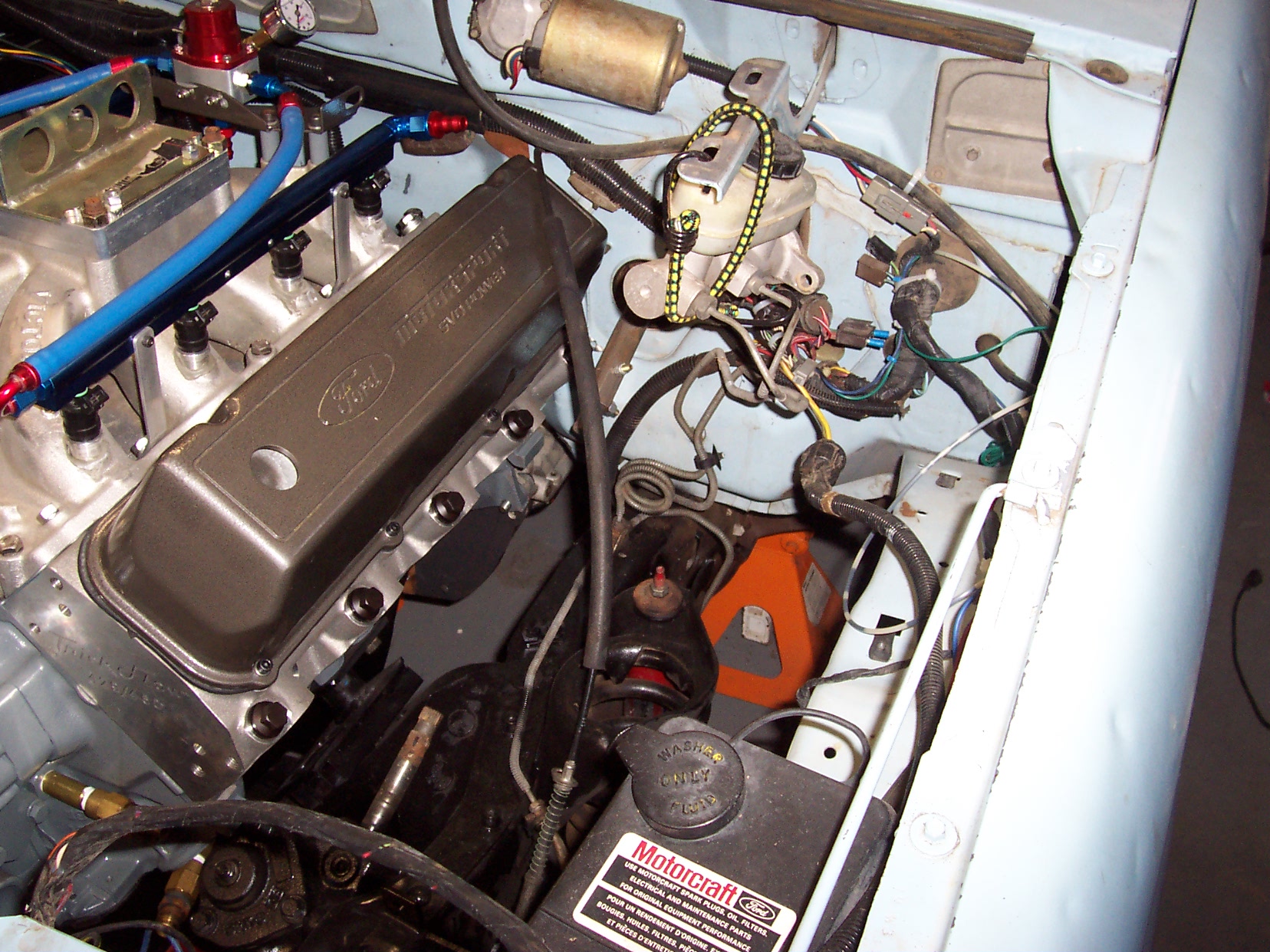
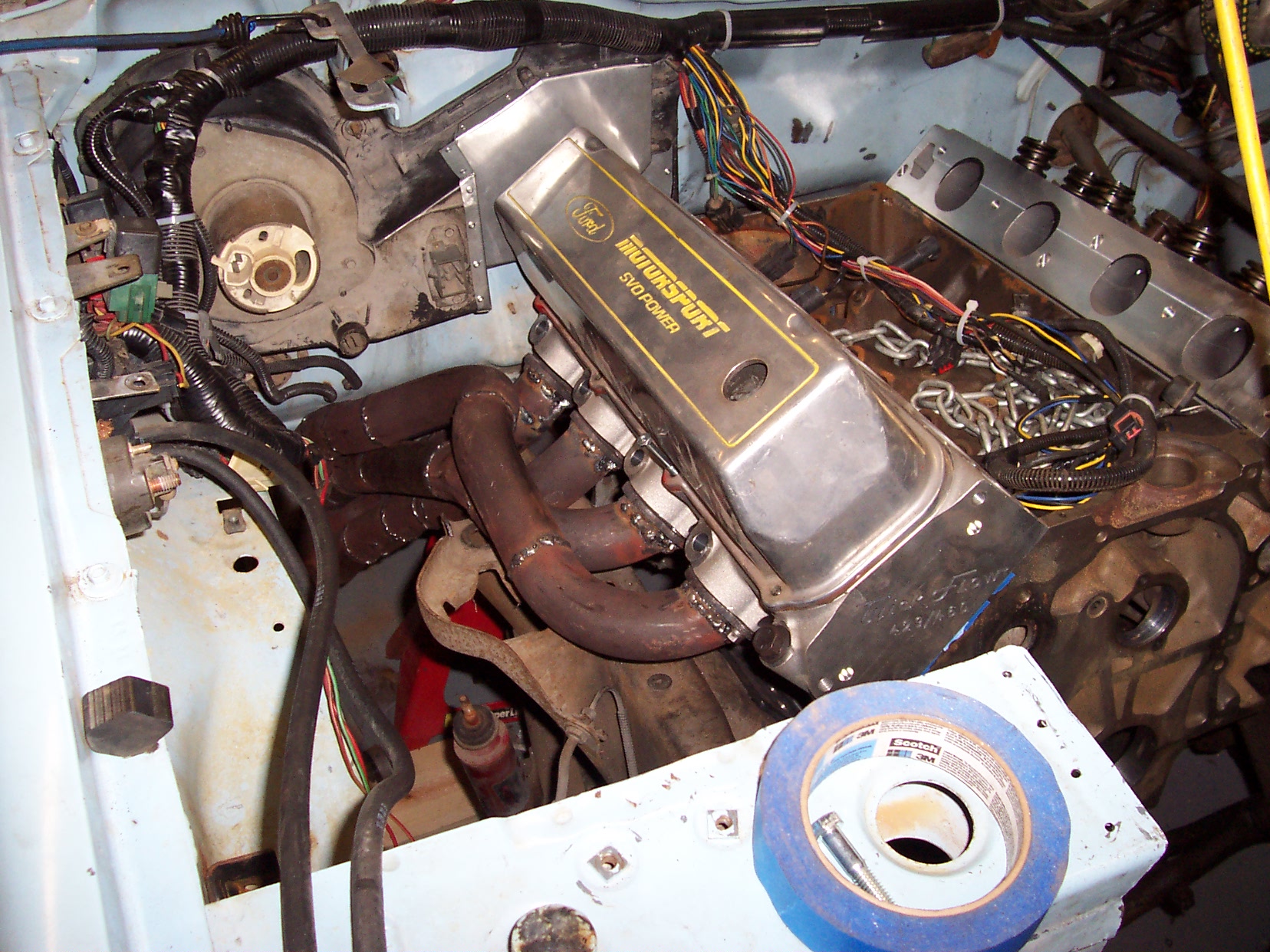
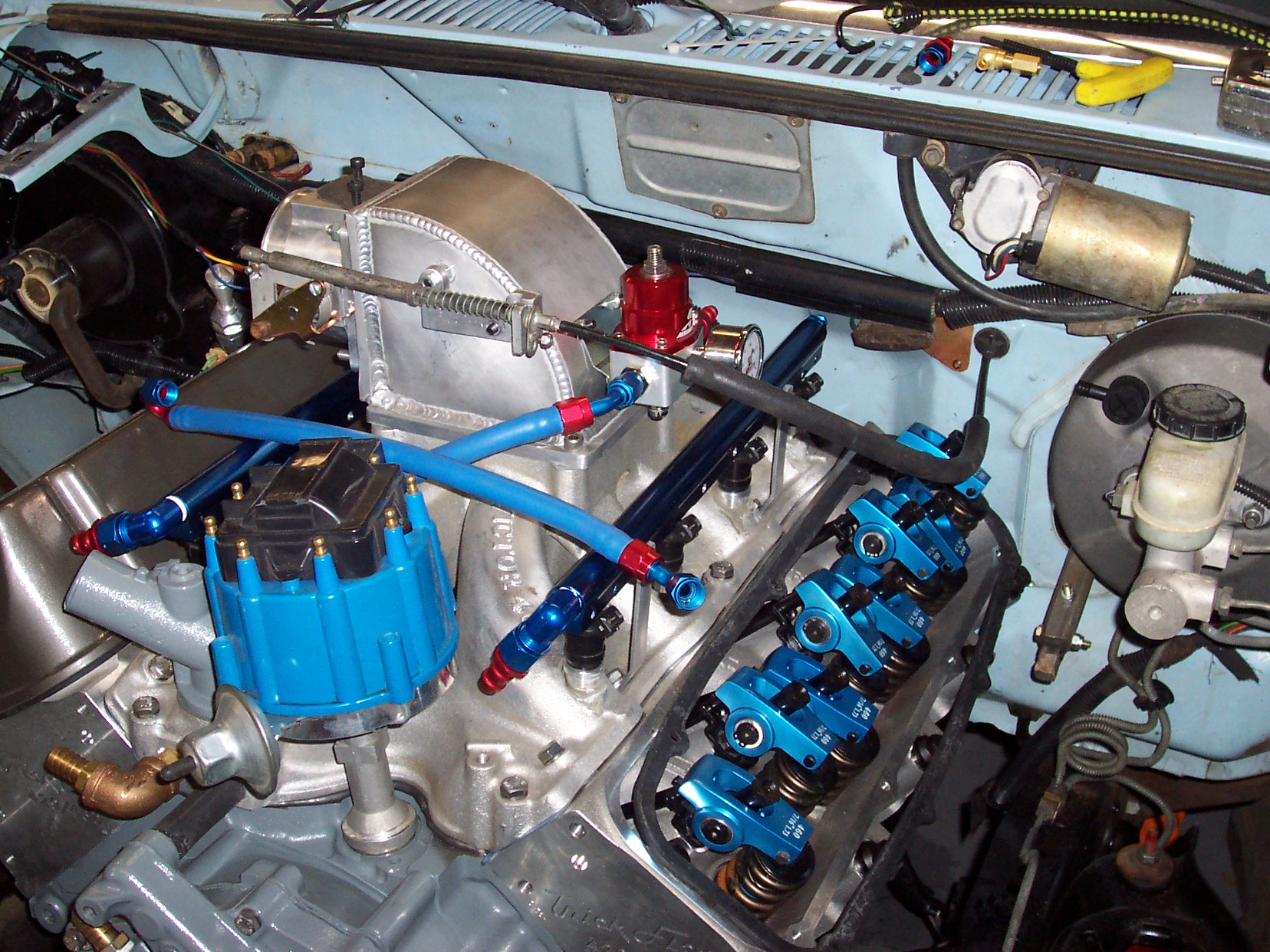
The brake booster and valve cover nearly occupied the same space, leaving only fractions of an inch to work with. The solution? Notching the valve cover itself. Tight, but effective.
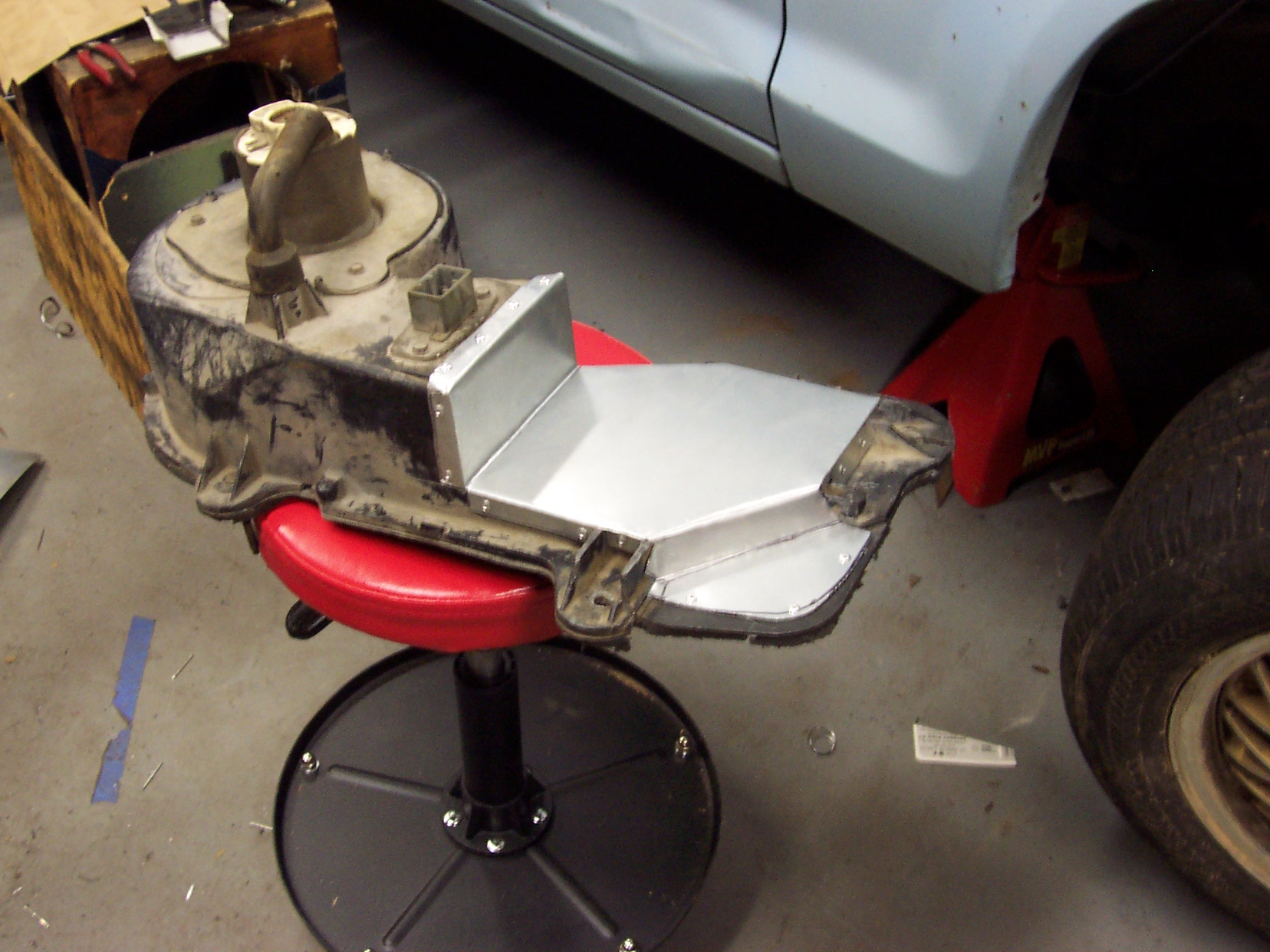
The heater box required modification, the passenger-side I-beam came dangerously close to the oil pan, and the transmission tunnel needed trimming to accommodate the bulk of the C6.
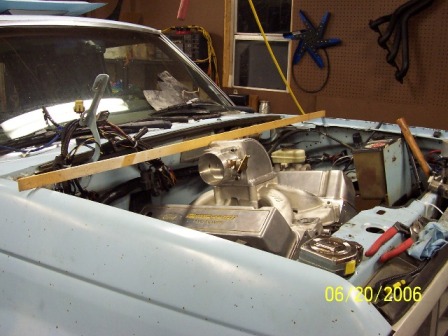
Up top, hood clearance checks showed that a modest 2-inch cowl hood would be enough to clear the tall big block.
Every inch of the engine bay had to be negotiated—and nothing fit without a fight.
Custom Fabrication: Making It Work
If there’s one theme throughout this build, it’s fabrication.
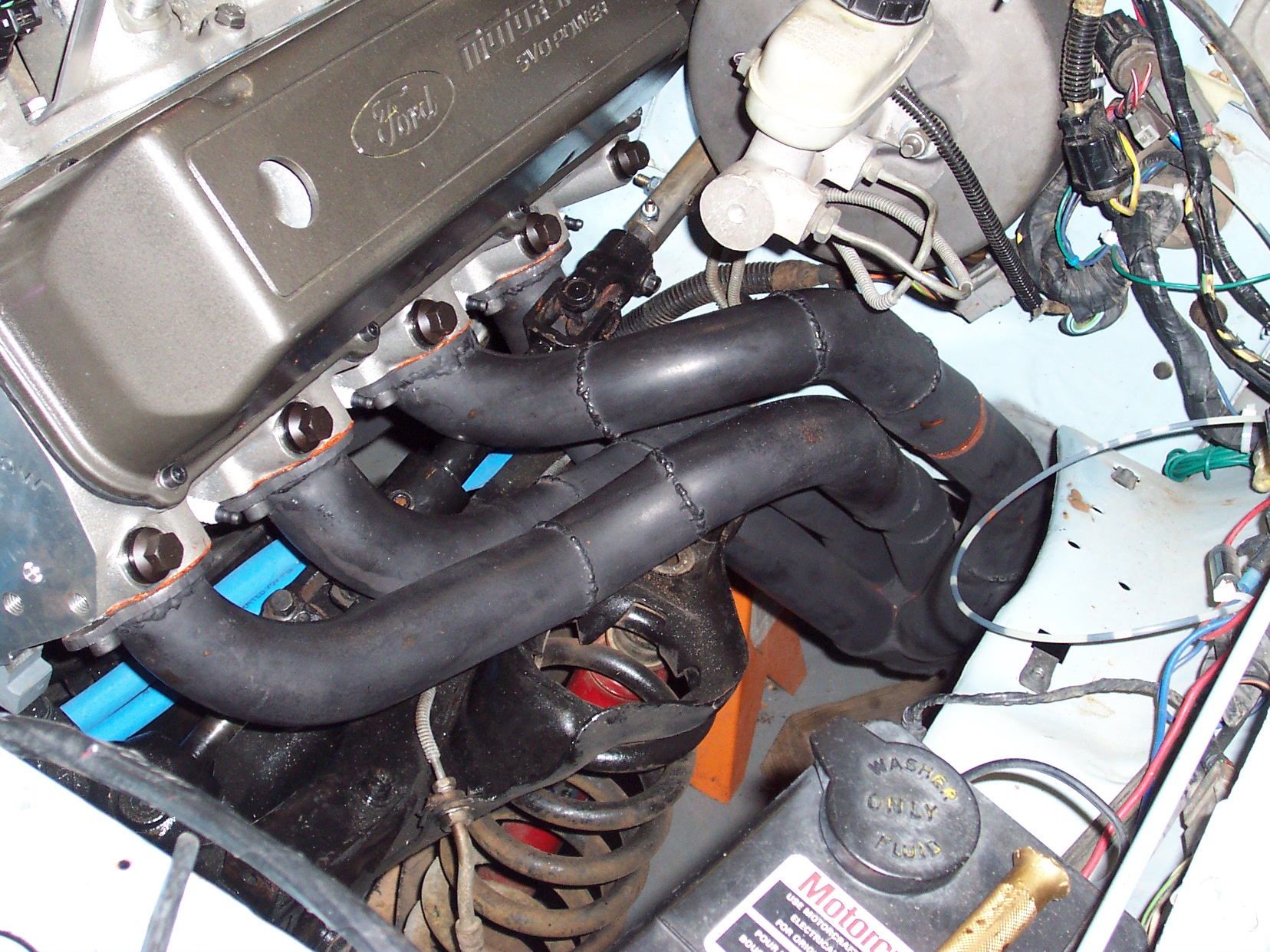
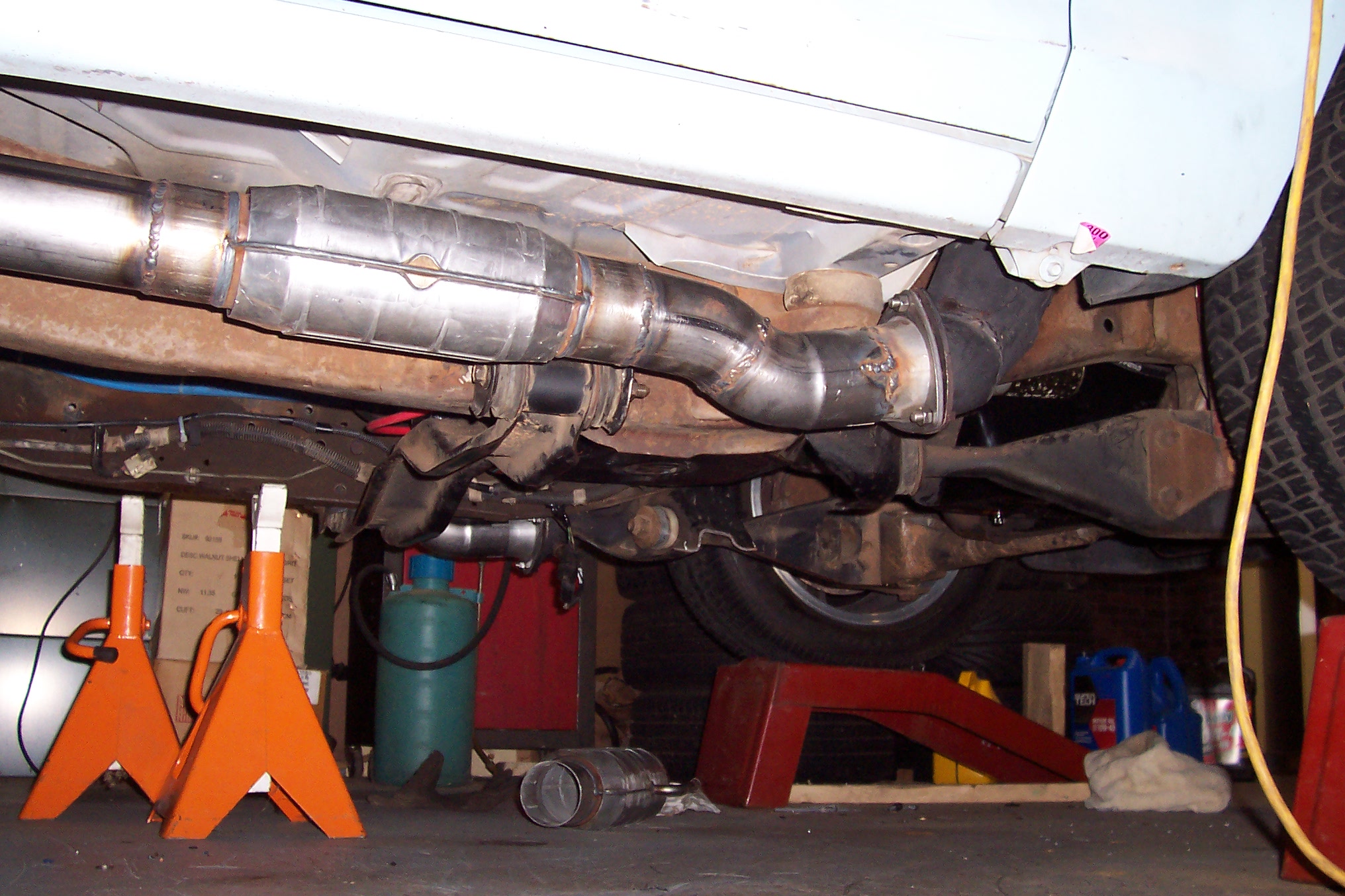
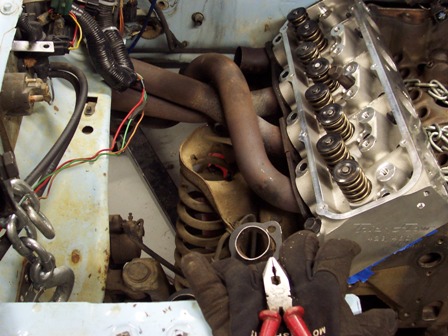
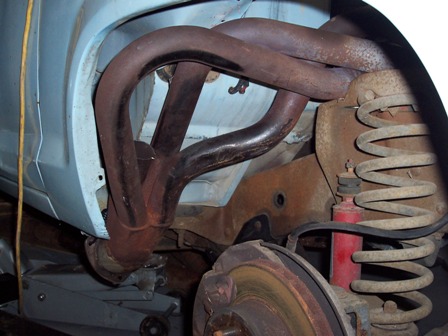
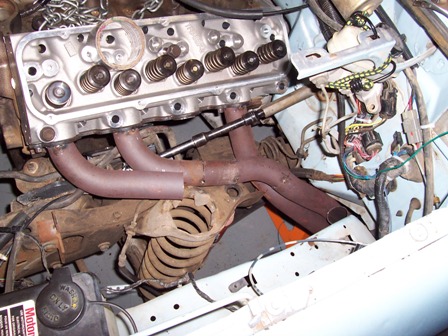
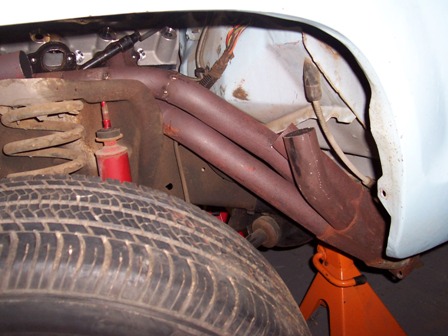
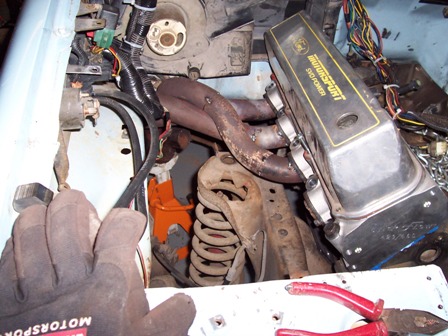
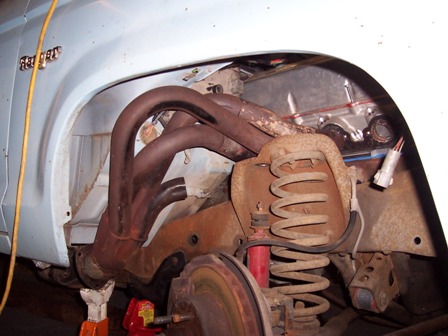
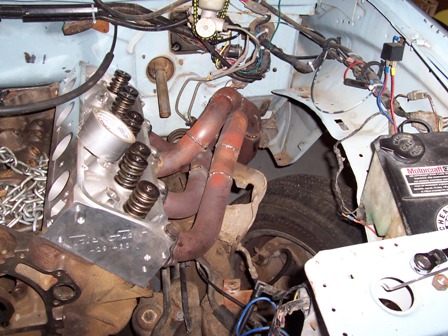
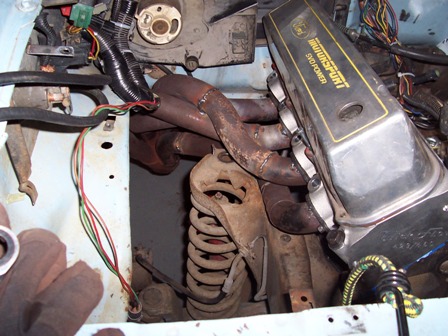
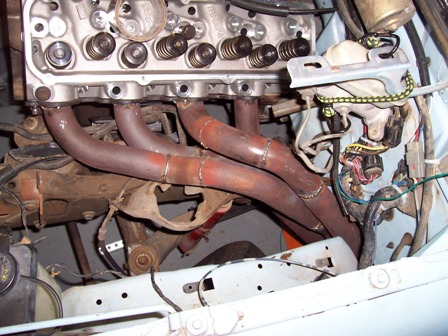
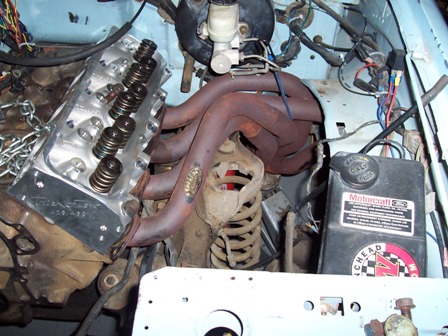
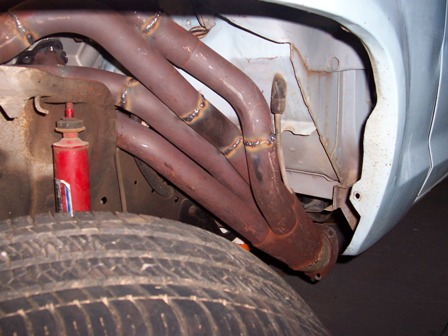
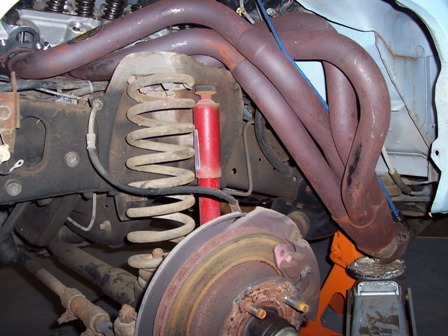
The headers, in particular, became a project of their own. Starting with a set of big block Chevy fenderwell headers, extensive cutting, rerouting, and welding transformed them into something that would actually fit the Ranger chassis. Tube routing had to account for steering clearance, suspension travel, and tire movement—all while maintaining access to spark plugs.
The steering shaft itself was swapped out for a slimmer unit from an Aerostar to gain additional room.
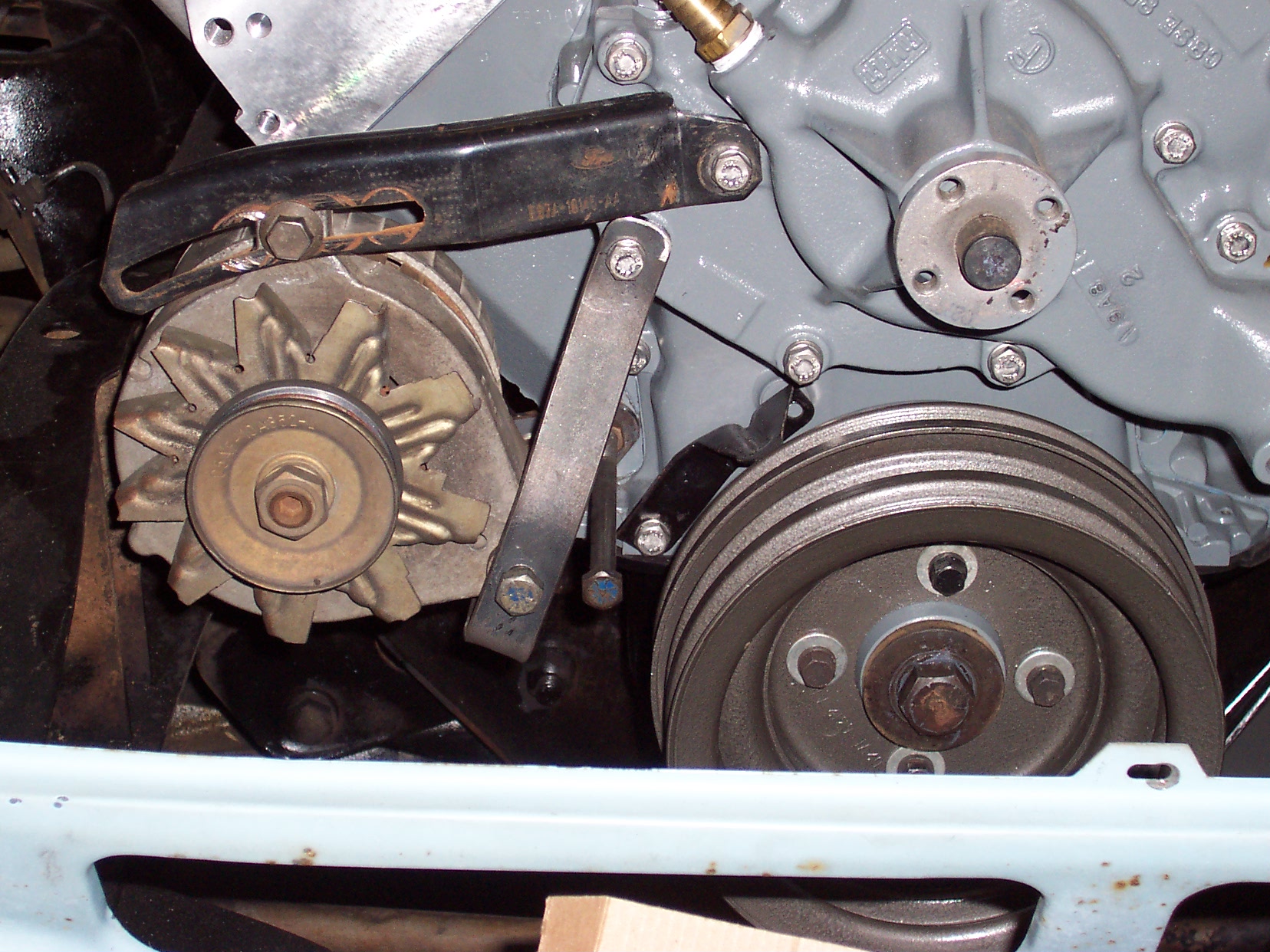
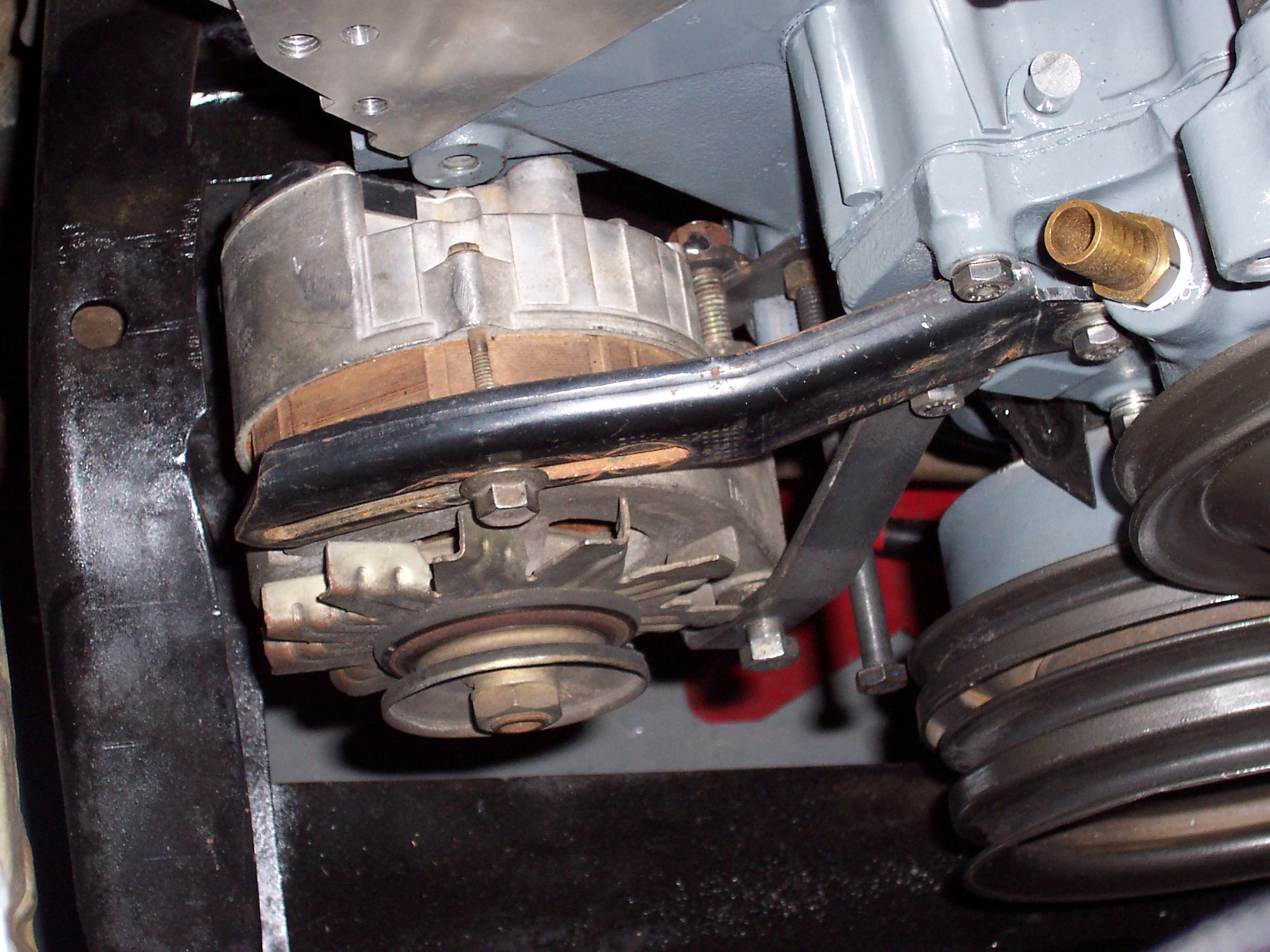
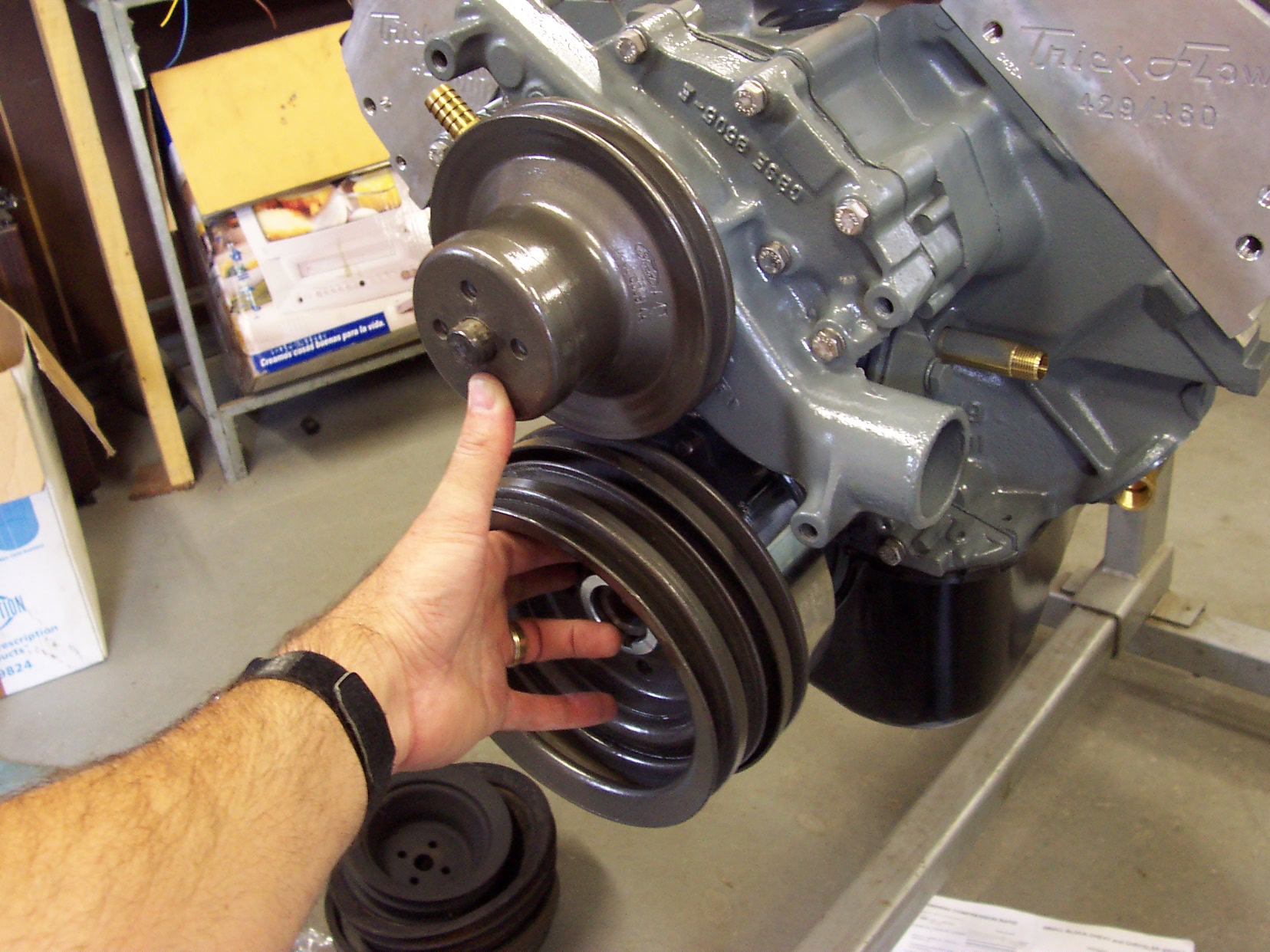
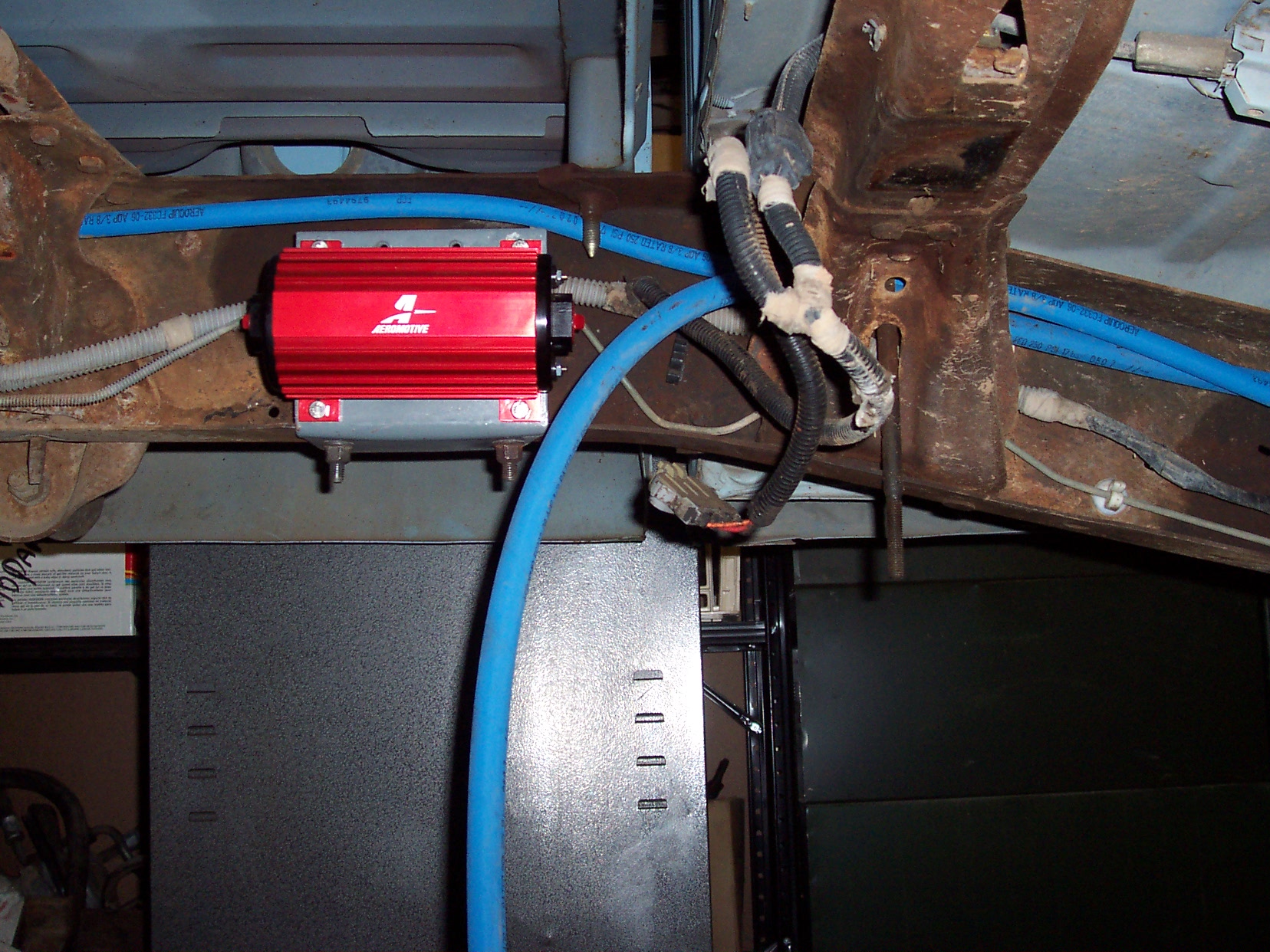
Elsewhere, a custom low-mount alternator bracket was fabricated to work with the unique pulley combination, and a fully custom fuel system was built. This included a rear-mounted fuel cell recessed into the bed, an Aeromotive A1000 pump mounted to the frame, and carefully routed lines kept well away from heat sources.
Even the battery found a new home in the bed, housed in a custom-built enclosure fabricated from an old surplus cabinet.
Building the Stroked 460
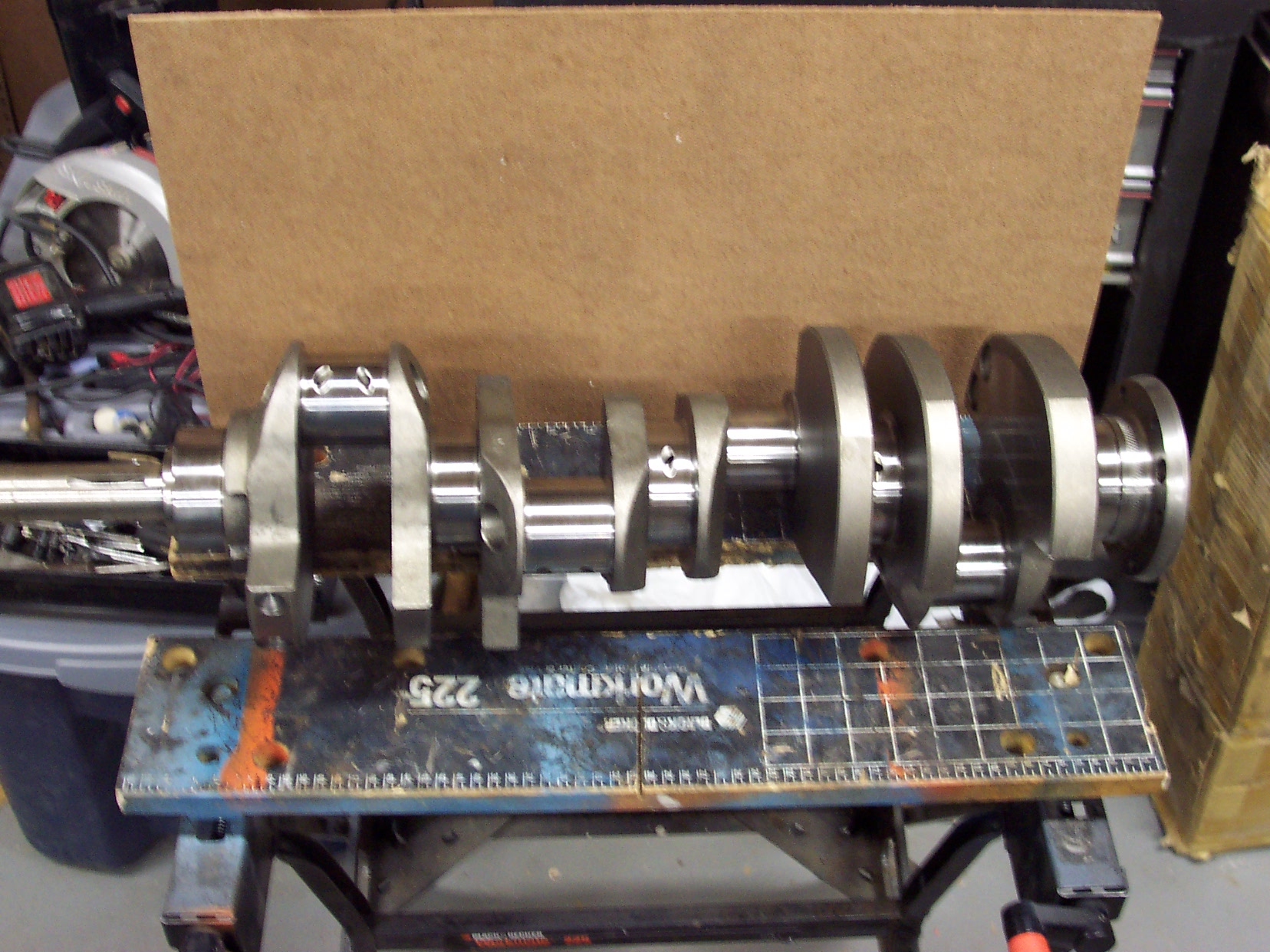
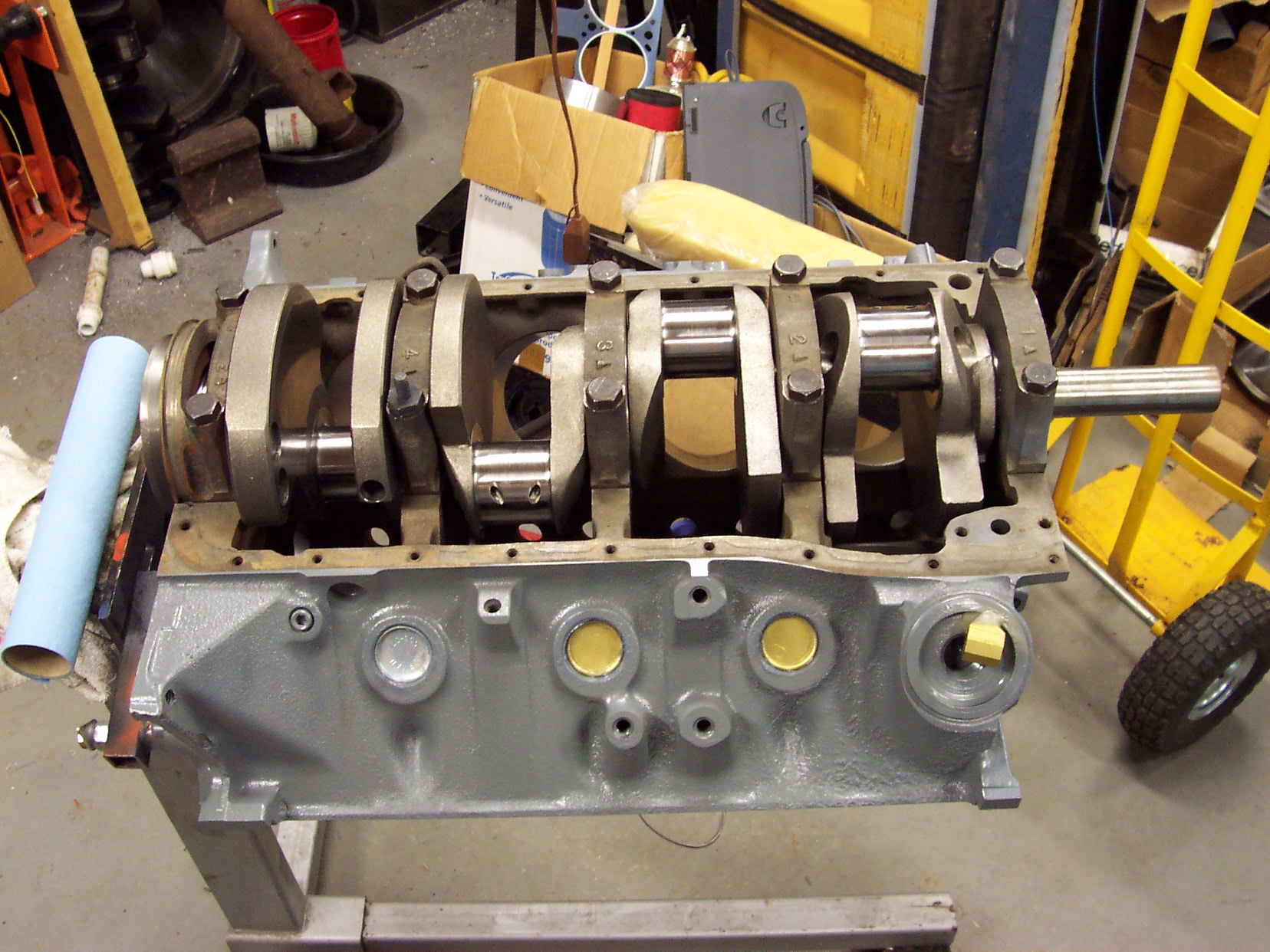
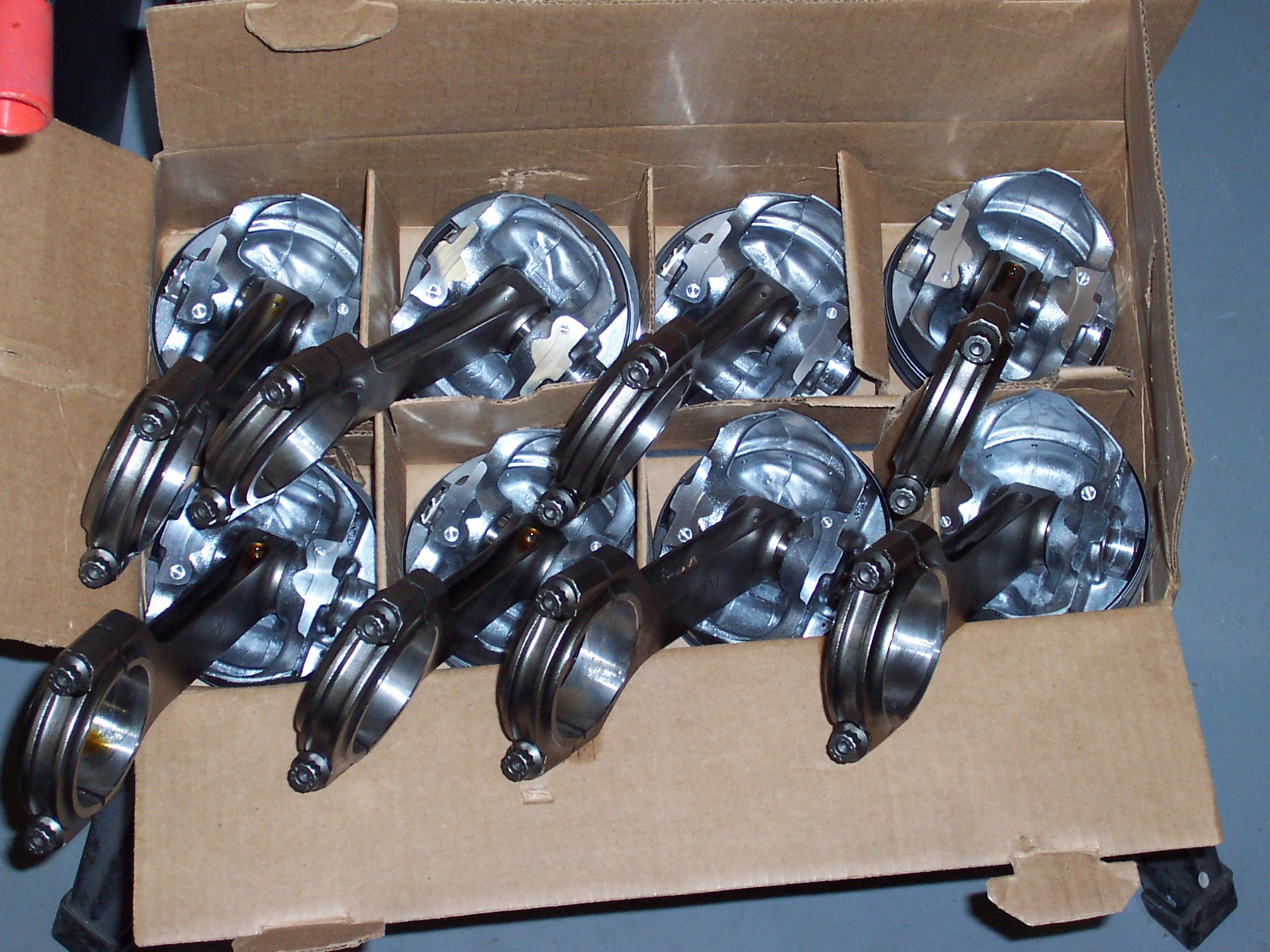
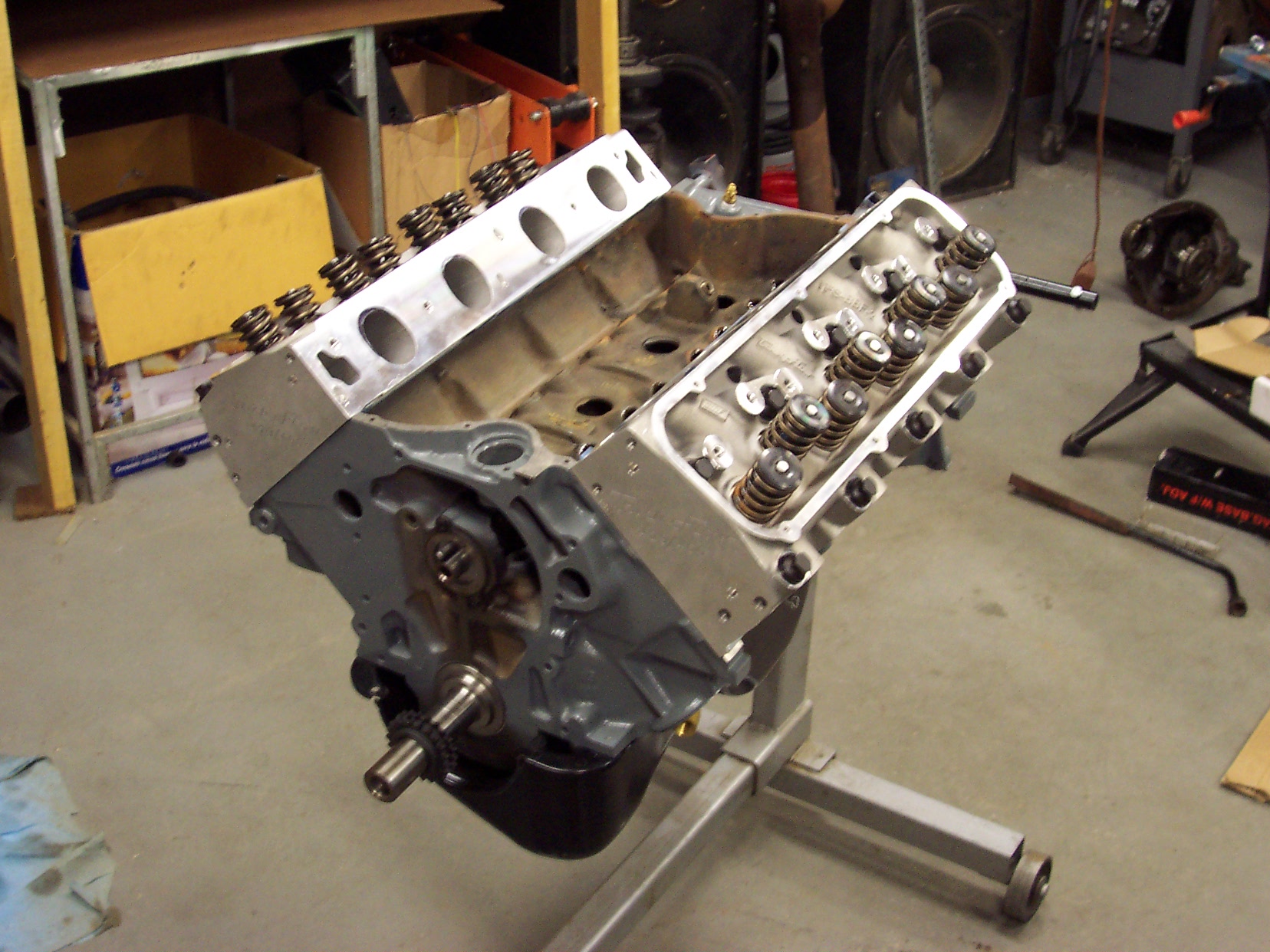
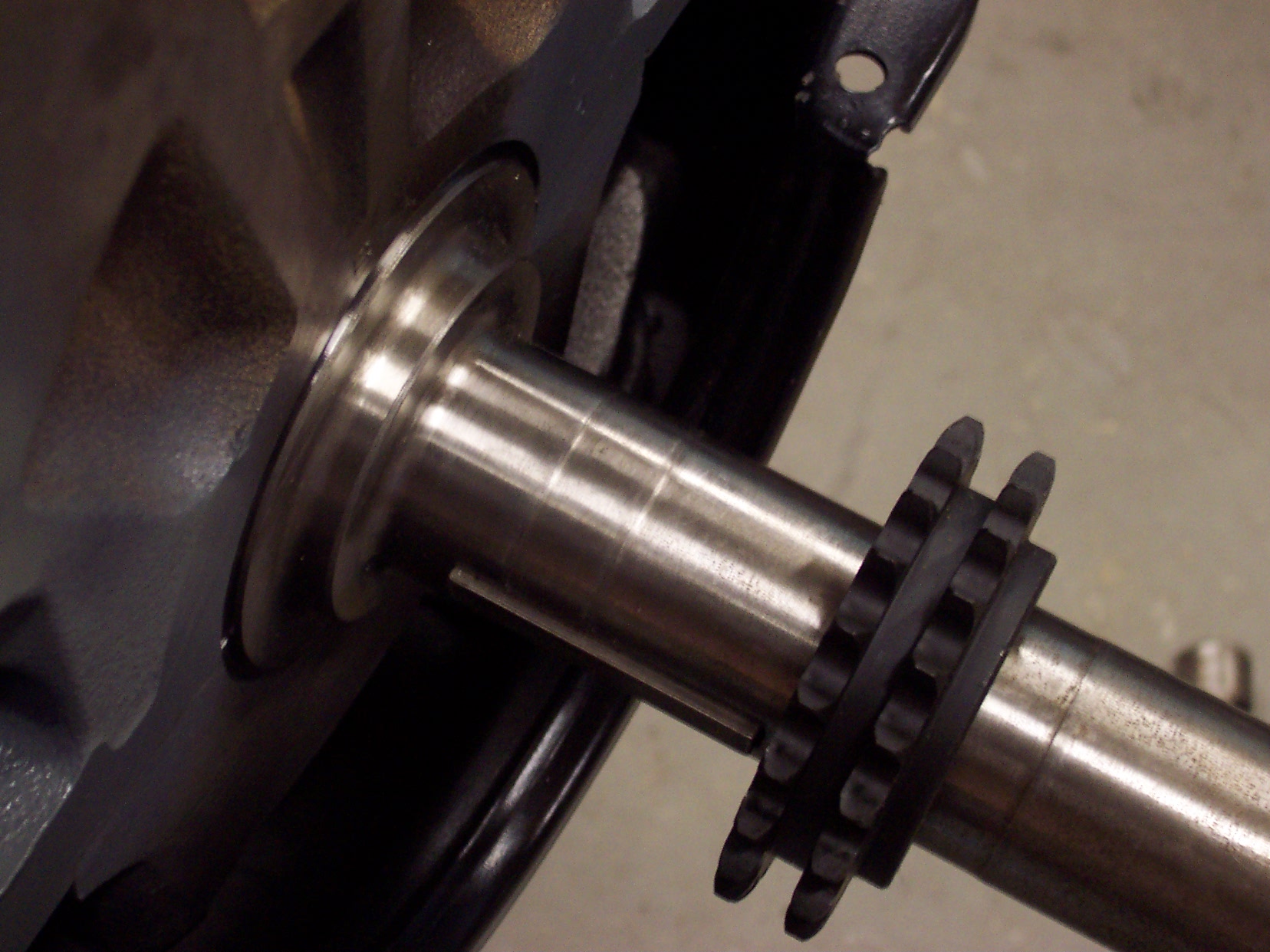
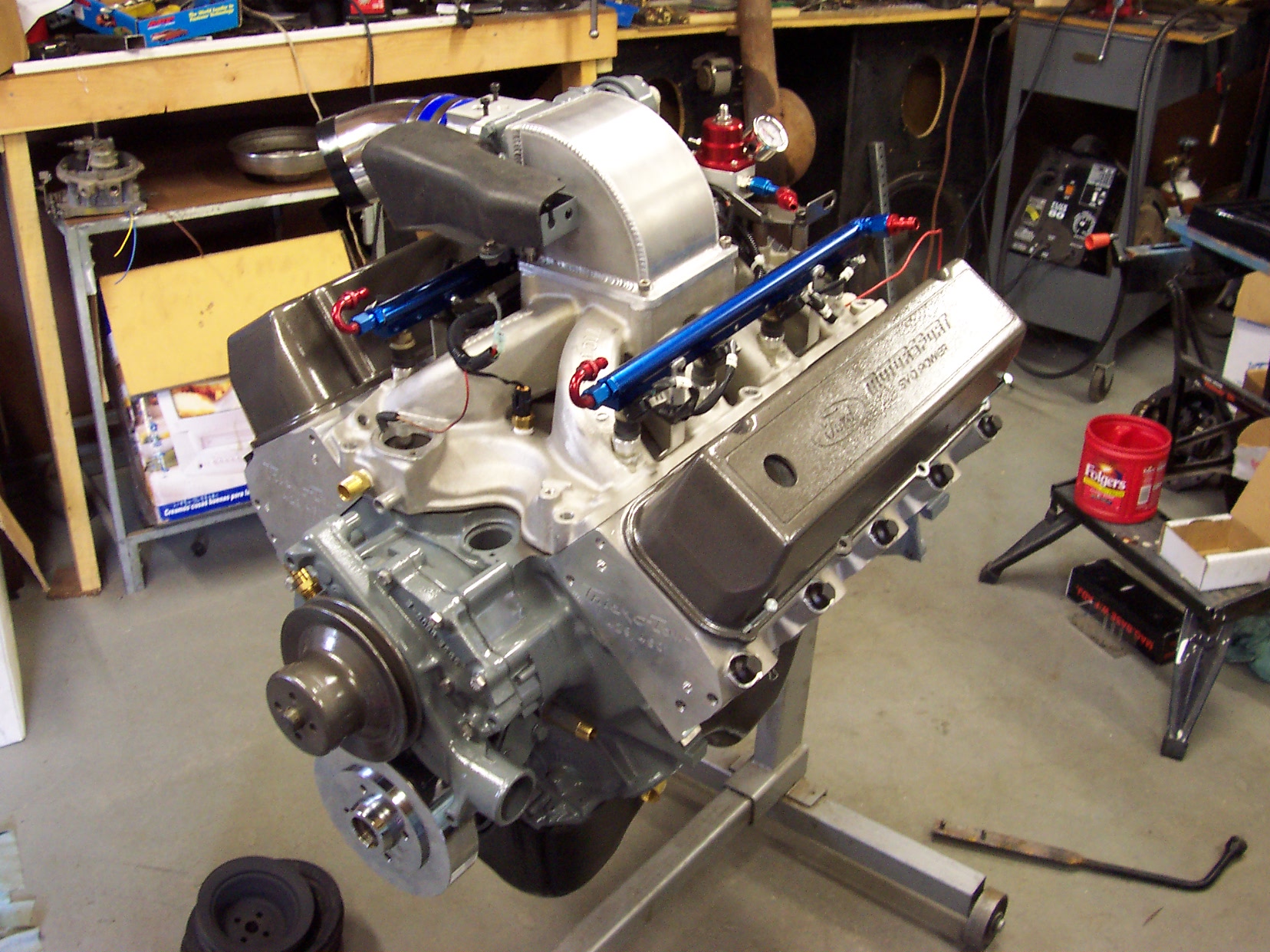
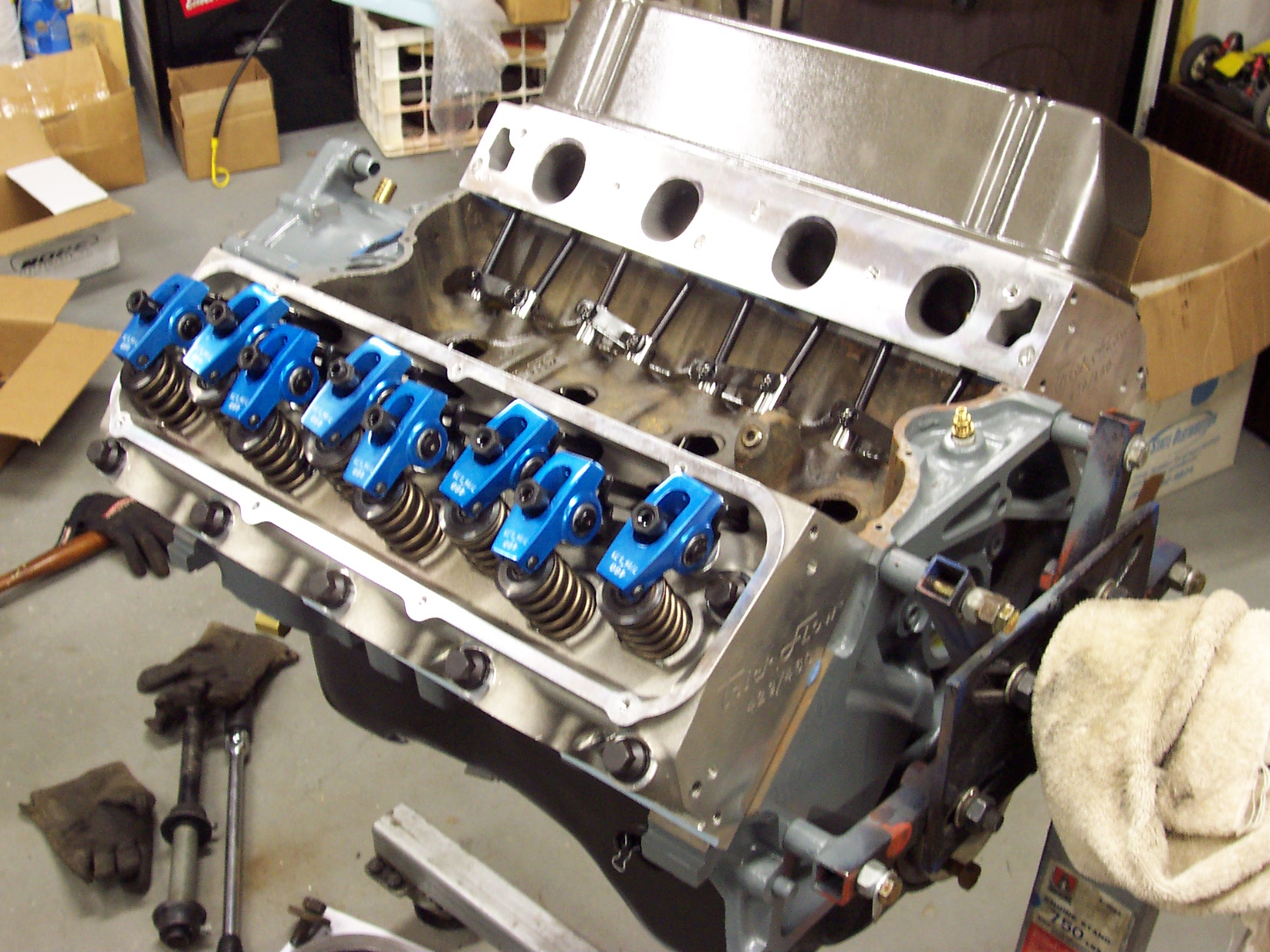
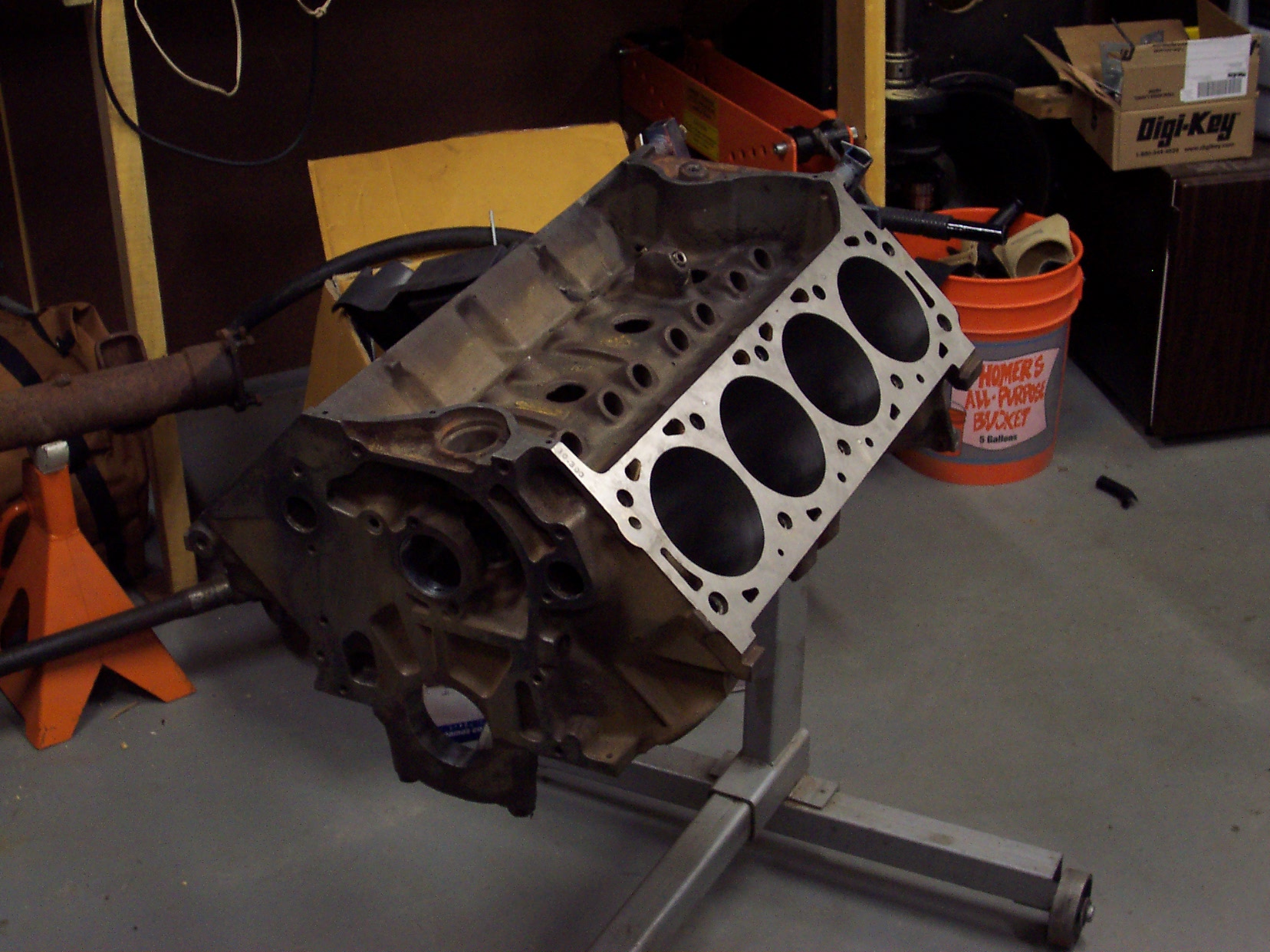
At the heart of the build is a stroked 460, built with a 4.5-inch stroke crank and a carefully selected valvetrain to match.
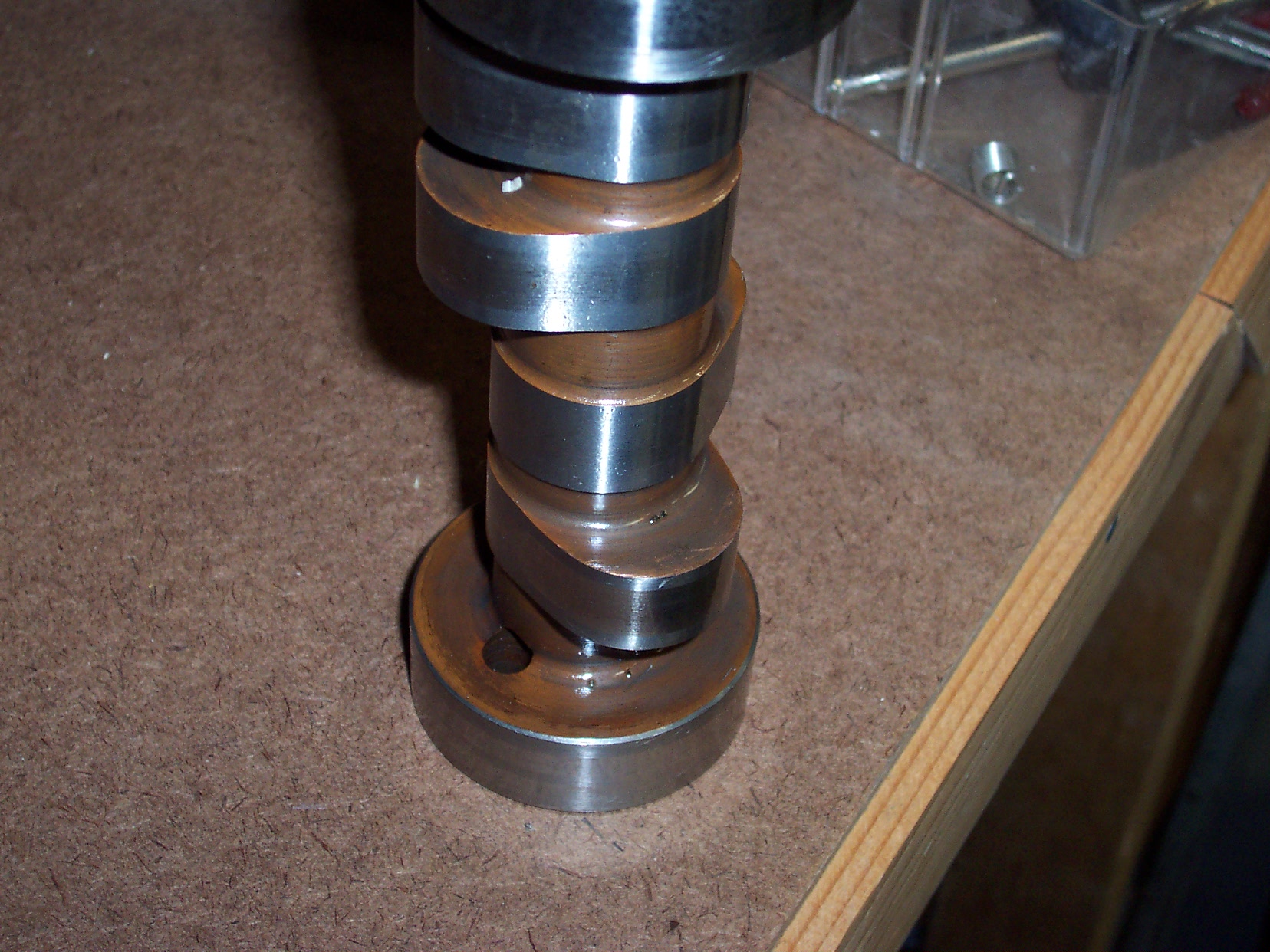
The bottom end went together smoothly, with no clearance issues—a rare win in a project full of tight fits. Roller lifters, pushrods, and aluminum roller rockers completed the valvetrain, while a mechanical roller cam delivered the aggressive profile the build demanded.
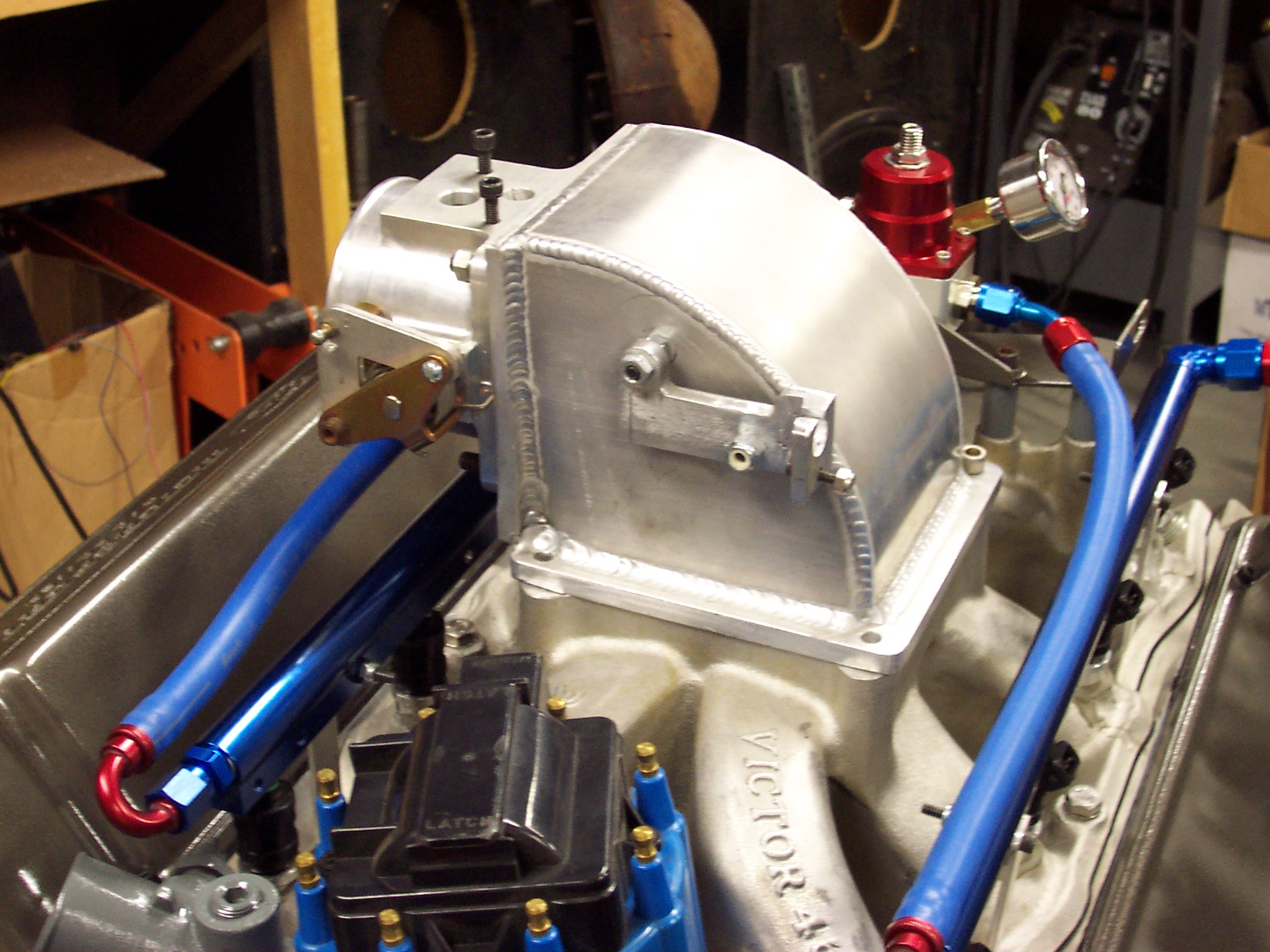
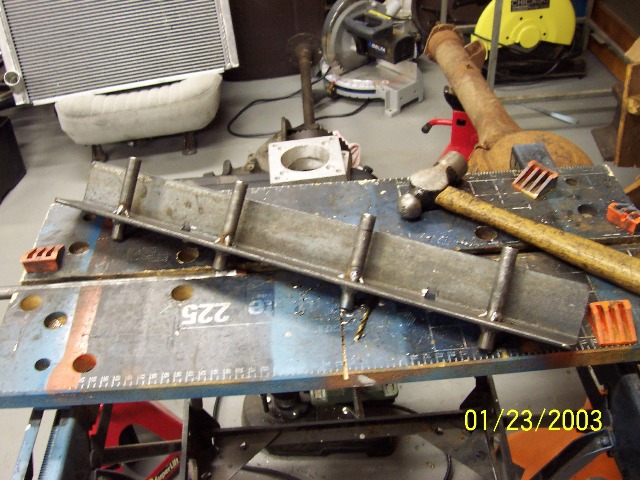
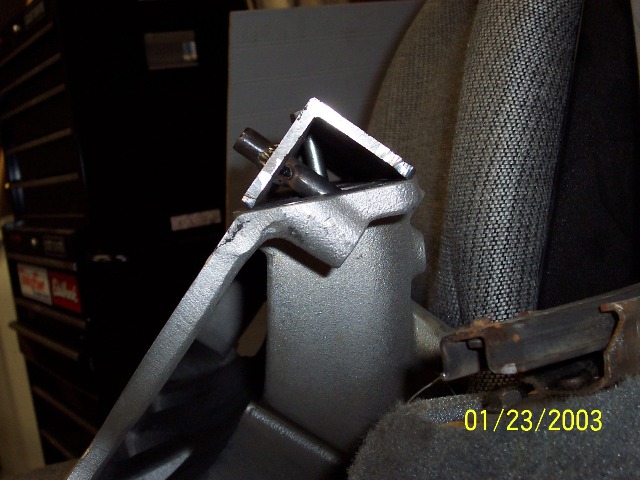
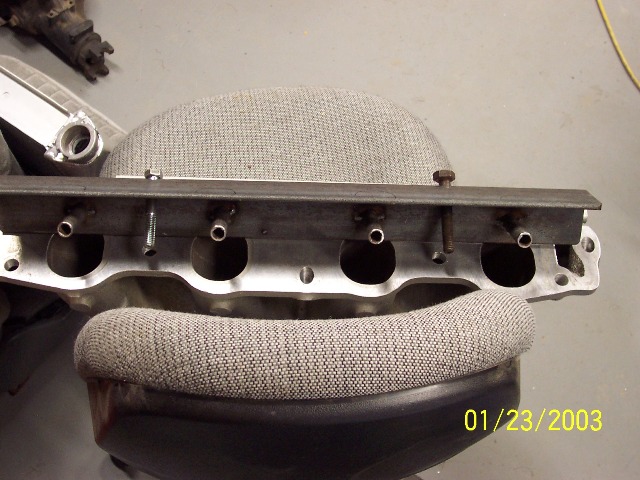
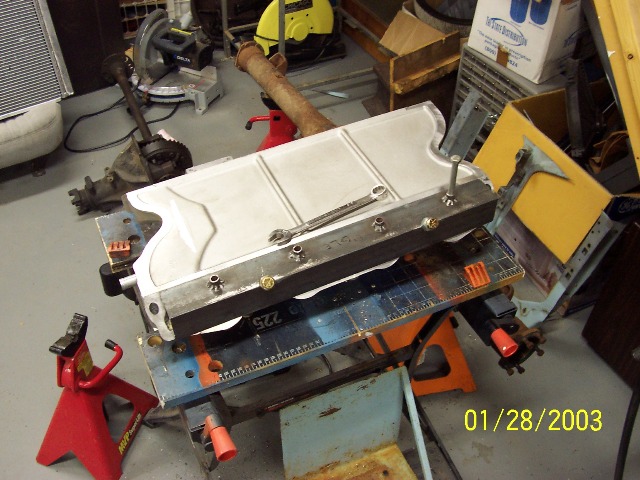
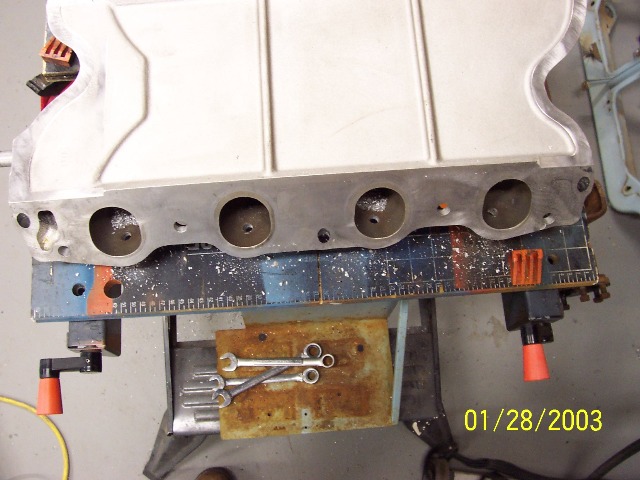
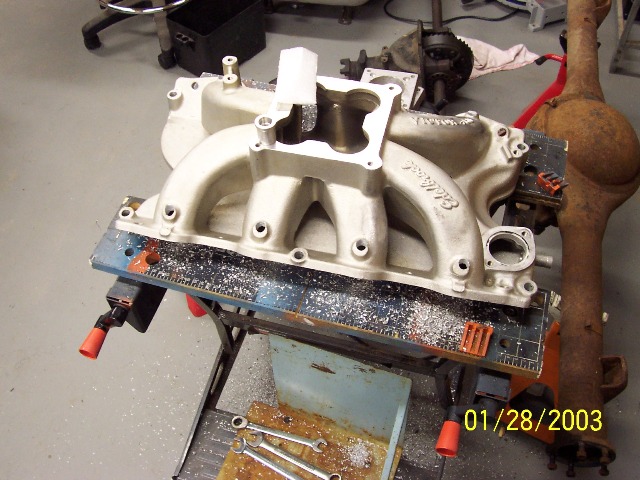
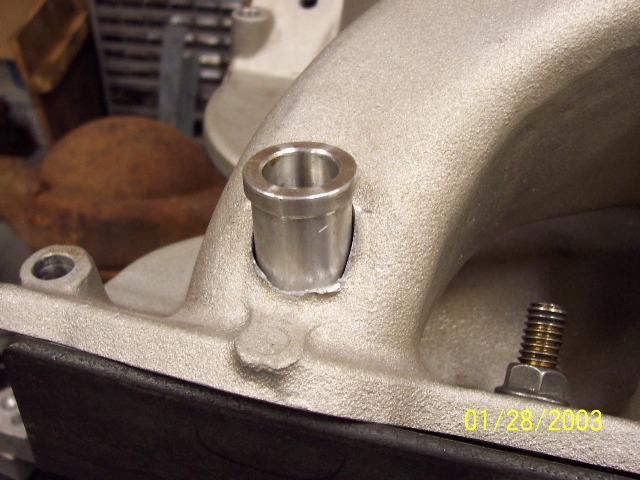
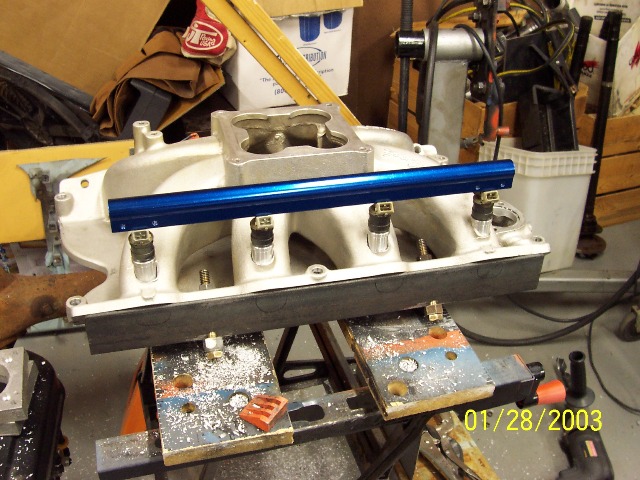
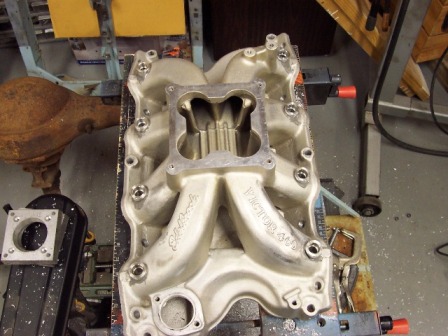
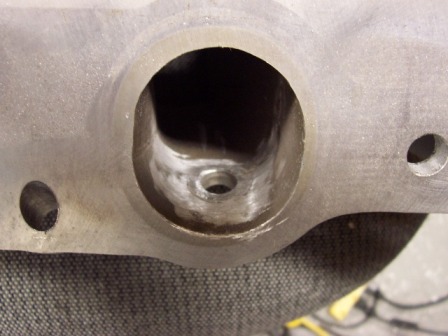
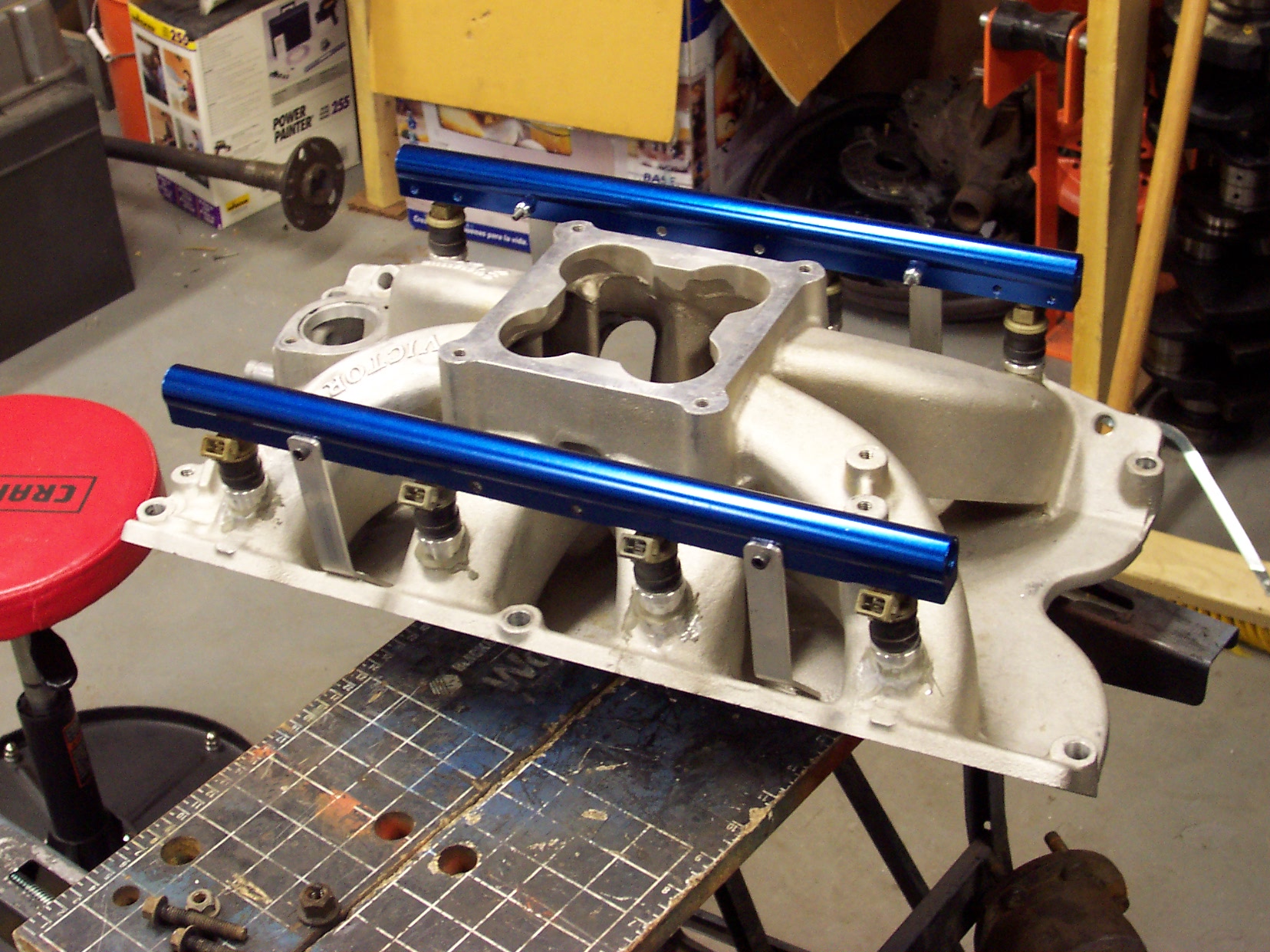
One of the standout elements of the build was the custom EFI intake. Rather than buying an aftermarket solution, injector bungs were added to an existing Victor intake using a homemade jig to ensure precise alignment. The process involved drilling, fitting, and epoxying the bungs into place, followed by careful port blending.
It was a perfect example of the do-it-yourself mindset that defined the entire project.
First Fire… and a Hard Lesson
After countless hours of fabrication and assembly, the moment finally came.
The engine fired.
Open headers unleashed an aggressive, thunderous sound that left no doubt—this was exactly what a big block Ranger should be. Loud, raw, and completely unapologetic.
And then… something wasn’t right.
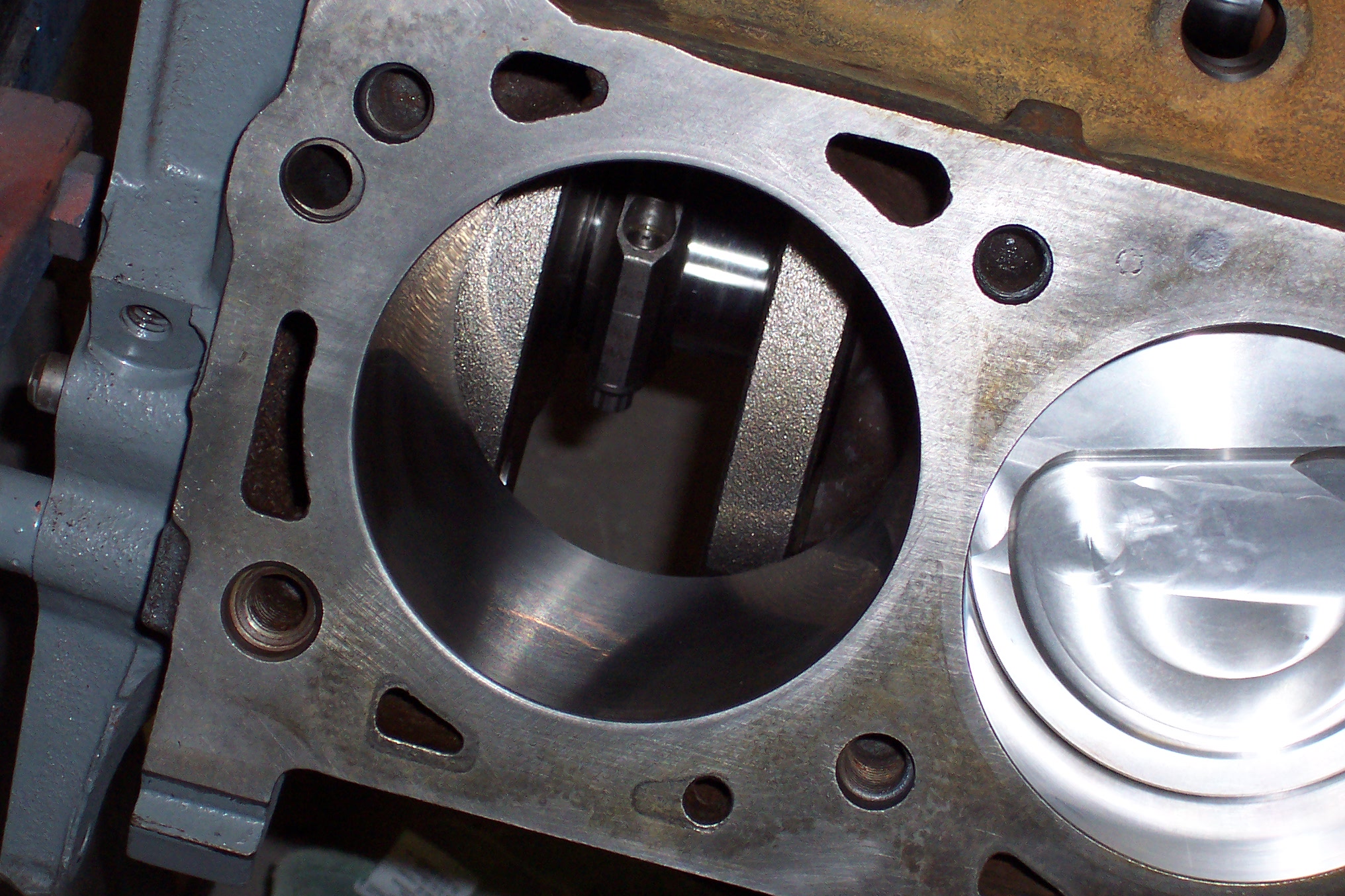
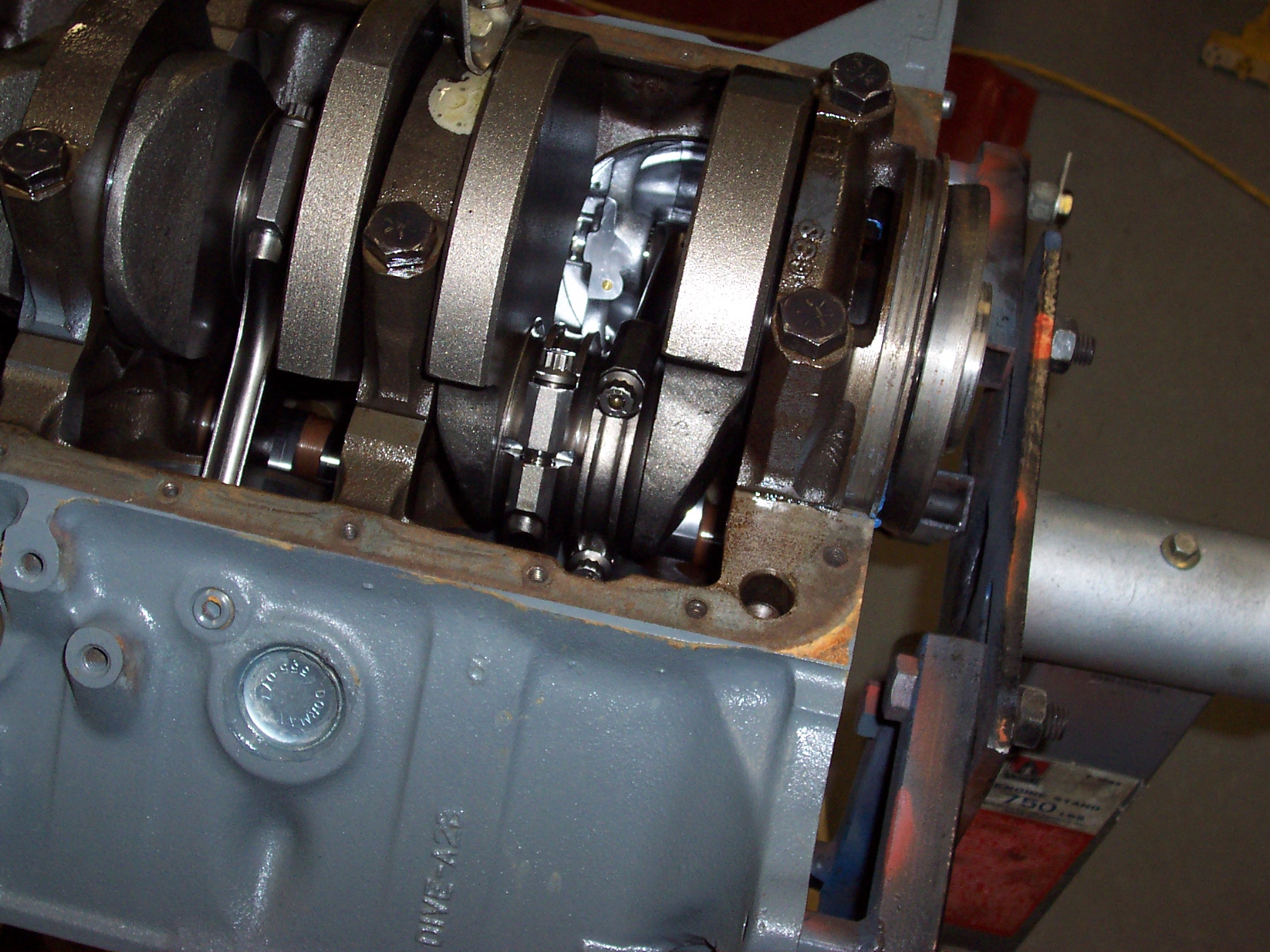
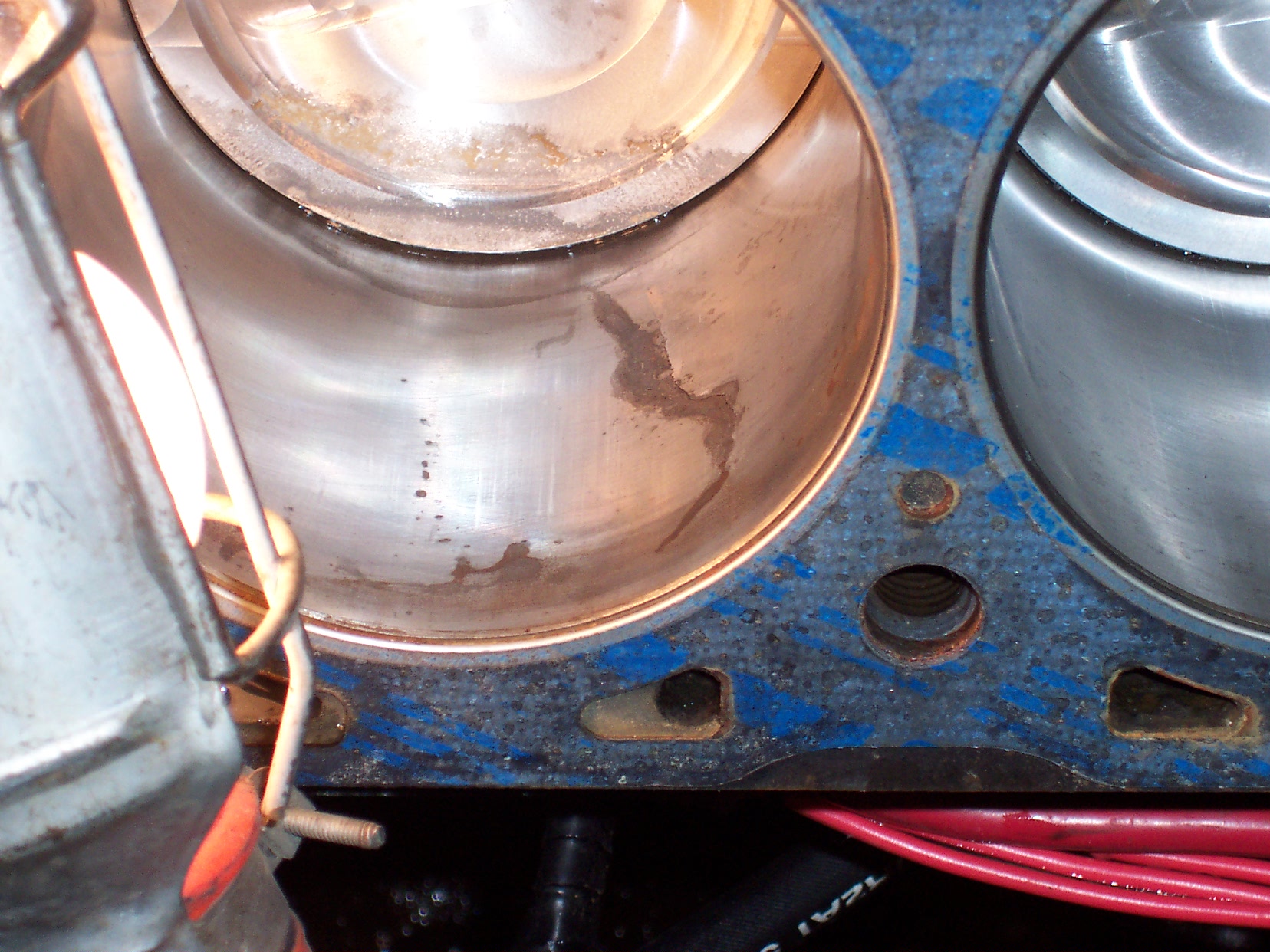
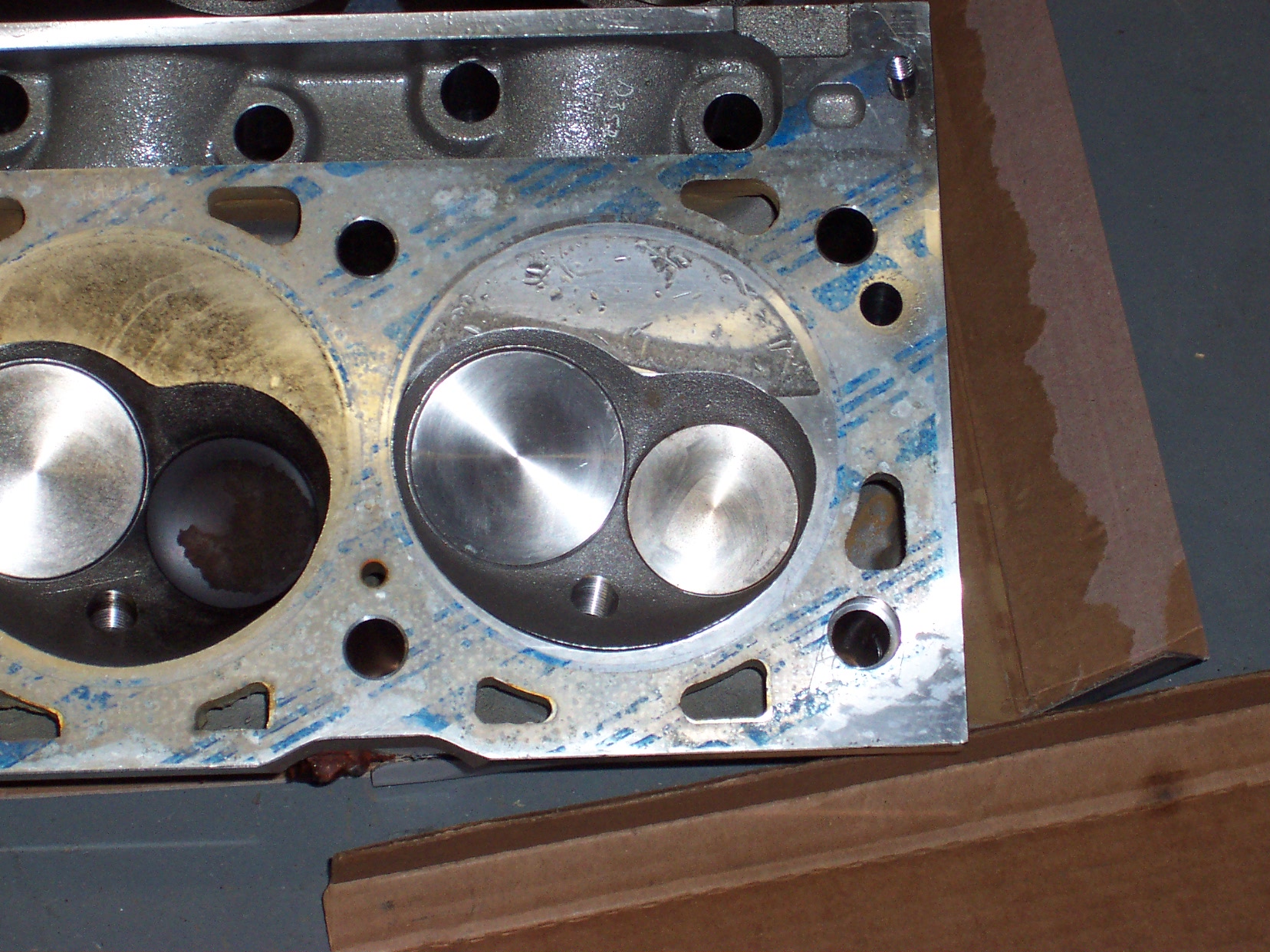
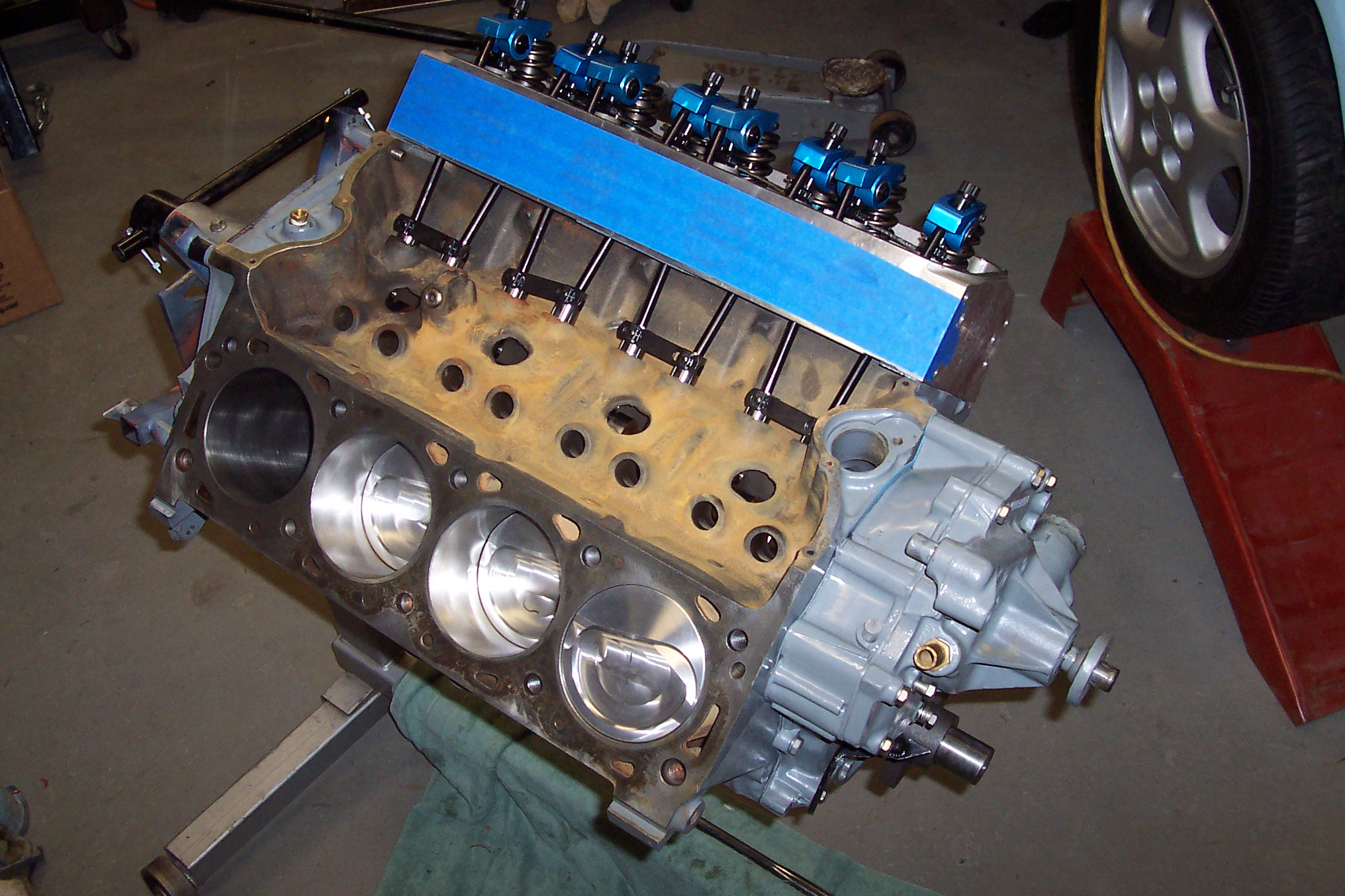
Water began dripping from one of the header tubes. What followed was the kind of discovery every builder dreads—a cracked cylinder wall, damaged piston, and clear signs of internal contact.
The cause? Loose connecting rod bolts that had been overlooked during assembly.
It was a hard lesson—and one that meant pulling the engine back out.
Tear Down and Redemption
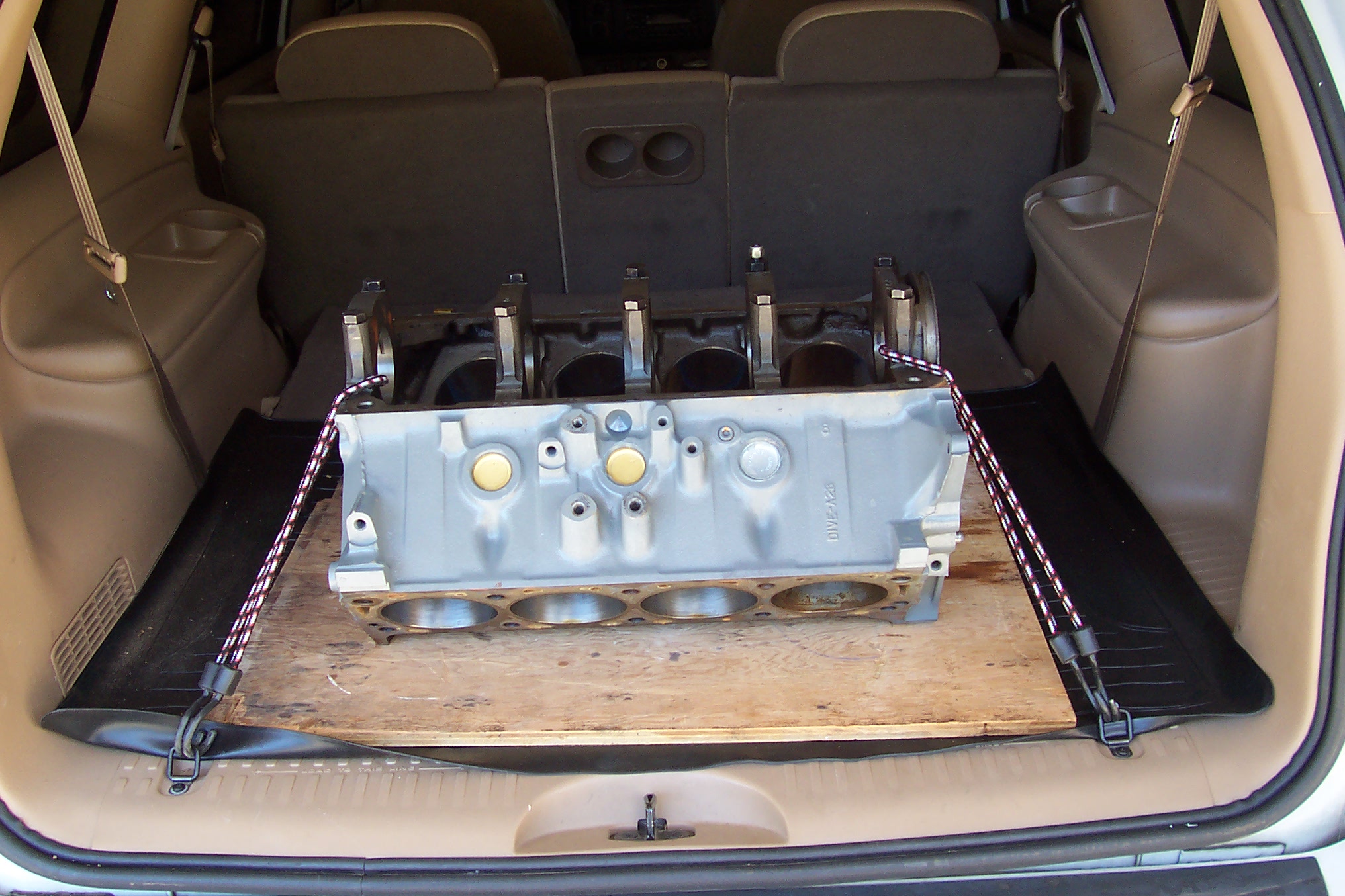
The engine was completely disassembled and sent to the machine shop, where the damaged cylinder was sleeved and the affected components repaired or replaced.
A new piston, fresh rod bolts, and careful reassembly brought the big block back to life—this time with every detail double-checked.
It wasn’t a setback. It was part of the process.
Final Assembly
With the engine back in place, the final pieces came together.
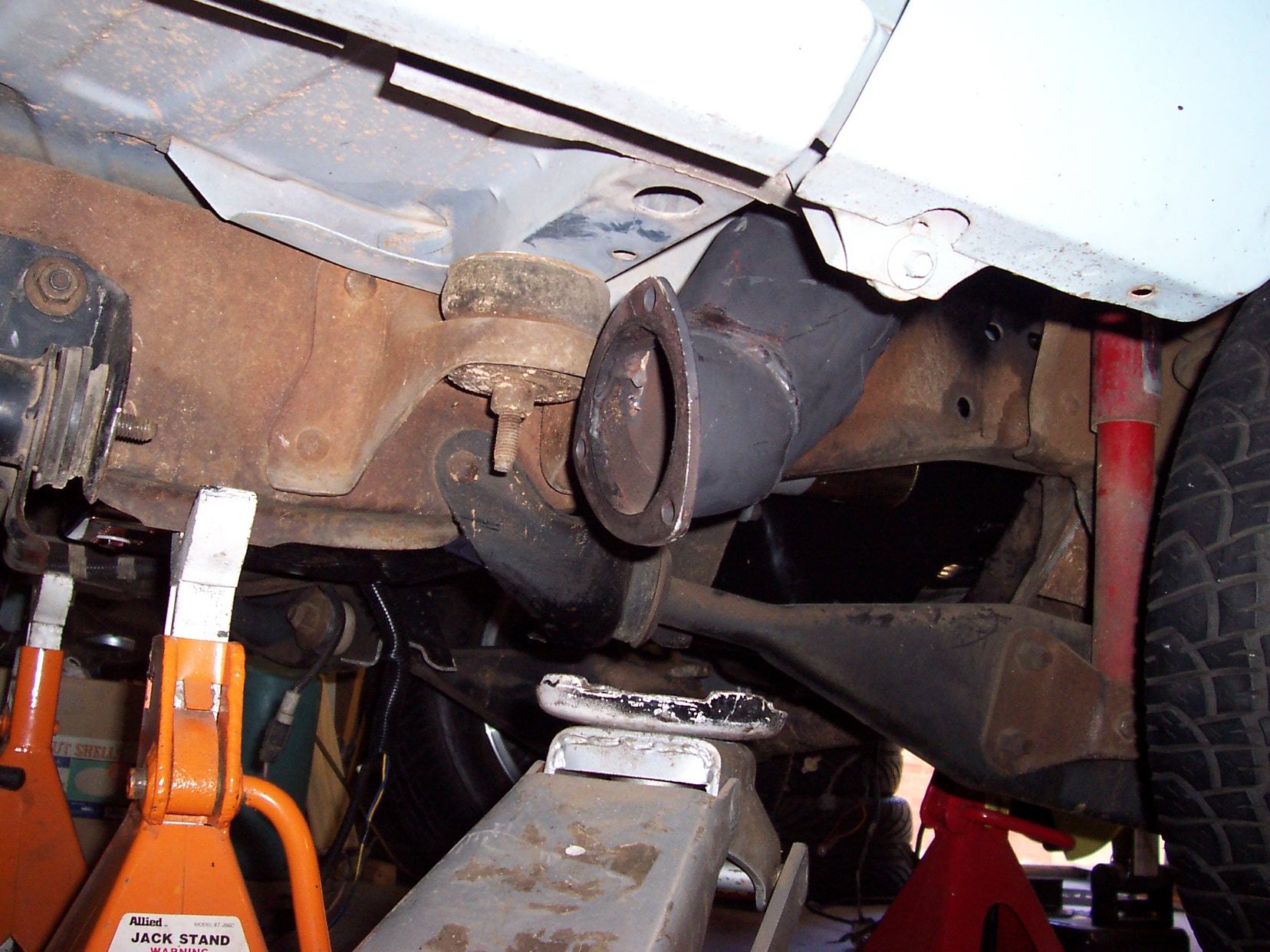
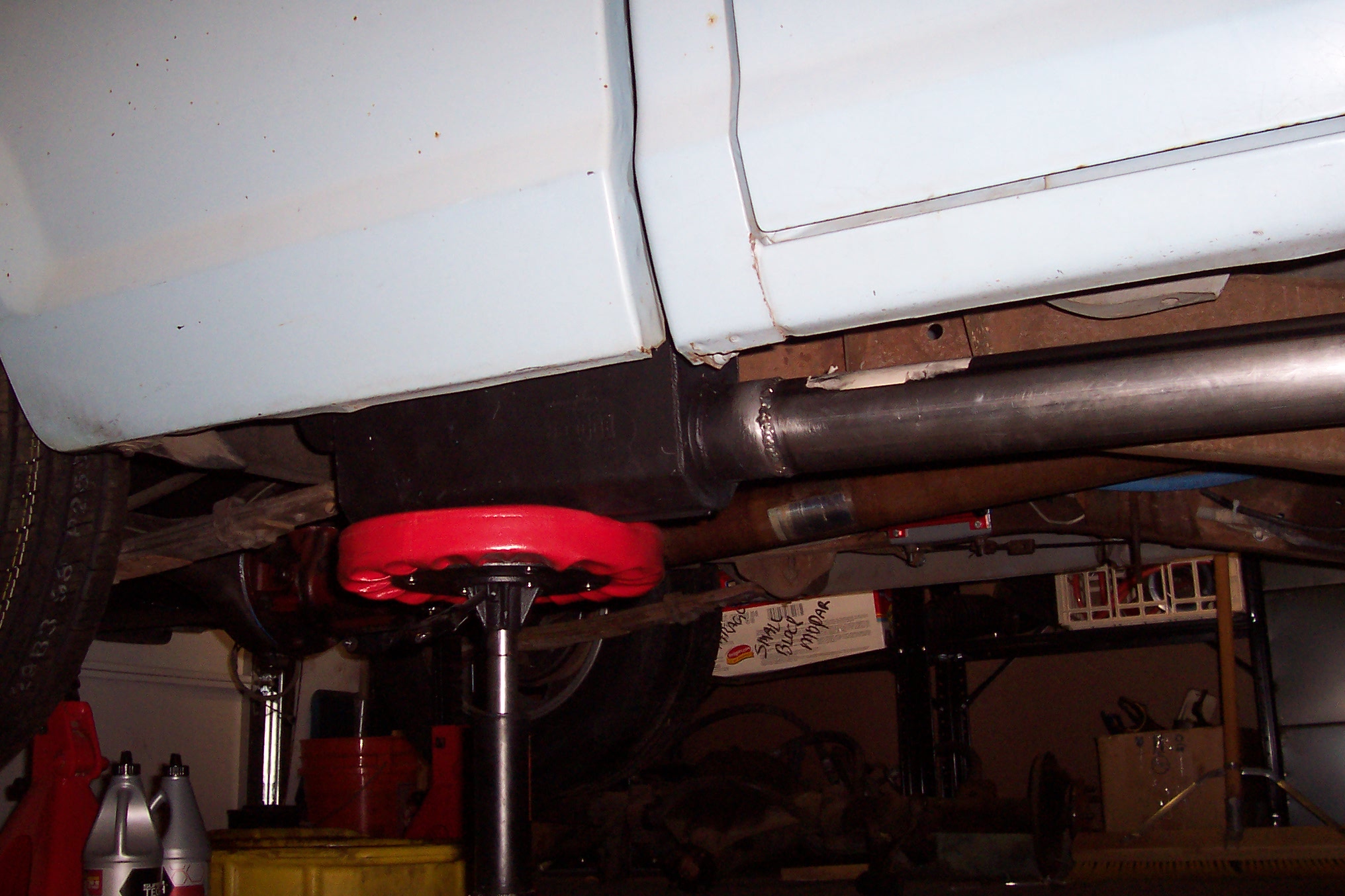
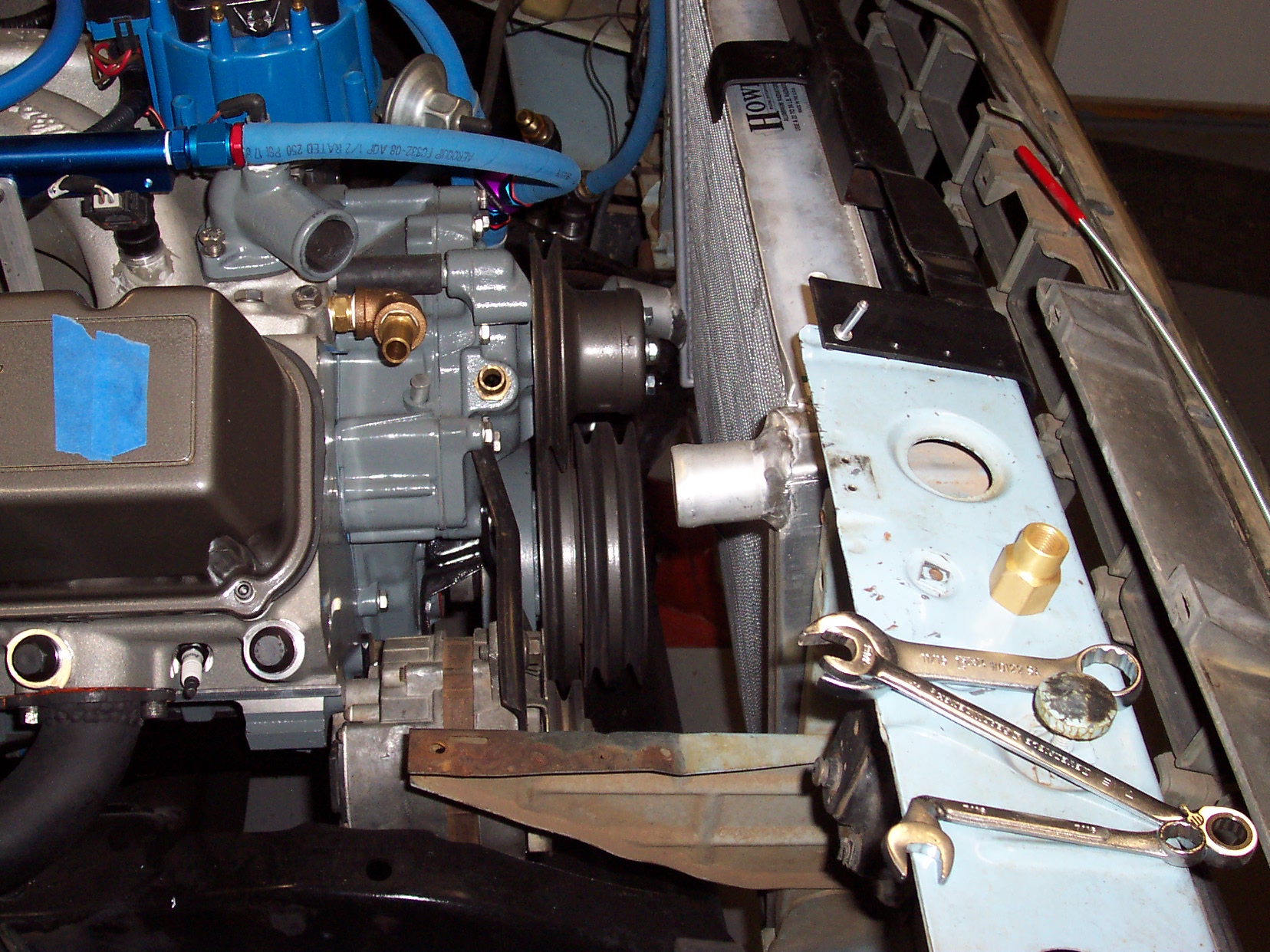
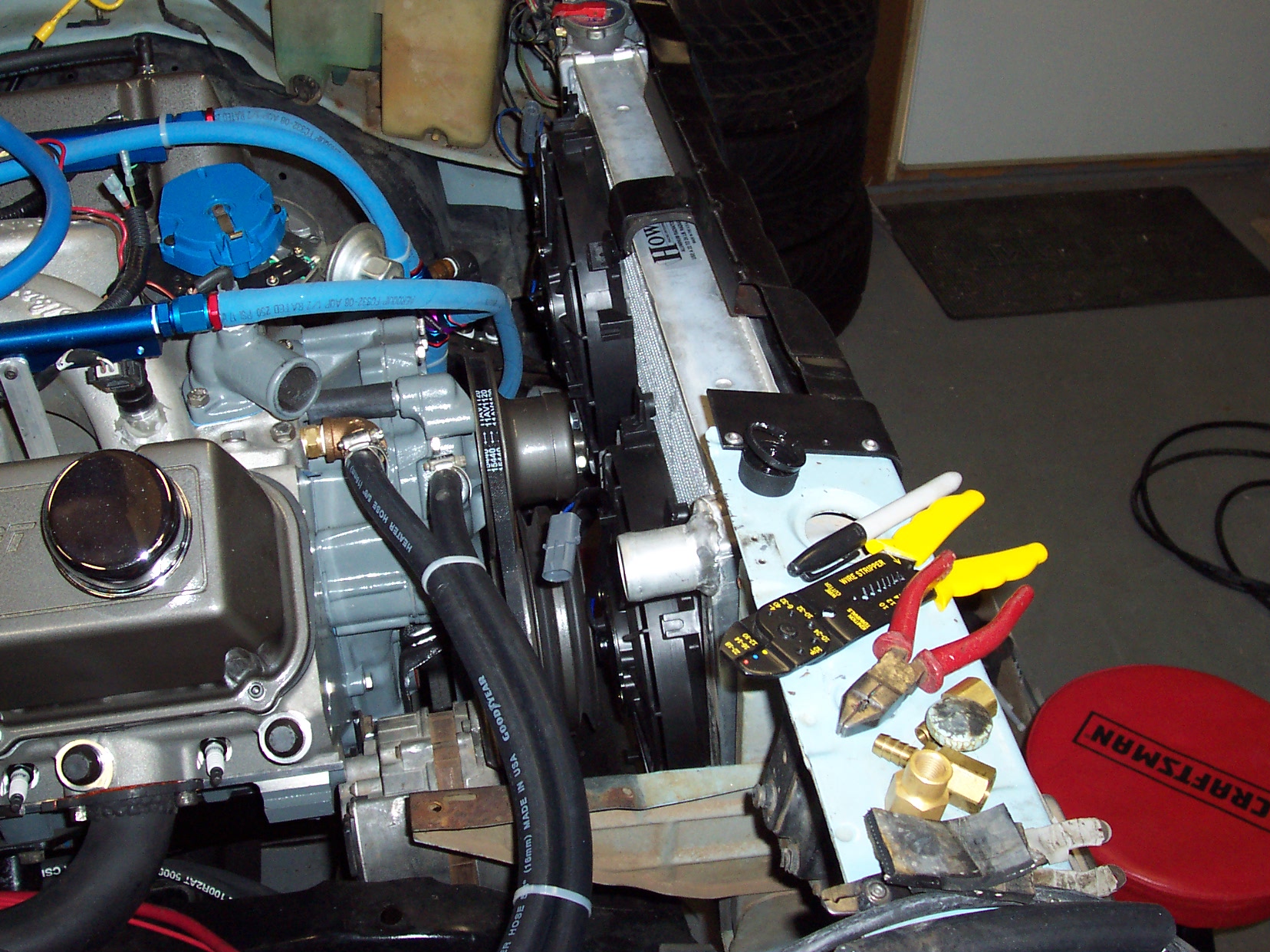
The exhaust system was completed with catalytic converters to keep things street-legal, along with performance mufflers and turn-downs exiting ahead of the rear wheels. Dual electric fans were installed up front, taking full advantage of the limited space created by the short water pump setup.
The fuel system, cooling system, and wiring were finalized, and the truck finally stood as a complete, running machine.
See more of this 460 powered Ford Ranger at: BigBlockRanger’s 1986 545 Powered Ranger

The Result
This build was never about convenience. It wasn’t about clean bolt-on parts or easy solutions.
It was about proving a point.
That a 460-powered Ranger isn’t just possible—it’s real, it’s functional, and it’s as wild as you’d expect.
It took fabrication, problem-solving, and more than a few setbacks to get there. But in the end, the result is exactly what the builder set out to create: a brutally powerful, completely unique compact truck that backs up every claim with firsthand experience.
And maybe, just maybe, it’s a little bit scary too.
Related Articles
BigBlockRanger’s 1986 545 Powered Ranger
V8 Swaps: 1983-1997 Ford Ranger (and all Bronco II’s)
Advance Adapters Engine Swap Information
Install a 1996 Explorer 5.0L into a 1995-1997 Ranger
Explorer 5.0 Swap In A 2000 Ford Ranger
Install – 2000 Ford Explorer 5.0 Into 1998 Ford Ranger
Explorer 5.0L Swap Into 1998-2011 Ford Ranger
2000 Explorer 5.0 To 2009 Ford Ranger V8 Swap
About The Author
Jim Oaks is the founder of TheRangerStation.com, the longest-running Ford Ranger resource online since 1999. With over 25 years of hands-on experience building and modifying Ford Rangers — including magazine-featured builds like Project Transformer — Jim has become one of the most trusted authorities in the Ford Ranger off-road and enthusiast space.
Since launching TheRangerStation.com, Jim has documented thousands of real-world Ranger builds, technical repairs, drivetrain swaps, suspension modifications, and off-road adventures contributed by owners worldwide. TheRangerStation.com has been referenced in print, video and online by enthusiasts, mechanics, and off-road builders looking for practical, and experience-based information.