
Introduction
If you own a 1998-2011 Ford Ranger 4×4 and want to improve front-end ride height, ground clearance, and suspension performance, cranking your torsion bars is an effective solution. This step-by-step guide shows you how to safely adjust your Ranger’s torsion keys to achieve 2-3 inches of lift, explains the tools you’ll need, and shares tips from experienced Ford Ranger enthusiasts. Whether you are lifting your truck for off-roading or just want a stiffer front suspension, this guide will help you understand the process and avoid common mistakes.
Why Crank Your Torsion Bars?
- Increase front ride height by 2-3 inches
- Improve ground clearance for off-roading
- Reduce front-end bottoming on bumps
- Enhance suspension stiffness and handling
- Compatibility with aftermarket torsion keys and shocks
Before You Start
Before you begin, make sure you have the following:
- Ford Ranger 1998-2011 4×4 in good working condition
- Proper lifting equipment (jack, blocks, jack stands)
- Safety gear (gloves, eye protection)
- Basic tools: sockets, wrenches, WD-40
- Optional: factory torsion keys for more lift or replacement parts
Quick Overview
Cranking your torsion bars is a simple way to lift your Ford Ranger 4×4’s front suspension by 2-3 inches. With a jack, basic tools, and careful measurements, you can improve ground clearance and suspension stiffness without replacing the entire front suspension. Remember to check your alignment after adjustments.
Tools Needed
- Jack
- Sockets
- WD-40 (maybe)
Instructions
Measure the space between the top of the tire to the bottom of the fender well. Also measure the ground clearance in the center.
Jack up the front until the front tires are 3-inches off the ground. You may need to use blocks of wood and don’t forget to block the back wheels.
Spray WD-40 on the torsion bar bolts. There are no locking nuts or anything to loosen.
Measure the distance that the bolts are out in case you want to put them back to stock.
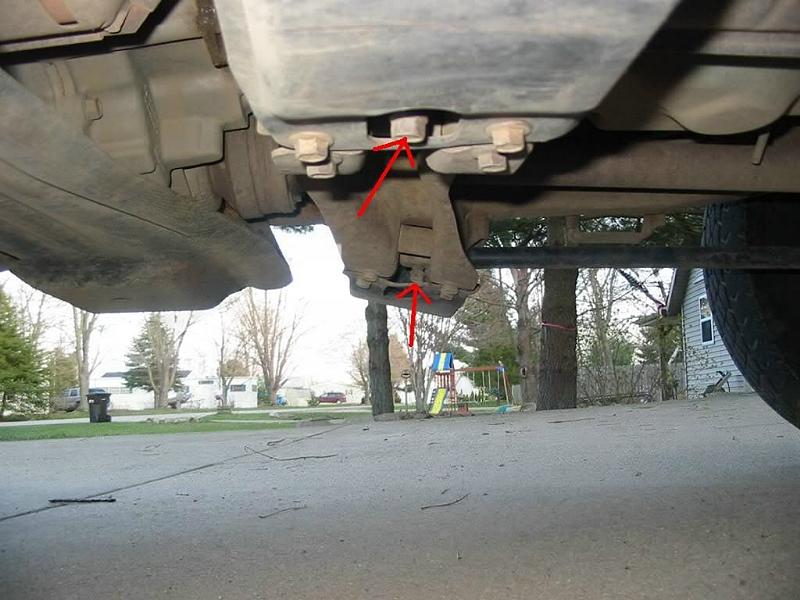
Location of Torsion Bar Bolts
CRANK THEM BABIES… as you turn the bolt in you should see the tires drop toward the ground. Stop after about 2-1/2 inches. Try to get the same number of turns on each bolt with the same distance gained.
Drop the truck off the jack and check measurements. You should get 2″-3″ of increase. Drive it around the block and move the suspension as much as possible. Bring it home and check your measurements again.
Get a lifetime alignment (usually $100). this way, you can modify them and get it re-aligned for free. If you do not get the alignment, It will ROAST a set of tires REAL Quick.
Pros / Cons
Height. Stiffer front end. No More bottoming out coming off small bumps while wheeling
NONE (and I drive 200-300 miles a day)
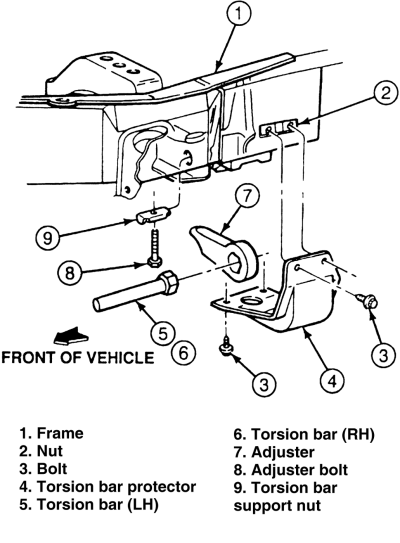
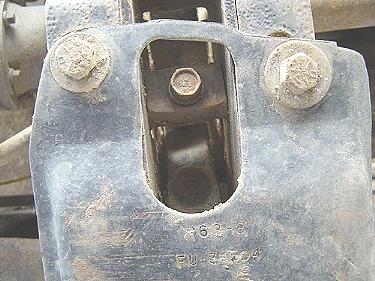
2008-2011 Ford Ranger 4×4 Torsion Suspension Versus 1998-2007 Torsion Bar Suspension
In 2008, ford clocked the keys a few degrees to lower the Ranger and give it better handling and MPG characteristics. If you get a set of factory torsion bar keys from a 2007 or older 4×4 Ranger, and install them in a 2008 or newer Ranger, it will lift that Ranger 1.75-2.00 inches in the front.
Also, the rear lift blocks in the 2008-2011 Ford Ranger are lower. You can lift a 2008-2011 4×4 Ranger a little bit simply by installing the earlier parts. If you add a Superlift suspension lift on a 2008 and newer Ranger, then the earlier keys will lift the front more. The Superlift already comes with taller rear blocks.
This modification is referred to as the 2008-2011 Ford Ranger ‘Pre-Key’ Modification.
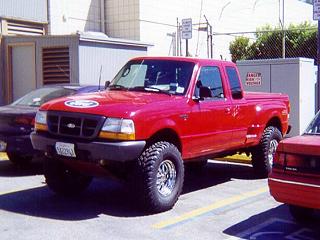
After Cranking The Torsion Bars
This Ranger also has a 3-inch body lift that is adding to the height shown in this photo.
Comment from forum member Elmobile
(This comment was in a thread about torsion keys, but still applies since we’re talking about cranking the torsion bars)
It is HIGHLY RECOMMENDED to upgrade to extended length front shocks during the install process. The reason being that when the new torsion keys are installed the stock shocks have to be extended unnaturally to accommodate the 2.50 inch front lift. When the old shocks are maxed out like that there is nothing to allow them to actually compress and “shock” anything. As a side note, it also causes the bushings to become flattened which also can cause unnatural wear and risk damage to the mounting brackets. In short, using the old shocks will make the vehicle behave like a bobble head toy. I recommend using the Rancho RS5000 1.25 to 2.25 inch extended shock part #RS5374. Once you install the new torsion keys, rancho shocks, and have an alignment done; the ride quality will be restored to stock quality and will neither be too stiff or too weak.
Contributor
This procedure was performed and documented by TRS forum member MudRanger and submitted to the author to be published at The Ranger Station.com to help other Ford Ranger owners.
Forum
Also check out our 4×4 Suspension Forum.
Related Articles
2008-2011 Ford Ranger ‘Pre-Key’ Modification
All About Torsion Key Lifts For Your ’98-’11 Ranger
Shocks For Your Torsion Cranked Ranger
Updated:
About The Author
Jim Oaks is the founder of TheRangerStation.com, the longest-running Ford Ranger resource online since 1999. With over 25 years of hands-on experience building and modifying Ford Rangers — including magazine-featured builds like Project Transformer — Jim has become one of the most trusted authorities in the Ford Ranger off-road and enthusiast space.
Since launching TheRangerStation.com, Jim has documented thousands of real-world Ranger builds, technical repairs, drivetrain swaps, suspension modifications, and off-road adventures contributed by owners worldwide. TheRangerStation.com has been referenced in print, video and online by enthusiasts, mechanics, and off-road builders looking for practical, and experience-based information.