
Information By: Blmpkn
Due to a lackluster seam placement in the 2019-2023 Ford Rangers cowl, water running down the windshield can & will make its way into the spark plug wells, especially if you park with the nose pointed downhill.
In some (lucky) cases, a simple misfire is all that will occur. Ford’s official fix is to replace the plug, replace the coil/boot, goop up with dielectric grease, and install the very engine cover they deleted from the trucks after MY2019.
In extreme cases the plug will be so ridiculously corroded that the repair ends up being a complete head replacement.
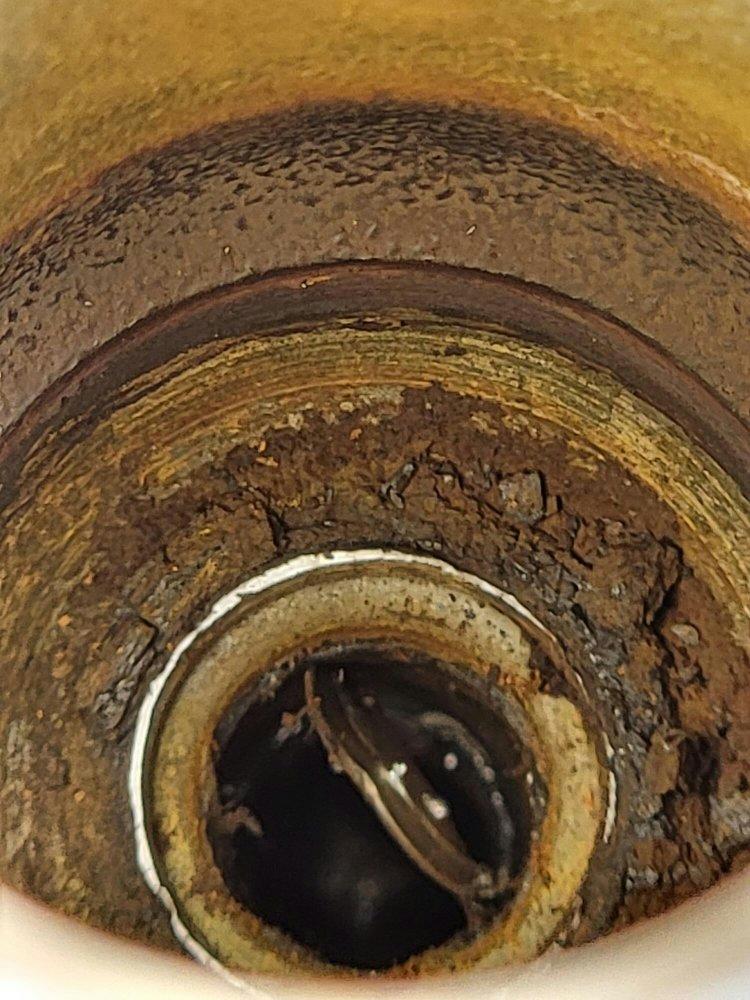
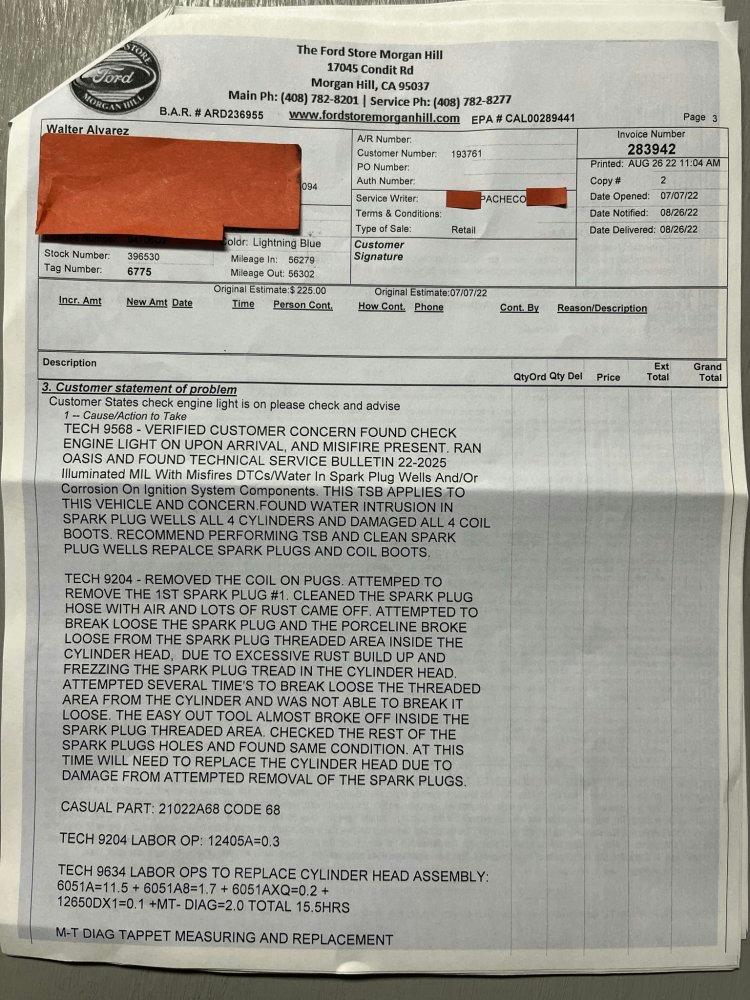
This has been an incredible nightmare for folks who’ve had to deal with this, thanks to Ford & their dealers ABSOLUTE ABYSMAL customer care in the past few years.
Making the problem worse is Ford’s recommended 100k mile plug change interval. The longer you run your factory plugs, the closer you are to a brand-new cylinder head. Possibly ON YOUR DIME. CHECK THEM! CHECK THEM NOW!
If the wells look gross, and you’re still under warranty, don’t touch them. Make yourself an appointment with your dealership of choice and let THEM snap those plugs off (mabey).
The community has also figured out that putting a piece of foam pipe insulation across the cowl covering the seam will keep your wells nice and dry regardless of the weather. See photo below.
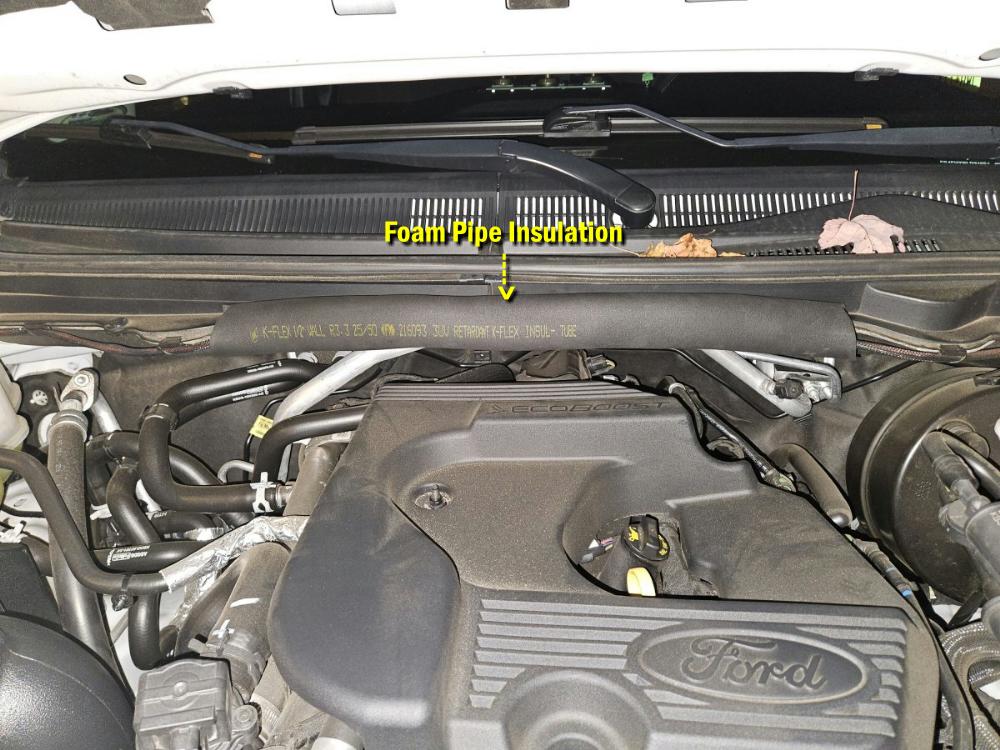
I would personally avoid the engine cover and go with the pipe insulation… as engine covers where I live do nothing but give rodents an extremely appealing place to live.
See The Original Forum Post: CHECK YOUR SPARKPLUGS! TSB 23-2011
Check Out: Ford TSB 23-2011
About The Author
Jim Oaks is the founder of TheRangerStation.com, the longest-running Ford Ranger resource online since 1999. With over 25 years of hands-on experience building and modifying Ford Rangers — including magazine-featured builds like Project Transformer — Jim has become one of the most trusted authorities in the Ford Ranger off-road and enthusiast space.
Since launching TheRangerStation.com, Jim has documented thousands of real-world Ranger builds, technical repairs, drivetrain swaps, suspension modifications, and off-road adventures contributed by owners worldwide. TheRangerStation.com has been referenced in print, video and online by enthusiasts, mechanics, and off-road builders looking for practical, and experience-based information.