Celebrating the 1983–1997 Ford Ranger: A RADwood Icon
The 1983-1997 Ford Rangers weren’t just compact pickups—they were statements of style, attitude, and individuality. In 2026, younger enthusiasts are rediscovering these trucks not only for their ruggedness and mechanical simplicity but also as prime examples of the RADwood era, the subculture celebrating the bold, colorful, and unapologetically quirky aesthetics of the 1980s and 1990s.
What Is RADwood?
RADwood isn’t just about “old cars with weird graphics.” It’s a full cultural movement dedicated to celebrating the automotive lifestyle of the 1980s and 1990s in all its glorious, quirky color, design, and personality. Founded in 2017 in the San Francisco Bay Area, RADwood has become an international phenomenon that draws thousands of enthusiasts each year.
At its core, RADwood is both a car show and lifestyle event. Vehicles from 1980–1999 aren’t just old—they’re vessels of culture, embodying bold styling, experimental technology, vibrant graphics, and period accessories. Participants embrace not only cars but fashion and lifestyle elements of the era: Members Only jackets, neon windbreakers, acid-wash denim, boom boxes, and cassette tapes spinning 80s and 90s hits.
Events like RADwood Austin and RADwood NorCal bring this culture to life with live music, food trucks, show-and-shine competitions, and “RADdest Dressed” contests. Unlike traditional car shows focused on rare or expensive vehicles, RADwood celebrates everyday classics, quirky imports, and enthusiast builds alike. The emphasis is on authenticity, fun, and shared memory, creating an immersive experience for attendees of all ages.
Younger enthusiasts—Millennials and Gen Z—are drawn to RADwood because it’s more than cars; it’s an experience that celebrates personality, self-expression, and cultural history. Vehicles like the 1983-1997 Ford Rangers fit perfectly because they embody both the style and mechanical engagement of the era.
The Ford Ranger’s RADwood Credentials
The Ranger fits seamlessly into the RADwood narrative because it captured the era’s distinctive styling while remaining practical and approachable. Specific trims from the first- and second-generation Rangers embody the aesthetic and cultural hallmarks of the time, each telling a unique story.
Ford Ranger STX — The 1980s “Sport Truck” That Screamed Style
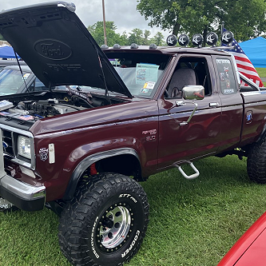
When you picture a Ranger that looked like it belonged in a desert rally poster, you’re imagining the Ranger STX. Introduced in 1985 and widely available by 1986, the STX was Ford’s answer to the demand for style and attitude in compact trucks. Bold graphics, two-tone paint, and sport cast aluminum rims gave it a distinctive presence, while a grille guard with fog lamps and optional “High Rider” suspension signaled off-road readiness.
This wasn’t a mild trim level—it made a statement. Big tires, lifted stance, and sporty handling combined to create a truck that felt youthful, bold, and adventurous. The STX Ranger was Ford’s embodiment of the RADwood spirit: expressive, unapologetic, and ready to stand out.
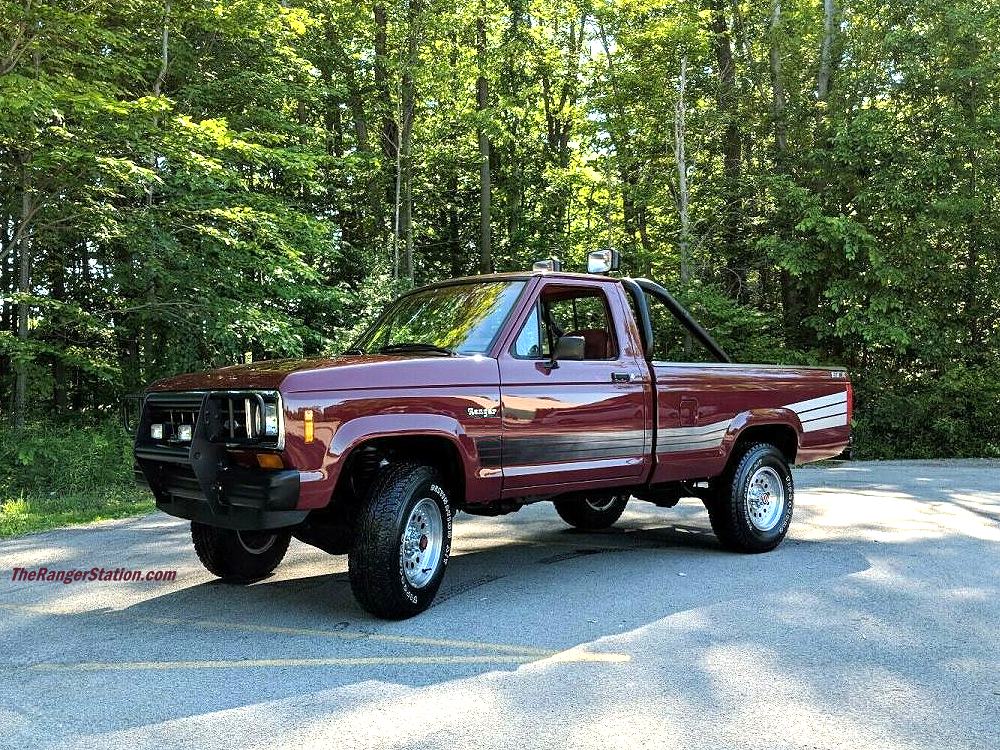
1987 Ford Ranger STX
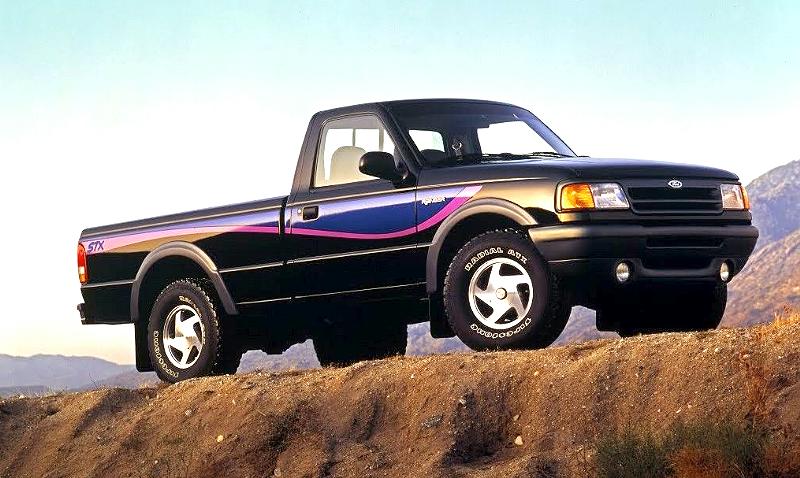
1993 Ford Ranger STX
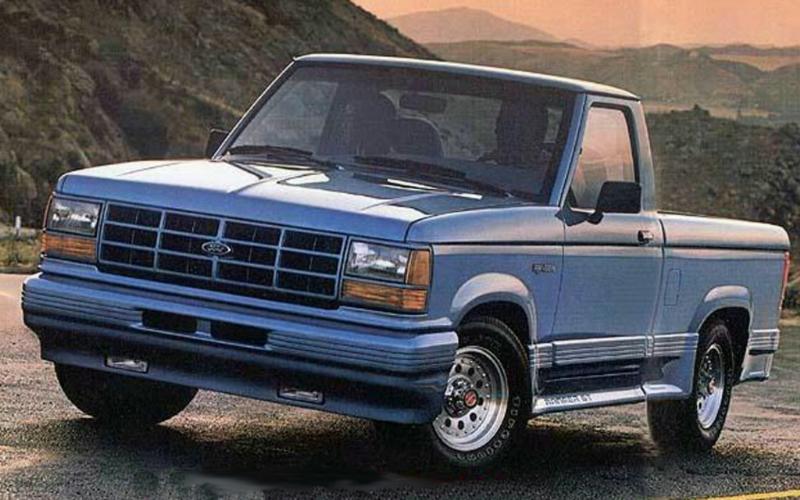
Ford Ranger GT — The “Sport Pickup” That Defied Expectations
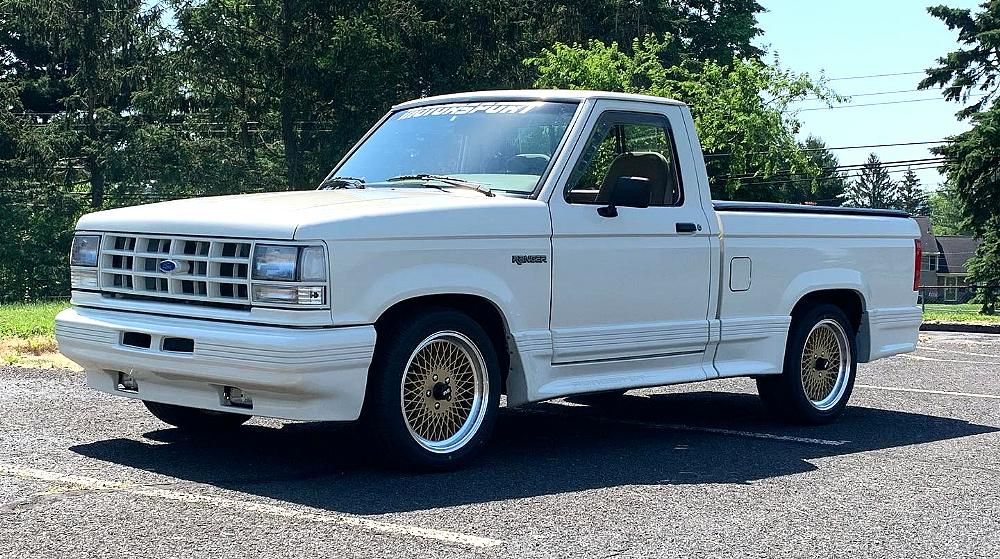
If the STX was about style with capability, the Ranger GT chased performance identity. Sold primarily on West Coast markets between 1987–1989, the GT featured bold body-colored trim, bucket seats, center console, and a ground-effects package that made it look lower and sportier. Though powered by the same 2.9L V6 found in other Rangers, chassis upgrades like front and rear anti-roll bars and a Traction-Lok limited-slip differential gave it sharper handling than most compact pickups of the era.
The Ranger GT’s aesthetic defied expectations for a small truck, pairing sporty cues with the boxy, upright silhouette of the decade. It was a statement vehicle that combined the attitude of 1980s sports cars with the practicality of a pickup—a perfect RADwood era icon for enthusiasts who wanted style and performance in one package.
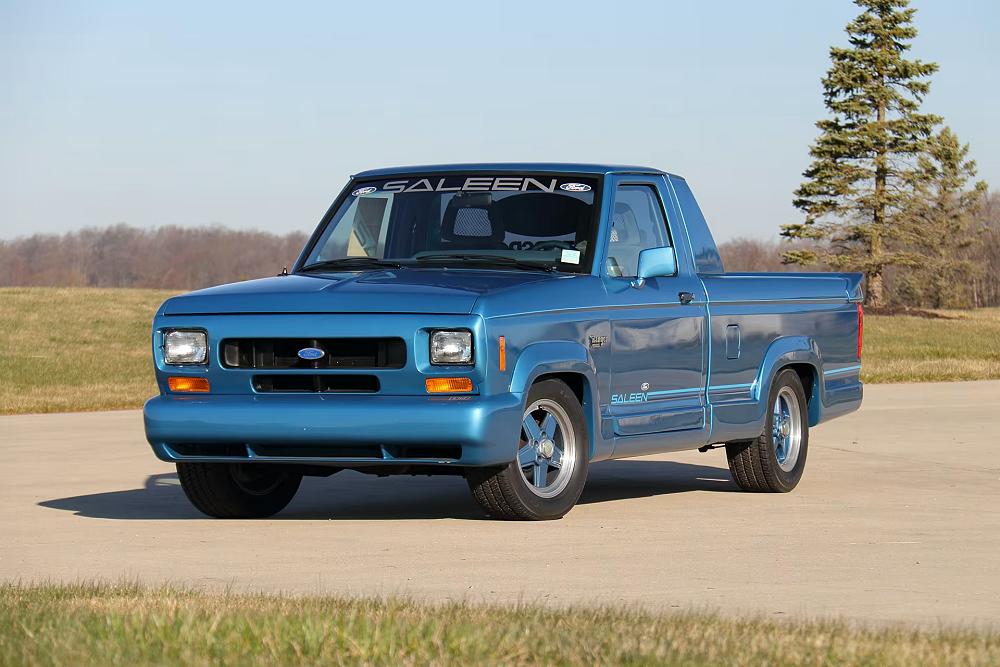
Saleen Ford Ranger — A Legend from a Performance Icon
Few trucks from the era carry the mystique of the Saleen Ranger. Known primarily for Steve Saleen’s Mustang legacy, Saleen briefly built Ranger-based race trucks for the SCCA RaceTruck Challenge, and in 1988 created a small run of street-legal Saleen Ranger Sportrucks. Only 24 were produced, featuring 5-speed manuals, long beds, and white with blue trim. These vehicles were potent, rare, and carried real racing pedigree.
The Saleen Ranger represented the pinnacle of compact truck performance and remains legendary in RADwood culture. It proves that even a small pickup could be bold, fast, and collectible—a time machine for enthusiasts seeking performance with historic cachet.
Ford Ranger Splash — The Epitome of RADwood Fun
The Ranger Splash, sold from 1993–1997, is frequently highlighted as the ultimate factory RADwood truck. With its distinctive flareside bed, vibrant colors like Emerald Green or Lightning Blue, and unique side graphics, the Splash perfectly captured the era’s funky, sporty aesthetic. It embodied playfulness and personality, standing out in parking lots and on car show fields alike.
Beyond graphics, the Splash offered a slightly lifted suspension, alloy wheels, and a sporty trim package that signaled fun without sacrificing utility. To this day, it remains the most instantly recognizable “Radwood pickup,” a bridge between practical truck ownership and bold visual expression.

Why Younger Buyers Are Drawn to RADwood Rangers
Millennials and Gen Z are embracing RADwood for its fun, approachable, and inclusive culture. The first- and early second-generation Rangers check all the boxes for these younger enthusiasts:
- Affordability: Classic Ranger values remain accessible, offering a budget-friendly entry into RADwood projects.
- Recognizable Styling: Upright, boxy lines and bold decals immediately signal “1980s/90s truck” and stand out in today’s sea of rounded, gray crossovers.
- Customizable: Shared components with the Bronco II and simple mechanical layout make modifications and restomods achievable without specialized tools.
- Analog Feel: The mechanical, tactile experience complements the RADwood aesthetic, giving drivers a more engaged connection to their vehicle.
Building Your RADwood Ranger
RADwood isn’t just about showing up; it’s about authenticity. Ranger owners can enhance their vehicle’s RADwood cred by paying attention to period-correct details:
- Preserve or restore STX, GT, Splash, or Saleen decals, two-tone color schemes, spoilers, or ground-effect kits.
- Maintain a vintage-style interior with vinyl seats, analog gauges, and cable-operated HVAC knobs.
- Add era-appropriate accessories: grille guards, off-road lights, foam steering wheel covers, and aftermarket wheels.
- Dress the part: neon jackets, acid-wash denim, and other 1980s-inspired attire elevate the RADwood experience at events and meetups.
The combination of vehicle and lifestyle creates a holistic RADwood experience that younger enthusiasts find irresistible. It’s a celebration of design, color, and personality as much as of mechanical simplicity.
Why the RADwood Ranger Matters in 2026
In a market dominated by rounded, tech-heavy crossovers, the first- and early second-generation Ranger is a time capsule. Its STX, GT, Saleen, and Splash trims embody the era’s bold graphics, expressive styling, and performance ambition, making it an aspirational collector vehicle for younger buyers. Whether your focus is style, nostalgia, or analog simplicity, the RADwood Ford Ranger provides a bridge between eras—offering a tactile, visual, and emotional connection that modern trucks simply cannot replicate.
For enthusiasts who want a piece of automotive culture, a project to customize, or a daily driver with personality, the RADwood Ranger is the ultimate vehicle to seek out and preserve. It isn’t just a truck—it’s a time machine, a style statement, and a reminder of why the 1980s and 1990s were unforgettable.
Link
About The Author
Jim Oaks is the founder of TheRangerStation.com, the longest-running Ford Ranger resource online since 1999. With over 25 years of hands-on experience building and modifying Ford Rangers — including magazine-featured builds like Project Transformer — Jim has become one of the most trusted authorities in the Ford Ranger off-road and enthusiast space.
Since launching TheRangerStation.com, Jim has documented thousands of real-world Ranger builds, technical repairs, drivetrain swaps, suspension modifications, and off-road adventures contributed by owners worldwide. TheRangerStation.com has been referenced in print, video and online by enthusiasts, mechanics, and off-road builders looking for practical, and experience-based information.