
Introduction
This page discusses camper shells (truck caps) and using them for camping.
Camper Shells
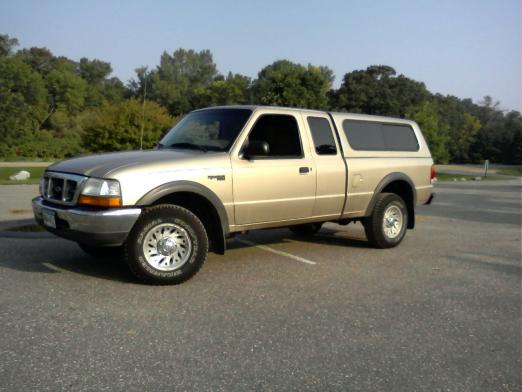
One of the cheapest ways to travel and camp with your Ford Ranger is with a camper shell. Camper shells have been referred to as a ‘truck cap’, ‘camper shell’, and ‘canopy’, but for this article, we’ll just call it a camper shell.
Forum Member schanusa traveled from Key West Florida to Prudhoe Bay Alaska camping in this Ford Ranger (Read More)
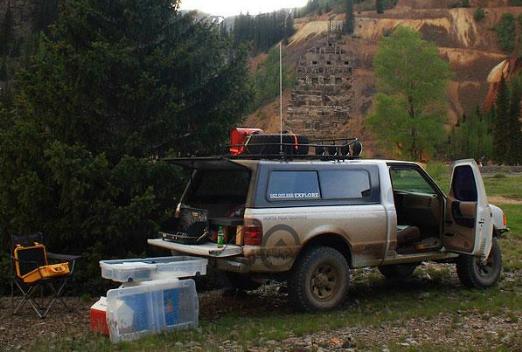
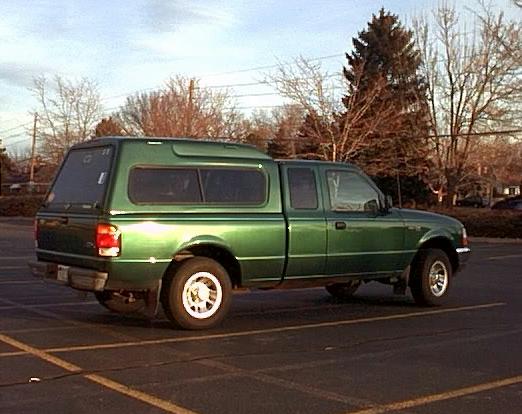
Camper shells can be found in various styles such as the one shown above that’s level with the cab, and more of a high-rise style like the one below.
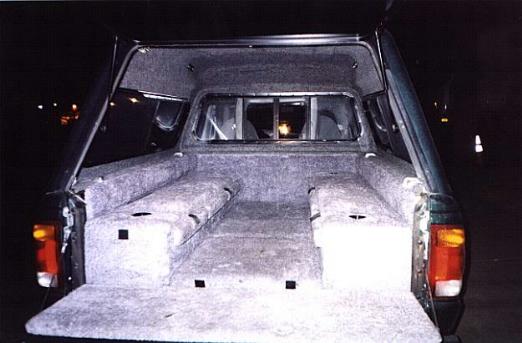
Some owners add carpet kits with sleeping platforms.
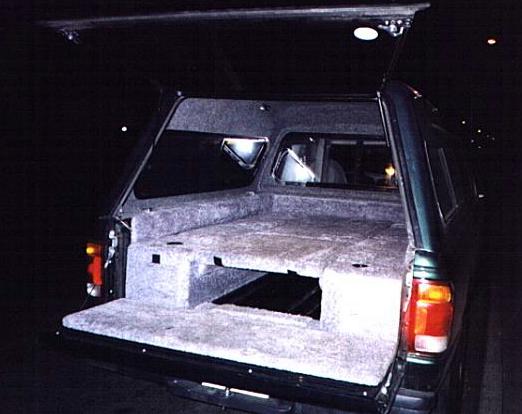
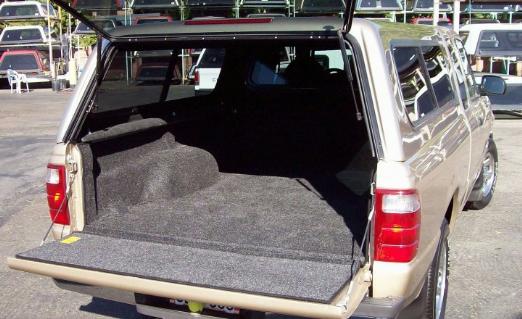
And some owners just add ‘Bed Rugs’ so they have a smooth carpeted area to sit and sleep on.
Of course, to really maximize the use of your truck bed and camper shell, you should consider a sleeping platform:
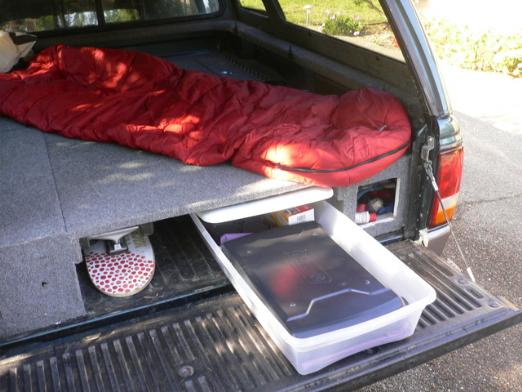
To learn more about building a sleeping platform, click HERE.
For discussions on camping with your Ford Ranger, check out our Truck Camping & Camping Gear Forum.
Related Articles
A Roof Top Tent Changed The Way I Camp
Should You Use a Ground Tent or Rooftop Tent?
About The Author
Jim Oaks is the founder of TheRangerStation.com, the longest-running Ford Ranger resource online since 1999. With over 25 years of hands-on experience building and modifying Ford Rangers — including magazine-featured builds like Project Transformer — Jim has become one of the most trusted authorities in the Ford Ranger off-road and enthusiast space.
Since launching TheRangerStation.com, Jim has documented thousands of real-world Ranger builds, technical repairs, drivetrain swaps, suspension modifications, and off-road adventures contributed by owners worldwide. TheRangerStation.com has been referenced in print, video and online by enthusiasts, mechanics, and off-road builders looking for practical, and experience-based information.