
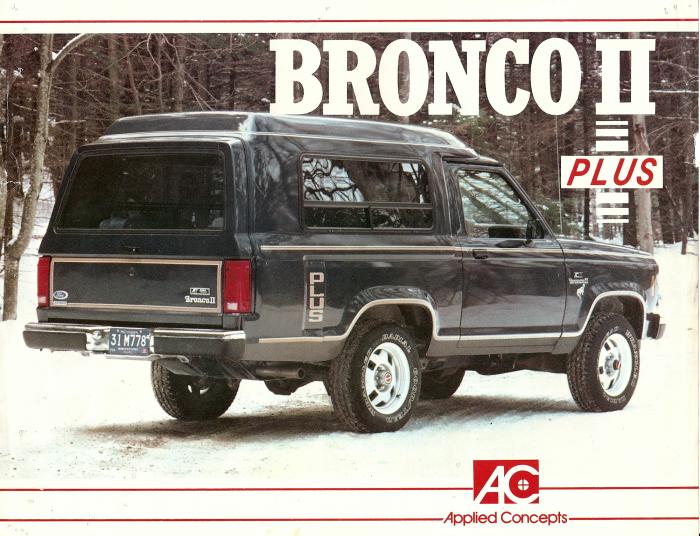
Ford Bronco II Plus: The Rare Applied Concepts Conversion
The Ford Bronco II Plus is one of the rarest and least-documented versions of Ford’s compact SUV. Unlike the factory Bronco II models that Ford produced from 1984 through 1990, the Bronco II Plus was an aftermarket conversion that substantially changed the rear portion of the vehicle.
Very little reliable information has survived about the Bronco II Plus, and only a small number of examples have surfaced over the years. What makes the vehicle particularly interesting is that it wasn’t simply a cosmetic package. The conversion added length, height and usable interior space while retaining the basic Bronco II platform.
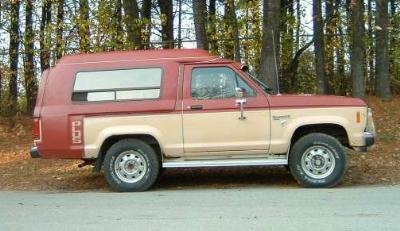
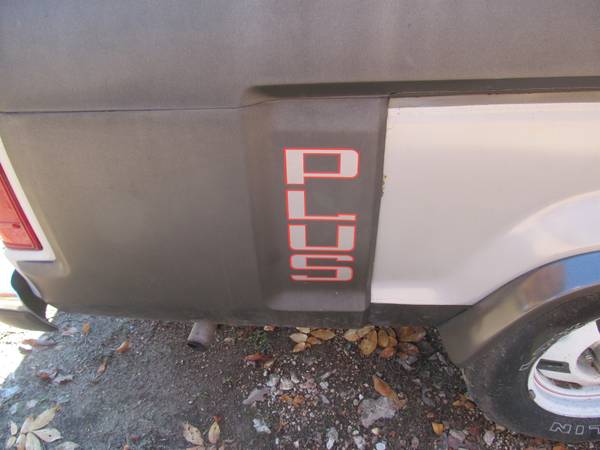
The examples I’ve encountered appear to have been built on the early Bronco II body style, generally 1984–1988 models, and most have been two-tone vehicles with PLUS lettering on the sides.
What Was the Bronco II Plus?
The Bronco II Plus appears to have been produced by Applied Concepts, a company that modified Bronco IIs with an extended fiberglass rear body.
The conversion extended the roof and rear body behind the original Bronco II passenger compartment. This created additional interior and cargo space and gave the vehicle a distinctive appearance that makes it easy to mistake for a small camper or some other aftermarket utility conversion.
One surviving sales description for a 1986 Bronco II Plus claimed that the vehicle was approximately 18 inches longer, 6 inches taller and 4 inches wider in the rear than a standard Bronco II. It also described a 6-foot-2-inch cargo area with the rear seats folded, rear side windows with screens, additional storage compartments and the ability to carry a full-size spare inside the widened rear section.
Those dimensions should be considered period-owner claims rather than factory specifications, but they provide a useful indication of what the conversion was intended to accomplish.
The result was essentially a more spacious Bronco II without moving up to Ford’s much larger full-size Bronco.
The Applied Concepts Connection
Several details point to Applied Concepts as the company responsible for the Bronco II Plus conversion.
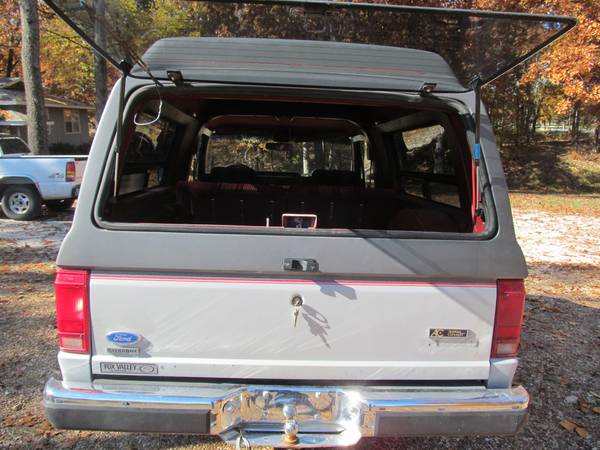
One example was reported to have “AC Applied Concepts” identification on the rear of the vehicle, along with an ACLR+ plaque inside.
The surviving examples also share characteristics that distinguish the Plus from a standard Bronco II, including the extended fiberglass rear body, additional roof height, larger rear cargo area and unique side windows.
Unfortunately, detailed production records for the conversion have been difficult to locate. That makes it difficult to establish exactly how many Bronco II Plus vehicles were produced.
An old estimate associated with these vehicles claimed that more than 119,000 had been built, but that figure is not supported by the number of surviving vehicles or by documentation I’ve been able to locate. It appears far more likely that this number was either misunderstood or came from a different production figure. I would not consider it a reliable Bronco II Plus production number.
For now, the actual production total remains unknown.
What Did a Bronco II Plus Look Like?
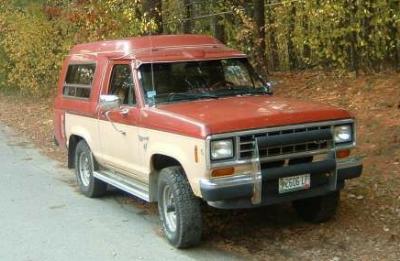
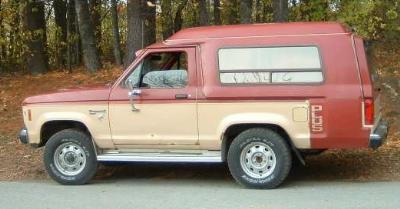
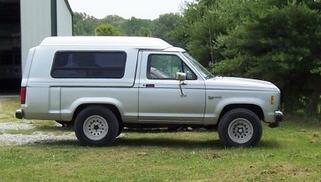
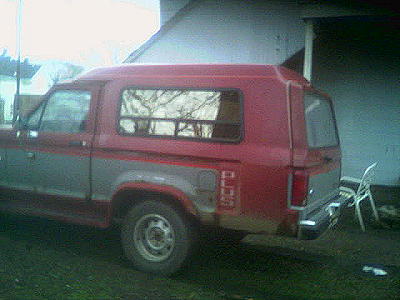
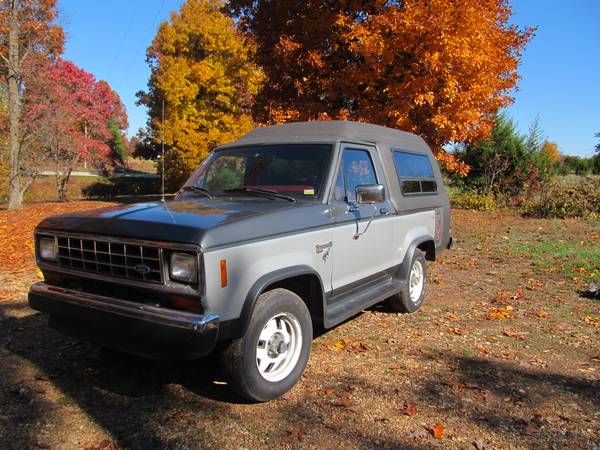
The examples I’ve encountered have generally been two-tone vehicles, with the lower portion of the body and the extended rear section finished in a contrasting color.
One of the best-known examples is a red-and-sand-colored Bronco II Plus. Other examples have surfaced over the years, including vehicles that had been repainted, making it difficult to determine their original colors.
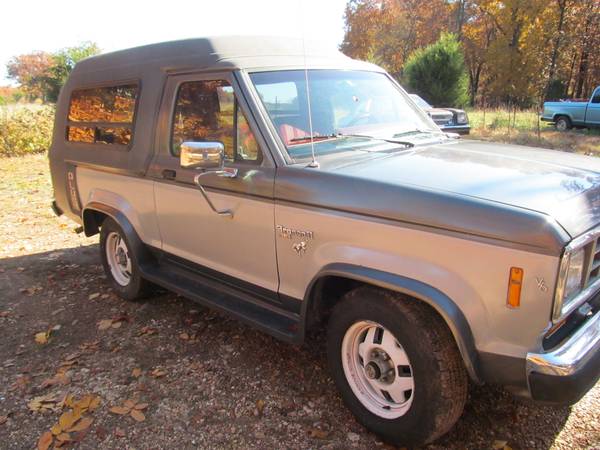
The PLUS lettering on the side is one of the easiest visual clues.
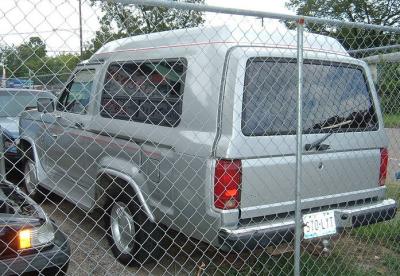
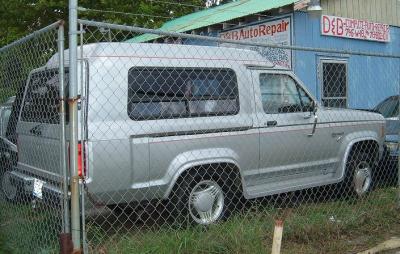
The fiberglass conversion also changes the proportions of the Bronco II considerably. Instead of the relatively short rear cargo area of a normal Bronco II, the Plus has an extended rear body and raised roofline.
The additional height is particularly noticeable from the side.
Interior and Storage
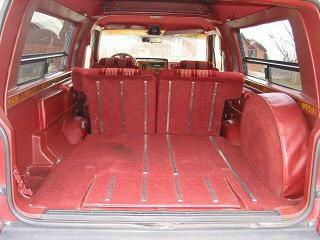
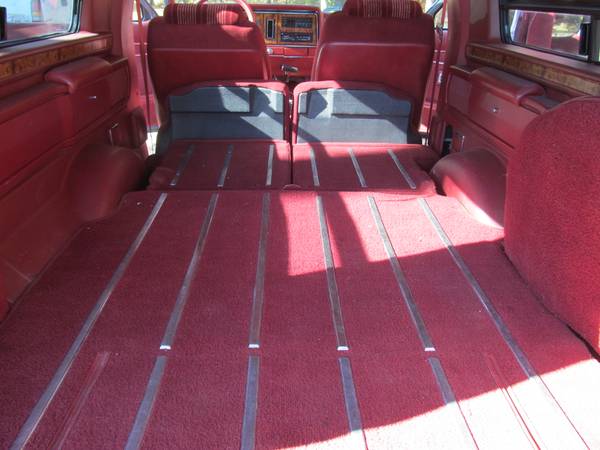
One of the most interesting aspects of the Bronco II Plus is that Applied Concepts appears to have made extensive use of the additional space.
The extended body wasn’t simply an empty fiberglass shell.
One surviving owner described several unusual storage features, including:
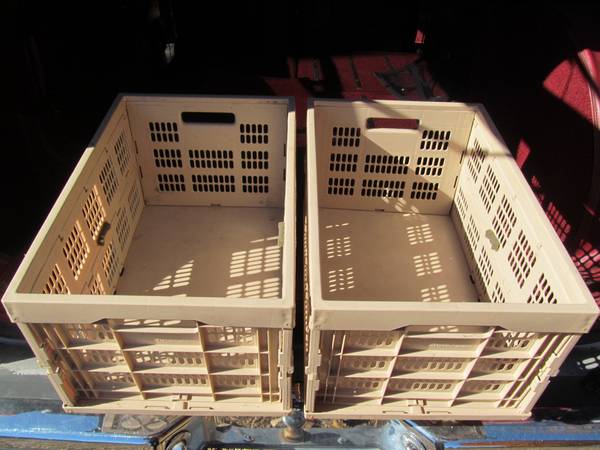
- Two flat-folding storage baskets that stowed in a compartment at the left rear.
- A storage compartment in the floor beneath the carpet.
- An additional compartment above the driver with a closable net.
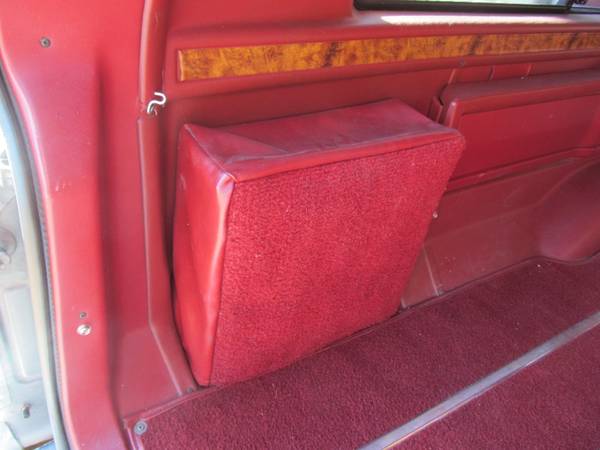
- Extra glove-box-style storage compartments on both sides of the rear area.
- A larger cargo area capable of carrying a full-size spare.
- A rear cargo area measuring approximately 6 feet 2 inches with the rear seats folded.
These features help explain why someone might have chosen a Bronco II Plus instead of a standard Bronco II. The conversion provided considerably more usable space while retaining the compact dimensions and 4×4 capability of the original vehicle.
A Bronco II Plus Owner’s Story
One of the most valuable pieces of information I’ve received about the Bronco II Plus came from Bill McCarthy, who contacted me after the original Bronco II Plus article was published.
Bill had actually purchased one new.
He wrote:
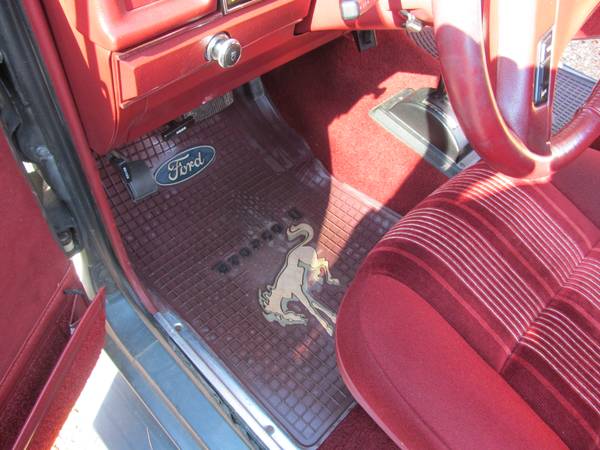
“I had one I purchased new from Elbury Ford in Cambridge Mass. It was Red with silver in the middle and the red and gray interior. Applied Concept plaques were on the tailgate and dash.”
Bill’s description is significant because it confirms several details that had previously been based largely on photographs and observations of surviving vehicles.
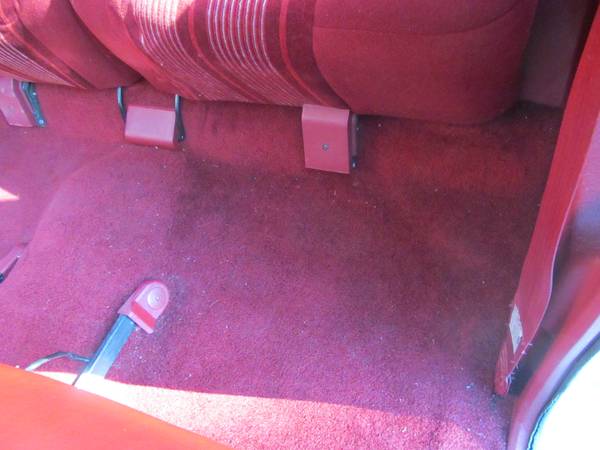
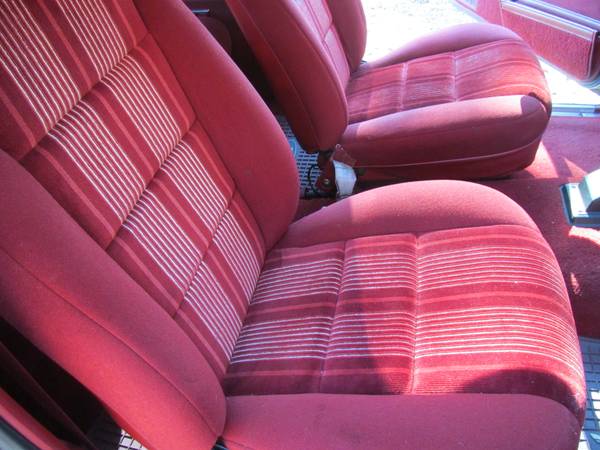
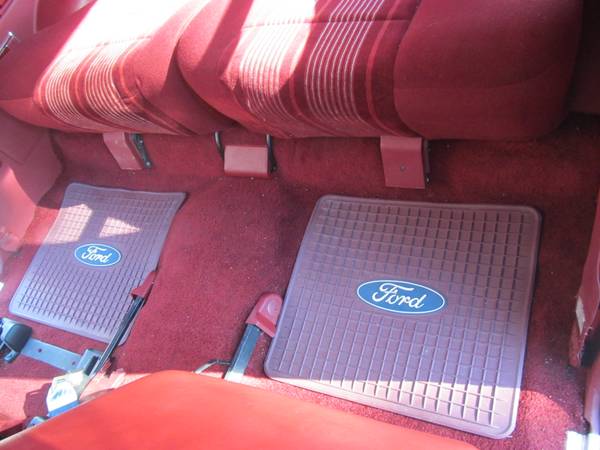
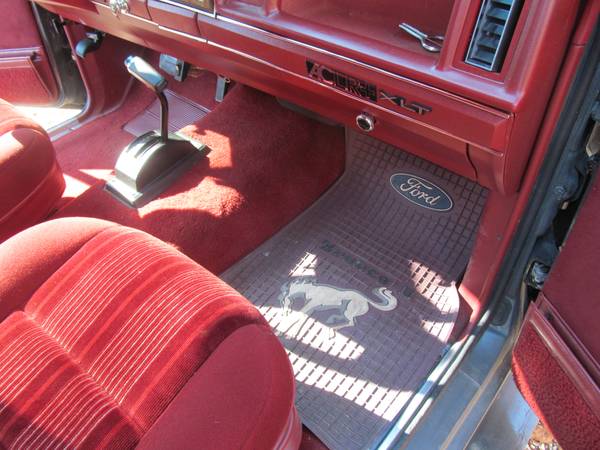
His Bronco II Plus was red with silver in the middle, with a red and gray interior. It carried Applied Concepts identification plaques on both the tailgate and dashboard.
He also remembered several of the unusual storage features:
“It also came with 2 flat folding baskets which stowed in the well at the left rear.”
He described a compartment beneath the carpet and another compartment above the driver with a closing net.
His Bronco II Plus was equipped with a 2.9-liter V6, automatic transmission, automatic locking hubs and power accessories.
Bill’s account provides an important first-person record of what one of these vehicles was like when it was new.
He ended his message with a sentiment that probably reflects how many Bronco II enthusiasts feel about these rare conversions:
“Wish I still had it today!”
Another Bronco II Plus Surfaces
In March 2014, another Bronco II Plus surfaced for sale in Rogersville, Missouri, outside Springfield.
The seller described it as a 1986 Bronco II Plus 4×4 with a 2.9-liter V6, 168,000 miles and the original interior.
The listing provided an unusually detailed description of the conversion. According to the seller, the vehicle was approximately 18 inches longer and 6 inches taller than a standard Bronco II, with the rear portion approximately 4 inches wider.
It also had:
- Rear side windows with screens.
- Space for a full-size spare.
- A 6-foot-2-inch cargo area with the rear seats folded.
- Extra storage compartments on both sides of the rear area.
- Stow-away storage totes.
The vehicle had also received various mechanical repairs, including front-end work and an alignment.
While the seller called it “one of a kind,” that obviously doesn’t mean it was literally the only Bronco II Plus ever built. It does, however, illustrate just how rarely these vehicles appear on the market.
The 2005 Cincinnati Example
Another Bronco II Plus I documented was offered for sale in the Cincinnati, Ohio area in the spring of 2005.
Photographs of that vehicle helped document the distinctive extended body and two-tone appearance of the Plus.
At the time, very little information was available about these vehicles. The Bronco II Plus was obscure enough that even identifying exactly who built the conversion and how many were produced was difficult.
That remains part of what makes these vehicles interesting today.
How Rare Is the Bronco II Plus?
That’s difficult to answer with any certainty.
I’ve seen various production estimates over the years, but I have not found sufficient documentation to establish a definitive production number. Unlike a factory Ford package, the Bronco II Plus was an aftermarket conversion, and production records for Applied Concepts are not readily available.
What we can say with confidence is that surviving examples are extremely uncommon.
Only a handful have surfaced in the Bronco II community over the years, and most enthusiasts have never seen one in person.
The scarcity is made even more significant by the fact that the Bronco II Plus appears to have been produced during the early years of Bronco II production. The examples I’ve documented have generally been based on 1984–1988 body styles.
Bronco II Plus vs. a Standard Bronco II
The Bronco II Plus shouldn’t be confused with a factory Ford trim package.
Ford built the Bronco II on the same basic platform as the Ranger, and the standard vehicle was already a compact 4×4 SUV. The Plus took that platform and substantially altered the rear body.
| Feature | Standard Bronco II | Bronco II Plus |
|---|---|---|
| Manufacturer | Ford | Ford chassis with Applied Concepts conversion |
| Body | Factory steel body | Extended fiberglass rear body |
| Roof | Standard height | Raised rear roof |
| Rear body | Standard length | Extended |
| Cargo area | Standard Bronco II cargo area | Substantially increased |
| Rear storage | Standard | Additional compartments and storage |
| Side identification | Ford trim/model markings | “PLUS” and Applied Concepts identification on some examples |
| Production | Ford production model | Limited aftermarket conversion |
The Bronco II Plus therefore occupies an interesting place in Bronco II history. It wasn’t a Ford factory special edition, but it was more than an ordinary custom Bronco II.
It was a professionally produced conversion built around a Ford vehicle.
Preserving the Bronco II Plus History
The Bronco II Plus is exactly the type of vehicle that can disappear from automotive history if surviving examples and documentation aren’t preserved.
There is very little information available about Applied Concepts, the company’s production methods, the number of conversions completed, or exactly when production began and ended.
The surviving photographs, period sales listings and firsthand accounts from owners are therefore particularly important.
Bill McCarthy’s story is especially valuable because he purchased his Bronco II Plus new and remembered details that photographs alone cannot provide.
I originally documented the Bronco II Plus after encountering photographs of these unusual vehicles and trying to determine exactly what they were. Over the years, additional examples have surfaced, but they remain exceptionally rare.
If you own a Bronco II Plus, or have photographs, sales literature, documentation, an Applied Concepts plaque, or information about the company or the conversion, I’d like to hear from you.
If you have additional information about the Ford Bronco II Plus, please contact The Ranger Station.
Sources and Historical Documentation
This article incorporates photographs and information collected over many years, including photographs of surviving Bronco II Plus vehicles and firsthand information supplied by former owner Bill McCarthy.
The original Bronco II Plus material and the additional owner-supplied documentation were previously published separately on Bronco II Corral. They have been combined here to keep the history and supporting documentation together as part of The Ranger Station’s Bronco II archive.
Ford Bronco II Plus Invoice
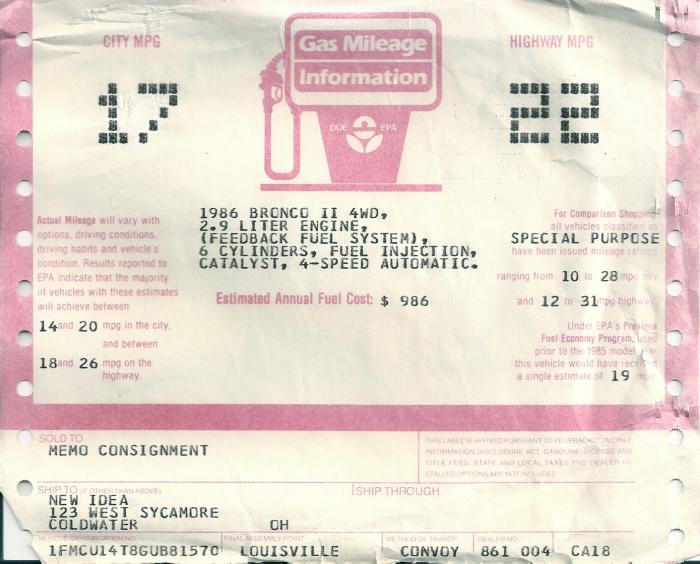
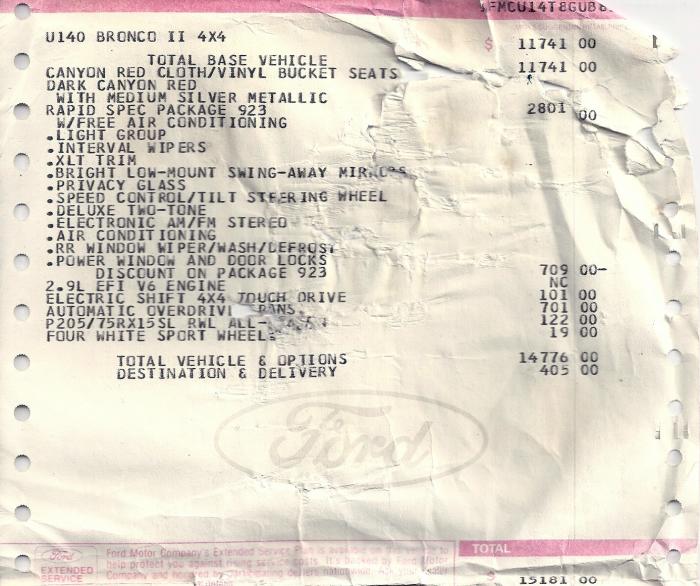
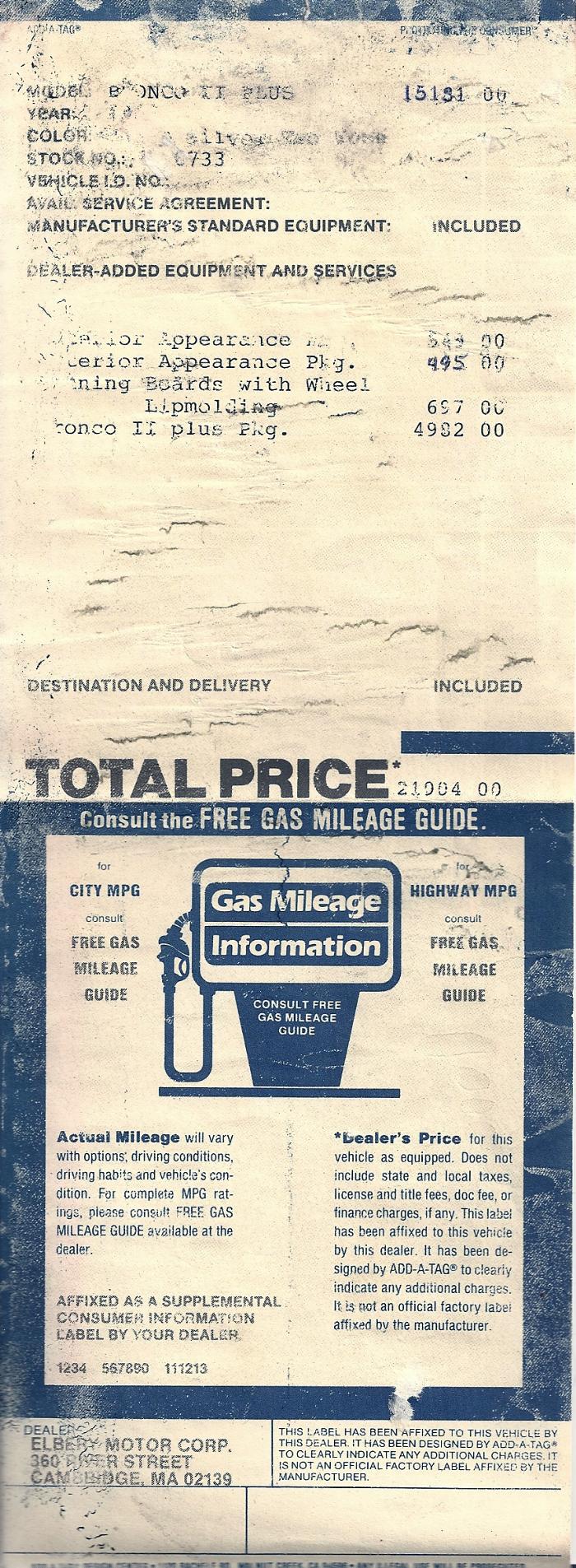
Photo Gallery
About The Author
Jim Oaks is the founder of TheRangerStation.com, the longest-running Ford Ranger resource online since 1999. With over 25 years of hands-on experience building and modifying Ford Rangers — including magazine-featured builds like Project Transformer — Jim has become one of the most trusted authorities in the Ford Ranger off-road and enthusiast space.
Since launching TheRangerStation.com, Jim has documented thousands of real-world Ranger builds, technical repairs, drivetrain swaps, suspension modifications, and off-road adventures contributed by owners worldwide. TheRangerStation.com has been referenced in print, video and online by enthusiasts, mechanics, and off-road builders looking for practical, and experience-based information.