
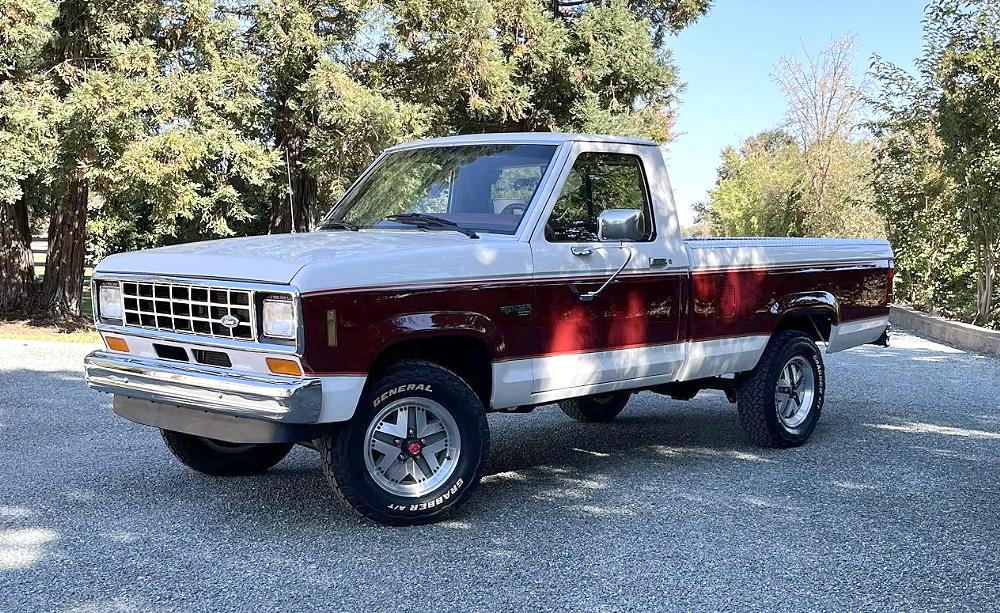
Why The 1983-1992 Ford Rangers Still Captivates Us
There’s a quiet revolution happening in the automotive world. Enthusiasts and everyday drivers alike are rediscovering something that never really went away but has become increasingly rare: mechanical honesty and driver connection. Vehicles built before the era of complex sensors, software-dependent systems, and electronic nannies are gaining new appreciation. In automotive circles, people call this the analog movement.
In 2026, a vehicle is considered “analog” if the driver is still the primary computer. Fuel injection, anti-lock brakes, or basic electronics don’t disqualify a vehicle—it’s about whether the driver is in control, or the car is controlling you
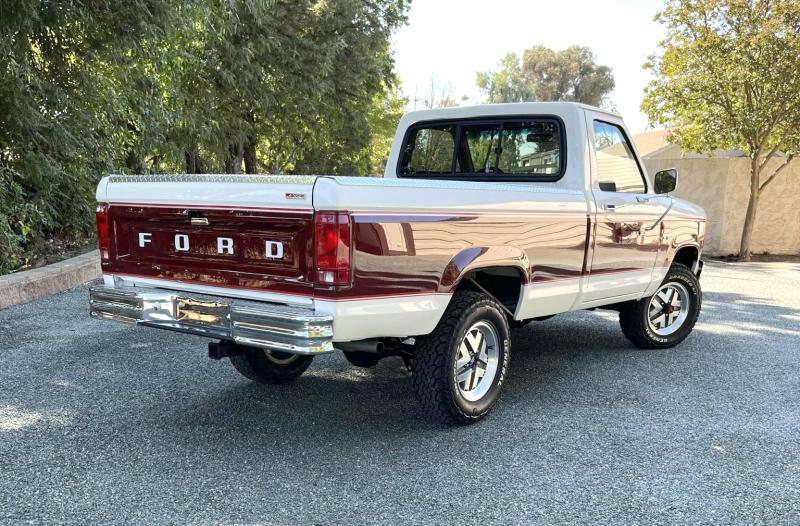
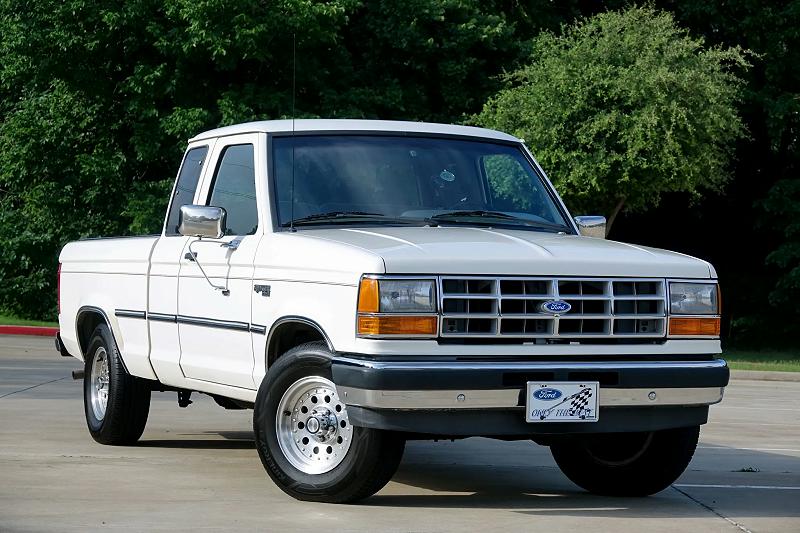
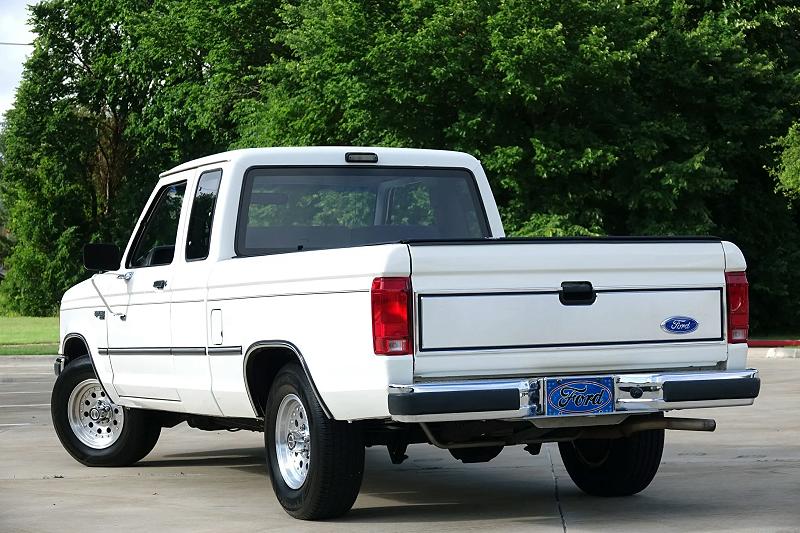
For drivers who grew up with trucks in the late 1970s through early 1990s, the term feels familiar—even obvious. It’s not about rejecting technology altogether; it’s about valuing control, predictability, simplicity, and proven reliability. Few vehicles exemplify this philosophy better than the 1983-1992 Ford Ranger.
The Joy of Mechanical Connection
I still remember my first Ranger: a 1983 4×4 with a 2.8L V6, 5-speed manual, and a manual transfer case. Everything about that truck was direct and intentional. I didn’t have to hope the transfer case would engage when I turned a knob—I simply pulled a lever. Locking hubs? Manual, with no spinning front axle shafts wasting energy. Every input I made had a physical, predictable result.
Modern trucks, for all their technology, can’t replicate that sense of control. No automatic system can replace the satisfaction of knowing the truck responds exactly as you intend. With an analog Ranger, you can push or pull it down the road, drop the clutch, and start it if the battery dies or the starter fails—no computers, sensors, or software intervention required. It’s a pure mechanical relationship, one that modern vehicles rarely offer.
Tactile, Reliable Controls
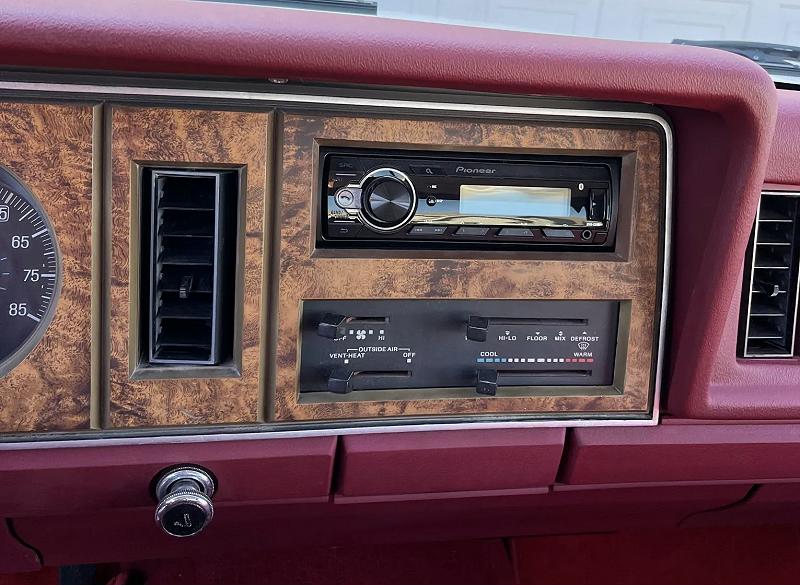
Driving an analog Ranger is a full sensory experience. Every switch, lever, and knob behaves exactly as you expect. Adjusting the climate control or switching between floor, vent, and defrost settings is simple because it’s mechanically controlled by cables, not solenoids or electronics. It’s not going to get stuck in the defrost mode because it has a vacuum leak or start making a tapping sound because the solenoid is freaking out. That reliability, combined with a direct connection to the truck’s mechanics, is the essence of analog driving.
Manual by Design
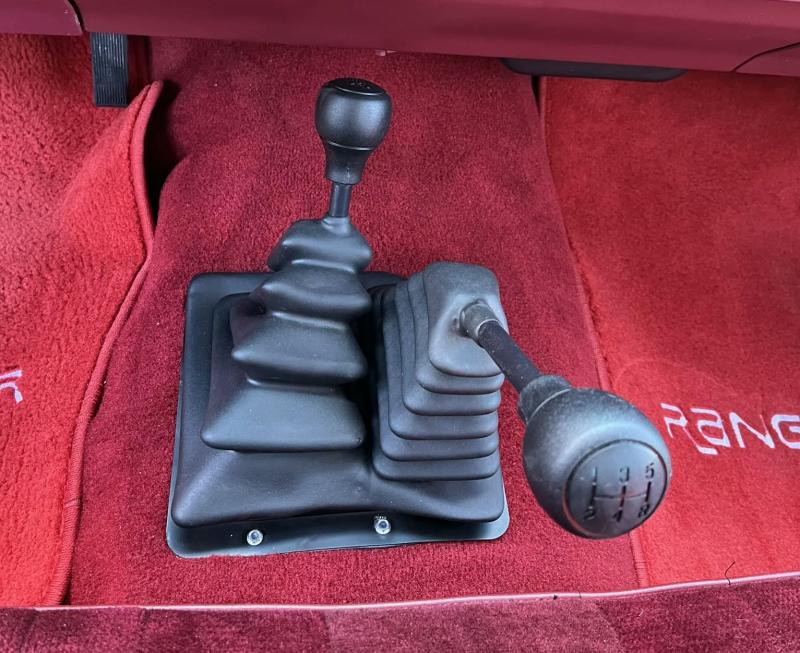
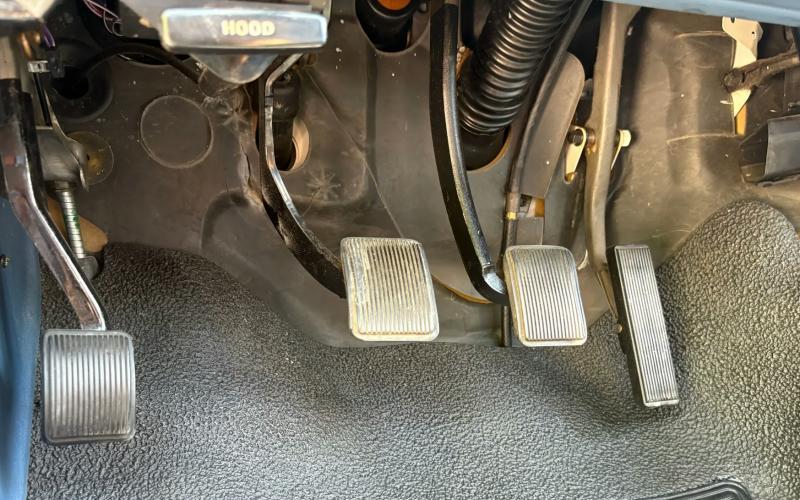
Manual transmissions are becoming increasingly rare in modern vehicles, but in the first-generation Ranger, they were standard. The 5-speed manual transmission gives the driver a completely different experience over an automatic. With a manual you’re in full control of the vehicle. It now shifts when you tell it to. The transmission isn’t hunting for a gear, and you’re not waiting for it to shift. You can feel the vibrations of the engine and transmission coming through the shifter giving you the sensation that you’re holding the reins of a mechanical beast. You listen to the engines pitch and feel the revs, so you know when to shift. It’s a dance of coordination and synchronized timing of releasing the gas, depressing the clutch, shifting the gears, and reapplying throttle. You can hold a gear longer for a burst of power, or downshift for engine braking going into a corner. You can downshift sharply and hit the gas for an immediate response unlike the brief hesitation you may find in newer automatics.
Above all else, you know that when you put it in gear it’s going to move. It’s not going to lose a gear or not shift at all because of an issue with the transmission’s computer, a solenoid, or sensor.
The Engine Considerations
From 1983-1992 there were (3) V6 engines in the line up (as well as a 4-cylinder gas, and 4-cylinder diesel engine). As time went on the engines became more complex.
- 2.8L V6 (Carbureted, 1983–1985) – Total mechanical transparency. Ideal for drivers who want the simplest, most hands-on experience. The ignition system is pretty basic and uses a TFI module mounted to the mechanical distributor.
- 2.9L V6 (Fuel-Injected, 1986–1992) – Fuel injection provides reliable turn-key starting and smoother performance. It still uses the TFI ignition and mechanical distributor setup.
- 4.0L V6 (Fuel-Injected, 1990-2000) – The fuel injection now uses a Mass Air Flow sensor (MAF), Crankshaft Position Sensor (CKP), Electronic Distributorless Ignition System (EDIS), and is becoming more complex.
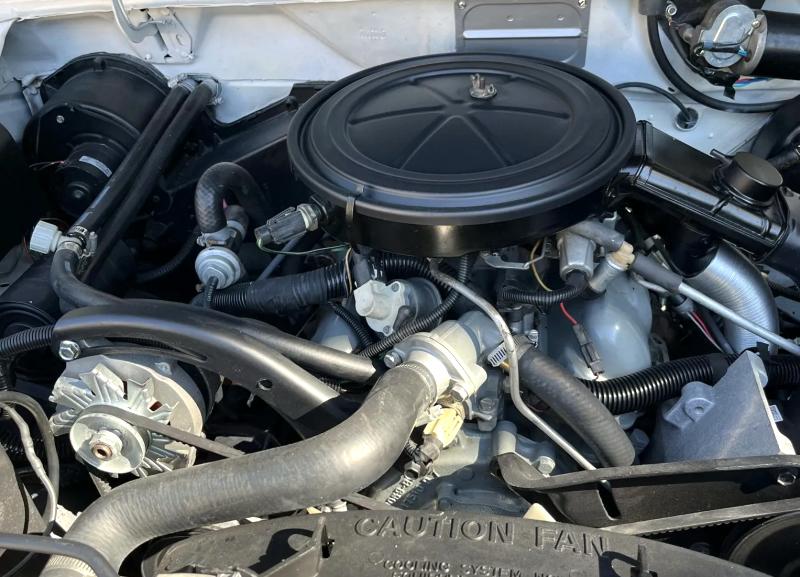
Ford 2.8L V6 Engine
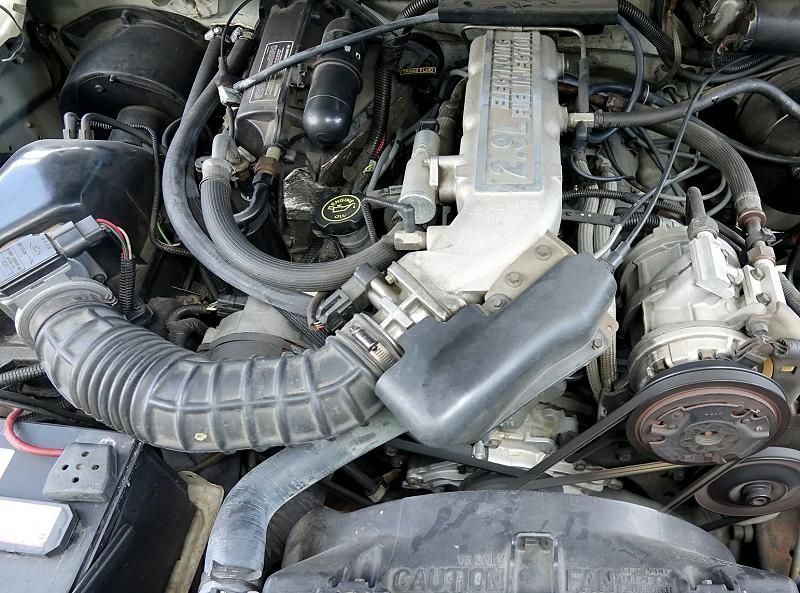
Ford 2.9L Engine
Purity Meets Practicality: Modern Tech Without Compromise
Analog enthusiasts aren’t anti-technology—they’re anti-dependency. Modern infotainment units provide an opportunity to enhance convenience without compromising the analog core of the truck. Many owners are installing single-DIN head units with Apple CarPlay or Android Auto. This gives them hands-free calling, modern navigation, and streaming audio while keeping every mechanical system untouched.
The key is modularity: if the head unit fails or becomes outdated, it can be replaced easily. The truck remains analog; the tech is just a tool you can update in five years. A 1989 Ranger with a discreet CarPlay radio, for example, retains the tactile, direct connection of the original truck while giving drivers the modern tools they need for safety and convenience.
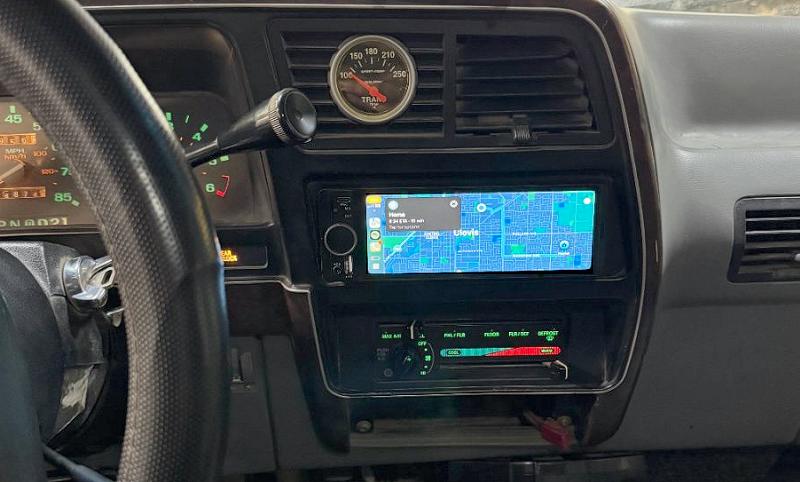
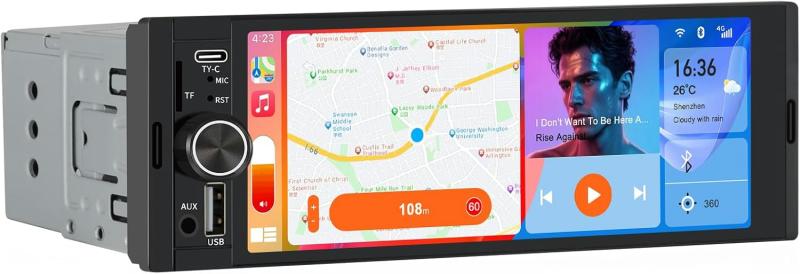
Single Din Car Stereo with Wireless CarPlay & Android Auto, Bluetooth Car Radio with Backup Camera – BUY HERE
The “Anti-Nanny” Experience
One of the most compelling aspects of older vehicles is the absence of driver-assist systems. Lane-keep assist, automatic braking, traction control algorithms—they’re all gone. You make the decisions. You feel the consequences. First-generation Rangers reward driver engagement rather than punishing it. That is the core of the analog experience: participation over passive automation.
Analog Longevity and Repairability
These trucks endure because they are understandable, repairable, and rewarding to drive. Minor adjustments—vacuum leaks, carburetor tuning, worn linkages—are no problem, and replacement parts are accessible. Modern vehicles, with countless sensors and integrated modules, often fail in ways that are expensive or impossible to fix. The lifespan of a first-generation Ranger is tied to its mechanical integrity, not software updates.
Passing the Analog Torch
Analog driving isn’t just for those who remember the 1980s. Younger enthusiasts can engage in a hands-on learning experience, discovering how mechanical systems interact and responding to feedback directly. First-generation Rangers are an entry point into a world where driving is participation, not observation. Even selective modern upgrades—discreet infotainment, modular navigation, or smartphone integration—don’t compromise the essence of analog driving; they enhance it.
Why I Didn’t Pick The 1993-2011 Ford Rangers
The 1993-2011 Ford Ranger can still give you some of these same experiences, but as time went on, they started using vacuum controlled actuators for the climate controls and eventually moved away from a manual transfer case to an electronic shift transfer case and no longer offered manual locking hubs. They still offered a manual transmission and there was still a cable connecting the gas pedal to the engine throttle. No drive by wire. They are definitely more of an analog experience than you’ll get with a 2019 and newer Ford Ranger.
Final Thoughts
Analog is more than a trend—it’s a philosophy. Early Ford Rangers, whether carbureted or early fuel-injected, aren’t just old trucks; they’re an opportunity to experience mechanical honesty, predictability, and driver empowerment. In a world dominated by sensors and software, these vehicles remind us of what it truly means to drive: to feel, to control, and to enjoy a connection between man and machine.
About The Author
Jim Oaks is the founder of TheRangerStation.com, the longest-running Ford Ranger resource online since 1999. With over 25 years of hands-on experience building and modifying Ford Rangers — including magazine-featured builds like Project Transformer — Jim has become one of the most trusted authorities in the Ford Ranger off-road and enthusiast space.
Since launching TheRangerStation.com, Jim has documented thousands of real-world Ranger builds, technical repairs, drivetrain swaps, suspension modifications, and off-road adventures contributed by owners worldwide. TheRangerStation.com has been referenced in print, video and online by enthusiasts, mechanics, and off-road builders looking for practical, and experience-based information.