
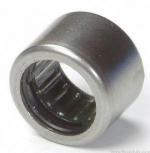
The Ford 2.8, 2.9 and 4.0 engines have the pilot bearing in the flywheel.
P/N F33126
Bore=0.5933″
Outer Diameter=0.8268″
Width=0.591″
The 2.3 and 3.0 engines have the pilot bearing in the crank.
P/N FC65354
Bore=0.5901″
Outer Diameter=0.827″
Width=0.591″
When replacing either, you need to remove the transmission from the vehicle.
Removal From 2.3 And 3.0 Engines:
To remove the pilot bearing from the Ford 2.3 and 3.0 engines:
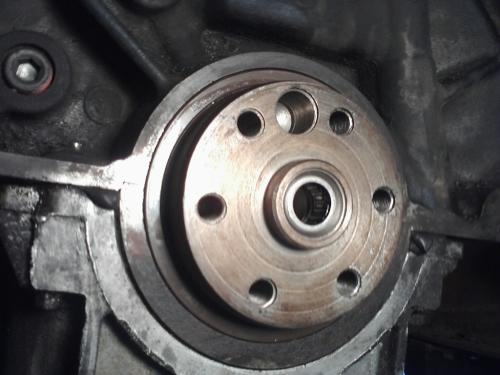
(Ford 2.3 and 3.0 engines have the pilot bearing in the crank)
Having the right tool is key. Autozone has a blind hole puller set that you can buy or rent, Harbor Freight has a similar tool found HERE.
Or, check out these Pilot Bearing Pullers.
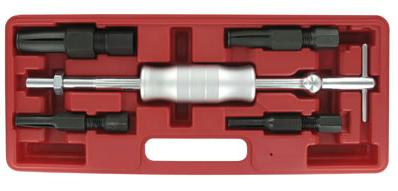
(blind hole puller – Use for 2.3l with the bearing in the crankshaft)
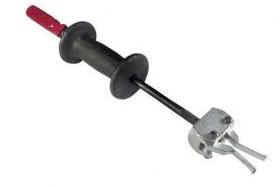
(Some parts stores may also carry a pilot bearing tool similar to this)
Removal From 2.8, 2.9 And 4.0 Engines:
To remove the pilot bearing from the Ford 2.8, 2.9 and 4.0 engines:
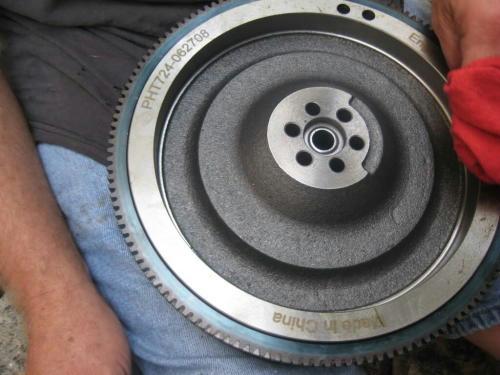
(Ford 2.8, 2.9 and 4.0 engines have the pilot bearing in the flywheel)
Harbor Freight has a pilot bearing removal tool better suited to removing pilot bearings from the flywheel.
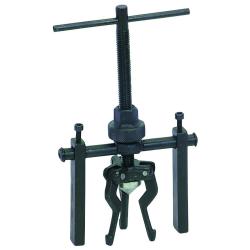
Also check out these Pilot Bearing Removal Tools.
Another option:
Put the flywheel on two wood blocks and tap the bearing out with a socket and a light hammer (no bigger than a standard claw hammer) from the backside of the flywheel. Use the largest size socket that is smaller than the bearing ‘s outer diameter.
About The Author
Jim Oaks is the founder of TheRangerStation.com, the longest-running Ford Ranger resource online since 1999. With over 25 years of hands-on experience building and modifying Ford Rangers — including magazine-featured builds like Project Transformer — Jim has become one of the most trusted authorities in the Ford Ranger off-road and enthusiast space.
Since launching TheRangerStation.com, Jim has documented thousands of real-world Ranger builds, technical repairs, drivetrain swaps, suspension modifications, and off-road adventures contributed by owners worldwide. TheRangerStation.com has been referenced in print, video and online by enthusiasts, mechanics, and off-road builders looking for practical, and experience-based information.