
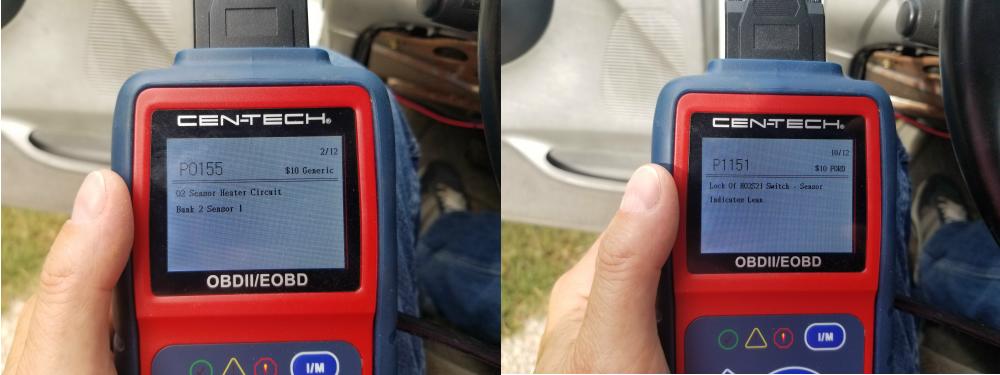
Getting my 1996 Ford Ranger ready to pass a state emission inspection, I had to diagnose Ford trouble codes P0155 and P1151.
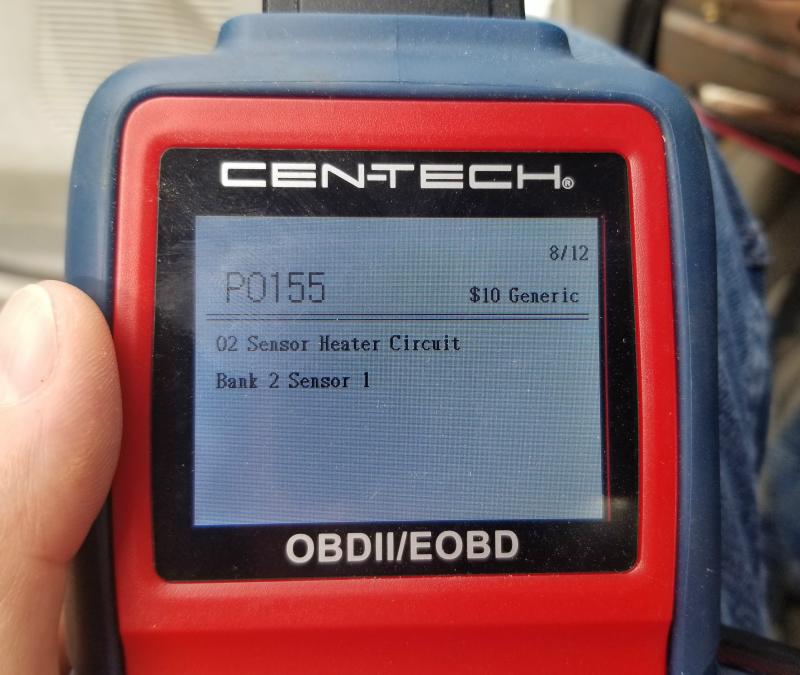
P0155 O2 Sensor Heater Circuit Bank 2 Sensor 1
What are the common causes of code P0155?
- Problem on the ground side of the O2 sensor heater circuit
- Problem on the power side of the O2 sensor heater circuit
- O2 sensor heater element has high resistance
- O2 sensor heater element has an open circuit
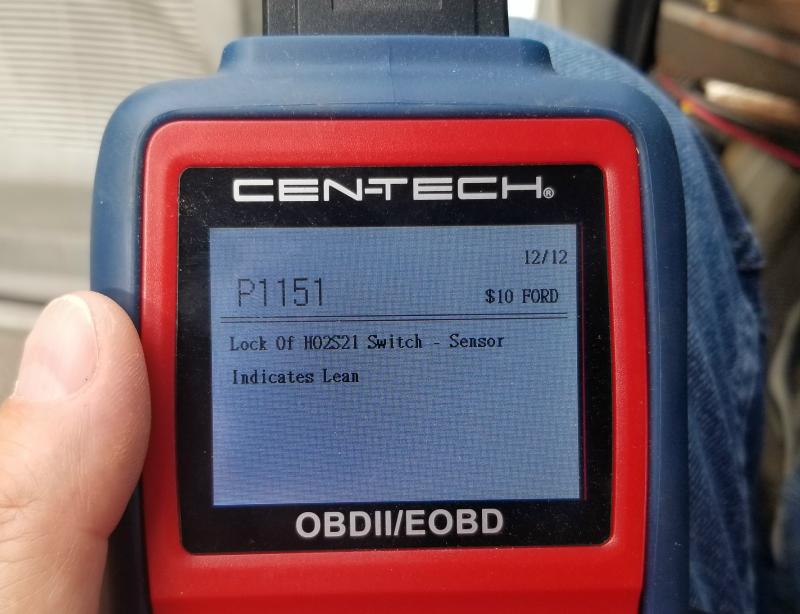
P1151 Lock of HO2S21 Switch – Sensor Indicates Lean
P1151 FORD Possible Causes
- Faulty Upstream Oxygen Sensor Bank 2 (P0155 above?)
- Fuel pressure high or low
- MAF sensor dirty/defective
- Vacuum leak on engine
- Leaking fuel injector or fuel pressure regulator
- Faulty Powertrain Control Module (PCM)
O2 Sensor Bank Locations:
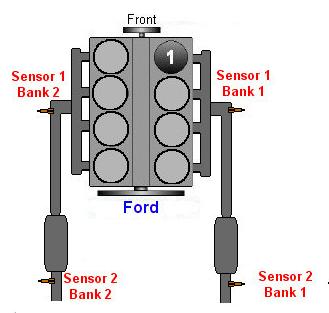
The trouble code indicated that the bad O2 sensor was in Bank 2 Sensor 1 which placed it on the drivers side.
Making The Repair:
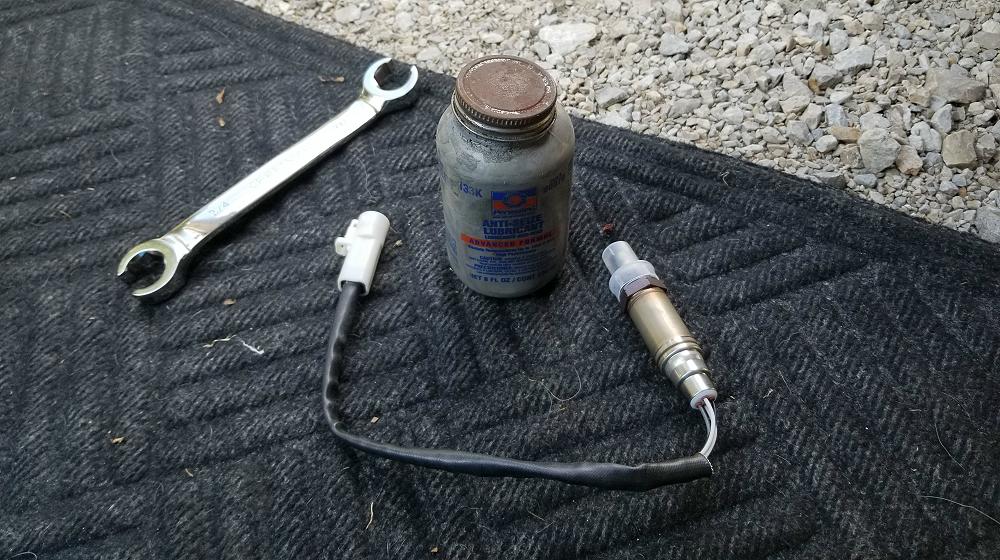
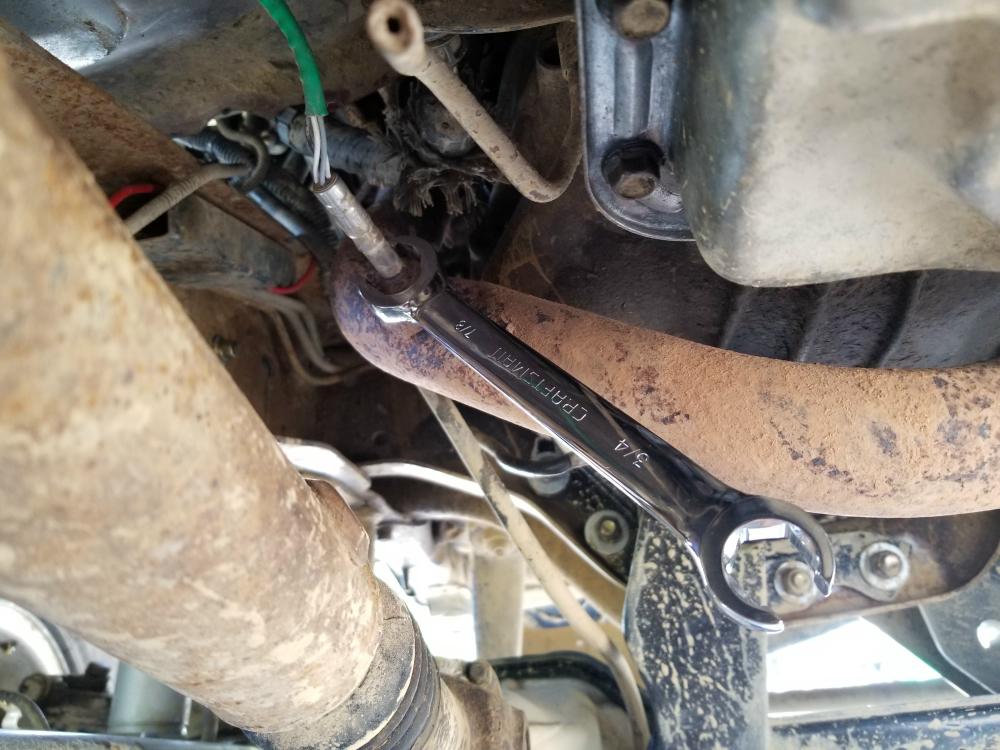
Replacing an O2 sensor is a cheap and simple process. The O2 sensor takes a 22mm or 7/8-inch wrench. I actually had a 7/8-inch line wrench that worked perfectly. Some people use a regular wrench and just slide it over the plug, or cut the plug off since the new O2 sensor comes with a plug.
Your new O2 sensor should have some anti-seize on the threads. If not, make sure you add some.
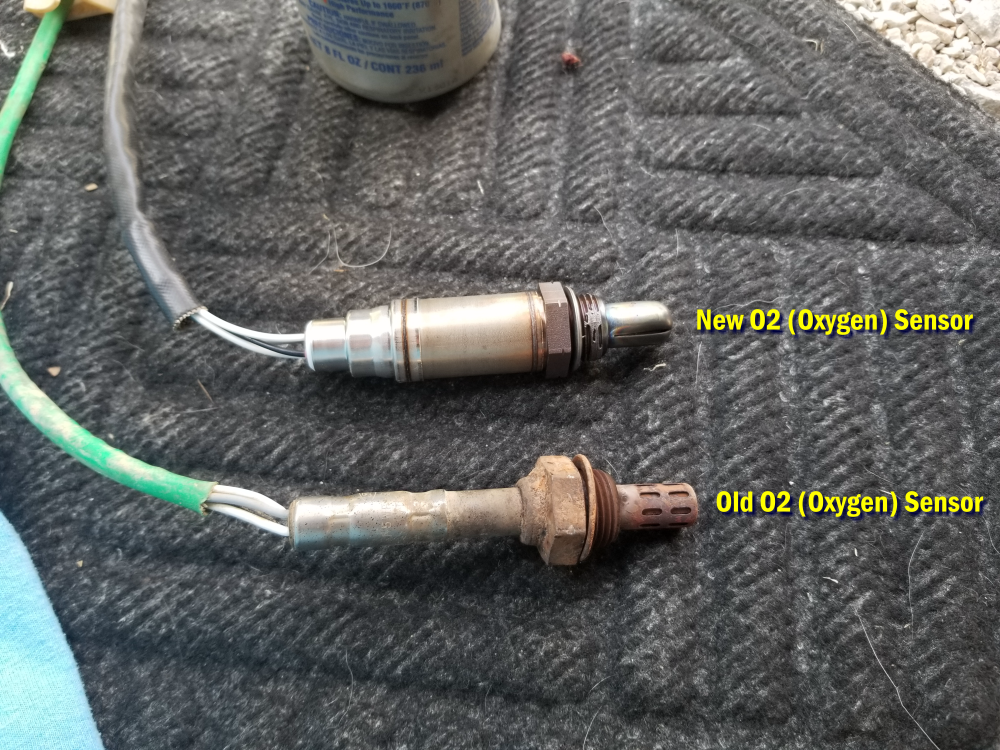
Although the exhaust and O2 sensor was rusty looking, I was surprised at how easy it came out.
Here’s the new O2 sensor in after adding a dab of anti-seize to the threads.
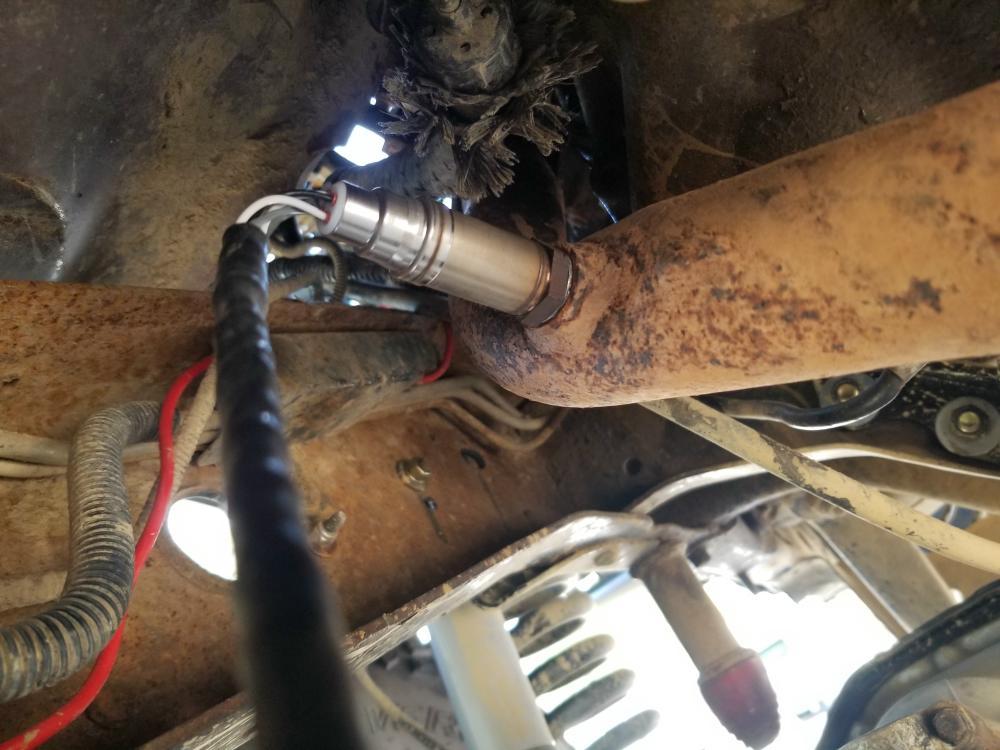
It’s Fixed!
After replacing the O2 sensor and clearing the codes, I took the Ranger for a test drive and the code didn’t come back.
About The Author
Jim Oaks is the founder of TheRangerStation.com, the longest-running Ford Ranger resource online since 1999. With over 25 years of hands-on experience building and modifying Ford Rangers — including magazine-featured builds like Project Transformer — Jim has become one of the most trusted authorities in the Ford Ranger off-road and enthusiast space.
Since launching TheRangerStation.com, Jim has documented thousands of real-world Ranger builds, technical repairs, drivetrain swaps, suspension modifications, and off-road adventures contributed by owners worldwide. TheRangerStation.com has been referenced in print, video and online by enthusiasts, mechanics, and off-road builders looking for practical, and experience-based information.