
What You’ll Need:
1. Strong Fishhook and some sturdy pliers: To pry out first ring. (Illustration 1)
2. 4-prong hub socket: To get conversion kit in.
3. 1/2″ drive ratchet.
4. 1/8″ flat head screwdriver and needle nose pliers: To pull lock rings out. (Illustration 4)
5. Internal snap ring pliers: To get snap ring on that comes with new hubs.
6. Skinny fingers to get spacers out. (Illustration 3)
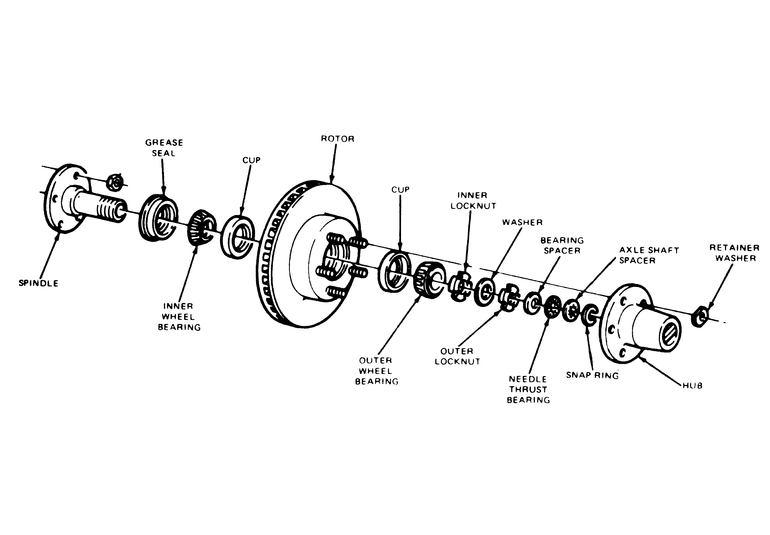
For Information on diagnosing hub parts, click HERE
Procedure:
1. Support truck securely on jack stands
2. Remove front tires and set aside.
3. Remove the cap screws and remove hub cap. (See Illustration 1)
4. Remove everything up to the outer wheel bearing, exposing the side of the bearing. (See Illustrations 2 through 4)
5. Now, you can throw away all of that except the spacers and snap ring.
6. Place the spindle nut conversion kit in and tighten/adjust as needed.
Note: Automatic hubs held on by 3 cap screws will need the conversion kit (F-150’s). Rangers need them regardless, unless you already have manual hubs.
Note: The conversion kit differs in appearance and hardware depending on which brand you get, so I left conversion kit installation kind of open.
7. Now place the hub assembly/body on the splines and place the spacers as needed and install the snap ring.
8. Put the hub cap onto the hub body and insert screws and tighten to torque listed in instructions that came with the new hubs. Note: the cap screw torque is in In-lbs, not ft-lbs.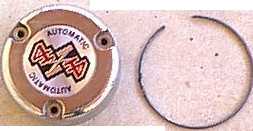
Illustration 1
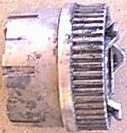
Illustration 2
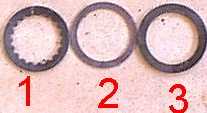
Illustration 3
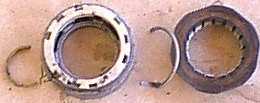
Illustration 4
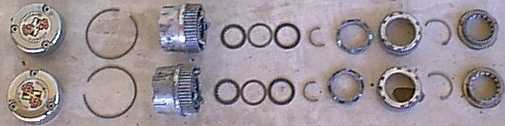
This is what you won’t need from the original automatic hubs
About The Author
Jim Oaks is the founder of TheRangerStation.com, the longest-running Ford Ranger resource online since 1999. With over 25 years of hands-on experience building and modifying Ford Rangers — including magazine-featured builds like Project Transformer — Jim has become one of the most trusted authorities in the Ford Ranger off-road and enthusiast space.
Since launching TheRangerStation.com, Jim has documented thousands of real-world Ranger builds, technical repairs, drivetrain swaps, suspension modifications, and off-road adventures contributed by owners worldwide. TheRangerStation.com has been referenced in print, video and online by enthusiasts, mechanics, and off-road builders looking for practical, and experience-based information.