Swap Radiators


85_Ranger4x4

Wallers in rivers

TRS Forum Moderator
TRS Event Staff
💻 TRS Socials
Article Contributor
TRS Event Participant
TRS 20th Anniversary
VAGABOND
OTOTM Winner
V8 Engine Swap
TRS Banner 2010-2011
Joined
Aug 7, 2007
Messages
36,182
Points
2,001
City
Frankfort
State - Country
IA- USA
Vehicle Year
1985
Engine
5.0
Transmission
Manual
This is a pretty big issue with an engine swap, what are ya running?

What do you have for an engine?

What temp thermostat?

Hose setup?

Belt System?

Fan Setup?

Impressions/issues/thoughts?

Pics are worth a thousand words and part numbers are worth 10x more...
 
Last edited:
This is a pretty big issue with an engine swap, what are ya running?

What do you have for an engine?

Hose setup?

Fan Setup?

Impressions/issues/thoughts?

Pics are worth a thousand words and part numbers are worth 10x more...
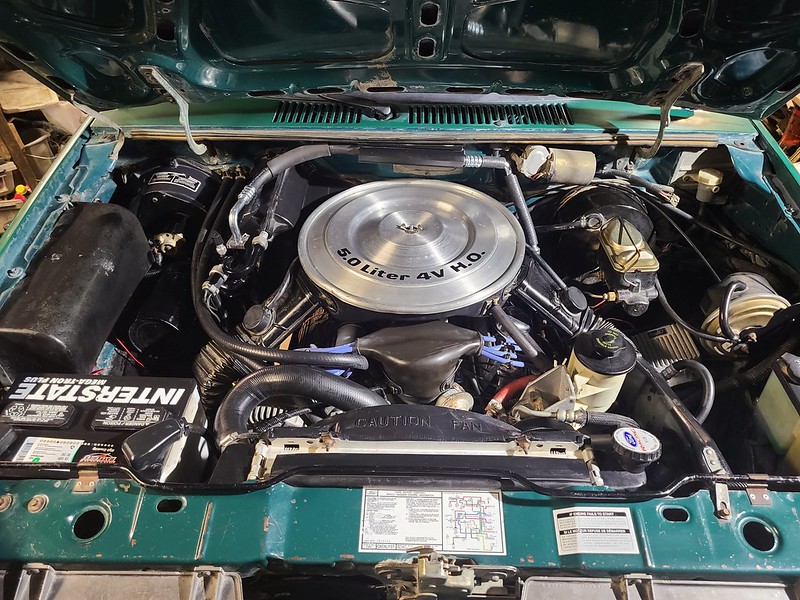
What are ya running:

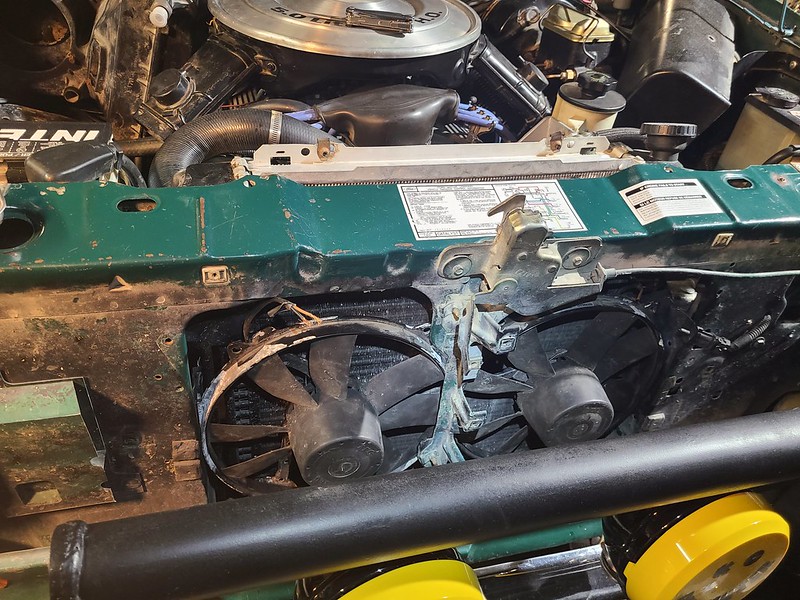
HD two row radiator for a 91-94 Explorer with A/C and automatic transmission

What do you have for an engine:
1987 CV 302, Mustang HO cam, shorty headers, 4bbl Edelbrock 1403 (500CFM) Shortblock is smilar to a '86 Mustang GT but without forged pistons.

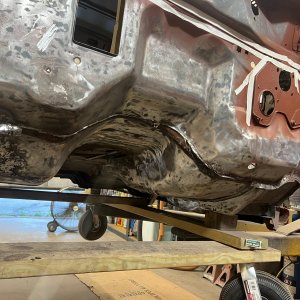
Swap Radiators

What thermostat?
OE spec 195* thermostat

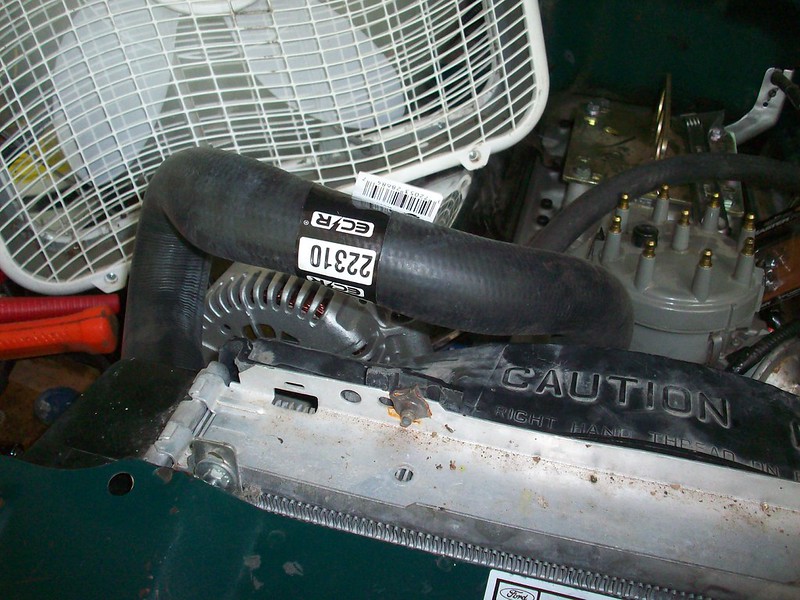
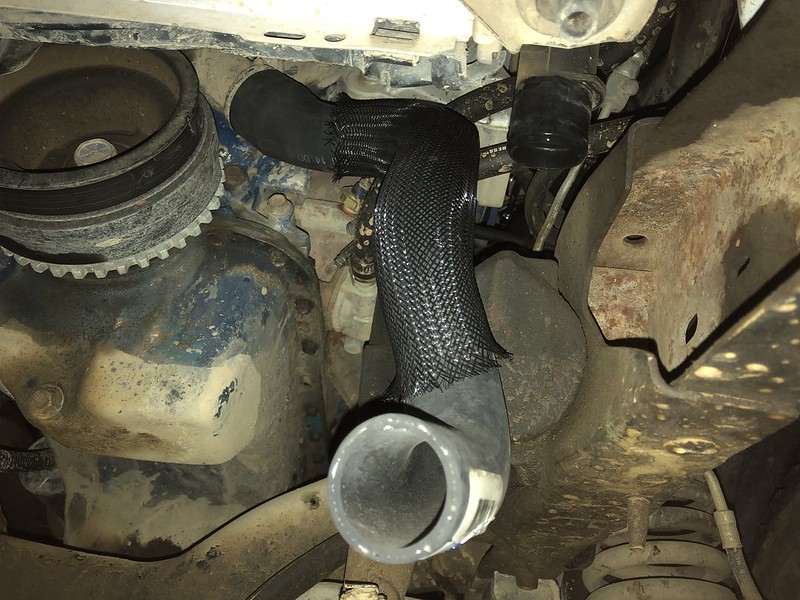
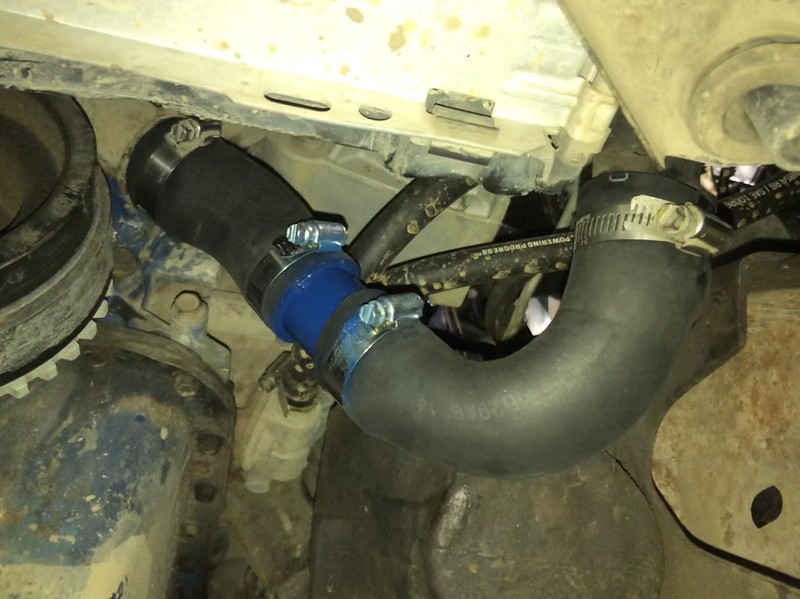
Hose Setup:
Cut and trimmed 4.0 Explorer upper hose.

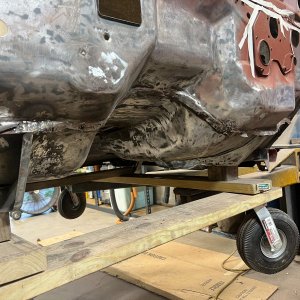
Swap Radiators

I believe the lower hose is from a 5.0 Explorer, cut with a splice.

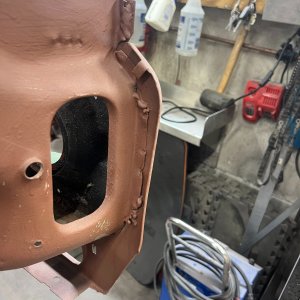
Swap Radiators

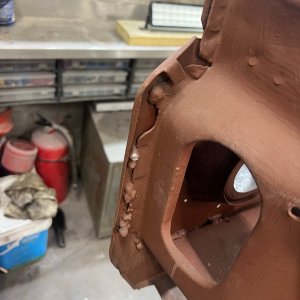
Swap Radiators

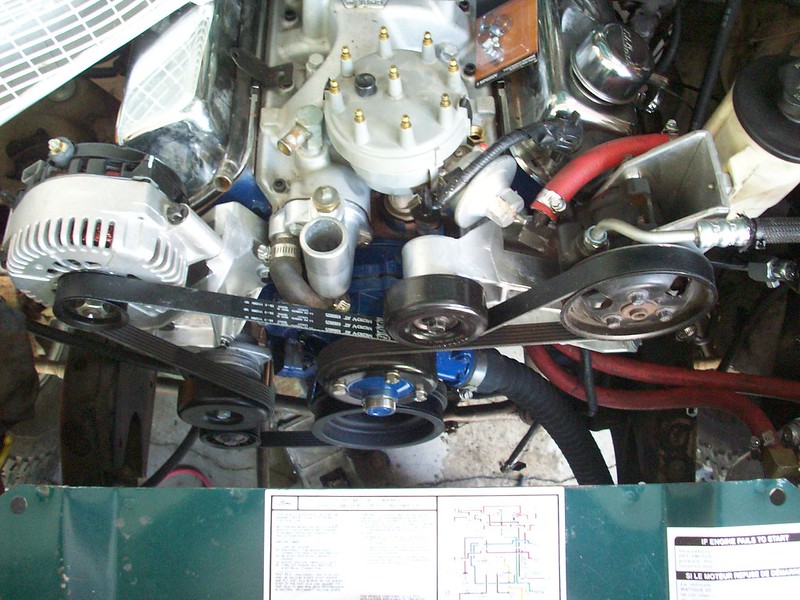
Belt system?

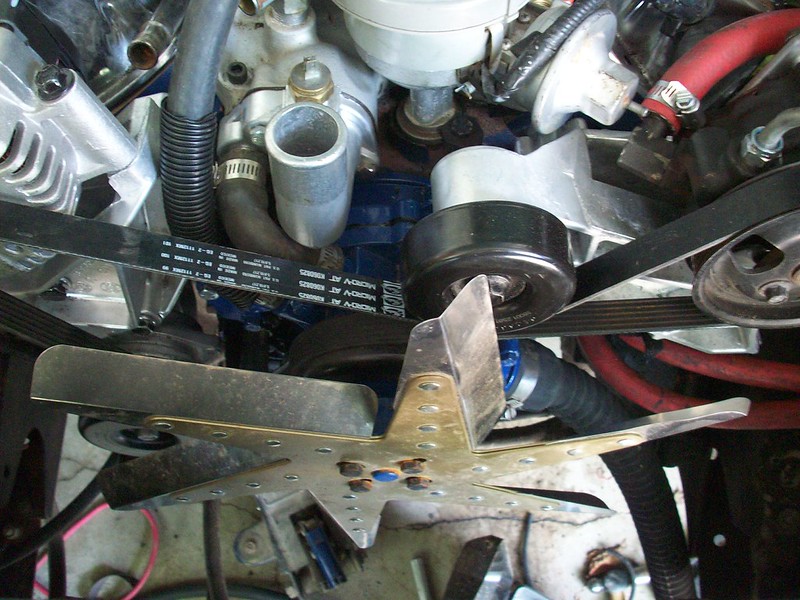
95-01 Explorer

Swap Radiators

Fan setup?

Low profile flex fan

Swap Radiators

And two A/C condenser fans for a Mercedes C230 Kompressor for pushers

Swap Radiators
 
Ok. i was going to start off with a smart-a** answer since you and I began discussing this last night. Instead, I decided I could stand to learn something. Based on what the Navy taught me about heat transfer and fluid flows, I would say the article linked below is spot on. It doesn’t tell you straight up “Use this radiator for that engine.” But all the clues are there for someone to make an educated purchase.

Note some of the things mentioned that we don’t often consider. The shroud is just as important as the radiator design and fan blade placement within the shroud - how far into the opening is the blade? Considering materials, I would aim for all metal construction. Plastic tanks won’t transfer heat as well as metal ones. Then all that stuff about how many rows, how many passes, fin density, etc.

For my V8 swap, I am hoping to use the OEM radiator from my Explorer donor vehicle. If Ford thought it was the right size, I’m willing to try it. I have a feeling that radiator placement, shroud and fan blade placement in the shroud opening will be the tricky pieces to optimize.

 
Ok. i was going to start off with a smart-a** answer since you and I began discussing this last night. Instead, I decided I could stand to learn something. Based on what the Navy taught me about heat transfer and fluid flows, I would say the article linked below is spot on. It doesn’t tell you straight up “Use this radiator for that engine.” But all the clues are there for someone to make an educated purchase.

Note some of the things mentioned that we don’t often consider. The shroud is just as important as the radiator design and fan blade placement within the shroud - how far into the opening is the blade? Considering materials, I would aim for all metal construction. Plastic tanks won’t transfer heat as well as metal ones. Then all that stuff about how many rows, how many passes, fin density, etc.

For my V8 swap, I am hoping to use the OEM radiator from my Explorer donor vehicle. If Ford thought it was the right size, I’m willing to try it. I have a feeling that radiator placement, shroud and fan blade placement in the shroud opening will be the tricky pieces to optimize.

For what it’s worth, I had the stock V8 Explorer radiator in mine and never had any cooling issues whatsoever.
 
For my project, I will be also be utilizing an external transmission cooler in addition to the one in the radiator. I would like to use the oil cooler that came in my donor engine. But clearance to the power steering gear may prohibit that. Cooling engine oil should also help control engine temperatures. I firmly believe in cooling lubricating fluids and hydraulic fluids. I have already added a power steering fluid cooler on my truck.
 
Ok. i was going to start off with a smart-a** answer since you and I began discussing this last night. Instead, I decided I could stand to learn something. Based on what the Navy taught me about heat transfer and fluid flows, I would say the article linked below is spot on. It doesn’t tell you straight up “Use this radiator for that engine.” But all the clues are there for someone to make an educated purchase.

Note some of the things mentioned that we don’t often consider. The shroud is just as important as the radiator design and fan blade placement within the shroud - how far into the opening is the blade? Considering materials, I would aim for all metal construction. Plastic tanks won’t transfer heat as well as metal ones. Then all that stuff about how many rows, how many passes, fin density, etc.

For my V8 swap, I am hoping to use the OEM radiator from my Explorer donor vehicle. If Ford thought it was the right size, I’m willing to try it. I have a feeling that radiator placement, shroud and fan blade placement in the shroud opening will be the tricky pieces to optimize.


Where the rubber meets the road here... is fitment vs performance.

OE is great where it fits... but it often doesn't. This is just to kinda share what everybody has tried and what works. The 5.0 Explorer radiator is a bit too tall for earlier trucks.
 

Sponsored Ad

TRS Events & Gatherings

Featured Rangers

Want to see your truck here? Share your photos and details in the forum.

TRS Latest Video

Official TRS Merchandise

Follow TRS On Instagram

TRS Ranger Sponsors


Product Suggestions

Back
Top