
By: Ramcharger90
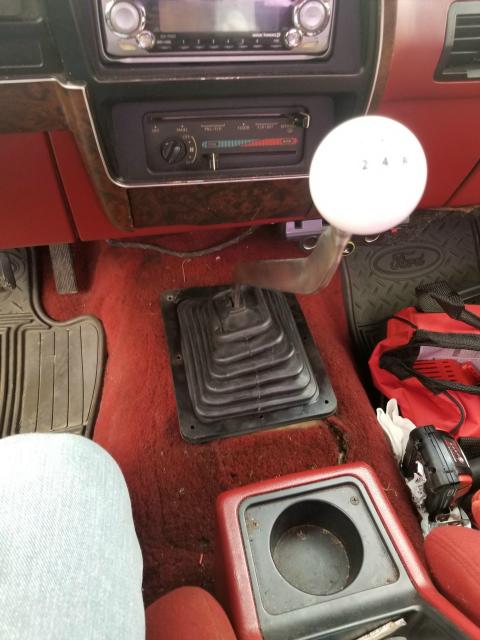
I’ve been seeing guys with a Hurst style shifter for their trucks. If anyone was interested in seeing how I built my shifter lever, I will do a brief write up.
So, I put this together using the following supplies:
1. Piece of flat-stock steel from Tractor Supply.
2. One M12x1.75 bolt. About an inch-and -a-half long.
3. The shifter stub from a M5ODR2 transmission.
4. Two 1-inch 5/16 18 bolts.
5. Two 5/16 lock washers.
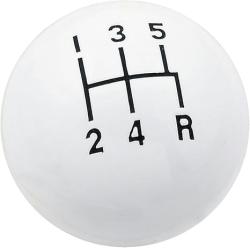
6. White shifter knob from Americanmuscle.com for a Fox body mustang.
The tools used were:
1. Oxy acetylene torch
2. Wood block
3. Table vice
4. Tig welder
5. Bench grinder
6. Punch and hammer
7. 5/16 18 drill bit and tap
8. Cookie wheel and polish
9. Clear coat
Take the shifter stub out of the transmission and grind the driver side of the stub down about a quarter of an inch. Then grind the passenger side of the stub just enough to make a nice even flat spot.
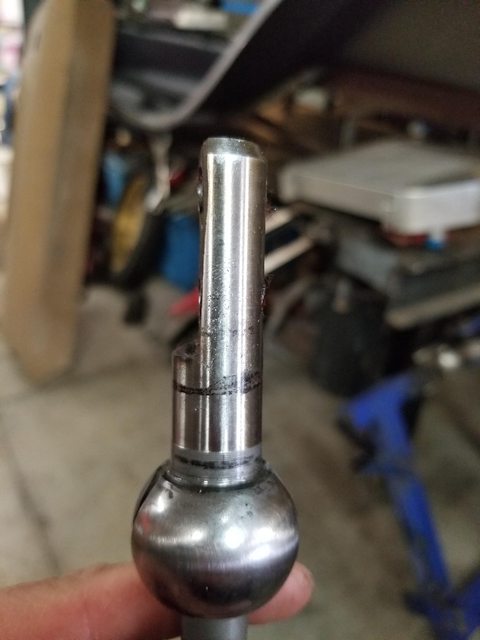
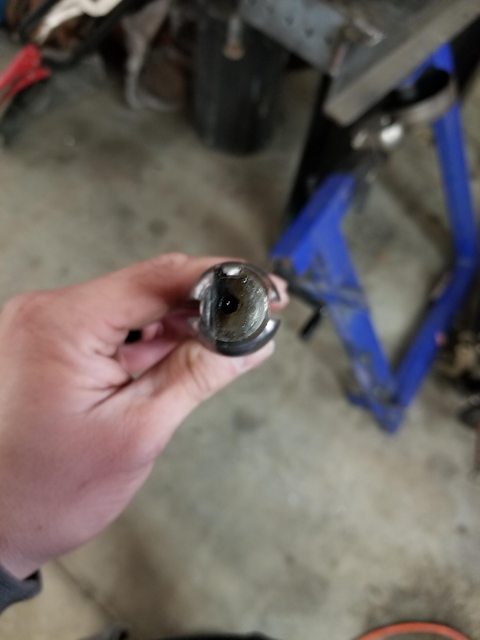
Then drill two holes in the center of the stub, use lots of lube and work slowly. The stub is harder to drill through the passenger side for some reason. You can tap the holes or use a bolt with a nut. The nut and bolt method works better.
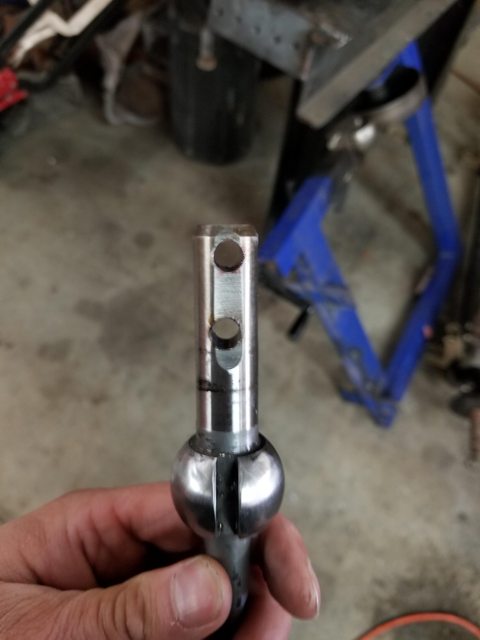
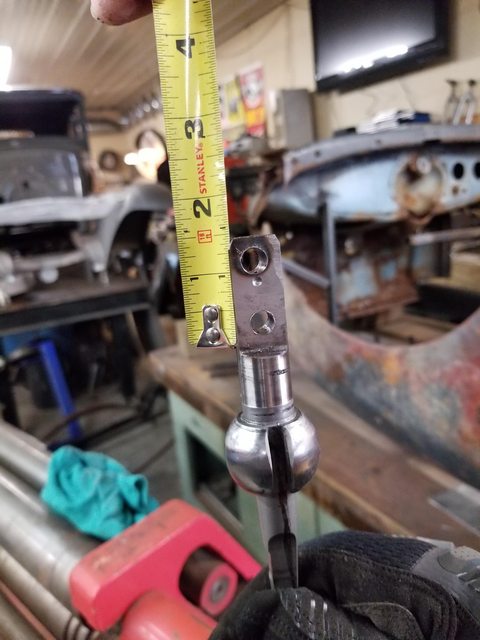
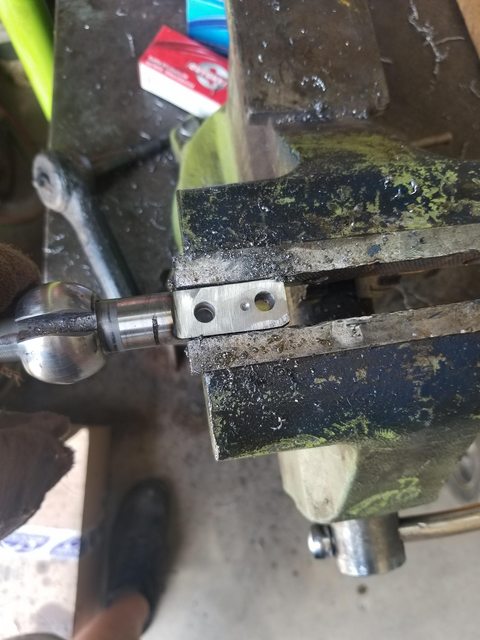
Then you need to decide what shape and how long you want the shifter lever to be.
Make a mark the same length as the grindings on the stub of the steel.
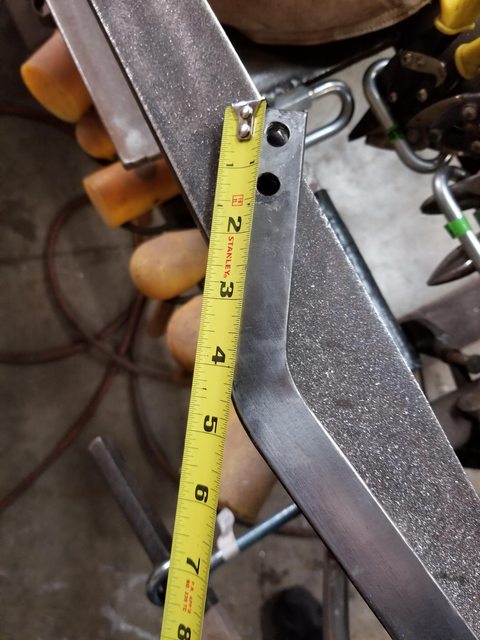
Then measure where you want your first bend to be, cut down your flat stock leaving extra material on each end of your steel, so your bends don’t make the shifter too short.
Using the vice and torch heat the metal till glowing red where you marked it for the first bend. Use the wood block and butt it against the marked area while red and SLOWLY pull the top of the steel back towards you until you reach the desired bend. Cool the steel down and check your work. Mark where you want your second bend and repeat, pulling the steel SLOWLY towards yourself. Cool down and check your work.
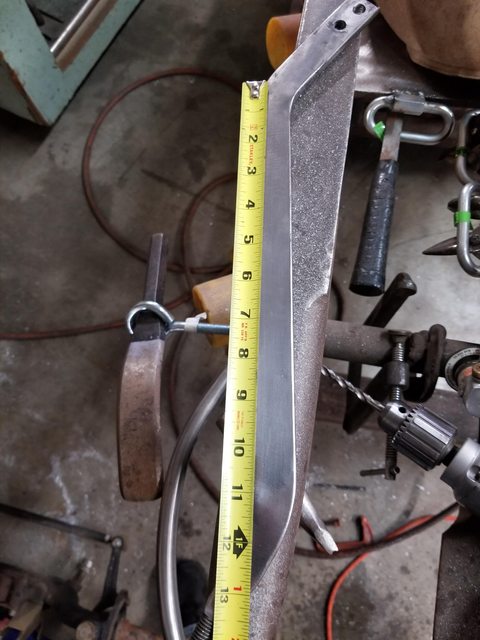
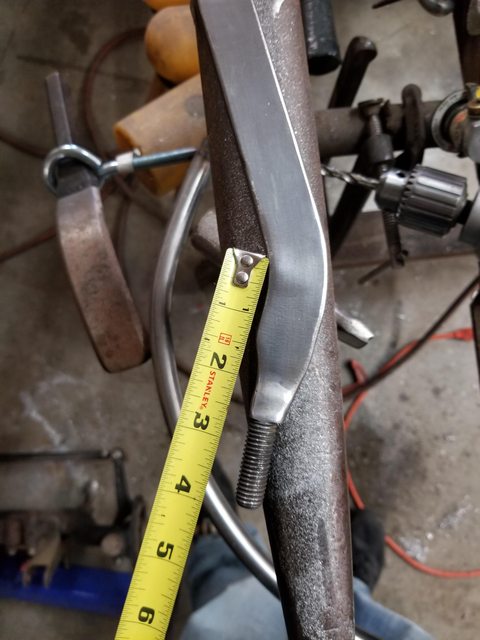
Cut the extra length off the bottom, drill the holes and test bolt together. Then cut the top down accounting for the bolts and balls length.
Weld the bolt to the steel then grind the steel and bolt head smooth.
If my ramblings made any sense, you should have something like this
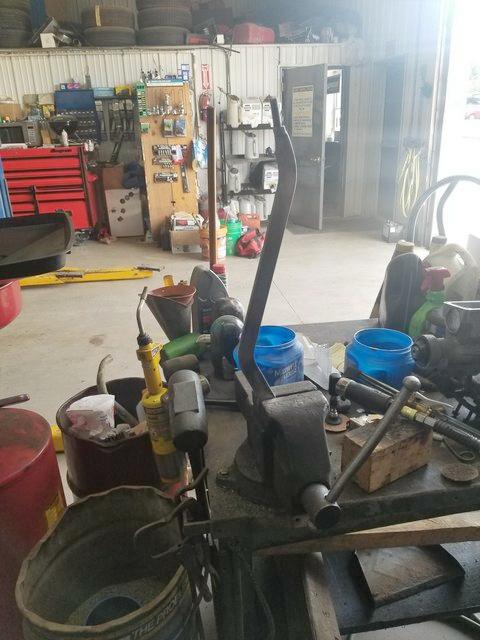
Using the cookie wheel and polish, clean it up and clear coat it.
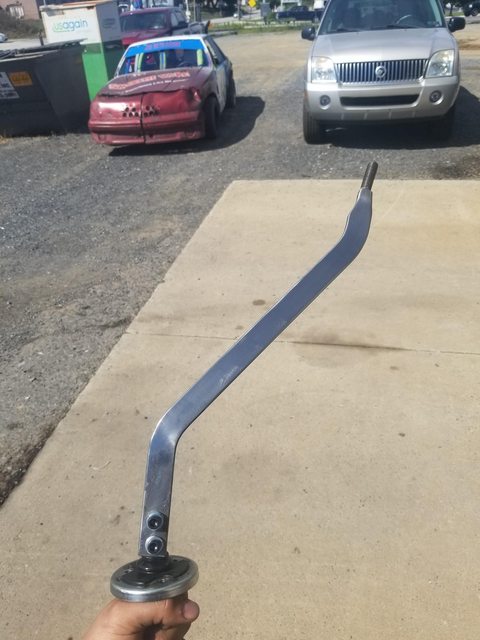
I have very little time into this and im not a great fabricator so its not as bad as it sounds.
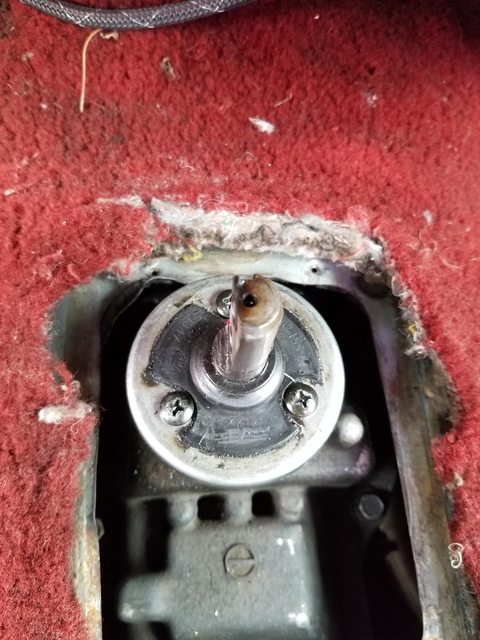
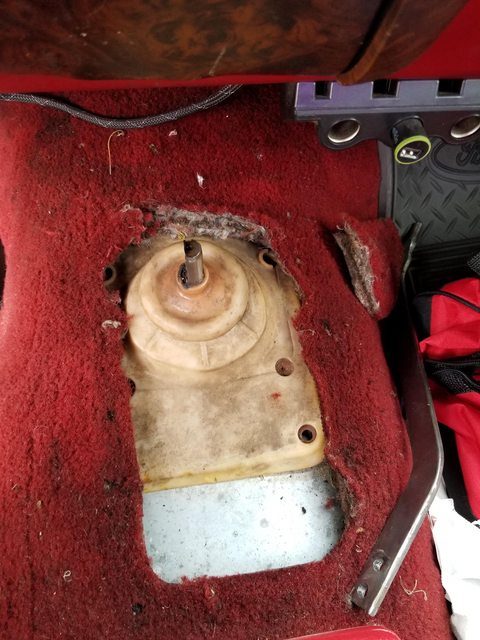
I used an F150 noise isolator.
Attach your new shifter lever to the modified stub.
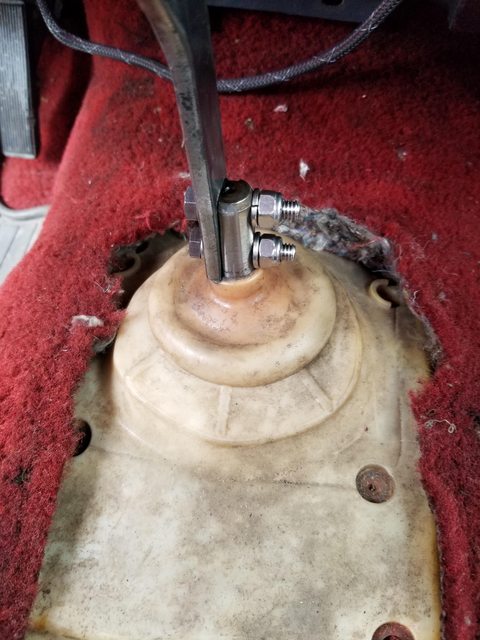
End result:
Link:
See the original submission ‘The Not A Hurst Shifter Thread‘.
Parts:
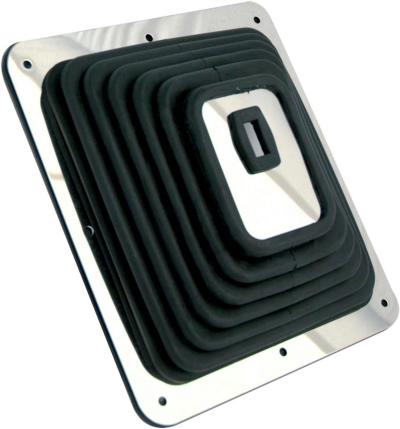
Spectre Performance 6284 Large Shift Boot
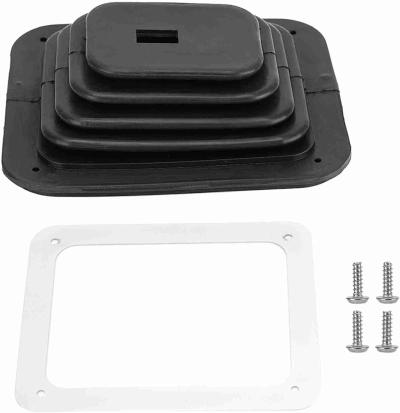
Hurst Shifter:
Don’t want to build your own shifter? You can buy a Hurst 391-5020 shifter for a 1988-2003 Ford Ranger.
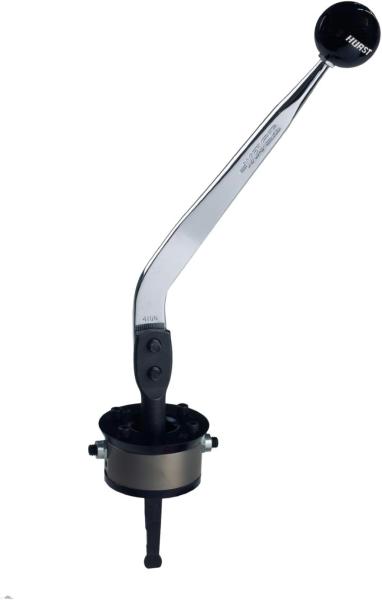
Hurst 3915020 Billet/Plus Manual Shifter
Related Articles:
Ford Ranger Manual Transmissions
About The Author

Jim Oaks is the founder of TheRangerStation.com, the longest-running Ford Ranger resource online since 1999. With over 25 years of hands-on experience building and modifying Ford Rangers — including magazine-featured builds like Project Transformer — Jim has become one of the most trusted authorities in the Ford Ranger off-road and enthusiast space.
Since launching TheRangerStation.com, Jim has documented thousands of real-world Ranger builds, technical repairs, drivetrain swaps, suspension modifications, and off-road adventures contributed by owners worldwide. TheRangerStation.com has been referenced in print, video and online by enthusiasts, mechanics, and off-road builders looking for practical, and experience-based information.