
Contents
Introduction
The Ford Ranger came with two main front suspension styles depending on the year:
- Twin I-Beam (TIB) and Twin Traction Beam (TTB): 1983–1997
- SLA (Short Arm Long Arm) / Torsion Bar: 1998–2011
This guide breaks down the differences by year and 2WD vs 4WD configurations.
1983-1997 Ford Ranger 2WD Front Suspension (TIB)
The Twin I-Beam (TIB) front suspension is independent for each side of the axle, using a coil spring, radius arm, and its own beam. Introduced in 1965 on light-duty F-Series pickups, it offers a softer ride and improved handling. Note: TTB only refers to 4WD models, not these 2WD trucks.
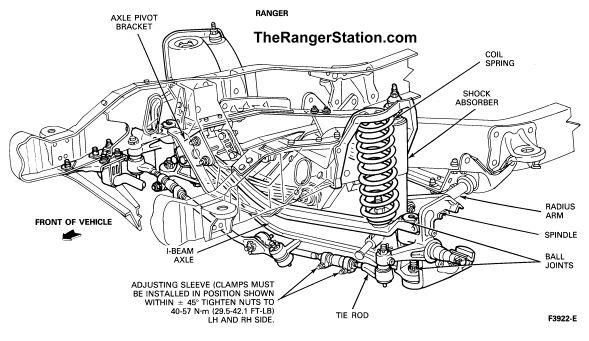
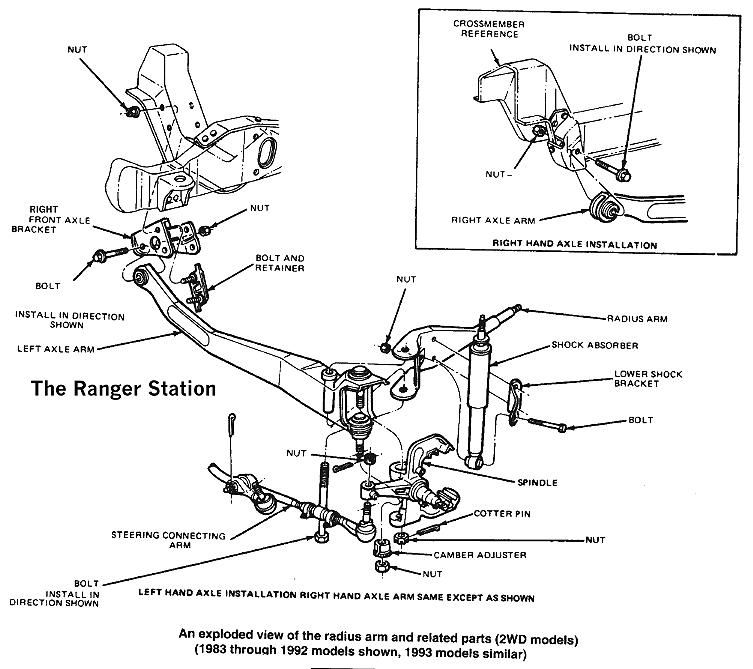
1983-1997 Ford Ranger 4WD Front Suspension (TTB)
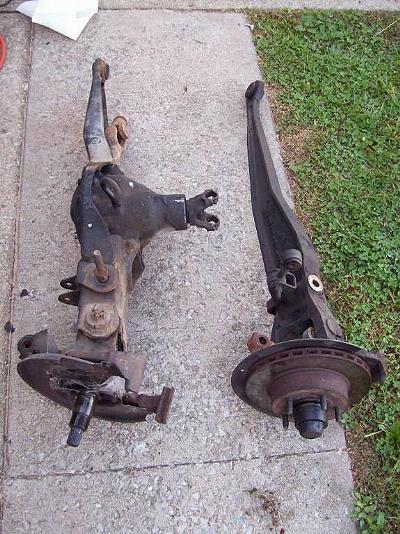
The Twin Traction Beam (TTB) is similar to the TIB, but with larger axle beams. The driver’s side beam houses the differential (Dana 28 or Dana 35, reverse rotation). More info on these axles is available at: Ford Ranger 4×4 Front Axles 1983-1997
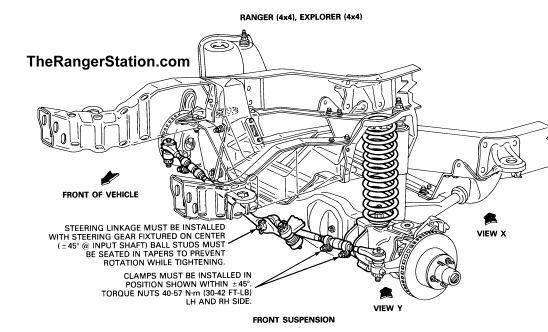
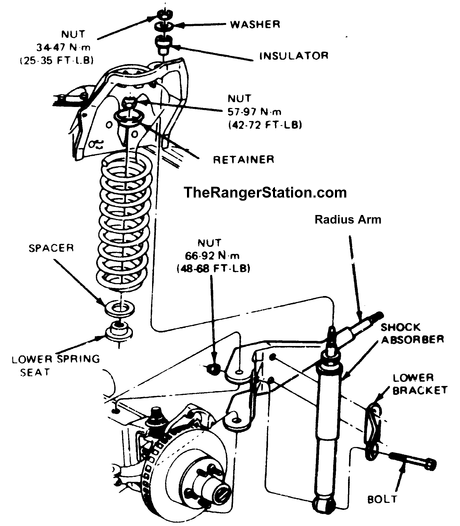
TIB and TTB Axle Beam Comparisons
Driver side comparison: TTB (with differential) on the left, TIB on the right.
1998-2010 Ford Ranger 2WD Front Suspension (SLA)
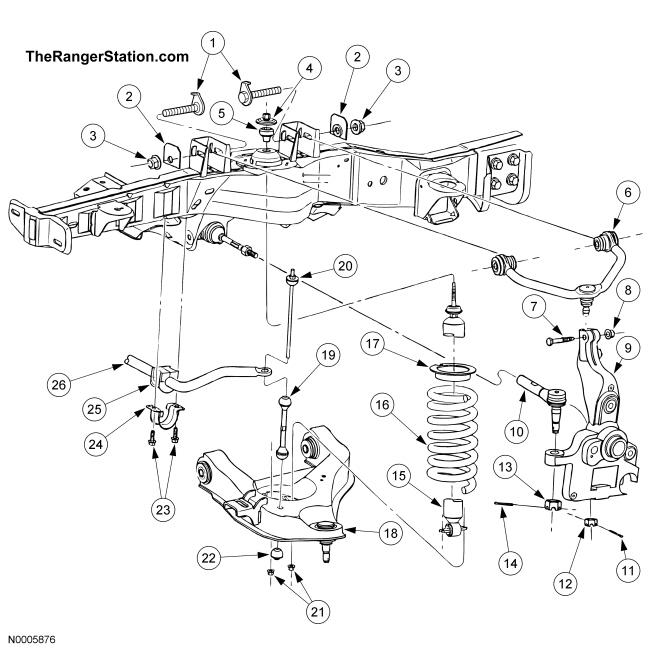
2WD Rangers used a Short Arm Long Arm (SLA) independent coil spring suspension, with upper and lower control arms and coil springs between them. These are not the same as the old TIB springs.
Ford Ranger 2WD Torsion Bar Front Suspension
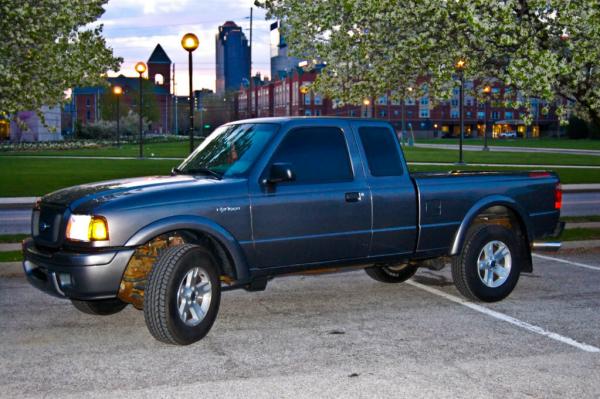
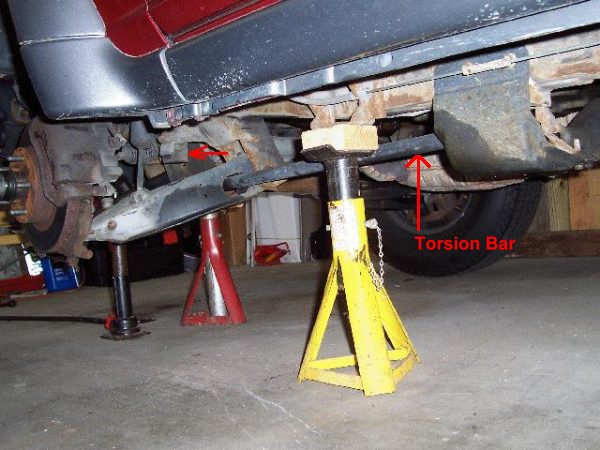
Some 1998+ 2WD Rangers used torsion bars instead of SLA coil springs, like the 2001-2005 Ranger Edge 2WD. Torsion bars run parallel to the frame and attach to the lower arm.
1998-2010 Ford Ranger 4WD Front Suspension
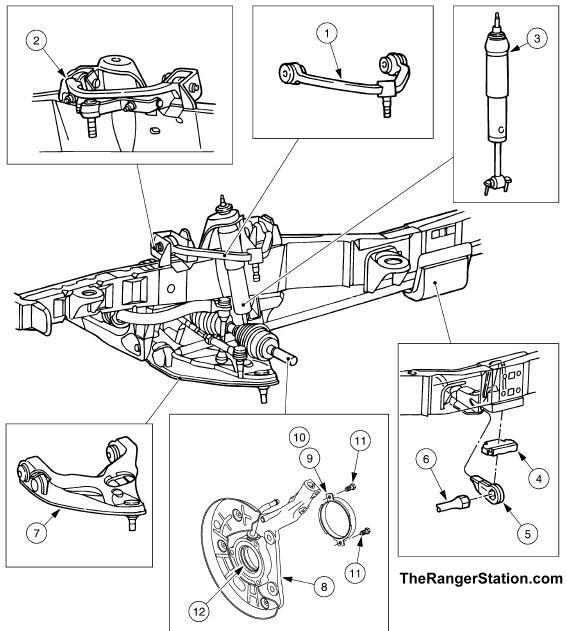
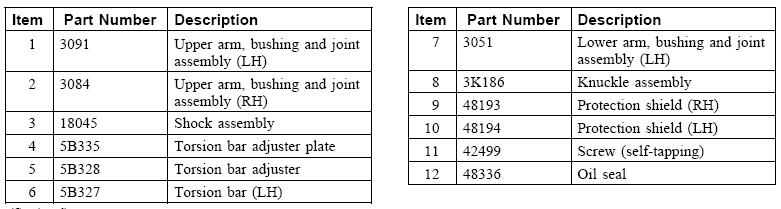
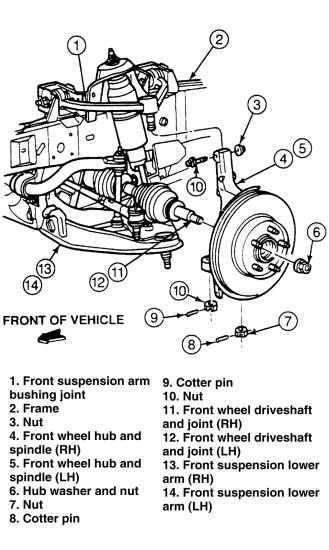
All 1998-2010 4WD Rangers used torsion bar front suspension with a standard rotation Dana 35 differential. Unlike earlier TTB Dana 35s, these are not reverse rotation.
2008-2011 vs 1998-2007 Ford Ranger 4×4 Changes
Ford adjusted torsion keys in 2008 to lower the front for better handling and MPG. Using older keys in newer trucks can raise the front 1.75-2 inches. Rear lift blocks also differ between 2008+ and older models.
How the Torsion Bar Works
The torsion bar twists when the lower A-arm moves. Anchored at the frame, it applies counterforce to return the A-arm. Ride height can be adjusted by the torsion key; aftermarket keys prevent over-rotation and premature bumpstop contact.
Thanks To Forum Members
- hoosier1104 (truck photo)
- Ranger44 (torsion bar photo)
- adsm08 (diagramatics)
- Sasquatch_Ryda (diagramatics)
Related Articles
- 1998-2011 Ford Ranger 4×4 Dana 35 SLA Front Axle
- Ford Ranger 4×4 Front Axles 1983-1997
- Ford Ranger Coil-Over Conversion Guide
- 1983-2011 Ford Ranger Off-Road Builders Guide
Last Updated:
About The Author
Jim Oaks is the founder of TheRangerStation.com, the longest-running Ford Ranger resource online since 1999. With over 25 years of hands-on experience building and modifying Ford Rangers — including magazine-featured builds like Project Transformer — Jim has become one of the most trusted authorities in the Ford Ranger off-road and enthusiast space.
Since launching TheRangerStation.com, Jim has documented thousands of real-world Ranger builds, technical repairs, drivetrain swaps, suspension modifications, and off-road adventures contributed by owners worldwide. TheRangerStation.com has been referenced in print, video and online by enthusiasts, mechanics, and off-road builders looking for practical, and experience-based information.