
By ZMan, Photos Courtesy of BigChaz
Flipping the rear spring hangers is a common how-to question in the forums. Primarily, it is done to lower the rear of the truck and is good for ~2″. I have also heard it makes for more suspension travel and is popular with the prerunner crowd.
Step 1 (optional): Remove the bed of the truck. This will make things a whole lot easier, but it is an optional step. Soak all the bed bolts in penetrating lubricant a couple times a day for about a week to make removing them a little easier. Take out the taillights and loosen the light wiring.
Step 2: Cut the four rivets holding the hangers to the frame. This can be done with an angle grinder, air chisel (or air hammer), or a torch (be very careful if using a torch!). I found that an air chisel is the easiest way to do this. Make sure to have the frame supported with jack stands when you knock the hangers loose from the frame.
Step 3: Rotate the shackle/hanger assembly so it is upside down and bolt it back into place using 3/8×1 inch long Grade 8 bolts and nuts w/locking washers. Its also a good idea to get some paint on the frame before bolting them back up to help fight corrosion.
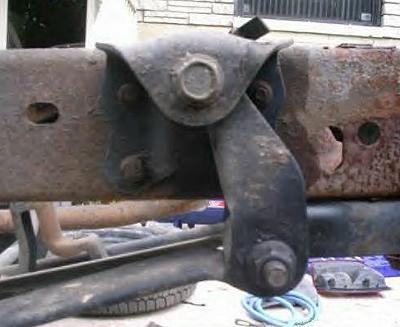
<–Before–>
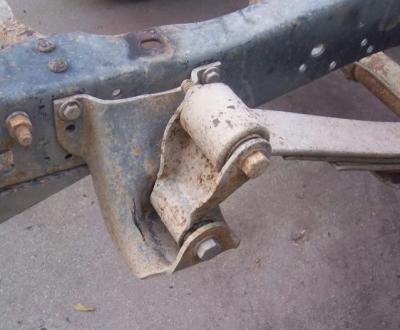
<–After–>
Anyone that has removed spring hangers knows what a pain it can be. But it’s a simple and cheap procedure. Total Cost: under 5 dollars in bolts. Skill Level: On a scale of 1-10 I’d give it a 5. ~ TRS
About The Author
Jim Oaks is the founder of TheRangerStation.com, the longest-running Ford Ranger resource online since 1999. With over 25 years of hands-on experience building and modifying Ford Rangers — including magazine-featured builds like Project Transformer — Jim has become one of the most trusted authorities in the Ford Ranger off-road and enthusiast space.
Since launching TheRangerStation.com, Jim has documented thousands of real-world Ranger builds, technical repairs, drivetrain swaps, suspension modifications, and off-road adventures contributed by owners worldwide. TheRangerStation.com has been referenced in print, video and online by enthusiasts, mechanics, and off-road builders looking for practical, and experience-based information.