
Overview
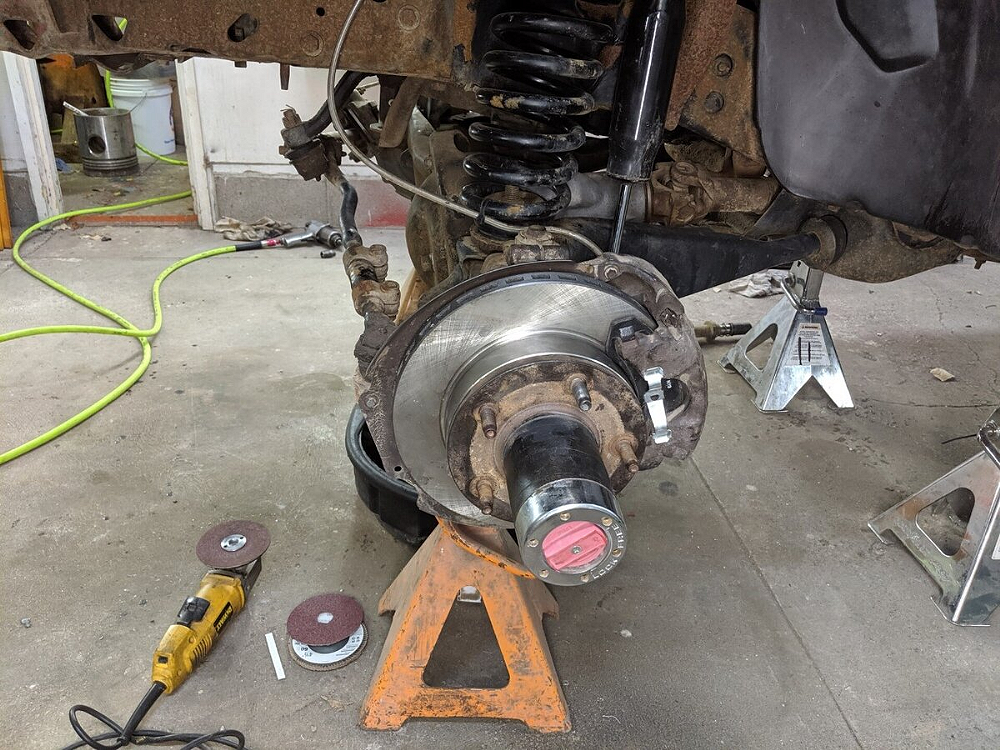
This step-by-step guide covers 1988–1996 Ford Ranger Dana 35 TTB front axle conversions using Dana 44 F-150/Bronco spindles and hubs. Learn which spindles, brake rotors, and stub shafts to use, how to maintain proper wheel bearing spacing, and tips for wheel bolt patterns and hub installation. Ideal for off-roaders, overlanders, and anyone upgrading their Dana 35 TTB strength without a full solid axle swap (SAS).
Introduction
There are two ways to install Dana 44 spindles and hubs on a Ford Ranger Dana 35 TTB:
- The Dana 44 Knuckle Swap
- Adding Dana 44 Spindles to Dana 35 Steering Knuckles
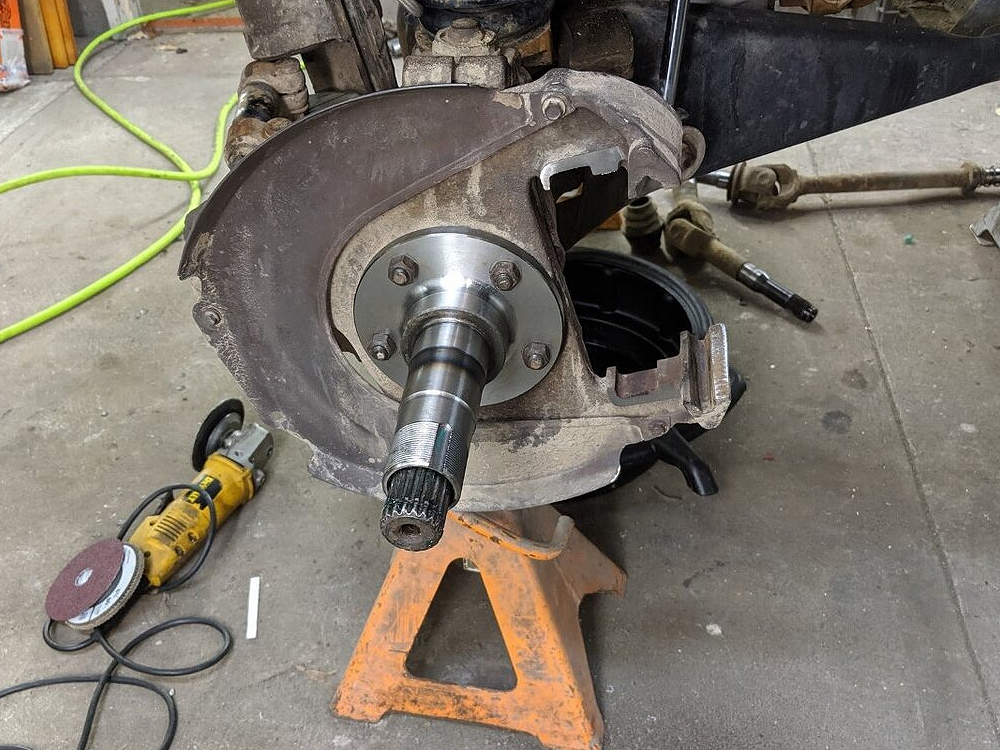
This guide focuses on adding Dana 44 spindles to stock Dana 35 steering knuckles.
Reasons for the conversion:
- Better wheel bearing spacing
- Slightly larger stub shaft
- Stronger locking hub
Frequently Asked Questions
Can I use any Dana 44 spindle on a Dana 35 TTB?
Use 1991-1996 Ford F-150 / Bronco Dana 44 spindles with ABS for proper fitment. Spindles from other years may require modifications.
Do I need new brake rotors when swapping Dana 44 hubs?
Yes, machine the Dana 44 rotor to match the Dana 35 rotor diameter to ensure proper caliper clearance.
What Spindle Do I Use
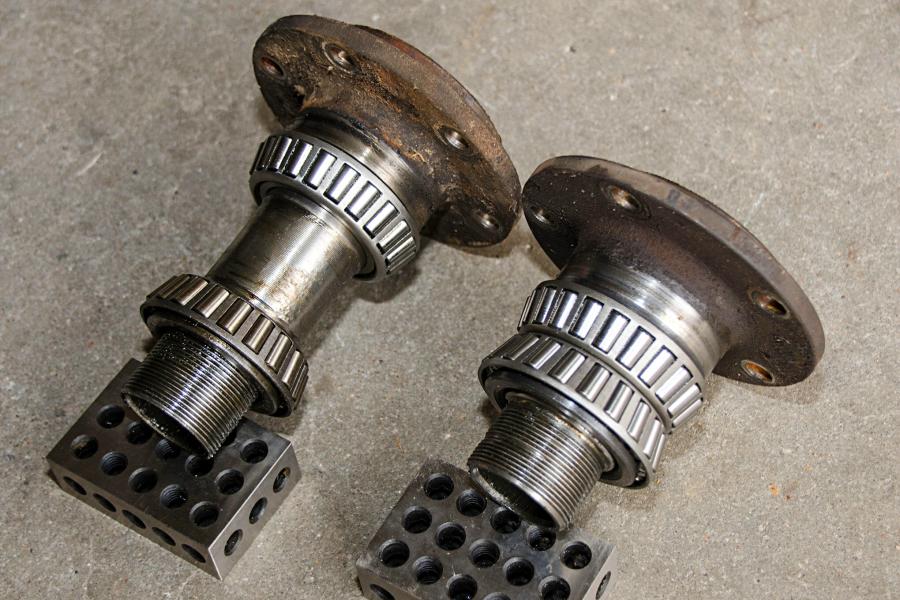
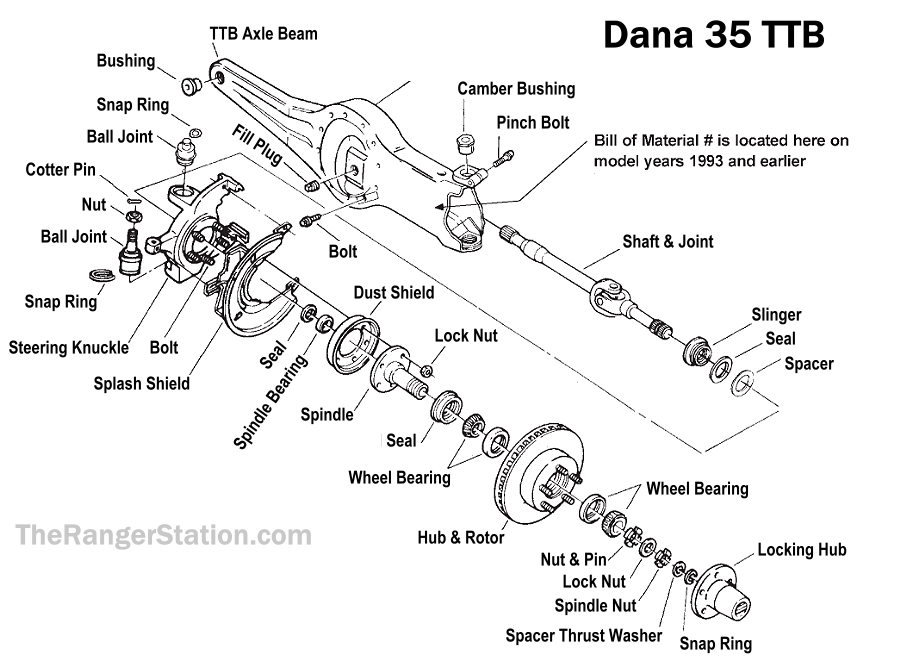
The 1991–1996 Ford F-150 / Bronco Dana 44 with ABS (Antilock Brakes) use a 5-hole spindle that bolts onto the Dana 35 steering knuckle. The 1991–1994 spindle uses a one-piece hub seal, and the 1995–1996 spindle uses a two-piece hub seal.
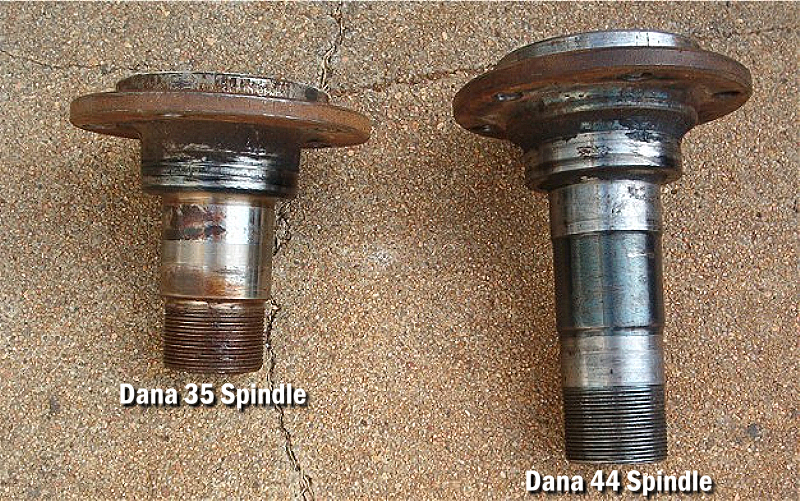
The Dana 44 spindle (left) has wider wheel bearing spacing than the Dana 35 (right), increasing strength and offsetting stress from larger tires and higher offset wheels.
Which Brake Rotor Do I Use
The 1991-1993 and 1994-1996 F-150 / Bronco used different brake rotors, so just make sure that the rotor is for the same year spindle that you use.
The brake rotor is where the problem lies when using the Dana 44 parts. Here are the specifications for the Dana 44 brake rotor, and the Dana 35 brake rotor:
Dana 44 Rotor:
- Outside Diameter: 11.713″
- Nominal Thickness: 1.024″
- Discard Thickness: 0.961
Dana 35 Brake Rotor:
- Outside Diameter: 11.264″
- Nominal Thickness: 1.024″
- Discard Thickness: 0.965″
As you can see, the Dana 44 rotor is 0.449″ larger in diameter than the Dana 35 brake rotor. Because of this, the Dana 35 brake caliper won’t fit over the rotor. The solution is to have the outside diameter of the new brake rotor machined down to match the diameter of the Dana 35 rotor.
Which Stub Shaft (Outer Shaft) Do I Use
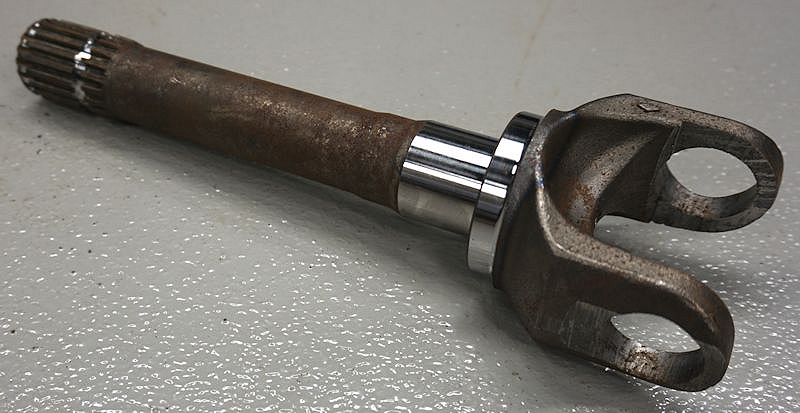
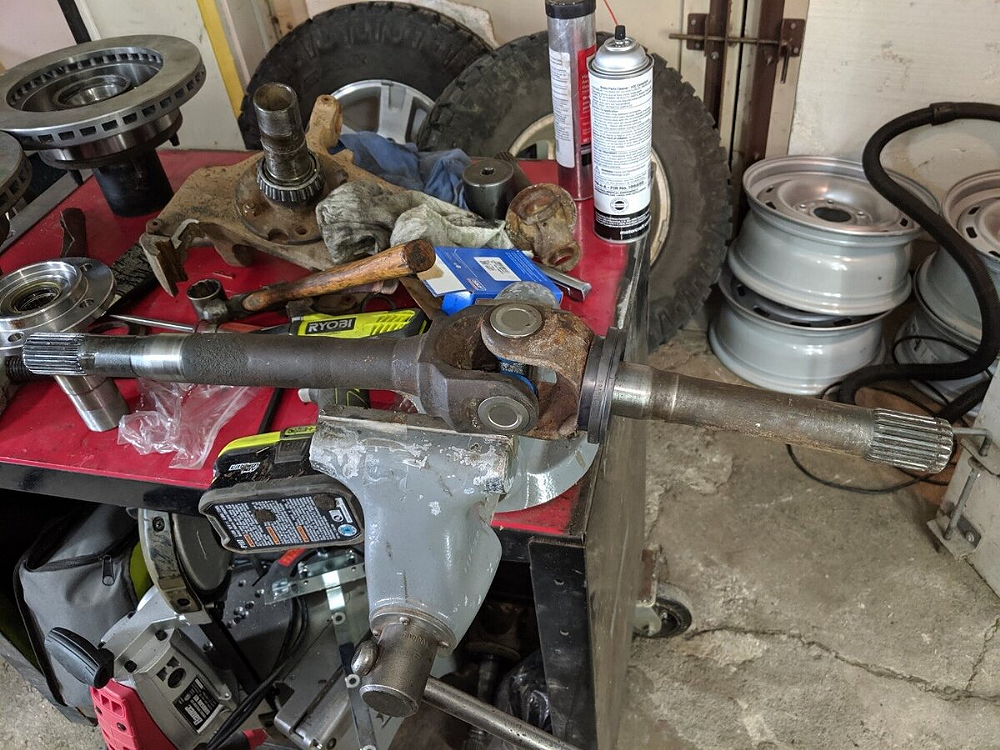
Use the 1988–1996 Ford F-150 / Bronco Dana 44 outer stub shaft. Dana 35 and Dana 44 use the same U-joint, making replacement straightforward.
The Dana 44 stub shaft is 1.21″ and slightly larger than the Dana 35 1.06″ shaft.
Wheel Bolt Pattern
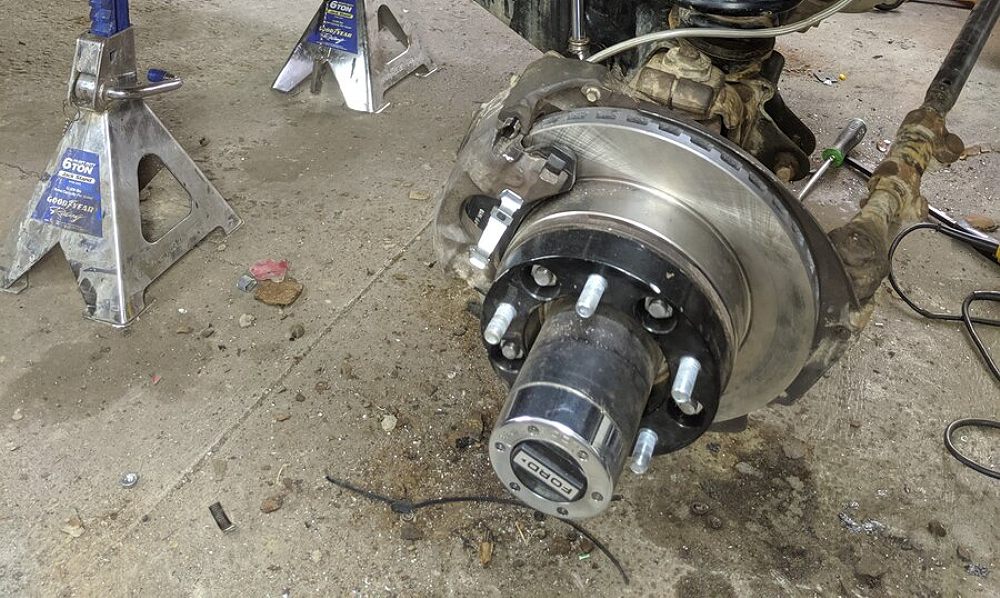
After the conversion, the front axle will have a 5×5.5 bolt pattern (Ranger stock is 5×4.5). Use wheel adapters to match the front and rear wheel bolt patterns.
Diagrams
Related Articles
Dana 44 Knuckle Swap On To Dana 35
Beefing Up The Ford Ranger Dana 35 TTB
The Mappyjack Dana 44 Spindle & Hub Conversion
Should You Replace A Dana 35 TTB With A Dana 44?
Ford Ranger Dana 44 TTB Conversion FAQs
Last Updated:
About The Author
Jim Oaks is the founder of TheRangerStation.com, the longest-running Ford Ranger resource online since 1999. With over 25 years of hands-on experience building and modifying Ford Rangers — including magazine-featured builds like Project Transformer — Jim has become one of the most trusted authorities in the Ford Ranger off-road and enthusiast space.
Since launching TheRangerStation.com, Jim has documented thousands of real-world Ranger builds, technical repairs, drivetrain swaps, suspension modifications, and off-road adventures contributed by owners worldwide. TheRangerStation.com has been referenced in print, video and online by enthusiasts, mechanics, and off-road builders looking for practical, and experience-based information.