
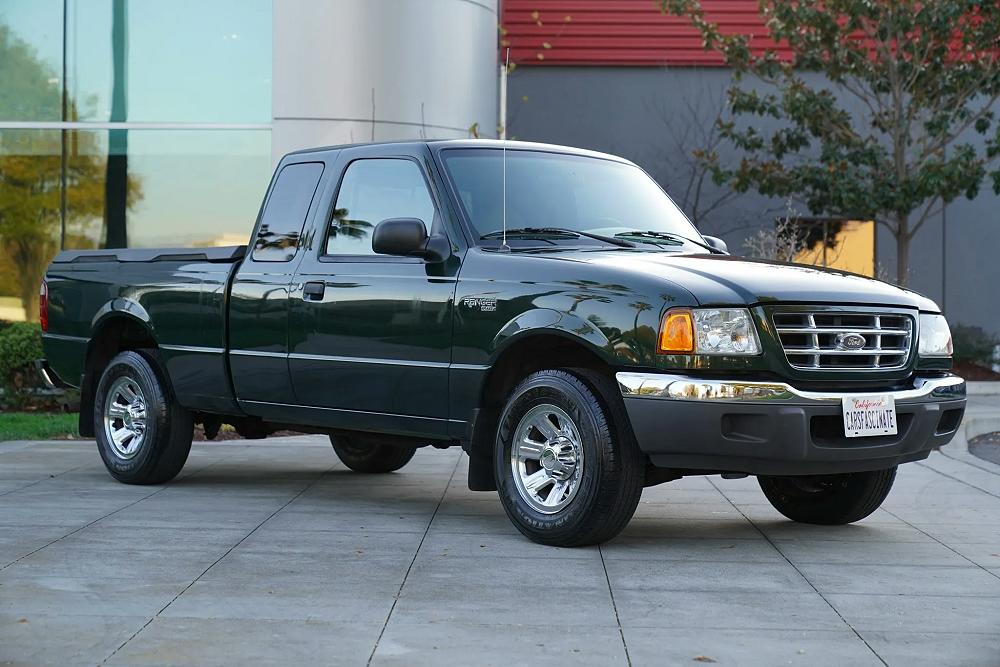
2001 Ford Ranger Problems & Recalls
Looking to buy a used 2001 Ford Ranger? There are several owner-reported problems worth checking, including automatic transmission shifting issues, fuel leaks, unexpected acceleration reports, and frame rust. The 2001 Ranger also has several safety recall campaigns involving the speed-control deactivation switch and front seat belt buckles.
These reports do not mean every 2001 Ranger will experience these problems. Condition, maintenance history, mileage, and whether previous recall repairs were completed all matter.
Reported Problems
Automatic Transmission Problems
Automatic transmission complaints are among the more prominent reported problems for the 2001 Ranger. Symptoms include:
- The overdrive (O/D) light flashing.
- Rough or hard shifting.
- Transmission failure.
- Shift solenoid problems, including reports involving diagnostic trouble code P1746.
A flashing O/D light can indicate a transmission-related fault. Before buying a truck with this symptom, have the transmission codes read and determine whether the problem is electrical, hydraulic, or mechanical. A test drive should include checking for delayed engagement, harsh shifts, slipping, and abnormal noises.
Fuel Leaks and Fuel Pump Problems
Owners have reported fuel leaks from the top of the fuel tank, including leaks around the high-pressure fuel outlet on the fuel pump module and the tank seal. Other reports include fuel pumps that quit working or develop cracks.
Inspect the fuel tank and its connections for signs of leakage. Any gasoline odor or visible fuel leak should be addressed before the truck is driven.
Unexpected Acceleration Reports
The 2001 Ranger has owner reports of the truck accelerating or surging when the brakes are applied. These reports should not automatically be treated as proof of a specific defect, but they are a serious concern.
The speed-control deactivation switch recalls described below are important to check. Confirm that all applicable recall work has been completed and investigate any unexplained engine surge or acceleration behavior before purchasing the vehicle.
Engine Ignition Problems
A bad ignition coil has been reported. Symptoms of an ignition problem can include misfires, rough running, loss of power, and an illuminated Check Engine light.
A pre-purchase inspection should include scanning for diagnostic trouble codes and checking for misfires rather than assuming the ignition coil is the cause.
Door Ajar Light and Dome Light Problems
Faulty door latches can cause the door-ajar warning light and interior dome light to remain on even when the doors are closed. This can also lead to a battery drain.
Check that each door closes and latches properly and that the interior lights turn off as expected.
Frame, Leaf Spring Hanger, and Suspension Rust
Rust is an important inspection concern on older Rangers. Reported problems include:
- Severe frame corrosion, particularly toward the rear of the frame.
- Cracked or rusted-through frame sections.
- Rusted leaf spring shackles and hangers.
- Rusted or broken fuel tank straps.
- Worn ball joints.
Inspect the frame, suspension mounting points, leaf spring hangers, and fuel tank straps carefully. Surface rust is different from structural corrosion; pay particular attention to areas where metal has swollen, flaked away, or lost substantial thickness.
Brake Line Corrosion
Brake lines can rust and leak. Inspect the lines along the frame and near the rear axle for corrosion, wet spots, or previous repairs. A truck with compromised brake lines should not be driven until the system is repaired.
Seat Belt and Airbag Reports
Owners have reported airbags that did not deploy in a collision and seat belts that became unbuckled. These reports do not establish that every Ranger has a restraint-system defect, but the seat belt buckle recall below makes checking the recall history especially important.
Test the seat belt buckles and inspect the airbag warning light. The warning light should illuminate during its normal bulb check and then go out.
Other Reported Concerns
Additional reports include:
- Tires separating or experiencing blowouts.
- A seat back coming loose.
- The dome light remaining on.
Inspect the tires for age, cracking, uneven wear, and signs of tread separation. Check the seats for secure mounting and proper operation.
2001 Ford Ranger Recalls
Recall applicability can depend on the truck’s production date, equipment, and VIN. The campaigns below should be checked against the specific vehicle’s recall history.
09V399 — Speed Control Deactivation Switch
NHTSA Campaign 09V399 / Ford Campaign 09S09
Certain 2001–2003 Rangers equipped with the Texas Instruments speed-control deactivation switch were included in this recall. The switch could leak internally and overheat, smoke, or burn, creating a risk of an underhood fire. A fire could occur even when the engine was not running.
The remedy involved installing a fused wiring harness.
07V336 — Speed Control Deactivation Switch
NHTSA Campaign 07V336 / Ford Campaign 05S28
This earlier speed-control deactivation switch recall included certain 2001 Rangers. The switch could leak internally and overheat, potentially causing smoke, burning, or an underhood fire.
The remedy involved installing a fused wiring harness.
This is a separate campaign from 09V399. Check the VIN and repair records to determine whether the truck was included in each campaign and whether the required work was completed.
01V227 — Front Seat Belt Buckle Assembly
NHTSA Campaign 01V227
Certain 2001 Ford vehicles, including Rangers built within specified production dates, were equipped with TRW seat belt buckles that might not fully latch. In a crash, the restraint system could provide inadequate occupant protection.
Ford dealers were instructed to inspect the front outboard seat belt buckles and replace those that failed inspection.
00V394 — Hood Striker
NHTSA Campaign 00V394
Certain pickup trucks equipped with sheet-molding-compound hoods were included in this campaign. The wire-formed hood striker could fracture, allowing the hood to fly open while driving and reducing driver visibility.
The remedy was replacement of the hood striker. Applicability depends on the vehicle and hood configuration.
Check NHTSA Recall Information
Aftermarket Replacement Lighting Campaigns
Several NHTSA campaigns involved aftermarket replacement headlamp, corner lamp, bumper lamp, or side-marker assemblies that did not meet federal lighting requirements because they lacked required amber side reflectors.
These campaigns involved replacement equipment—not the original factory-installed Ranger lamps. If the truck has aftermarket lighting, check the part numbers and whether the assemblies meet applicable requirements.
Technical Service Bulletins (TSBs)
Technical Service Bulletins (TSBs) for the 2001 Ranger are official communications between Ford & their dealerships that describe processes for troubleshooting or fixing certain common problems. All vehicle manufacturers are required by U.S. law to make their TSBs available to the public.
For a list of the TSBs for the 2001 Ford Ranger check out: 2001 Ford Ranger TSBs
What to Check When Buying a 2001 Ford Ranger
Before purchasing a 2001 Ranger, take the time to inspect the following:
- Transmission: Check for flashing O/D light, rough shifting, slipping, delayed engagement, and stored transmission codes.
- Fuel system: Look for fuel leaks around the top of the tank, fuel pump module, seals, and fuel lines.
- Frame: Inspect the rear frame, leaf spring hangers, shackles, and fuel tank straps for serious corrosion.
- Brake lines: Look for rust, leaks, and questionable repairs.
- Seat belts: Confirm the buckles latch securely and check whether the recall inspection was completed.
- Speed control: Check recall history for both applicable deactivation switch campaigns.
- Doors and interior lights: Verify the door-ajar warning and dome light operate properly.
- Engine: Check for ignition misfires, warning lights, and stored diagnostic trouble codes.
- Tires: Inspect for age, cracking, uneven wear, and tread separation.
- Recall history: Review repair records and check the VIN for outstanding safety recalls.
Check for Open Recalls
Use the truck’s VIN to check for outstanding recalls:
A VIN search can identify unrepaired recalls, but it may not show recalls that have already been repaired or some older campaigns. Review available service records as well.
Related Ford Ranger Information
- 1983–2011 Ford Ranger Buyer’s Guide
- The Ranger Station Technical Library
- The Ranger Station Forums
- Ford Ranger Brochures
About The Author
Jim Oaks is the founder of TheRangerStation.com, the longest-running Ford Ranger resource online since 1999. With over 25 years of hands-on experience building and modifying Ford Rangers — including magazine-featured builds like Project Transformer — Jim has become one of the most trusted authorities in the Ford Ranger off-road and enthusiast space.
Since launching TheRangerStation.com, Jim has documented thousands of real-world Ranger builds, technical repairs, drivetrain swaps, suspension modifications, and off-road adventures contributed by owners worldwide. TheRangerStation.com has been referenced in print, video and online by enthusiasts, mechanics, and off-road builders looking for practical, and experience-based information.