
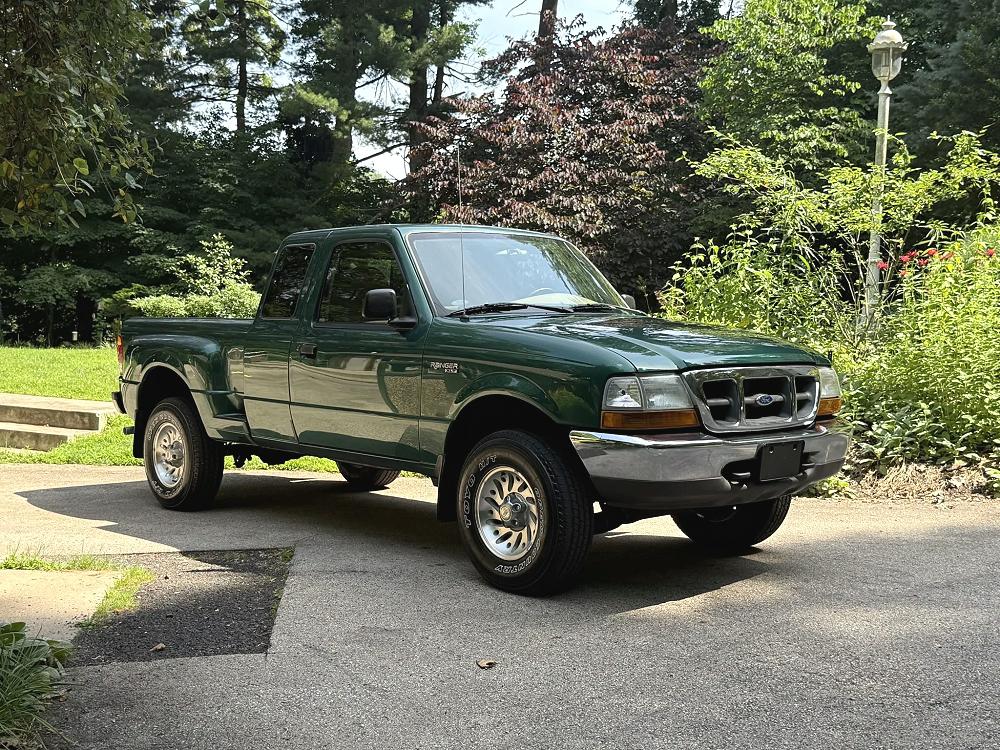
1999 Ford Ranger Problems & Recalls
Looking to buy a used 1999 Ford Ranger? There are several owner-reported problems worth knowing about, including 4.0L engine concerns, automatic transmission shifting issues, camshaft position synchronizer failures on the 3.0L, windshield wiper problems, and frame rust.
The 1999 Ranger also has safety recall history involving the cruise-control system and a fuel injection pulse damper on a limited number of 3.0L trucks. As with any older vehicle, a careful inspection and review of its maintenance and recall history are important.
Reported Problems
4.0L Engine Problems
The 4.0L V6 has reports of cracked cylinder heads and an unusual clattering or “marbling” noise.
The noise may be associated with timing-chain components, but it should not automatically be diagnosed as a timing-chain failure without further inspection. Listen for abnormal noises during cold startup and after the engine reaches operating temperature.
The 4.0L engine has also been reported to experience overheating concerns. Check the cooling system, temperature gauge behavior, coolant condition, and service history.
3.0L Camshaft Position Synchronizer Failure
Some 3.0L Vulcan V6 owners have reported camshaft position synchronizer failures. The synchronizer drives the oil pump and also provides the camshaft position signal to the engine computer.
A failing synchronizer may produce a squeaking or chirping noise. If it fails completely, the engine can lose oil pressure because the oil pump is no longer being driven.
Listen for noises coming from the synchronizer area and investigate any oil pressure warning. A noisy synchronizer should not be ignored.
Engine Stalling and Unexpected Acceleration
Owners have reported engines shutting off or stalling, along with incidents of unexpected acceleration.
Unexpected acceleration is a serious safety concern. The 1999 Ranger was included in speed-control cable and speed-control deactivation switch recall campaigns. Check the recall history and investigate any unexplained surging or throttle behavior before purchasing the truck.
Automatic Transmission Problems
Reported transmission concerns include:
- Shifting problems.
- The transmission shifting harshly or downshifting unexpectedly.
- The ABS warning light illuminating, followed by speedometer failure and transmission or O/D warning lights.
- The truck moving out of Park.
A failed speed sensor or electrical problem may cause some combinations of warning lights and shifting symptoms, but the cause needs to be diagnosed. Scan for trouble codes and test-drive the truck to check for delayed engagement, slipping, and harsh shifts.
Fuel Tank Fill Tube Rust
The fuel tank filler tube can rust and develop leaks. Inspect the filler neck and surrounding area for corrosion, fuel odor, or evidence of leakage.
A fuel leak should be repaired before the truck is driven.
Electrical Problems
Reported electrical concerns include:
- The dome light remaining on when the doors are closed.
- Smoke coming from the steering column when the turn signal is used.
- Windshield wipers activating by themselves.
- Windshield wipers operating when the turn signal is activated.
- Underhood fire reports associated with cruise-control components.
A faulty multifunction switch or door-latch switch may be involved in some symptoms. Check the operation of the turn signals, wipers, dome light, and other electrical accessories.
Frame and Suspension Rust
Rust is a major inspection concern on older Rangers. Owners have reported:
- Excessive frame rust resulting in holes or cracks.
- Leaf spring shackles and hangers rusting and failing.
- Rear bumper mounts deteriorating from corrosion.
Inspect the frame, suspension mounting points, leaf spring hangers, shackles, and bumper mounts. Pay particular attention to areas where rust has caused metal to swell, flake, or lose structural thickness.
4WD Pulse Vacuum Hub Problems
The front locking hubs on the 1999 Ranger’s vacuum-operated 4WD system can develop problems when the vacuum lines fail.
A leak or damaged vacuum line can prevent the hubs from engaging properly, resulting in a 4WD system that does not work as expected.
Inspect the vacuum lines and hub operation. Some owners choose to replace the vacuum-operated hubs with manual locking hubs.
Airbag and Seat Belt Reports
Owners have reported airbags that did not deploy during collisions and seat belts that failed to retract.
These reports do not establish that every Ranger has a restraint-system defect. Check the airbag warning light, inspect the seat belts, and verify that the belts retract and latch properly.
Firestone Wilderness Tire Failures
The 1999 Ranger was among the Ford vehicles that could have been equipped with Firestone Wilderness AT tires involved in tread-separation safety campaigns.
These campaigns involved tires, not a defect in the Ranger itself. Inspect any original or replacement tires for age, condition, and identification markings. Old tires can be unsafe even if they still have usable tread.
1999 Ford Ranger Recalls
Recall applicability depends on the truck’s VIN, engine, equipment, and production date. The following campaigns are important to check.
07V336 — Speed Control Deactivation Switch
NHTSA Campaign 07V336 / Ford Campaign 05S28
Certain 1998–2002 Ford Rangers were included in this recall involving the speed-control deactivation switch.
The switch could leak internally and overheat, smoke, or burn, potentially causing an underhood fire. The remedy involved installing a fused wiring harness.
99V062 — Cruise-Control Cable
NHTSA Campaign 99V062 / Ford Campaign 99S09
Certain 1998–1999 Rangers equipped with cruise control and built within the specified production dates were included in this recall.
The cruise-control cable could interfere with the speed-control servo pulley and prevent the throttle from returning to idle when cruise control was disengaged. This could result in a stuck throttle and increase the risk of a crash.
Ford dealers were instructed to replace the cruise-control cables. The affected Ranger production period began January 5, 1998, and ended March 4, 1999.
98V201 — 3.0L Fuel Injection Pulse Damper
NHTSA Campaign 98V201 / Ford Campaign 98S24
A limited number of light-duty pickups equipped with the 3.0L engine were included in this recall. An O-ring seal at the fuel injection pulse damper-to-fuel rail connection could be damaged, allowing fuel to leak.
Fuel leakage in the presence of an ignition source could result in a fire.
The campaign affected 330 vehicles built from July 31 through August 13, 1998. Dealers were instructed to replace the pulse damper.
Aftermarket Replacement Lighting Campaigns
Several NHTSA campaigns involved aftermarket replacement lighting assemblies sold for use on the Ranger and other vehicles. These lamps did not contain the required amber side reflectors and failed to comply with Federal Motor Vehicle Safety Standard No. 108.
Campaigns included:
- 09E025 — Dope, Inc.
- 09E012 — Sabersport
- 06E026 — Pro-A Motors
These campaigns involved aftermarket replacement equipment, not the original factory-installed Ranger lamps. If the truck has aftermarket lighting, check the part numbers and whether the assemblies meet applicable requirements.
06E056 — Aftermarket Purolator Fuel Filters
NHTSA Campaign 06E056
Certain aftermarket Purolator fuel filters, part number F65277, were recalled. Incorrectly designed quick-connect fittings could fail to fully seat with the fuel line, potentially allowing fuel to spill and create a fire hazard.
This campaign involved replacement fuel filters, not the factory-installed fuel system on every 1999 Ranger.
Firestone Tire Safety Campaigns
The 1999 Ranger was included in tire-related safety improvement and replacement programs involving certain Firestone Wilderness AT and Radial ATX/ATX II tires.
These were tire campaigns rather than recalls of the Ranger itself. The replacement and reimbursement programs have expired, but checking the tire brand, model, age, and DOT identification remains important when inspecting an older truck.
Technical Service Bulletins (TSBs)
Technical Service Bulletins (TSBs) for the 1999 Ranger are official communications between Ford & their dealerships that describe processes for troubleshooting or fixing certain common problems. All vehicle manufacturers are required by U.S. law to make their TSBs available to the public.
For a list of the TSBs for the 1999 Ford Ranger check out: 1999 Ford Ranger TSBs
What to Check When Buying a 1999 Ford Ranger
Before purchasing a 1999 Ranger, take the time to inspect the following:
- 4.0L engine: Listen for abnormal clattering or marbling noises. Check for overheating and review cooling system maintenance.
- 3.0L engine: Listen for camshaft position synchronizer squeaking or chirping. Investigate any oil pressure warning.
- Transmission: Check for harsh shifting, unexpected downshifts, slipping, and warning lights.
- Cruise control: Verify that the applicable speed-control cable and deactivation switch recalls were completed.
- Fuel system: Inspect the filler tube for rust and leaks. Check the 3.0L fuel pulse damper recall applicability.
- Frame: Inspect the frame, leaf spring hangers, shackles, and bumper mounts for structural corrosion.
- Electrical system: Test the multifunction switch, turn signals, windshield wipers, and dome light.
- 4WD system: Check the vacuum lines and confirm that the front hubs engage properly.
- Seat belts and airbags: Check the restraint systems and airbag warning light.
- Tires: Inspect the tire age, condition, and DOT identification, particularly if Firestone Wilderness AT tires are installed.
- Recall history: Review service records and check the VIN for outstanding safety recalls.
Check for Open Recalls
Use the truck’s VIN to check for outstanding recalls:
A VIN search can identify unrepaired recalls, but it may not show recalls that have already been repaired or some older campaigns. Review available service records as well.
Related Ford Ranger Information
- 1983–2011 Ford Ranger Buyer’s Guide
- The Ranger Station Technical Library
- The Ranger Station Forums
- Ford Ranger Brochures
About The Author
Jim Oaks is the founder of TheRangerStation.com, the longest-running Ford Ranger resource online since 1999. With over 25 years of hands-on experience building and modifying Ford Rangers — including magazine-featured builds like Project Transformer — Jim has become one of the most trusted authorities in the Ford Ranger off-road and enthusiast space.
Since launching TheRangerStation.com, Jim has documented thousands of real-world Ranger builds, technical repairs, drivetrain swaps, suspension modifications, and off-road adventures contributed by owners worldwide. TheRangerStation.com has been referenced in print, video and online by enthusiasts, mechanics, and off-road builders looking for practical, and experience-based information.