
Introduction
In this article we install a Jet Performance Module in a 1996 Ford Ranger 4×4 with a 4.0L OHV engine.
Jet Performance
JET’s Power Package includes the JET Performance Module, Powr-Flo performance air filter and low temp thermostat. Together, these units are advertised as offering up to a 30 hp increase in rear wheel power. The module is simple to describe, despite the long hours and technical expertise required to produce it. Basically, it optimizes timing, fuel delivery, shift points, etc., to produce more power. The high-flow, low temp t-stat (180 degrees, vs 195 degrees) is not so much a power producing element as insurance. More power, namely the changes in timing, produces more heat and the thermostat helps keep the engine cool. The Powr-Flo air filter allows the engine to breathe better by reducing intake restriction. Airflow needs increase as more power is produced, so a higher flowing filter is often needed to keep up. Unfortunately, the filter required for our Ranger was on backorder, so we never had the chance to test it or photograph its installation.
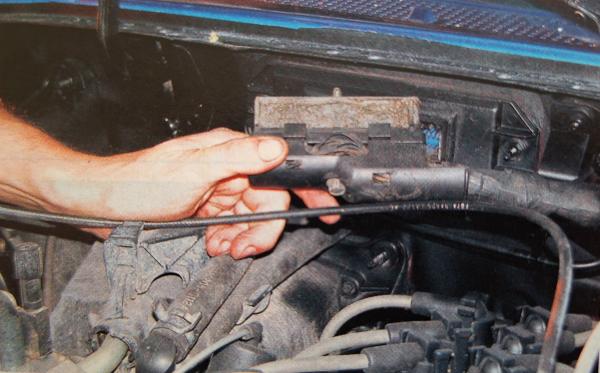
1. The ECU is accessed from the engine compartment. Step one is to disconnect the battery. Then undo the center bolt and disconnect the main ECU harness connectors. Two bolts hold the ECU in the firewall. Remove them and pull the ECU.
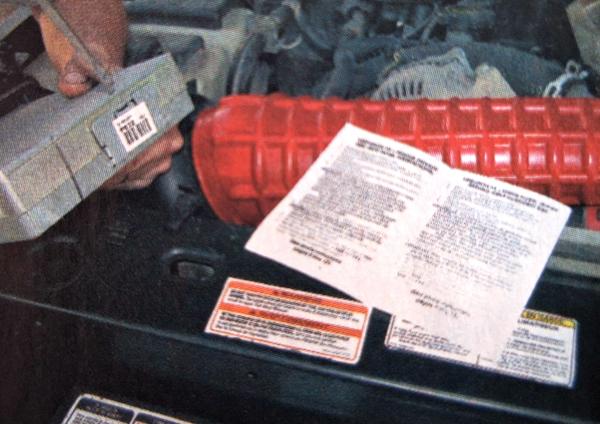
2. Remove the cover on the back of the ECU to access the connector on the back of the circuit board.
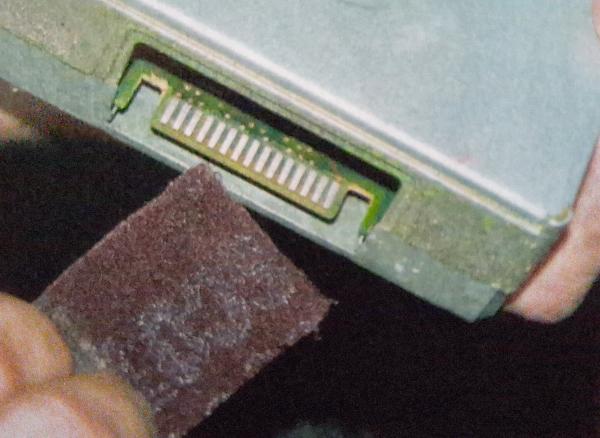
3. Use the supplied Scotchbrite pad to clean the connector on the back of the circuit board. Clean both the top and the bottom of the printed circuit connector and blow off any dust and powder from the connector.
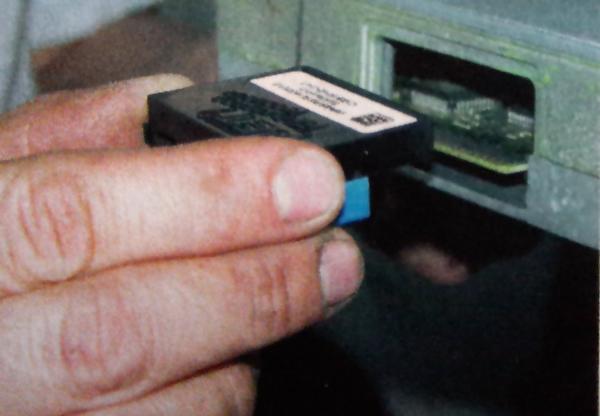
4. Pop the module into place onto the circuit board. It should slide into place with a minimum amount of effort. Don’t force it.
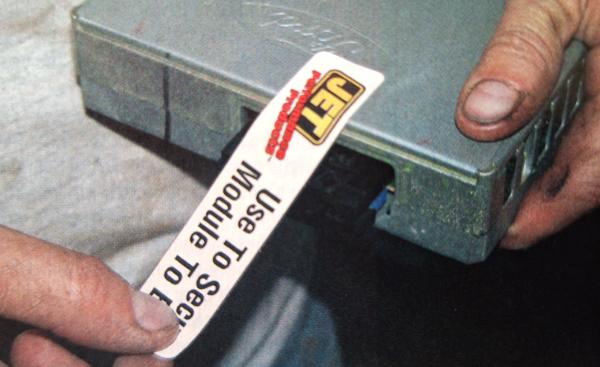
5. Use the supplied decal to secure the module. You can now reinstall the module, reconnect the battery and start the engine.
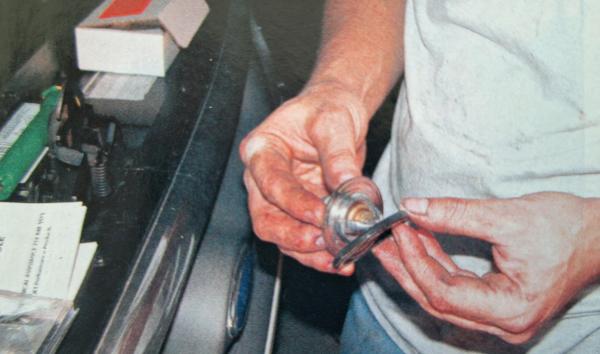
6. The thermostat installs in the normal way. Drain about half the coolant from the radiator drain plug. If you are careful, you can do this without contaminating it. You can then reuse the coolant after the t-stat is installed. Run the engine to operating temp to “burp” the system of air, then recheck coolant level after it cools.
Performance Results
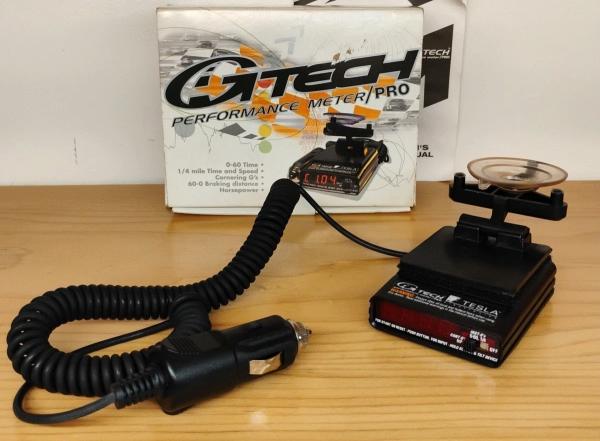
We used a G-Tech Performance meter to measure the results. The G-Tech Performance Meter is basically a precision accelerometer that can calculate 0-60 and 1/4 mile times, lateral and braking Gs’, and horsepower. The unit comes with a mounting bracket that sticks to the windshield via a suction cup. The G-Tech Velcro’s (or snaps, on some models) onto the mounting bracket. The bracket tilts up and down so that the G-Tech can be made as level as possible. Because the unit measures G forces, if it is not level, it will “feel” the gravitational pull of the earth, skewing the results. The G-Tech unit asks for the weight of the vehicle in order to be able to calculate horsepower.
We had weighed the truck before doing any modifications to it and then proceeded to add a lift, tires, gears, winch, winch bumper and bed cage causing the truck to gain 750 pounds. The baseline test had a 0-60 time of 14.8 seconds and measured 113.7 horsepower at the wheel. After doing all of these modifications and adding the Jet Performance Module we imputed the trucks weight and did the test again. This time the 0-60 was 15.1 seconds and the horsepower was 123.
The results showed a gain of 9.3 horsepower, but I question its accuracy. I think we should have weighed the truck after all of the modifications and measured its performance with the stock computer, left the G-Tech mounted on the dash so that variable didn’t change, installed the Jet Performance Module, and then ran the test again. Jet claims that their modules can add up to 30 horsepower, and I while this test shows we gained almost 10 horsepower, I truly believe it was more.
Product Link
Jet Ford Module 89601
About The Author
Jim Oaks is the founder of TheRangerStation.com, the longest-running Ford Ranger resource online since 1999. With over 25 years of hands-on experience building and modifying Ford Rangers — including magazine-featured builds like Project Transformer — Jim has become one of the most trusted authorities in the Ford Ranger off-road and enthusiast space.
Since launching TheRangerStation.com, Jim has documented thousands of real-world Ranger builds, technical repairs, drivetrain swaps, suspension modifications, and off-road adventures contributed by owners worldwide. TheRangerStation.com has been referenced in print, video and online by enthusiasts, mechanics, and off-road builders looking for practical, and experience-based information.