
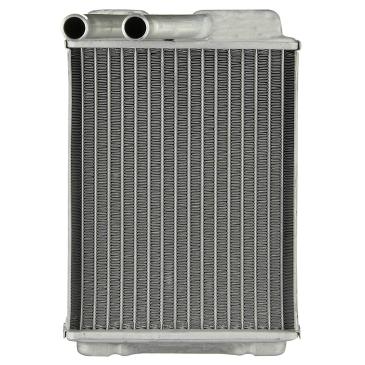
The lack of heat, steam or moisture on the inside of the windshield and water and or coolant on the passenger floor are all signs of a bad heater core. Here’s how to replace it.
Removal:
1) Allow cooling system to cool if applicable.
2) Remove radiator cap to relieve pressure from the cooling system and then replace and tighten cap.
3) Loosen the clamps on the two side by side heater hoses going in to the passenger side of the firewall.
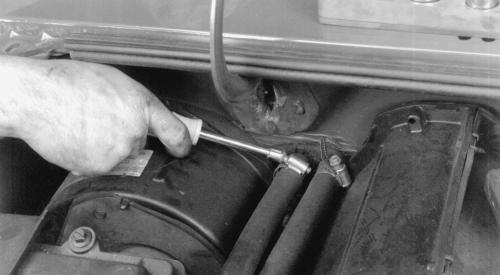
4) Twist the hoses and remove them from the heater core.
5) Make sure the hoses are above the radiator level to prevent coolant from draining out. Some coolant loss should be expected. You may choose to plug the hoses.
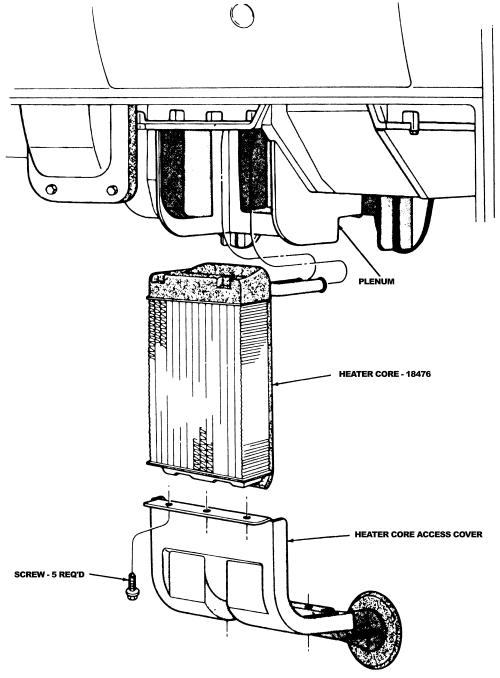
6) Inside the cab, remove the screws securing the heater core access cover (if applicable). You may want to lay something down to protect the carpet from coolant spilling from the heater core…..When the core is bad…you may already have this problem.
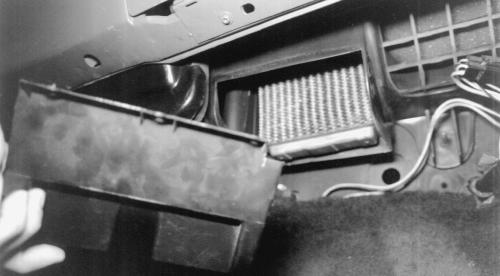
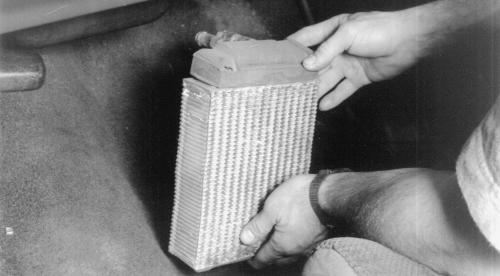
7) Pull the heater core rearward and then down to remove.
Installation:
1) Position the heater core and seal in the plenum assembly.
2) Install the heater core access cover to the plenum assembly and secure with five screws.
3) Install the heater hoses to the heater core tubes at the dash panel in the engine compartment. Do not over-tighten hose clamps.
4) Check the coolant level and add coolant as required. Connect the negative battery cable.
5) Start the engine and check the system for coolant leaks.
About The Author

Jim Oaks is the founder of TheRangerStation.com, the longest-running Ford Ranger resource online since 1999. With over 25 years of hands-on experience building and modifying Ford Rangers — including magazine-featured builds like Project Transformer — Jim has become one of the most trusted authorities in the Ford Ranger off-road and enthusiast space.
Since launching TheRangerStation.com, Jim has documented thousands of real-world Ranger builds, technical repairs, drivetrain swaps, suspension modifications, and off-road adventures contributed by owners worldwide. TheRangerStation.com has been referenced in print, video and online by enthusiasts, mechanics, and off-road builders looking for practical, and experience-based information.