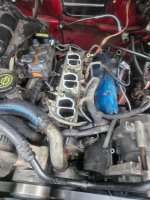
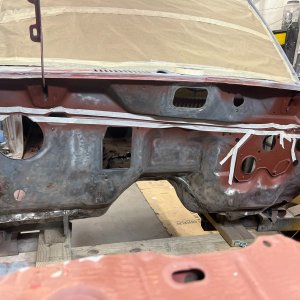
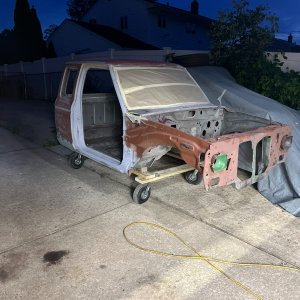
If I may, This is the recap of the Google search I had utilized, I'll be using this for my own notes. Maybe it can help another forum member or guest with a similiar issue as mine
Here’s a clean recap of what we worked through for your 1993 Ford Ranger 4.0 fuel line repair, pulling together the key points so you don’t have to dig back through everything:
 Problem Overview
You had a fuel leak under the hood, near the power steering pump area
Noticed two lines running together near the front of the engine
Concern about how they connect and whether it’s one assembly or separate lines

Fuel Line Layout (Front of Engine)
Your truck uses two main fuel lines:
Supply line (high pressure)
Runs from the fuel tank → fuel rail
This is the line that feeds the engine
Return line (low pressure)
Runs from the fuel rail → back to tank

These lines run along the frame and come up into the engine bay, where they connect near the rail with quick-disconnect fittings.

Key Insight (Important)
The section you’re seeing near the power steering pump is typically:
A connection point between hard line (frame) and flex line (engine)
It can look like one line splitting, but it's actually:
Two separate lines (supply + return) running side-by-side

Pressure Difference
Supply line = HIGH pressure (this is the dangerous one if leaking)
Return line = LOW pressure
So if you saw spraying or strong leakage → it’s almost certainly the supply line

Length / Routing Insight
There isn’t one simple “total length” spec because:
It’s broken into sections (tank → frame → engine bay → rail)
The front section (engine bay) is relatively short and often serviced separately
 Replacement Approach
 (What I Asked)

Yes — you can replace everything with new fittings, BUT:
Option A (Best / Cleanest)
Buy a pre-formed replacement line assembly
Often available from Dorman
Comes with correct quick-connect ends
Option B (Budget / DIY)
Cut out the bad section and use:
High-pressure fuel hose
Fuel injection clamps (NOT worm clamps)
Only do this on accessible sections, not near extreme heat
Do NOT reuse old brittle quick-connect fittings—they’re a common failure point

Common Failure Spots on Your Truck
Plastic clips cracking
Rusted steel line transitions
O-rings inside quick connects
Flex line near engine.
 Recommended Next Step
If you want, I can:
�Identify the exact Dorman part number for your engine bay lines
�Show a clear labeled diagram of supply vs return
�Walk you through step-by-step removal (no broken clips)
Just tell me


 Even though the leak was pretty bad, who knows how much pressure is in the system now, probably not much, but you never know.