which weld process for bed/fender work?


pjtoledo

15+ Year Member

⭐Supporting Member
U.S. Military - Veteran
Joined
Oct 5, 2007
Messages
7,071
Points
3,101
City
Toledo Ohio
Vehicle Year
20002005199
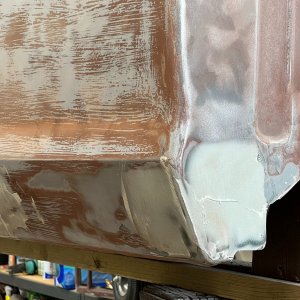
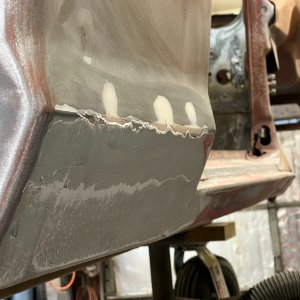
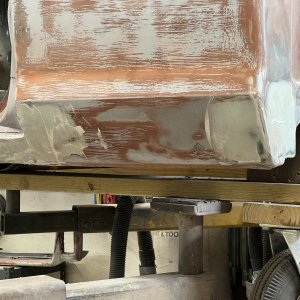
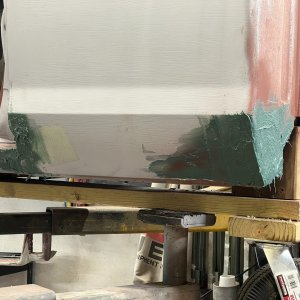
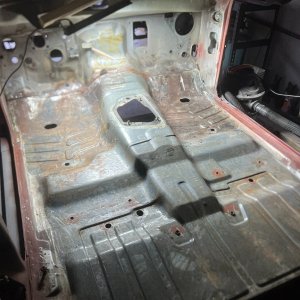
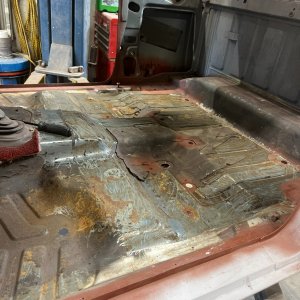
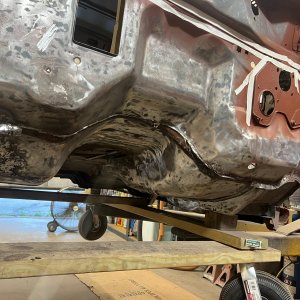
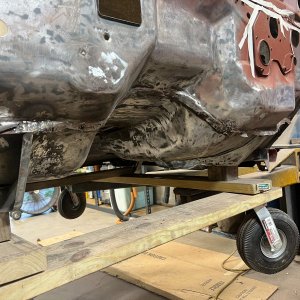
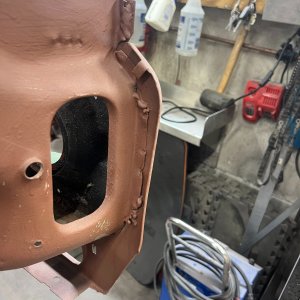
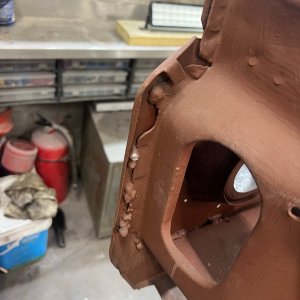
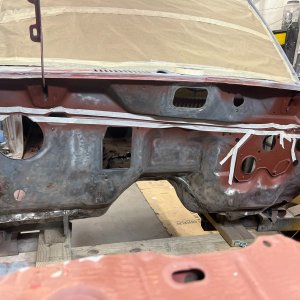
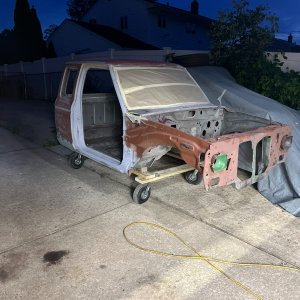
about to take on sheet metal repair. I'm wondering if MIG or TIG is best for the thin stuff.
some long welds will be needed on the rear fenders.

I'm strictly novice at MIG, mostly heavy, and haven't tried TIG yet.
which one is better for a good smooth seam that can be worked to flawless perfection? :icon_rofl:

I'm not too concerned about the bed floor, but I'd like the fenders to be decent. how does bed-liner look on the exterior? :stop:

.023 for the MIG, don't have any consumables for the TIG yet. yes, I know I'll need Argon.
 
Every tigged weld I've ever seen has been cleaner, but that may just be people showing off.
 
TIG is better, but I don’t yet own a TIG so I usually try to MIG as much as I can. Sometimes because of the situation I have to use flux core wire feed and that’s not nice for sheet metal.
 
Best practice... You will need to hammer and dolly the welds to normalize the heat shrinking. But that's only if you can reach the back side. I don't have any true experience though, just been reading and watching videos.
 
TIG would definitely be better. But MIG should be fine and has been for many years. Actually it can be done with stick or gas.

With thin materials, heat control is the key, in my opinion, regardless of which welding method. Do good layout. Make sure the pieces are lined up. Tack the seams to lock in the positioning. Then careful welding. I haven't done much thin material. So I don't know the best way to finish without warping. What I would try, would be to go back and fill in between the tacks with short stitches, alternating to different areas frequently to prevent building up heat and warping it.

Do some practice pieces and watch some "good quality" YouTube videos.
 
Also an air compressor and blow gun to cool the welds after a tack helps with sheet metal work, heat generated by welding is what warps the panels. It’s a lot of tack, tack, tack…
 
Also an air compressor and blow gun to cool the welds after a tack helps with sheet metal work, heat generated by welding is what warps the panels. It’s a lot of tack, tack, tack…
Never thought about the blowgun. Thanks.
 
I would MIG and it will be best as a stitch weld or tack welding every 2 inches or so to keep the heat from warping things. I would practice as well and if you can get to the back side with a piece of copper for a backer it will help the burn through. For thin stuff I err on the side of more wire speed and less voltage which has helped me with blowouts, I've done very little body work though that was meant to be presentable involving welding... sure I've tried but not in a while.
 
Never thought about the blowgun. Thanks.
You’re welcome. It’s one of the tips I’ve picked up over the years in trying to learn better methods, came across a couple sheet metal repair videos that suggested it since you don’t always have access to the back of a panel and waiting for it to cool on its own makes an already tedious process even more so.

Side note, I’ve also learned that it’s possible to warp 1/4” steel by dumping too much heat into it at once welding. Being in a rush when you weld seems to generally result in a poor end product, take your time.
 
Tig is going to be the best because you have the most control. The filler is also easier to sand for whatever reason.

MIG will get you better results for a novice.
 

Sponsored Ad

TRS Events & Gatherings

Featured Rangers

Want to see your truck here? Share your photos and details in the forum.

TRS Latest Video

Official TRS Merchandise

Follow TRS On Instagram

TRS Ranger Sponsors


Product Suggestions

Back
Top