
Noisy in neutral with engine running:
1. Input shaft bearing worn.
2. Damaged main drive gear bearing.
3. Worn countershaft bearings.
4. Worn or damaged countershaft endplay shims.
Noisy in all gears:
1. Any of the above causes, and/or:
2. Insufficient lubricant
Noisy in one particular gear:
1. Worn, damaged or chipped gear teeth for that particular gear.
2. Worn or damaged synchronizer for that particular gear.
Slips out of high gear:
1. Transmission loose on clutch housing.
2. Dirt between the transmission case and engine or misalignment of the transmission
Difficulty in engaging gears:
1. Clutch not releasing completely
2. Loose, damaged or out-of-adjustment shift linkage. Make a thorough inspection, replacing parts as necessary
3. Leak or air in hydraulic system.
Oil leakage:
1. Excessive amount of lubricant in the transmission. Drain lubricant as required.
2. Driveaxle oil seal or speedometer oil seal in need of replacement
3. Shift rail plugs leaking
Clutch fails to release:
1. Leak in the clutch hydraulic system. Check the master cylinder, slave cylinder and lines
2. Clutch plate warped or damaged
Clutch slips:
1. Clutch plate oil soaked or lining worn. Remove clutch and inspect.
2. Clutch plate not seated. It may take 30 or 40 normal starts for a new one to seat.
3. Pressure plate worn
4. If clutch components are new, were was the pressure plate cleaned with lacquer thinner?
Clutch chatters during engagement:
1. Oil on clutch plate lining. Remove and inspect. Correct any leakage source.
2. Worn or loose engine or transmission mounts. These units move slightly when the clutch is released. Inspect the mounts and bolts
3. Worn splines on clutch plate hub. Remove the clutch components and inspect.
4. Warped pressure plate or flywheel. Remove the clutch components and inspect.
5. If clutch components are new, were was the pressure plate cleaned with lacquer thinner?
Squeal or rumble when clutch is fully engaged:
1. Release bearing binding on transmission bearing retainer. Remove clutch components and check bearing. Remove any burrs or nicks; clean and re-lubricate bearing retainer before installing.
2. If clutch components are new, were was the pressure plate cleaned with lacquer thinner?
Squeal or rumble when clutch is fully disengaged:
1. Worn, defective or broken release bearing
2. Worn or broken pressure plate springs (or diaphragm fingers)
3. If clutch components are new, were was the pressure plate cleaned with lacquer thinner?
Clutch pedal stays on floor when disengaged:
1. Linkage or release bearing binding. Inspect the linkage or remove the clutch components as necessary.
2. Make sure proper pedal stop (bumper) is installed.
About The Author
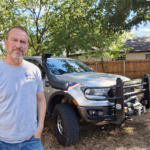
Jim Oaks is the founder of TheRangerStation.com, the longest-running Ford Ranger resource online since 1999. With over 25 years of hands-on experience building and modifying Ford Rangers — including magazine-featured builds like Project Transformer — Jim has become one of the most trusted authorities in the Ford Ranger off-road and enthusiast space.
Since launching TheRangerStation.com, Jim has documented thousands of real-world Ranger builds, technical repairs, drivetrain swaps, suspension modifications, and off-road adventures contributed by owners worldwide. TheRangerStation.com has been referenced in print, video and online by enthusiasts, mechanics, and off-road builders looking for practical, and experience-based information.