
How strong of a voice does an online automotive enthusiast group have?
Well here at The Ranger Station, we have a pretty strong one. Of course, it does help if the manufacturer you’re loyal to is actually listening to its customers.
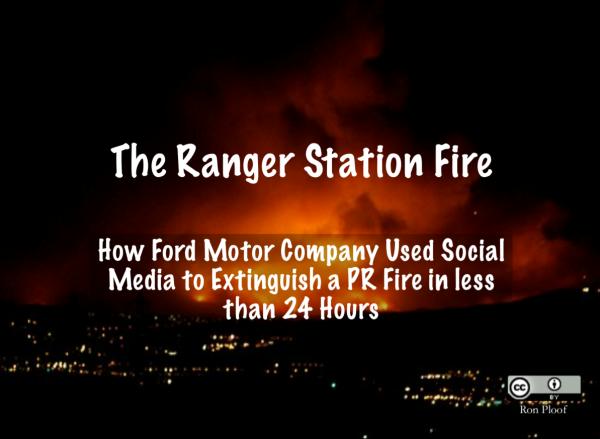
The Ranger Station Fire is a social media guide for executives and is based on a situation that occurred between TheRangerStation.com and Ford back in 2008.
This is from the introduction:
| The Ranger Station Fire is a story that should be read by every executive who is considering the adoption of New/Social Media communications vehicles into their organizations. The story takes a detailed look at how Ford Motor Company took a potentially embarrassing public relations snafu and systematically resolved it through the use of New Media channels. It takes a real-time look at the event’s origins and how the automaker used various New Media channels to deal with it and finally ends with a list of lessons that executives should consider before diving into the New Media pool. |
You can read it by clicking HERE, or on the image above.
About The Author

Jim Oaks is the founder of The Ranger Station, one of the longest-running Ford Ranger enthusiast communities on the web. He has spent over three decades owning, modifying, repairing, and driving Ford Rangers on the street, trail, and cross-country routes.
Since launching TheRangerStation.com in 1999, Jim has documented thousands of real-world Ranger builds, technical repairs, drivetrain swaps, suspension modifications, and off-road tests contributed by owners worldwide. His work has been referenced by enthusiasts, mechanics, and off-road builders looking for practical, experience-based information rather than theoretical advice.
Jim’s hands-on experience includes long-distance overland travel, trail use, drivetrain and axle upgrades, suspension tuning, and platform comparisons across multiple Ranger generations. The content published on The Ranger Station is grounded in first-hand experience and community-verified data, not marketing claims or generic specifications.